Herbal Remedies
Delve into Herbal Remedies from Ancient Egyptian Medicine. Learn about their historical significance, traditional uses, modern research, and safety considerations.
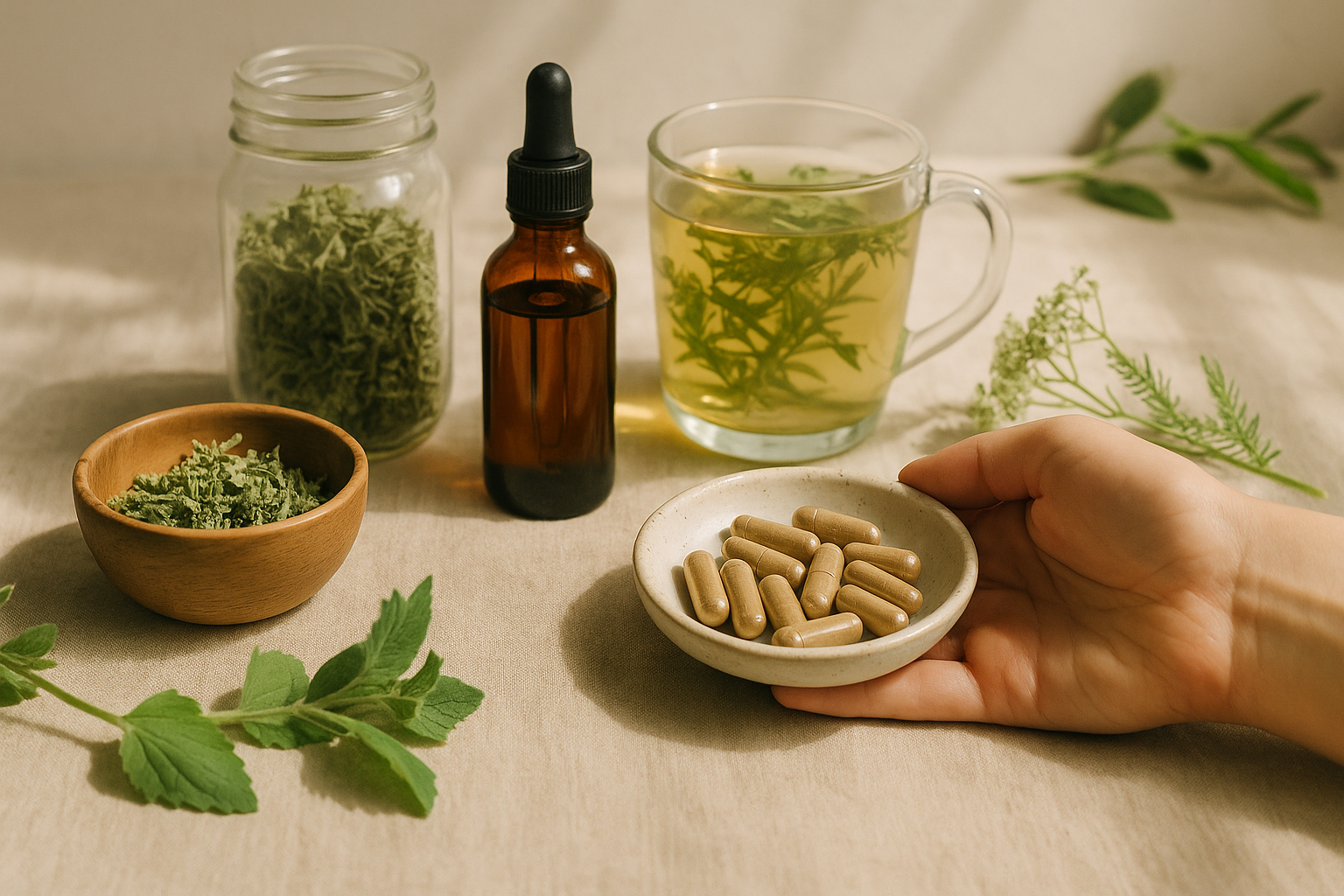
Explore the world of Herbal Remedies within Ancient Egyptian Medicine, a practice steeped in history and tradition. Discover how these remedies were utilized, their historical context, modern research insights, and safety considerations.
What It Is
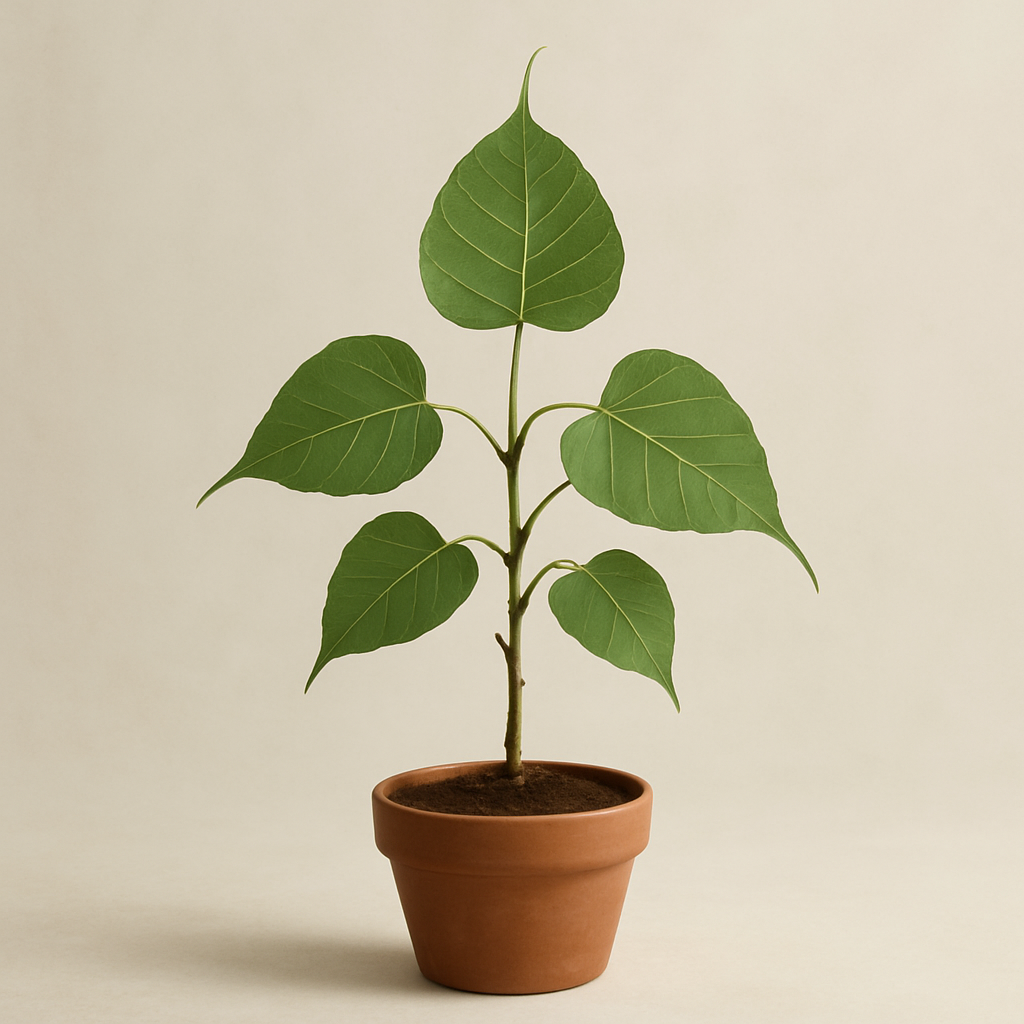
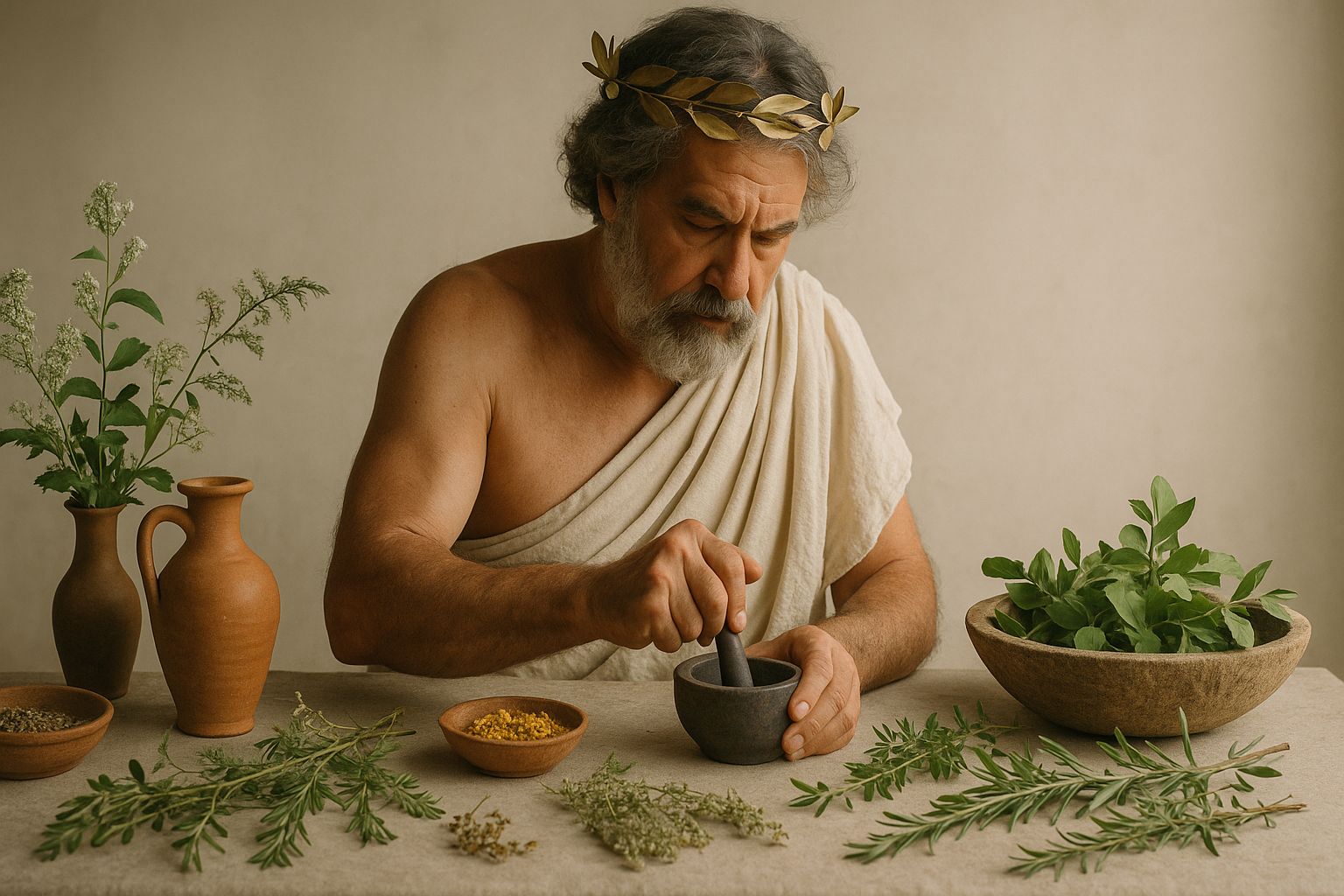
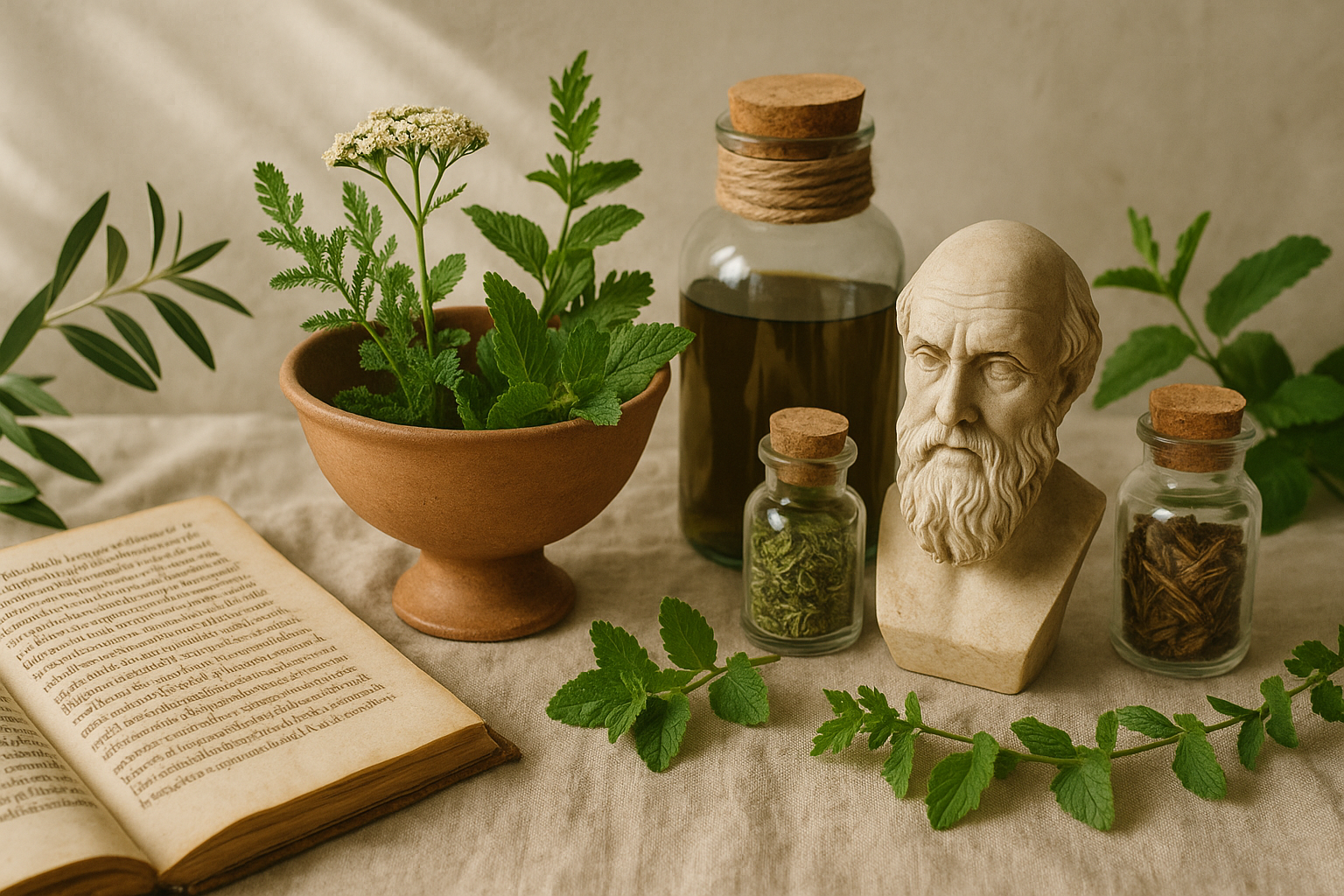
Herbal remedies refer to the use of plant-based substances for therapeutic purposes, a practice that has been integral to various cultures throughout history. In the context of Ancient Egyptian medicine, these remedies were derived from the rich biodiversity of the region, utilizing herbs, plants, and natural extracts to address various health concerns.
The application of herbal remedies in Ancient Egypt was not merely empirical; it was intertwined with spiritual and religious beliefs. Healers, often regarded as priests, combined their knowledge of botany with a deep understanding of the human body, offering treatments that were both physical and metaphysical in nature.
Historical Context Within Ancient Egyptian Medicine
Herbal remedies emerged as a core component of Ancient Egyptian medicine, with roots tracing back to around 3000 BCE. The Egyptians possessed an extensive knowledge of medicinal plants, which was documented in texts such as the Ebers Papyrus and the Edwin Smith Papyrus. These ancient manuscripts not only described the herbs used but also provided insights into their preparation and application.
Prominent figures in Ancient Egyptian medicine, such as Imhotep, were crucial in developing early herbal practices. Imhotep, often regarded as the father of medicine, is believed to have compiled medical knowledge that included the use of herbs for healing. This legacy continued through generations, influencing not only the local culture but also neighboring civilizations.
How It's Practiced
The practice of herbal remedies in Ancient Egypt involved several steps, often conducted by skilled practitioners known as healers or physicians. The process typically included:
- Assessment of the patient's condition, often incorporating spiritual and physical evaluations.
- Selection of appropriate herbs based on their traditional uses and properties.
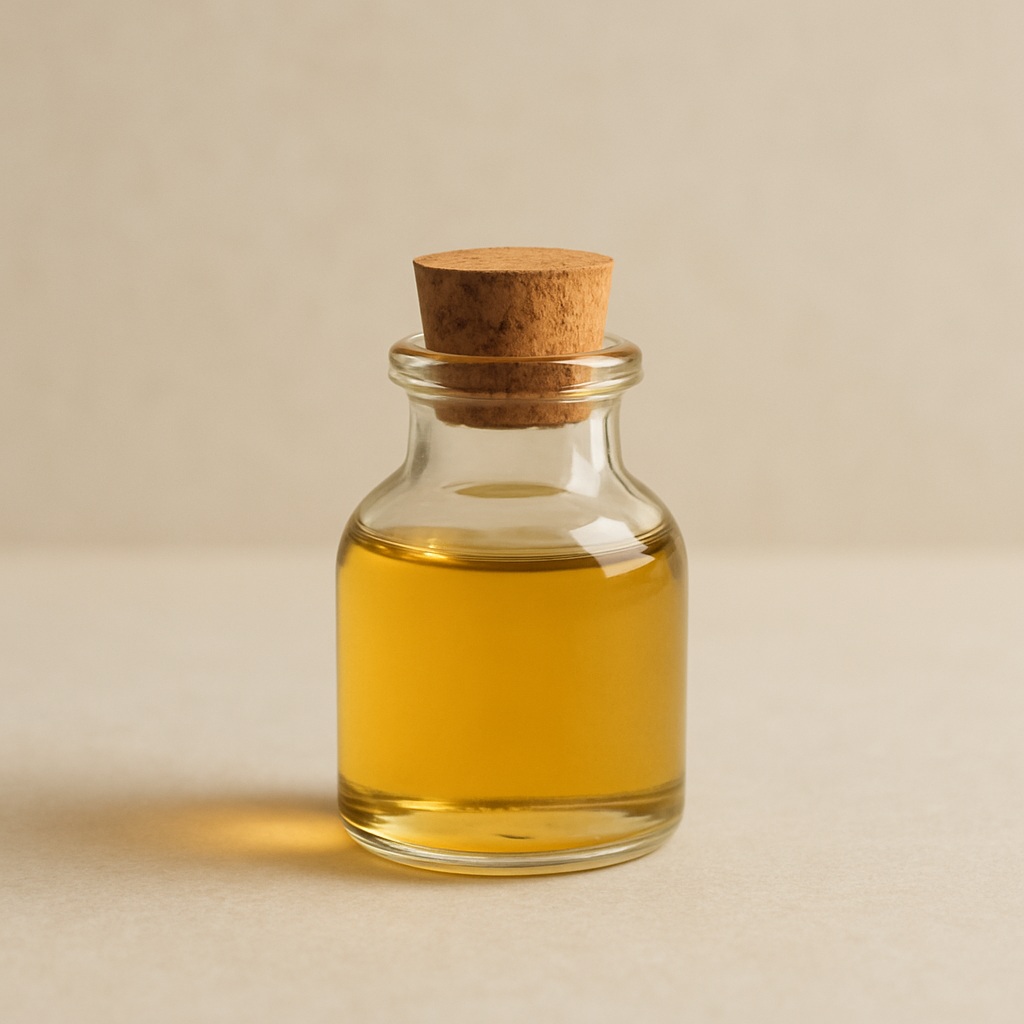
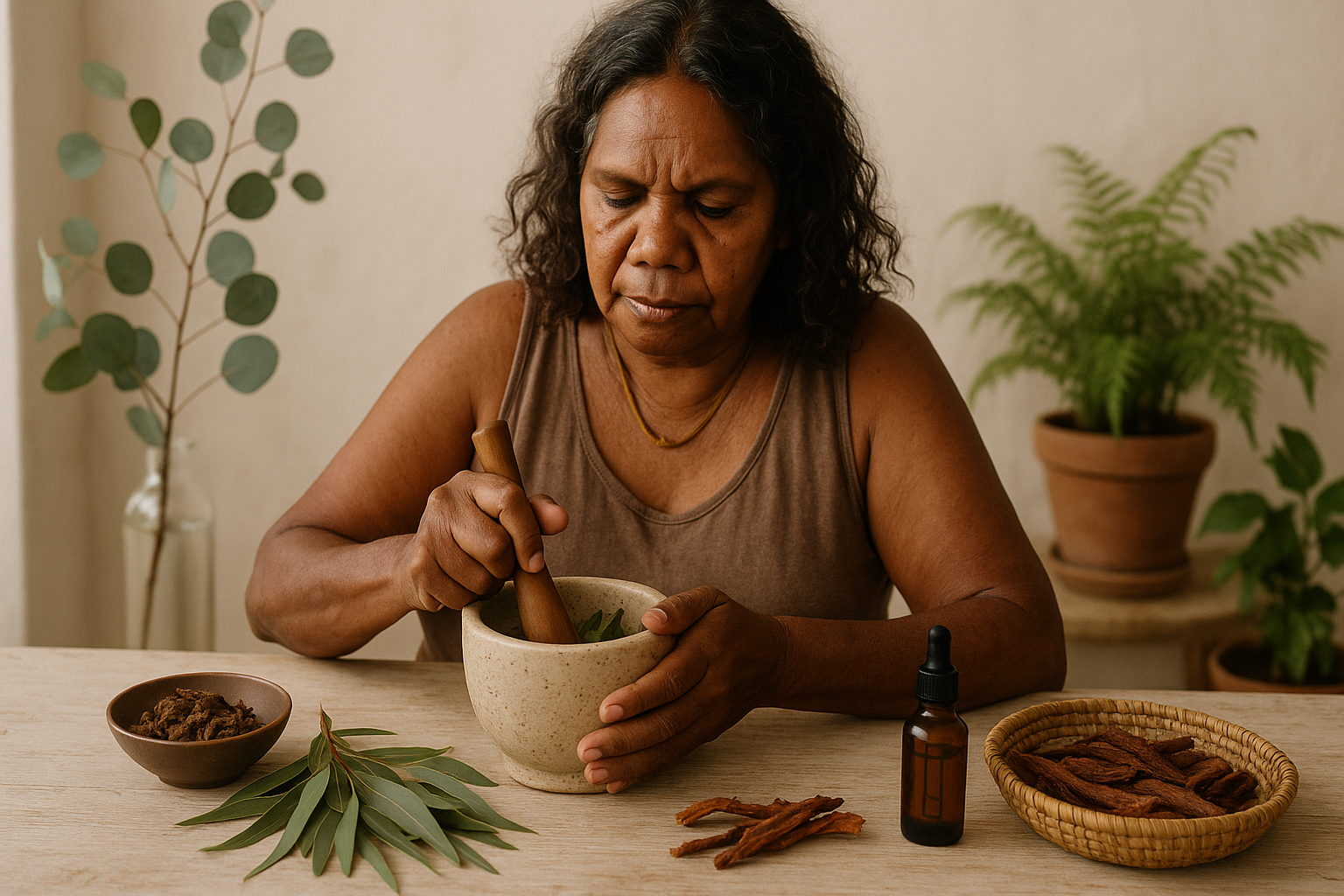
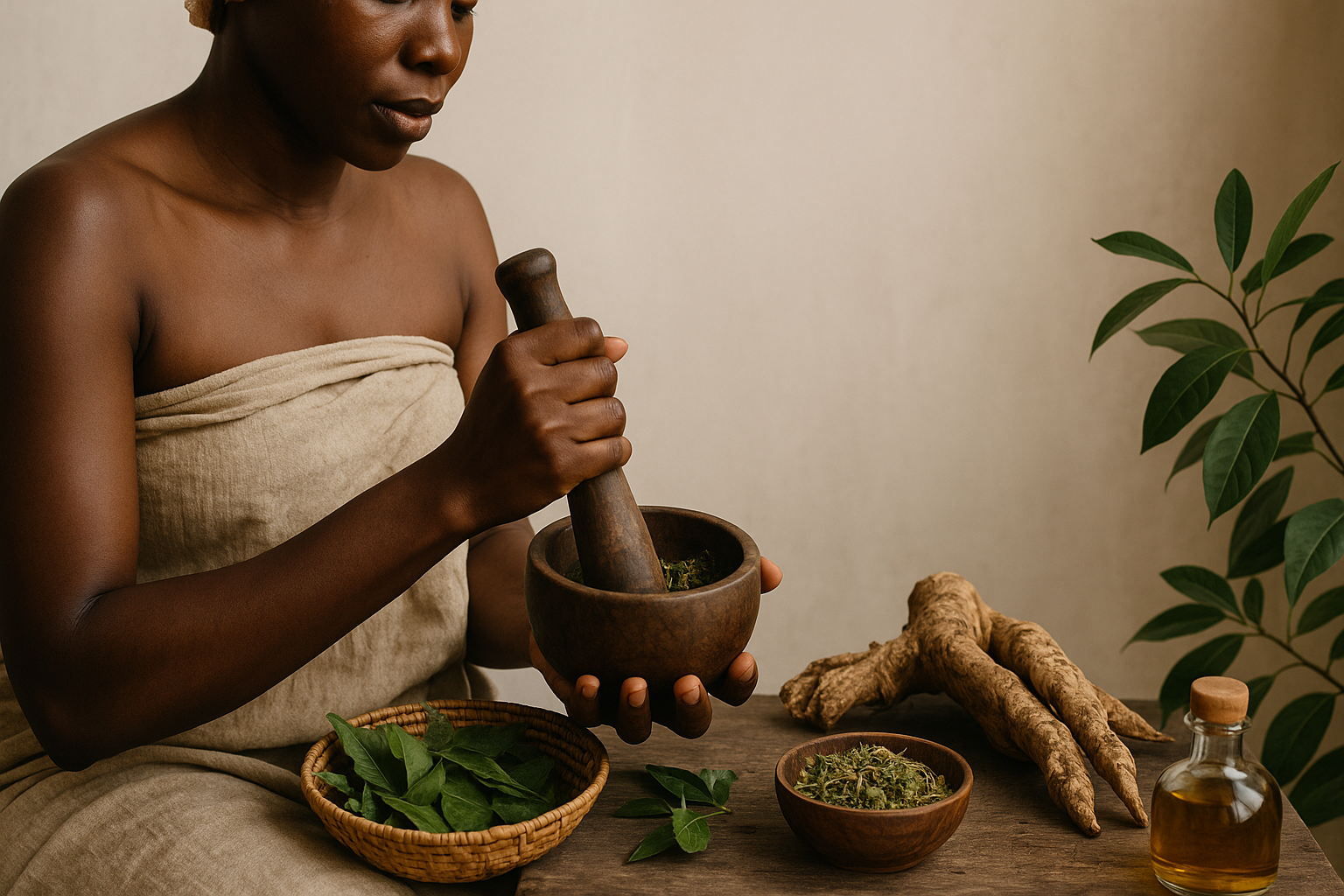
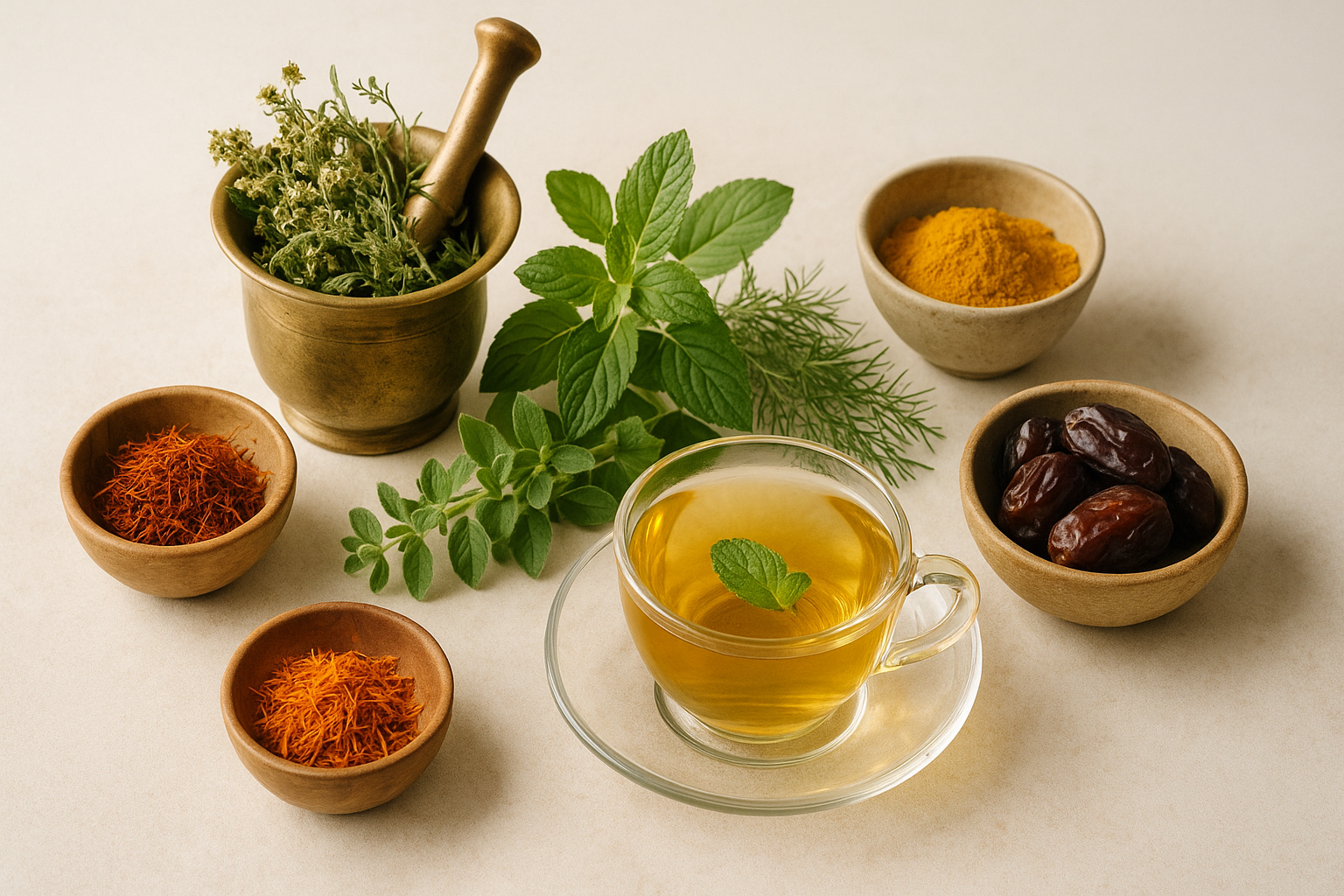
- Preparation of the herbal remedy, which could involve drying, grinding, or steeping herbs in water or oils.
- Administration of the remedy, which could be through ingestion, topical application, or inhalation.
- Follow-up to monitor the patient’s response and adjust treatment as necessary.
What It Is Traditionally Explored For
Herbal remedies in Ancient Egyptian medicine were traditionally used for a variety of health concerns. Some of the common goals included:
- Promoting general wellness and vitality.
- Alleviating digestive issues.
- Supporting respiratory health.
- Addressing skin conditions.
- Enhancing mental clarity and emotional well-being.
It is important to note that while these remedies were widely used, they were often accompanied by rituals and prayers, reflecting the holistic approach of Ancient Egyptian medicine.
What Modern Research Suggests
Modern research into herbal remedies has begun to validate some of the traditional uses observed in Ancient Egyptian medicine. For instance, studies have explored the antimicrobial properties of various herbs documented in ancient texts, highlighting their potential effectiveness against infections.
Additionally, preliminary research has focused on the anti-inflammatory and antioxidant properties of herbs like garlic and myrrh, which were used in Ancient Egypt. While these studies are promising, further clinical trials are necessary to fully understand the efficacy and safety of these herbal remedies in contemporary settings.
Safety, Contraindications & Who Should Skip
While herbal remedies can be beneficial, safety is paramount. It is essential to consider the following:
- Some herbs may interact with medications, leading to adverse effects.
- Individuals with allergies to certain plants should avoid remedies containing those herbs.
- Pregnant or nursing women should consult healthcare professionals before using herbal remedies.
- Always consult a qualified practitioner to ensure safe and appropriate use.
Pairs Well With (within Ancient Egyptian Medicine and across pillars)
Herbal remedies complement various other modalities within Ancient Egyptian medicine, including:
- Spiritual healing practices, such as prayer and rituals.
- Dietary adjustments based on ancient nutritional knowledge.
- Physical therapies, including massage and manipulation.
Additionally, these herbal practices can be harmonized with holistic approaches from other traditions, such as Traditional Chinese Medicine and Ayurveda.
How to Find a Qualified Practitioner
To find a qualified practitioner of herbal remedies within the context of Ancient Egyptian medicine, consider the following steps:
- Seek recommendations from trusted sources, such as community health centers or holistic health networks.
- Look for practitioners with formal training in herbal medicine and a background in Ancient Egyptian therapeutic practices.
- Verify credentials and experience, ensuring they have a good understanding of both the historical context and modern safety considerations.
- Schedule an initial consultation to discuss your health goals and gauge the practitioner's approach.
FAQs
- What are herbal remedies? Herbal remedies are treatments derived from plants and used for therapeutic purposes.
- How were herbal remedies used in Ancient Egypt? They were used to address various health concerns, often combined with spiritual practices.
- Are herbal remedies safe? While many are safe, it's essential to consult a healthcare professional to avoid potential interactions and contraindications.
- Can modern science validate ancient herbal practices? Some studies suggest that certain herbs used in Ancient Egypt have beneficial properties, but more research is needed.
- How can I find an herbal practitioner? Seek recommendations, check credentials, and have an initial consultation to ensure they meet your needs.
Frequently asked
What are herbal remedies?
Herbal remedies are treatments derived from plants and used for therapeutic purposes.
How were herbal remedies used in Ancient Egypt?
They were used to address various health concerns, often combined with spiritual practices.
Are herbal remedies safe?
While many are safe, it's essential to consult a healthcare professional to avoid potential interactions and contraindications.
Can modern science validate ancient herbal practices?
Some studies suggest that certain herbs used in Ancient Egypt have beneficial properties, but more research is needed.
How can I find an herbal practitioner?
Seek recommendations, check credentials, and have an initial consultation to ensure they meet your needs.