Protective Rituals
Explore the significance and practice of protective rituals in Ancient Egyptian Medicine, their historical context, and their modern relevance.
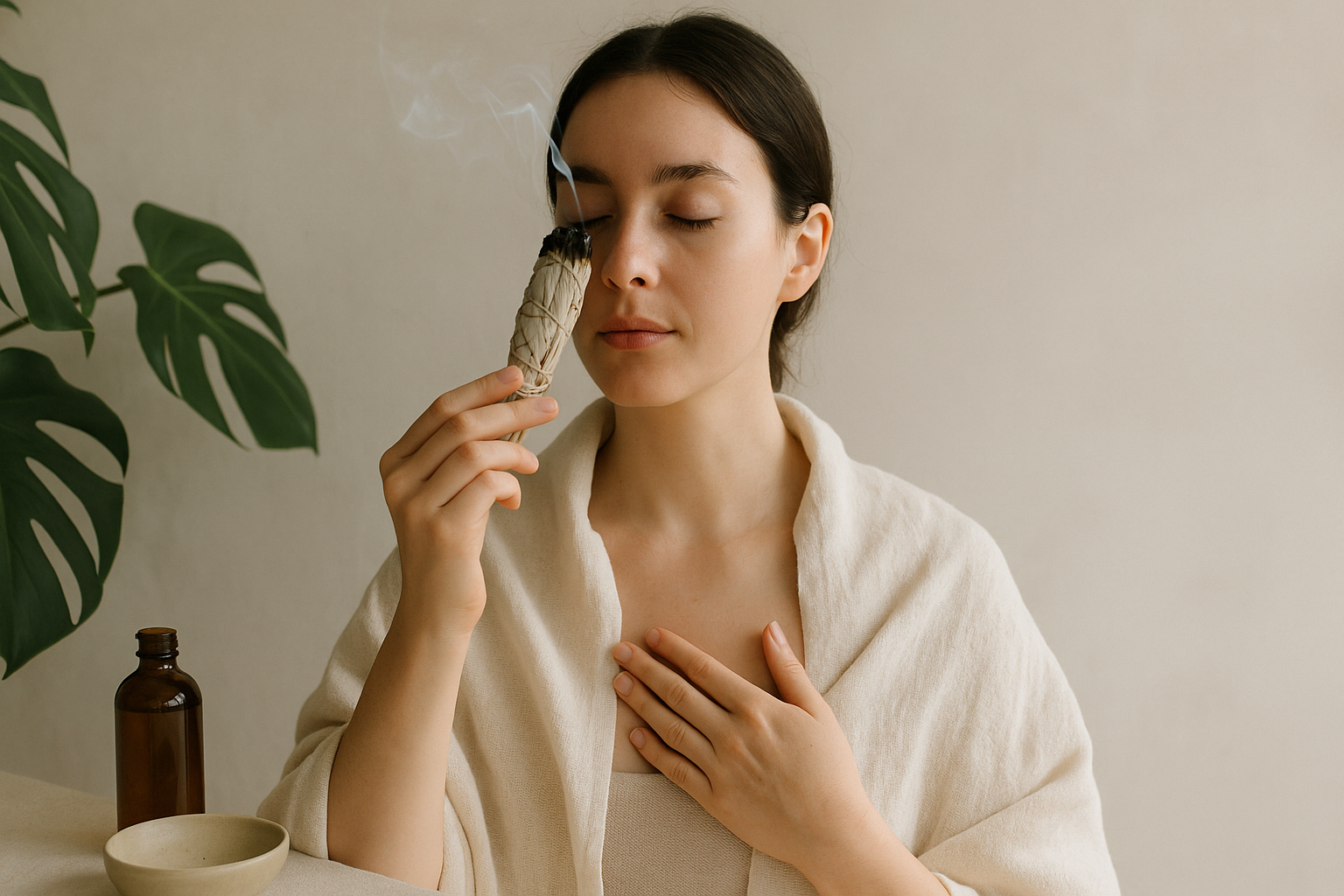
Protective rituals are an integral part of Ancient Egyptian Medicine, embodying the belief in spiritual safeguarding and physical well-being.
What It Is
Protective rituals in Ancient Egyptian Medicine encompass a variety of practices designed to safeguard individuals from negative influences, both physical and spiritual. These rituals often involve invoking the power of deities, using amulets, and reciting specific prayers or spells to create a protective barrier around the individual. This holistic approach reflects the interconnectedness of the body, mind, and spirit, emphasizing the importance of spiritual health alongside physical well-being.
The essence of protective rituals lies in their ability to address fears and uncertainties that individuals may face. By engaging in these rituals, practitioners seek to alleviate anxiety and promote a sense of security. This practice is deeply rooted in the belief that the spiritual realm can significantly impact one’s physical health, thereby bridging the gap between the seen and unseen worlds.
Historical Context Within Ancient Egyptian Medicine
Protective rituals have been a cornerstone of Ancient Egyptian Medicine, emerging around the same time as other medicinal practices in ancient Egypt, which dates back to over 3000 BCE. These rituals were developed by priests and healers who understood the spiritual dimensions of health and illness. The ancient Egyptians believed that many ailments were caused by supernatural forces, thus the incorporation of protective rituals was essential for holistic healing.
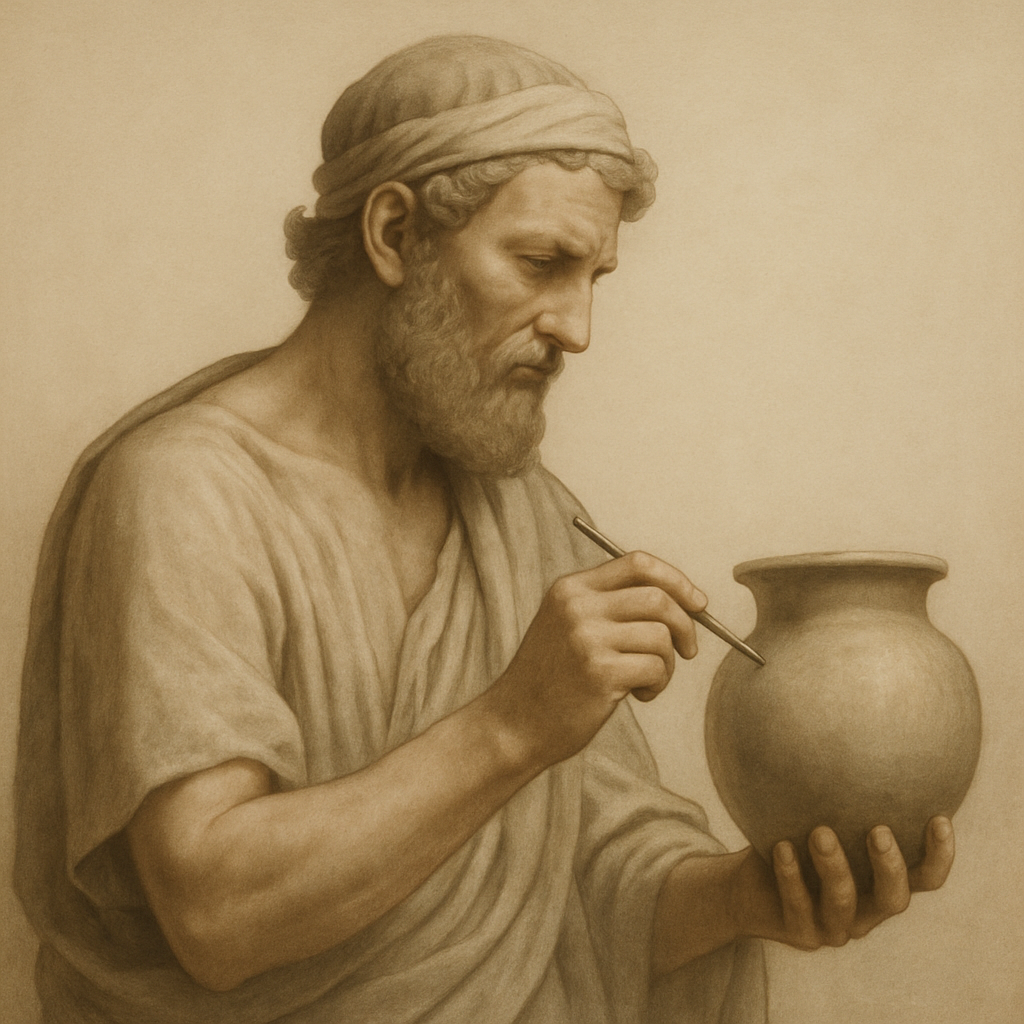
Notable figures such as Imhotep, an ancient physician and architect, are often associated with the development of various healing practices, including protective rituals. These rituals were not only limited to individual practices but were also performed in temples, emphasizing their community significance and the role of divine intervention in health matters.
How It's Practiced
Practitioners of protective rituals typically follow a structured approach, which may include the following steps:
- Preparation: The practitioner prepares the sacred space, ensuring it is clean and free from distractions.
- Invocation: They invoke the appropriate deities, often through prayers or chants, to seek their protection and blessings.
- Use of Amulets: Amulets imbued with protective symbols are often utilized, placed on the individual or in their surroundings.
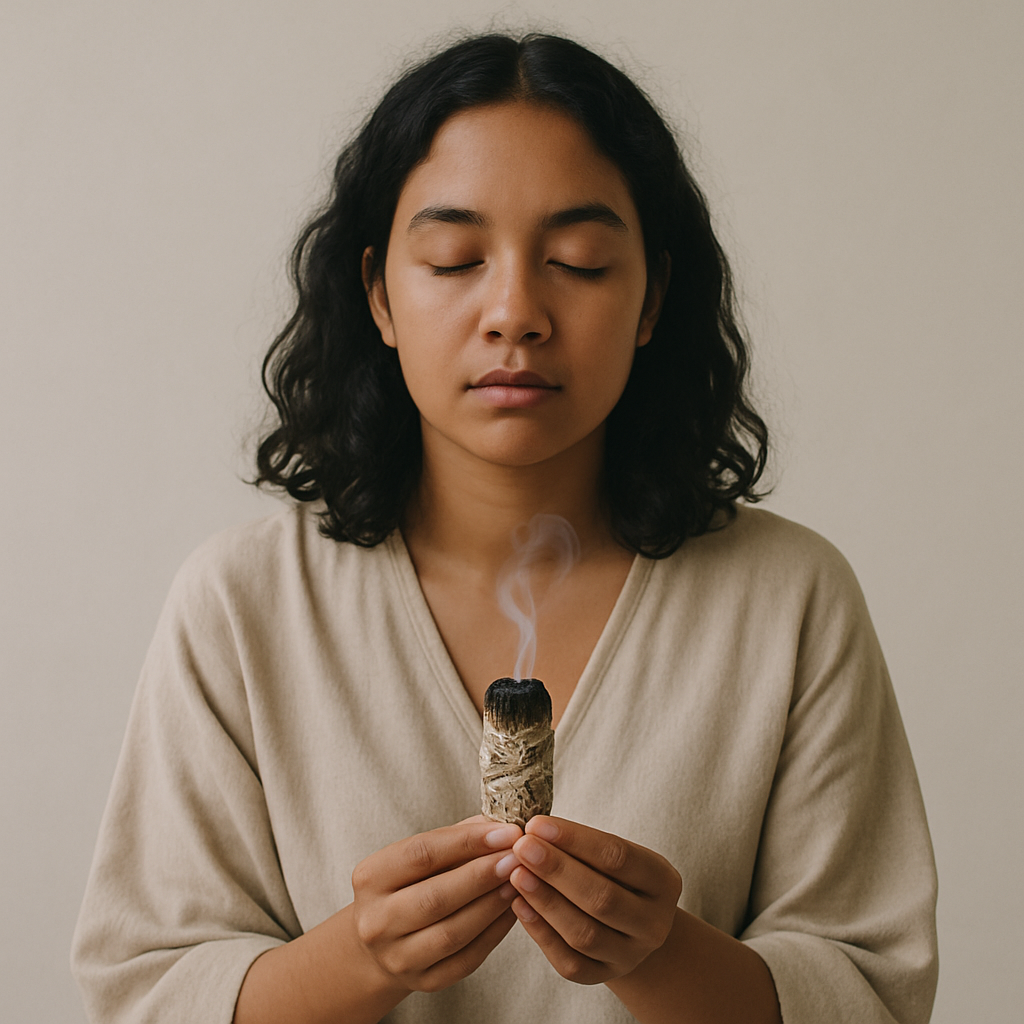
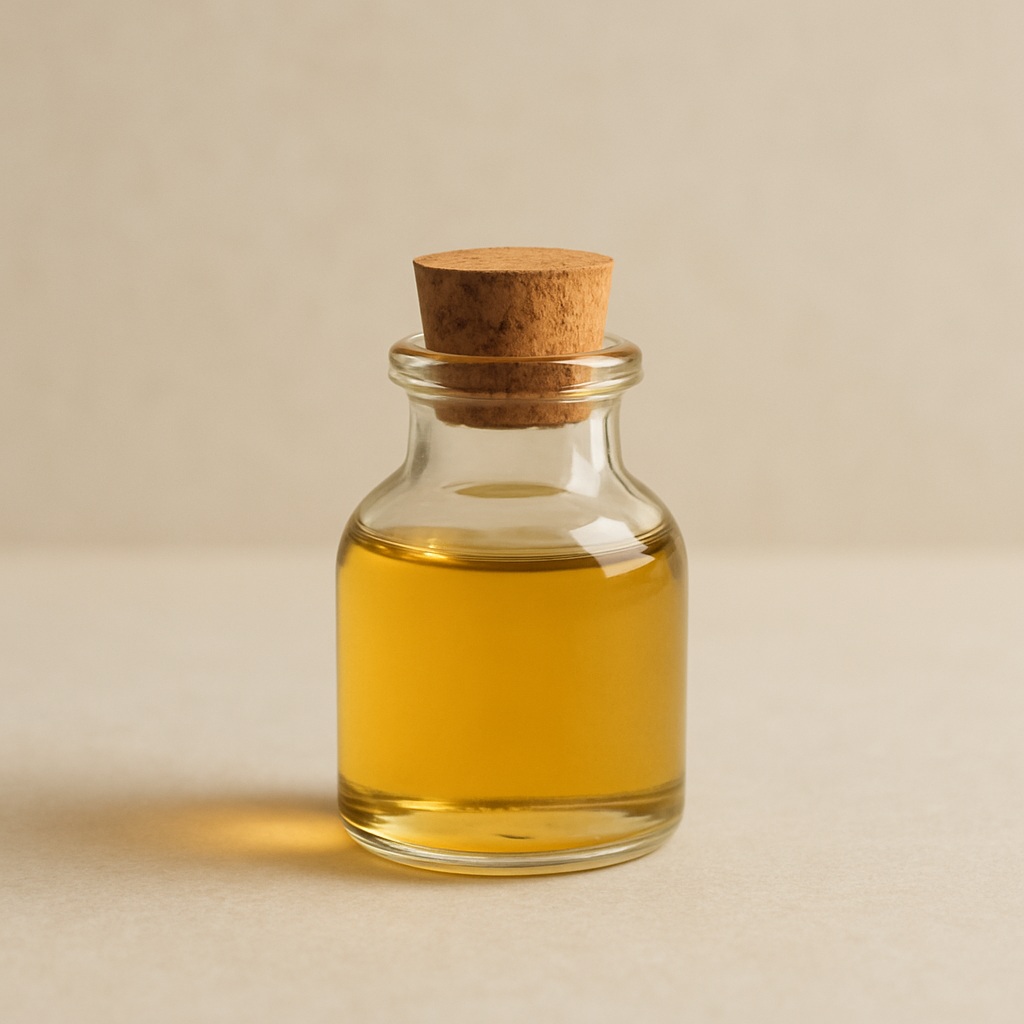
- Ritual Components: This may involve the burning of incense, the use of sacred oils, or the recitation of specific spells that align with the desired protection.
- Closing the Ritual: The ritual concludes with gratitude expressed to the deities, often including an offering or a closing prayer.
What It Is Traditionally Explored For
Protective rituals are traditionally used for a variety of purposes, including but not limited to:
- Shielding against illness and misfortune.
- Enhancing personal strength and resilience.
- Promoting safe passage during significant life transitions, such as childbirth or travel.
- Providing emotional peace, particularly in times of stress or anxiety.
- Facilitating protection against malevolent forces or negative energies.
What Modern Research Suggests
Modern research into protective rituals has begun to explore their psychological benefits. Preliminary studies suggest that engaging in ritualistic behaviors can significantly reduce anxiety and enhance feelings of safety and control. These findings align with the ancient understanding that spiritual practices can influence emotional and physical states.
Additionally, some clinical studies indicate that cultural practices, including protective rituals, may have a positive impact on overall well-being. While more rigorous research is needed to fully understand the mechanisms at play, the intersection of spirituality and health continues to be a promising area for exploration.
Safety, Contraindications & Who Should Skip
While protective rituals are generally safe, individuals with severe mental health issues or those who may be experiencing acute psychological distress should approach these practices with caution. It is advisable for such individuals to seek professional psychological help rather than relying solely on ritualistic practices. Additionally, anyone who feels uncomfortable with spiritual practices or who holds differing beliefs may choose to skip these rituals altogether.
Pairs Well With (within Ancient Egyptian Medicine and across pillars)
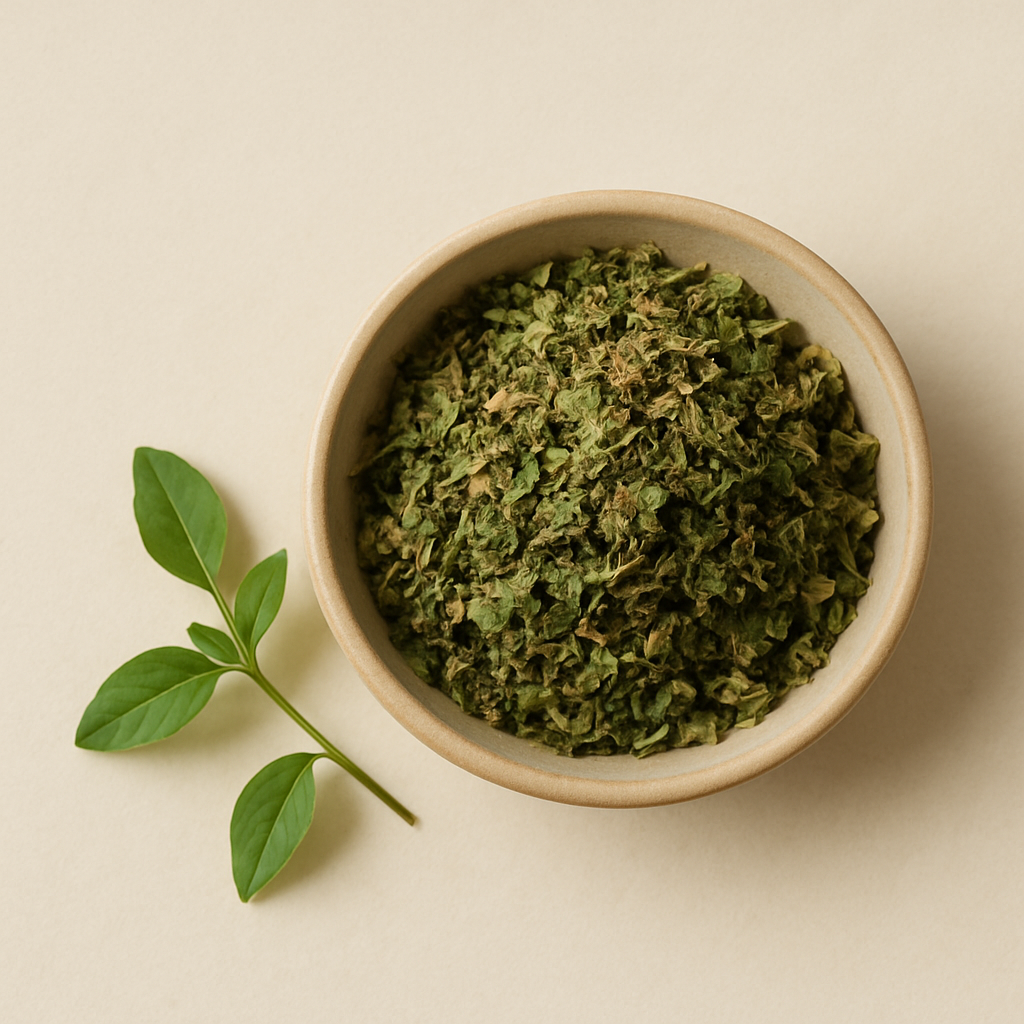
- Herbal Remedies: Many protective rituals incorporate specific herbs known for their protective properties.
- Massage Therapy: Physical touch can complement the spiritual aspects of healing.
- Dream Interpretation: Understanding dreams can provide further insights into one’s protective needs.
- Nutrition: A balanced diet is often considered essential for maintaining overall health and spiritual clarity.
How to Find a Qualified Practitioner
Finding a qualified practitioner for protective rituals involves several steps:
- Research: Look for practitioners with a background in Ancient Egyptian Medicine or those who specialize in spiritual healing.
- Referrals: Seek recommendations from trusted sources who have experienced protective rituals.
- Consultation: Schedule a consultation to discuss your needs, experiences, and the practitioner's approach.
- Credentials: Verify any credentials or training related to spiritual healing practices.
FAQs (5)
- What are protective rituals? Protective rituals are practices designed to safeguard individuals from negative influences, both physical and spiritual.
- Who developed protective rituals in Ancient Egypt? Protective rituals were developed by priests and healers, including notable figures like Imhotep.
- What do protective rituals typically involve? They often involve invocation of deities, use of amulets, and specific prayers or spells.
- Are protective rituals safe? Generally, yes, but individuals with severe mental health issues should approach them with caution.
- How can I find a qualified practitioner? Research practitioners with a background in Ancient Egyptian Medicine and seek referrals from trusted sources.
Frequently asked
What are protective rituals?
Protective rituals are practices designed to safeguard individuals from negative influences, both physical and spiritual.
Who developed protective rituals in Ancient Egypt?
Protective rituals were developed by priests and healers, including notable figures like Imhotep.
What do protective rituals typically involve?
They often involve invocation of deities, use of amulets, and specific prayers or spells.
Are protective rituals safe?
Generally, yes, but individuals with severe mental health issues should approach them with caution.
How can I find a qualified practitioner?
Research practitioners with a background in Ancient Egyptian Medicine and seek referrals from trusted sources.