Mood Adaptogens
Discover the benefits of mood adaptogens, their traditional uses, and how they support emotional health.

Explore the world of mood adaptogens, their historical significance, active compounds, and modern applications for emotional well-being.
What It Is
Mood adaptogens are natural substances that help the body adapt to stress and promote emotional balance. These plant-derived compounds are believed to support the body’s ability to maintain homeostasis, particularly in relation to mood and mental well-being. Common mood adaptogens include Rhodiola rosea (Rhodiola), Ashwagandha (Withania somnifera), and Holy Basil (Ocimum sanctum).
Key Active Compounds & Mechanisms
The active compounds in mood adaptogens vary by plant but often include:
- Rosavins and Salidroside: Found in Rhodiola rosea, these compounds are known for their potential to enhance mood and reduce fatigue.
- Withanolides: Present in Ashwagandha, these compounds may help modulate the stress response and promote relaxation.
- Urosolic Acid: Found in Holy Basil, this compound is believed to help combat stress and support emotional stability.
These compounds interact with various neurotransmitters and hormones in the body, helping to regulate stress responses and promote a sense of calm.
Traditional Uses
Mood adaptogens have been used for centuries in various traditional medicinal systems:
- Ayurveda: Ashwagandha has been a cornerstone of Ayurvedic medicine, used to enhance vitality and reduce anxiety.
- Traditional Chinese Medicine: Rhodiola has been utilized to combat fatigue and enhance mental performance.
- Indian Medicine: Holy Basil, known as Tulsi, is revered for its ability to support mental clarity and emotional stability.
These ancient practices highlight the long-standing belief in the power of plants to influence mood and emotional health.
What Modern Research Suggests
Contemporary studies on mood adaptogens are promising, albeit still emerging. Research indicates:
- Rhodiola: Some studies suggest it may help reduce symptoms of depression and anxiety.
- Ashwagandha: Evidence indicates it may lower cortisol levels, thus alleviating stress.
- Holy Basil: Research shows it may help reduce anxiety and improve mood.
While these findings are encouraging, more extensive clinical trials are necessary to validate these effects definitively.
Functional Actions
Mood adaptogens serve several functional roles in the body:
- Stress Reduction: They may help mitigate the effects of chronic stress on the body.
- Emotional Balance: These adaptogens may promote a sense of calm and emotional stability.
- Energy Boost: Certain adaptogens can enhance physical and mental energy, combating fatigue.
These actions collectively contribute to the overall enhancement of mental well-being.
Body Systems Supported
Mood adaptogens primarily support:
- Nervous System: They help regulate neurotransmitters that influence mood.
- Endocrine System: Adaptogens can modulate hormone levels, particularly stress hormones like cortisol.
- Immune System: Some adaptogens may bolster immune response, contributing to overall well-being.
By supporting these systems, mood adaptogens play a crucial role in maintaining mental health.
Common Forms & Educational Dosing Ranges
Mood adaptogens are available in various forms, including:
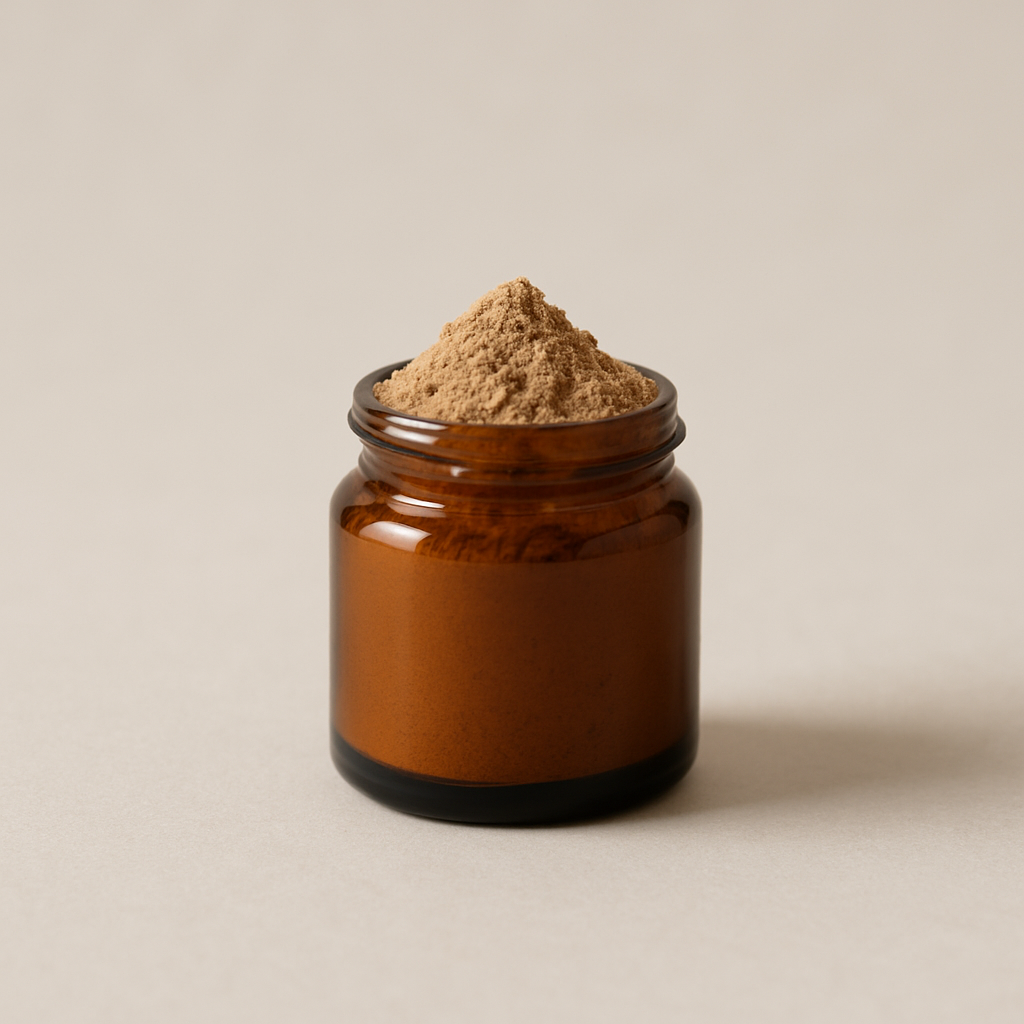
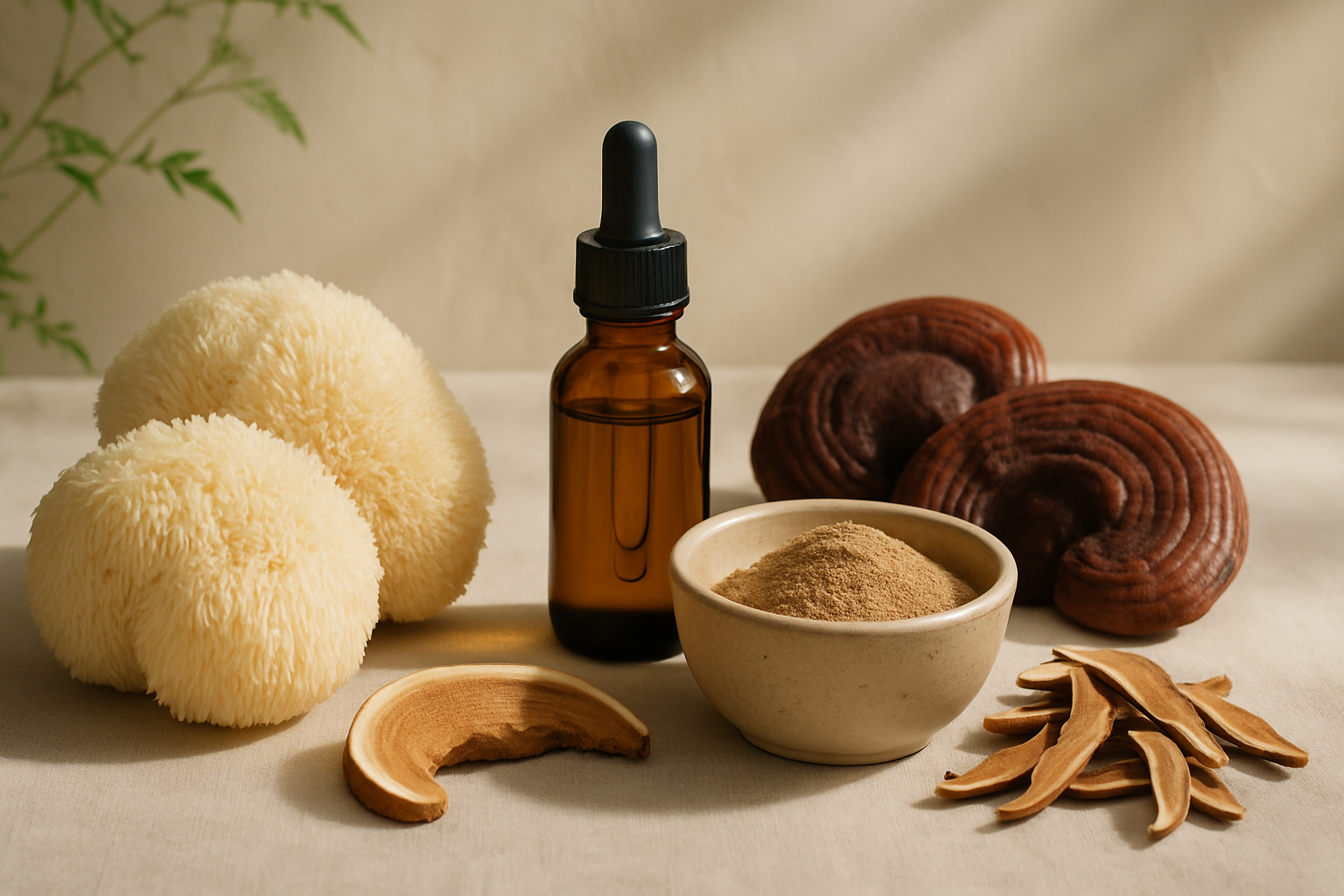
- Powders: Often added to smoothies or teas.
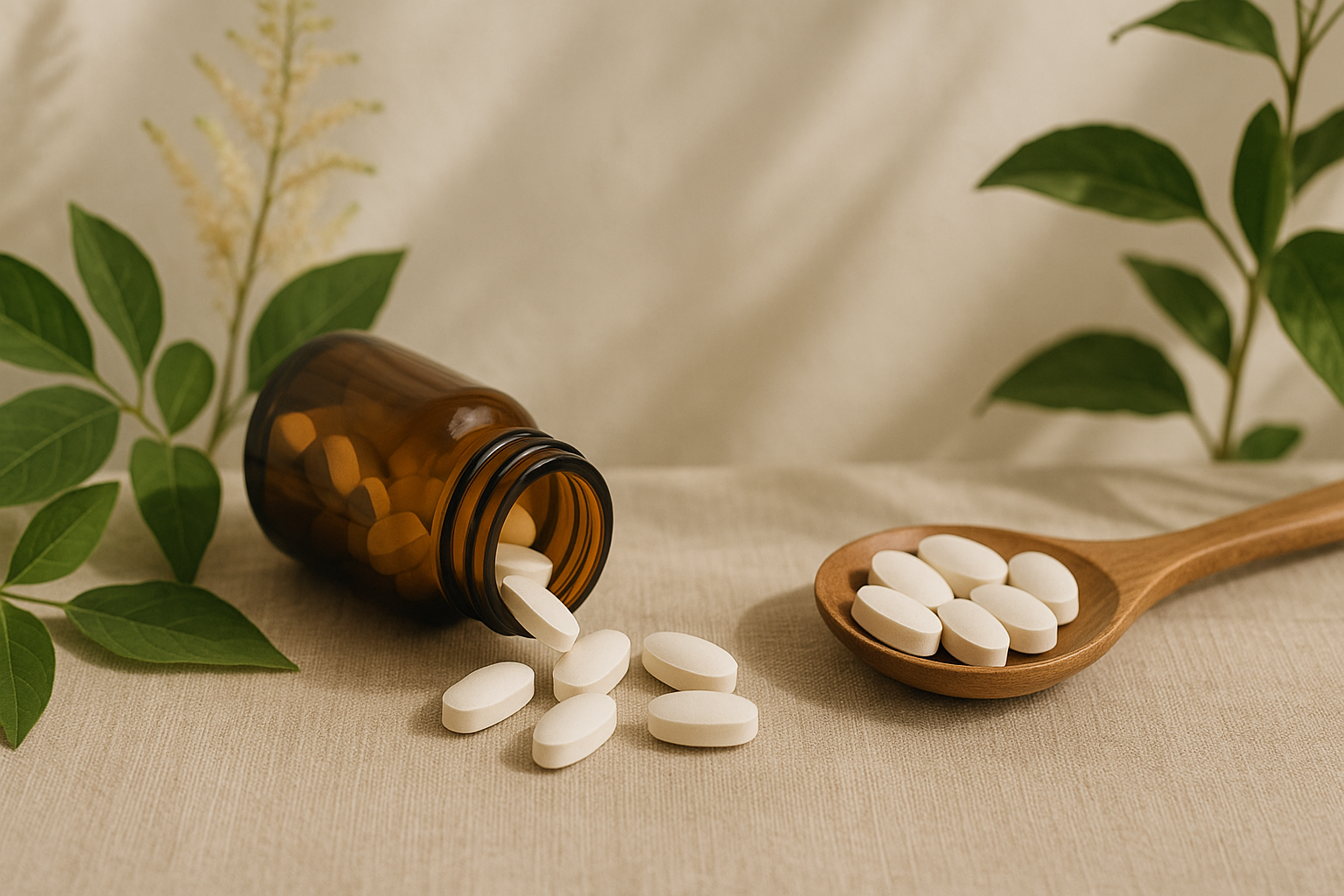
- Capsules: Convenient for daily supplementation.
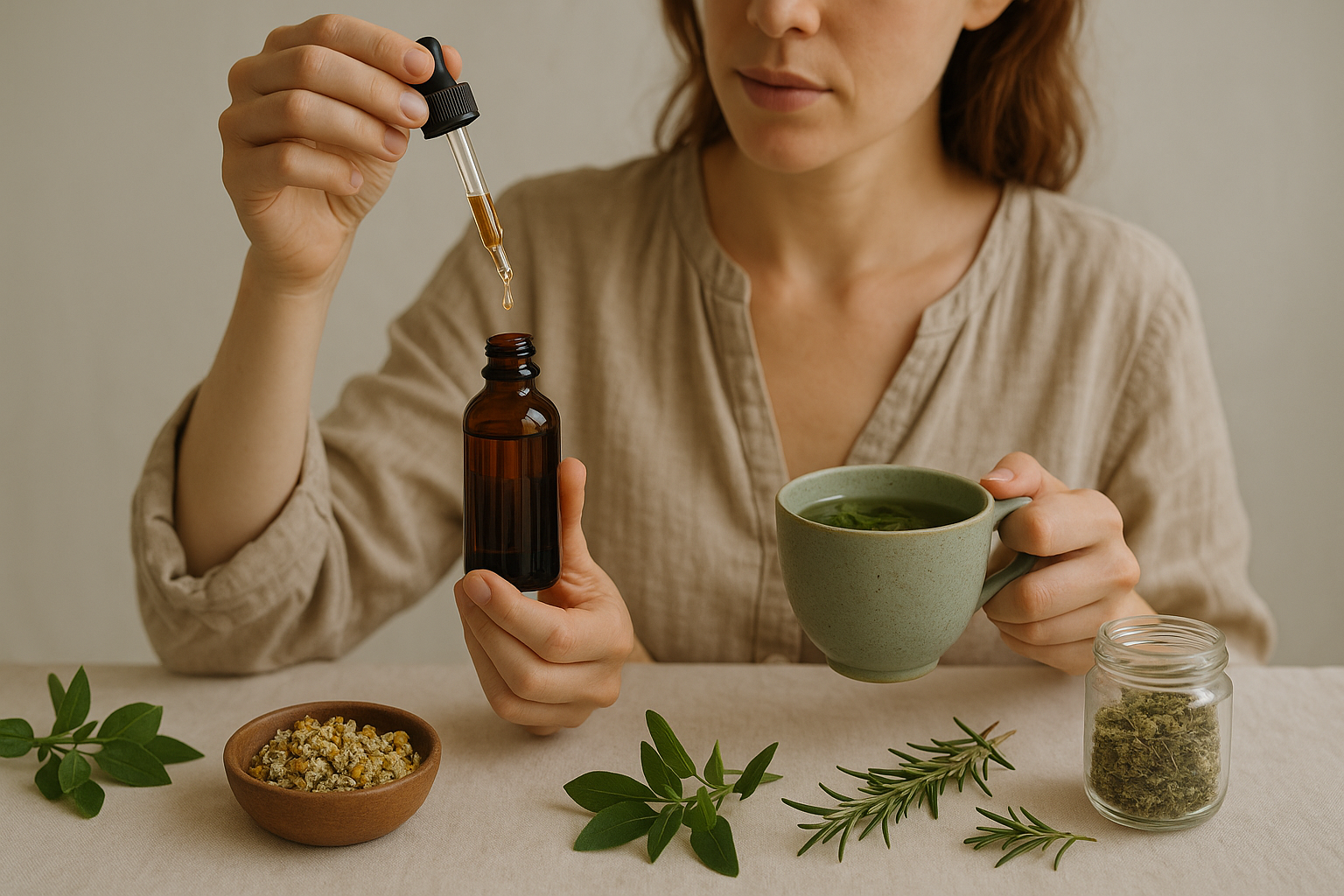
- Tinctures: Liquid extracts that can be taken directly or added to beverages.
Typical dosing ranges may vary, but a general guideline is:
- Rhodiola: 200-400 mg per day
- Ashwagandha: 300-600 mg per day
- Holy Basil: 300-2000 mg per day
Always consult with a healthcare professional for personalized dosing recommendations.
Safety, Contraindications & Interactions
While mood adaptogens are generally considered safe, they may interact with certain medications:
- Antidepressants: Some adaptogens may enhance or diminish the effects of these medications.
- Anticoagulants: Adaptogens like Holy Basil may affect blood clotting.
- Thyroid medications: Ashwagandha may influence thyroid hormone levels.
Consult a healthcare provider before combining these adaptogens with any medications.
Pairs Well With
Mood adaptogens can be effectively combined with other natural remedies for enhanced effects, such as:
- Omega-3 Fatty Acids: Support brain health and mood.
- L-Theanine: Promotes relaxation without drowsiness.
- Magnesium: Supports relaxation and stress management.
These combinations can create a synergistic effect, promoting overall emotional well-being.
FAQs (5)
- What are mood adaptogens? Mood adaptogens are natural substances that help the body cope with stress and promote emotional balance.
- How do mood adaptogens work? They interact with neurotransmitters and hormones, helping to regulate stress responses and improve mood.
- Are mood adaptogens safe? Generally considered safe, but they may interact with certain medications. Consult a healthcare provider for guidance.
- Can I take multiple adaptogens at once? Yes, but it's best to consult with a healthcare professional for personalized advice.
- How long does it take to feel the effects of mood adaptogens? Effects can vary; some may feel benefits within a few days, while others may take weeks of consistent use.
Frequently asked
What are mood adaptogens?
Mood adaptogens are natural compounds that help the body adapt to stress and promote emotional balance.
How do mood adaptogens work?
They work by modulating neurotransmitter activity and regulating hormonal responses, particularly stress hormones.
Are mood adaptogens safe for everyone?
While generally safe, some may interact with medications or be contraindicated for certain health conditions.
How long does it take for mood adaptogens to work?
Effects may vary, but some individuals notice improvements within a few days to weeks of consistent use.
Can mood adaptogens be taken with other supplements?
Yes, but it is advisable to consult a healthcare provider to ensure compatibility.