Performance Support
Discover how adaptogens can enhance performance support by improving resilience and stamina. Learn about key compounds, traditional uses, and modern research findings.

Explore the world of performance support through adaptogens, natural remedies that enhance physical and mental capabilities. Learn about their active compounds, traditional uses, modern research insights, and how they benefit various body systems.
What It Is
Performance support refers to natural remedies, particularly adaptogens, that enhance physical and mental capabilities. Adaptogens are non-toxic plants that help the body adapt to stress and promote balance. A few well-known adaptogens include Rhodiola rosea (golden root), Withania somnifera (ashwagandha), and Panax ginseng. These natural substances are believed to support the body’s ability to withstand stressors, thus improving overall performance.
Key Active Compounds & Mechanisms
Adaptogens contain various active compounds that contribute to their performance-enhancing effects. Common compounds include:
- Rosavins: Found in Rhodiola rosea, these compounds are thought to enhance endurance and reduce fatigue.
- Withanolides: Present in Withania somnifera, these compounds may support cognitive function and reduce anxiety.
- Ginsenosides: Active constituents in Panax ginseng, believed to improve energy and memory.
These compounds work through several mechanisms, including modulating stress hormone levels, supporting cellular energy production, and enhancing cognitive function.
Traditional Uses
Adaptogens have been used for centuries in various cultures for their performance-supportive properties. For example:
- In traditional Chinese medicine, Panax ginseng has been used to boost energy and stamina.
- In Ayurvedic practices, ashwagandha is often employed to enhance vitality and mental clarity.
- Rhodiola rosea has a long history of use in Russia and Scandinavia for its ability to combat fatigue and improve athletic performance.
These historical uses reflect a deep understanding of how certain plants can aid in resilience and performance enhancement.
What Modern Research Suggests
Recent studies have begun to validate the traditional uses of adaptogens, although more research is needed. Preliminary findings suggest that:
- Rhodiola rosea may improve physical performance and reduce fatigue during exercise.
- Ashwagandha has shown promise in enhancing strength and muscle mass in resistance training.
- Panax ginseng may improve cognitive performance, especially under stress.
While these findings are encouraging, it is crucial to approach them with caution as many studies are preliminary, and further research is warranted.
Functional Actions
The functional actions of adaptogens in performance support include:
- Stress reduction: Helping the body manage and adapt to stress.
- Energy enhancement: Increasing stamina and reducing fatigue.
- Cognitive support: Enhancing mental clarity, focus, and memory.
These actions make adaptogens particularly beneficial for athletes, busy professionals, and anyone seeking to improve their resilience in the face of daily challenges.
Body Systems Supported
Adaptogens support multiple body systems, including:
- Endocrine System: Helping regulate hormones involved in stress response.
- Nervous System: Supporting mental health and cognitive function.
- Muscular System: Enhancing physical endurance and recovery.
This multifaceted support contributes to overall well-being and performance enhancement.
Common Forms & Educational Dosing Ranges
Adaptogens are available in various forms, including:
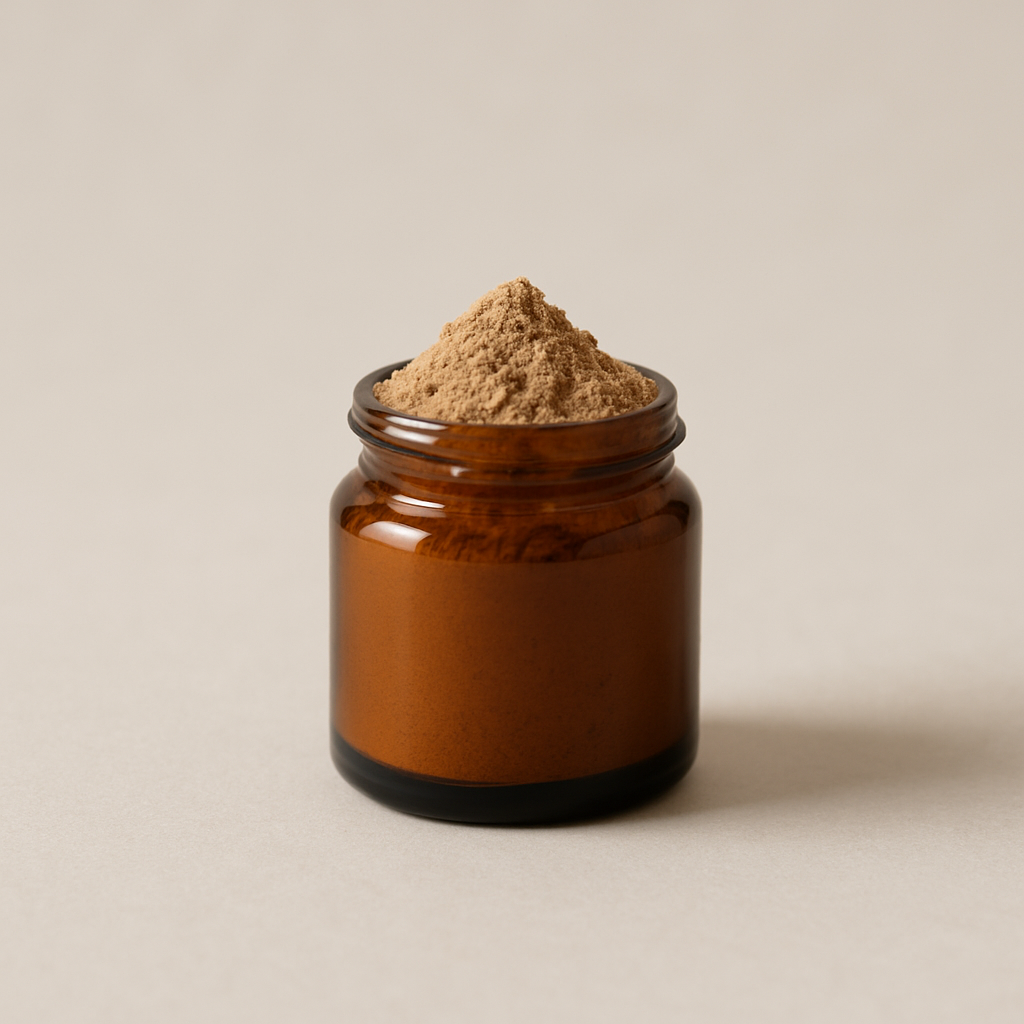
- Powders: Commonly added to smoothies or beverages.
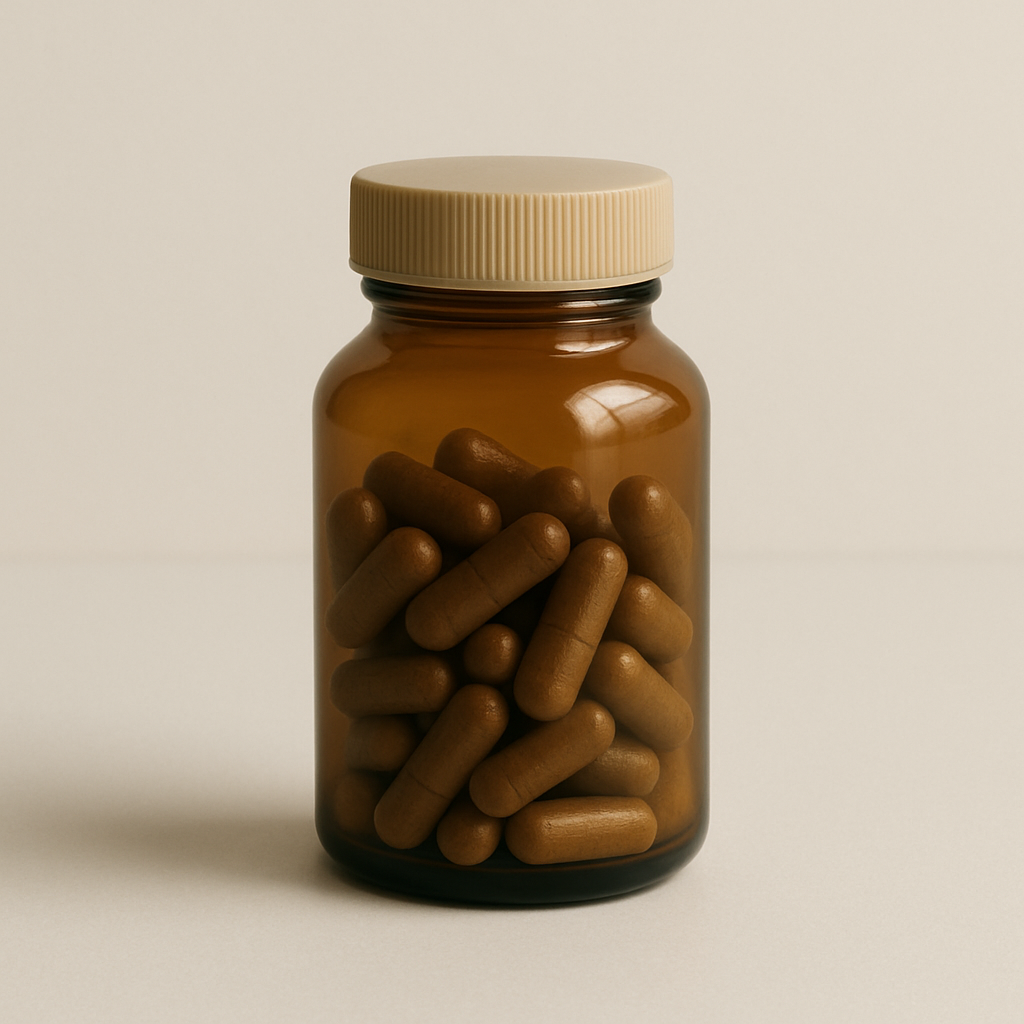
- Capsules: Convenient for on-the-go supplementation.
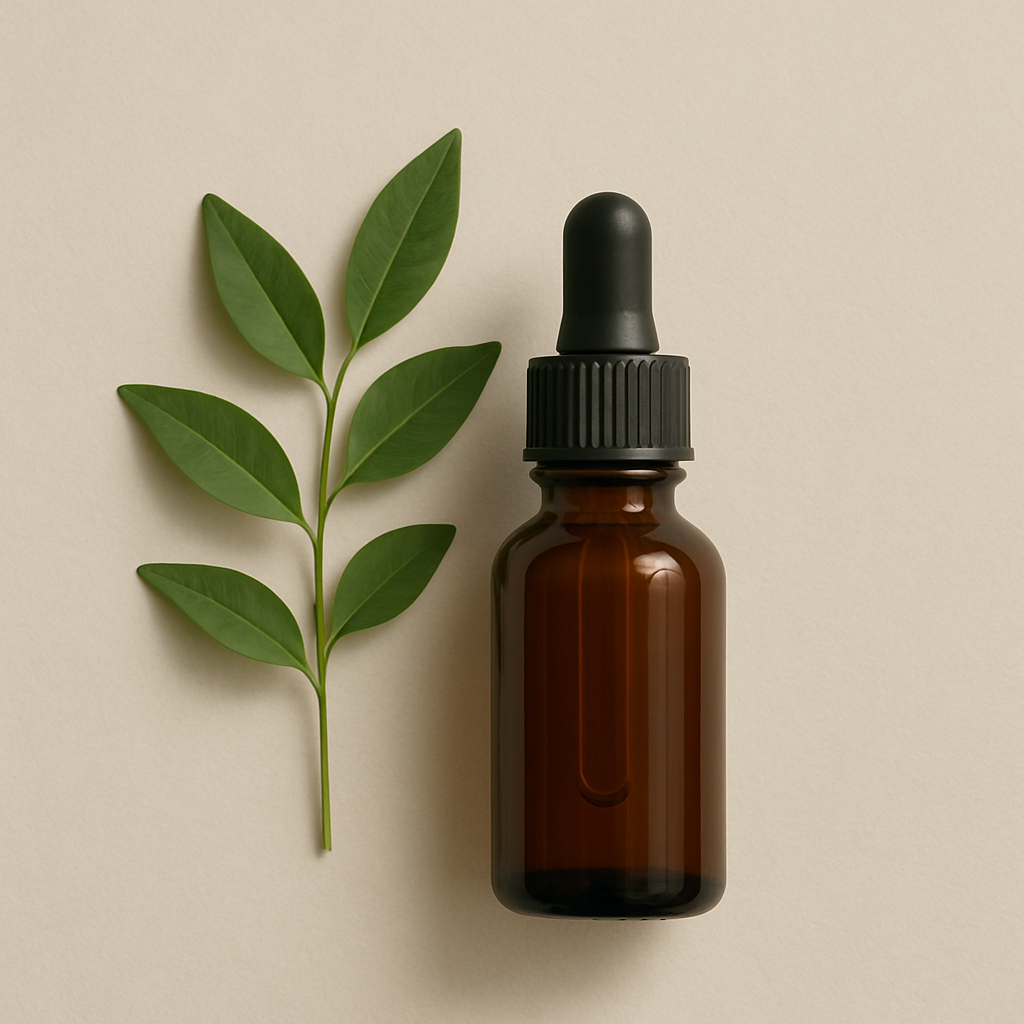
- Tinctures: Liquid extracts that can be taken directly or added to water.
Educational dosing ranges vary by adaptogen but typically include:
- Rhodiola rosea: 200-600 mg per day.
- Ashwagandha: 300-500 mg per day.
- Panax ginseng: 200-400 mg per day.
Always consult a healthcare professional before starting any new supplement regimen.
Safety, Contraindications & Interactions
While adaptogens are generally considered safe for most people, some precautions should be taken:
- Ashwagandha may interact with sedatives or thyroid medications.
- Rhodiola rosea should be used cautiously in individuals with bipolar disorder.
- Panax ginseng may interfere with anticoagulant medications.
It is essential to discuss any potential interactions with a healthcare provider, especially if taking other medications.
Pairs Well With
For enhanced effects, adaptogens can be paired with:
- Other herbs like turmeric (Curcuma longa) for anti-inflammatory support.
- Vitamins and minerals such as magnesium for muscle support.
- Essential fatty acids like omega-3s for brain health.
This synergistic approach can further optimize performance support.
FAQs (5)
- What are adaptogens?
Adaptogens are natural substances that help the body adapt to stress and promote balance. - How do adaptogens work?
They modulate stress hormone levels and support cellular energy production. - Are adaptogens safe for everyone?
Most are safe, but some may interact with medications; consult a healthcare provider. - How long does it take to feel the effects of adaptogens?
Effects can vary, but some may feel benefits within a few days to weeks of consistent use. - Can I take multiple adaptogens at once?
Yes, but it’s best to start with one and consult a healthcare provider for guidance.
Frequently asked
What are adaptogens?
Adaptogens are natural substances that help the body adapt to stress and promote balance.
How do adaptogens work?
They modulate stress hormone levels and support cellular energy production.
Are adaptogens safe for everyone?
Most are safe, but some may interact with medications; consult a healthcare provider.
How long does it take to feel the effects of adaptogens?
Effects can vary, but some may feel benefits within a few days to weeks of consistent use.
Can I take multiple adaptogens at once?
Yes, but it’s best to start with one and consult a healthcare provider for guidance.