Sleep Adaptogens
Learn about sleep adaptogens, their benefits, and how they can help improve sleep quality. Discover traditional uses, modern research, and safety information.
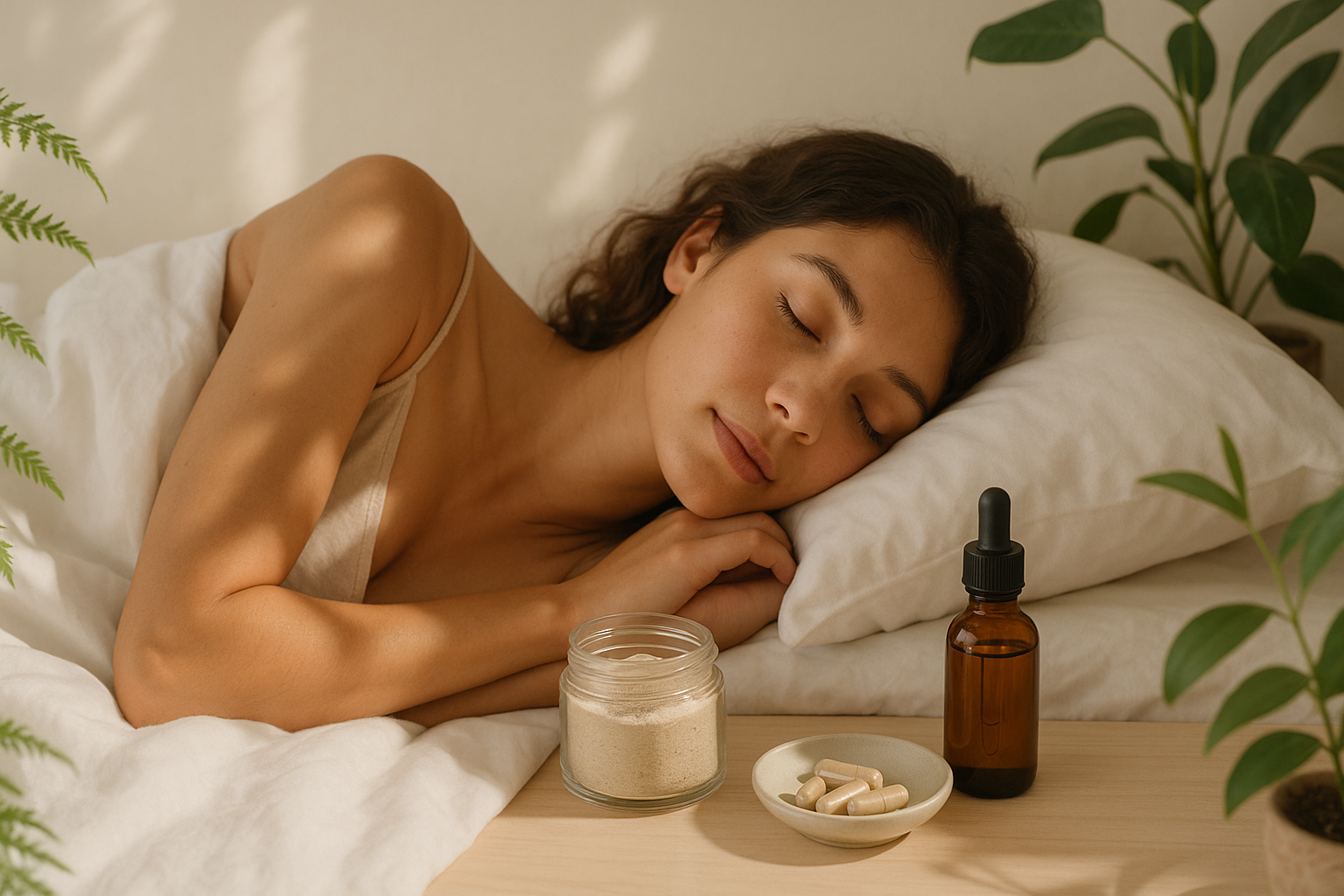
Explore the world of sleep adaptogens, their historical significance, modern research, and safety considerations. Discover how these natural remedies can support restful sleep and enhance overall well-being.
What It Is
Sleep adaptogens are natural substances that help the body adapt to stress and promote better sleep quality. These compounds come from various plants and herbs known for their ability to balance stress response and enhance overall well-being. Some well-known sleep adaptogens include Ashwagandha (Withania somnifera), Rhodiola Rosea, and Holy Basil (Ocimum sanctum).
Key Active Compounds & Mechanisms
Each sleep adaptogen contains unique active compounds that contribute to their effectiveness:
- Ashwagandha: Contains withanolides, which help reduce cortisol levels and promote relaxation.
- Rhodiola Rosea: Rich in rosavin and salidroside, known for their adaptogenic properties that help combat fatigue and stress.
- Holy Basil: Contains eugenol and other phytochemicals that help to lower stress responses and enhance mood.
Traditional Uses
Historically, sleep adaptogens have been utilized in various cultures. For instance:
- Ashwagandha: Used in Ayurvedic medicine for centuries to support mental clarity and stress reduction.
- Rhodiola Rosea: Traditionally consumed in Scandinavian and Russian cultures to enhance physical endurance and combat fatigue.
- Holy Basil: Revered in Ayurvedic practices, it has been used to promote mental peace and relaxation.
What Modern Research Suggests
Modern studies indicate that sleep adaptogens may help improve sleep quality and reduce stress. While research is still ongoing, preliminary findings suggest:
- Ashwagandha may significantly reduce sleep onset latency and improve overall sleep quality.
- Rhodiola Rosea has shown potential in alleviating fatigue and improving sleep in stressed individuals.
- Holy Basil may help balance cortisol levels, leading to a more restful sleep experience.
Functional Actions
Sleep adaptogens work through various mechanisms to support sleep and reduce stress:
- They help regulate cortisol levels, the hormone responsible for stress.
- They enhance the body’s ability to respond to physical and emotional stressors.
- They promote relaxation and calmness, creating an ideal environment for sleep.
Body Systems Supported
Sleep adaptogens primarily support the following body systems:
- Nervous System: Promotes relaxation and reduces anxiety.
- Endocrine System: Helps regulate hormone levels, specifically cortisol.
- Immune System: May support overall health during times of stress.
Common Forms & Educational Dosing Ranges
Sleep adaptogens are available in various forms, including:
- Powders: Can be added to smoothies or teas.
- Capsules: Convenient for on-the-go use.
- Tinctures: Liquid extracts that can be taken directly or added to beverages.
Educational dosing ranges vary based on the adaptogen:
- Ashwagandha: 300-600 mg of a standardized extract.
- Rhodiola Rosea: 200-400 mg of a standardized extract.
- Holy Basil: 300-600 mg of a standardized extract.
Safety, Contraindications & Interactions
While sleep adaptogens are generally considered safe for most people, some precautions should be taken:
- Ashwagandha: May interact with sedatives, thyroid medications, and immunosuppressants.
- Rhodiola Rosea: Caution is advised for individuals taking antidepressants or other medications affecting serotonin levels.
- Holy Basil: May interact with blood thinners and medications for diabetes or blood pressure.
Pairs Well With
Combining sleep adaptogens with other natural remedies can enhance their effects:
- Chamomile: Known for its calming properties.
- Lavender: Often used in aromatherapy to promote relaxation.
- Valerian Root: A traditional herb used for sleep support.
FAQs (5)
- What are adaptogens? Adaptogens are natural substances that help the body adapt to stress and maintain balance.
- How do sleep adaptogens work? They help regulate stress hormones and promote relaxation, aiding better sleep quality.
- Can I take sleep adaptogens with other supplements? Generally, yes, but consult a healthcare provider to avoid interactions.
- How long does it take for sleep adaptogens to work? Effects can vary; some individuals may notice improvements within a few days, while others may take weeks.
- Are there any side effects? Sleep adaptogens are generally safe, but some individuals may experience gastrointestinal upset or drowsiness.
Frequently asked
What are adaptogens?
Adaptogens are natural substances that help the body adapt to stress and maintain balance.
How do sleep adaptogens work?
They help regulate stress hormones and promote relaxation, aiding better sleep quality.
Can I take sleep adaptogens with other supplements?
Generally, yes, but consult a healthcare provider to avoid interactions.
How long does it take for sleep adaptogens to work?
Effects can vary; some individuals may notice improvements within a few days, while others may take weeks.
Are there any side effects?
Sleep adaptogens are generally safe, but some individuals may experience gastrointestinal upset or drowsiness.