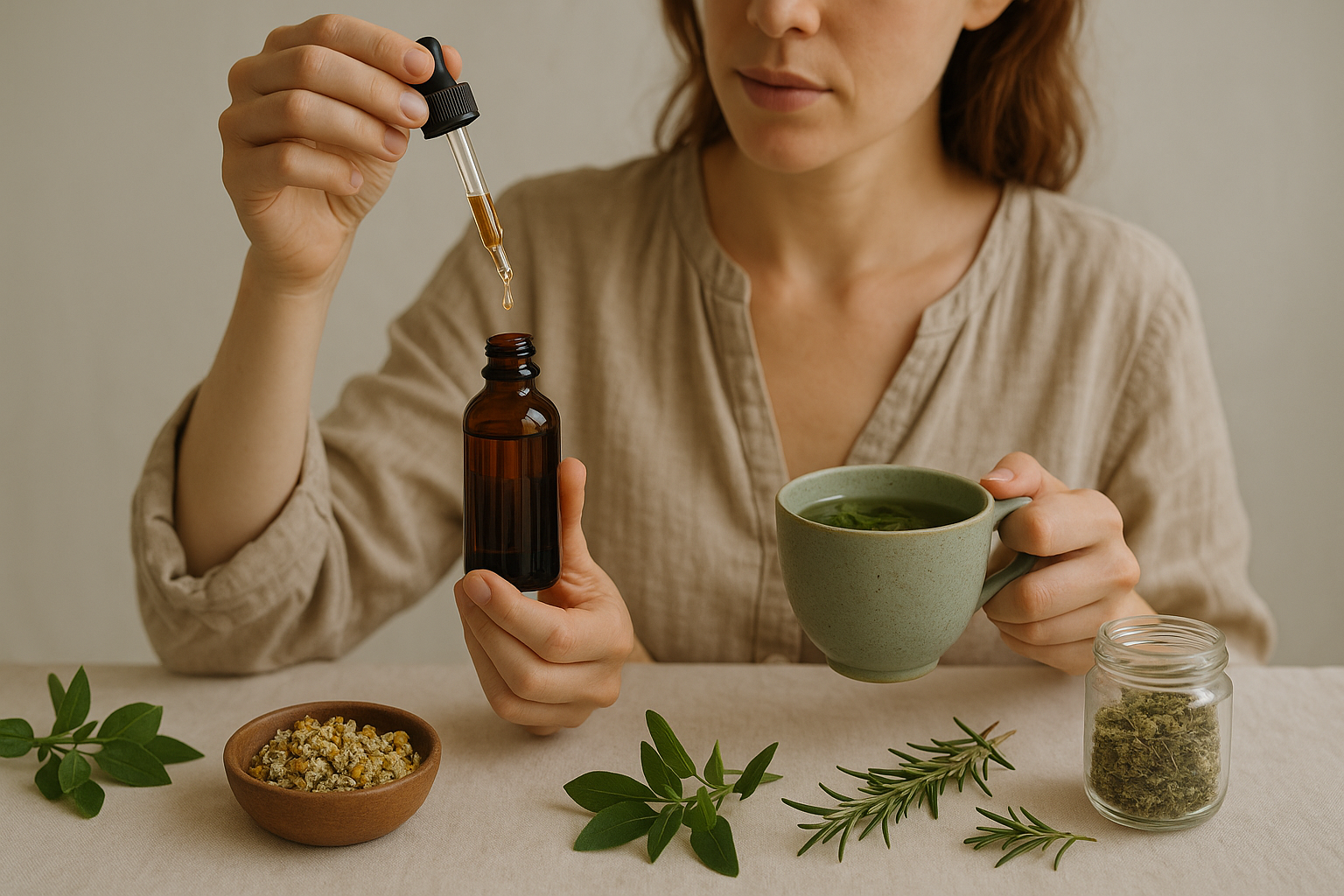
Daily Wellness
Discover the benefits of adaptogens for daily wellness, their traditional uses, modern research, and guidance on safe use.

Explore the world of daily wellness through adaptogens, their historical uses, modern research, and how they support various body systems. Learn about common forms, safety, and effective pairings for optimal benefits.
What It Is
Adaptogens are natural substances, primarily derived from plants, that help the body adapt to stress and maintain balance. These compounds are thought to enhance the body's resilience to physical, emotional, and environmental stressors. Some well-known adaptogens include ashwagandha (Withania somnifera), rhodiola (Rhodiola rosea), and holy basil (Ocimum sanctum).
Key Active Compounds & Mechanisms
Adaptogens contain various active compounds that contribute to their stress-relieving properties. These may include:
- Withanolides: Found in ashwagandha, these compounds have been shown to reduce stress and anxiety.
- Rosavins: Present in rhodiola, rosavins are believed to enhance mood and cognitive function.
- Urosolic Acid: Found in holy basil, this compound supports the body's response to stress and inflammation.
These compounds work through various mechanisms, including modulating cortisol levels, supporting adrenal function, and enhancing overall resilience to stress.
Traditional Uses
Adaptogens have a rich history in traditional medicine systems around the world. For example:
- Ayurveda: In ancient Indian medicine, ashwagandha has been used for centuries to promote vitality and reduce stress.
- Traditional Chinese Medicine (TCM): Ginseng (Panax ginseng) has been used for thousands of years to boost energy and support overall health.
- Western Herbalism: Herbs like eleuthero (Eleutherococcus senticosus) have been utilized for their adaptogenic properties to enhance stamina and resilience.
These historical practices highlight the long-standing recognition of adaptogens as essential tools for wellness.
What Modern Research Suggests
Recent studies have begun to validate some of the traditional uses of adaptogens. For instance:
- Research on ashwagandha has shown potential benefits in reducing cortisol levels and improving stress-related symptoms.
- Clinical trials involving rhodiola have indicated improvements in fatigue, mood, and cognitive function.
- Holy basil has been studied for its anti-inflammatory properties and its ability to support stress management.
While preliminary findings are promising, further research is needed to fully understand the extent of these benefits and their mechanisms of action.
Functional Actions
Adaptogens are known for several functional actions that contribute to daily wellness:
- Stress Reduction: They help mitigate the effects of stress on the body.
- Energy Enhancement: Adaptogens can increase stamina and reduce fatigue.
- Mood Support: Many adaptogens promote a sense of well-being and emotional balance.
- Immune System Support: Some adaptogens boost immune function, helping the body respond to illness.
Body Systems Supported
Adaptogens can support various body systems, including:
- Endocrine System: They help regulate hormonal balance and adrenal function.
- Nervous System: Adaptogens can promote relaxation and cognitive clarity.
- Immune System: They may enhance the body's ability to fend off illness.
- Cardiovascular System: Some adaptogens support heart health by reducing stress-related impacts.
Common Forms & Educational Dosing Ranges
Adaptogens are available in various forms, including:
- Powders: Can be added to smoothies or teas.
- Capsules: Convenient for daily supplementation.
- Tinctures: Concentrated liquid extracts for easy consumption.
Educational dosing ranges vary, but common recommendations include:
- Ashwagandha: 300-500 mg per day
- Rhodiola: 200-400 mg per day
- Holy Basil: 300-600 mg per day
Always consult a healthcare professional before starting any new supplement regimen.
Safety, Contraindications & Interactions
While adaptogens are generally considered safe for most people, there are some considerations:
- Ashwagandha: May interact with sedatives and thyroid medications.
- Rhodiola: Can potentially affect blood sugar levels and may interact with diabetes medications.
- Holy Basil: Should be used cautiously in individuals with hormone-sensitive conditions.
It is essential to consult with a healthcare provider, especially if you are pregnant, nursing, or taking medications.
Pairs Well With
To enhance the benefits of adaptogens, they can be paired with:
- Vitamin C: Supports immune function when combined with adaptogens.
- Magnesium: Helps relax the nervous system and reduce stress levels.
- Omega-3 Fatty Acids: Can support overall brain health and emotional well-being.
FAQs (5)
- What are adaptogens? Adaptogens are natural substances that help the body adapt to stress and maintain balance.
- How do adaptogens work? They modulate the body's stress response and enhance resilience through various biochemical mechanisms.
- Are adaptogens safe for everyone? Most adaptogens are safe, but it's crucial to consult a healthcare professional if you have underlying health conditions.
- How long does it take to feel the effects of adaptogens? Effects can vary, but many individuals report noticing benefits within a few weeks of consistent use.
- Can I take multiple adaptogens at once? Yes, but it's advisable to start with one at a time to monitor your body's response.
Frequently asked
What are adaptogens?
Adaptogens are natural substances that help the body adapt to stress and maintain balance.
How do adaptogens work?
They modulate the body's stress response and enhance resilience through various biochemical mechanisms.
Are adaptogens safe for everyone?
Most adaptogens are safe, but it's crucial to consult a healthcare professional if you have underlying health conditions.
How long does it take to feel the effects of adaptogens?
Effects can vary, but many individuals report noticing benefits within a few weeks of consistent use.
Can I take multiple adaptogens at once?
Yes, but it's advisable to start with one at a time to monitor your body's response.