Hormonal Adaptogens
Learn about hormonal adaptogens, their benefits, and how they can support hormonal balance and overall health.
Explore the realm of hormonal adaptogens, their traditional uses, modern research, and how they can support your overall well-being. This guide provides insights into popular hormonal adaptogens, their functional actions, and practical dosing information.
What It Is
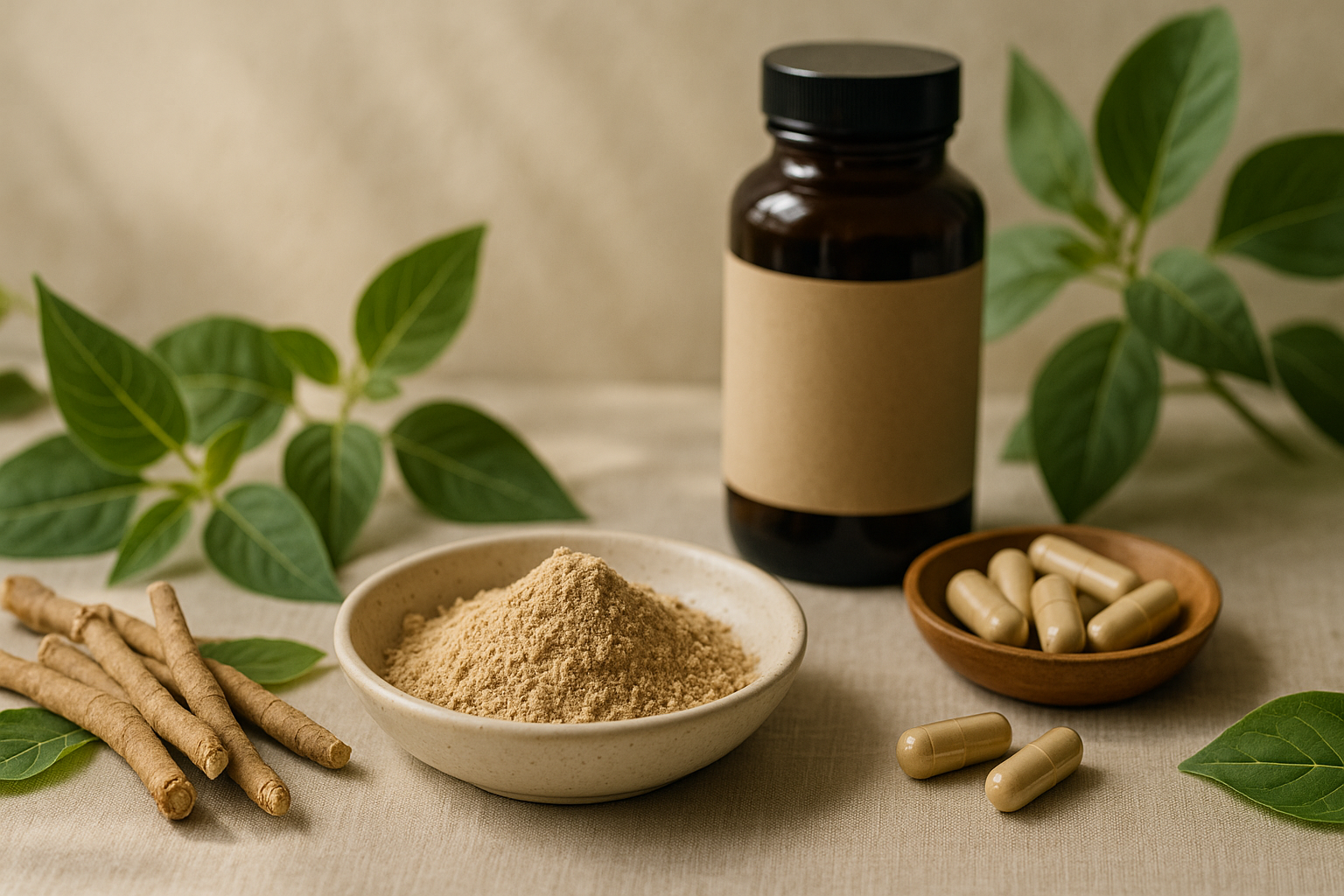
Hormonal adaptogens are a specific group of adaptogenic herbs known for their ability to help the body adapt to stress and regulate hormonal balance. These natural substances work by enhancing the body's resilience to stressors, thereby contributing to overall wellness. Some commonly recognized hormonal adaptogens include Ashwagandha (Withania somnifera), Rhodiola Rosea, and Maca (Lepidium meyenii).
Key Active Compounds & Mechanisms
The efficacy of hormonal adaptogens can be attributed to their rich composition of bioactive compounds. For instance:
- Ashwagandha: Contains withanolides, alkaloids, and flavonoids that may support adrenal health and reduce cortisol levels.
- Rhodiola Rosea: Rich in rosavin and salidroside, which are believed to enhance mental performance and reduce fatigue.
- Maca: Contains amino acids, vitamins, and minerals that support hormonal balance and energy levels.
These compounds work through various mechanisms, including modulating the hypothalamic-pituitary-adrenal (HPA) axis and promoting the production of neurotransmitters.
Traditional Uses
Hormonal adaptogens have a long history of use in traditional medicine systems around the world:
- Ashwagandha: Used in Ayurvedic medicine for centuries, it is often referred to as a "rasayana," promoting longevity and vitality.
- Rhodiola Rosea: Employed in traditional Chinese medicine and by Viking warriors, it was believed to enhance physical endurance and mental clarity.
- Maca: Indigenous to the Andes, it has been used for over 2,000 years as a food source and for enhancing fertility and sexual health.
What Modern Research Suggests
Contemporary studies on hormonal adaptogens are emerging, revealing potential benefits:
- Ashwagandha has demonstrated the ability to lower cortisol levels and improve stress resilience in several clinical trials.
- Research on Rhodiola Rosea indicates its potential to enhance physical performance and alleviate symptoms of fatigue and burnout.
- Maca has been linked to improvements in sexual function and mood, with some studies suggesting its efficacy in balancing hormones.
While these findings are promising, further research is needed to fully understand the extent of their benefits.
Functional Actions
The functional actions of hormonal adaptogens include:
- Reducing stress and anxiety levels.
- Enhancing energy and stamina.
- Supporting reproductive health and hormonal balance.
- Improving mood and cognitive function.
Body Systems Supported
Hormonal adaptogens primarily support:
- The endocrine system, particularly the adrenal glands.
- The nervous system, helping to alleviate stress and anxiety.
- The reproductive system, influencing fertility and sexual health.
Common Forms & Educational Dosing Ranges
Hormonal adaptogens are available in various forms, including:
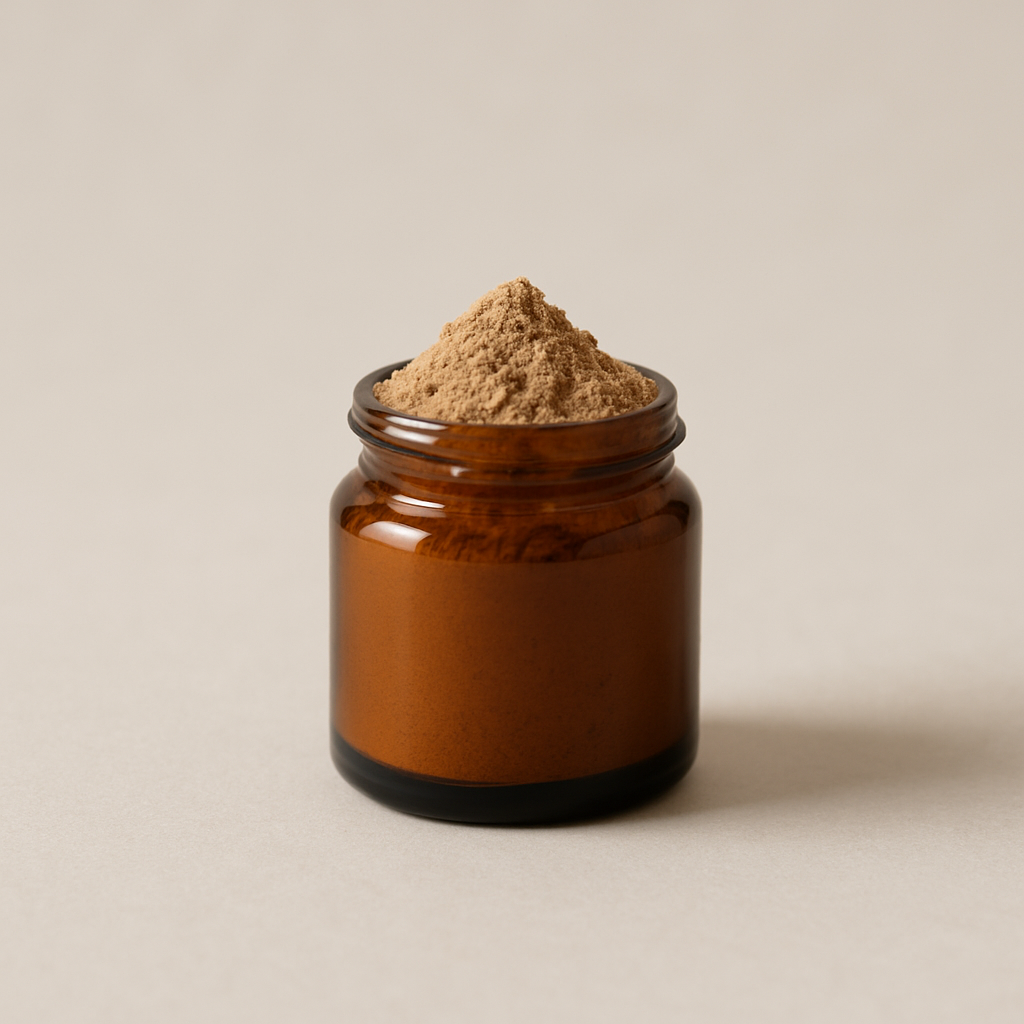
- Powder: Often added to smoothies or foods.
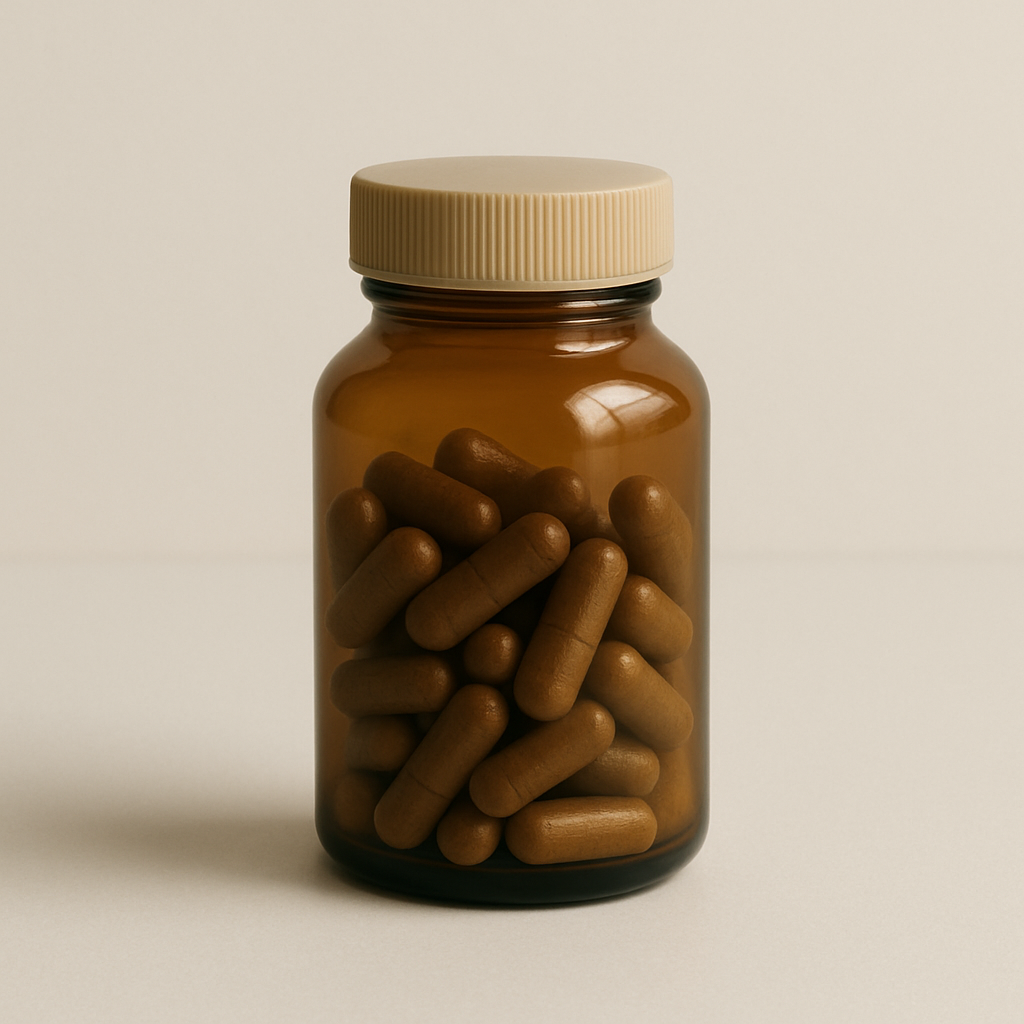
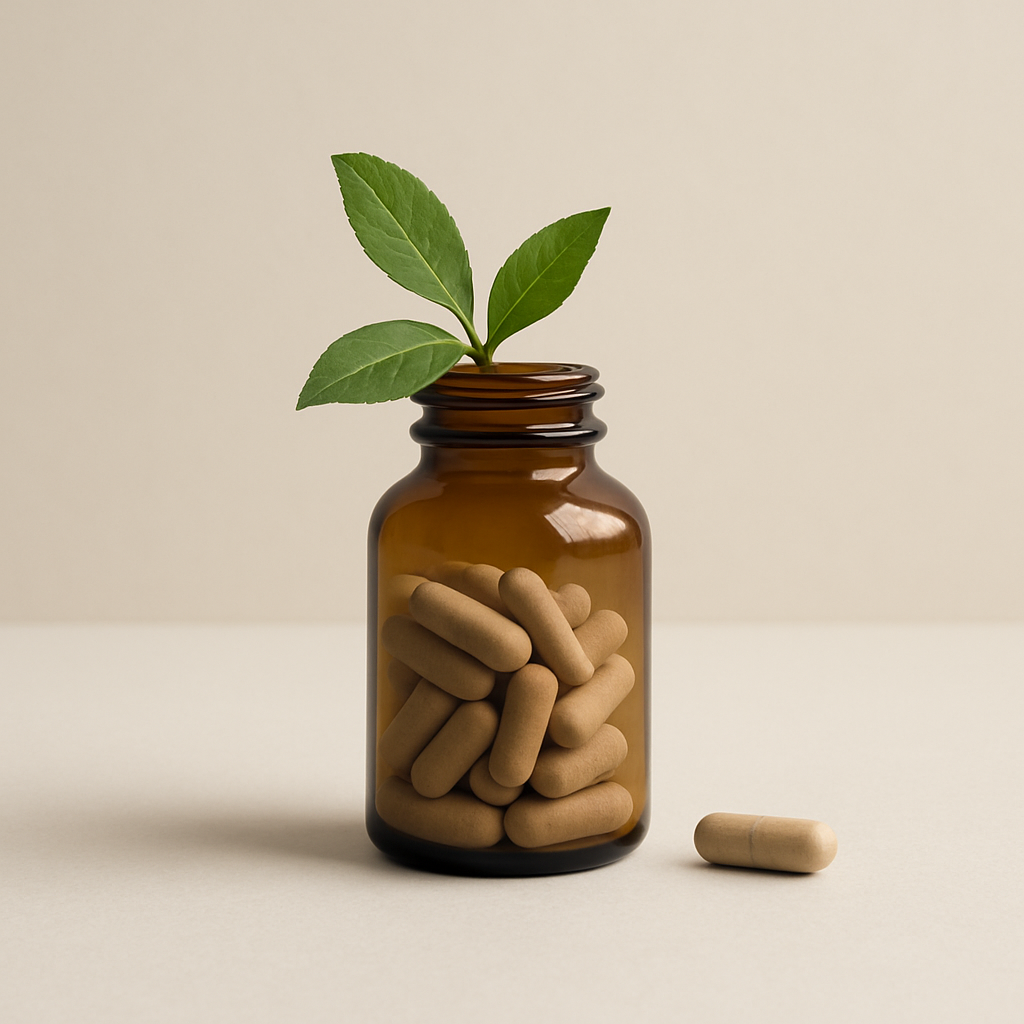
- Capsules: Convenient for daily supplementation.
- Tinctures: Liquid extracts for quick absorption.
Common dosing ranges include:
- Ashwagandha: 300-500 mg per day.
- Rhodiola Rosea: 200-600 mg per day.
- Maca: 1,500-3,000 mg per day.
It is advisable to start with lower doses and gradually increase based on individual tolerance.
Safety, Contraindications & Interactions
While hormonal adaptogens are generally considered safe for most individuals, some precautions should be taken:
- Ashwagandha may interact with sedatives and medications for thyroid disorders.
- Rhodiola Rosea should be used cautiously by those with bipolar disorder or taking antidepressants.
- Maca is generally safe but may not be suitable for individuals with hormone-sensitive conditions.
Consult a healthcare professional before starting any new supplement, especially if you are pregnant, nursing, or taking medications.
Pairs Well With
Hormonal adaptogens can be effectively combined with:
- Other adaptogens: Such as Holy Basil and Schisandra for enhanced stress support.
- Nutrients: Like magnesium and vitamin B complex to support overall hormonal health.
- Mindfulness practices: Such as yoga and meditation for comprehensive stress management.
FAQs
- What are hormonal adaptogens? Hormonal adaptogens are natural substances that help the body adapt to stress and support hormonal balance.
- How do hormonal adaptogens work? They work by modulating the body's stress response and enhancing resilience through various biological mechanisms.
- Are there any side effects of hormonal adaptogens? While generally safe, side effects may include digestive upset or allergic reactions in some individuals.
- Can I take hormonal adaptogens with other medications? It's important to consult a healthcare professional, as some adaptogens may interact with certain medications.
- How long does it take to see results from hormonal adaptogens? The timeframe varies by individual, but many people report improvements within a few weeks of consistent use.
Frequently asked
What are hormonal adaptogens?
Hormonal adaptogens are natural substances that help the body adapt to stress and support hormonal balance.
How do hormonal adaptogens work?
They work by modulating the body's stress response and enhancing resilience through various biological mechanisms.
Are there any side effects of hormonal adaptogens?
While generally safe, side effects may include digestive upset or allergic reactions in some individuals.
Can I take hormonal adaptogens with other medications?
It's important to consult a healthcare professional, as some adaptogens may interact with certain medications.
How long does it take to see results from hormonal adaptogens?
The timeframe varies by individual, but many people report improvements within a few weeks of consistent use.