Stress Adaptogens
Discover how stress adaptogens help the body adapt to stress, their traditional uses, active compounds, and modern research insights.
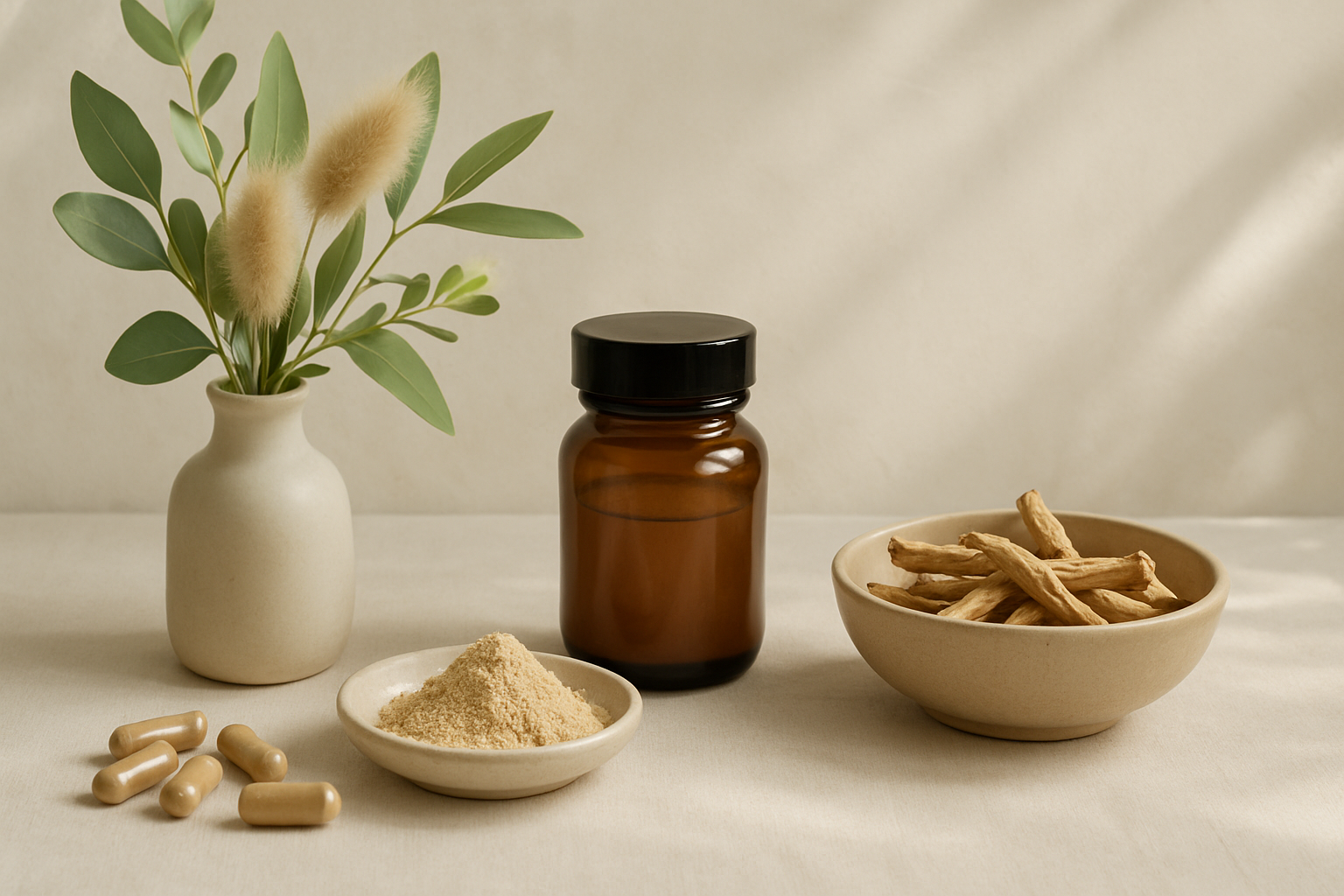
Explore the world of stress adaptogens, their historical uses, active compounds, and how they work to support mental well-being and resilience against stress.
What It Is
Stress adaptogens are natural substances, often derived from plants, that help the body resist stressors of various kinds, whether physical, chemical, or biological. These compounds enhance the body's ability to cope with stress by promoting balance and homeostasis. Some well-known stress adaptogens include Rhodiola rosea, Withania somnifera (commonly known as Ashwagandha), and Panax ginseng.
Key Active Compounds & Mechanisms
Stress adaptogens contain several key active compounds that contribute to their effectiveness. For instance:
- Rosavins and Salidroside in Rhodiola rosea are thought to enhance mood and reduce fatigue.
- Withanolides in Ashwagandha are believed to lower cortisol levels, thereby alleviating stress.
- Ginsenosides in Panax ginseng may support energy levels and cognitive function.
These compounds work through various mechanisms, such as modulating stress hormones, boosting antioxidant capacity, and enhancing neuroprotective effects.
Traditional Uses
Historically, stress adaptogens have been utilized in various cultures for their restorative properties. For example:
- Rhodiola rosea has been used in traditional Russian and Scandinavian medicine to enhance physical endurance and reduce fatigue.
- Ashwagandha has been a staple in Ayurvedic medicine for centuries, valued for its ability to improve vitality and reduce anxiety.
- Panax ginseng has a long-standing history in Traditional Chinese Medicine, where it is used to boost energy and improve overall health.
These ancient practices highlight the long-standing belief in the body's capacity to may support and adapt with the support of nature.
What Modern Research Suggests
Modern scientific research is beginning to validate the benefits of stress adaptogens. Some studies suggest:
- Rhodiola rosea may improve physical performance and cognitive function under stress.
- Ashwagandha has been shown to reduce cortisol levels and improve overall stress resilience.
- Panax ginseng may enhance cognitive function and reduce fatigue in stressful situations.
While these findings are promising, more rigorous clinical trials are needed to fully understand the extent of their effects.
Functional Actions
The functional actions of stress adaptogens are multifaceted. They may:
- Regulate the adrenal glands and support hormonal balance.
- Enhance energy levels and mental clarity.
- Improve mood and emotional well-being.
- Support immune function and overall health.
These actions help the body adapt more effectively to stressors, promoting resilience and balance.
Body Systems Supported
Stress adaptogens support several body systems, including:
- Endocrine System: They help regulate hormone levels, particularly cortisol.
- Nervous System: They may improve cognitive function and emotional resilience.
- Immune System: They may enhance immune function and reduce inflammation.
By supporting these systems, stress adaptogens help maintain overall health and well-being.
Common Forms & Educational Dosing Ranges
Stress adaptogens are available in various forms, including:
- Capsules and Tablets: Commonly used for convenience and precise dosing.
- Tinctures: Liquid extracts that may offer faster absorption.
- Powders: Can be added to smoothies or foods.
Typical dosing ranges vary by adaptogen:
- Rhodiola rosea: 200-600 mg per day.
- Ashwagandha: 300-600 mg per day.
- Panax ginseng: 200-400 mg per day.
It's essential to consult with a healthcare professional before beginning any supplement regimen.
Safety, Contraindications & Interactions
While stress adaptogens are generally considered safe, there are some precautions:
- Ashwagandha: Should be used cautiously in individuals with thyroid disorders.
- Rhodiola rosea: May interact with blood thinners and medications for diabetes.
- Panax ginseng: Can interact with anticoagulants and some antidepressants.
Always consult a healthcare provider before combining adaptogens with other medications.
Pairs Well With
Stress adaptogens can be effectively paired with:
- Relaxation techniques: Such as meditation and yoga for enhanced stress relief.
- Nutrient-rich foods: To support overall health and vitality.
- Other supplements: Such as Omega-3 fatty acids and probiotics for holistic health support.
FAQs (5)
- What are stress adaptogens? Stress adaptogens are natural substances that help the body adapt to stress by promoting balance and resilience.
- How do stress adaptogens work? They work by modulating stress hormones, boosting energy, and enhancing mental clarity.
- Are there any side effects? Generally safe, but they can interact with certain medications; consult a healthcare professional.
- How long does it take to see effects? Effects can vary; some may notice improvements within weeks, while others may take longer.
- Can I take multiple adaptogens at once? Yes, but it's essential to consult with a healthcare provider to ensure safety and effectiveness.
Frequently asked
What are stress adaptogens?
Stress adaptogens are natural substances that help the body adapt to stress by promoting balance and resilience.
How do stress adaptogens work?
They work by modulating stress hormones, boosting energy, and enhancing mental clarity.
Are there any side effects?
Generally safe, but they can interact with certain medications; consult a healthcare professional.
How long does it take to see effects?
Effects can vary; some may notice improvements within weeks, while others may take longer.
Can I take multiple adaptogens at once?
Yes, but it's essential to consult with a healthcare provider to ensure safety and effectiveness.