Cognitive Adaptogens
Cognitive adaptogens are natural substances that enhance mental performance and resilience. This guide covers their mechanisms, traditional uses, and modern research insights.

Explore cognitive adaptogens, the natural remedies that support mental clarity, focus, and overall cognitive function. Discover their mechanisms, traditional uses, and modern research insights.
What It Is
Cognitive adaptogens are natural substances, typically derived from plants, that enhance mental performance and support cognitive function. These adaptogens help the body adapt to stress, improve focus, and promote mental clarity. Some well-known cognitive adaptogens include Rhodiola rosea, Panax ginseng, and Withania somnifera (commonly known as ashwagandha).
Key Active Compounds & Mechanisms
The efficacy of cognitive adaptogens is attributed to various active compounds that influence neurotransmitter activity, stress response, and neuroprotection. Key compounds include:
- Rosavins and Salidroside in Rhodiola rosea, which are believed to enhance serotonin and dopamine levels.
- Ginsenosides in Panax ginseng, known for their potential to improve cognitive function and reduce fatigue.
- Withanolides in ashwagandha, which may reduce cortisol levels and support neurogenesis.
These compounds work by modulating the hypothalamic-pituitary-adrenal (HPA) axis, enhancing antioxidant defenses, and promoting neuronal health.
Traditional Uses
Cognitive adaptogens have a rich history of use in various cultures. Traditionally:
- In Chinese medicine, Panax ginseng has been used for centuries to boost energy and improve mental clarity.
- Rhodiola rosea has a long history in Scandinavian and Russian folk medicine, revered for its ability to combat fatigue and enhance physical and mental performance.
- Ashwagandha has been utilized in Ayurvedic medicine as a rejuvenating herb, believed to enhance memory and cognitive function.
These historical uses highlight the long-standing belief in the power of these plants to support mental agility and resilience.
What Modern Research Suggests
Modern research on cognitive adaptogens is still emerging, but preliminary studies have shown promising results:
- Research on Rhodiola rosea indicates it may improve mental performance during stressful conditions, potentially enhancing cognitive function.
- Studies on Panax ginseng suggest it can help mitigate cognitive decline and improve memory.
- Ashwagandha has been linked to reductions in stress and anxiety, which may indirectly support cognitive function.
While these findings are encouraging, further clinical trials are necessary to establish definitive conclusions about their effectiveness.
Functional Actions
Cognitive adaptogens are known for a variety of functional actions that contribute to mental health and cognitive performance:
- Enhancing mental clarity and focus.
- Reducing mental fatigue and stress.
- Improving memory and learning capabilities.
- Promoting neuroprotection and resilience.
These actions make cognitive adaptogens valuable for individuals seeking to improve their cognitive function and cope with daily stressors.
Body Systems Supported
Cognitive adaptogens primarily support:
- The nervous system, promoting overall brain health and function.
- The endocrine system, particularly in regulating stress hormones like cortisol.
- The immune system, helping to mitigate stress-related inflammation.
By supporting these systems, cognitive adaptogens help maintain balance and promote optimal mental performance.
Common Forms & Educational Dosing Ranges
Cognitive adaptogens are available in various forms, including:
- Powders: Commonly mixed into smoothies or beverages, with typical doses ranging from 200 to 600 mg per day.
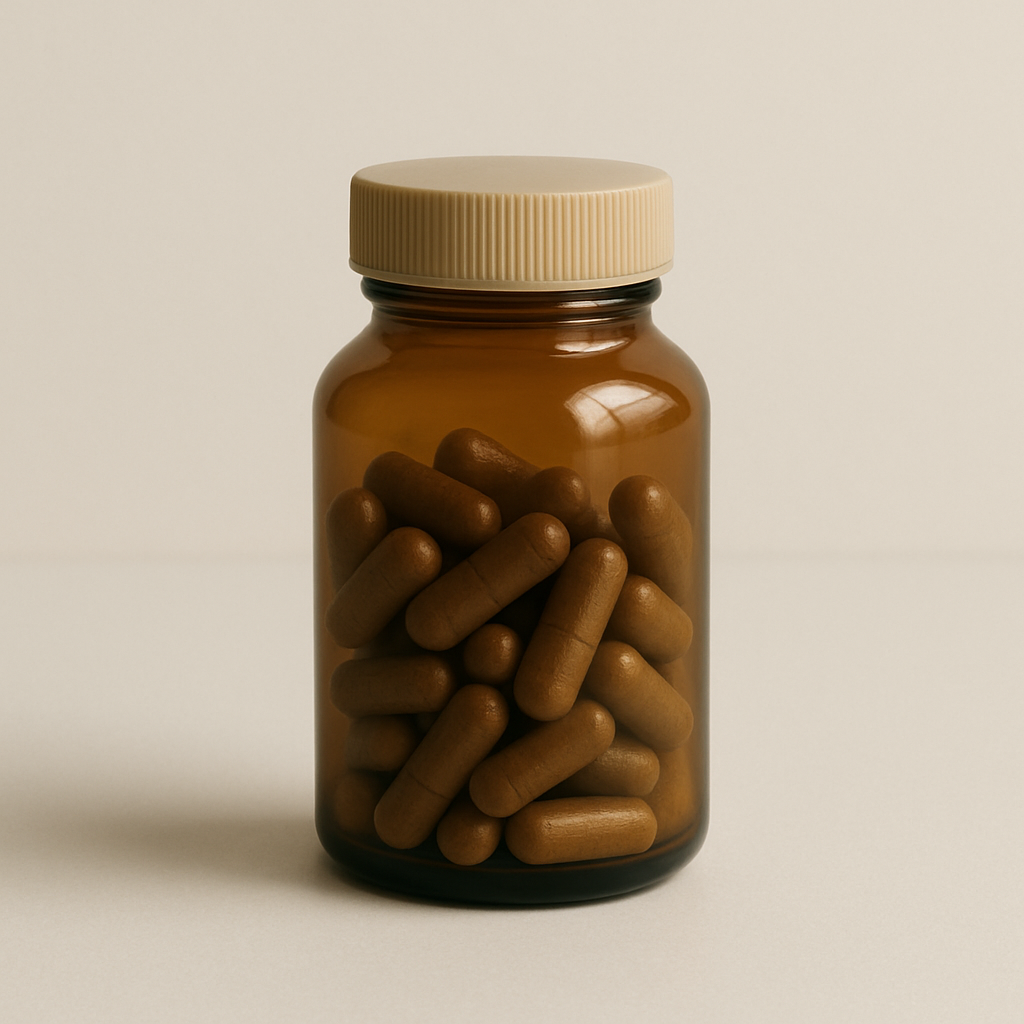
- Capsules: Convenient for on-the-go use, usually containing 250 to 500 mg per serving.
- Tinctures: Liquid extracts that can be taken sublingually, with doses varying widely based on concentration.
Always consult product labels and consider starting with lower doses to assess tolerance.
Safety, Contraindications & Interactions
While cognitive adaptogens are generally considered safe, there are some precautions to take:
- Rhodiola rosea: May interact with antidepressants and blood sugar medications.
- Panax ginseng: Should be used cautiously in individuals on anticoagulants or those with hormone-sensitive conditions.
- Ashwagandha: May cause gastrointestinal issues in some individuals and should be avoided during pregnancy.
Always consult a healthcare provider before starting any new supplement, especially if you are taking medications or have underlying health conditions.
Pairs Well With
Cognitive adaptogens can be effectively paired with other natural remedies to enhance their effects. Some beneficial combinations include:
- Omega-3 fatty acids: For improved brain health and cognitive function.
- B vitamins: To support energy metabolism and reduce fatigue.
- L-theanine: Found in green tea, it promotes relaxation without drowsiness, complementing the stimulating effects of adaptogens.
FAQs (5)
- What are cognitive adaptogens? Cognitive adaptogens are natural substances that help enhance mental performance and resilience against stress.
- How do cognitive adaptogens work? They modulate the stress response and support neurotransmitter activity, promoting cognitive health.
- Are cognitive adaptogens safe for everyone? While generally safe, certain individuals, especially those on medications, should consult a healthcare provider before use.
- Can cognitive adaptogens improve memory? Some studies suggest they may enhance memory and learning capabilities, but more research is needed.
- How should cognitive adaptogens be taken? They come in various forms, with recommended doses typically ranging from 200 to 600 mg per day, depending on the specific adaptogen.
Frequently asked
What are cognitive adaptogens?
Cognitive adaptogens are natural substances that help enhance mental performance and resilience against stress.
How do cognitive adaptogens work?
They modulate the stress response and support neurotransmitter activity, promoting cognitive health.
Are cognitive adaptogens safe for everyone?
While generally safe, certain individuals, especially those on medications, should consult a healthcare provider before use.
Can cognitive adaptogens improve memory?
Some studies suggest they may enhance memory and learning capabilities, but more research is needed.
How should cognitive adaptogens be taken?
They come in various forms, with recommended doses typically ranging from 200 to 600 mg per day, depending on the specific adaptogen.