Immune Adaptogens
Discover immune adaptogens, their active compounds, traditional uses, and modern insights on their health benefits.

Explore the fascinating world of immune adaptogens, their ancient uses, modern research, and how they can support your overall health.
What It Is
Immune adaptogens are natural substances that help the body adapt to stressors and promote a balanced immune response. These compounds are often derived from plants and fungi, and they work to enhance the body's resilience against physical, emotional, and environmental stressors. Common examples of immune adaptogens include Withania somnifera (Ashwagandha) and Eleutherococcus senticosus (Siberian Ginseng).
Key Active Compounds & Mechanisms
The efficacy of immune adaptogens is attributed to various active compounds that influence the immune system and stress response pathways. Key compounds include:
- Withanolides in Ashwagandha, known for their anti-inflammatory and immunomodulatory effects.
- Polyacetylenes in Siberian Ginseng, which may enhance immune cell function.
- Beta-glucans found in mushrooms like Reishi and Cordyceps, which support immune system activation.
These compounds work through multiple mechanisms, including modulation of cortisol levels, enhancing antioxidant activity, and supporting cellular repair processes.
Traditional Uses
Immune adaptogens have been utilized for centuries in various cultures to enhance health and resilience. In Ayurvedic medicine, Ashwagandha has been used for its restorative properties, helping to balance Vata and Kapha doshas and strengthen the immune system. Traditional Chinese Medicine (TCM) employs Siberian Ginseng to boost Qi and support overall vitality, especially during periods of stress or illness.
What Modern Research Suggests
Recent studies have begun to validate the traditional uses of immune adaptogens. Research indicates that Ashwagandha may lower cortisol levels and improve stress resilience, while Siberian Ginseng has shown potential in enhancing physical performance and reducing fatigue. However, further clinical trials are needed to fully understand their mechanisms and effects on the immune system.
Functional Actions
Immune adaptogens serve a variety of functional actions that support health:
- Stress Reduction: They help to modulate the body's stress response, potentially reducing anxiety and mental fatigue.
- Immune Support: By balancing immune function, they may enhance the body's ability to fend off infections and disease.
- Energy Boost: Many immune adaptogens improve energy levels and physical performance.
- Inflammation Reduction: They may help lower inflammation, which is a critical component of many chronic diseases.
Body Systems Supported
Immune adaptogens primarily support the following body systems:
- Immune System: Enhancing the body's natural defenses against pathogens.
- Nervous System: Modulating stress responses and promoting mental clarity.
- Endocrine System: Supporting hormonal balance, particularly in relation to stress hormones.
- Circulatory System: Improving blood flow and increasing oxygen delivery to tissues.
Common Forms & Educational Dosing Ranges
Immune adaptogens are available in several forms, including:
- Powders: Often added to smoothies or beverages.
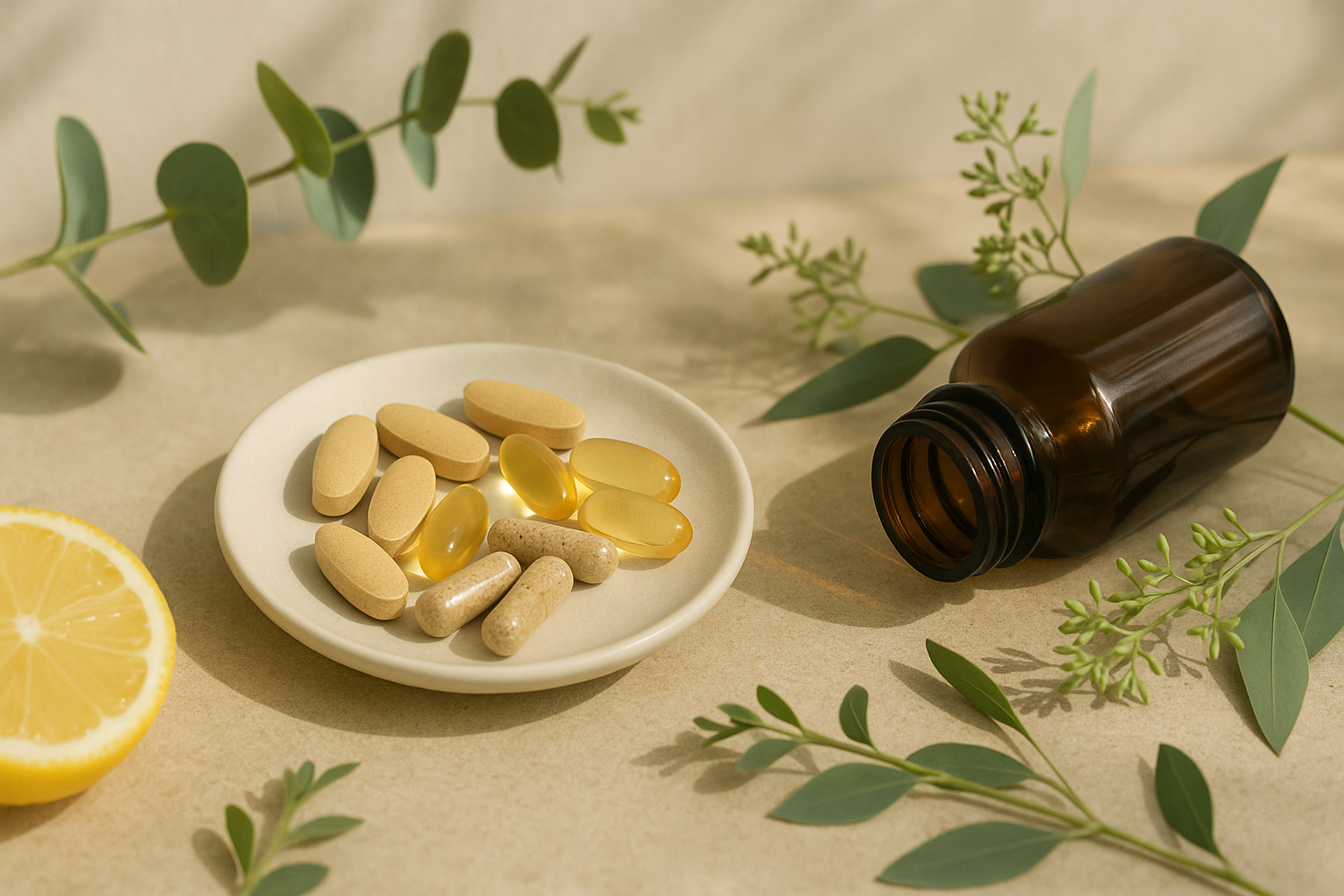
- Capsules: Convenient for daily supplementation.
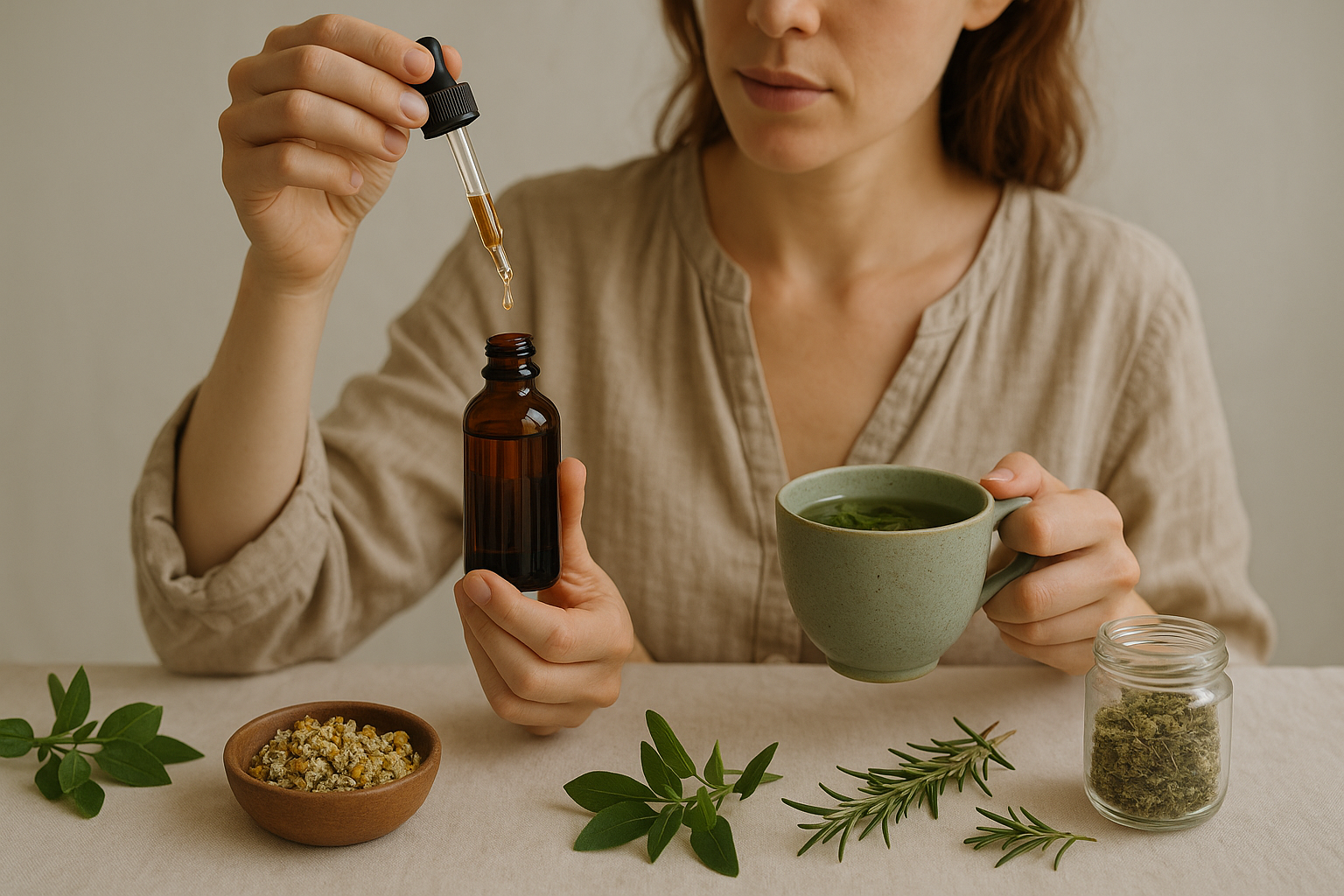
- Tinctures: Liquid extracts that can be taken directly or mixed with water.
- Teas: Herbal blends that can be soothing and beneficial.
Typical dosing ranges can vary, but general recommendations include:
- Ashwagandha: 300-600 mg of extract daily.
- Siberian Ginseng: 300-600 mg of extract daily.
- Reishi Mushroom: 1-2 grams of dried mushroom or 1-2 teaspoons of powder.
Always consult a healthcare provider for personalized dosing recommendations.
Safety, Contraindications & Interactions
While immune adaptogens are generally considered safe, there are some precautions to keep in mind:
- Ashwagandha may cause gastrointestinal upset in some individuals and should be avoided by those with autoimmune diseases.
- Siberian Ginseng may interact with anticoagulant medications and can affect blood sugar levels.
- Reishi Mushroom may lead to allergies in some individuals and should be used cautiously with immunosuppressive medications.
Consulting with a healthcare professional before starting any new supplement is advisable, especially if you are pregnant, nursing, or on medications.
Pairs Well With
Immune adaptogens can be effectively paired with other natural remedies to enhance their benefits:
- Vitamin C: Supports immune function and works synergistically with adaptogens.
- Probiotics: Promotes gut health, which is crucial for immune support.
- Omega-3 Fatty Acids: Reduces inflammation and complements the anti-inflammatory properties of adaptogens.
FAQs (5)
- What are immune adaptogens? Immune adaptogens are natural substances that help the body adapt to stress and support a balanced immune response.
- How do immune adaptogens work? They modulate stress responses, enhance immune function, and improve overall resilience.
- Are immune adaptogens safe to use? Generally safe, but it's essential to consult a healthcare provider, especially if on medications or have existing health conditions.
- Can I take multiple adaptogens at once? Yes, many people combine different adaptogens, but it's best to consult with a healthcare professional for guidance.
- How long does it take to see benefits? Effects may vary, but some individuals report benefits within a few weeks of consistent use.
Frequently asked
What are immune adaptogens?
Immune adaptogens are natural substances that help the body adapt to stress and support a balanced immune response.
How do immune adaptogens work?
They modulate stress responses, enhance immune function, and improve overall resilience.
Are immune adaptogens safe to use?
Generally safe, but it's essential to consult a healthcare provider, especially if on medications or have existing health conditions.
Can I take multiple adaptogens at once?
Yes, many people combine different adaptogens, but it's best to consult with a healthcare professional for guidance.
How long does it take to see benefits?
Effects may vary, but some individuals report benefits within a few weeks of consistent use.