Recovery Adaptogens
Explore recovery adaptogens, their benefits, active compounds, and how they support the body in recovery processes.
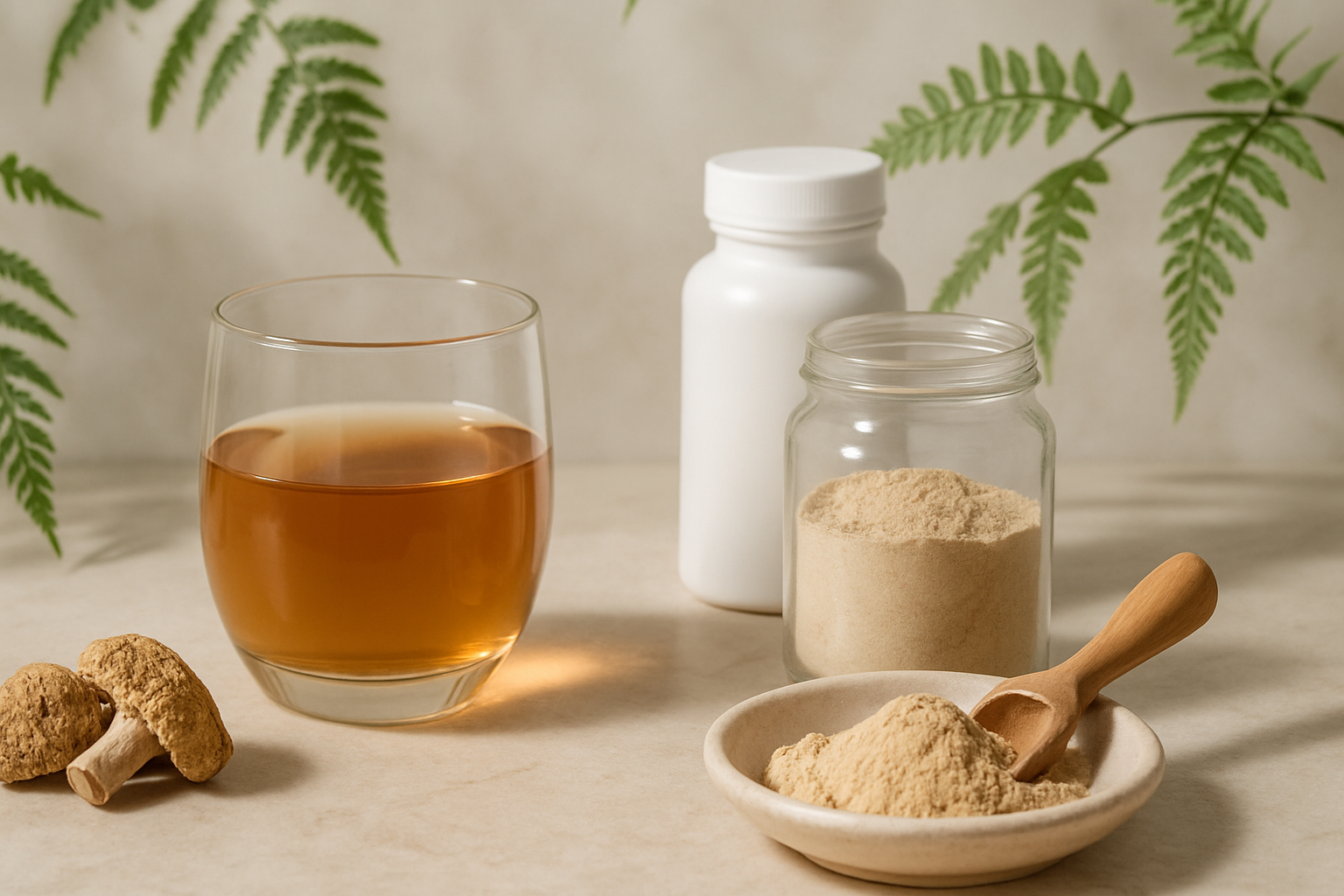
Recovery adaptogens are natural substances that aid in enhancing the body's ability to recover from stress and fatigue. They have been traditionally used in various cultures for their restorative properties and are supported by some modern research. This page explores their key compounds, traditional uses, modern evidence, and more.
What It Is
Recovery adaptogens are natural substances, often derived from plants, that enhance the body's resilience to stress and promote recovery from physical and mental fatigue. These adaptogens help the body adapt to stressors and maintain homeostasis, allowing for improved recovery times and overall well-being. Examples of recovery adaptogens include Rhodiola rosea, Ashwagandha (Withania somnifera), and Eleutherococcus senticosus.
Key Active Compounds & Mechanisms
The key active compounds in recovery adaptogens vary by plant but often include:
- Rosavins: Found in Rhodiola rosea, these compounds have been shown to enhance energy levels and endurance.
- Withanolides: Present in Ashwagandha, these compounds are believed to have anti-inflammatory and antioxidant effects.
- Eleutherosides: Found in Eleutherococcus senticosus, these compounds may help improve the body's resistance to stress.
These compounds work through various mechanisms, including modulating cortisol levels, enhancing mitochondrial function, and improving mental clarity.
Traditional Uses
Recovery adaptogens have been utilized in traditional medicine for centuries. For instance:
- In Traditional Chinese Medicine, Ginseng (Panax ginseng) has been used for its energy-boosting properties and to enhance overall vitality.
- Ayurvedic practices have long employed Ashwagandha to promote stamina, reduce stress, and support recovery after illness.
- Rhodiola rosea has been used in Scandinavian countries to combat fatigue and enhance physical performance.
These ancient practices highlight the long-standing belief in the restorative powers of these plants.
What Modern Research Suggests
Modern research into recovery adaptogens is still evolving but shows promising results:
- Studies on Rhodiola rosea suggest it may improve exercise performance and reduce fatigue.
- Ashwagandha has been linked to reduced stress levels and improved recovery in athletes.
- Research on Eleutherococcus senticosus indicates potential benefits in enhancing endurance and reducing feelings of fatigue.
While the evidence is encouraging, more extensive clinical trials are needed to fully understand their efficacy and mechanisms.
Functional Actions
Recovery adaptogens are known for several functional actions, including:
- Stress Reduction: They help in modulating the body's stress response.
- Enhanced Energy: Many adaptogens boost energy levels and combat fatigue.
- Improved Recovery: They support physical recovery after exertion or illness.
- Mood Stabilization: Some adaptogens may help improve mood and cognitive function.
Body Systems Supported
Recovery adaptogens support various body systems, including:
- Endocrine System: By modulating hormone levels, particularly cortisol.
- Nervous System: By enhancing mental clarity and reducing anxiety.
- Musculoskeletal System: By promoting recovery from physical exertion.
- Immune System: Some adaptogens may enhance immune function.
Common Forms & Educational Dosing Ranges
Recovery adaptogens are available in various forms, including:
- Powders: Commonly used in smoothies or added to foods.
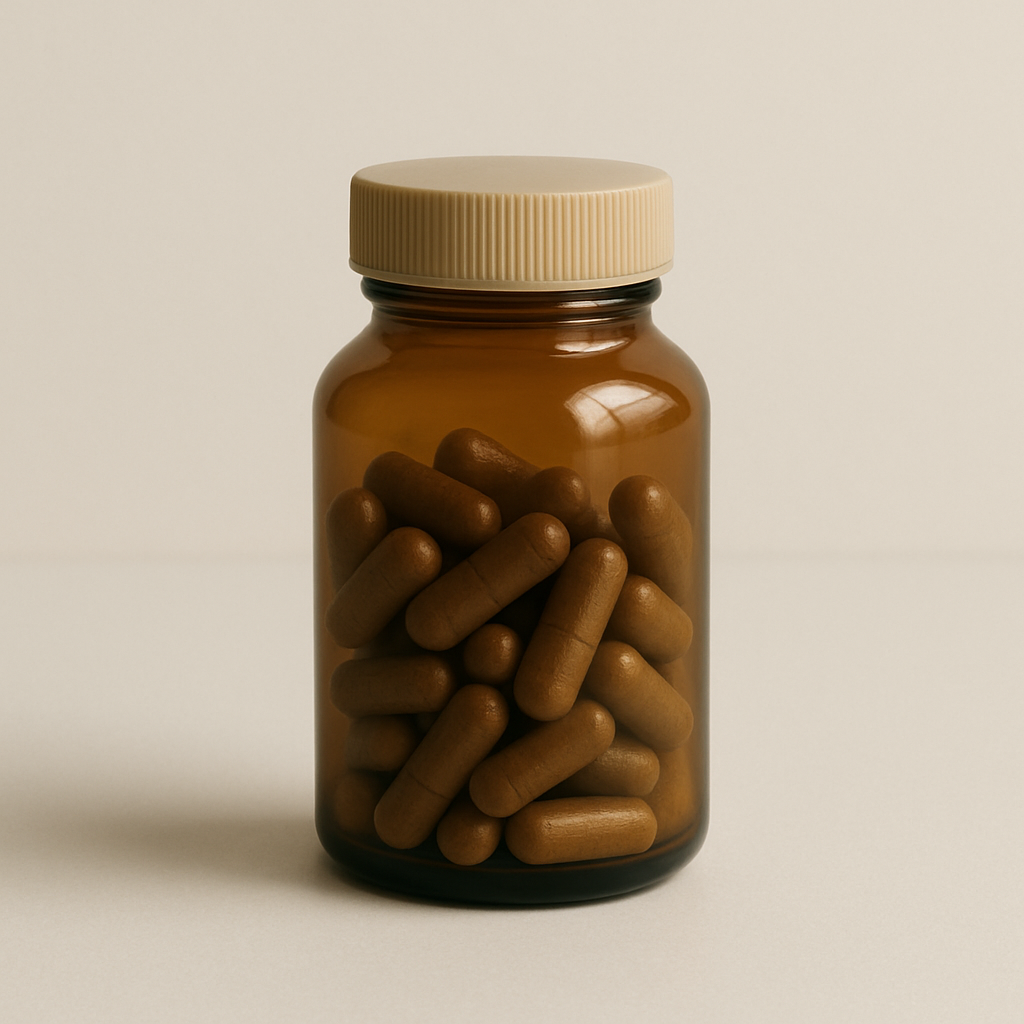
- Capsules: Convenient for standardized dosing.
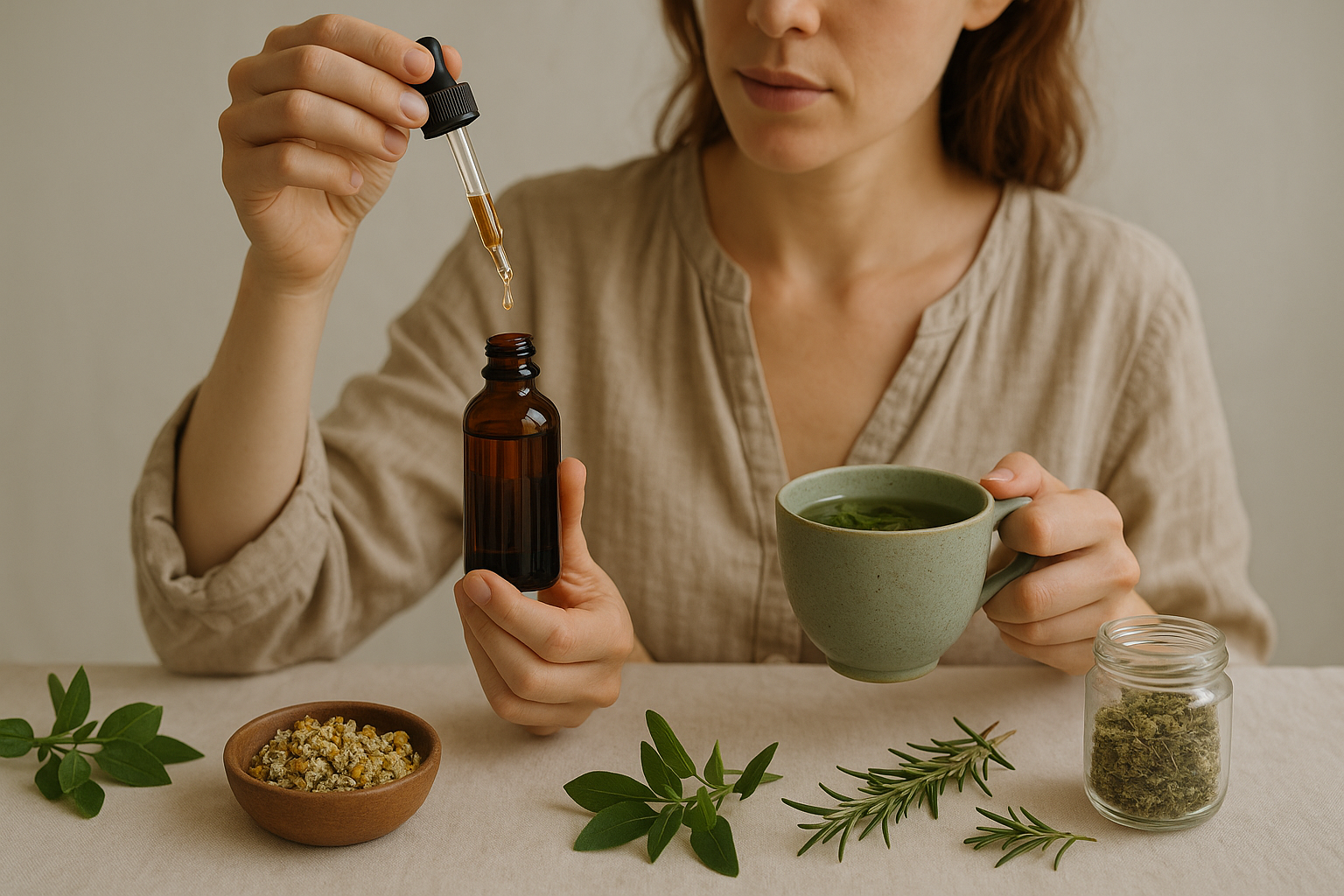
- Tinctures: Concentrated liquid extracts that can be taken directly or added to beverages.
Educational dosing ranges vary by adaptogen:
- Rhodiola rosea: 200-600 mg per day.
- Ashwagandha: 300-600 mg per day.
- Eleutherococcus senticosus: 300-1200 mg per day.
Always consult a healthcare provider for personalized dosing recommendations.
Safety, Contraindications & Interactions
While recovery adaptogens are generally considered safe, there are some contraindications and potential interactions to be aware of:
- Ashwagandha may interact with sedative medications and thyroid medications.
- Rhodiola may affect certain antidepressants and blood pressure medications.
- Eleutherococcus should be used cautiously in individuals with autoimmune conditions.
Always consult a healthcare professional before starting any new supplement, especially if you are pregnant, nursing, or on medication.
Pairs Well With
Recovery adaptogens can enhance the effects of other natural remedies and lifestyle practices:
- Exercise: Combined with a regular exercise routine, they can improve recovery and performance.
- Diet: A balanced diet rich in nutrients supports overall health and enhances the effects of adaptogens.
- Mindfulness Practices: Techniques such as yoga and meditation can further reduce stress and improve recovery.
FAQs
- 1. What are recovery adaptogens? Recovery adaptogens are natural substances that enhance the body's ability to recover from stress and fatigue.
- 2. How do recovery adaptogens work? They help the body adapt to stressors and maintain balance, often influencing hormone levels and energy metabolism.
- 3. Are there any side effects? Most recovery adaptogens are safe, but potential side effects or interactions with medications should be discussed with a healthcare provider.
- 4. How should I take recovery adaptogens? They come in various forms such as powders, capsules, and tinctures. Dosages vary, so it's best to consult a professional.
- 5. Can I combine different adaptogens? Yes, many people find that combining adaptogens can enhance their effects, but it's wise to consult a healthcare provider for guidance.
Frequently asked
What are recovery adaptogens?
Recovery adaptogens are natural substances that enhance the body's ability to recover from stress and fatigue.
How do recovery adaptogens work?
They help the body adapt to stressors and maintain balance, often influencing hormone levels and energy metabolism.
Are there any side effects?
Most recovery adaptogens are safe, but potential side effects or interactions with medications should be discussed with a healthcare provider.
How should I take recovery adaptogens?
They come in various forms such as powders, capsules, and tinctures. Dosages vary, so it's best to consult a professional.
Can I combine different adaptogens?
Yes, many people find that combining adaptogens can enhance their effects, but it's wise to consult a healthcare provider for guidance.