Stress Recovery
Discover the intricacies of stress recovery within recovery science, including its mechanisms, practical applications, and the body systems it supports.
Explore the science of stress recovery, its mechanisms, practical applications, and how it supports body systems while addressing safety concerns.
What It Is
Stress recovery refers to the processes and techniques that individuals utilize to alleviate the physiological and psychological effects of stress. Stress is a natural response to challenging situations, but chronic stress can lead to significant health issues, including anxiety, depression, and cardiovascular diseases. The aim of stress recovery is to restore balance in the body and mind through various evidence-based strategies.
This process involves understanding the triggers of stress and implementing coping mechanisms that can help mitigate its impact. Techniques may include mindfulness practices, physical activity, and lifestyle adjustments that promote relaxation and resilience. Overall, stress recovery is essential for enhancing well-being and improving overall quality of life.
Mechanism / How It Works
The mechanism of stress recovery primarily involves the activation of the body's relaxation response, which counteracts the stress response system. When stress occurs, the body releases hormones like cortisol and adrenaline, activating the sympathetic nervous system. This response prepares the body for 'fight or flight' but can be detrimental if activated excessively.
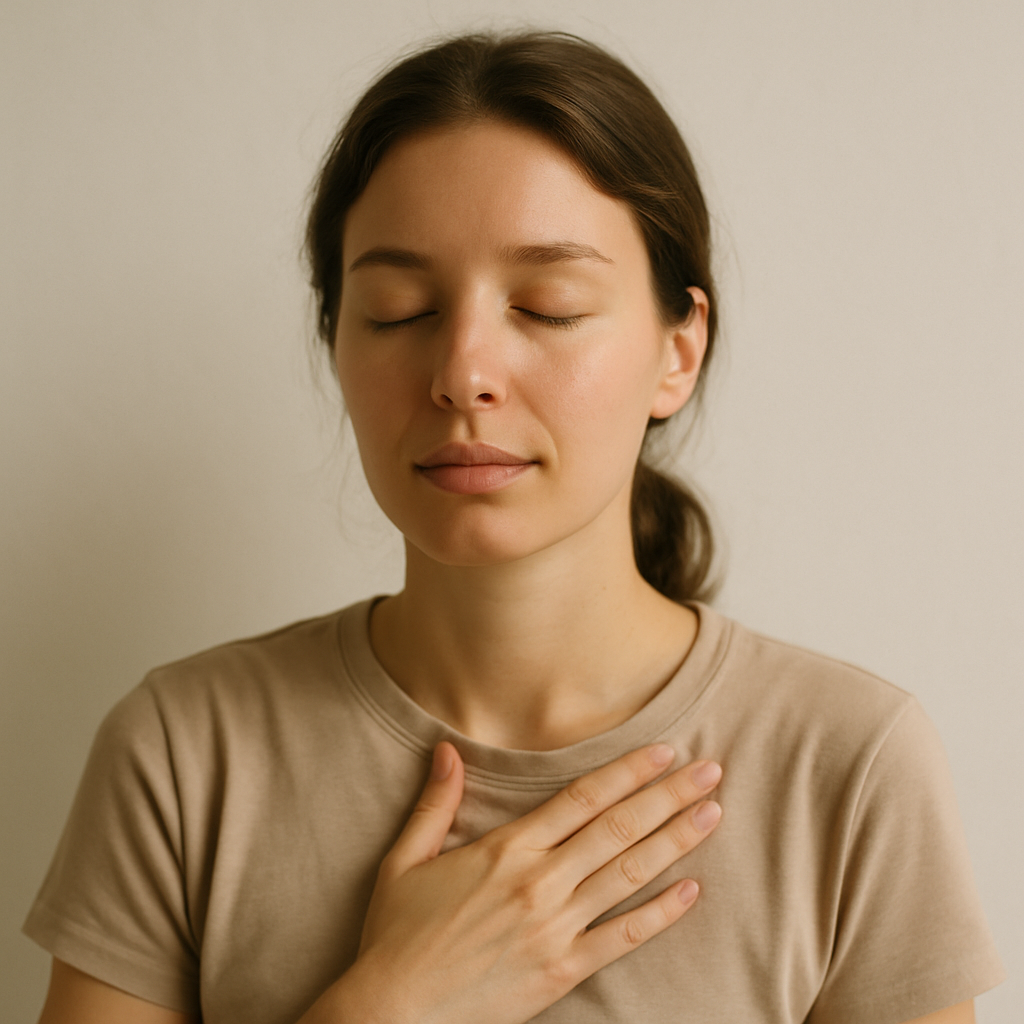
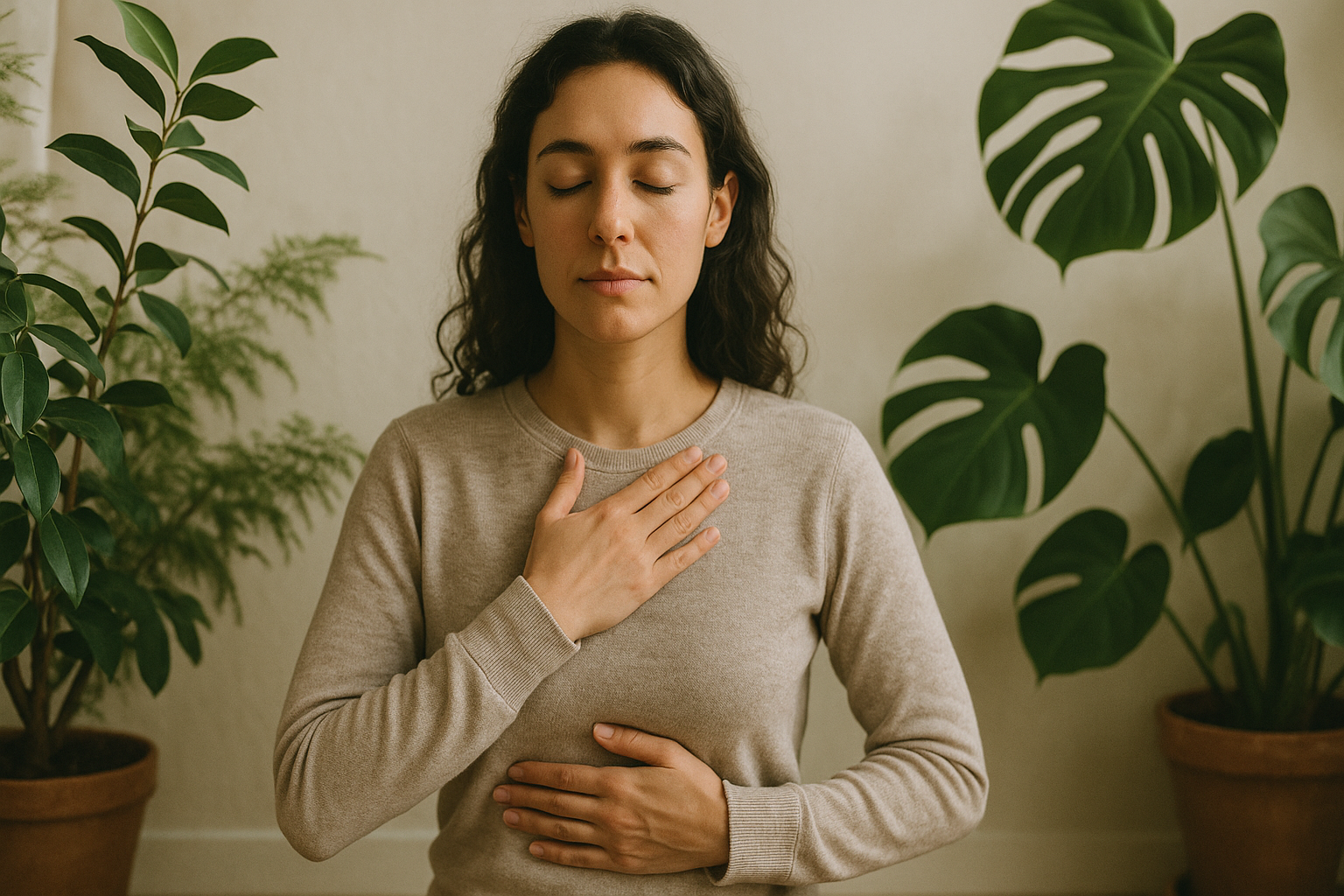
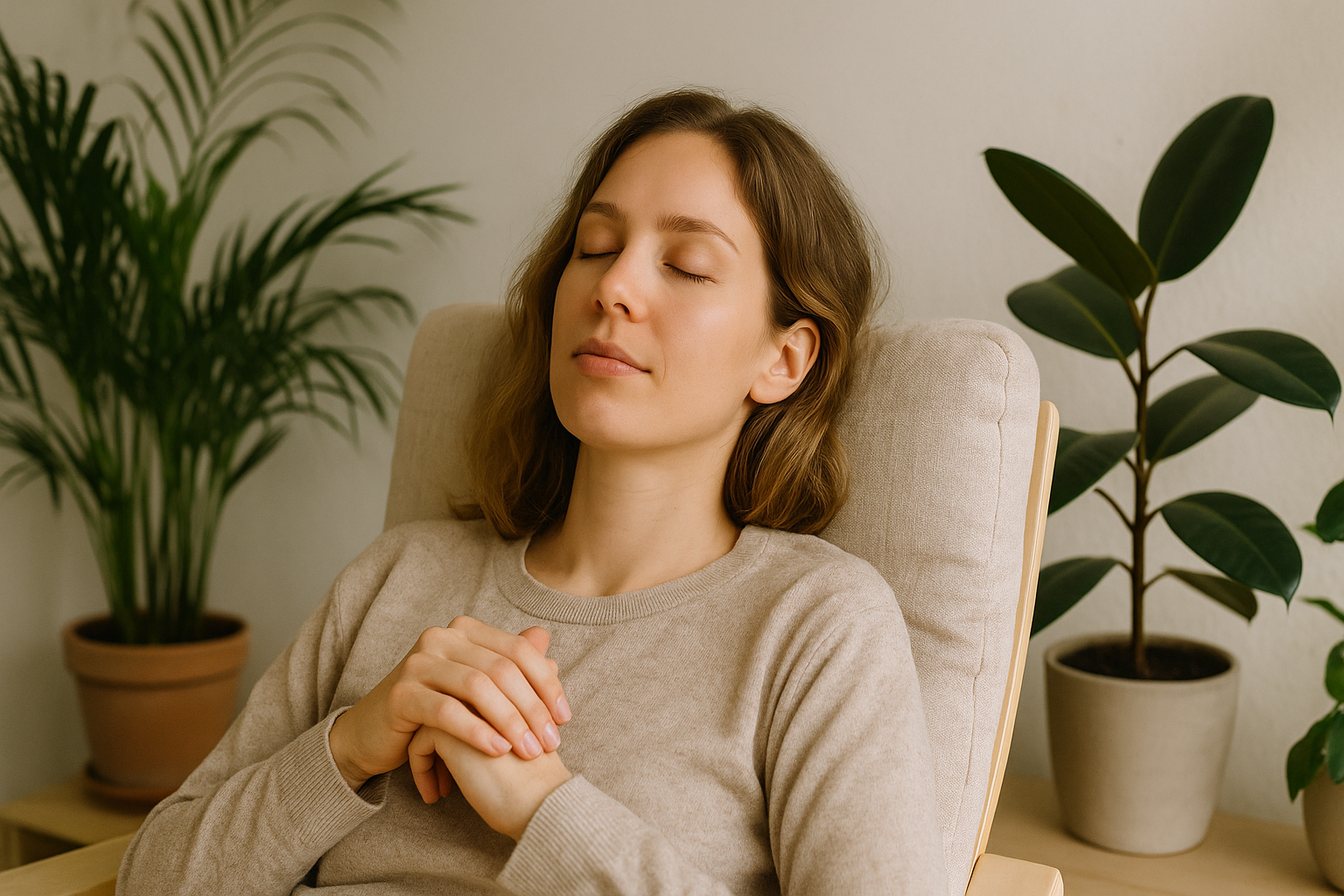
Stress recovery techniques aim to engage the parasympathetic nervous system, which promotes relaxation and recovery. Activities such as deep breathing, meditation, and yoga can lower heart rate and blood pressure, reduce cortisol levels, and enhance feelings of calm. By regularly practicing these techniques, individuals can strengthen their ability to manage stress and improve resilience.
Evidence Summary
Current evidence on stress recovery is varied, highlighting both supportive and conflicting studies. Preliminary research suggests that techniques like mindfulness meditation and physical exercise significantly reduce stress levels and improve psychological well-being. For instance, a meta-analysis of mindfulness-based interventions showed substantial reductions in stress and anxiety among participants.
However, some studies indicate that the effectiveness of these techniques can vary based on individual differences, including personality traits and existing mental health conditions. While many people report positive outcomes from stress recovery practices, more clinical trials are needed to establish standardized protocols and understand the long-term effects.
Practical Application
To effectively integrate stress recovery into daily life, individuals can adopt several practical strategies:
- Mindfulness and Meditation: Set aside time daily for mindfulness practices, focusing on breath awareness and present-moment experiences.
- Physical Activity: Engage in regular exercise, as it has been shown to enhance mood and reduce stress hormones.
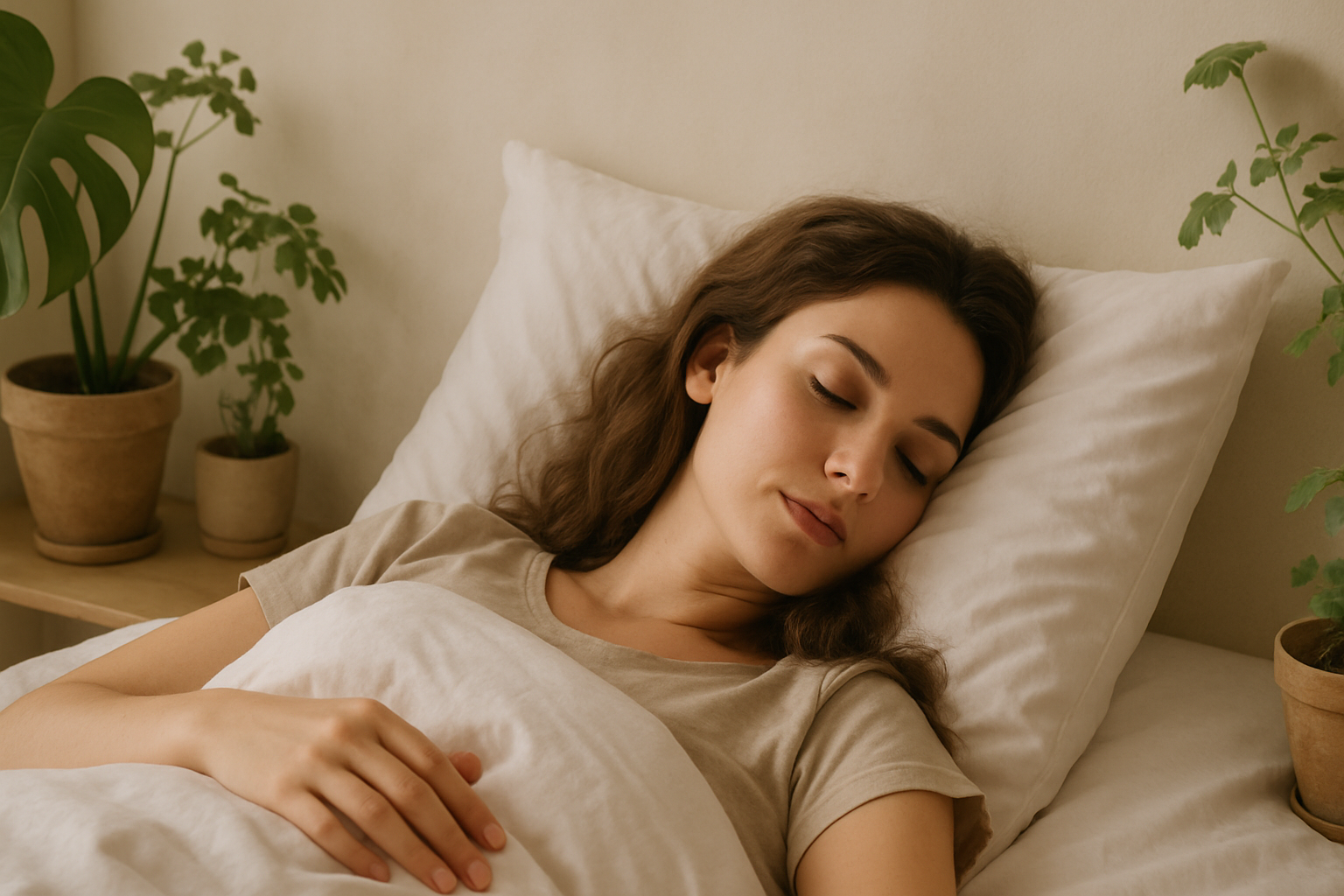
- Sleep Hygiene: Prioritize quality sleep by establishing a consistent sleep schedule and creating a restful environment.
- Social Support: Foster connections with friends and family, as social interactions can be a powerful buffer against stress.
- Balanced Nutrition: Maintain a diet rich in whole foods, as proper nutrition can positively influence mood and stress levels.
Common pitfalls to avoid include neglecting self-care, overcommitting to responsibilities, and using unhealthy coping mechanisms such as excessive alcohol consumption or procrastination.
Relevant Biomarkers & Tracking
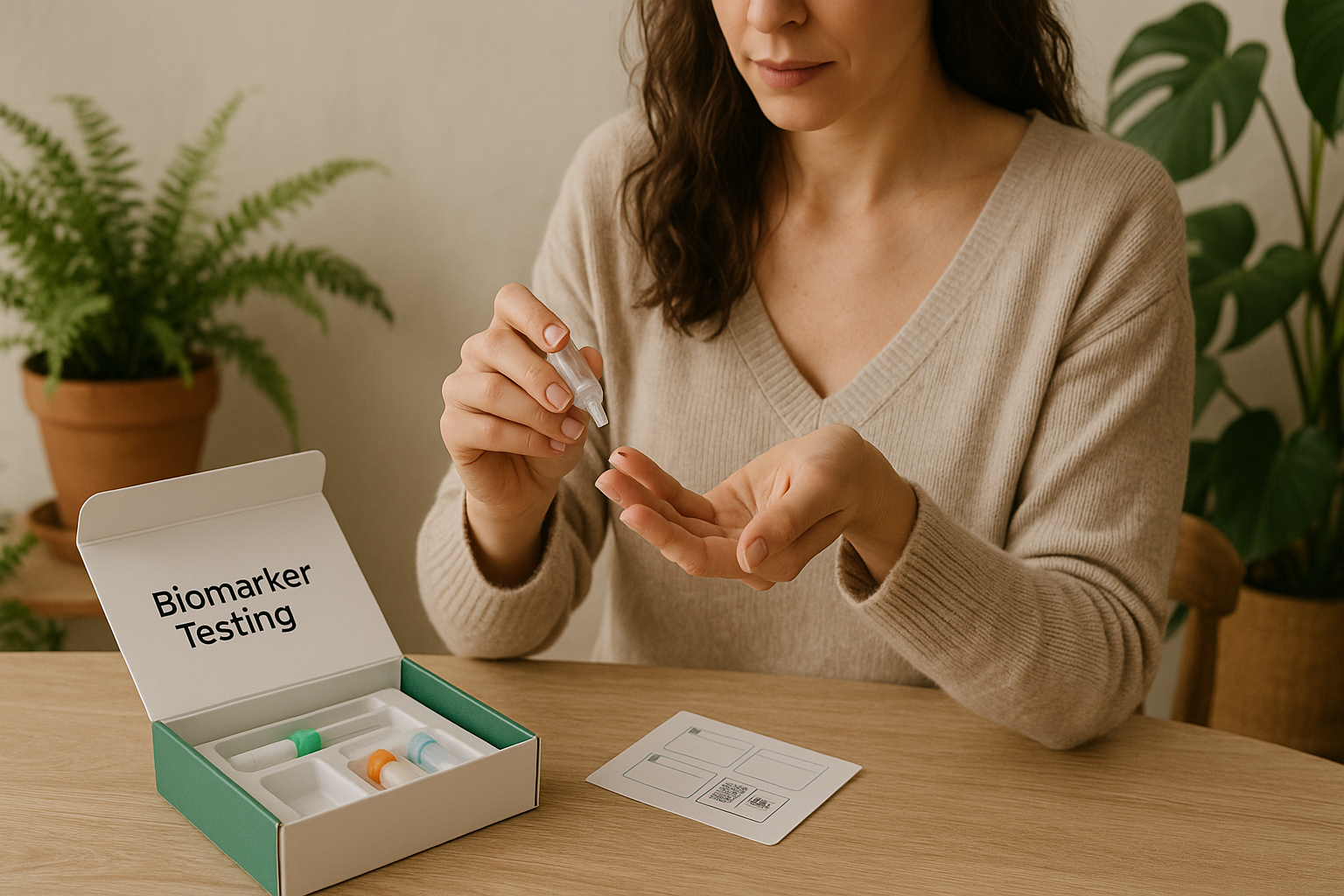
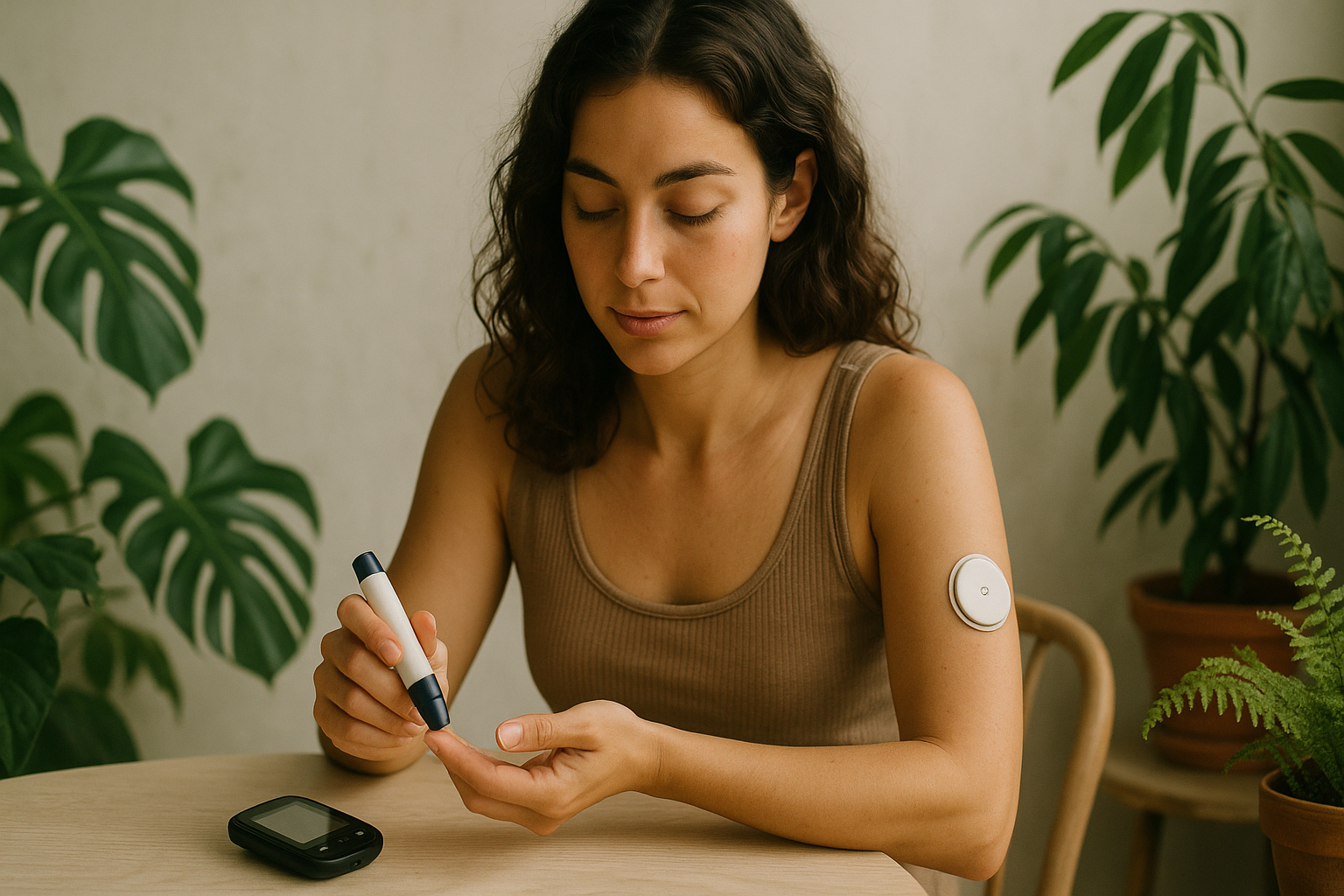
Monitoring biomarkers can provide insights into stress levels and recovery progress. Key biomarkers include:
- Cortisol Levels: Measuring cortisol can indicate stress responses, with elevated levels suggesting chronic stress.
- Heart Rate Variability (HRV): Higher HRV is associated with better stress management and resilience.
- Blood Pressure: Tracking blood pressure can help assess the physical impact of stress.
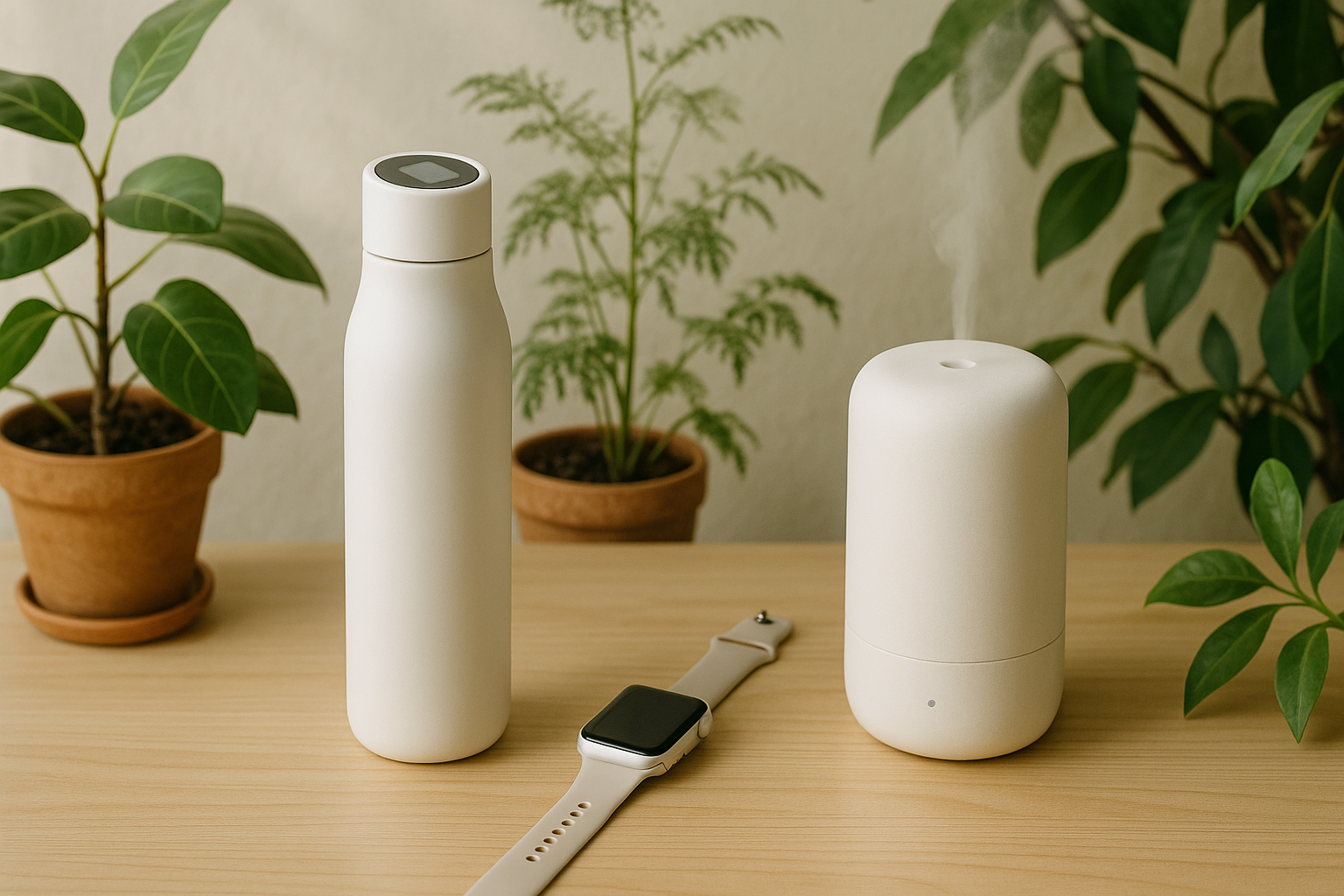
- Sleep Quality: Using sleep trackers can provide data on sleep patterns and quality, influencing recovery efforts.
Body Systems Supported
Stress recovery supports multiple body systems, including:
- Nervous System: Promotes balance between the sympathetic and parasympathetic systems.
- Endocrine System: Regulates hormone levels, particularly cortisol, to mitigate stress effects.
- Cardiovascular System: Helps lower blood pressure and heart rate, reducing the risk of heart disease.
- Immune System: Chronic stress can weaken the immune response; recovery practices can enhance overall health.
Common Goals
Individuals pursuing stress recovery often aim for specific goals, including:
- Reducing overall stress levels.
- Improving mental clarity and focus.
- Enhancing emotional resilience.
- Promoting physical health and vitality.
- Establishing a balanced lifestyle that prioritizes well-being.
Safety, Contraindications & Edge Cases
While stress recovery practices are generally safe for most individuals, certain contraindications should be considered:
- Individuals with specific mental health disorders may require tailored interventions.
- Excessive physical activity can lead to injury or burnout, so moderation is key.
- Practices involving deep breathing or meditation may not be suitable for those with certain respiratory conditions.
It is advisable to consult a healthcare professional before starting any new stress recovery program, especially for those with pre-existing health conditions.
Pairs Well With
Stress recovery can be complemented by various ancient or natural counterparts, enhancing overall wellness:
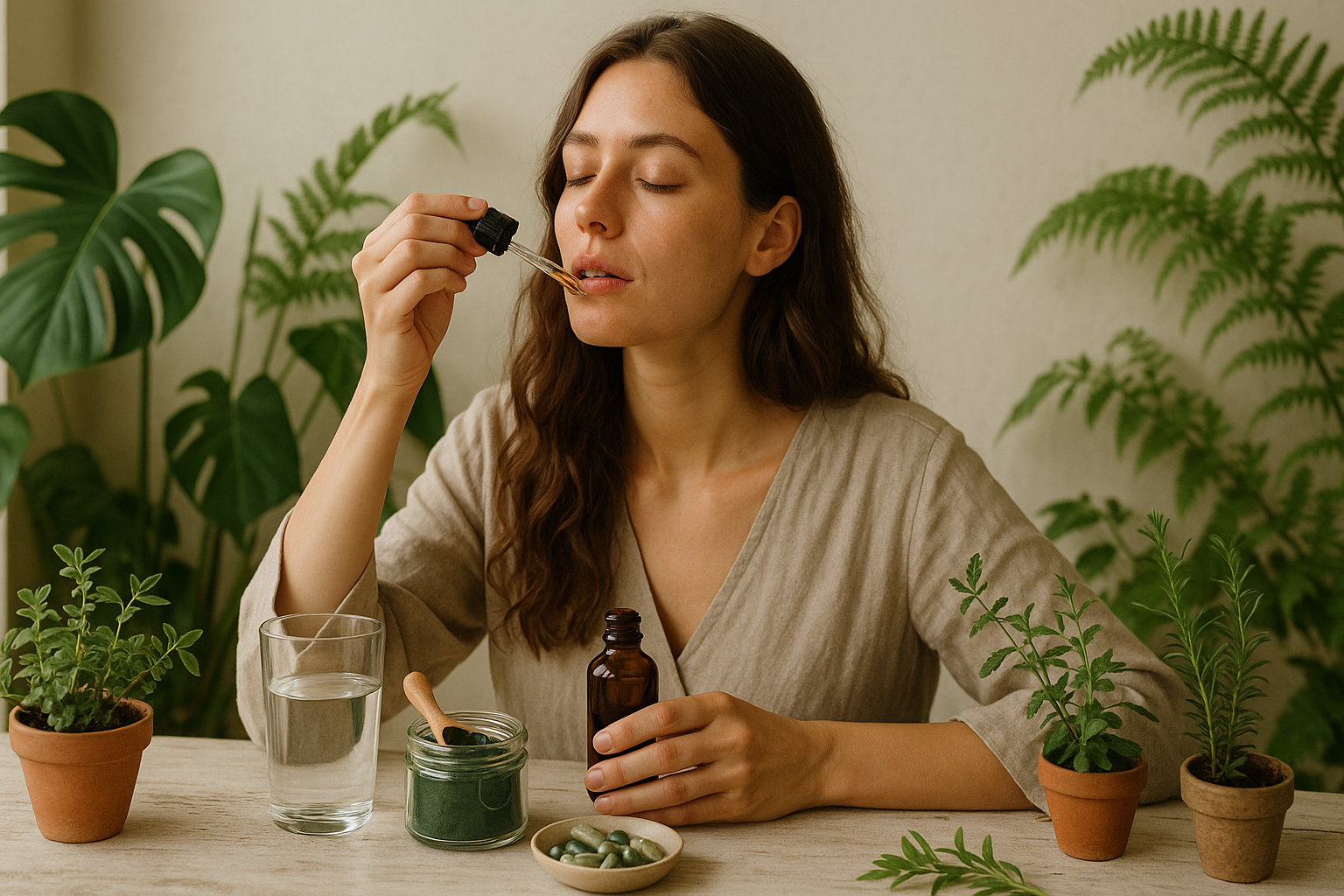
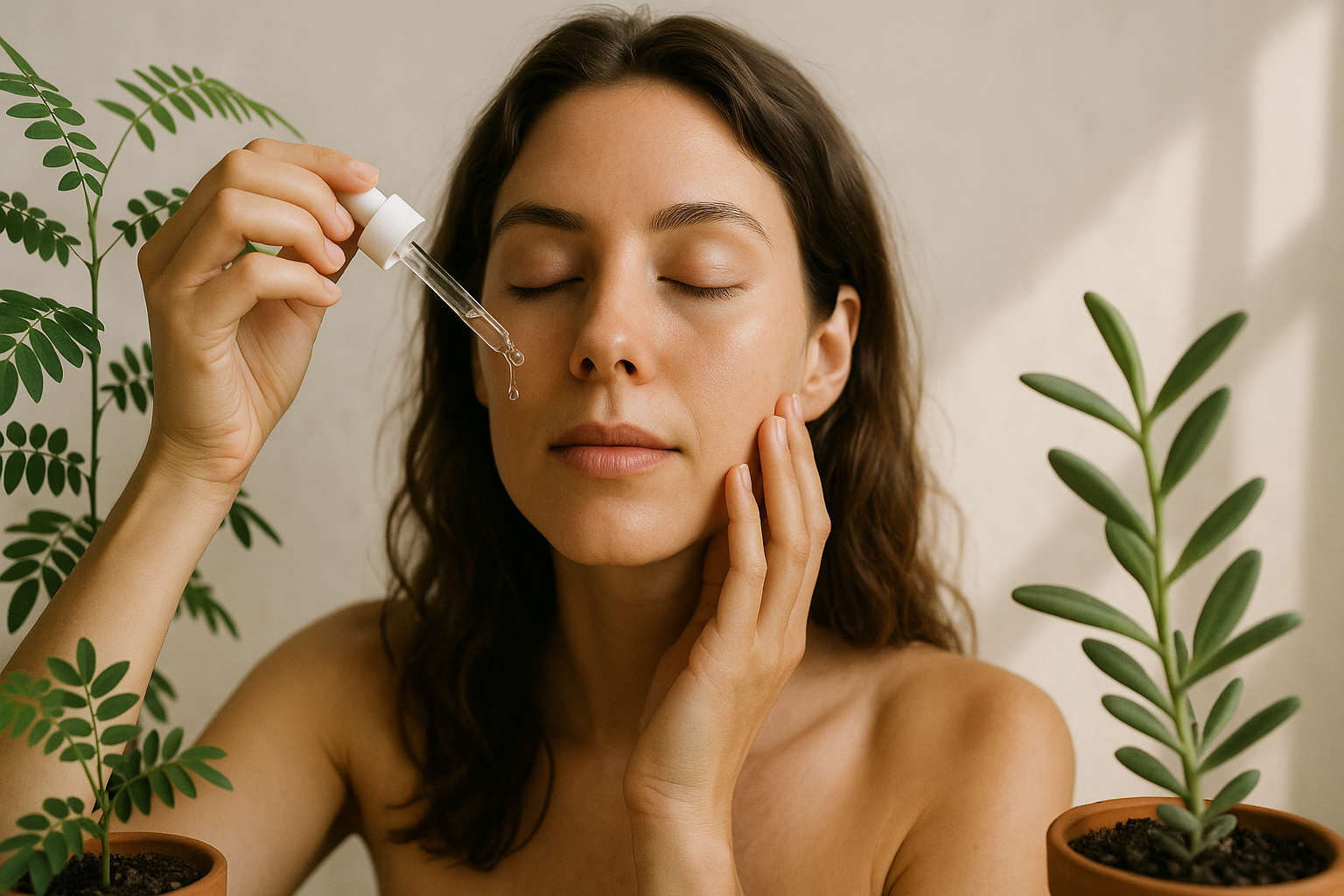
- Herbal Remedies: Adaptogens like ashwagandha and rhodiola may support the body's stress response.
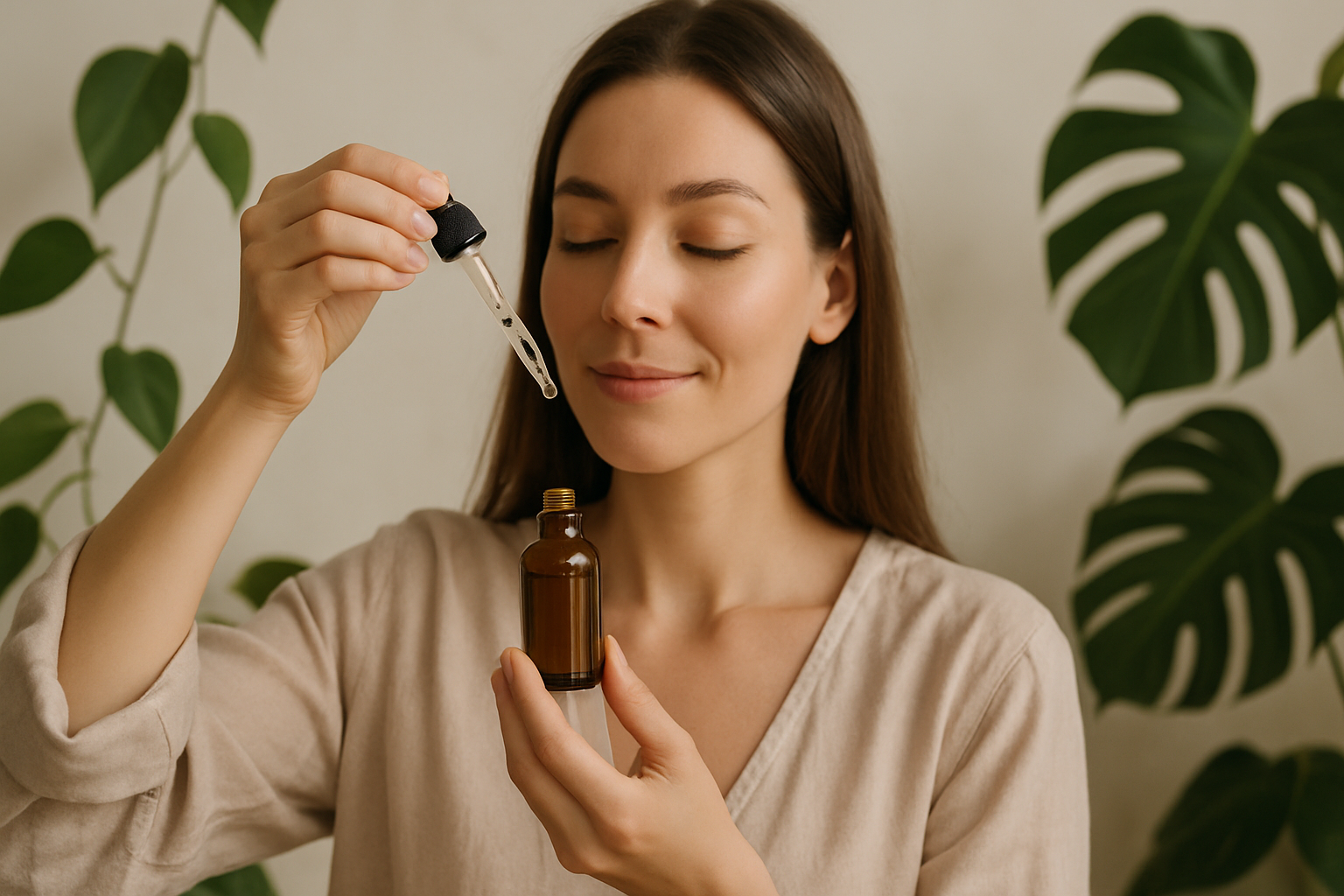
- Aromatherapy: Essential oils such as lavender and chamomile can promote relaxation and reduce anxiety.
- Traditional Yoga: Incorporating yoga practices can enhance physical and mental well-being.
- Nutrition from Traditional Diets: Diets rich in omega-3 fatty acids and antioxidants can help combat stress-related inflammation.
FAQs (5)
- What are the best techniques for stress recovery? Techniques such as mindfulness meditation, physical exercise, and proper sleep hygiene are effective for stress recovery.
- How long does it take to see results from stress recovery practices? Results can vary, but many individuals notice improvements within a few weeks of consistent practice.
- Can stress recovery be done alone? Yes, many practices can be self-guided, but seeking professional support can enhance the effectiveness of recovery.
- Are there any risks associated with stress recovery techniques? While generally safe, individuals should be mindful of their physical limits and any pre-existing health conditions.
- How can I measure my stress levels? Biomarkers like cortisol levels, heart rate variability, and sleep quality can provide insights into stress levels.
Frequently asked
What are the best techniques for stress recovery?
Techniques such as mindfulness meditation, physical exercise, and proper sleep hygiene are effective for stress recovery.
How long does it take to see results from stress recovery practices?
Results can vary, but many individuals notice improvements within a few weeks of consistent practice.
Can stress recovery be done alone?
Yes, many practices can be self-guided, but seeking professional support can enhance the effectiveness of recovery.
Are there any risks associated with stress recovery techniques?
While generally safe, individuals should be mindful of their physical limits and any pre-existing health conditions.
How can I measure my stress levels?
Biomarkers like cortisol levels, heart rate variability, and sleep quality can provide insights into stress levels.