Performance Recovery
Delve into performance recovery methods, their mechanisms, and practical applications for optimal recovery and wellness.

Explore the nuances of performance recovery within the realm of recovery science. Understand its mechanisms, applications, and the evidence backing its effectiveness.
What It Is
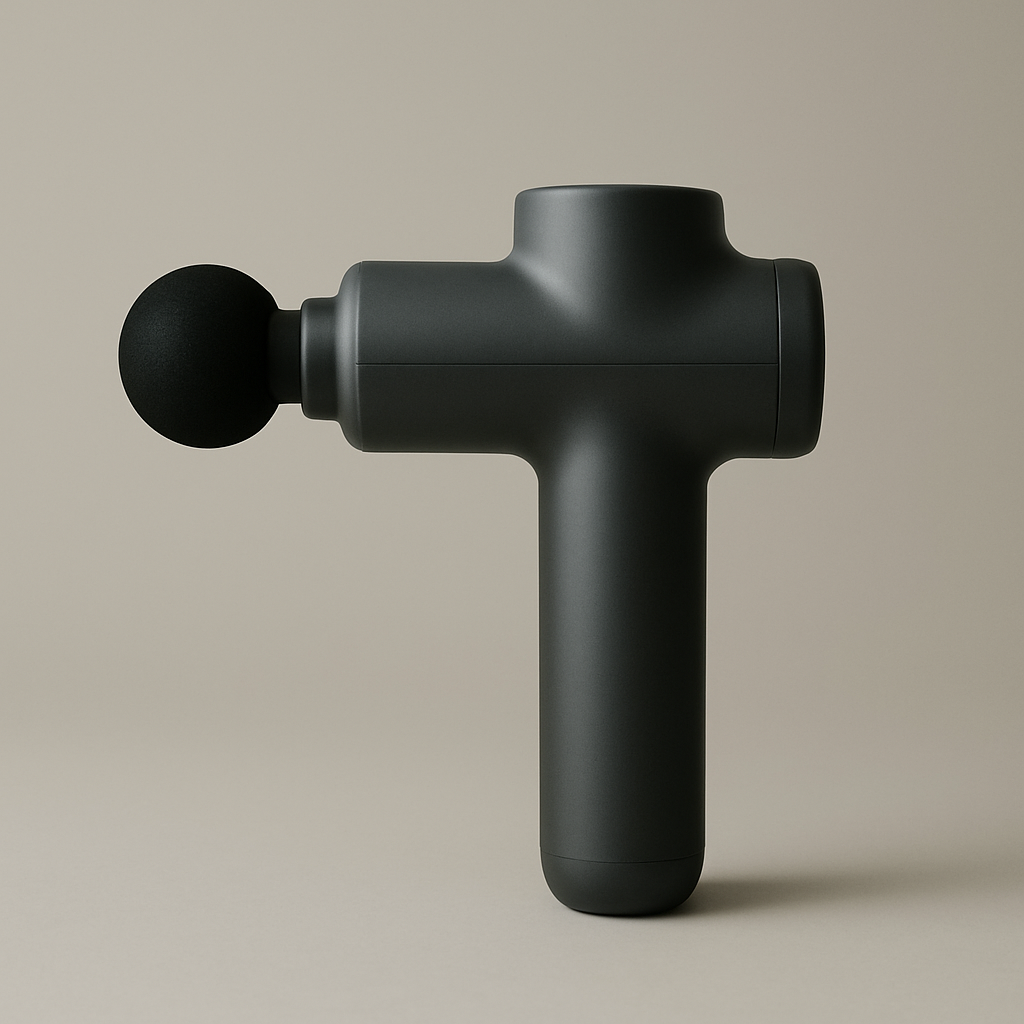
Performance recovery refers to the strategies and practices employed to restore an individual’s physical and mental state following intense physical activity. It encompasses various techniques aimed at reducing fatigue, improving muscle function, and preparing the body for future exertion. The primary goal of performance recovery is to enhance athletic performance and overall wellness by allowing the body to may support and adapt to the stresses placed upon it.
In the context of modern wellness, performance recovery is essential for athletes and fitness enthusiasts alike, as it aids in minimizing the risk of injury and optimizing training outcomes. Techniques can range from passive recovery methods, such as rest and sleep, to active recovery strategies, including light exercise and stretching. Understanding and implementing effective recovery practices is crucial for achieving long-term fitness goals.
Mechanism / How It Works
The mechanisms behind performance recovery involve a complex interplay of physiological processes. After intense physical activity, the body experiences a range of metabolic and biochemical changes that need to be addressed for optimal recovery. Key mechanisms include:
- Muscle Repair: Intense exercise causes micro-tears in muscle fibers, which need to be repaired for strength and growth. This process involves protein synthesis and the activation of satellite cells.
- Energy Restoration: Glycogen stores in the muscles are depleted during exercise. Recovery strategies help replenish these stores, allowing for better performance in subsequent workouts.
- Inflammation Reduction: Exercise-induced inflammation can lead to soreness and fatigue. Recovery practices aim to reduce this inflammation through various means, including nutrition, hydration, and rest.
- Neural Recovery: The central nervous system also requires recovery time to restore optimal functioning after strenuous activity, impacting coordination and muscle control.
Evidence Summary
The body of evidence surrounding performance recovery is extensive but varies in quality. Key findings include:
- Preliminary Studies: Some studies suggest that active recovery, such as low-intensity exercise, may enhance recovery compared to complete rest.
- Clinical Evidence: Meta-analyses have shown that techniques such as massage, contrast water therapy, and compression garments can aid in muscle soreness reduction and subjective recovery experiences.
- Conflicting Results: Despite positive outcomes associated with certain recovery methods, other studies report minimal or no significant benefits, highlighting the need for further research to establish definitive guidelines.
Overall, while some recovery methods show promise, individual responses can vary, making it essential to tailor strategies to individual needs and preferences.
Practical Application
- Active Recovery: Engage in low-intensity activities like walking, cycling, or yoga following intense workouts to promote blood flow and muscle repair.
- Hydration and Nutrition: Prioritize fluid intake and consume a balanced diet rich in protein and carbohydrates to support muscle recovery.
- Rest and Sleep: Ensure adequate sleep duration and quality, as this is when the body undergoes significant recovery processes.
- Listen to Your Body: Pay attention to signs of overtraining and fatigue, adjusting recovery strategies accordingly.
Common pitfalls to avoid include neglecting recovery altogether, underestimating the importance of sleep, and relying solely on passive recovery methods.
Relevant Biomarkers & Tracking
Tracking recovery progress can be facilitated by monitoring several biomarkers, including:
- Heart Rate Variability (HRV): Indicates how well the autonomic nervous system is recovering and adapting.
- Creatine Kinase (CK): Elevated levels post-exercise can indicate muscle damage and require recovery.
- Resting Heart Rate: Changes can signal fatigue or recovery status.
- Perceived Exertion and Muscle Soreness: Subjective measures can provide insights into recovery needs.
Body Systems Supported
Performance recovery primarily supports the following body systems:
- Muscular System: Aids in muscle repair and growth.
- Cardiovascular System: Enhances blood flow and nutrient delivery to muscles.
- Nervous System: Restores neural function and coordination.
- Endocrine System: Balances hormone levels affected by stress and exercise.
Common Goals
The common goals of performance recovery include:
- Reducing muscle soreness and fatigue.
- Restoring energy levels and glycogen stores.
- Improving overall performance and training outcomes.
- Minimizing the risk of injury and overtraining.
Safety, Contraindications & Edge Cases
While performance recovery techniques are generally safe, some considerations include:
- Individuals with underlying health conditions should consult healthcare professionals before starting recovery protocols.
- Specific recovery methods, such as massage or cold therapy, may not be suitable for everyone, particularly those with certain injuries or sensitivities.
- Over-reliance on passive recovery methods may lead to inadequate conditioning and fitness gains.
Pairs Well With
Performance recovery can be complemented by various ancient and natural practices, including:
- Ayurveda: Emphasizes balance and holistic healing, offering dietary guidelines and herbal remedies for recovery.
- Traditional Chinese Medicine: Utilizes acupuncture and herbal treatments to promote recovery and energy balance.
- Mindfulness and Meditation: Supports mental recovery and stress reduction, enhancing overall wellness.
FAQs (5)
- What is the most effective recovery method? The effectiveness of recovery methods varies by individual; a combination of active recovery, proper nutrition, and sleep is generally recommended.
- How long should I rest between workouts? Rest periods depend on the intensity of the workouts, but 24-48 hours is commonly advised for muscle recovery.
- Can I recover without taking a day off? Yes, active recovery methods can help promote recovery while still allowing for some level of physical activity.
- Is sleep important for recovery? Yes, quality sleep is crucial for physical and mental recovery processes.
- How can I measure my recovery? Monitoring heart rate variability, resting heart rate, and subjective feelings of fatigue can help gauge recovery status.
Frequently asked
What is the most effective recovery method?
The effectiveness of recovery methods varies by individual; a combination of active recovery, proper nutrition, and sleep is generally recommended.
How long should I rest between workouts?
Rest periods depend on the intensity of the workouts, but 24-48 hours is commonly advised for muscle recovery.
Can I recover without taking a day off?
Yes, active recovery methods can help promote recovery while still allowing for some level of physical activity.
Is sleep important for recovery?
Yes, quality sleep is crucial for physical and mental recovery processes.
How can I measure my recovery?
Monitoring heart rate variability, resting heart rate, and subjective feelings of fatigue can help gauge recovery status.