Cellular Recovery
Discover the principles of cellular recovery within recovery science, including practical applications, biomarkers, and safety guidelines.
Explore the science of cellular recovery, its mechanisms, practical applications, and how to track progress effectively. Learn about its benefits, supported body systems, and safety considerations.
What It Is
Cellular recovery is a fundamental aspect of recovery science that focuses on the repair and regeneration of cells within the body. This process is essential for maintaining overall health, especially after physical exertion, injury, or illness. Cellular recovery involves various biological mechanisms that restore the function and integrity of cells, promoting healing and resilience.
At its core, cellular recovery encompasses the biochemical processes that enable cells to recover from stressors such as oxidative damage, inflammation, and metabolic disturbances. Techniques to enhance cellular recovery can vary widely, ranging from nutritional support to advanced therapeutic interventions.
Mechanism / How It Works
The mechanisms underlying cellular recovery are complex and involve several interrelated processes. Key features include:
- Cellular Repair: Damage to cellular structures, including DNA, proteins, and membranes, is repaired through various pathways, including autophagy and apoptosis.
- Inflammation Regulation: The body’s inflammatory response is modulated to prevent excessive damage while promoting healing.
- Nutrient Utilization: Optimal nutrient intake supports cellular metabolism, energy production, and the synthesis of critical biomolecules.
- Hormonal Balance: Hormones like growth factors and cytokines play a crucial role in signaling and facilitating recovery processes.
Understanding these mechanisms can help inform strategies to enhance cellular recovery through lifestyle changes and interventions.
Evidence Summary
The evidence surrounding cellular recovery is a mix of promising findings and areas requiring further research. Preliminary studies have shown that specific nutrients, such as antioxidants and amino acids, can support cellular repair processes. Clinical trials have demonstrated positive outcomes in recovery protocols that incorporate these nutrients, especially in athletic populations.
However, conflicting results exist regarding the efficacy of certain recovery modalities, such as hyperbaric oxygen therapy and cold exposure. While some studies report benefits in terms of reduced inflammation and enhanced recovery, others indicate minimal or no significant impact. Thus, while there is a growing body of evidence supporting various approaches, comprehensive guidelines are not yet established.
Practical Application
- Nutrition: Prioritize a diet rich in antioxidants, omega-3 fatty acids, and protein to support cellular repair.
- Hydration: Ensure adequate fluid intake to facilitate metabolic processes and nutrient transport.
- Rest and Sleep: Emphasize the importance of quality sleep to enhance recovery and hormonal balance.
- Active Recovery: Incorporate low-intensity activities that promote blood flow and reduce muscle stiffness.
Common pitfalls include neglecting to address nutrient timing and failing to listen to the body’s signals for rest. Being aware of these factors can enhance the effectiveness of recovery strategies.
Relevant Biomarkers & Tracking
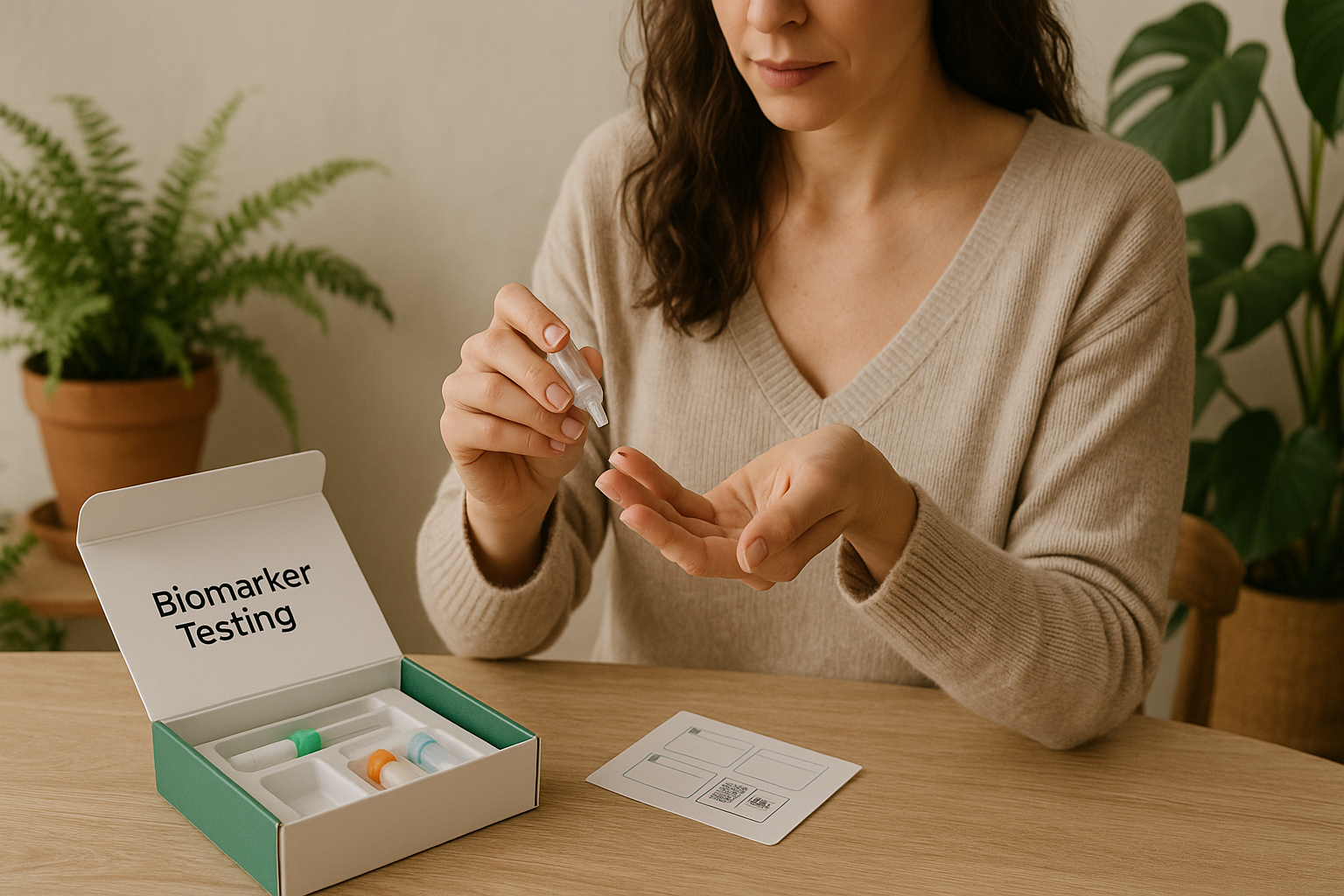
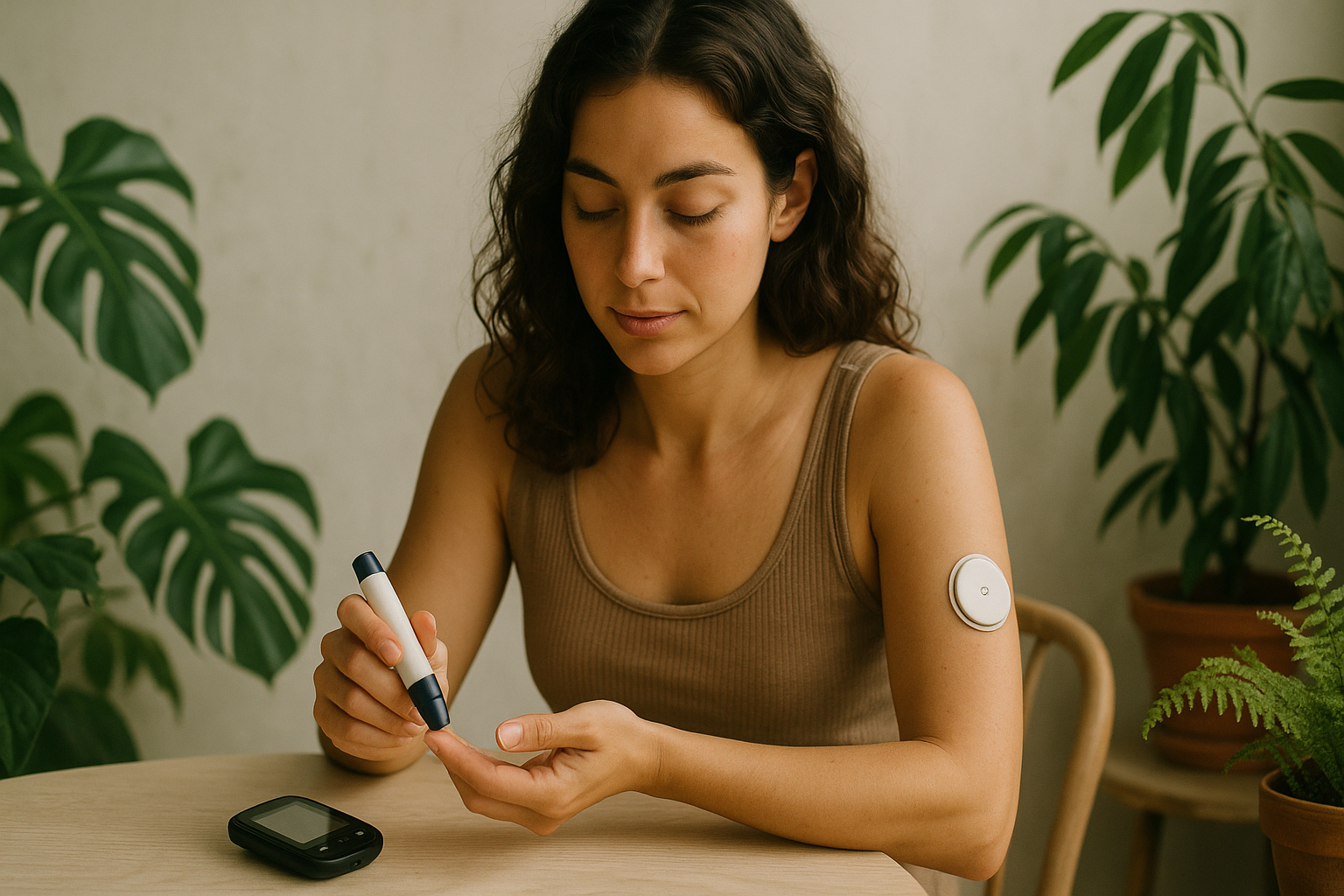
Tracking the effectiveness of cellular recovery can involve various biomarkers, including:
- Inflammatory Markers: Levels of cytokines and C-reactive protein (CRP) can indicate the inflammatory state of the body.
- Oxidative Stress Indicators: Measurements of oxidative stress, such as malondialdehyde (MDA), can provide insights into cellular damage.
- Muscle Recovery Metrics: Tools like creatine kinase (CK) levels can indicate muscle damage and recovery status.
Monitoring these biomarkers can help individuals and practitioners adjust recovery strategies based on real-time feedback.
Body Systems Supported
Cellular recovery supports multiple body systems, including:
- Musculoskeletal System: Essential for repairing muscle tissue and reducing soreness.
- Immune System: Enhances the body’s ability to respond to infections and inflammation.
- Nervous System: Supports neural repair and cognitive function.
This wide-ranging impact underscores the importance of cellular recovery in overall wellness.
Common Goals
Individuals seeking to enhance cellular recovery may aim for several common goals, such as:
- Improved Athletic Performance: Accelerating recovery between training sessions to achieve better results.
- Injury Rehabilitation: Supporting the healing process after injuries to restore function.
- Enhanced Well-Being: Reducing fatigue and promoting overall vitality.
These goals can guide the selection of appropriate recovery strategies.
Safety, Contraindications & Edge Cases
While cellular recovery methods are generally safe, certain contraindications and edge cases exist:
- Medical Conditions: Individuals with certain health conditions, such as autoimmune disorders, should consult healthcare providers before starting recovery protocols.
- Medication Interactions: Be aware of potential interactions between supplements and prescribed medications.
It is crucial to approach recovery strategies with caution, especially for those with pre-existing health issues.
Pairs Well With
Cellular recovery can be complemented by various ancient and natural health practices, such as:
- Herbal Remedies: Adaptogens like ashwagandha and rhodiola may support stress resilience and recovery.
- Mind-Body Practices: Yoga and meditation can enhance relaxation and reduce stress-related inflammation.
These practices can work synergistically with modern recovery science to promote holistic well-being.
FAQs (5)
- What are the best nutrients for cellular recovery? Nutrients such as antioxidants, omega-3 fatty acids, and high-quality proteins are essential for cellular repair.
- How long does it take for cellular recovery to occur? Recovery times can vary based on individual factors, but generally, cellular repair can begin within hours to days after stress or injury.
- Can I track my cellular recovery? Yes, monitoring biomarkers related to inflammation and oxidative stress can provide insights into your recovery status.
- Is cellular recovery important for everyone? Yes, all individuals can benefit from enhanced cellular recovery, especially those engaged in intense physical activity or facing health challenges.
- Are there risks associated with recovery supplements? Some supplements may interact with medications or have contraindications; it's best to consult with a healthcare provider before use.
Frequently asked
What are the best nutrients for cellular recovery?
Nutrients such as antioxidants, omega-3 fatty acids, and high-quality proteins are essential for cellular repair.
How long does it take for cellular recovery to occur?
Recovery times can vary based on individual factors, but generally, cellular repair can begin within hours to days after stress or injury.
Can I track my cellular recovery?
Yes, monitoring biomarkers related to inflammation and oxidative stress can provide insights into your recovery status.
Is cellular recovery important for everyone?
Yes, all individuals can benefit from enhanced cellular recovery, especially those engaged in intense physical activity or facing health challenges.
Are there risks associated with recovery supplements?
Some supplements may interact with medications or have contraindications; it's best to consult with a healthcare provider before use.