Sleep Recovery
Discover the essential role of sleep recovery in modern wellness and its impact on overall health and performance.

Explore the importance of sleep recovery in the context of recovery science, understanding its mechanisms, evidence, practical applications, and relevant biomarkers.
What It Is
Sleep recovery refers to the restorative processes that occur during sleep, allowing the body and mind to recuperate from the stresses of daily life. It plays a crucial role in physical and mental health, facilitating recovery from exertion, injury, and mental fatigue.
During sleep, various physiological processes take place, including muscle repair, memory consolidation, and hormone regulation. Quality sleep is essential for optimal functioning, influencing mood, cognitive performance, and physical health.
Mechanism / How It Works
Sleep recovery operates through several mechanisms, primarily involving different sleep stages: REM (rapid eye movement) and non-REM sleep. Each stage serves specific functions, such as memory processing, emotional regulation, and physical restoration.
In non-REM sleep, particularly during deep sleep, the body releases growth hormone, which aids in tissue growth and muscle repair. Meanwhile, REM sleep is crucial for emotional processing and cognitive function, making it a key component of recovery.
Evidence Summary
Research on sleep recovery indicates a strong correlation between adequate sleep and improved recovery outcomes. Studies show that sleep deprivation can hinder athletic performance, increase injury risk, and negatively affect mood and cognitive functions.
However, while the benefits of sleep recovery are well-documented, there are conflicting findings regarding optimal sleep duration and individual variability. Some individuals may thrive on less sleep, while others require more to achieve peak recovery.
Practical Application
To integrate sleep recovery into daily routines, individuals can adopt several strategies:
- Establish a consistent sleep schedule by going to bed and waking up at the same time each day.
- Create a restful sleep environment, minimizing noise and light exposure.
- Limit caffeine and screen time before bed to promote a more restful sleep.
Common pitfalls include inconsistent sleep patterns, over-reliance on naps, and ignoring individual sleep needs, which can all hinder effective recovery.
Relevant Biomarkers & Tracking
Tracking sleep quality and duration can be facilitated by various methods, including:
- Sleep diaries to record sleep patterns and perceived quality.
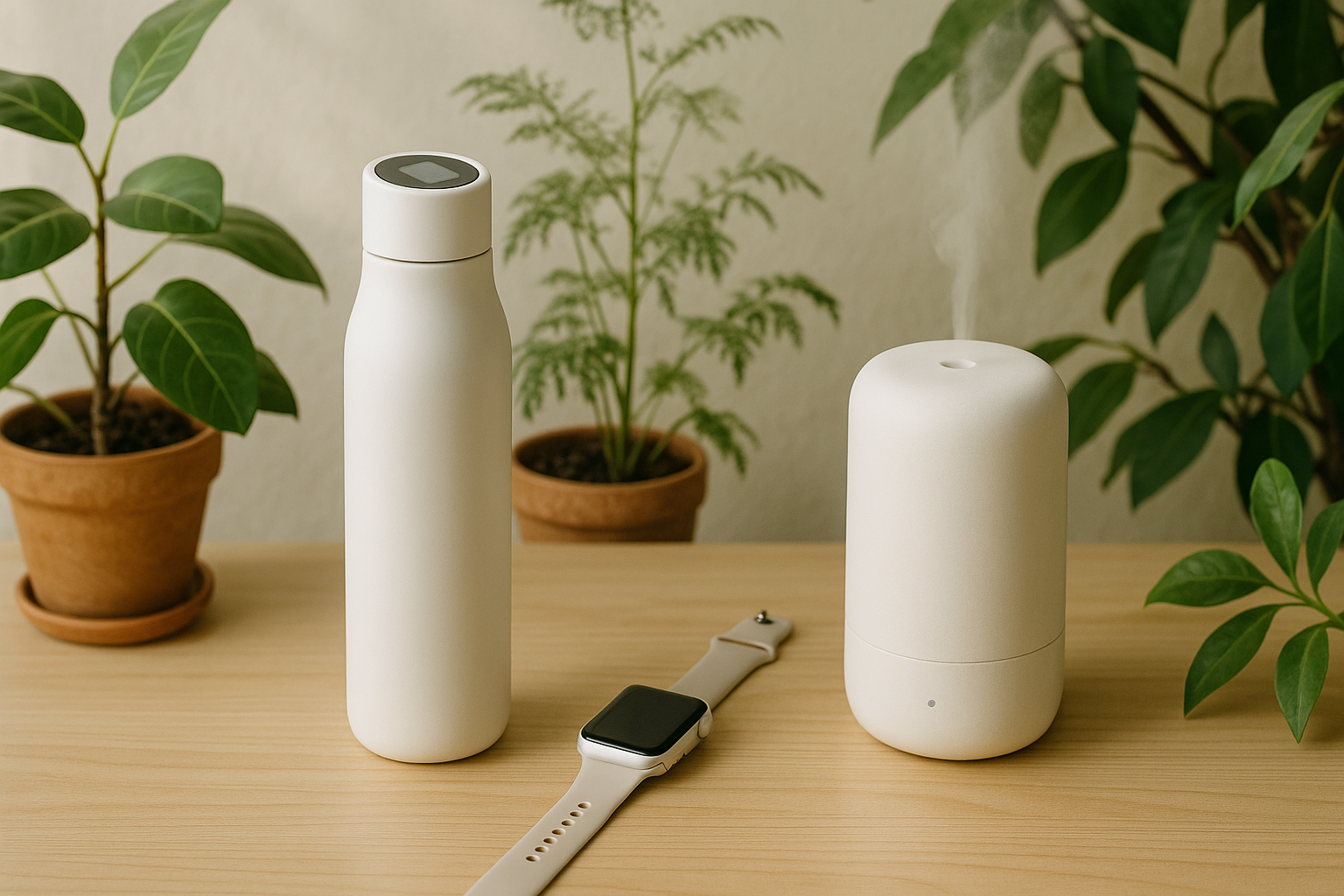
- Wearable devices that monitor sleep stages and provide insights into sleep health.
- Apps that track sleep habits and offer personalized recommendations.
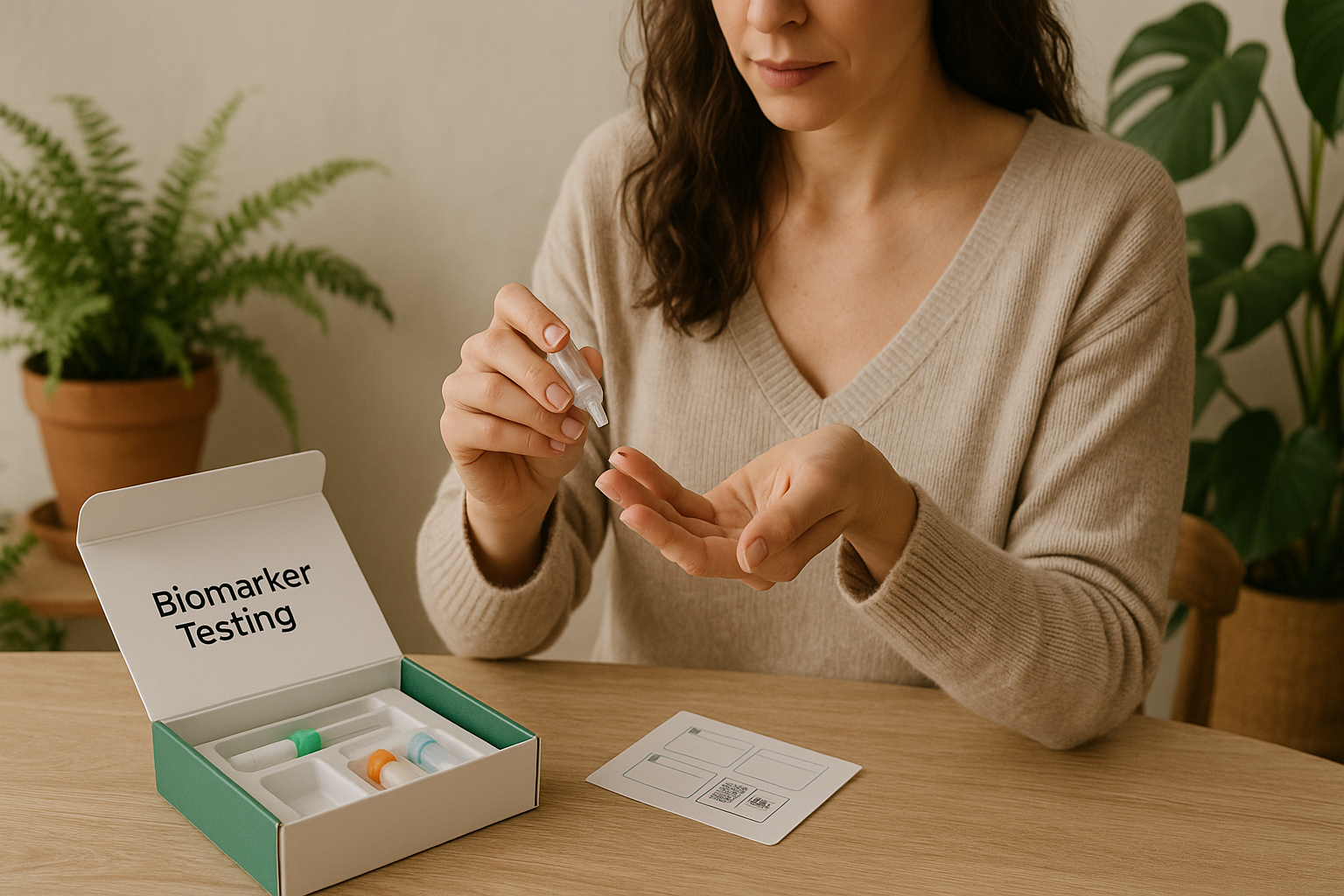
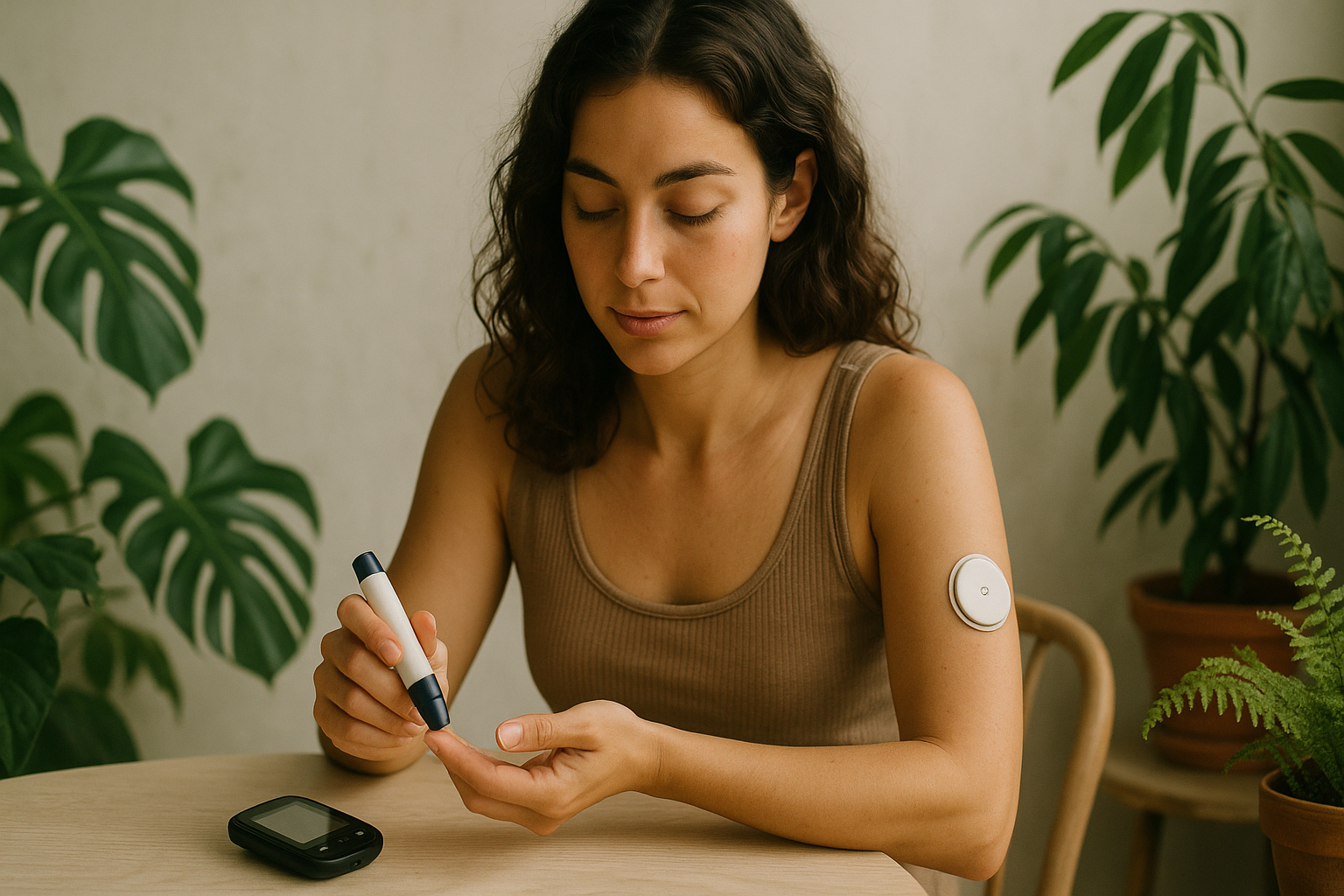
Relevant biomarkers may include hormone levels, such as cortisol and melatonin, which can indicate stress and sleep quality.
Body Systems Supported
Sleep recovery supports multiple body systems, including:
- The nervous system, by aiding in cognitive function and emotional regulation.
- The muscular system, through muscle repair and growth during deep sleep.
- The immune system, as adequate sleep enhances immune response and reduces inflammation.
Common Goals
Individuals often seek to achieve several common goals through improved sleep recovery:
- Enhancing physical performance and endurance.
- Improving cognitive function and concentration.
- Reducing stress and enhancing emotional well-being.
- Facilitating injury recovery and overall health.
Safety, Contraindications & Edge Cases
While sleep recovery is generally safe, individuals with certain sleep disorders, such as sleep apnea or insomnia, may require specialized approaches. It is important to consult a healthcare professional for tailored advice, especially if sleep issues persist.
Pairs Well With
Sleep recovery complements various ancient and natural wellness practices, including:
- Meditation and mindfulness techniques that promote relaxation and reduce stress.
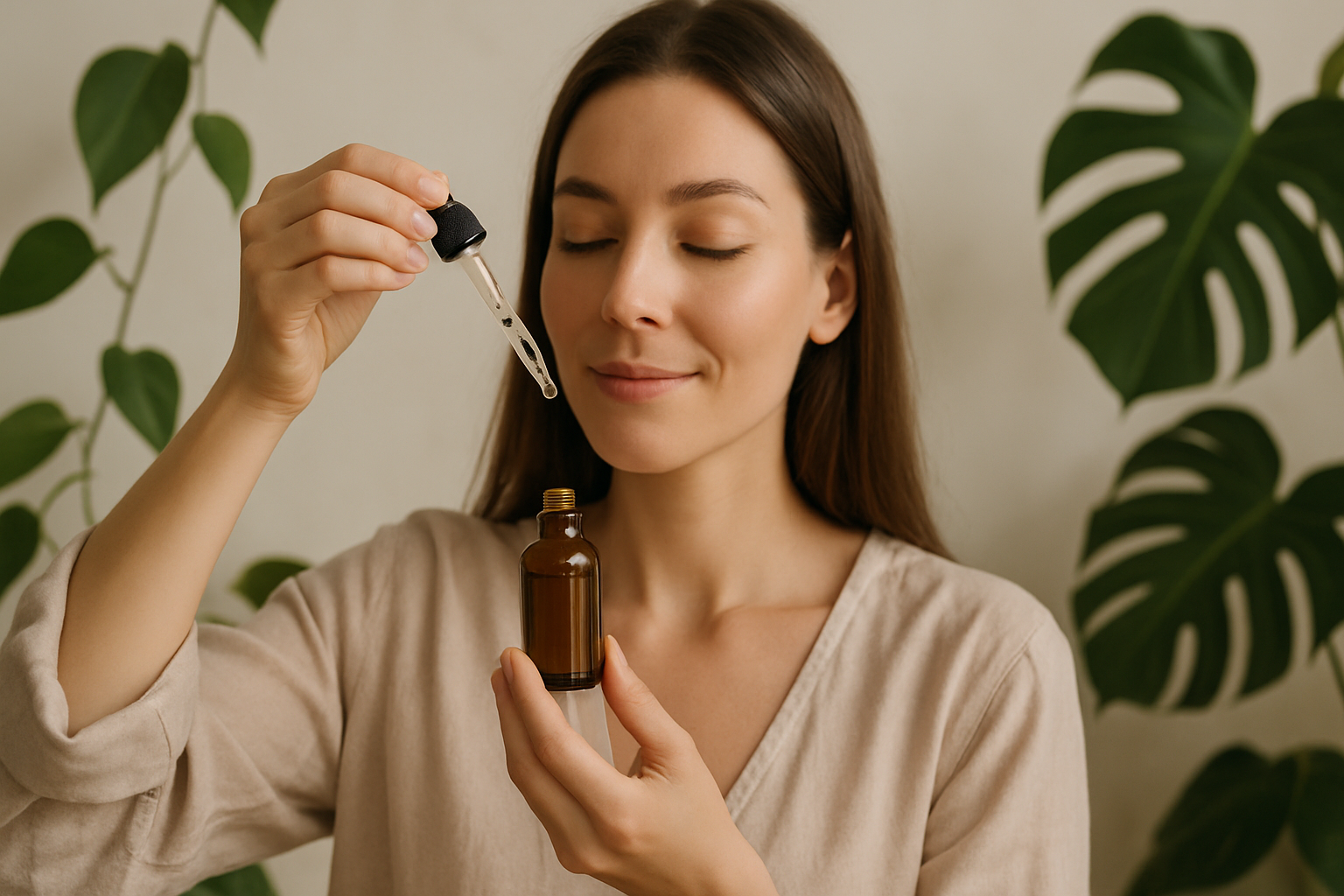
- Herbal remedies, such as valerian root or chamomile, commonly used to enhance sleep quality.
- Physical practices like yoga or tai chi that can improve relaxation and facilitate better sleep.
FAQs (5)
What is the ideal amount of sleep for recovery?
The ideal amount varies per individual but generally ranges from 7 to 9 hours for optimal recovery.
Can napping help with recovery?
Yes, short naps can be beneficial, but they should not replace a full night’s sleep.
How does sleep affect athletic performance?
Adequate sleep enhances reaction times, strength, and overall performance while reducing the risk of injury.
What are some signs of poor sleep quality?
Common signs include fatigue, irritability, difficulty concentrating, and frequent awakenings during the night.
Are there supplements that can improve sleep recovery?
Some supplements, like melatonin or magnesium, may help improve sleep quality, but it's best to consult a healthcare professional before use.
Frequently asked
What is the ideal amount of sleep for recovery?
The ideal amount varies per individual but generally ranges from 7 to 9 hours for optimal recovery.
Can napping help with recovery?
Yes, short naps can be beneficial, but they should not replace a full night’s sleep.
How does sleep affect athletic performance?
Adequate sleep enhances reaction times, strength, and overall performance while reducing the risk of injury.
What are some signs of poor sleep quality?
Common signs include fatigue, irritability, difficulty concentrating, and frequent awakenings during the night.
Are there supplements that can improve sleep recovery?
Some supplements, like melatonin or magnesium, may help improve sleep quality, but it's best to consult a healthcare professional before use.