Massage Recovery
Discover the benefits and applications of massage therapy for recovery, supported by evidence and practical insights.
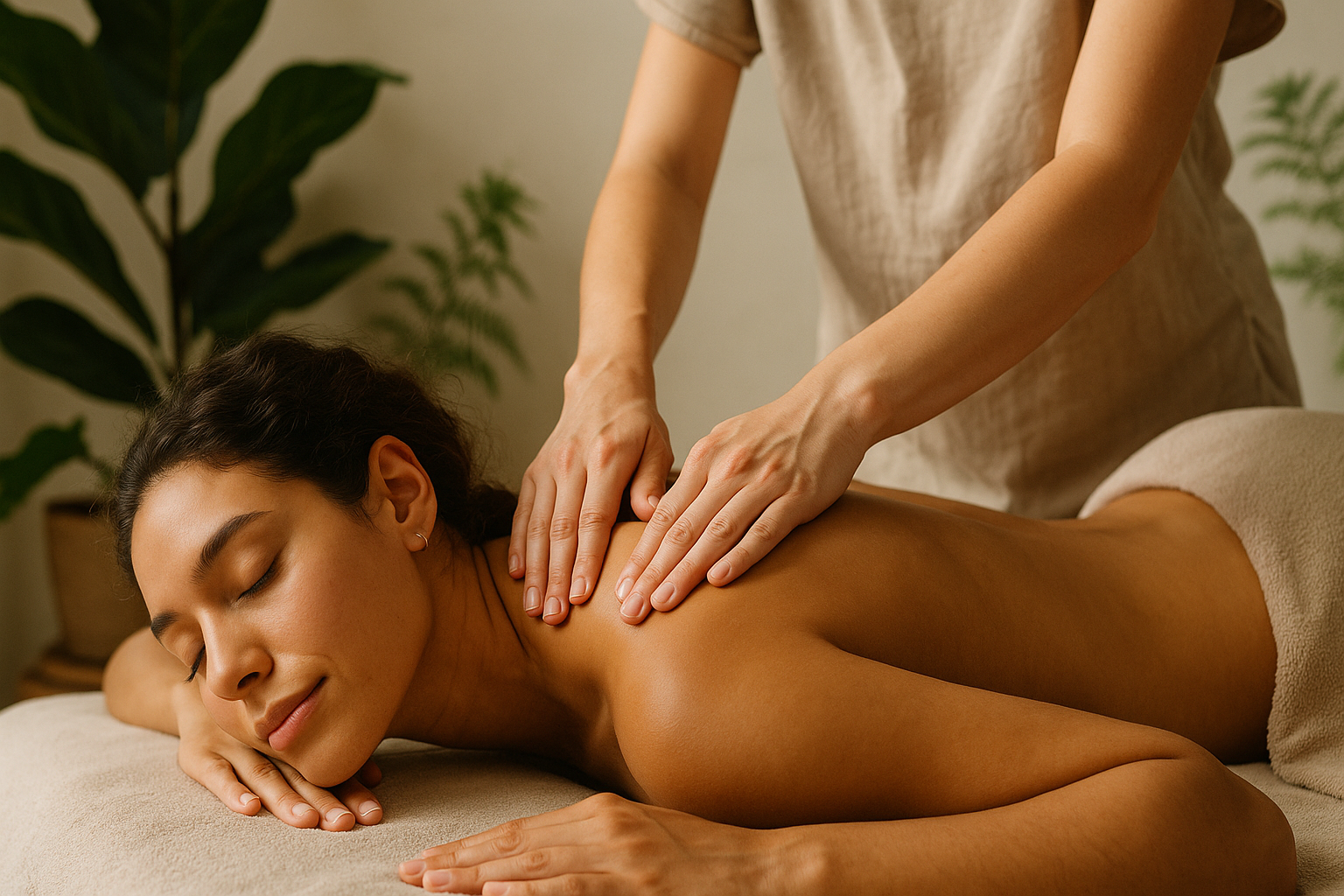
Explore how massage therapy can enhance recovery through various mechanisms, evidence, and practical applications, as well as its role in supporting body systems and achieving common wellness goals.
What It Is
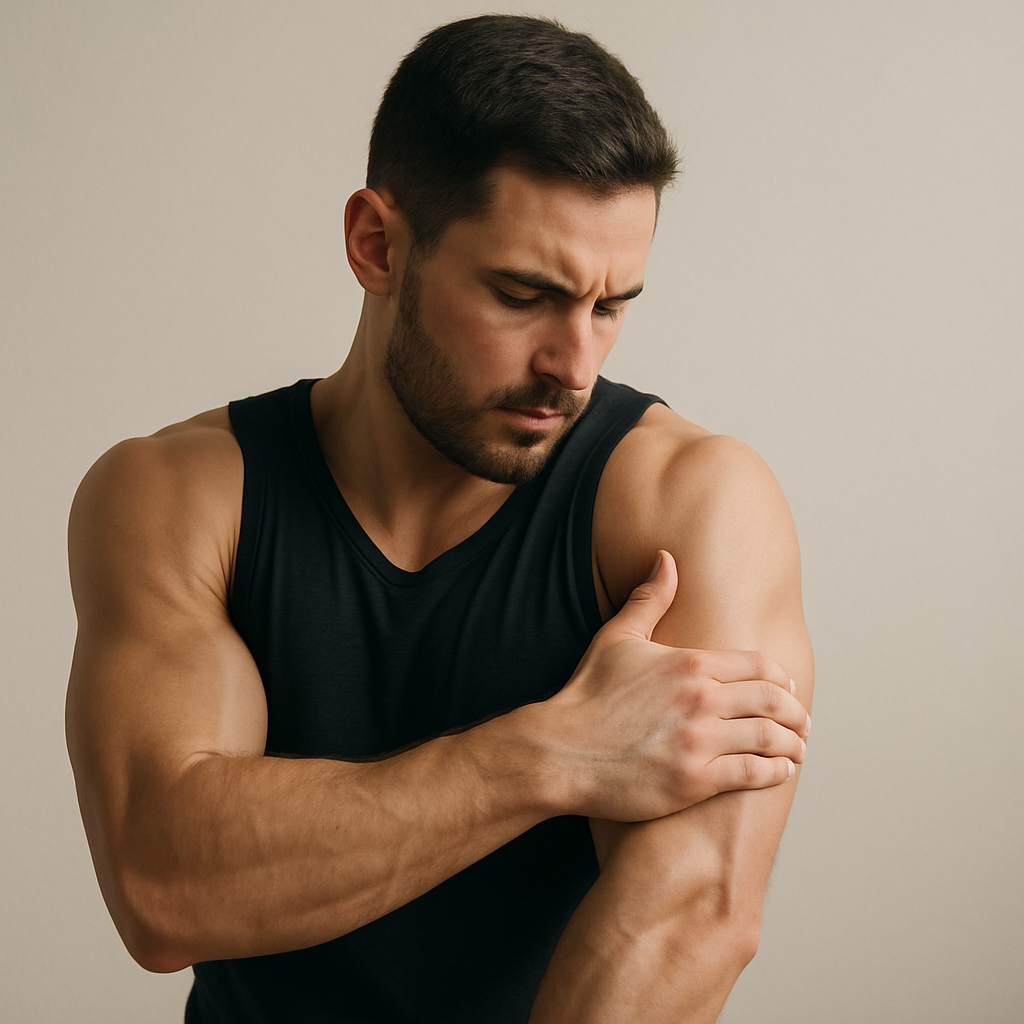
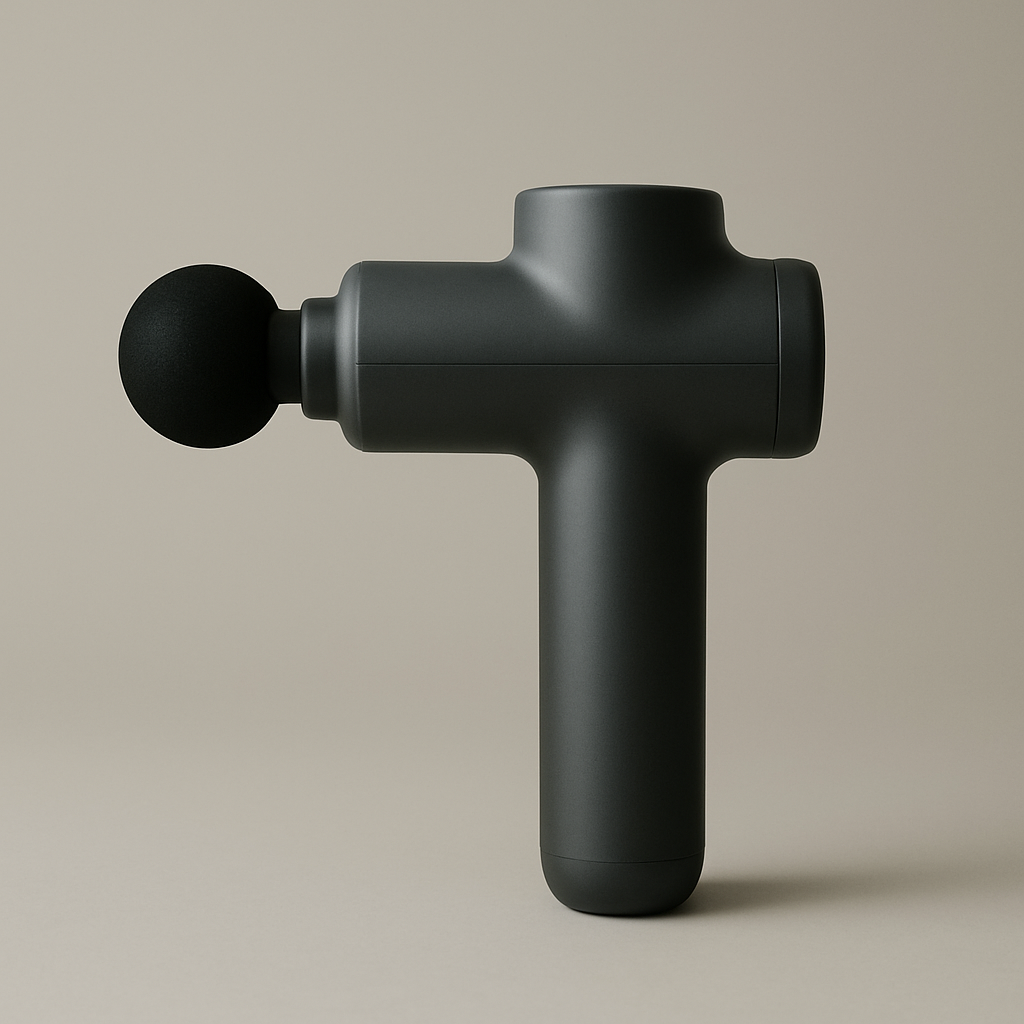
Massage recovery refers to the use of various massage techniques aimed at promoting physical recovery after exercise, injury, or physical stress. It encompasses a range of practices designed to alleviate muscle tension, improve circulation, and enhance overall relaxation. By targeting specific muscle groups or areas of discomfort, massage can help facilitate the body's natural healing processes.
This form of recovery is not only popular among athletes but is also utilized by individuals seeking relief from everyday stress and muscle strain. Different types of massage, including Swedish, deep tissue, and sports massage, offer varying benefits depending on the individual's needs and recovery goals.
Mechanism / How It Works
The therapeutic effects of massage occur through several physiological mechanisms. Primarily, massage stimulates blood flow, which enhances the delivery of oxygen and nutrients to muscle tissues while aiding in the removal of metabolic waste products. This increased circulation can help reduce muscle soreness and stiffness, facilitating quicker recovery.
Additionally, massage promotes relaxation by activating the parasympathetic nervous system, which can lower heart rate and reduce stress hormones such as cortisol. This relaxation response can help improve mental well-being, which is an essential aspect of recovery. Furthermore, massage may enhance flexibility and range of motion by reducing muscle tightness and improving connective tissue elasticity.
Evidence Summary
Research on massage therapy for recovery presents a mixed picture. Some studies suggest that massage can effectively reduce muscle soreness and improve recovery times after exercise. For instance, a review of clinical trials indicated that massage may decrease delayed onset muscle soreness (DOMS) and promote faster recovery of muscle function.
However, other studies show conflicting results, indicating that the benefits of massage may vary based on factors such as the type of massage, timing, and individual differences among participants. Despite this variability, many athletes and fitness enthusiasts report subjective improvements in their recovery experience after massage therapy.
Practical Application
- Schedule regular massage sessions, ideally post-exercise, to maximize recovery benefits.
- Choose the type of massage that aligns with your specific recovery needs, whether it's relaxation, deep tissue, or sports massage.
- Communicate openly with your massage therapist about your goals and any areas of discomfort.
Common pitfalls include relying solely on massage for recovery without incorporating other essential practices such as hydration, nutrition, and rest. It is also crucial to be mindful of the body’s signals and avoid over-scheduling sessions, which can lead to discomfort or fatigue.
Relevant Biomarkers & Tracking
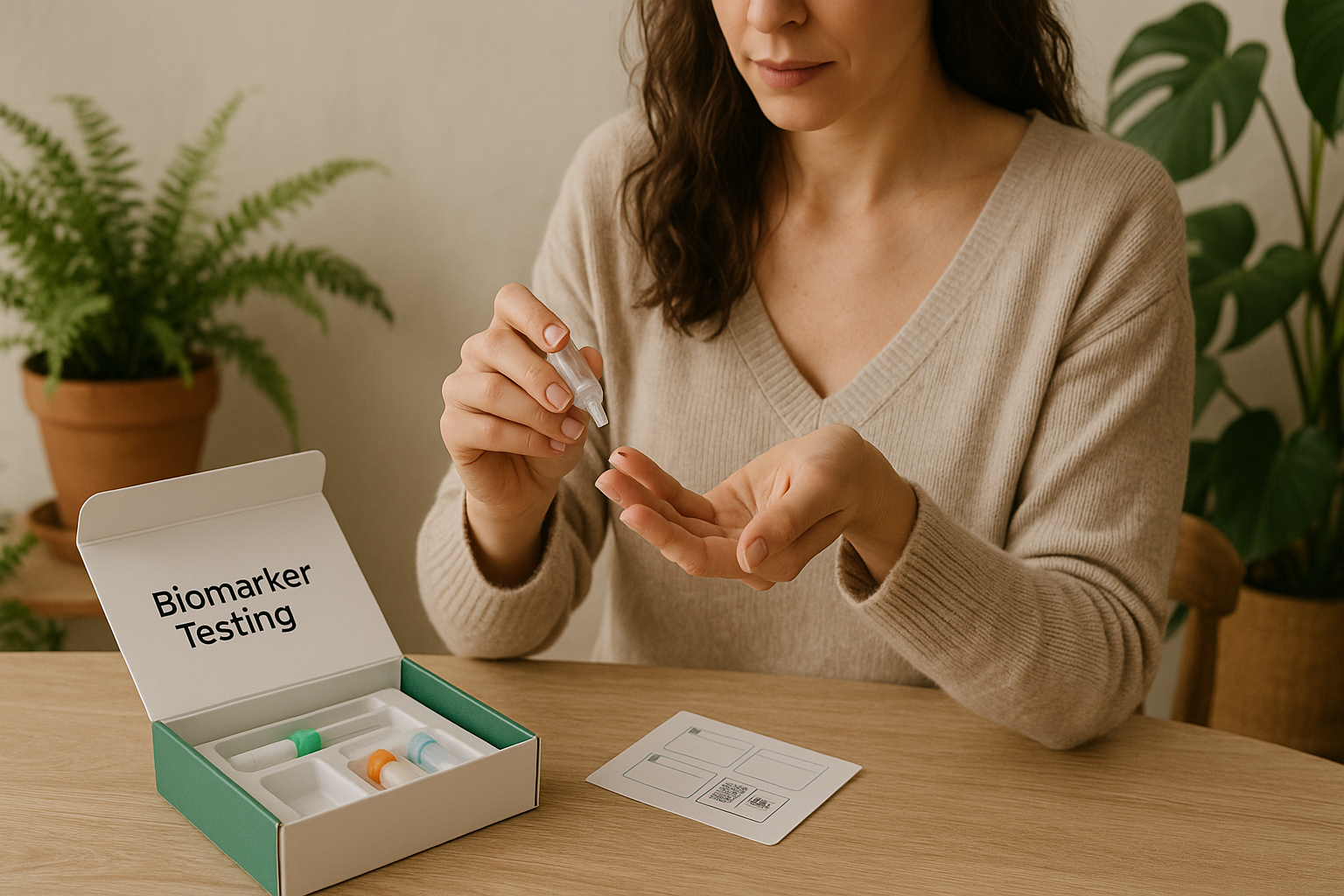
To evaluate the effectiveness of massage recovery, consider tracking the following biomarkers:
- Muscle soreness levels on a scale (e.g., 1-10) before and after massage sessions.
- Range of motion and flexibility measurements to assess improvements over time.
- Recovery times based on performance metrics in subsequent workouts or competitions.
Keeping a journal to note how your body feels before and after massage can also provide valuable insight into its effects on your recovery process.
Body Systems Supported
Massage recovery primarily supports the musculoskeletal system, aiding in the recovery of muscles, tendons, and ligaments. Additionally, it has positive effects on the circulatory and lymphatic systems, promoting better blood flow and facilitating the removal of toxins from the body. The nervous system also benefits from massage, as it encourages relaxation and stress reduction, which are essential for overall health and recovery.
Common Goals
The main goals of incorporating massage recovery into a wellness routine include:
- Reducing muscle soreness and stiffness.
- Enhancing circulation and nutrient delivery to tissues.
- Improving flexibility and range of motion.
- Promoting relaxation and mental well-being.
- Accelerating recovery times following physical activity.
Safety, Contraindications & Edge Cases
While massage is generally considered safe, there are contraindications to be aware of. Individuals with certain medical conditions, such as deep vein thrombosis, severe osteoporosis, or skin infections, should avoid massage without consulting a healthcare professional. Pregnant individuals should also seek guidance on safe massage practices.
Additionally, those who experience significant pain or discomfort during a session should communicate this with their therapist to adjust techniques accordingly. It is important to listen to your body and prioritize safety during any recovery practice.
Pairs Well With
Massage recovery pairs well with various ancient and natural wellness practices, including:
- Yoga: Enhances flexibility and promotes relaxation.
- Aromatherapy: Uses essential oils to further enhance relaxation and recovery.
- Hydrotherapy: Incorporates water-based treatments to soothe muscles and improve circulation.
- Mindfulness and meditation: Supports mental health and complements the relaxation effects of massage.
FAQs (5)
- What is the best type of massage for recovery?
The best type of massage depends on individual needs, but sports massage and deep tissue massage are often recommended for recovery purposes.
- How often should I get a massage for recovery?
Frequency can vary, but many individuals benefit from weekly or bi-weekly sessions, especially during intense training periods.
- Can massage help with chronic pain?
Massage may provide relief for some individuals with chronic pain, but it is important to consult with a healthcare professional for personalized advice.
- Is massage safe after an injury?
Massage can be beneficial for recovery after certain injuries, but it is essential to consult with a healthcare provider to ensure it is appropriate for your specific situation.
- What should I do immediately after a massage?
After a massage, it is important to hydrate, rest, and avoid intense physical activity to allow your body to recover fully.
Frequently asked
What is the best type of massage for recovery?
The best type of massage depends on individual needs, but sports massage and deep tissue massage are often recommended for recovery purposes.
How often should I get a massage for recovery?
Frequency can vary, but many individuals benefit from weekly or bi-weekly sessions, especially during intense training periods.
Can massage help with chronic pain?
Massage may provide relief for some individuals with chronic pain, but it is important to consult with a healthcare professional for personalized advice.
Is massage safe after an injury?
Massage can be beneficial for recovery after certain injuries, but it is essential to consult with a healthcare provider to ensure it is appropriate for your specific situation.
What should I do immediately after a massage?
After a massage, it is important to hydrate, rest, and avoid intense physical activity to allow your body to recover fully.