Recovery Devices
Delve into recovery devices within the realm of recovery science, examining their mechanisms, evidence base, and practical applications for modern wellness.
Explore the world of recovery devices and their role in modern wellness, including definitions, mechanisms, evidence, practical applications, and more.
What It Is
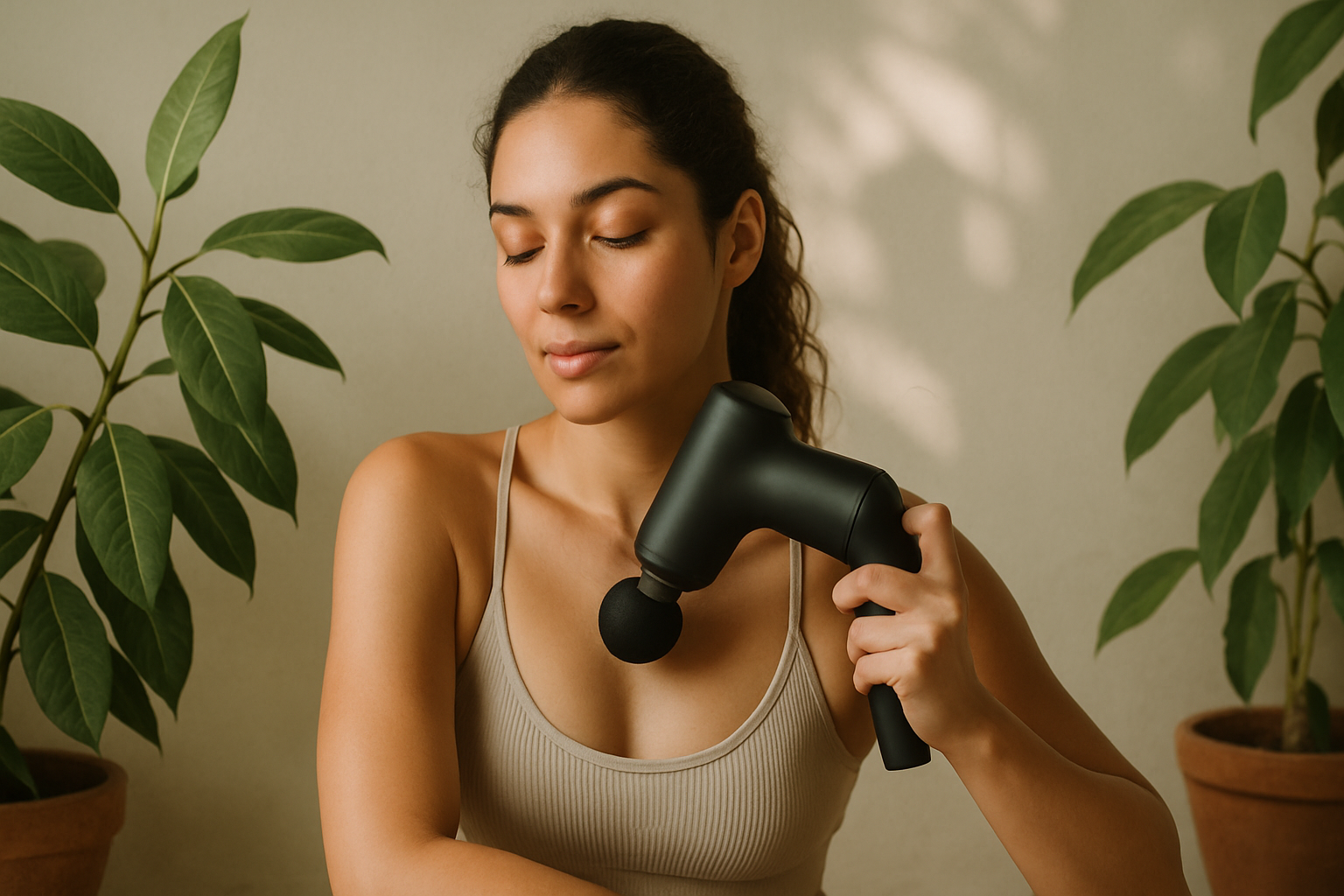
Recovery devices are tools designed to assist in the rehabilitation and recovery process for individuals engaged in physical activities, sports, or those recovering from injuries. These devices encompass a wide range of technologies, including compression therapy systems, electrical stimulation units, cryotherapy equipment, and more. Their primary aim is to enhance recovery by reducing muscle soreness, improving circulation, and promoting overall well-being.
The use of recovery devices has gained popularity in recent years, not only among professional athletes but also among fitness enthusiasts and individuals looking to maintain their health. As the science of recovery continues to evolve, these devices are becoming integral to modern wellness practices, making recovery more efficient and accessible.
Mechanism / How It Works
Recovery devices operate on various principles depending on their type. For example, compression therapy devices apply pressure to the limbs to improve blood flow and reduce swelling. This enhanced circulation can facilitate the removal of metabolic waste products from the muscles, thus aiding recovery.
Electrical stimulation devices use electrical impulses to stimulate muscle contractions, which can help alleviate pain, prevent muscle atrophy, and enhance muscle recovery. Cryotherapy equipment, on the other hand, exposes the body to cold temperatures to reduce inflammation and muscle soreness. Understanding these mechanisms can help individuals choose the right recovery device for their specific needs.
Evidence Summary
The evidence surrounding recovery devices varies significantly across different modalities. Some studies support the efficacy of compression therapy in reducing muscle soreness and improving recovery times, while others present conflicting results. For instance, the benefits of electrical stimulation are well-documented in clinical settings, particularly for rehabilitation purposes, yet the effectiveness for general recovery remains somewhat controversial.
While preliminary research suggests positive outcomes for many recovery devices, further clinical studies are necessary to establish standardized protocols and confirm their benefits across diverse populations. It is essential to approach the use of these devices with a critical mindset, recognizing that individual responses may vary.
Practical Application
Integrating recovery devices into daily routines can optimize recovery processes. For example, athletes may choose to use compression sleeves during and after workouts to enhance circulation. Similarly, using electrical stimulation devices post-exercise can help reduce muscle fatigue.
Common pitfalls include over-reliance on these devices without considering other aspects of recovery, such as nutrition, hydration, and adequate sleep. It is crucial to create a balanced approach that incorporates various recovery methods, including active recovery practices like stretching and mobility work.
Relevant Biomarkers & Tracking
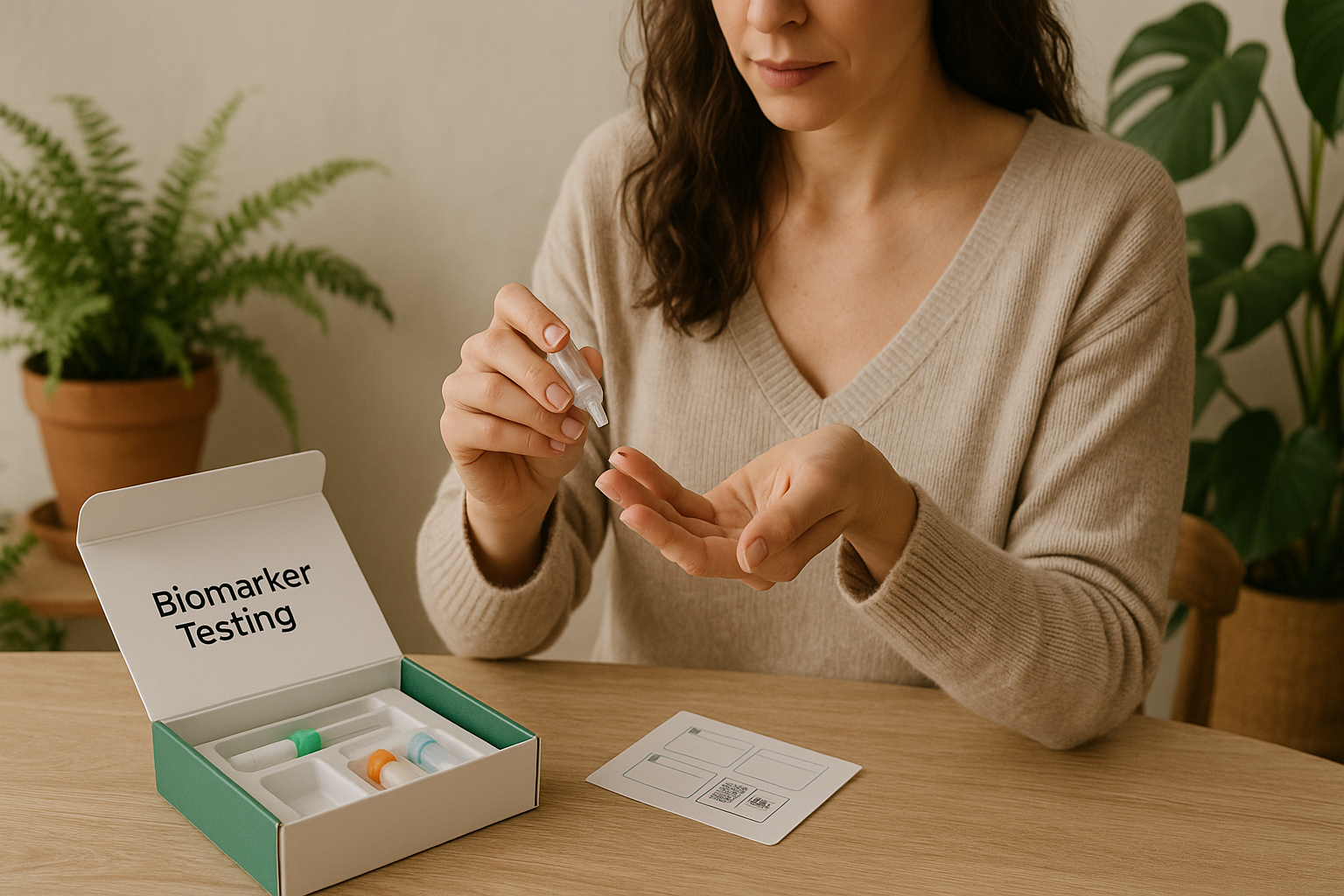
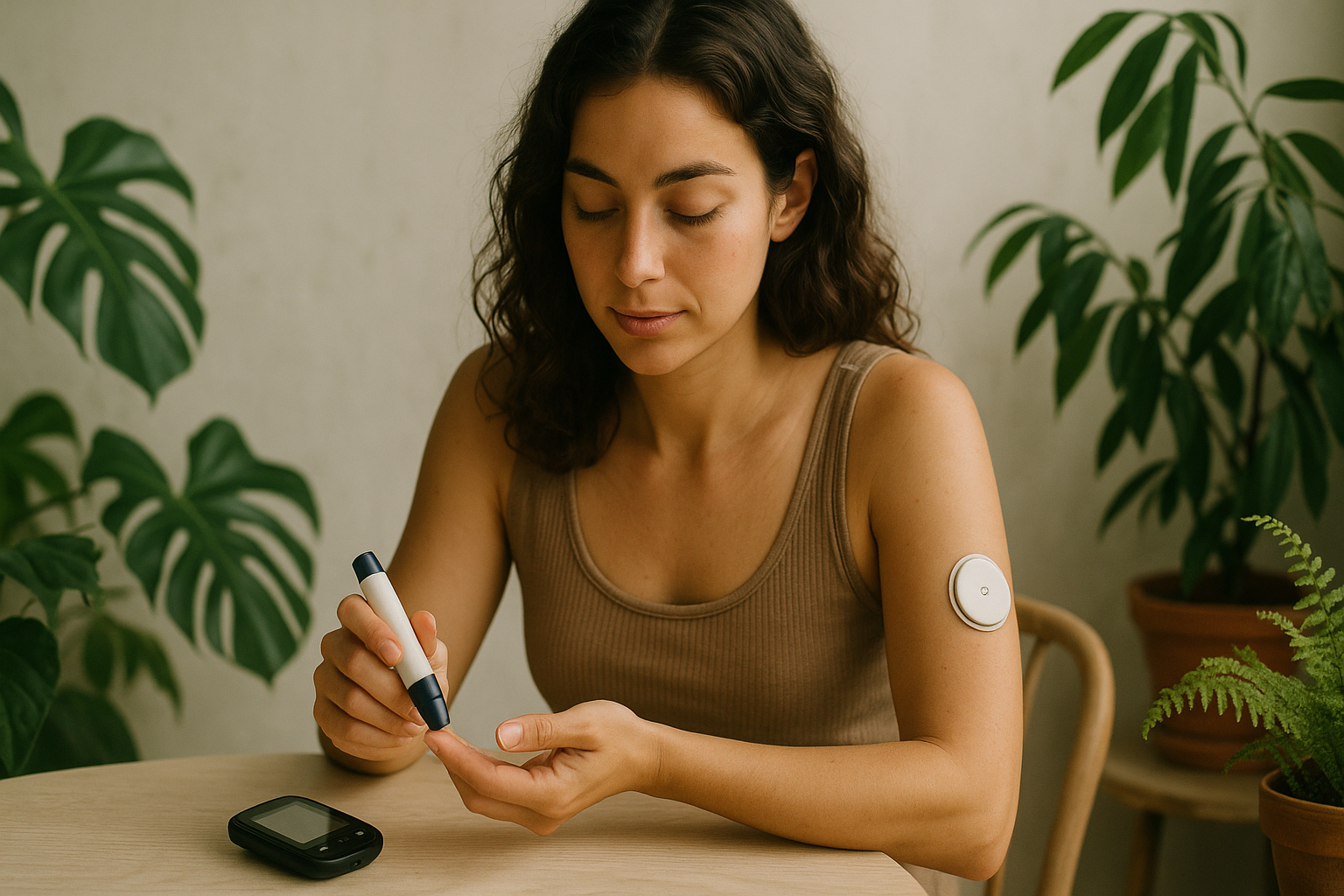
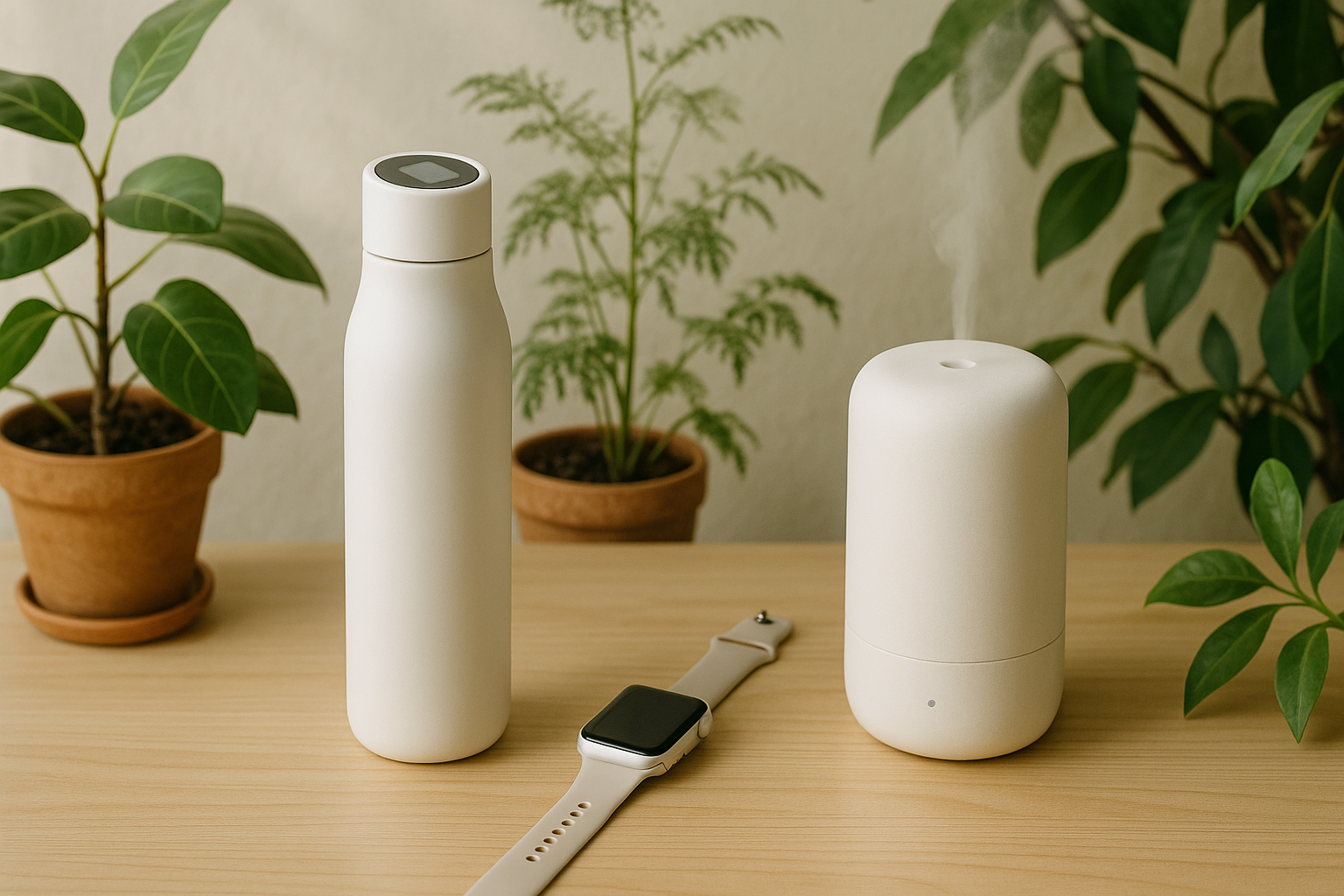
Tracking recovery progress can be facilitated by monitoring specific biomarkers. These may include muscle soreness levels, heart rate variability, and blood lactate levels. Utilizing wearable technology can provide real-time feedback on recovery status, allowing individuals to adjust their protocols accordingly.
Additionally, subjective measures such as perceived exertion and sleep quality can offer insights into overall recovery, helping individuals fine-tune their use of recovery devices.
Body Systems Supported
Recovery devices primarily support the musculoskeletal and circulatory systems. By enhancing blood flow and reducing inflammation, these devices contribute to muscle recovery and joint health. They also play a role in supporting the nervous system through electrical stimulation, which can help manage pain and improve neuromuscular function.
Common Goals
The primary goals of using recovery devices include:
- Reducing muscle soreness: Alleviating discomfort post-exercise.
- Improving circulation: Enhancing blood flow to facilitate recovery.
- Decreasing recovery time: Allowing for quicker return to training or activity.
- Preventing injuries: Supporting muscle health and function.
Safety, Contraindications & Edge Cases
While recovery devices are generally considered safe, there are certain contraindications and edge cases to be aware of. Individuals with certain medical conditions, such as deep vein thrombosis, severe cardiovascular issues, or skin sensitivities, should consult a healthcare professional before using these devices.
It is also essential to follow manufacturer guidelines and protocols to prevent misuse or overuse, which can lead to adverse effects rather than the intended benefits.
Pairs Well With
Recovery devices can be effectively paired with various ancient and natural wellness practices. For example, combining compression therapy with traditional practices like massage or acupuncture can enhance overall recovery. Additionally, integrating mindfulness techniques such as meditation or yoga can complement the physical recovery process by addressing mental and emotional well-being.
FAQs (5)
- What types of recovery devices are available?
Recovery devices include compression gear, electrical stimulation units, cryotherapy equipment, and infrared therapy devices, among others.
- How often should I use recovery devices?
The frequency of use depends on individual recovery needs, activity level, and the specific device being utilized. It is advisable to follow manufacturer recommendations or consult a professional.
- Are recovery devices suitable for everyone?
While many individuals can benefit from recovery devices, those with certain medical conditions should consult a healthcare provider before use.
- Can recovery devices replace traditional recovery methods?
Recovery devices should complement, not replace, traditional recovery methods like rest, nutrition, and hydration.
- How do I know which recovery device is right for me?
Choosing the right recovery device depends on your specific needs, goals, and any underlying health conditions. It may be helpful to consult a fitness professional or healthcare provider for personalized recommendations.
Frequently asked
What types of recovery devices are available?
Recovery devices include compression gear, electrical stimulation units, cryotherapy equipment, and infrared therapy devices, among others.
How often should I use recovery devices?
The frequency of use depends on individual recovery needs, activity level, and the specific device being utilized. It is advisable to follow manufacturer recommendations or consult a professional.
Are recovery devices suitable for everyone?
While many individuals can benefit from recovery devices, those with certain medical conditions should consult a healthcare provider before use.
Can recovery devices replace traditional recovery methods?
Recovery devices should complement, not replace, traditional recovery methods like rest, nutrition, and hydration.
How do I know which recovery device is right for me?
Choosing the right recovery device depends on your specific needs, goals, and any underlying health conditions. It may be helpful to consult a fitness professional or healthcare provider for personalized recommendations.