Hydration Recovery
Discover the essentials of hydration recovery, its impact on wellness, and how to effectively integrate it into your daily routine.
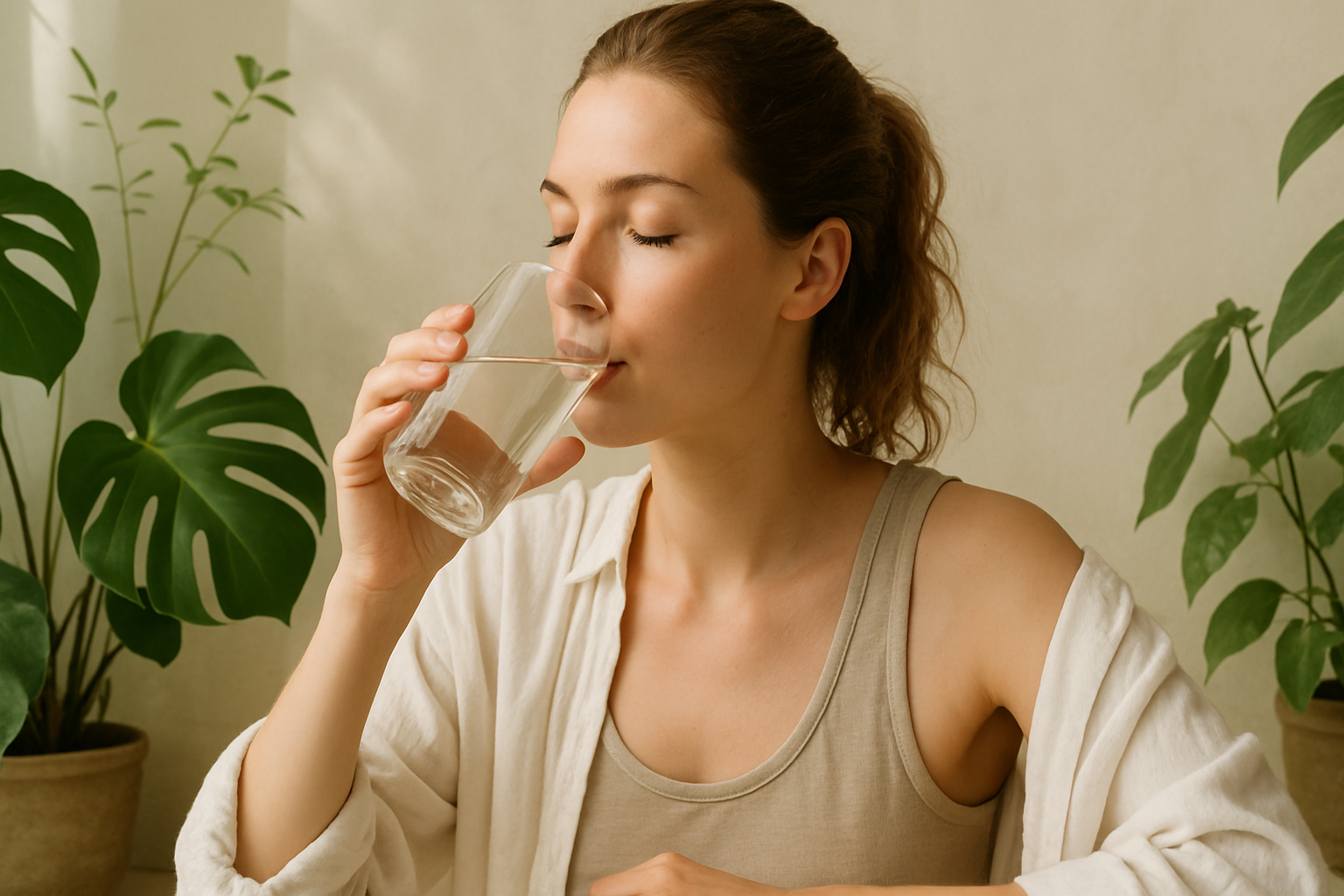
Explore the significance of hydration recovery in the realm of recovery science. This guide covers its definition, mechanisms, supporting evidence, practical applications, and more.
What It Is
Hydration recovery refers to the process of restoring optimal fluid balance in the body after physical exertion, illness, or dehydration. It emphasizes the importance of replenishing lost fluids and electrolytes to support overall health and enhance recovery. Adequate hydration is critical not only for athletic performance but also for daily functions, including digestion, circulation, and temperature regulation.
In the context of recovery science, hydration recovery plays a vital role in helping the body repair and restore itself after stressors, such as exercise or heat exposure. It involves not just drinking water, but also considering the intake of electrolytes and other nutrients that aid in fluid absorption and retention.
Mechanism / How It Works
The body maintains fluid balance through a complex interplay of hormones, kidney function, and thirst mechanisms. When we lose fluids through sweat, urine, or respiration, the body responds by triggering thirst and releasing hormones such as aldosterone and antidiuretic hormone (ADH) that help retain water and electrolytes.
Rehydration involves consuming fluids that contain not only water but also crucial electrolytes like sodium, potassium, and magnesium. These electrolytes help facilitate fluid absorption in the intestines and restore cellular function, promoting recovery at a cellular level. The efficiency of hydration recovery also depends on factors like the intensity of fluid loss, temperature, and the individual’s overall health.
Evidence Summary
Research into hydration recovery has yielded various insights, although some findings remain preliminary or conflicting. Studies have consistently demonstrated that rehydration can improve cognitive function, physical performance, and recovery times after exercise. For instance, athletes who engage in rigorous training have shown improved recovery rates when adequately hydrated.
However, some evidence suggests that the type of fluids consumed (water vs. electrolyte solutions) can impact recovery outcomes differently. While electrolyte solutions may enhance fluid retention, plain water can still be effective for general hydration. More research is needed to establish optimal rehydration protocols for different populations and activities, particularly under varying environmental conditions.
Practical Application
To effectively integrate hydration recovery into your daily routine, consider the following protocols:
- Monitor your hydration status by observing urine color; light yellow typically indicates adequate hydration.
- Incorporate a variety of fluids, including water, herbal teas, and electrolyte solutions, especially after intense physical activities.
- For athletes, aim for approximately 1.5 liters of fluid for every kilogram of body weight lost during exercise.
- Establish a habit of drinking fluids regularly throughout the day, rather than waiting until you feel thirsty.
Common pitfalls include relying solely on thirst as an indicator of hydration needs or neglecting electrolyte intake in hot or prolonged exercise conditions.
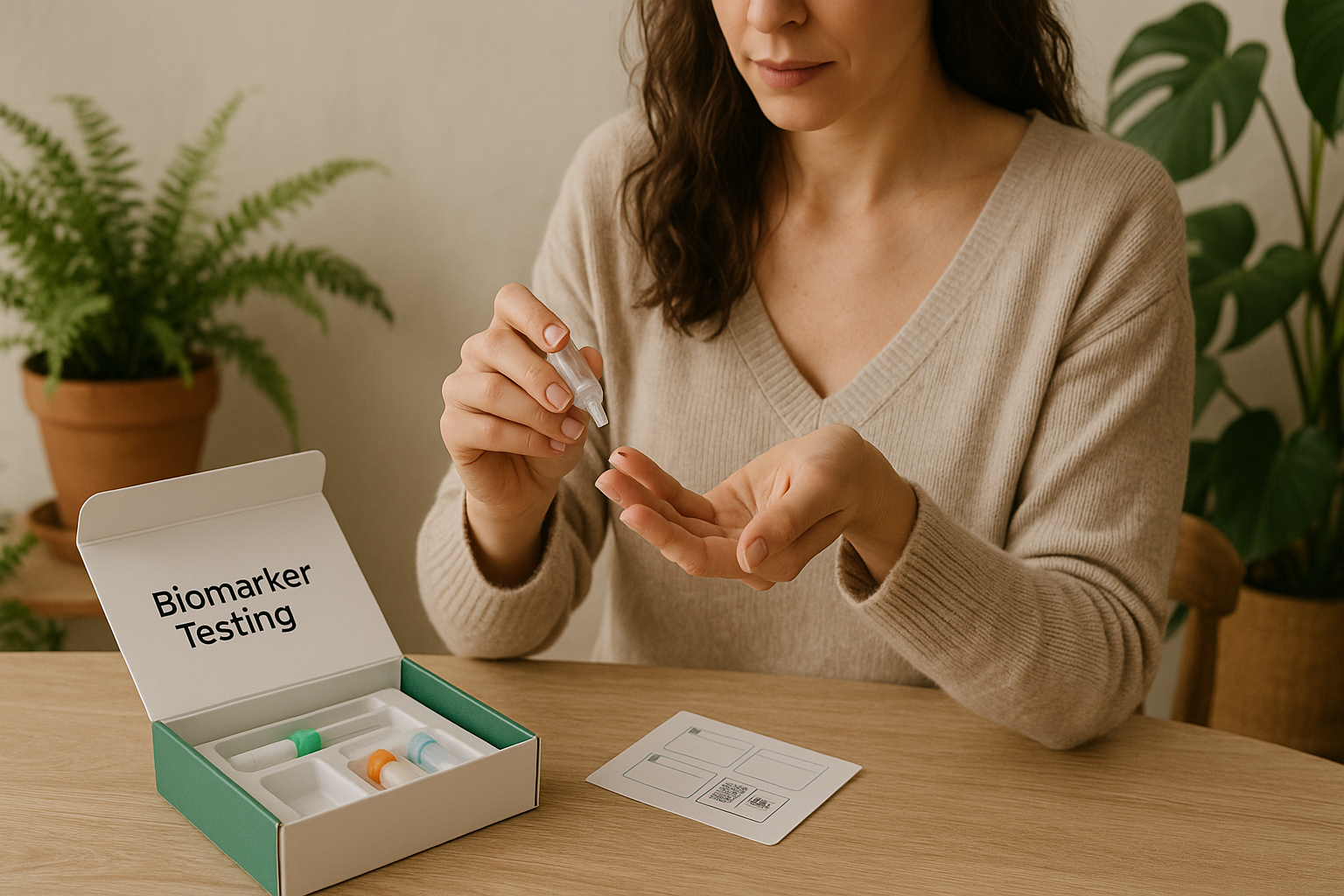
Relevant Biomarkers & Tracking
Several biomarkers can help track hydration status, including:
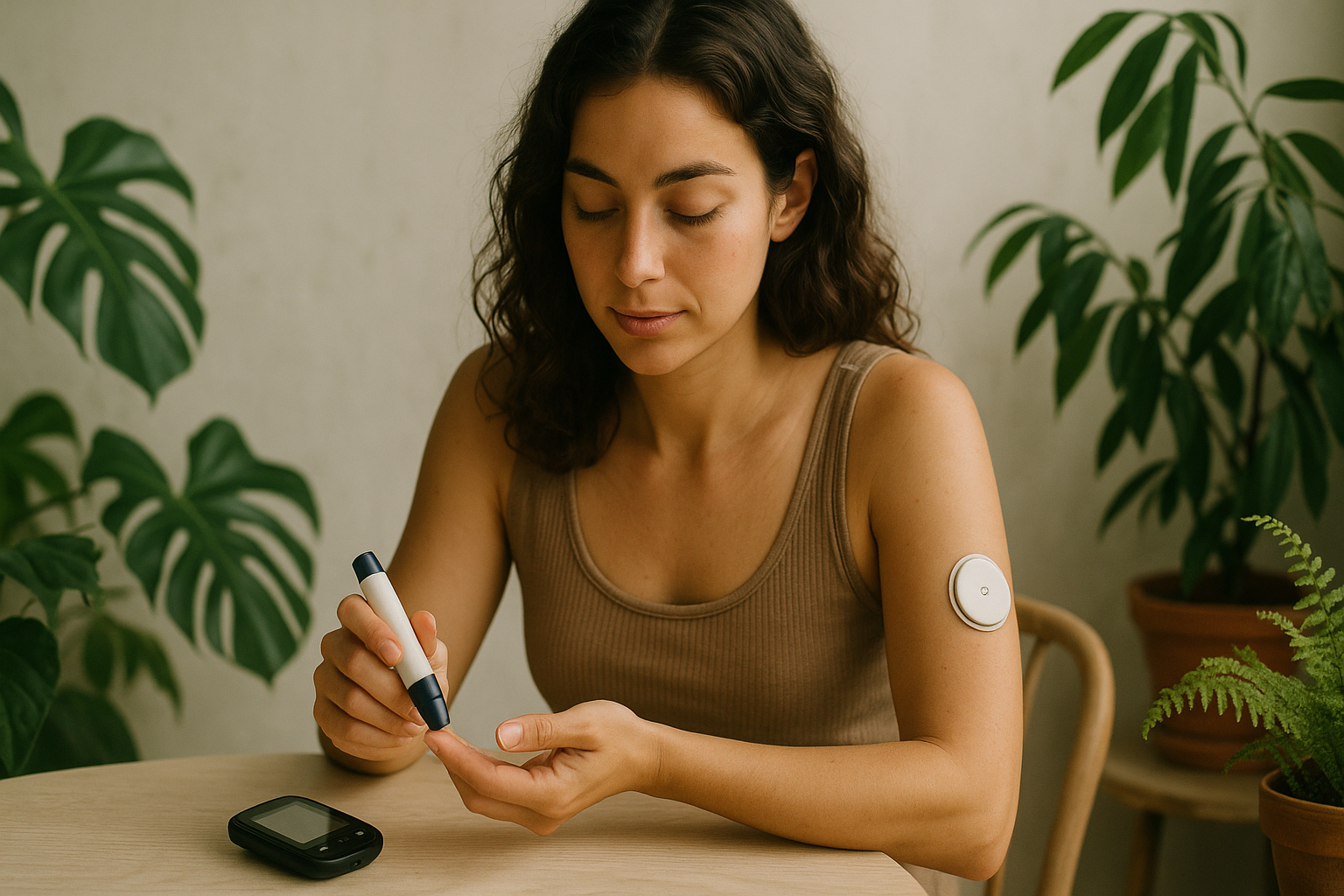
- Urine specific gravity: A measure of hydration concentration.
- Serum osmolality: Indicates the balance of fluids and solutes in the blood.
- Body weight: Tracking changes can indicate fluid loss or retention.
Utilizing these biomarkers can provide valuable insights into hydration needs and help tailor recovery strategies accordingly.
Body Systems Supported
Hydration recovery supports multiple body systems, including:
- Musculoskeletal System: Adequate hydration aids in joint lubrication and muscle function.
- Nervous System: Proper fluid balance is crucial for cognitive function and mood regulation.
- Cardiovascular System: Hydration helps maintain blood volume and pressure, supporting overall circulation.
Common Goals
Individuals may pursue hydration recovery with various goals in mind, such as:
- Enhancing athletic performance and endurance.
- Facilitating faster recovery post-exercise.
- Improving cognitive function and focus during daily tasks.
- Maintaining overall health and wellness.
Safety, Contraindications & Edge Cases
While hydration recovery is generally safe, certain populations may need to exercise caution:
- Individuals with kidney conditions should consult healthcare providers regarding fluid intake.
- In cases of heart failure, excessive fluid intake may exacerbate symptoms.
- Electrolyte imbalances can occur in those with certain metabolic disorders.
It is essential to personalize hydration strategies based on individual health needs and conditions.
Pairs Well With
Hydration recovery can be complemented by various ancient or natural practices, such as:
- Herbal Infusions: Incorporating teas like peppermint or ginger may enhance hydration and provide additional health benefits.
- Electrolyte-Rich Foods: Consuming foods like bananas, avocados, and coconut water can naturally replenish electrolytes.
- Mindful Breathing: Practices like yoga can support hydration by improving circulation and promoting overall wellness.
FAQs (5)
- What is the best way to hydrate after exercise?
The best way to hydrate after exercise is to consume a combination of water and electrolyte-rich fluids, especially if you have lost significant fluids through sweat. - How much water should I drink daily?
A general guideline is to aim for about 2-3 liters of water daily, but individual needs may vary based on activity level, climate, and personal health. - Can I overhydrate?
Yes, overhydration can lead to a condition known as hyponatremia, which occurs when the sodium levels in your blood become dangerously low. - Are sports drinks necessary for hydration?
Sports drinks can be beneficial during prolonged exercise or in hot conditions, but for most daily activities, water is adequate. - How can I tell if I am dehydrated?
Signs of dehydration include dark yellow urine, dry mouth, fatigue, and dizziness. If you experience these symptoms, increase your fluid intake.
Frequently asked
What is the best way to hydrate after exercise?
The best way to hydrate after exercise is to consume a combination of water and electrolyte-rich fluids, especially if you have lost significant fluids through sweat.
How much water should I drink daily?
A general guideline is to aim for about 2-3 liters of water daily, but individual needs may vary based on activity level, climate, and personal health.
Can I overhydrate?
Yes, overhydration can lead to a condition known as hyponatremia, which occurs when the sodium levels in your blood become dangerously low.
Are sports drinks necessary for hydration?
Sports drinks can be beneficial during prolonged exercise or in hot conditions, but for most daily activities, water is adequate.
How can I tell if I am dehydrated?
Signs of dehydration include dark yellow urine, dry mouth, fatigue, and dizziness. If you experience these symptoms, increase your fluid intake.