Cryotherapy
Explore the benefits, mechanisms, and applications of cryotherapy in modern wellness and recovery science.

Cryotherapy is a modern recovery technique that involves exposing the body to extremely low temperatures for therapeutic benefits. This method is gaining traction in various wellness and athletic communities for its potential benefits in reducing inflammation, speeding up recovery, and enhancing overall performance.
What It Is
Cryotherapy, often referred to as cold therapy, involves exposing the body to low temperatures for therapeutic purposes. This technique has roots in ancient practices but has evolved with modern technology to become a popular recovery method among athletes and wellness enthusiasts. The primary goal of cryotherapy is to reduce inflammation, alleviate pain, and promote healing by triggering various physiological responses in the body.
There are several forms of cryotherapy, including whole-body cryotherapy (WBC), localized cryotherapy, and ice baths. Whole-body cryotherapy typically involves entering a chamber that cools the air to extremely low temperatures, while localized cryotherapy targets specific areas of the body using ice packs or specialized devices. Each method aims to harness the benefits of cold exposure in unique ways.
Mechanism / How It Works
The mechanisms behind cryotherapy are rooted in the body's natural responses to cold exposure. When exposed to extreme cold, the body undergoes a series of physiological changes. Blood vessels constrict, reducing blood flow to the affected areas, which helps decrease inflammation and swelling. Additionally, the cold stimulates the release of endorphins, which can enhance mood and provide pain relief.
Once the exposure to cold ends, the body begins to warm back up, leading to a process called rewarming. During rewarming, blood vessels dilate, promoting increased blood flow and delivering oxygen and nutrients to tissues. This process aids in recovery and can improve muscle function and overall performance.
Evidence Summary
The evidence surrounding cryotherapy is mixed, with studies showing both promising outcomes and conflicting results. Preliminary research suggests that cryotherapy can effectively reduce muscle soreness and accelerate recovery from intense physical activity. A few studies have indicated that whole-body cryotherapy may reduce markers of inflammation and improve recovery times after exercise.
However, clinical trials have produced varied results, and some studies have failed to demonstrate significant benefits compared to traditional recovery methods. As a result, while cryotherapy may be beneficial for some individuals, more research is needed to fully understand its efficacy and to establish standardized protocols for its use.
Practical Application
Common pitfalls include overusing cryotherapy or relying solely on it for recovery without incorporating other essential practices, such as proper nutrition, hydration, and rest. It is crucial to listen to one's body and adjust the frequency and duration of cryotherapy sessions based on individual needs.
Relevant Biomarkers & Tracking
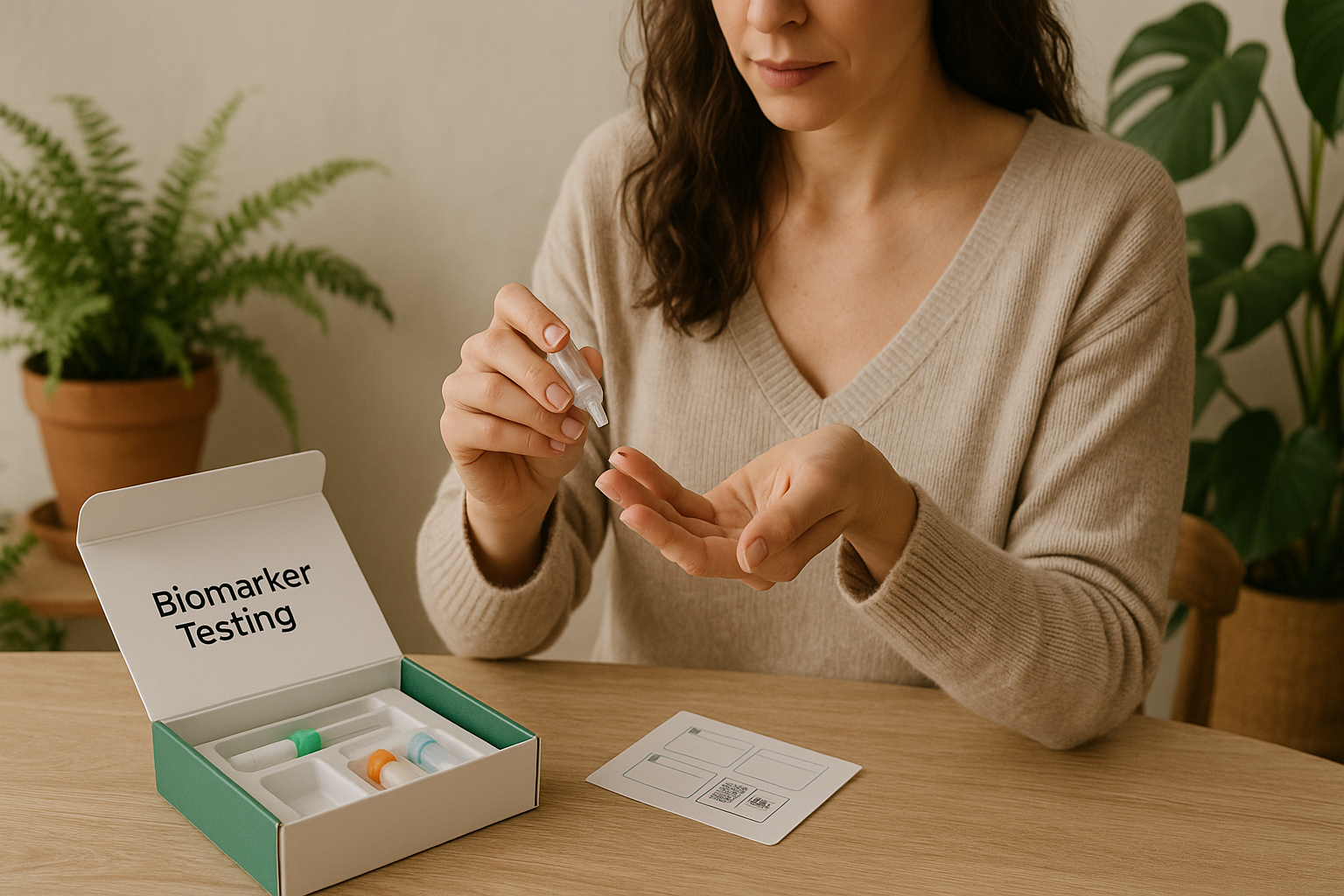
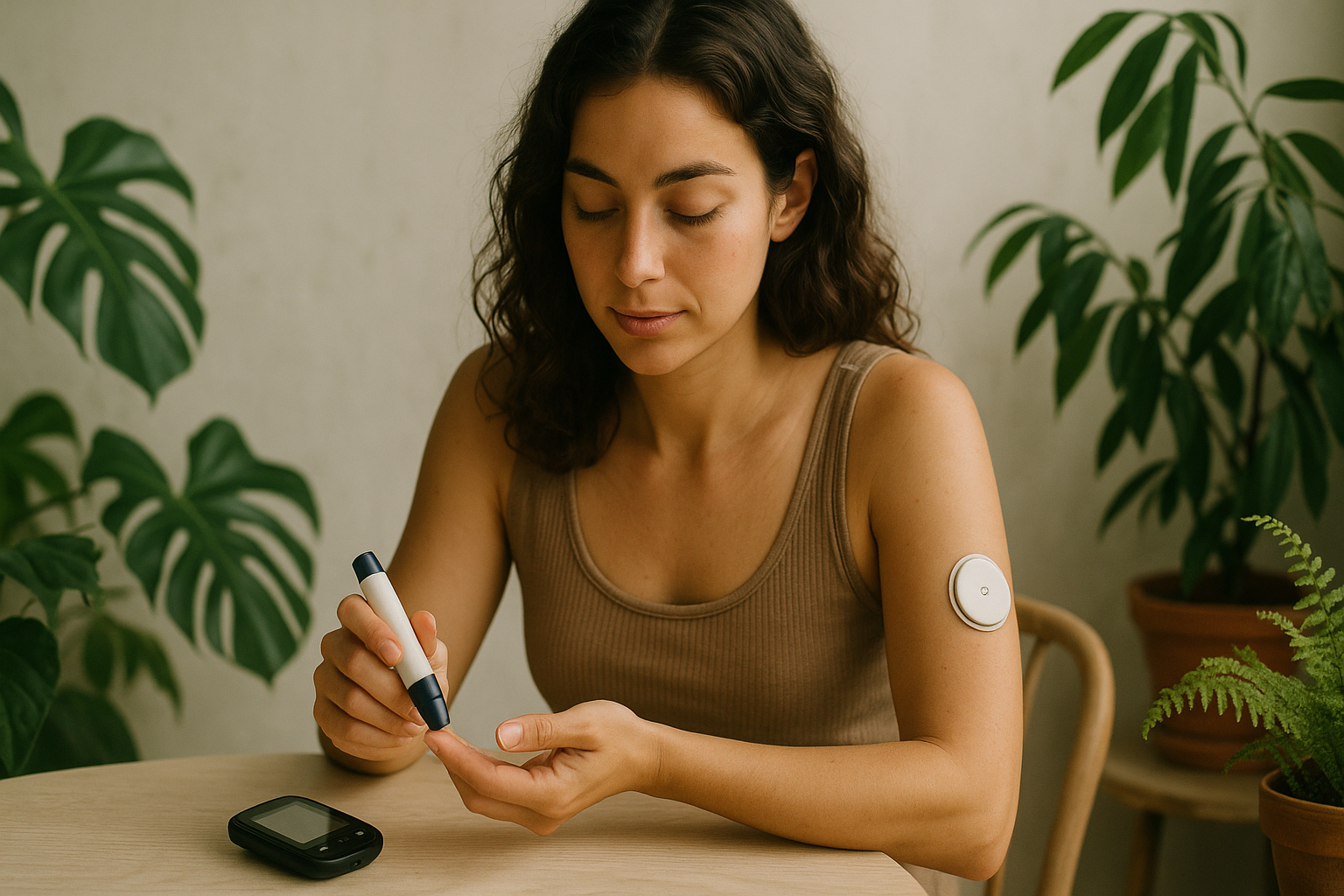
Tracking biomarkers can help individuals assess the effectiveness of cryotherapy on recovery and overall performance. Common biomarkers include:
- Inflammatory markers (e.g., C-reactive protein)
- Muscle soreness ratings (e.g., visual analog scale)
- Blood lactate levels
- Heart rate variability
Monitoring these indicators before and after cryotherapy sessions can provide valuable insights into the treatment's impact on recovery and performance.
Body Systems Supported
Cryotherapy primarily supports the following body systems:
- Musculoskeletal System: Reduces inflammation and promotes healing of muscles, tendons, and joints.
- Circular System: Enhances circulation and blood flow during the rewarming process.
- Nervous System: Stimulates the release of endorphins, which can improve mood and reduce pain perception.
Common Goals
Individuals typically seek cryotherapy for various goals, including:
- Reducing muscle soreness and fatigue
- Accelerating recovery from injuries
- Enhancing athletic performance
- Managing chronic pain and inflammation
- Improving overall well-being and mood
Safety, Contraindications & Edge Cases
While cryotherapy is generally considered safe for most individuals, certain contraindications should be noted. People with the following conditions should consult a healthcare professional before undergoing cryotherapy:
- Cold hypersensitivity or cold urticaria
- Severe cardiovascular conditions
- Respiratory disorders
- Open wounds or infections in the treatment area
Additionally, it is crucial to use cryotherapy under professional supervision to minimize risks and ensure proper application.
Pairs Well With
Cryotherapy can be effectively paired with various ancient and natural recovery methods, such as:
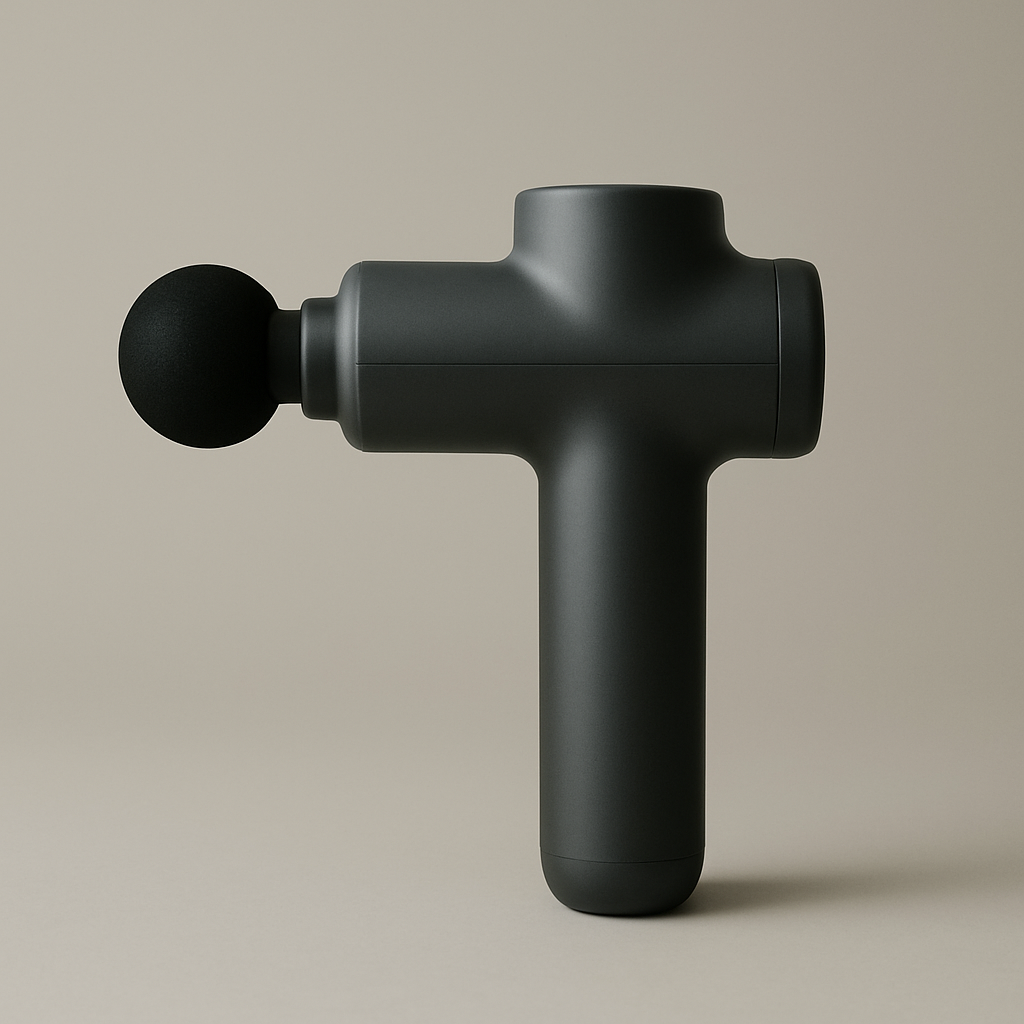
- Massage Therapy: Enhances muscle relaxation and recovery.
- Hydrotherapy: Combines the benefits of hot and cold water treatments.
- Yoga and Stretching: Promotes flexibility and overall body awareness.
FAQs (5)
- What is the ideal duration for a cryotherapy session? Sessions typically last between 2 to 4 minutes, depending on the method used.
- Can anyone use cryotherapy? While generally safe, individuals with certain medical conditions should consult a healthcare professional before use.
- How often should I undergo cryotherapy? Frequency varies based on individual needs, but many athletes use it several times a week during intense training periods.
- Is cryotherapy painful? Most people experience a brief, intense cold sensation, but it should not be painful.
- What should I do after a cryotherapy session? It is advisable to warm up gradually and hydrate adequately after treatment.
Frequently asked
What is the ideal duration for a cryotherapy session?
Sessions typically last between 2 to 4 minutes, depending on the method used.
Can anyone use cryotherapy?
While generally safe, individuals with certain medical conditions should consult a healthcare professional before use.
How often should I undergo cryotherapy?
Frequency varies based on individual needs, but many athletes use it several times a week during intense training periods.
Is cryotherapy painful?
Most people experience a brief, intense cold sensation, but it should not be painful.
What should I do after a cryotherapy session?
It is advisable to warm up gradually and hydrate adequately after treatment.