Muscle Recovery
Delve into muscle recovery, its mechanisms, practical applications, and safety considerations.
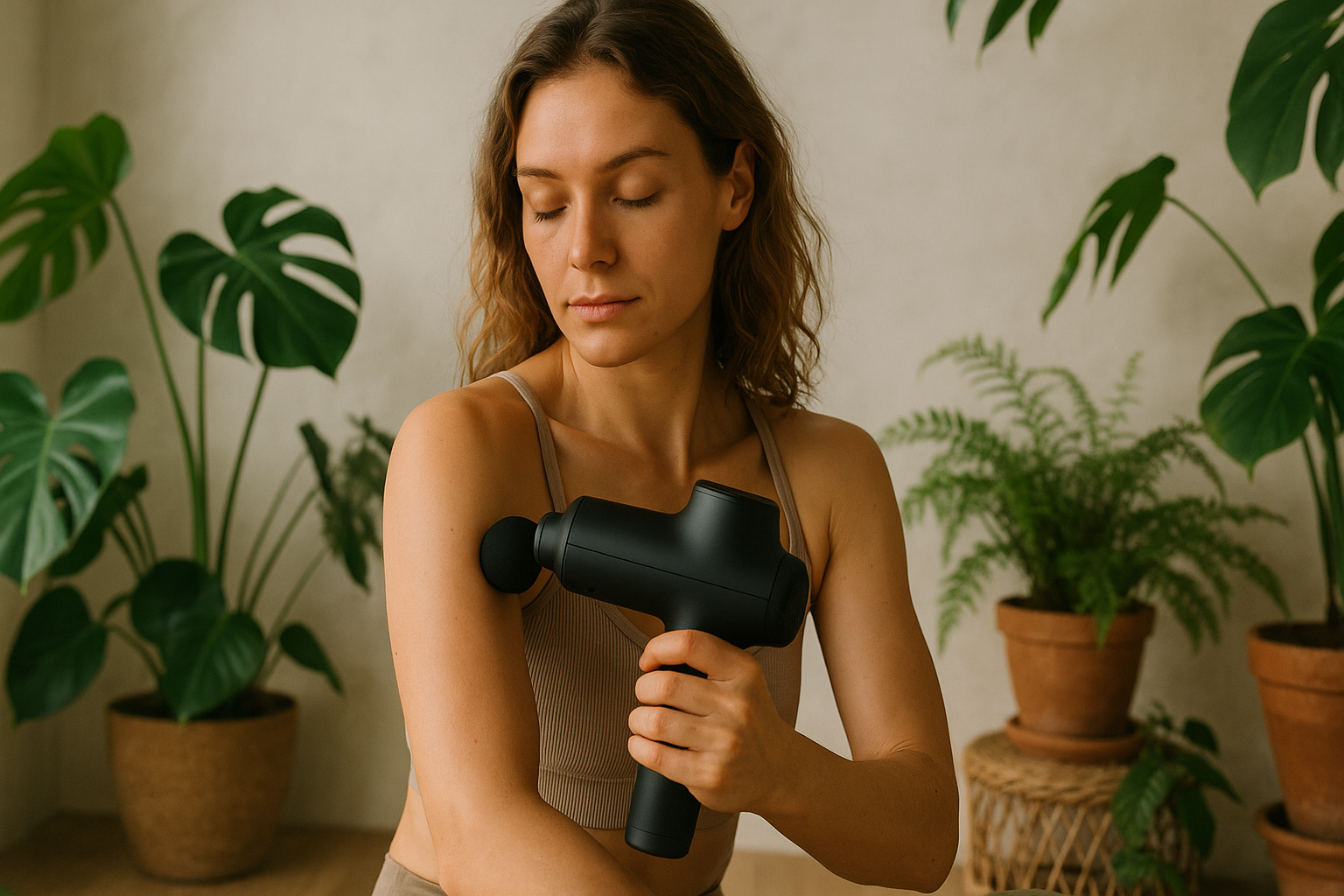
Explore the intricacies of muscle recovery within the realm of recovery science, focusing on its definition, mechanisms, evidence, practical applications, and more.
What It Is
Muscle recovery refers to the process through which muscle tissue repairs and regenerates following physical activity, particularly after intense exercise. This process is crucial for athletes and fitness enthusiasts alike, as it not only aids in reducing muscle soreness but also enhances performance and prevents injury. Recovery encompasses various strategies and practices that facilitate this biological renewal, ensuring muscles regain strength and function.
During muscle recovery, the body undergoes a series of physiological changes, including the synthesis of proteins, replenishment of energy stores, and repair of micro-tears in muscle fibers. These processes can be influenced by factors such as nutrition, hydration, rest, and recovery modalities, all of which play a vital role in promoting optimal muscle health.
Mechanism / How It Works
The muscle recovery process involves several key mechanisms. After exercise, muscles experience microtrauma, which triggers an inflammatory response. This response is critical as it initiates the healing process. Satellite cells, which are a type of stem cell in muscle tissue, activate and proliferate, contributing to muscle repair and growth.
Additionally, muscle recovery relies on the resynthesis of adenosine triphosphate (ATP), the primary energy carrier in cells. Proper nutrition, particularly protein and carbohydrate intake, supports this process. Proteins provide the amino acids necessary for muscle repair, while carbohydrates replenish glycogen stores that are depleted during exercise. Hydration also plays a crucial role, as fluids are essential for nutrient transport and metabolic processes.
Evidence Summary
Research on muscle recovery has yielded mixed results, with various studies highlighting different aspects of recovery protocols. Some preliminary studies suggest that active recovery, such as light aerobic exercise, can enhance recovery by promoting blood flow and nutrient delivery to muscles. Other studies support the use of passive recovery, emphasizing the importance of complete rest.
Clinical evidence indicates that nutrition significantly impacts muscle recovery. For instance, post-exercise protein intake is shown to enhance muscle protein synthesis. However, conflicting findings exist regarding the timing and quantity of protein intake. While some studies advocate for immediate post-workout nutrition, others suggest that the overall daily intake may be more important than timing.
Practical Application
To optimize muscle recovery, it is essential to establish effective protocols. Here are some practical applications:
- Hydration: Ensure adequate fluid intake before, during, and after exercise.
- Nutrition: Focus on a balanced diet rich in protein and carbohydrates, particularly post-exercise.
- Rest: Allow for adequate sleep and rest days to facilitate muscle repair.
- Active Recovery: Incorporate light physical activities, such as walking or stretching, on rest days.
Common pitfalls include neglecting nutrition, overtraining without adequate recovery time, and underestimating the importance of sleep.
Relevant Biomarkers & Tracking
Monitoring muscle recovery can involve several biomarkers and tracking methods, including:
- Creatine Kinase (CK): Elevated levels can indicate muscle damage.
- Lactate Levels: Monitoring lactate can provide insights into muscle fatigue and recovery needs.
- Resting Heart Rate: A higher resting heart rate may indicate insufficient recovery.
- Subjective Measures: Tracking perceived soreness and fatigue levels can also provide valuable insights.
Body Systems Supported
Muscle recovery primarily supports the muscular and skeletal systems, but it also has implications for the:
- Circulatory System: Improved blood flow enhances nutrient delivery.
- Nervous System: Recovery can help reduce fatigue and improve neuromuscular function.
- Endocrine System: Hormonal balance is important for muscle repair and growth.
Common Goals
Individuals engaging in muscle recovery typically aim to achieve several goals, including:
- Reducing muscle soreness and stiffness.
- Enhancing overall athletic performance.
- Preventing injuries.
- Improving muscular strength and endurance.
Safety, Contraindications & Edge Cases
While muscle recovery practices are generally safe, certain considerations should be taken into account:
- Individuals with specific medical conditions should consult healthcare professionals before implementing new recovery protocols.
- Avoid excessive reliance on recovery modalities, such as ice baths or compression therapy, without evidence-based support.
- Be cautious of overtraining, which can hinder recovery and lead to injuries.
Pairs Well With
For a holistic approach to recovery, consider integrating ancient or natural methods:
- Yoga: Promotes flexibility and relaxation.
- Meditation: Reduces stress and enhances mental clarity.
- Aromatherapy: Utilizes essential oils for relaxation and recovery.
FAQs (5)
- What is the best way to recover after a workout? The best recovery methods include proper hydration, nutrition, rest, and active recovery strategies.
- How long should I rest between workouts? Rest durations can vary but aim for at least 24-48 hours for muscle groups engaged in intense training.
- Does stretching help with muscle recovery? Gentle stretching can improve flexibility and reduce soreness but should be balanced with rest.
- What role does sleep play in muscle recovery? Sleep is crucial for repair processes and overall recovery, with 7-9 hours recommended for most individuals.
- Can I speed up muscle recovery? While you can optimize recovery through nutrition and hydration, recovery takes time, and patience is key.
Frequently asked
What is the best way to recover after a workout?
The best recovery methods include proper hydration, nutrition, rest, and active recovery strategies.
How long should I rest between workouts?
Rest durations can vary but aim for at least 24-48 hours for muscle groups engaged in intense training.
Does stretching help with muscle recovery?
Gentle stretching can improve flexibility and reduce soreness but should be balanced with rest.
What role does sleep play in muscle recovery?
Sleep is crucial for repair processes and overall recovery, with 7-9 hours recommended for most individuals.
Can I speed up muscle recovery?
While you can optimize recovery through nutrition and hydration, recovery takes time, and patience is key.