Traditional Rituals
An overview of traditional rituals in Polynesian medicine, their history, practices, and relevance in today's health landscape.
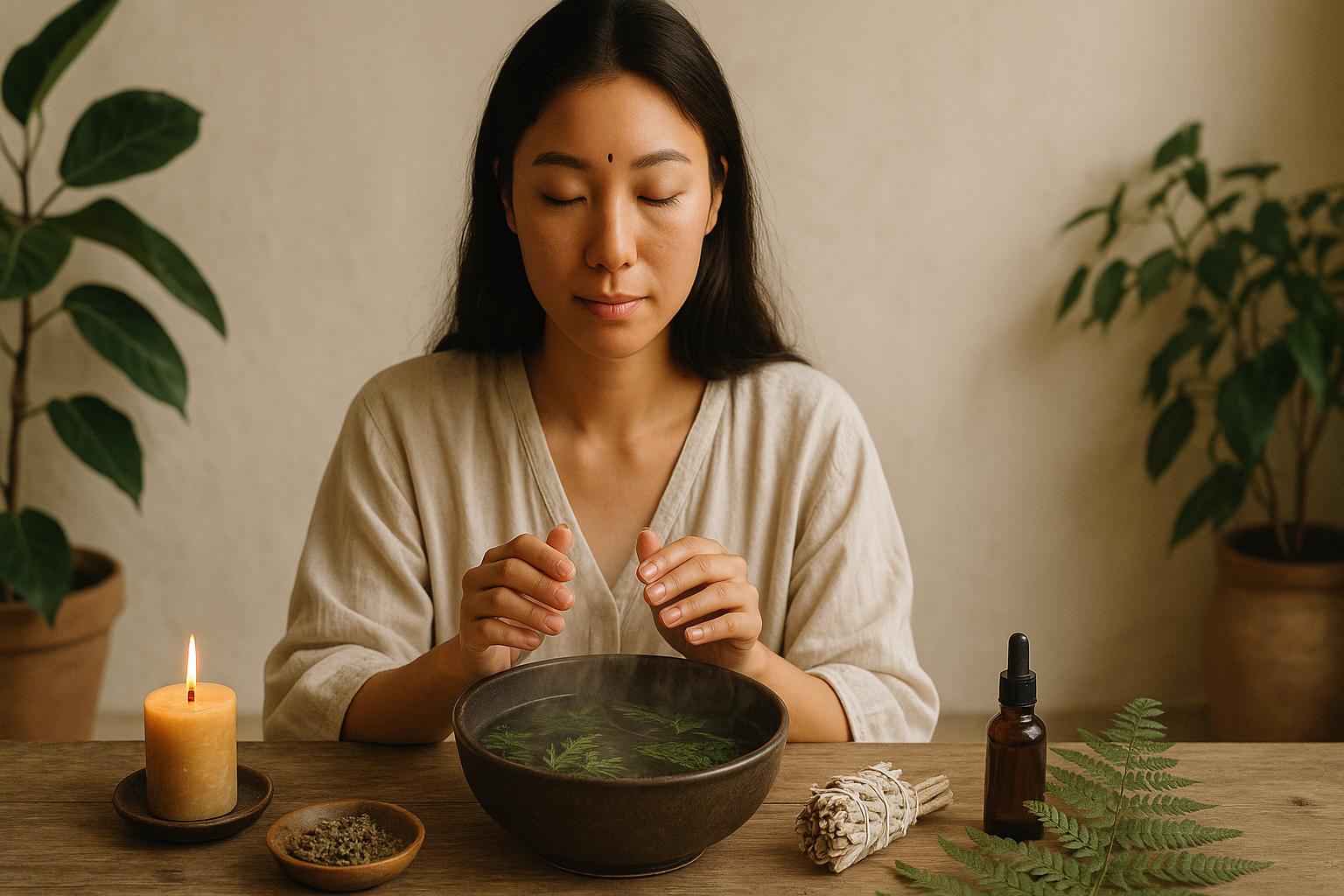
Explore the significance of traditional rituals in Polynesian medicine, their historical context, practices, and their roles in modern health discussions.
What It Is
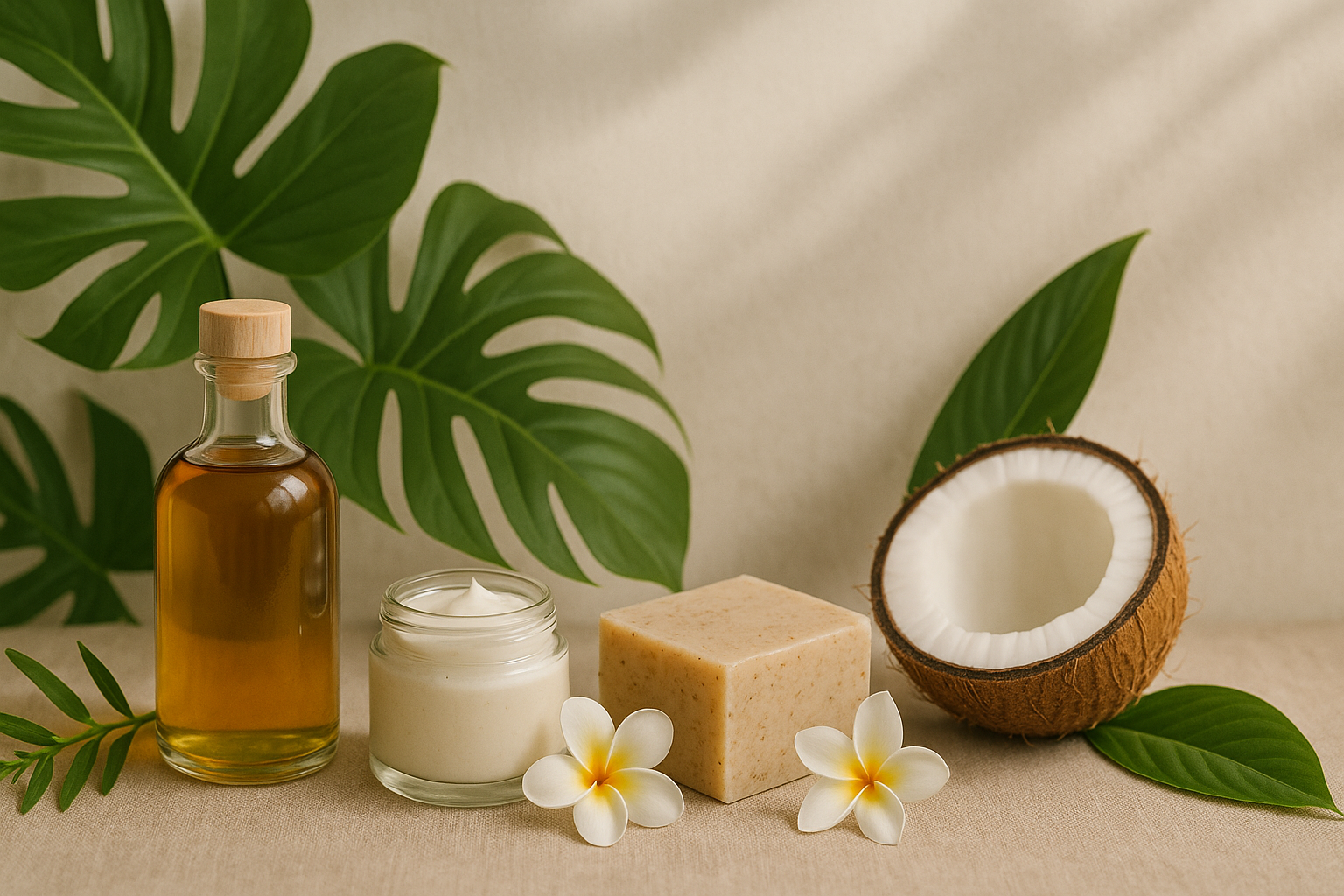
Traditional rituals in Polynesian medicine encompass a variety of spiritual and cultural practices that are integral to healing and well-being in Polynesian societies. These rituals often involve communal participation, sacred chants, and the use of natural elements such as plants, water, and stones. The rituals serve not just as methods of treatment, but as vital expressions of cultural identity and connection to the ancestors.
At the heart of these rituals lies a belief in the interconnectedness of mind, body, and spirit. Traditional healers, known as kahunas, guide these ceremonies to restore balance and harmony within individuals and their communities. The rituals often incorporate elements of storytelling, music, and dance, highlighting the rich cultural tapestry of the Polynesian islands.
Historical Context Within Polynesian Medicine
The practice of traditional rituals dates back centuries, woven into the fabric of Polynesian culture and spirituality. These rituals emerged from the deep belief systems of the Polynesian people, who viewed health as a holistic concept influenced by spiritual, environmental, and social factors. The kahunas, as the custodians of this knowledge, were revered for their ability to connect the physical and spiritual realms.
As Polynesian societies evolved, so did their rituals. They adapted to the changing social landscapes and the influences of external cultures while maintaining their core principles. This historical resilience has allowed traditional rituals to persist, even in contemporary settings, where they are often integrated with modern health practices.
How It's Practiced
The practice of traditional rituals in Polynesian medicine is characterized by several key components:
- Preparation: The practitioner prepares a sacred space, often adorned with natural elements and symbolic items.
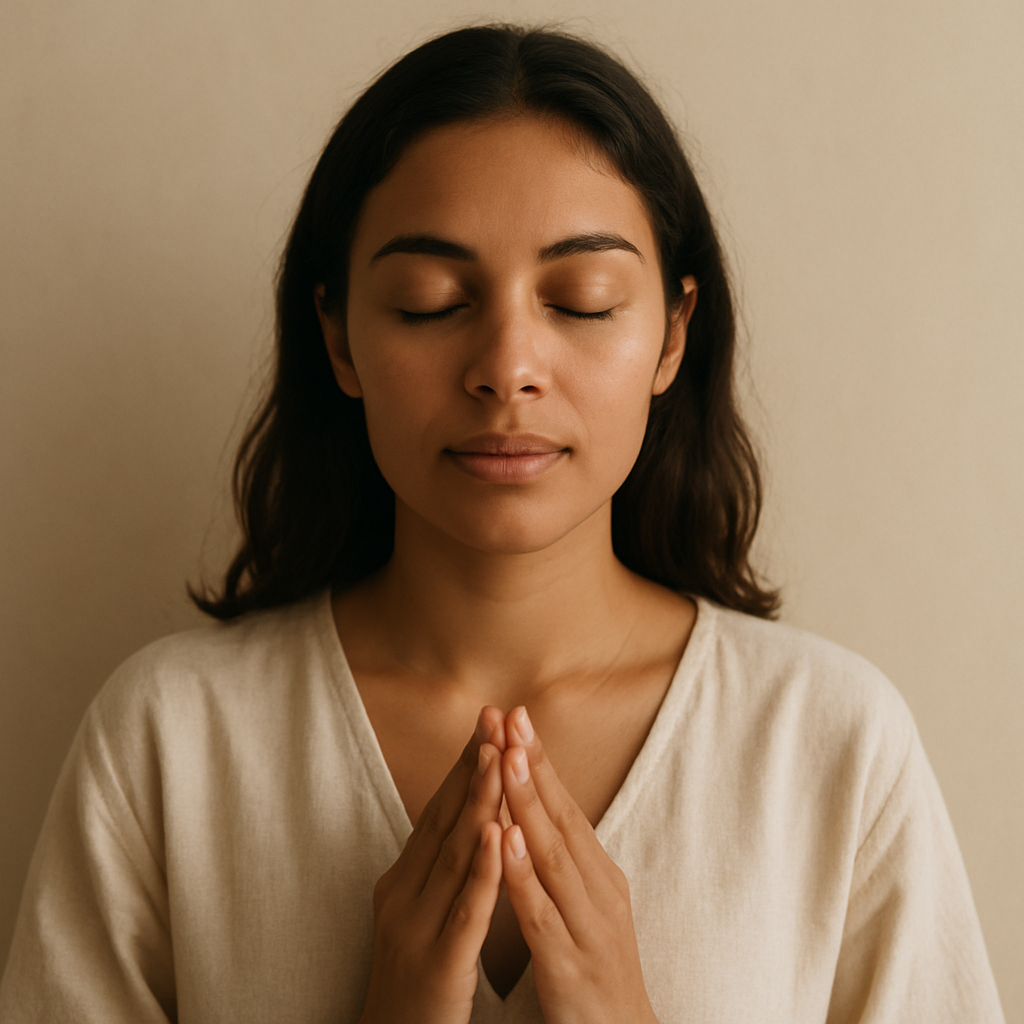
- Invocation: The ritual begins with chants and prayers to invite spiritual guidance and protection.
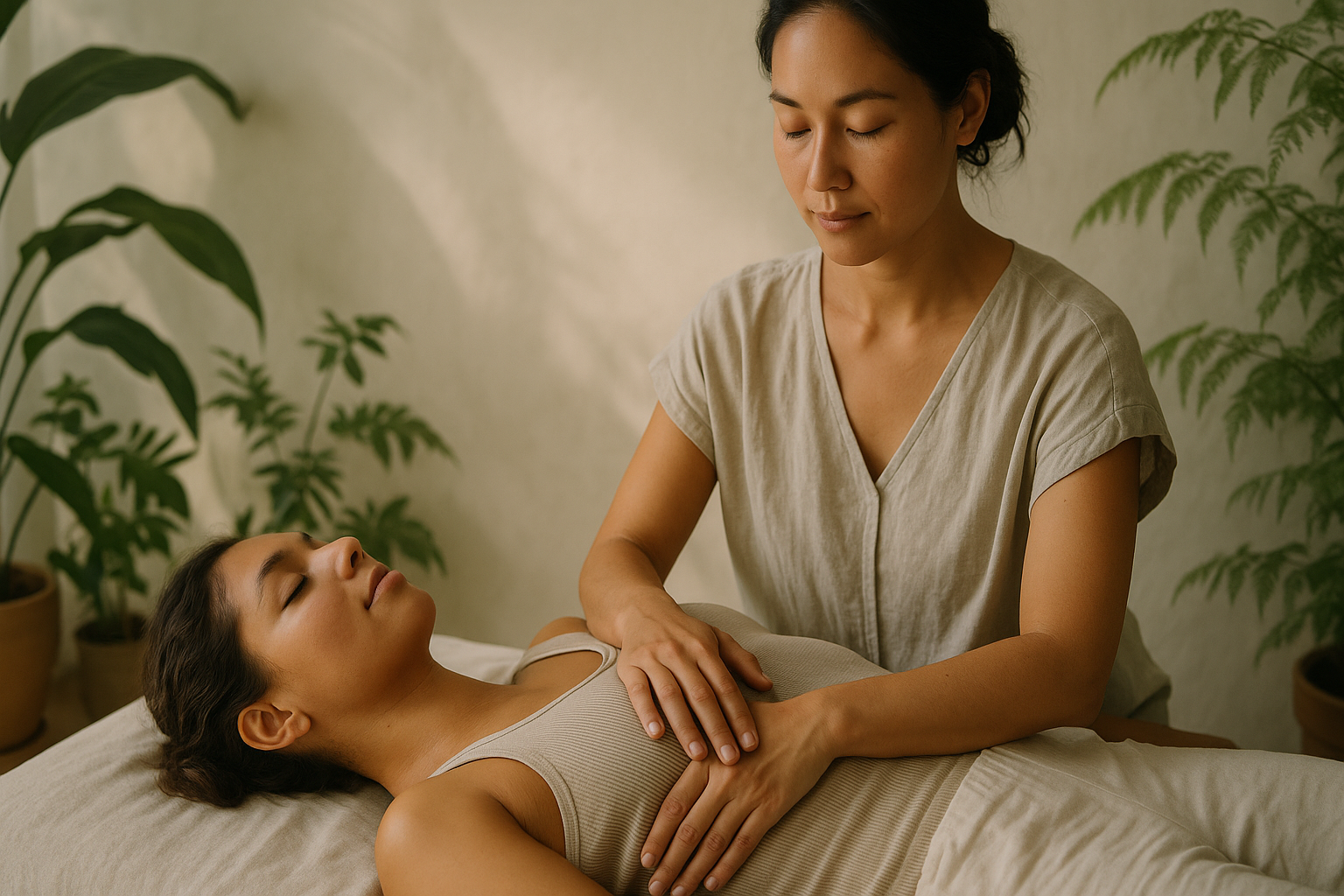
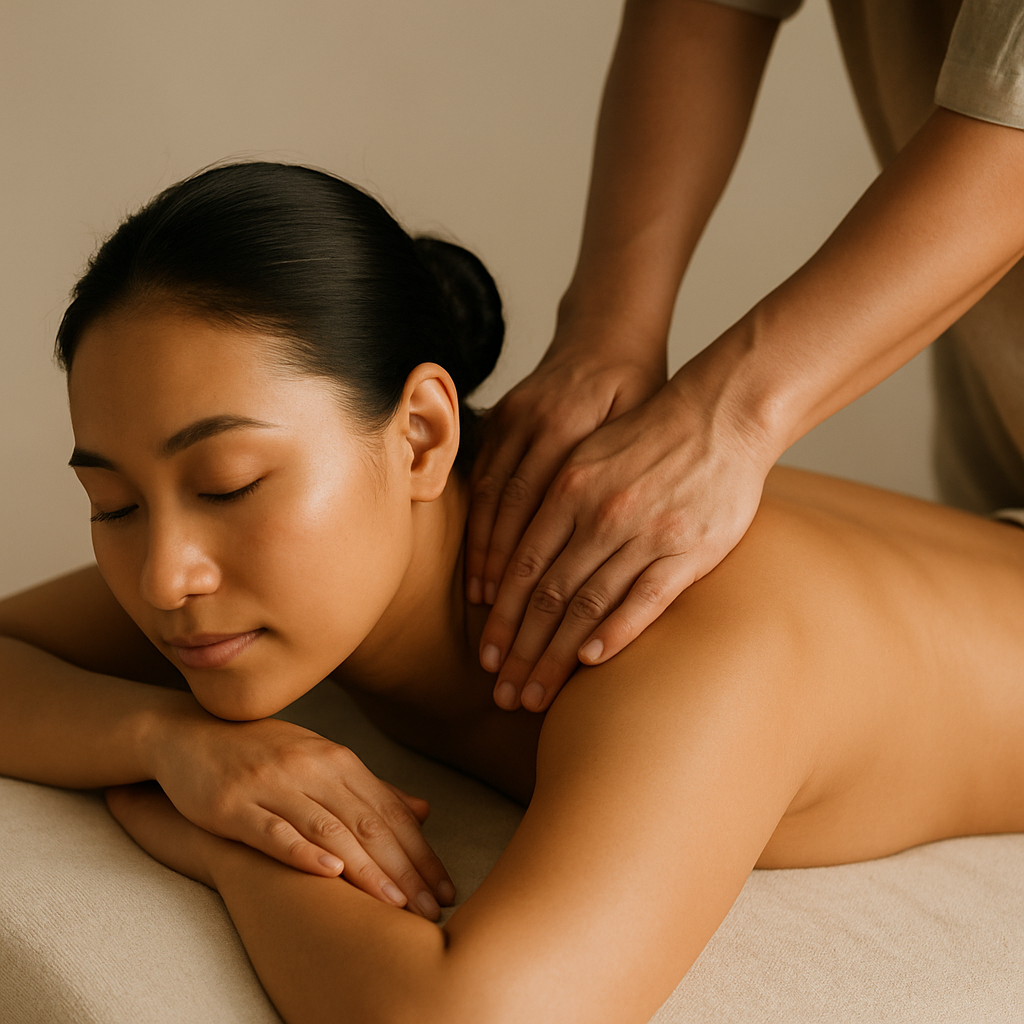
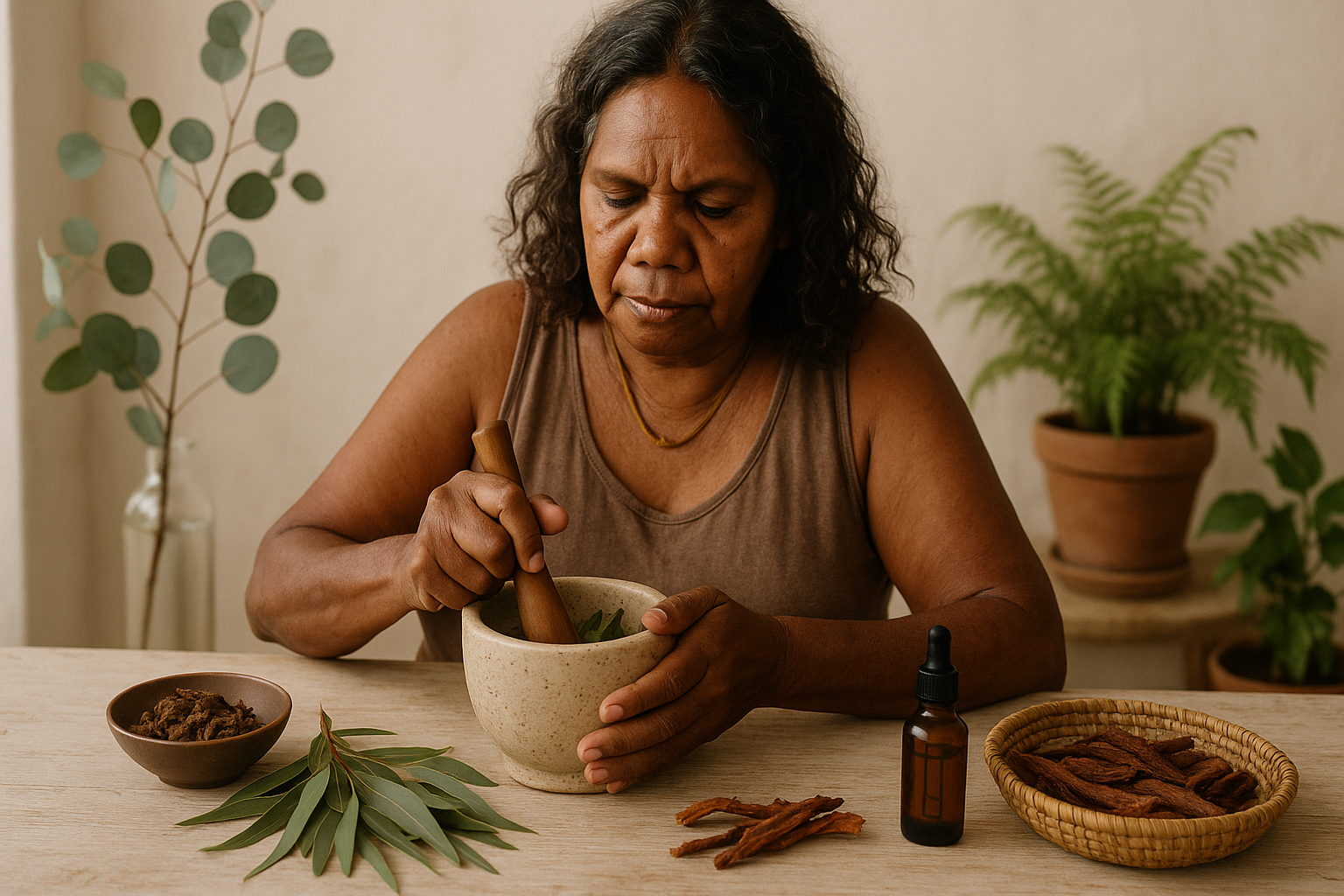
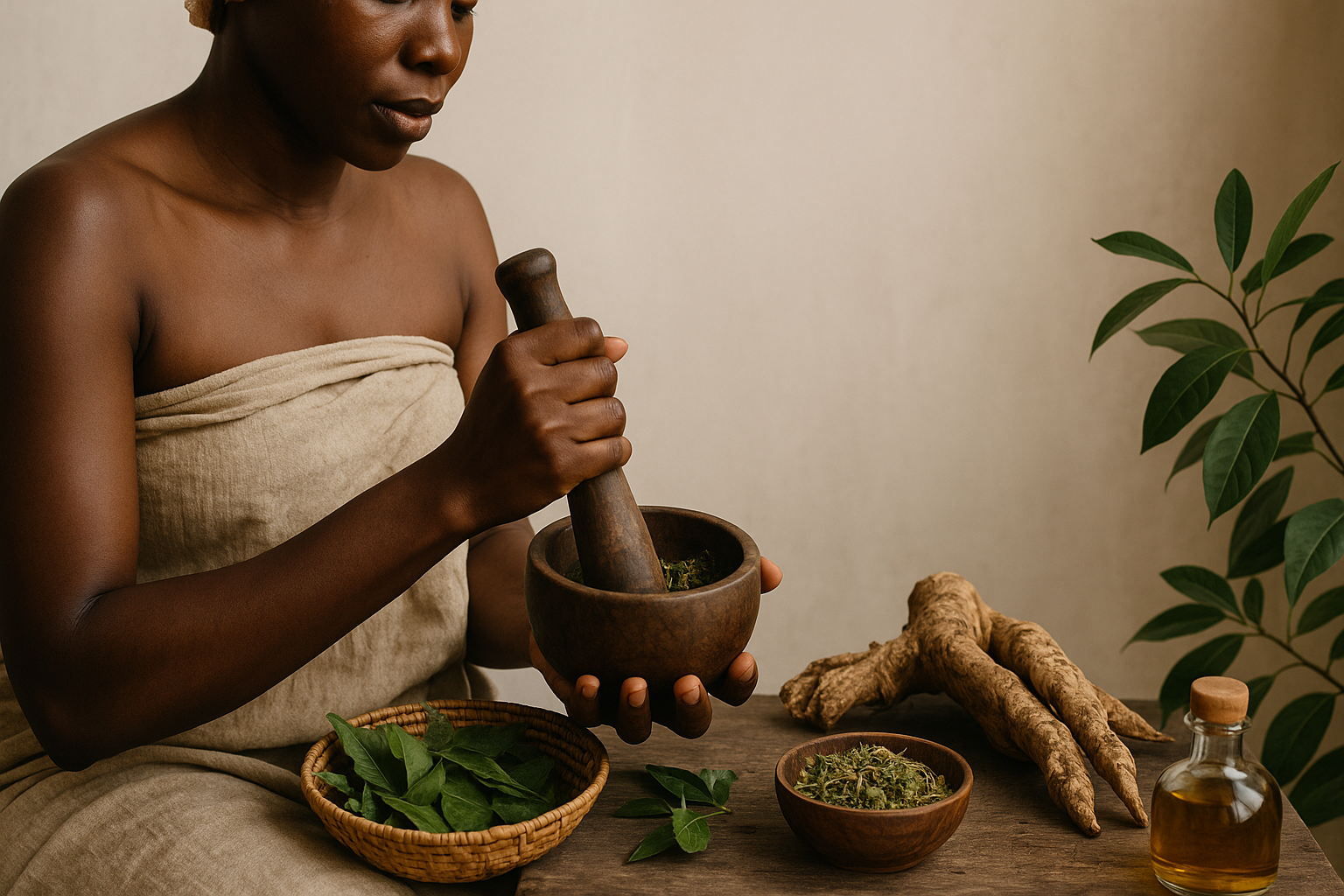
- Healing Activities: Techniques may include herbal applications, massage, and spiritual cleansing.
- Community Involvement: Many rituals involve family and community members, reinforcing social bonds and collective healing.
- Closure: The ritual concludes with gratitude expressed to the spirits and a sharing of food or offerings.
What It Is Traditionally Explored For
Traditional rituals in Polynesian medicine have been used for various purposes, including:
- Promoting physical healing and recovery from ailments.
- Addressing emotional and mental health challenges.
- Facilitating spiritual connection and growth.
- Enhancing community cohesion and support.
- Celebrating rites of passage and significant life events.
What Modern Research Suggests
Furthermore, the use of traditional herbs and natural remedies in conjunction with rituals is being explored for their potential benefits. While scientific evidence is limited, the holistic approach of these practices aligns with modern understandings of wellness, emphasizing the importance of community and spirituality in health.
Safety, Contraindications & Who Should Skip
While traditional rituals are generally considered safe, individuals with certain medical conditions or sensitivities should exercise caution. It is advisable for the following groups to consult with a healthcare professional before engaging in these practices:
- Those with severe allergies to specific plants or substances used in rituals.
- Individuals with chronic health conditions that may require conventional medical treatment.
- Pregnant women, as some rituals may involve practices that are not suitable during pregnancy.
- People with mental health conditions that may be exacerbated by intense spiritual experiences.
Pairs Well With (within Polynesian Medicine and across pillars)
Traditional rituals can be effectively paired with other modalities and practices, including:
- Herbal medicine for enhanced healing.
- Massage and bodywork for physical relaxation.
- Mindfulness practices to complement spiritual growth.
- Community gatherings that reinforce social support.
How to Find a Qualified Practitioner
To find a qualified practitioner of traditional rituals in Polynesian medicine, consider the following steps:
- Seek recommendations from local community members or cultural organizations.
- Attend cultural festivals or events to connect with practitioners.
- Research online directories that specialize in traditional healing practices.
- Ensure the practitioner has a reputable background and understands the cultural significance of their work.
FAQs
What types of rituals are commonly practiced?
Common rituals include healing ceremonies, blessing rituals, and rites of passage.
Can anyone participate in traditional rituals?
Participation is generally open, but it is respectful to seek permission from the practitioner and understand the cultural context.
Are traditional rituals effective for modern health issues?
While many find value in these rituals for emotional and spiritual support, they should not replace conventional medical care for serious health issues.
How long does a traditional ritual usually last?
The duration can vary widely, from a few hours to several days, depending on the specific ritual and its purpose.
Is there a cost associated with participating in these rituals?
Costs may vary; some rituals may be offered freely, while others may require donations or fees to cover materials and preparation.
Frequently asked
What types of rituals are commonly practiced?
Common rituals include healing ceremonies, blessing rituals, and rites of passage.
Can anyone participate in traditional rituals?
Participation is generally open, but it is respectful to seek permission from the practitioner and understand the cultural context.
Are traditional rituals effective for modern health issues?
While many find value in these rituals for emotional and spiritual support, they should not replace conventional medical care for serious health issues.
How long does a traditional ritual usually last?
The duration can vary widely, from a few hours to several days, depending on the specific ritual and its purpose.
Is there a cost associated with participating in these rituals?
Costs may vary; some rituals may be offered freely, while others may require donations or fees to cover materials and preparation.