Spiritual Healing
Discover the significance of Spiritual Healing in Polynesian Medicine, its historical context, traditional practices, and modern research insights.
Explore the ancient practice of Spiritual Healing within Polynesian Medicine, its historical roots, traditional applications, and modern perspectives.
What It Is
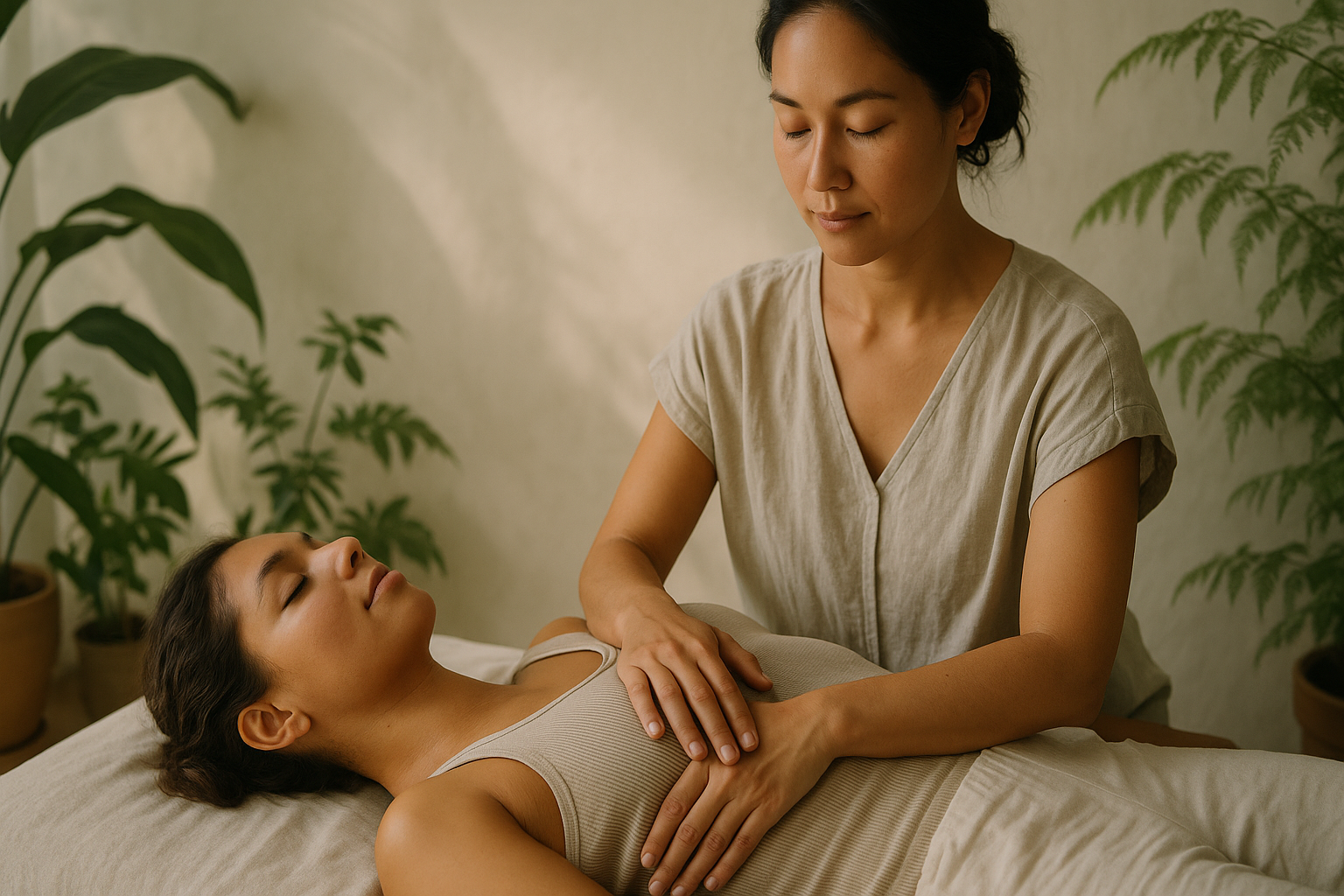
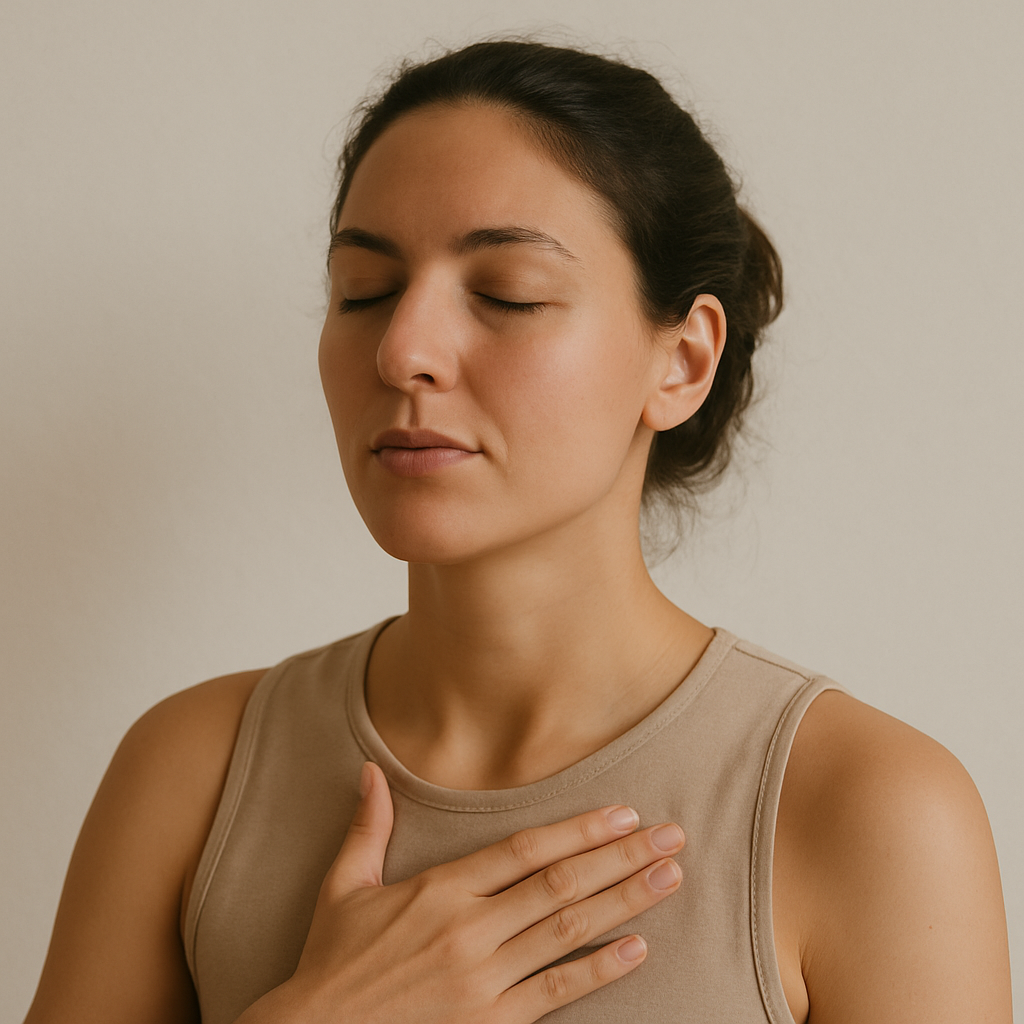
Spiritual healing within Polynesian medicine is a holistic practice that focuses on the interconnectedness of the body, mind, and spirit. It seeks to restore balance and harmony within an individual, recognizing that emotional and spiritual well-being can significantly impact physical health. Practitioners often use various techniques, including prayer, chanting, and the use of sacred plants, to facilitate healing and connect individuals with their spiritual essence.
This practice is deeply rooted in the cultural and spiritual traditions of the Polynesian islands, where the belief in ancestors and the spiritual realm plays a crucial role in everyday life. Through spiritual healing, individuals are guided to explore their inner selves, confront emotional blockages, and foster a sense of connection to their heritage and the natural world.
Historical Context Within Polynesian Medicine
Spiritual healing has been an integral part of Polynesian medicine for centuries, emerging from the rich tapestry of beliefs and practices that characterize these island cultures. This modality was developed by kahunas, or spiritual healers, who were revered for their knowledge of the spiritual and physical worlds. They were responsible for maintaining the health and well-being of their communities, utilizing a combination of herbal remedies, rituals, and spiritual guidance.
Historically, spiritual healing was often performed in conjunction with other healing practices, forming a comprehensive approach to health that addressed the individual's physical, emotional, and spiritual needs. The methods and teachings have been passed down through generations, preserving the wisdom of ancestors and reinforcing the cultural identity of the Polynesian people.
How It's Practiced
Practitioners of spiritual healing typically follow a structured approach that may include the following steps:
- Initial Consultation: The practitioner discusses the individual's concerns, spiritual beliefs, and personal history.
- Assessment: Through observation and intuitive insights, the practitioner assesses the individual’s spiritual and emotional state.
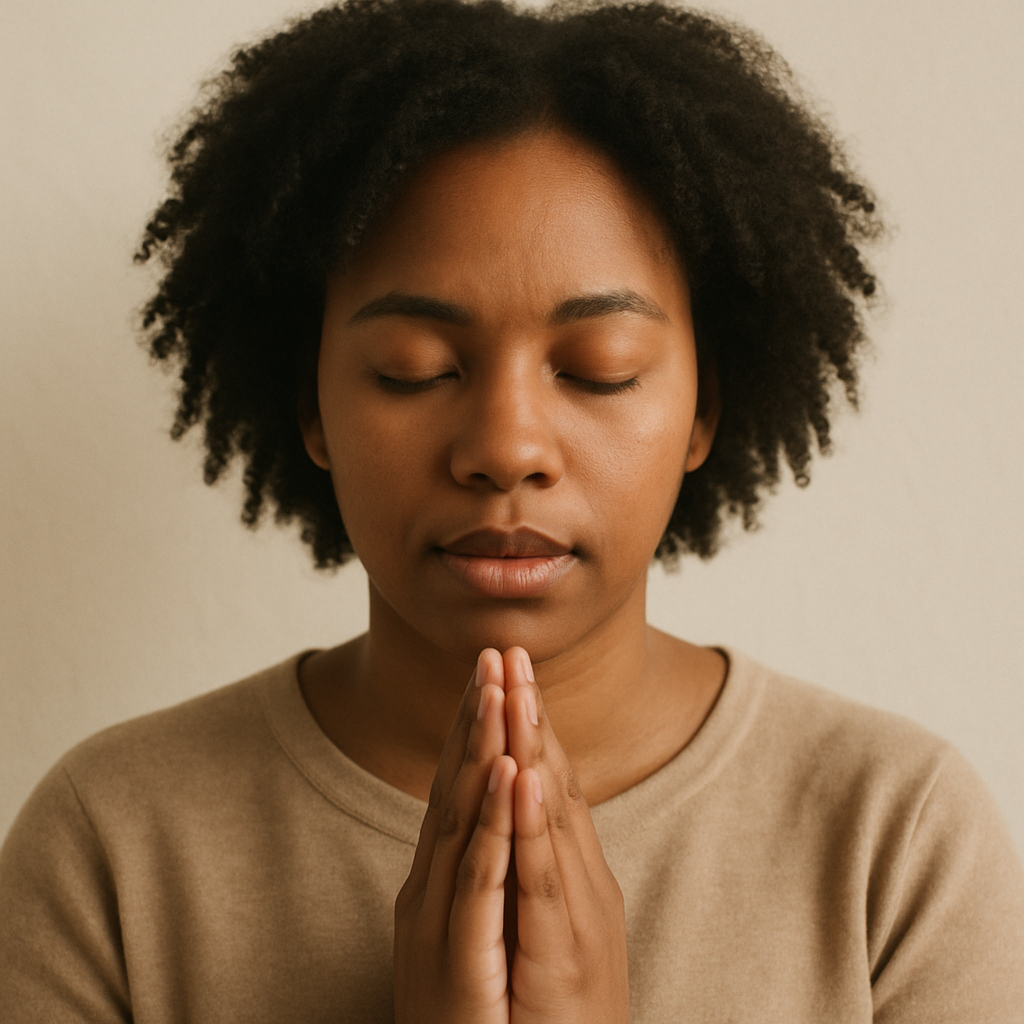
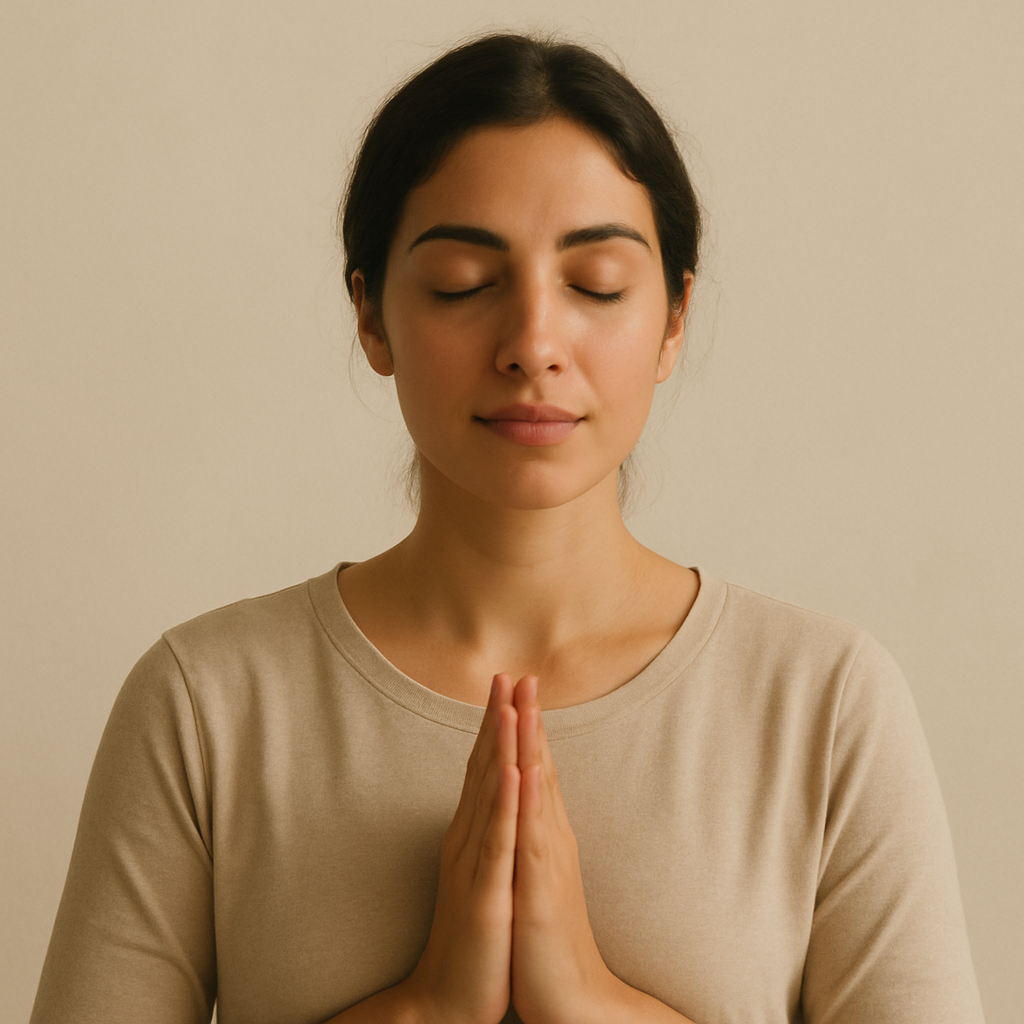
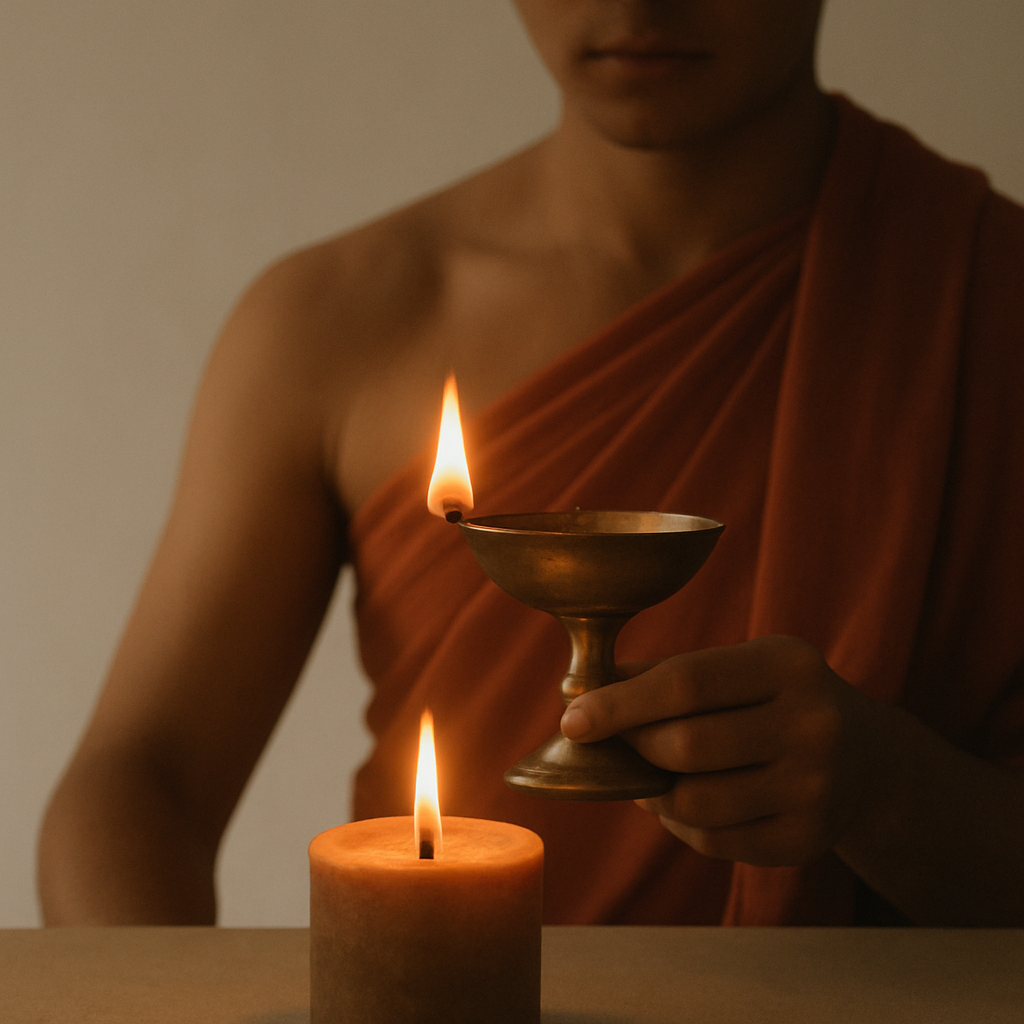
- Healing Rituals: A variety of rituals may be employed, including prayer, chanting, and the use of sacred objects or symbols.
- Energy Work: Techniques such as energy channeling or the use of sacred plants may be incorporated to promote healing.
- Aftercare and Guidance: The practitioner provides insights and recommendations for ongoing spiritual and emotional support.
What It Is Traditionally Explored For
Spiritual healing is traditionally used for a variety of emotional and spiritual concerns, including:
- Addressing feelings of grief or loss.
- Facilitating personal growth and self-discovery.
- Enhancing emotional resilience and mental clarity.
- Restoring balance after trauma or life transitions.
- Promoting a deeper connection to one's cultural heritage and spiritual beliefs.
What Modern Research Suggests
However, it is essential to approach these findings with caution, as much of the research is still in its early stages. The subjective nature of spiritual experiences makes them difficult to quantify, and more comprehensive studies are needed to fully understand the impact of spiritual healing on health and well-being.
Safety, Contraindications & Who Should Skip
Spiritual healing is generally considered safe for most individuals; however, there are some considerations to keep in mind:
- Individuals with severe mental health conditions should consult a qualified mental health professional before engaging in spiritual healing.
- Those with a strong aversion to spiritual or religious practices may not find this approach beneficial.
- It is advisable for individuals undergoing medical treatment to discuss their spiritual healing practices with their healthcare provider to ensure a coordinated approach to care.
Pairs Well With (within Polynesian Medicine and across pillars)
Spiritual healing can be effectively combined with several other modalities and practices, including:
- Traditional herbal medicine
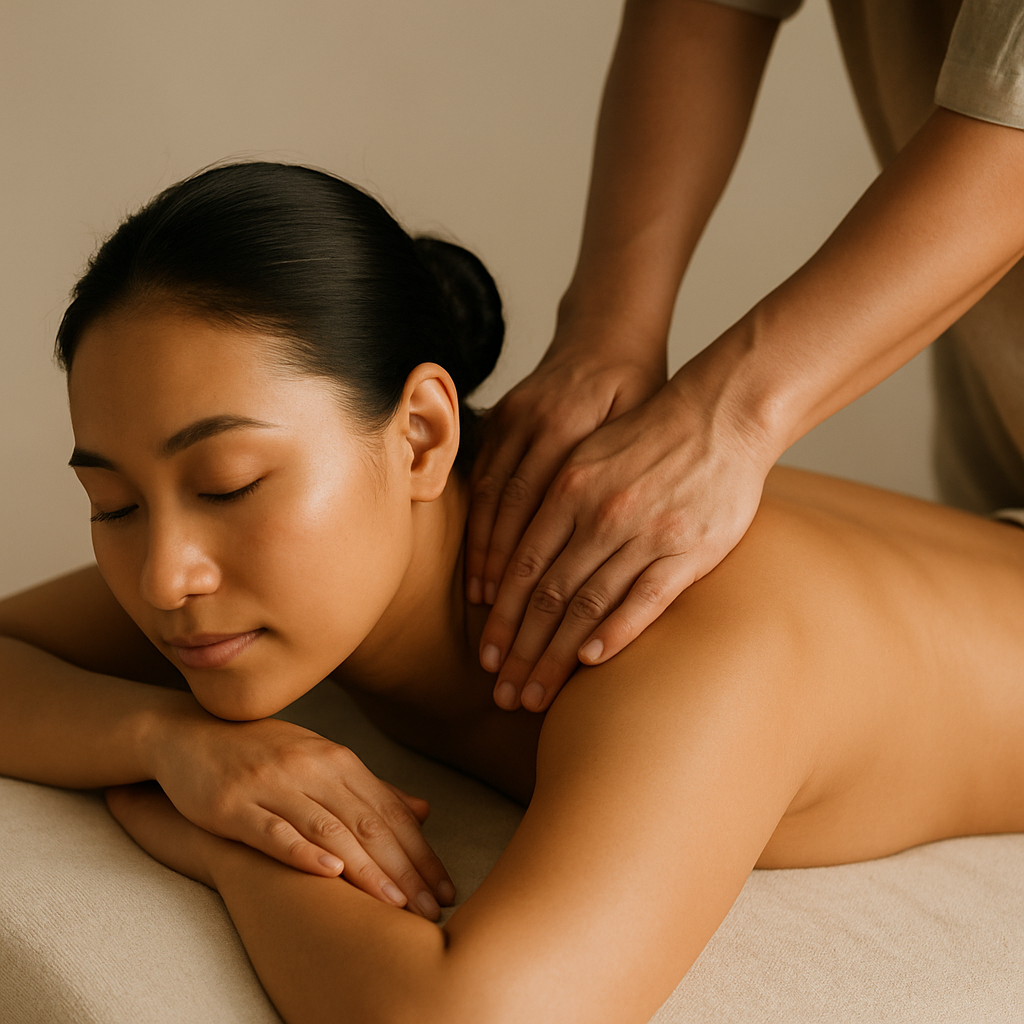
- Massage therapy
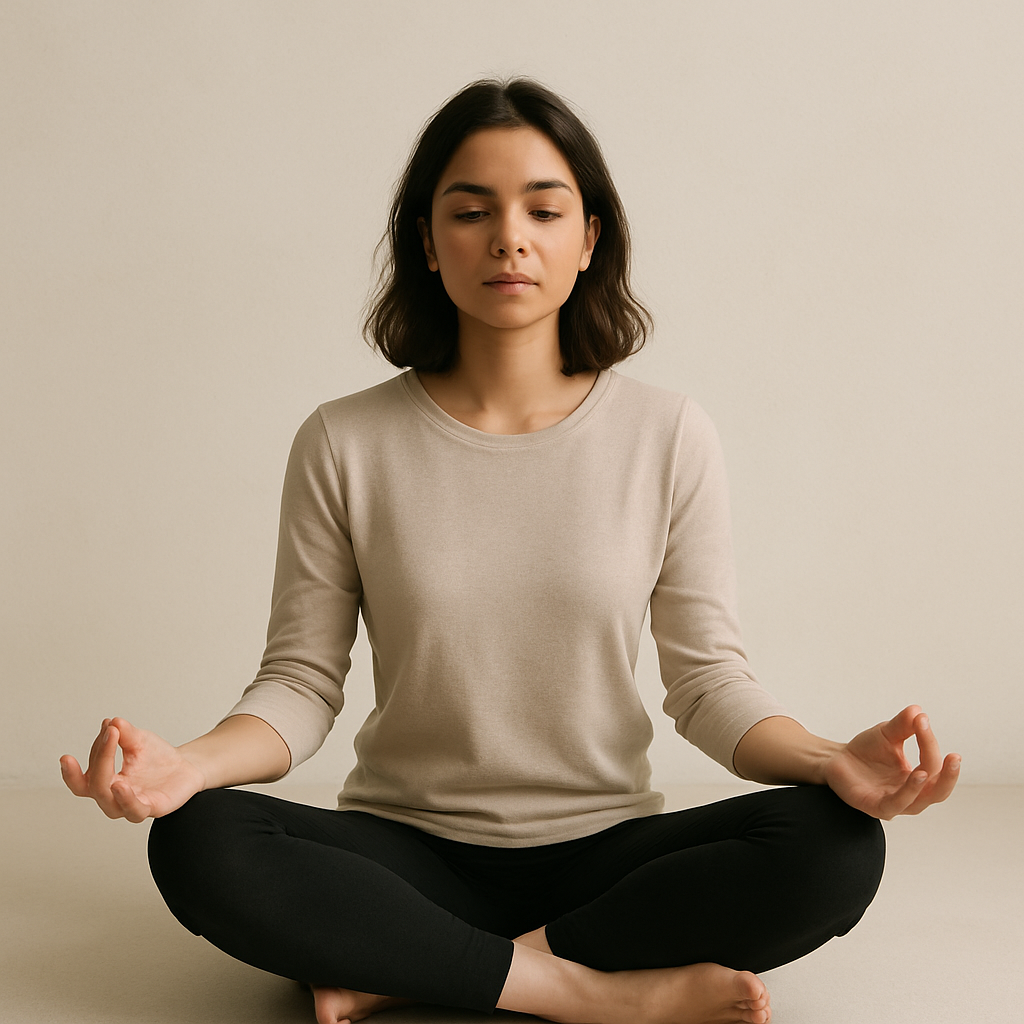
- Breathwork and meditation
- Ritualistic practices, such as hula or storytelling
- Nutrition counseling based on indigenous foods
How to Find a Qualified Practitioner
Finding a qualified practitioner of spiritual healing involves several steps:
- Research local practitioners and their backgrounds in Polynesian medicine.
- Seek recommendations from community members or organizations that focus on holistic health.
- Verify the practitioner's credentials and experience in spiritual healing.
- Schedule an initial consultation to discuss your needs and assess compatibility.
FAQs (5)
- What is the role of a kahuna in spiritual healing?
A kahuna is a spiritual healer who guides individuals in their healing journey using traditional practices and wisdom. - Can spiritual healing be used alongside conventional medicine?
Yes, many individuals find that spiritual healing complements conventional medical treatments, but it is essential to communicate with healthcare providers. - How long does a spiritual healing session typically last?
Sessions can vary in length, usually ranging from 30 minutes to a few hours, depending on the practitioner's approach. - Is spiritual healing effective for everyone?
While many people benefit from spiritual healing, individual experiences may vary, and it may not resonate with everyone. - What should I expect during a spiritual healing session?
Expect a safe and supportive environment where you can explore your emotions, receive guidance, and participate in healing rituals.
Frequently asked
What is the role of a kahuna in spiritual healing?
A kahuna is a spiritual healer who guides individuals in their healing journey using traditional practices and wisdom.
Can spiritual healing be used alongside conventional medicine?
Yes, many individuals find that spiritual healing complements conventional medical treatments, but it is essential to communicate with healthcare providers.
How long does a spiritual healing session typically last?
Sessions can vary in length, usually ranging from 30 minutes to a few hours, depending on the practitioner's approach.
Is spiritual healing effective for everyone?
While many people benefit from spiritual healing, individual experiences may vary, and it may not resonate with everyone.
What should I expect during a spiritual healing session?
Expect a safe and supportive environment where you can explore your emotions, receive guidance, and participate in healing rituals.