Meditation
Discover the significance of meditation in Polynesian Medicine, its historical context, and its applications.
Explore the practice of meditation within Polynesian Medicine, its historical roots, traditional uses, and modern insights.
What It Is
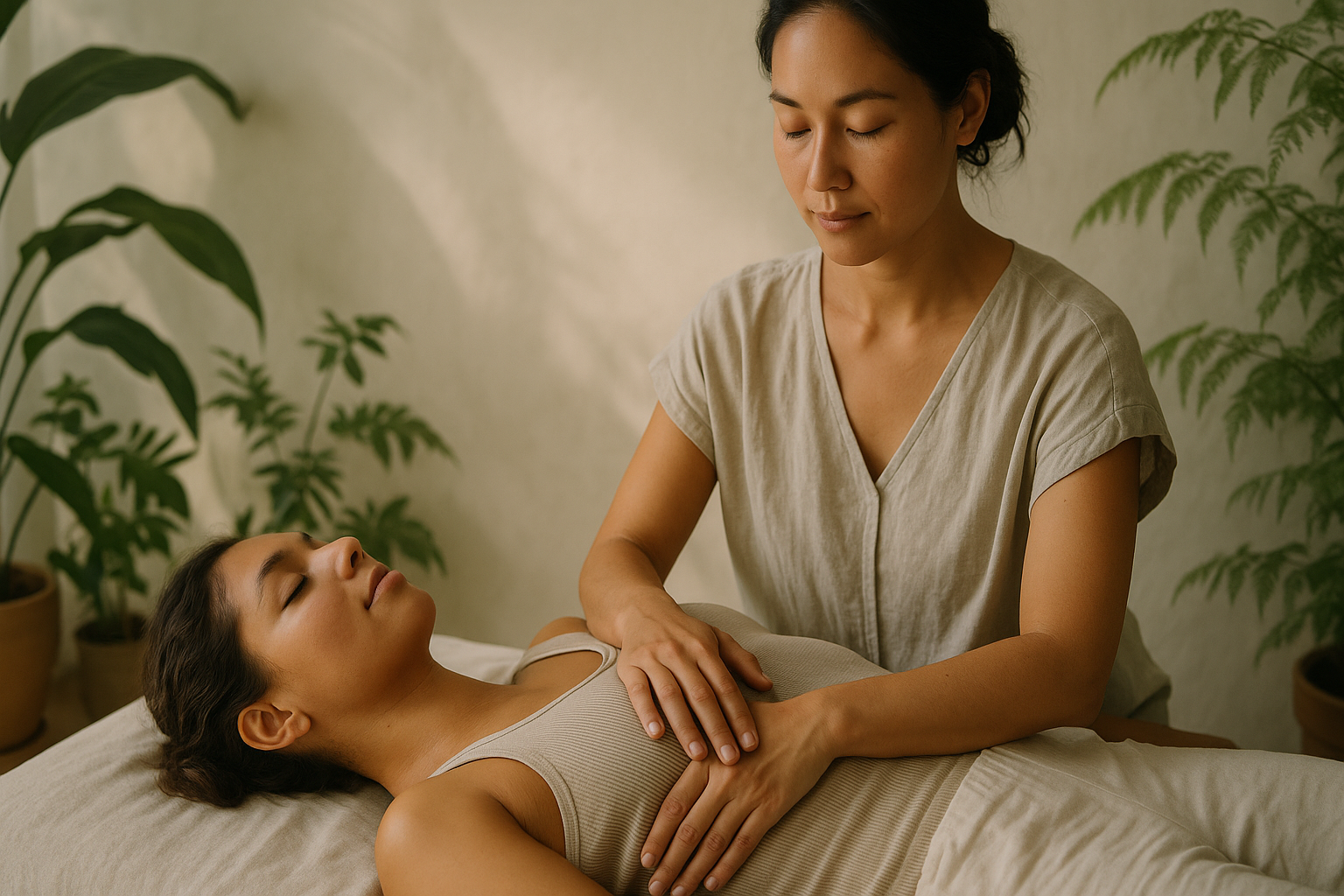
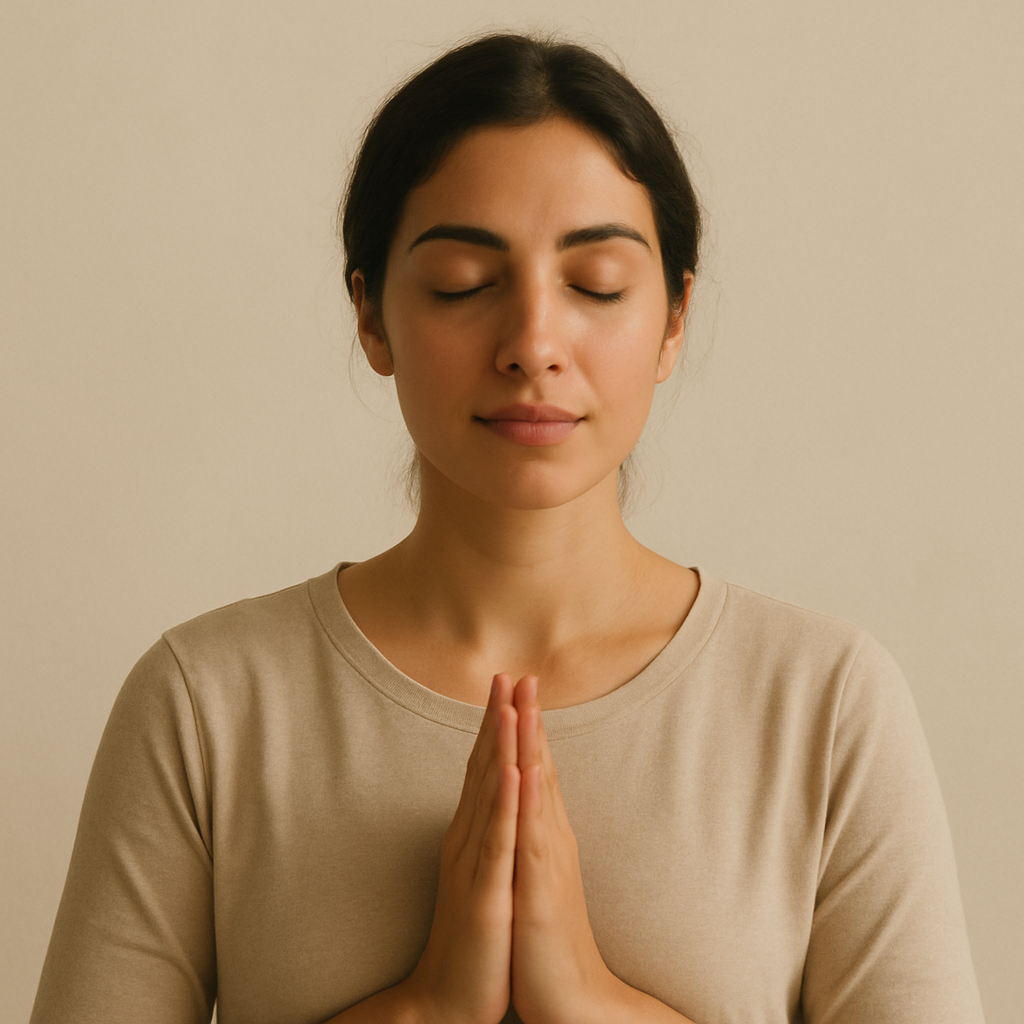
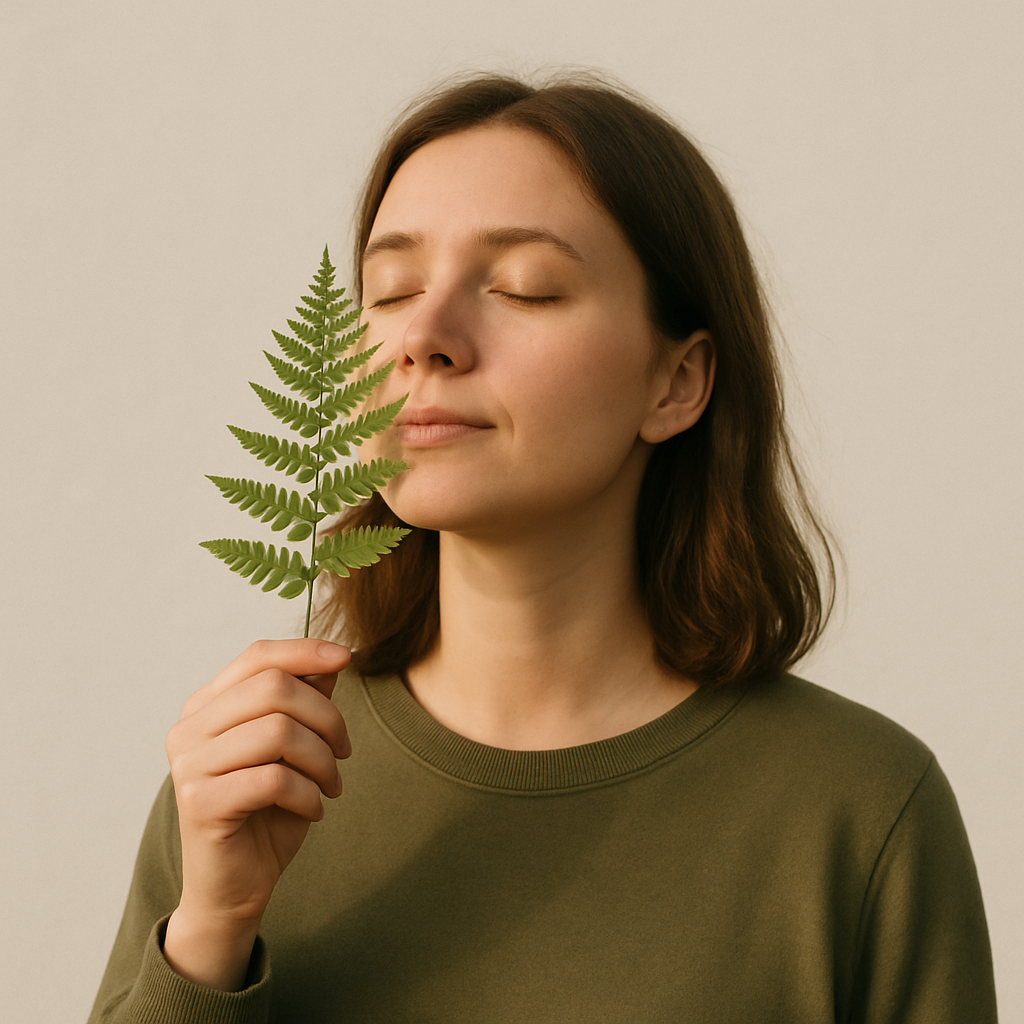
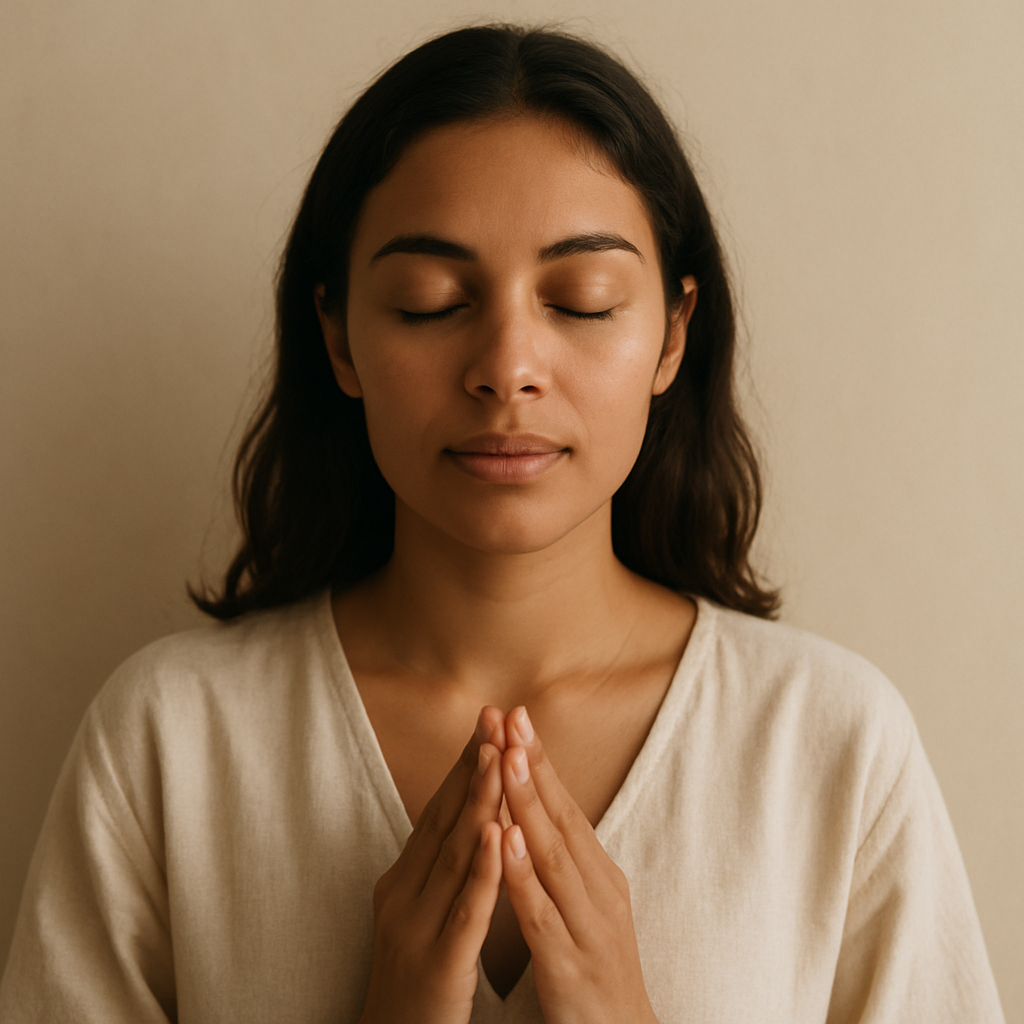
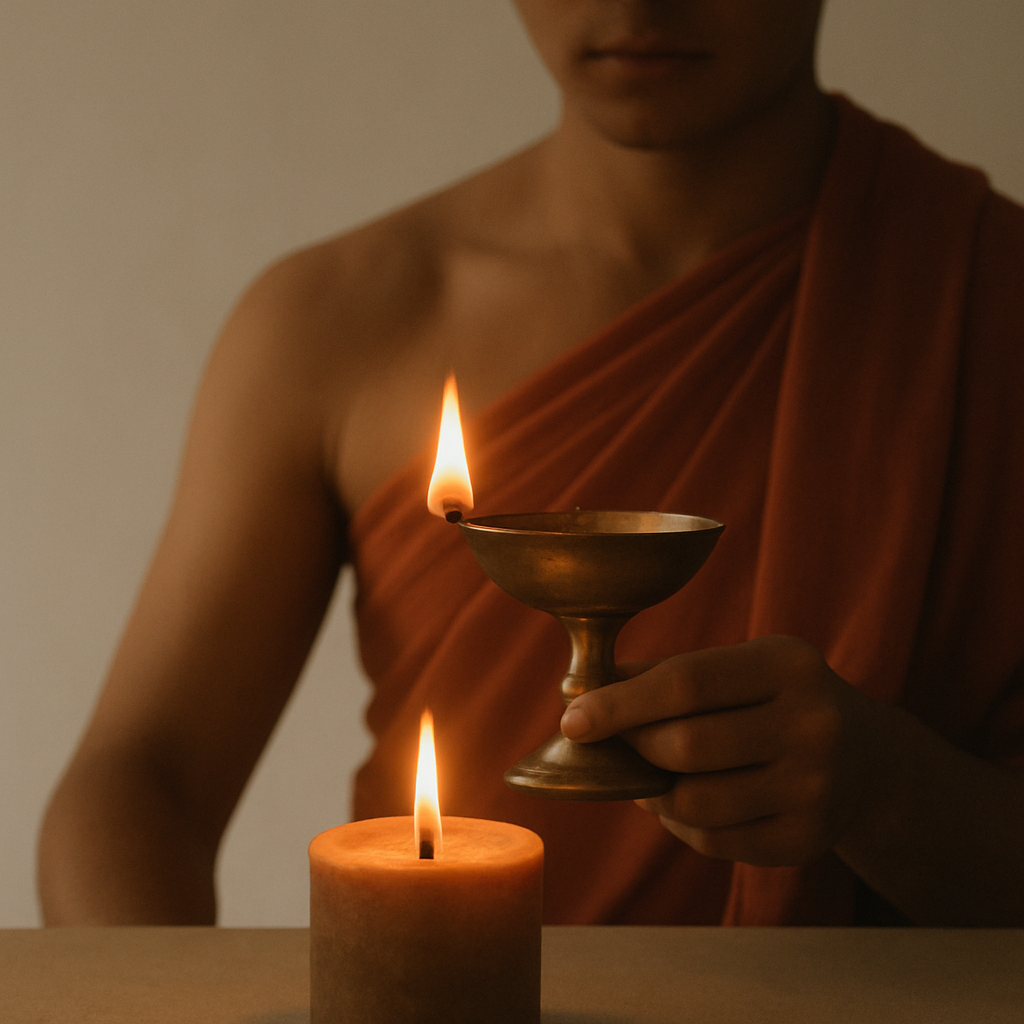
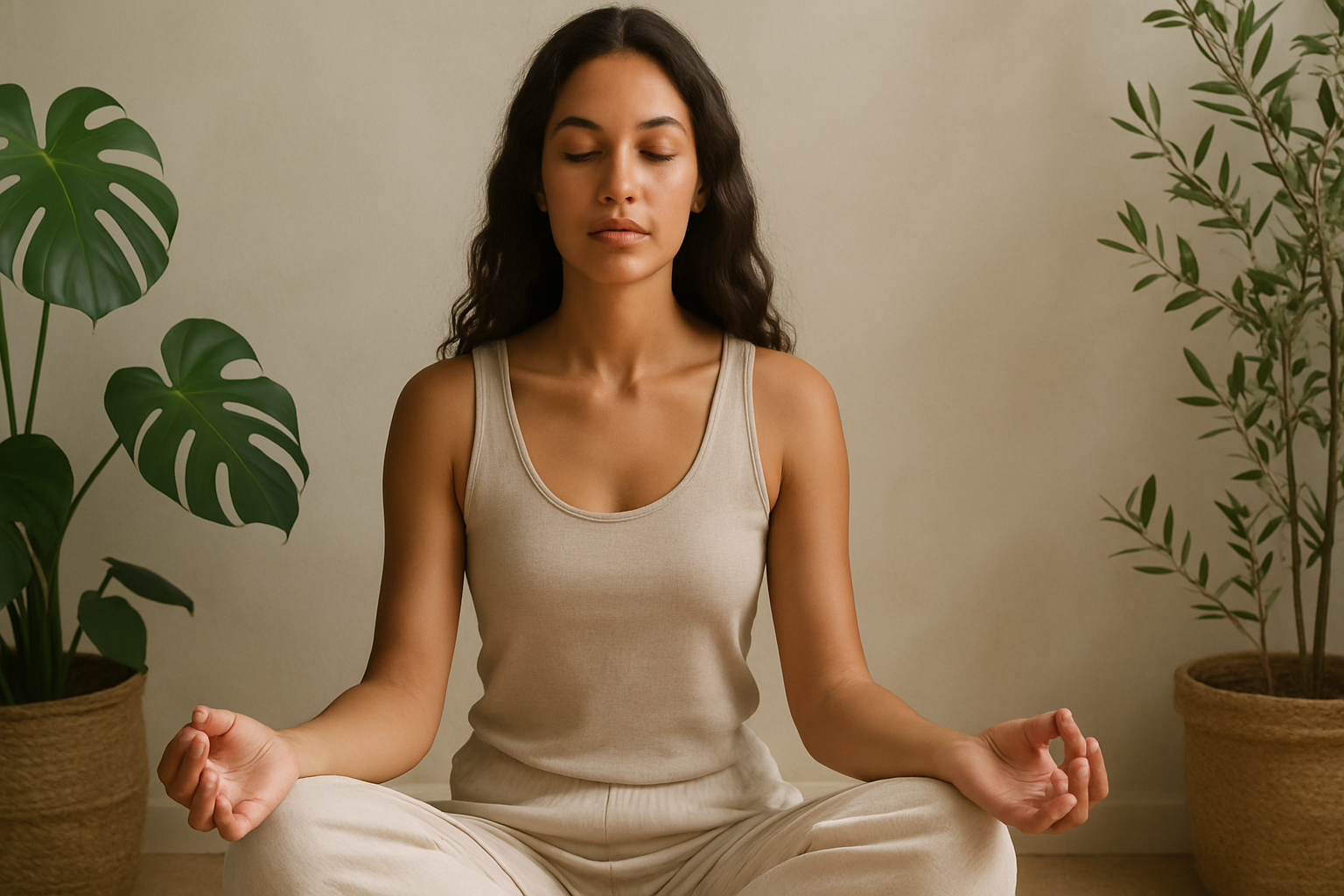
Meditation, within the context of Polynesian Medicine, is a practice that emphasizes mindfulness, connection to the self, and harmony with the environment. It serves as a means to cultivate inner peace and clarity, allowing individuals to tap into their innate wisdom and spiritual energy. Through various techniques, practitioners engage in focused attention, breath control, and visualization, fostering a deep sense of awareness and tranquility.
This meditative practice is often intertwined with cultural rituals and the natural world, reflecting the Polynesian belief in the interconnectedness of all life. By embracing meditation, individuals aim to enhance their mental, emotional, and spiritual well-being, contributing to a holistic approach to health that is deeply rooted in the values of Polynesian tradition.
Historical Context Within Polynesian Medicine
The practice of meditation within Polynesian Medicine has its roots in the ancient traditions of the Polynesian islands, where it emerged as a vital component of spiritual and healing practices. It was developed by Indigenous healers and spiritual leaders who recognized the importance of mental and emotional balance in overall health. These practitioners utilized meditation not only as a form of personal introspection but also as a communal activity, reinforcing social bonds and cultural identity.
Throughout history, meditation has been passed down through generations, adapting to the changing needs of the community while remaining true to its foundational principles. The practice has been deeply influenced by Polynesian cosmology and spirituality, which emphasize the significance of ancestors, nature, and the universe in the healing process.
How It's Practiced
Meditation in Polynesian Medicine is practiced in a variety of ways, often incorporating elements of nature, communal gatherings, and personal reflection. Here is a general walk-through of how meditation may be approached:
- Preparation: Find a quiet and comfortable space, preferably in nature, to enhance the connection with the environment.
- Grounding: Begin by taking deep breaths to center yourself, focusing on the sensation of your breath and the present moment.
- Intention Setting: Set a clear intention for your meditation, whether it is to seek clarity, peace, or connection.
- Visualization: Engage in visualizing peaceful landscapes, ancestors, or symbols of strength and resilience.
- Mindfulness: Maintain awareness of thoughts and feelings that arise during the practice without judgment, allowing them to pass like clouds in the sky.
- Closure: Gently conclude the session by expressing gratitude, either silently or aloud, for the experience.
What It Is Traditionally Explored For
Meditation in Polynesian Medicine is traditionally used for various purposes, aimed at promoting overall well-being. Some common goals include:
- Enhancing mental clarity and focus
- Reducing stress and anxiety
- Fostering emotional balance and resilience
- Deepening spiritual connection and understanding
- Encouraging a sense of community and shared purpose
What Modern Research Suggests
Modern research into meditation has begun to uncover its potential benefits, aligning with traditional beliefs. Preliminary studies suggest that meditation may help reduce stress and anxiety, improve concentration, and enhance emotional regulation. Some clinical trials have shown that regular meditation practice can lead to significant improvements in mental health and overall well-being.
While the body of research is still growing, findings indicate that meditation can positively impact physical health as well, including lower blood pressure and improved immune function. However, it is essential to approach these findings with caution, as more extensive studies are needed to fully understand the extent of meditation's benefits and its mechanisms of action.
Safety, Contraindications & Who Should Skip
While meditation is generally considered safe for most individuals, there are some precautions to consider. Those with severe mental health conditions, such as certain personality disorders or trauma-related issues, may find meditation challenging or triggering. Individuals experiencing acute psychological distress should consult with a qualified mental health professional before beginning any meditation practice.
As with any practice, it is essential to listen to your body and mind. If meditation leads to discomfort or distress, it may be beneficial to explore alternative methods of relaxation or seek guidance from a practitioner.
Pairs Well With (within Polynesian Medicine and across pillars)
Meditation complements various modalities within Polynesian Medicine and other pillars of holistic health. Some practices that pair well with meditation include:
- Herbal remedies and plant-based treatments
- Rituals and ceremonies that honor ancestors
- Breathwork and pranayama techniques
- Physical movement practices, such as hula or tai chi
- Sound healing through traditional Polynesian instruments
How to Find a Qualified Practitioner
Finding a qualified practitioner in Polynesian Medicine, particularly for meditation, can be an enriching experience. Here are some tips for locating a suitable guide:
- Seek recommendations from community members or local cultural centers.
- Research practitioners who have extensive training and experience in Polynesian healing traditions.
- Look for practitioners who emphasize cultural respect and understanding in their approach.
- Attend workshops or community gatherings to connect with potential teachers.
- Trust your intuition when selecting a practitioner; a good fit is essential for a meaningful practice.
FAQs (5)
- What is the main purpose of meditation in Polynesian Medicine? The main purpose is to cultivate mindfulness, inner peace, and spiritual connection.
- Can anyone practice meditation? Yes, most individuals can practice meditation, but it's essential to listen to your body and mind.
- How long should a meditation session last? Beginners may start with 5-10 minutes, gradually increasing to longer sessions as comfortable.
- Is meditation a religious practice? While it can be spiritual, meditation itself is not strictly a religious practice and can be adapted to various beliefs.
- What if I find it hard to meditate? It is normal to face challenges; consider starting with guided sessions or incorporating movement into your practice.
Frequently asked
What is the main purpose of meditation in Polynesian Medicine?
The main purpose is to cultivate mindfulness, inner peace, and spiritual connection.
Can anyone practice meditation?
Yes, most individuals can practice meditation, but it's essential to listen to your body and mind.
How long should a meditation session last?
Beginners may start with 5-10 minutes, gradually increasing to longer sessions as comfortable.
Is meditation a religious practice?
While it can be spiritual, meditation itself is not strictly a religious practice and can be adapted to various beliefs.
What if I find it hard to meditate?
It is normal to face challenges; consider starting with guided sessions or incorporating movement into your practice.