Herbal Oils
Discover the significance of Herbal Oils in Polynesian Medicine, their traditional uses, and modern insights.
Explore the ancient practice of Herbal Oils within Polynesian Medicine, focusing on its definition, historical context, methodologies, traditional uses, modern research insights, safety considerations, complementary practices, and guidance for finding qualified practitioners.
What It Is
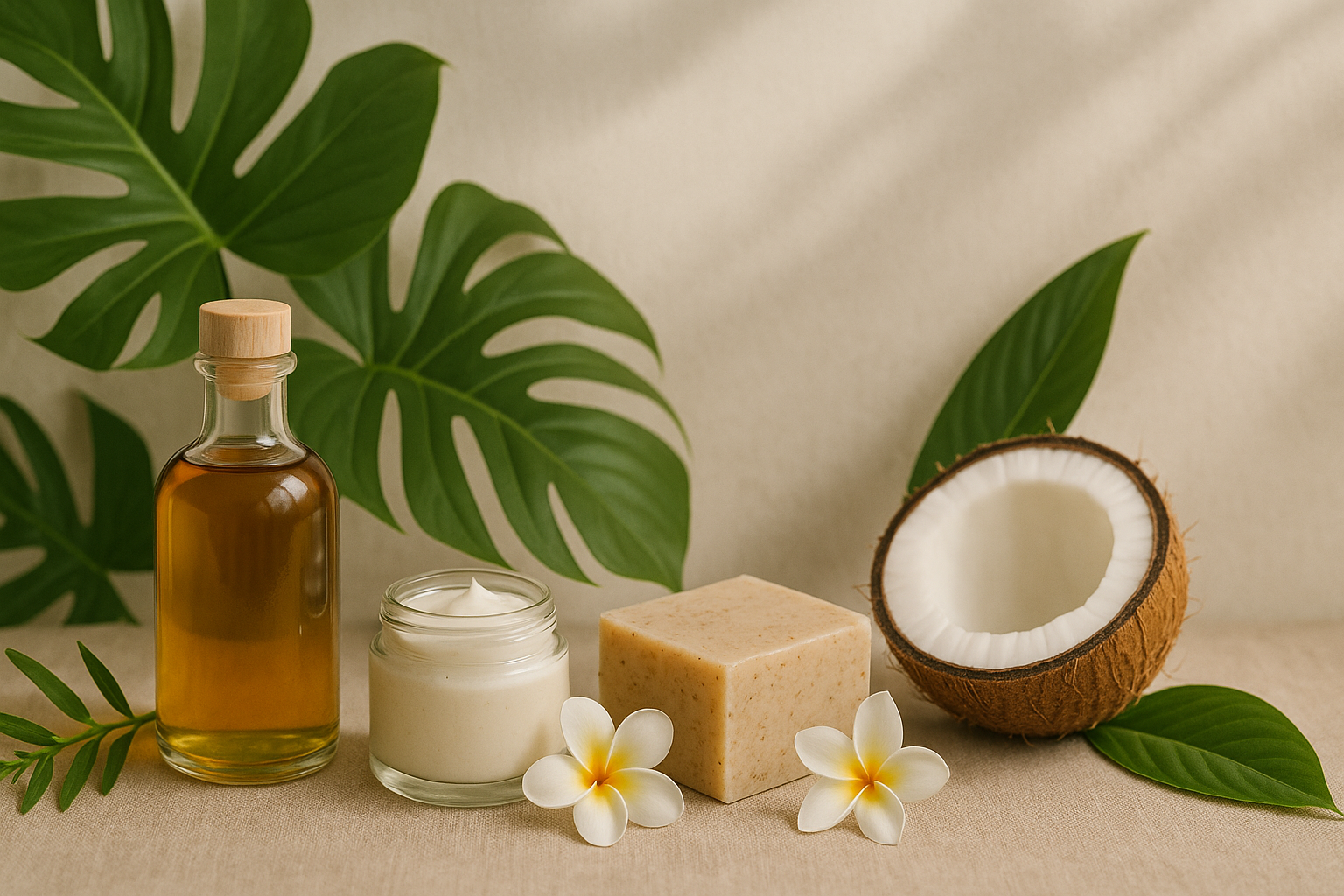
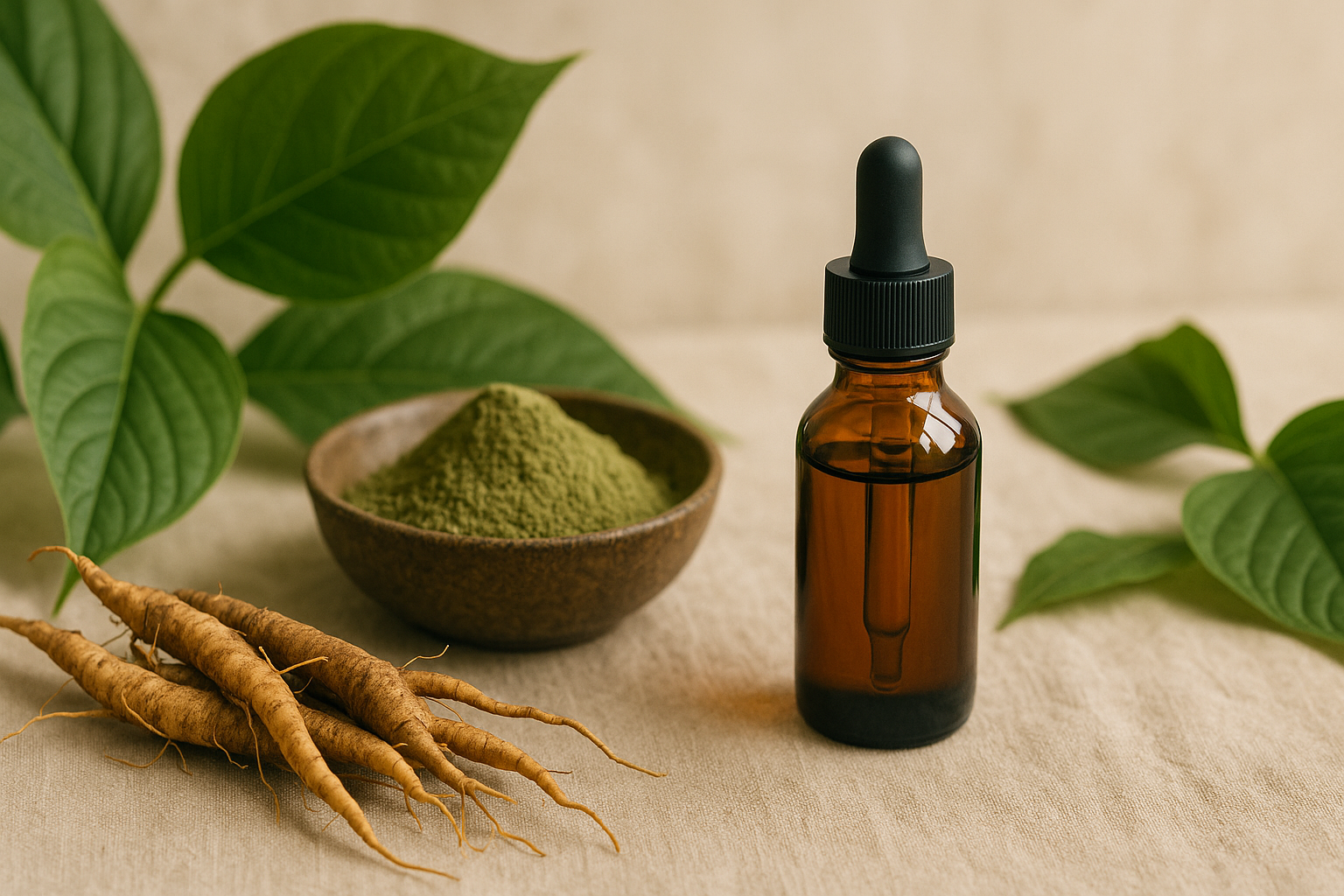
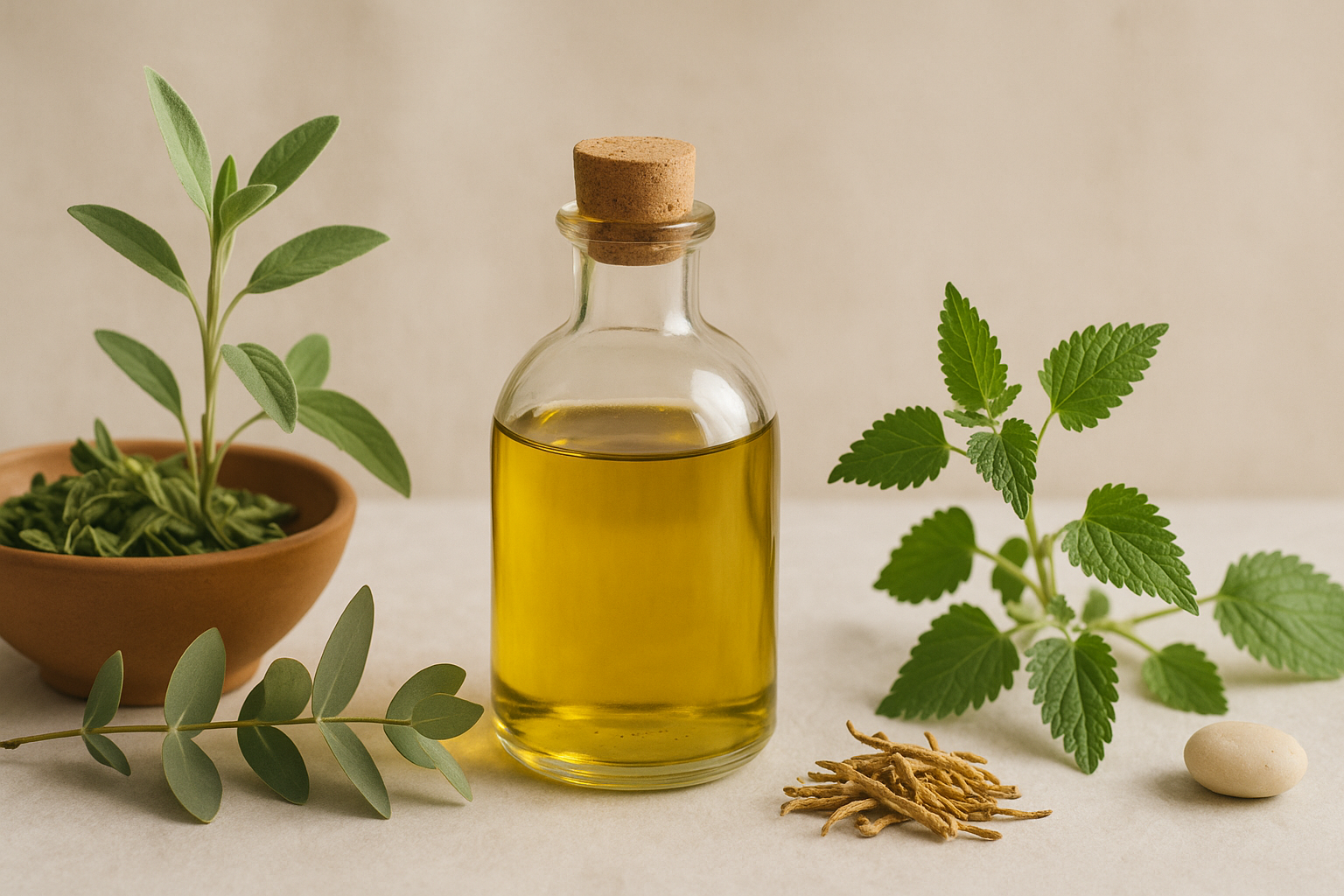
Herbal oils are concentrated extracts derived from various plants, using methods that harness the healing properties of these botanicals. In the context of Polynesian Medicine, these oils are often utilized for their aromatic and therapeutic qualities, believed to promote physical, emotional, and spiritual well-being. The processes to create these oils may involve techniques such as cold pressing, distillation, or infusion, preserving the essence of the plants and their beneficial compounds.
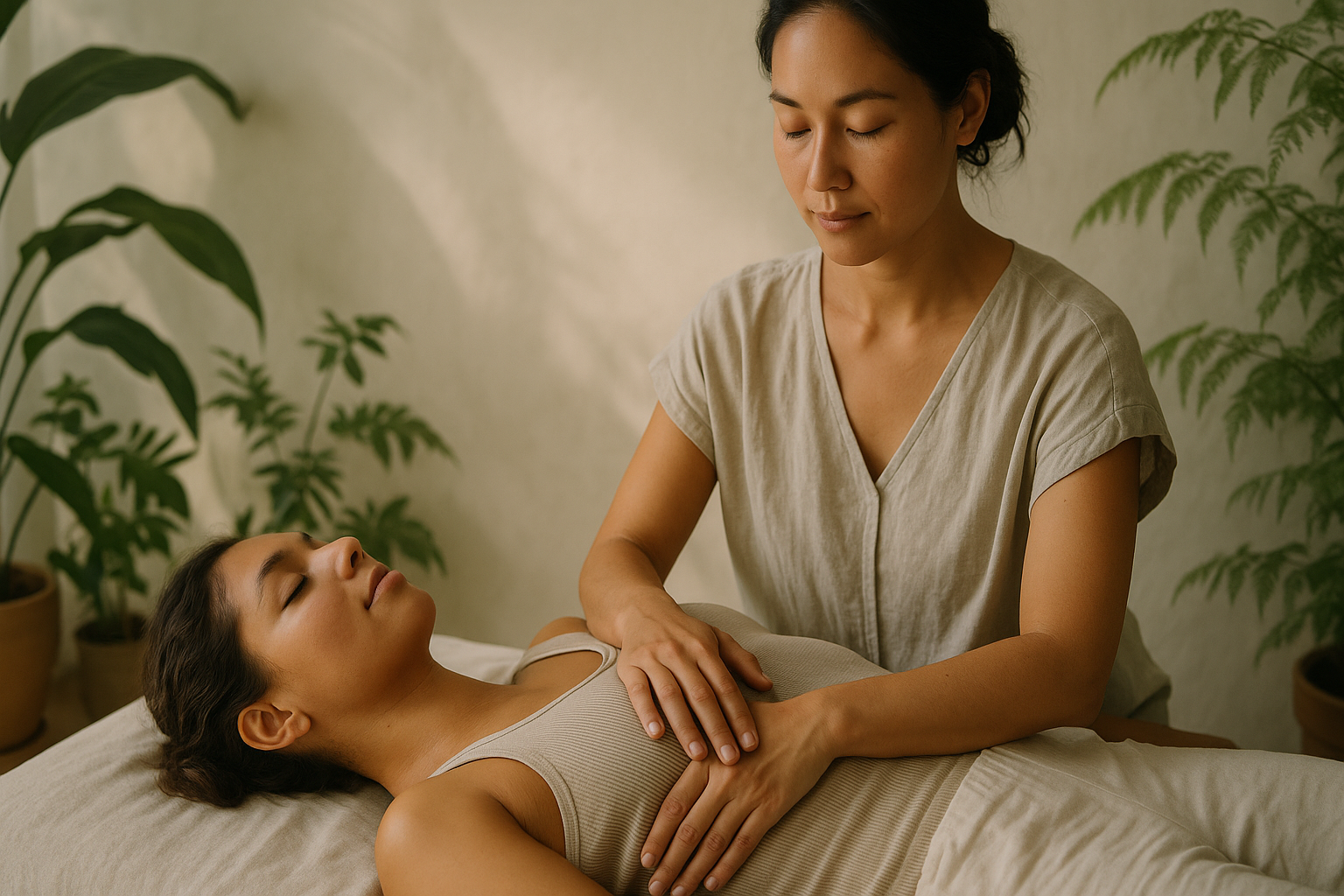
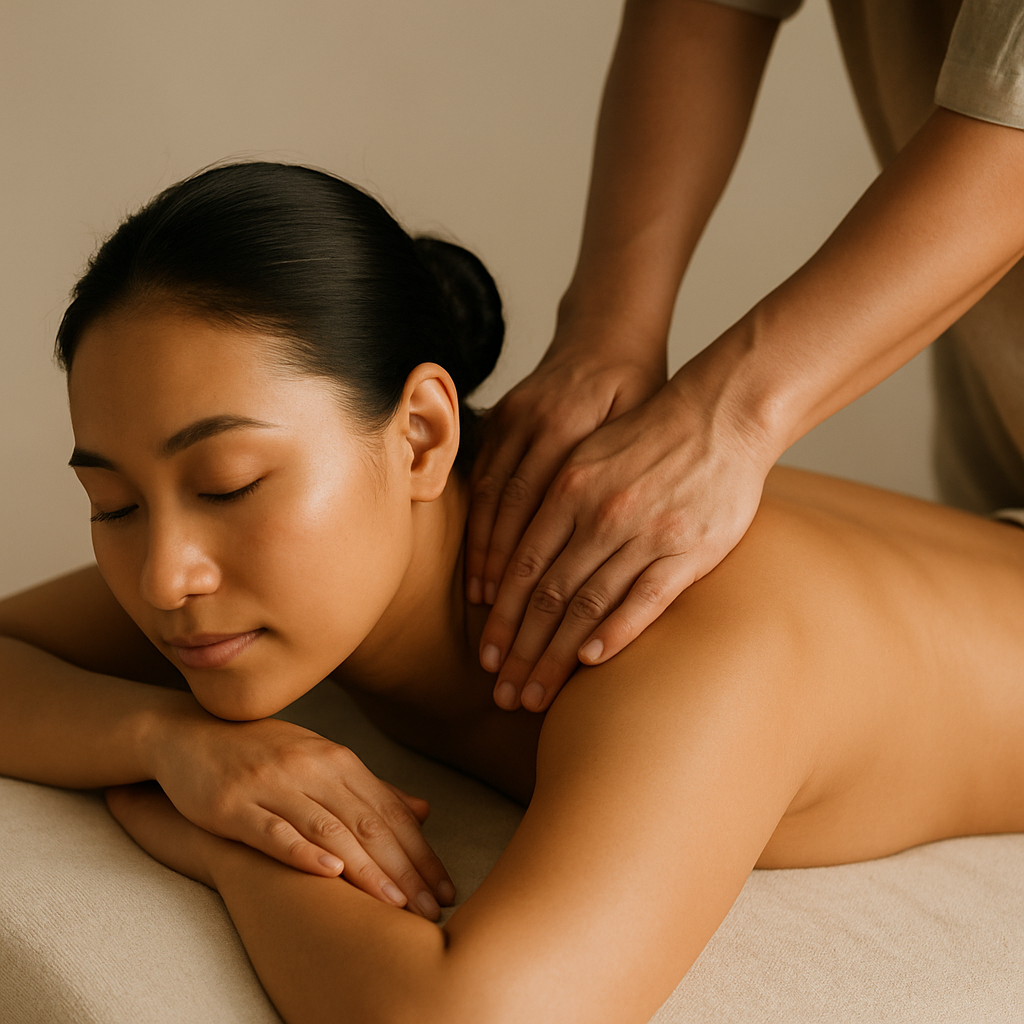
In Polynesian culture, herbal oils are not merely used for their fragrance but are integral to various healing practices. They are employed in rituals, massage, and as a part of daily health regimens. The oils can carry the essence of native flora, each with unique properties that can aid in balancing the body and spirit.
Historical Context Within Polynesian Medicine
The use of herbal oils has deep roots in Polynesian Medicine, a practice that dates back centuries. It emerged as part of a holistic approach to health that intertwines physical, emotional, and spiritual dimensions. Traditional healers, known as kahuna, played a crucial role in developing these practices, passing down knowledge through generations.
Historically, the indigenous people of Polynesia relied on their environment, using the abundant plant life to create oils that supported their health and well-being. This rich tradition reflects a profound understanding of nature and its offerings, emphasizing the interconnectedness of all life and the importance of maintaining balance.
How It's Practiced
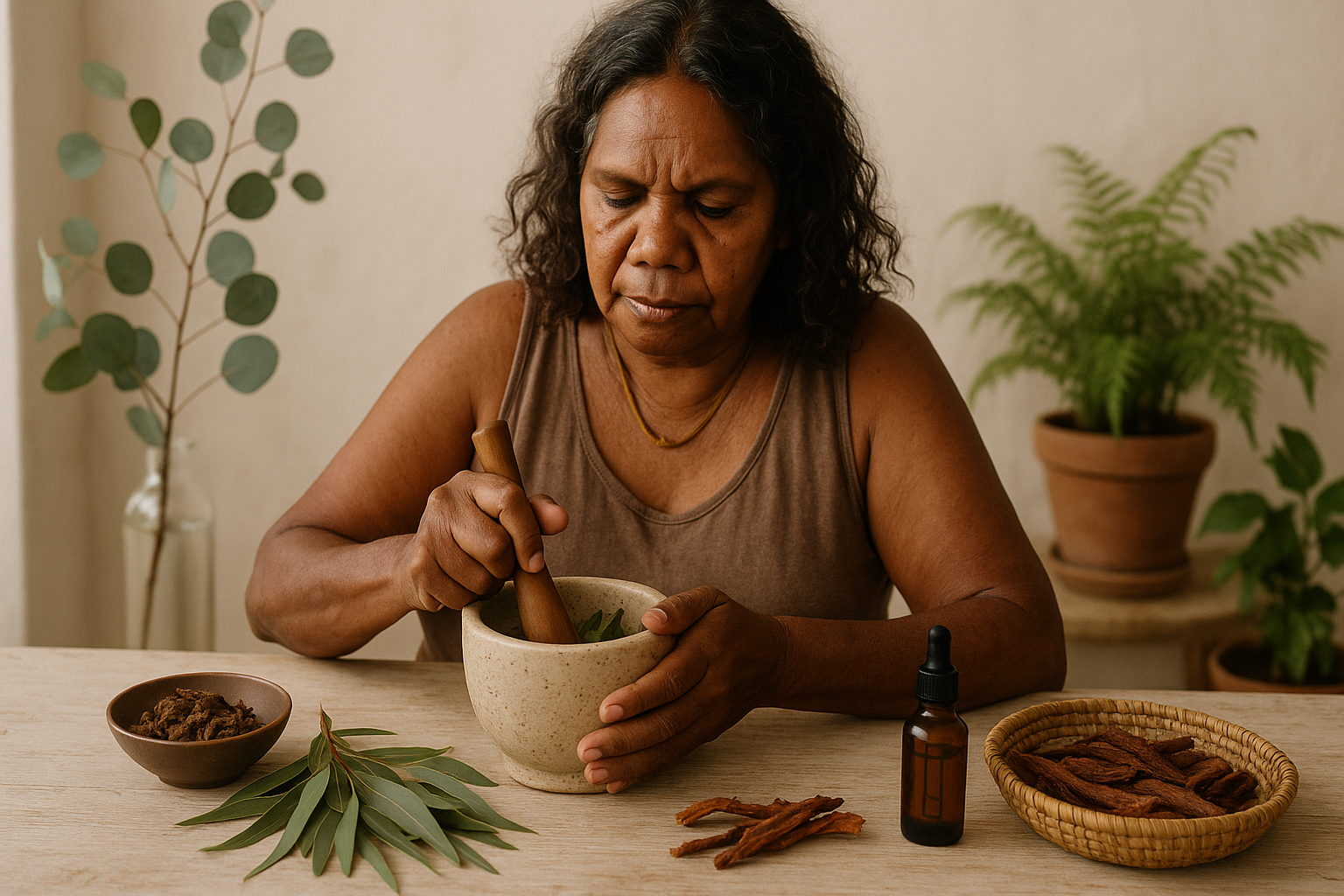
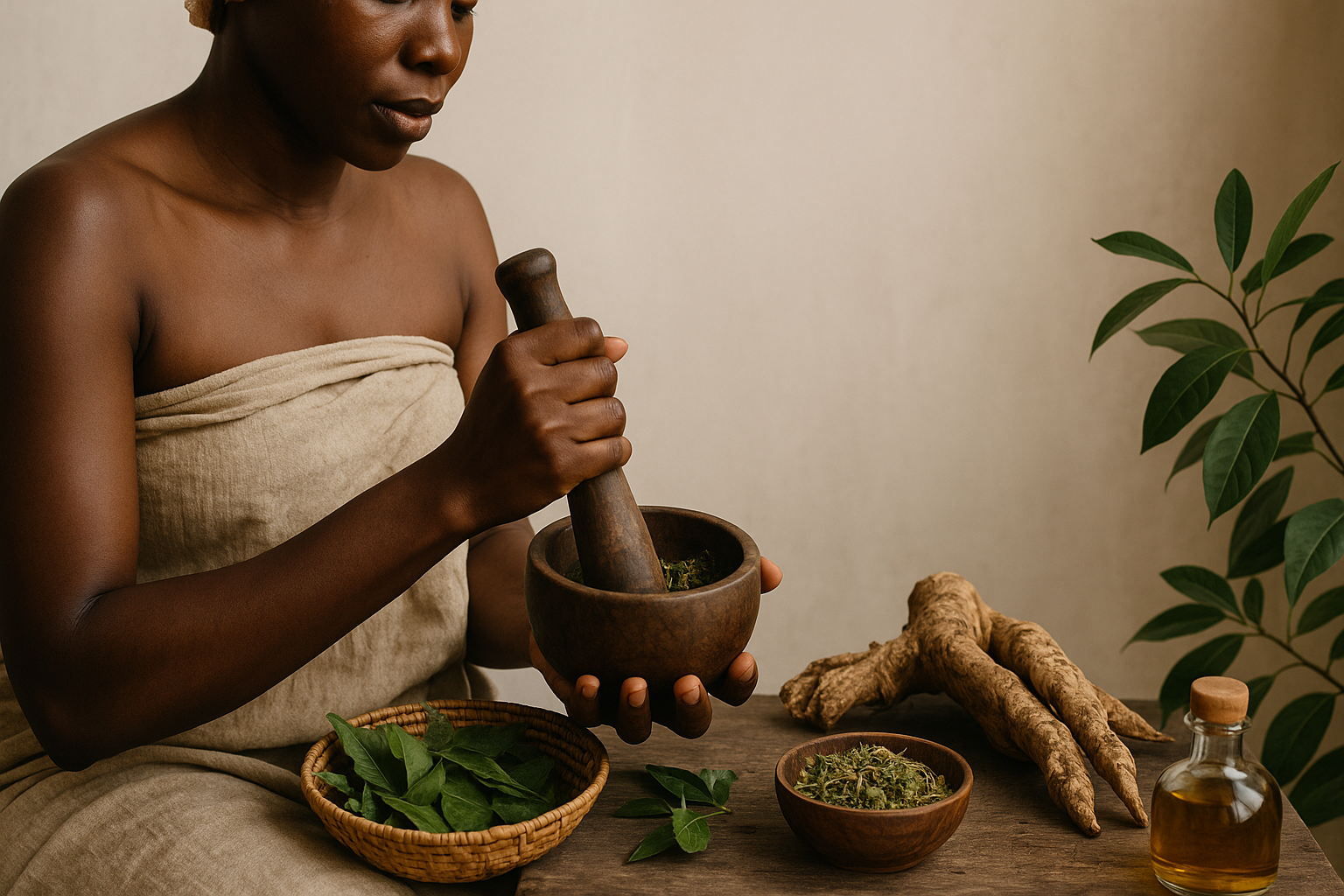
The practice of using herbal oils in Polynesian Medicine involves several steps, typically carried out by trained practitioners. Here is a simplified overview of the process:
- Selection of Plants: Practitioners choose specific plants based on their traditional uses and the intended therapeutic outcome.
- Extraction: The chosen plants are processed to extract their oils, using methods like cold pressing or steam distillation.
- Formulation: The extracted oils may be blended with carrier oils or other herbal ingredients to enhance their efficacy.
- Application: The final product can be applied topically, used in massage, or integrated into rituals as needed.
- Education: Practitioners often educate clients about the proper use and benefits of the oils.
What It Is Traditionally Explored For
Herbal oils in Polynesian Medicine are traditionally used for a variety of purposes, focusing on holistic health. Common goals include:
- Promoting relaxation and reducing stress.
- Supporting skin health and healing minor wounds.
- Enhancing emotional well-being and balance.
- Aiding respiratory health through aromatic inhalation.
- Facilitating spiritual connection and grounding.
What Modern Research Suggests
Contemporary studies have begun to explore the potential benefits of herbal oils, aligning with traditional uses but requiring further validation. Preliminary research indicates that certain essential oils possess antimicrobial, anti-inflammatory, and calming properties. For example, specific oils like coconut oil and those from native plants have shown promise in supporting skin health and reducing symptoms of anxiety.
While the scientific community recognizes these potential benefits, it is important to approach findings with caution. Many studies are still in early stages, and further clinical trials are necessary to establish efficacy and safety comprehensively. The integration of traditional knowledge with modern research continues to foster interest in herbal oils and their applications.
Safety, Contraindications & Who Should Skip
While herbal oils can offer benefits, safety is paramount. Here are some considerations:
- Essential oils should be used with caution, as some may cause skin irritation or allergic reactions.
- Pregnant or breastfeeding women should consult a healthcare professional before using herbal oils.
- Individuals with specific health conditions or those taking medication should seek advice from a qualified practitioner.
- Always conduct a patch test before applying new oils to the skin.
Pairs Well With (within Polynesian Medicine and across pillars)
Herbal oils complement other practices and ingredients in Polynesian Medicine, including:
- Traditional massage techniques.
- Herbal poultices and tinctures.
- Ritualistic practices and ceremonies.
- Other natural remedies such as teas and infusions.
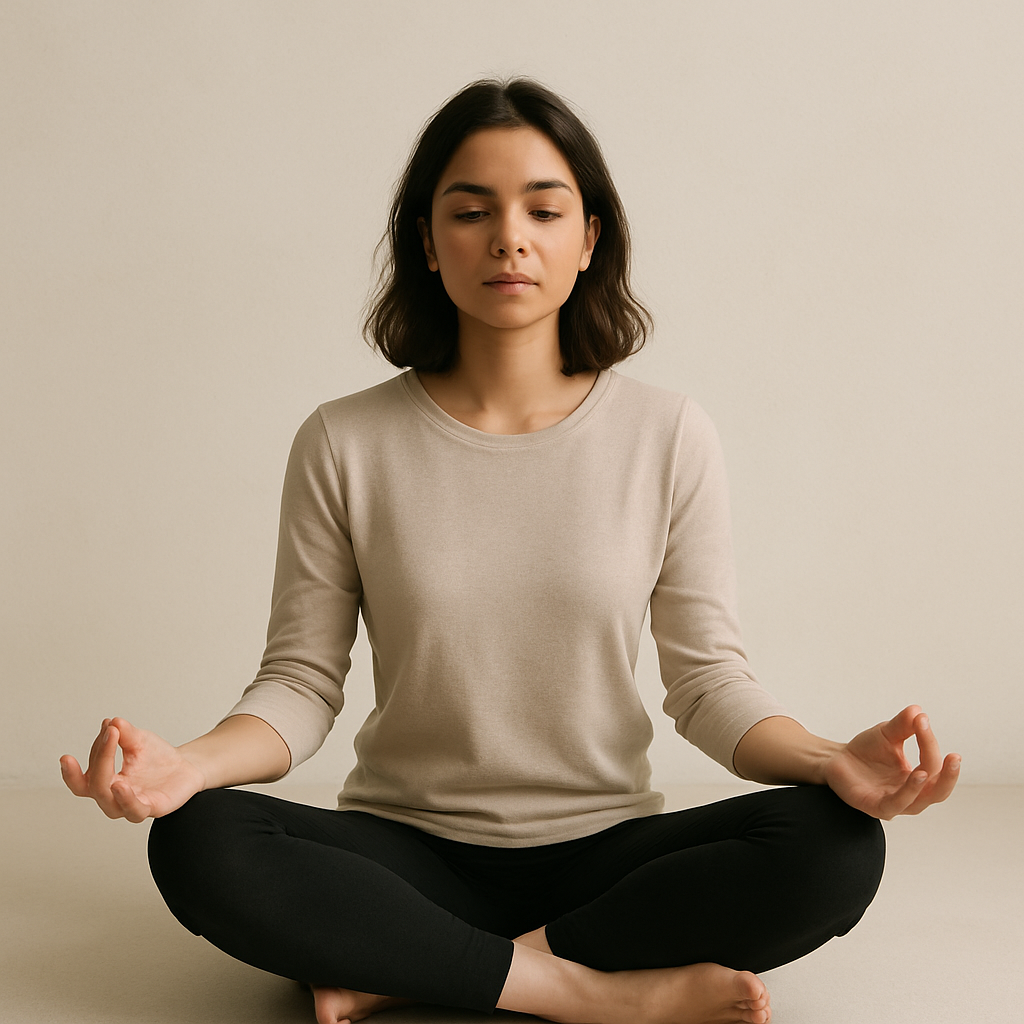
- Mindfulness and breathwork practices.
How to Find a Qualified Practitioner
Finding a qualified practitioner in herbal oils within Polynesian Medicine can be achieved through several steps:
- Seek referrals from trusted sources or community members.
- Research local practitioners with experience in traditional healing methods.
- Verify credentials and training in herbal medicine.
- Schedule a consultation to discuss your needs and evaluate compatibility.
FAQs
- What are herbal oils? Herbal oils are concentrated extracts from plants, used for their therapeutic properties.
- How are herbal oils made? They are typically made through processes like cold pressing or steam distillation.
- What can herbal oils be used for? Traditionally, they have been used for relaxation, skin health, emotional balance, and spiritual purposes.
- Are there any risks associated with herbal oils? Yes, some oils can cause skin irritation or allergic reactions. It is advisable to consult a practitioner.
- How can I find a practitioner of Polynesian herbal oils? Look for referrals, research qualifications, and schedule a consultation to ensure they meet your needs.
Frequently asked
What are herbal oils?
Herbal oils are concentrated extracts from plants, used for their therapeutic properties.
How are herbal oils made?
They are typically made through processes like cold pressing or steam distillation.
What can herbal oils be used for?
Traditionally, they have been used for relaxation, skin health, emotional balance, and spiritual purposes.
Are there any risks associated with herbal oils?
Yes, some oils can cause skin irritation or allergic reactions. It is advisable to consult a practitioner.
How can I find a practitioner of Polynesian herbal oils?
Look for referrals, research qualifications, and schedule a consultation to ensure they meet your needs.