Breathwork
Discover the significance of Breathwork in Polynesian Medicine, its historical context, practices, and potential benefits.
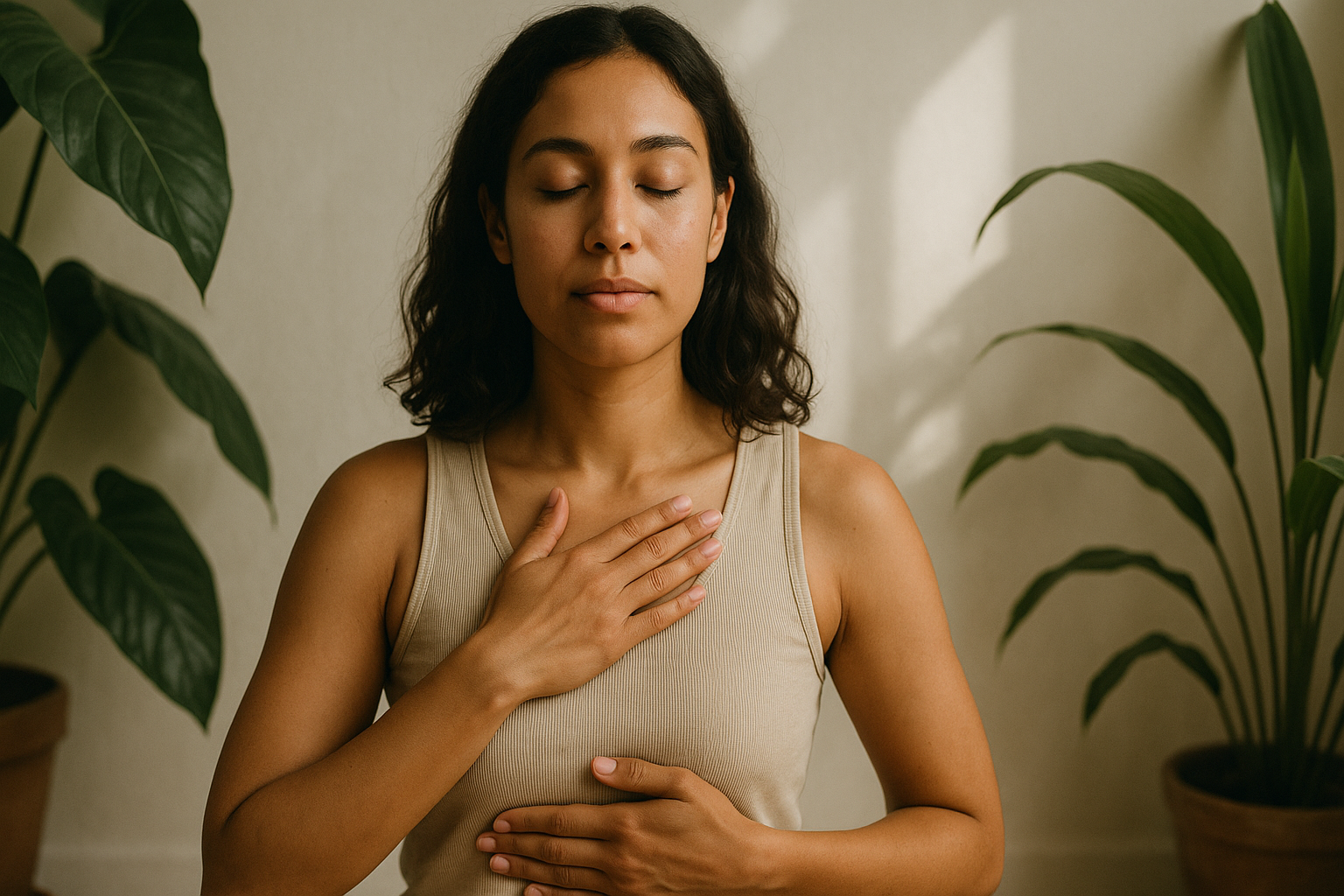
Explore the ancient practice of Breathwork within Polynesian Medicine, its historical roots, modern applications, and safety considerations.
What It Is
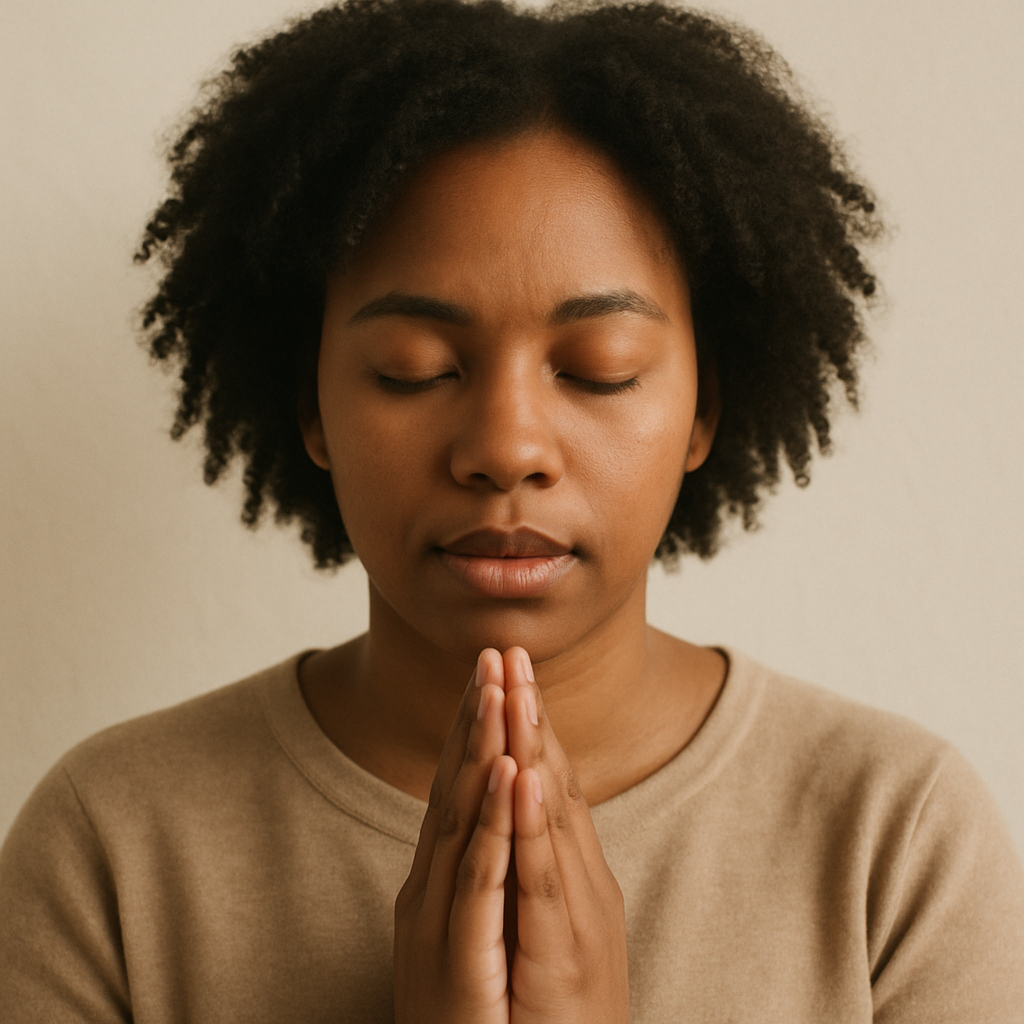
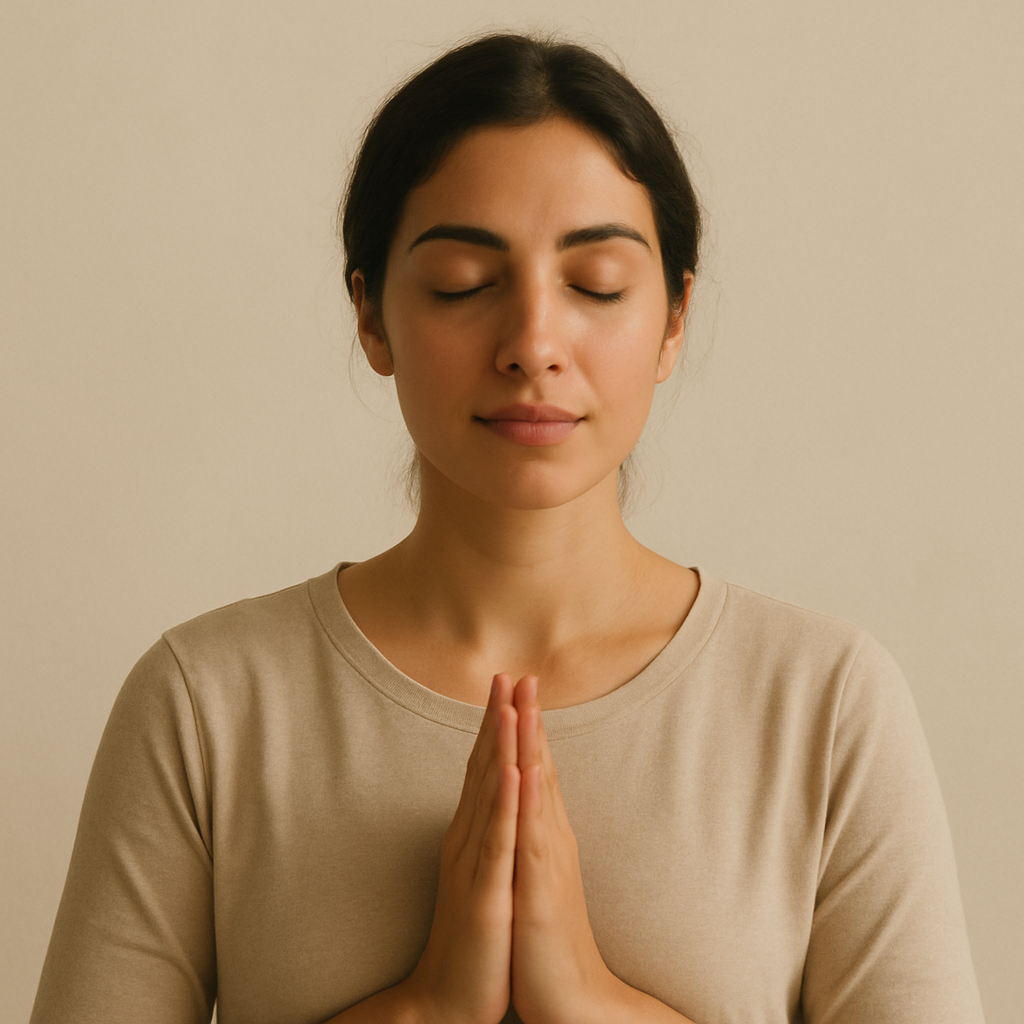
Breathwork is a holistic practice that emphasizes the conscious control of breathing patterns to enhance physical, emotional, and spiritual well-being. Within the tradition of Polynesian Medicine, breathwork is more than just a technique; it is a vital component of healing that connects the individual to their environment, ancestors, and the spiritual realm. This practice involves various breathing techniques that can induce relaxation, focus, and inner peace.
At its core, breathwork in Polynesian culture embodies the belief that breath, or "ha," is the life force that sustains all living beings. The act of breathing is viewed as a sacred gift that can be harnessed to promote healing and balance within the body and mind. Breathwork practitioners guide individuals through specific breathing exercises designed to facilitate self-awareness and emotional release, ultimately fostering a deeper connection to oneself and the universe.
Historical Context Within Polynesian Medicine
Breathwork has been practiced for centuries within Polynesian Medicine, emerging as an integral aspect of the broader healing traditions of the region. It was developed by ancient Polynesian healers, known as kahunas, who were revered for their knowledge of natural healing methods and their ability to connect with spiritual energies. These practitioners utilized breathwork as a means to channel mana, or spiritual power, for healing purposes.
The historical context of breathwork is deeply intertwined with the cultural and spiritual beliefs of Polynesian societies. The kahunas taught that breath not only sustains life but also serves as a bridge between the physical and spiritual realms. This practice has been passed down through generations, often integrated with other healing modalities, to foster holistic well-being among individuals and communities.
How It's Practiced
Practicing breathwork within Polynesian Medicine typically involves the following steps:
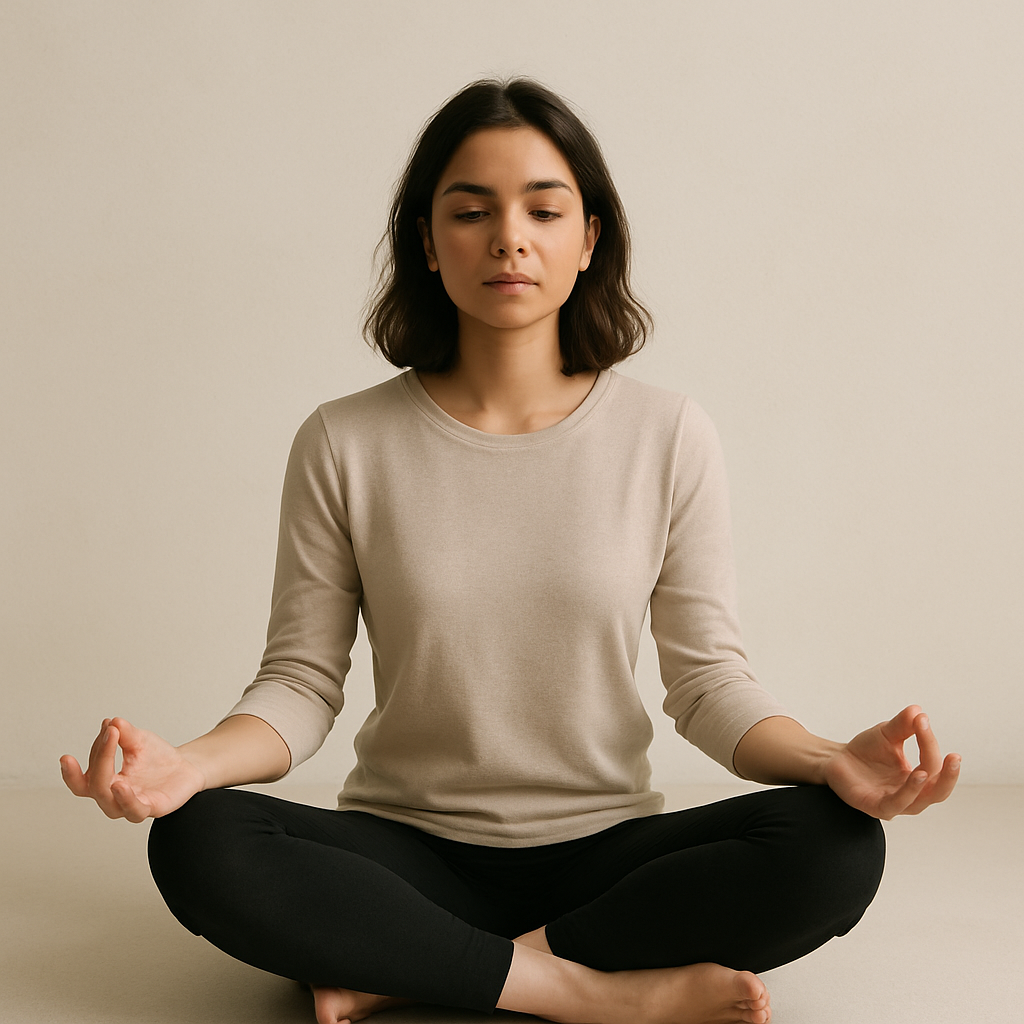
- Preparation: Find a quiet, comfortable space where you can focus on your breathing without distractions.
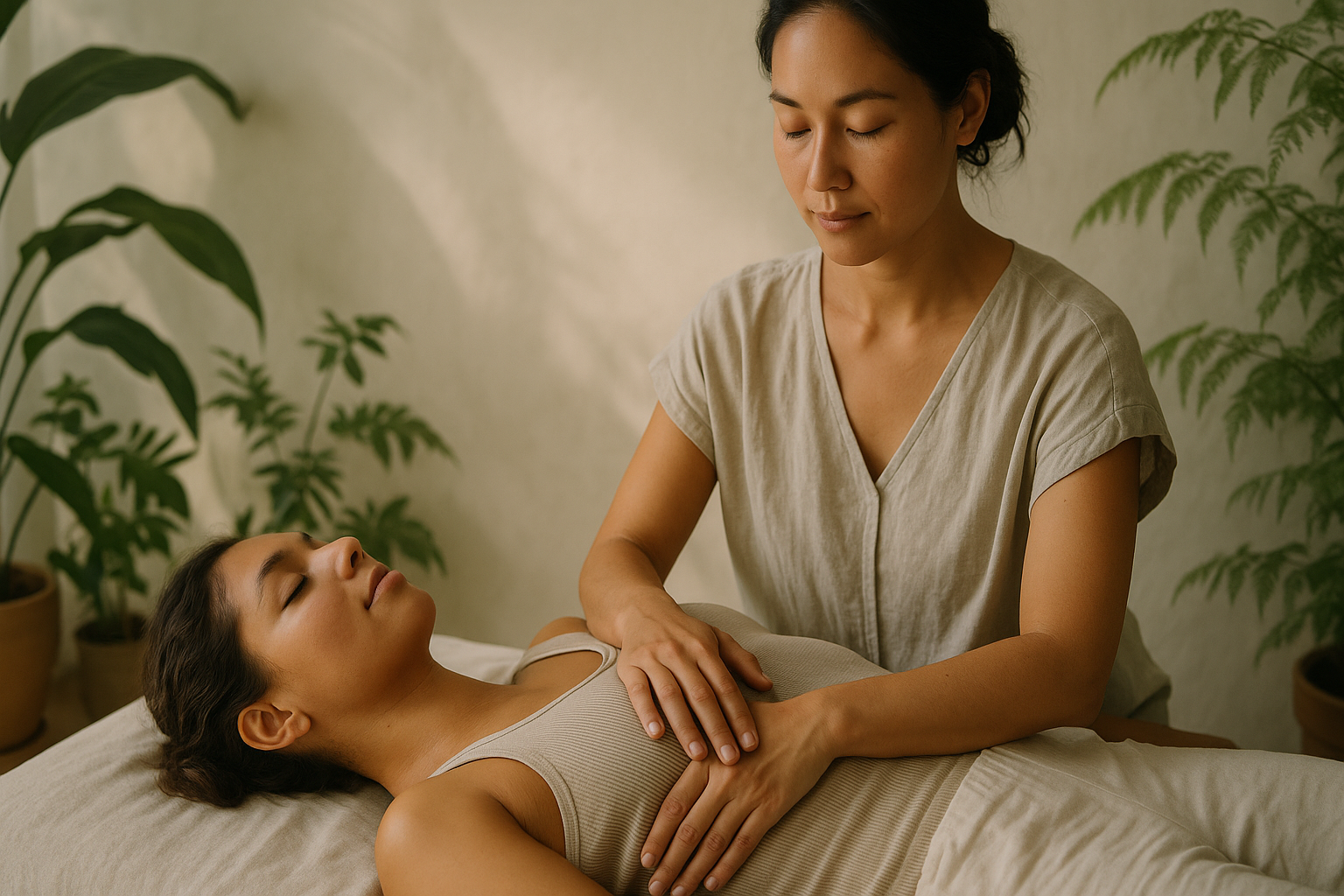
- Guidance: Work with a qualified practitioner who understands the traditions and techniques of Polynesian breathwork.
- Breathing Techniques: Engage in various breathing exercises, such as deep abdominal breathing, rhythmic inhalation and exhalation, or specific patterns that align with spiritual intentions.
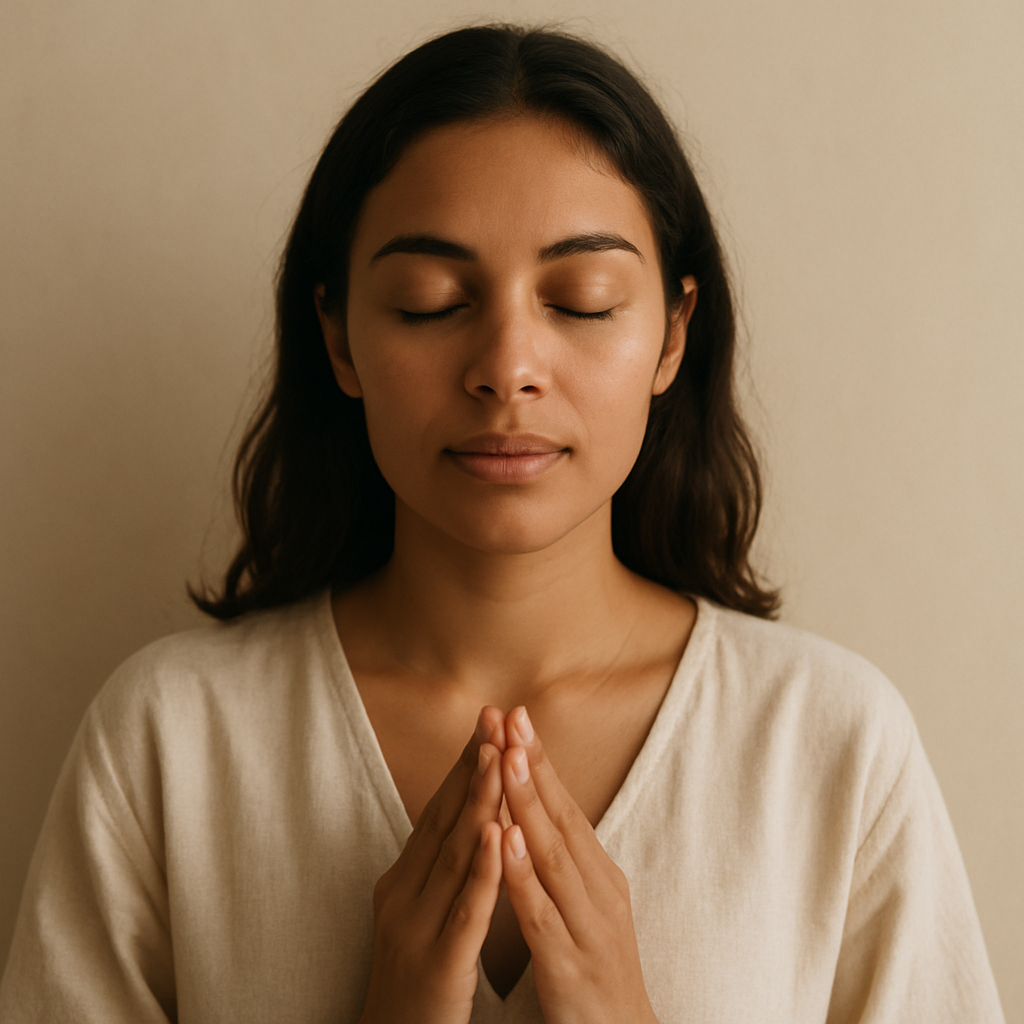
- Mindfulness: As you breathe, cultivate awareness of your thoughts, emotions, and physical sensations. This may involve visualizations or affirmations to enhance the experience.
- Integration: Conclude the session by reflecting on any insights gained and allowing yourself to return gradually to your normal state of awareness.
What It Is Traditionally Explored For
Breathwork in Polynesian Medicine is traditionally used for various purposes, including:
- Promoting relaxation and stress relief
- Enhancing emotional release and processing
- Facilitating spiritual connection and awareness
- Supporting physical health and vitality
- Encouraging personal growth and self-discovery
While individual experiences may vary, many practitioners report a sense of clarity and emotional balance following breathwork sessions.
What Modern Research Suggests
Modern research into breathwork has begun to uncover its potential benefits and applications. Preliminary studies suggest that conscious breathing techniques can help reduce anxiety, improve emotional regulation, and enhance overall well-being. Some clinical trials indicate that breathwork may positively affect physiological parameters, such as heart rate variability and stress hormone levels.
However, it is essential to approach these findings with caution, as further research is needed to establish definitive conclusions regarding the efficacy of breathwork. While the existing evidence is promising, it is crucial to consider individual responses and the context in which breathwork is practiced.
Safety, Contraindications & Who Should Skip
While breathwork is generally considered safe for most individuals, certain precautions should be taken:
- Individuals with respiratory conditions, such as asthma or COPD, should consult a healthcare professional before engaging in breathwork.
- Those with a history of severe anxiety, panic attacks, or psychological disorders may benefit from guidance when practicing breathwork.
- Pregnant individuals should seek advice from a qualified practitioner to ensure the safety of specific breathing techniques.
Pairs Well With (within Polynesian Medicine and across pillars)
Breathwork can be effectively combined with the following modalities in Polynesian Medicine:
- Herbal remedies
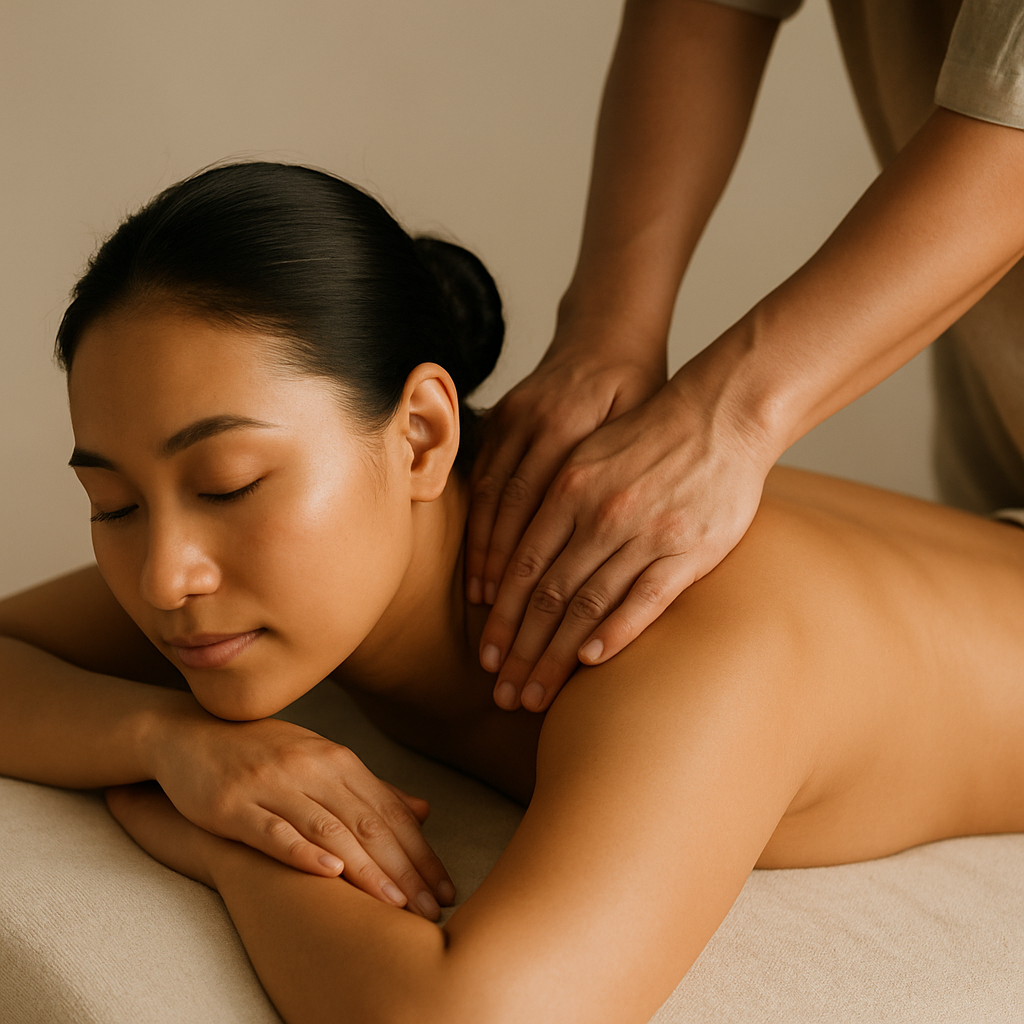
- Massage and bodywork
- Spiritual rituals and ceremonies
- Traditional Hawaiian hula and dance
Across various wellness traditions, breathwork also pairs well with yoga, meditation, and mindfulness practices.
How to Find a Qualified Practitioner
To find a qualified breathwork practitioner within the tradition of Polynesian Medicine, consider the following steps:
- Research local holistic health centers or practitioners specializing in Polynesian healing.
- Look for credentials or certifications in breathwork and Polynesian Medicine.
- Seek recommendations from trusted sources or community members.
- Schedule a consultation to discuss your goals and ensure a good fit with the practitioner.
FAQs (5)
What is breathwork?
Breathwork is a practice that involves conscious control of breathing patterns to enhance physical, emotional, and spiritual well-being.
How does breathwork fit into Polynesian Medicine?
Breathwork is an integral aspect of Polynesian Medicine, utilized by ancient healers to connect individuals with their life force and promote healing.
What are the benefits of breathwork?
Traditionally, breathwork is explored for relaxation, emotional release, spiritual connection, and personal growth.
Is breathwork safe for everyone?
While generally safe, individuals with specific health conditions should consult a healthcare professional before practicing breathwork.
How can I find a breathwork practitioner?
Look for practitioners with experience in Polynesian Medicine and breathwork, and consider scheduling a consultation to discuss your needs.
Frequently asked
What is breathwork?
Breathwork is a practice that involves conscious control of breathing patterns to enhance physical, emotional, and spiritual well-being.
How does breathwork fit into Polynesian Medicine?
Breathwork is an integral aspect of Polynesian Medicine, utilized by ancient healers to connect individuals with their life force and promote healing.
What are the benefits of breathwork?
Traditionally, breathwork is explored for relaxation, emotional release, spiritual connection, and personal growth.
Is breathwork safe for everyone?
While generally safe, individuals with specific health conditions should consult a healthcare professional before practicing breathwork.
How can I find a breathwork practitioner?
Look for practitioners with experience in Polynesian Medicine and breathwork, and consider scheduling a consultation to discuss your needs.