Holistic Wellness
Discover the principles of holistic wellness in Polynesian medicine, its historical context, practices, and modern implications.
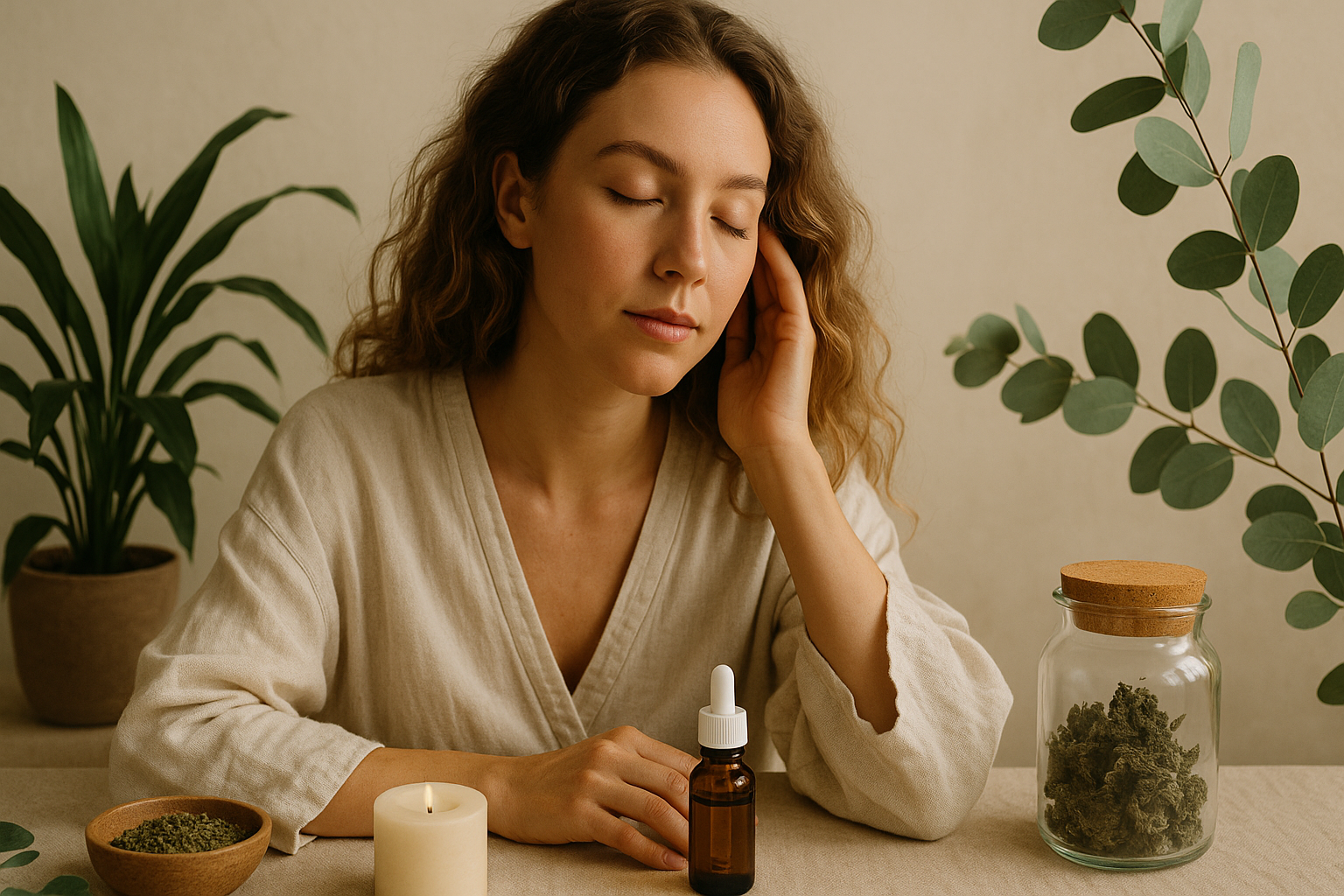
Explore the holistic wellness practices within Polynesian medicine, a tradition rich in ancient wisdom that emphasizes the interconnectedness of body, mind, and spirit.
What It Is
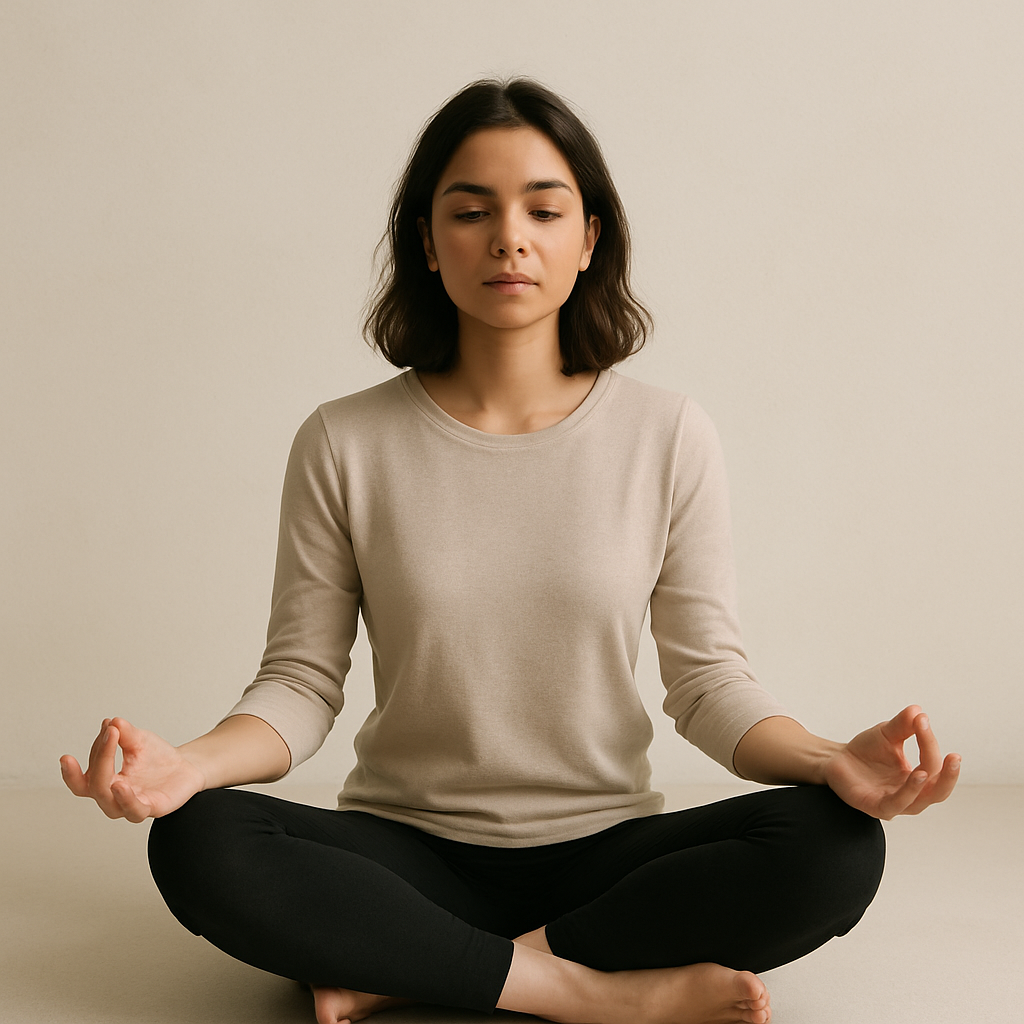
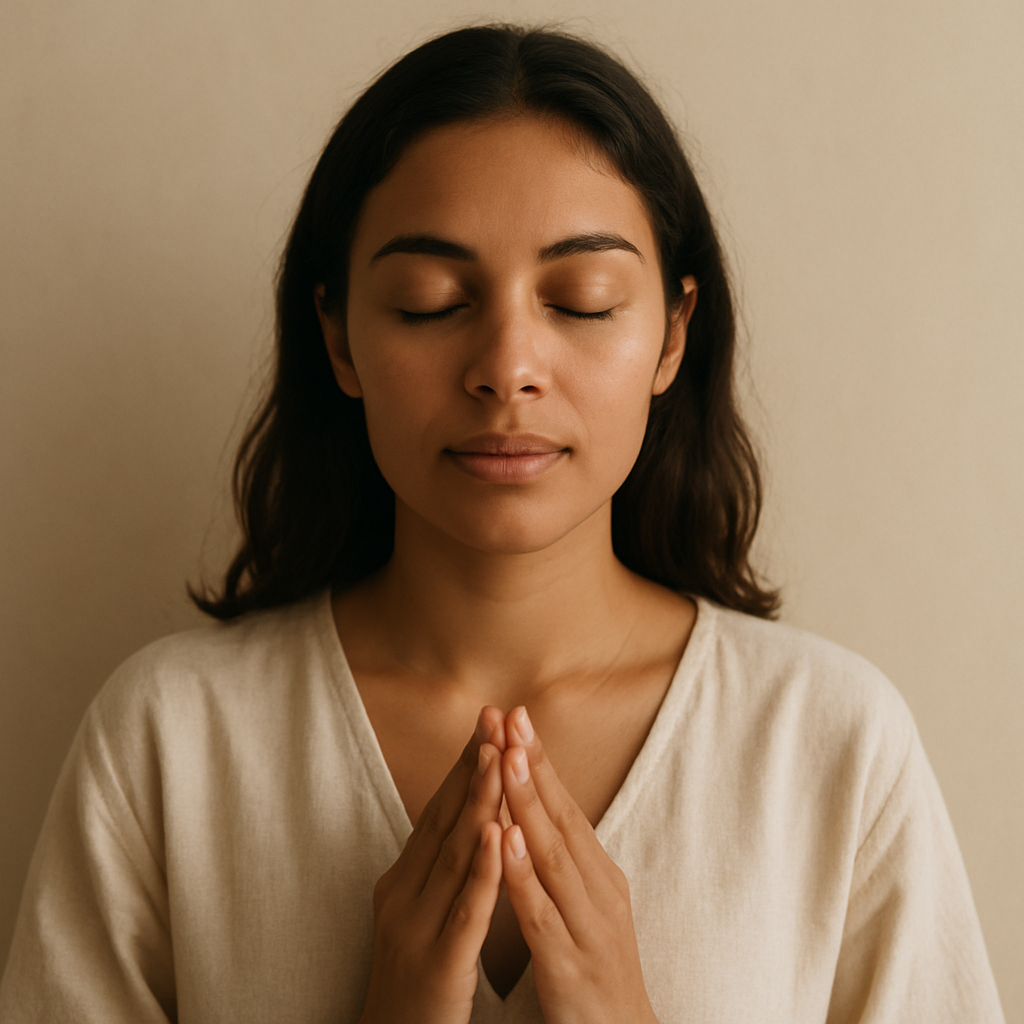
Holistic wellness in Polynesian medicine is an integrative approach that emphasizes the balance and interconnectedness of the body, mind, and spirit. This practice recognizes that health is not merely the absence of disease but a dynamic state of well-being that encompasses various aspects of life. Practitioners believe that each individual is a unique entity influenced by their environment, culture, and personal experiences.
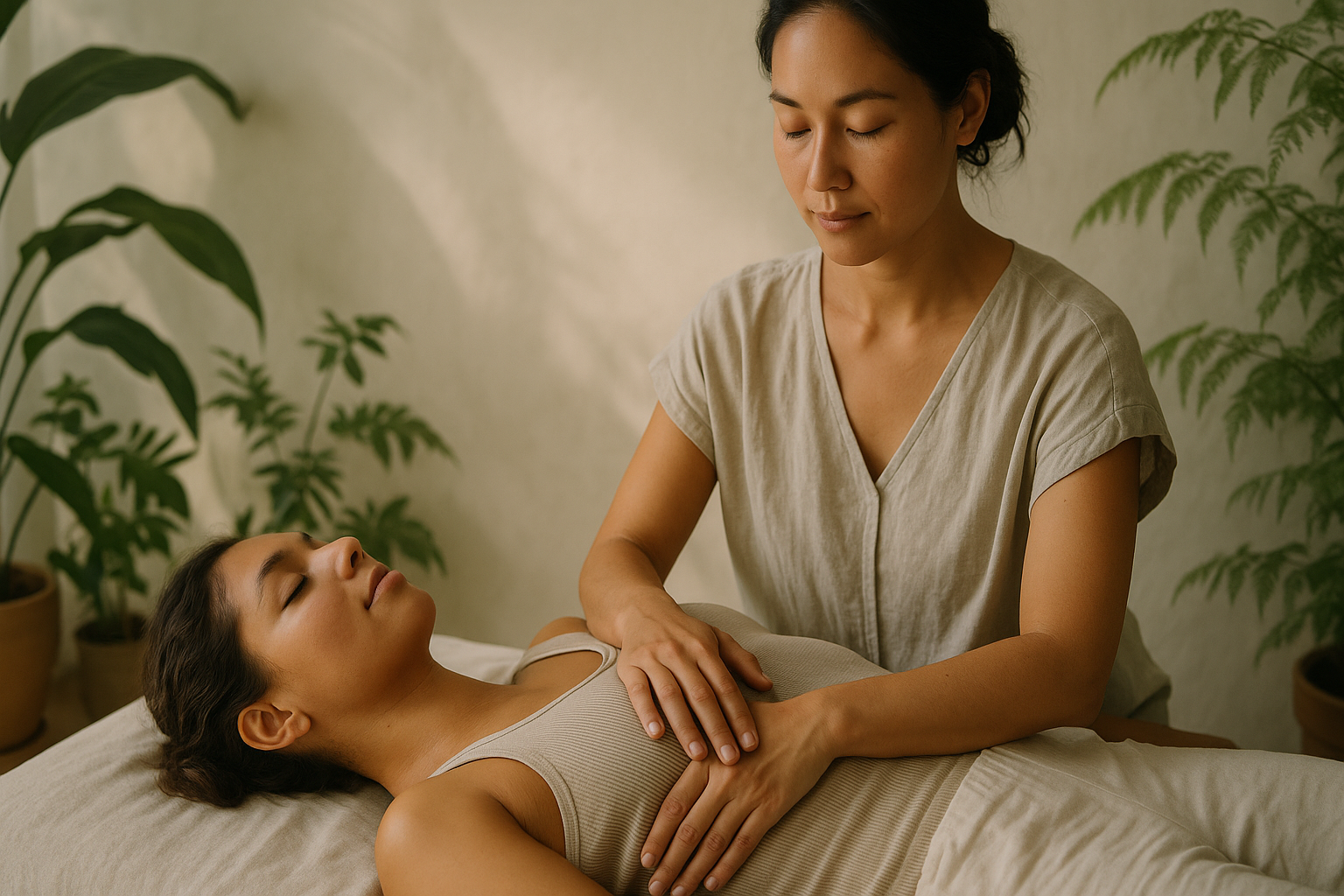
In this tradition, holistic wellness involves a range of practices and therapies that aim to restore harmony within the individual and their surroundings. This may include physical treatments, spiritual guidance, and lifestyle recommendations, all tailored to the individual's needs. The focus is on treating the whole person rather than just addressing specific symptoms or illnesses.
Historical Context Within Polynesian Medicine
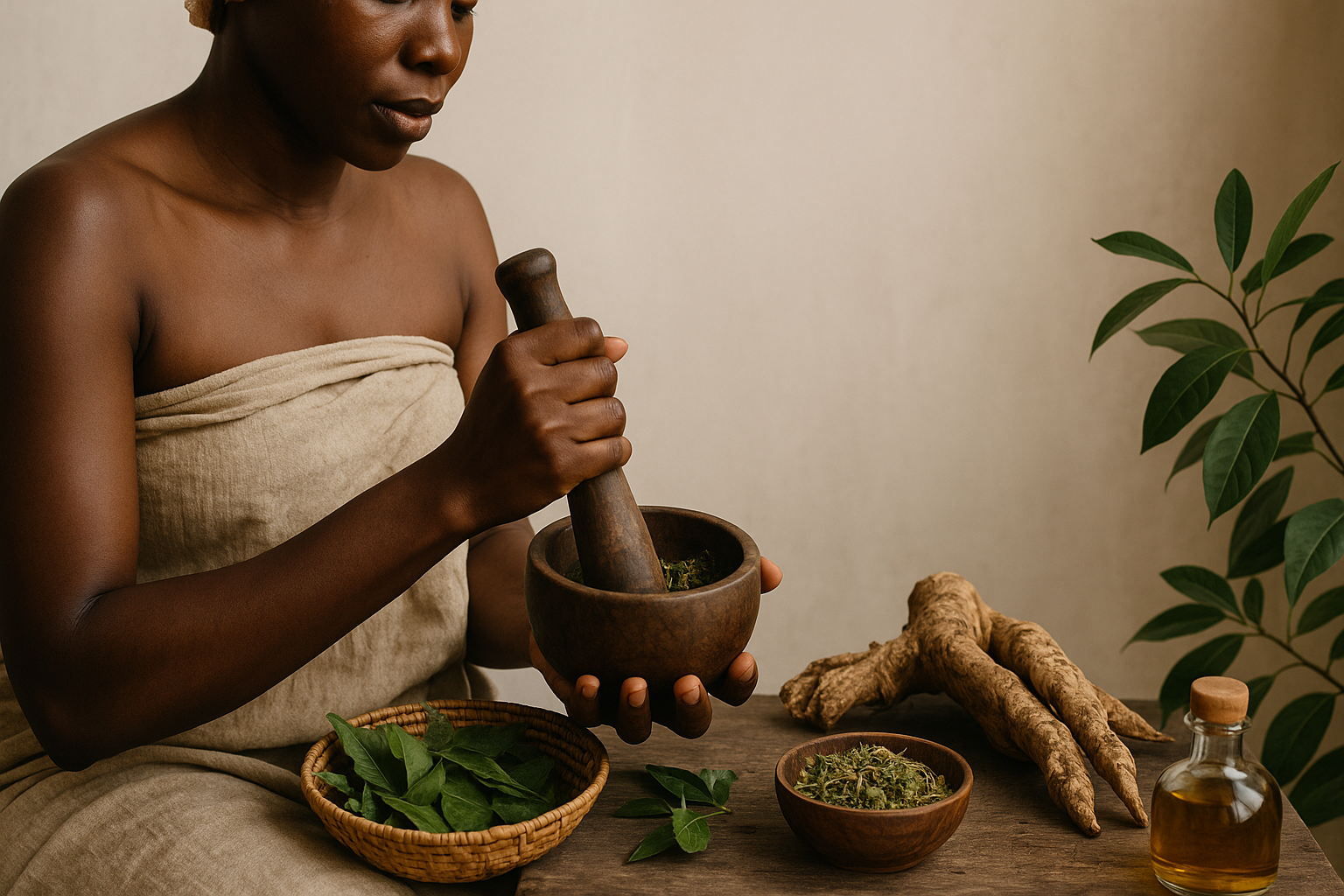
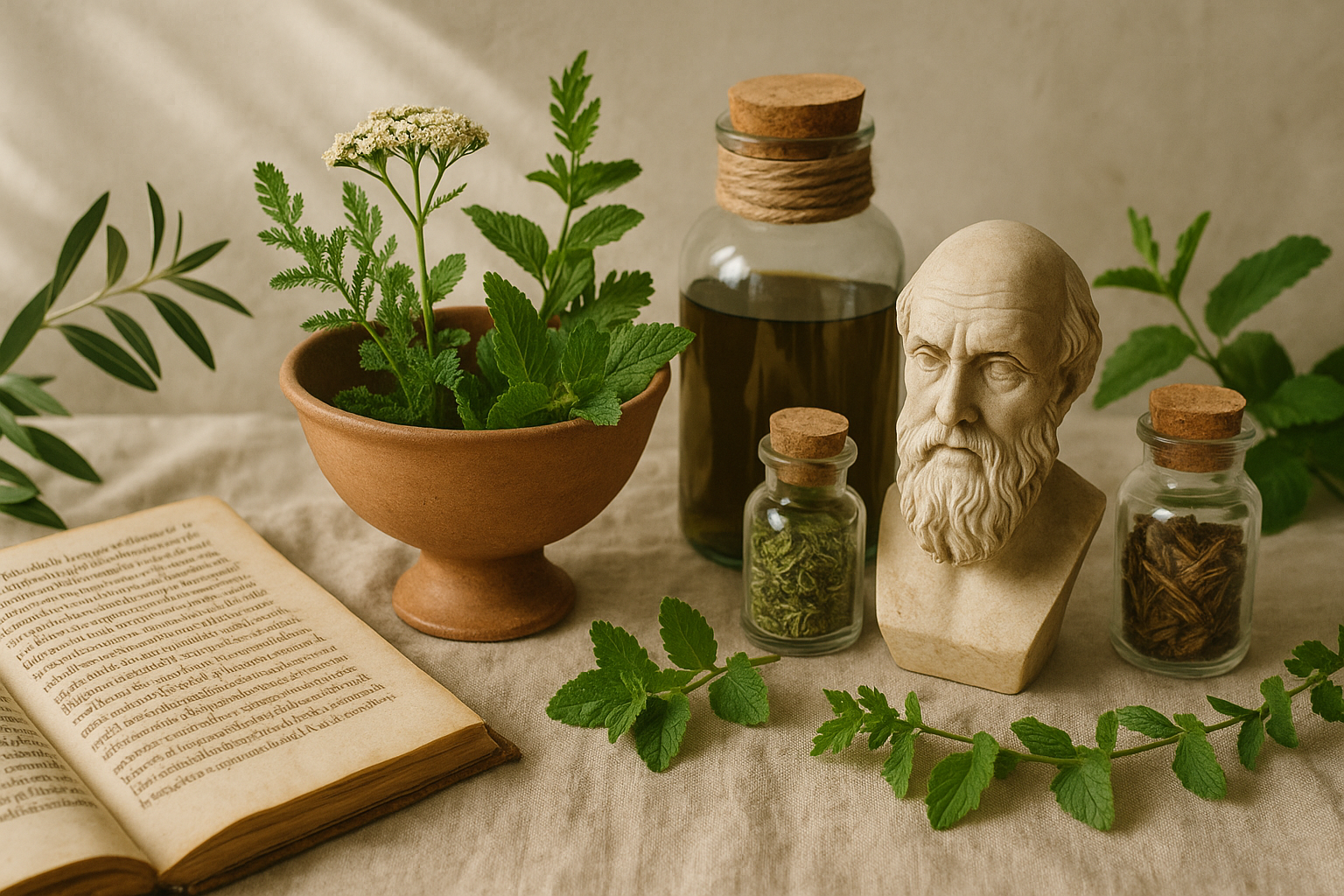
Holistic wellness has its roots in the ancient practices of Polynesian medicine, which emerged thousands of years ago across the islands of the Pacific. This tradition was developed by ancestral healers known as kahunas, who were regarded as experts in various fields, including healing, agriculture, and spirituality. The kahunas passed down their knowledge orally through generations, creating a rich tapestry of practices that integrated physical, mental, and spiritual health.
As Polynesian societies evolved, so did their understanding of wellness. The holistic approach became a fundamental aspect of their culture, reflecting the belief that health is intricately connected to the community and the natural world. This perspective remains vital in contemporary Polynesian healing practices, where the wisdom of the past continues to inform modern applications.
How It's Practiced
Practitioners of holistic wellness in Polynesian medicine often follow a series of steps to assess and is traditionally explored for individuals. The process may include:
- Initial Consultation: The practitioner engages in a detailed discussion with the individual to understand their health history, lifestyle, and specific concerns.
- Holistic Assessment: This may involve physical examinations, pulse checks, and observations of the individual's energy and emotional state.
- Personalized Treatment Plan: Based on the assessment, the practitioner develops a tailored treatment plan that may include herbal remedies, dietary adjustments, and spiritual practices.
- Follow-Up Sessions: Regular check-ins are conducted to monitor progress and make necessary adjustments to the treatment plan.
What It Is Traditionally Explored For
Holistic wellness practices in Polynesian medicine have been traditionally used for various purposes, including:
- Enhancing overall well-being and vitality
- Promoting mental clarity and emotional balance
- Supporting recovery from illness or injury
- Addressing lifestyle-related conditions
- Encouraging spiritual growth and connection
While these practices are not substitutes for conventional medical treatment, they can complement existing therapies and provide a supportive framework for individuals seeking to improve their overall health.
What Modern Research Suggests
Recent studies exploring the principles of holistic wellness within Polynesian medicine have begun to shed light on its potential benefits. Preliminary research indicates that integrating traditional healing practices with modern health care may enhance patient outcomes, particularly in mental health and chronic disease management. For instance, the use of herbal remedies and mindfulness practices has been associated with reduced symptoms of anxiety and depression.
However, it is essential to approach this area of research with caution. While initial findings are promising, more rigorous clinical studies are needed to establish the efficacy and safety of these practices. As the integration of ancient wisdom and modern science continues, there is hope for a greater understanding of holistic wellness in the context of contemporary health care.
Safety, Contraindications & Who Should Skip
As with any wellness practice, it is crucial to consider safety and potential contraindications. Individuals who are pregnant, have underlying health conditions, or are currently taking medications should consult with a qualified health professional before engaging in holistic wellness practices. Additionally, those with allergies to specific herbs or ingredients used in treatments should exercise caution.
While holistic wellness can benefit many, it may not be suitable for everyone. Individuals seeking immediate medical intervention for serious conditions should prioritize conventional medical care and use holistic practices as complementary support.
Pairs Well With (within Polynesian Medicine and across pillars)
Holistic wellness can be effectively paired with several other modalities and practices within Polynesian medicine and beyond, including:
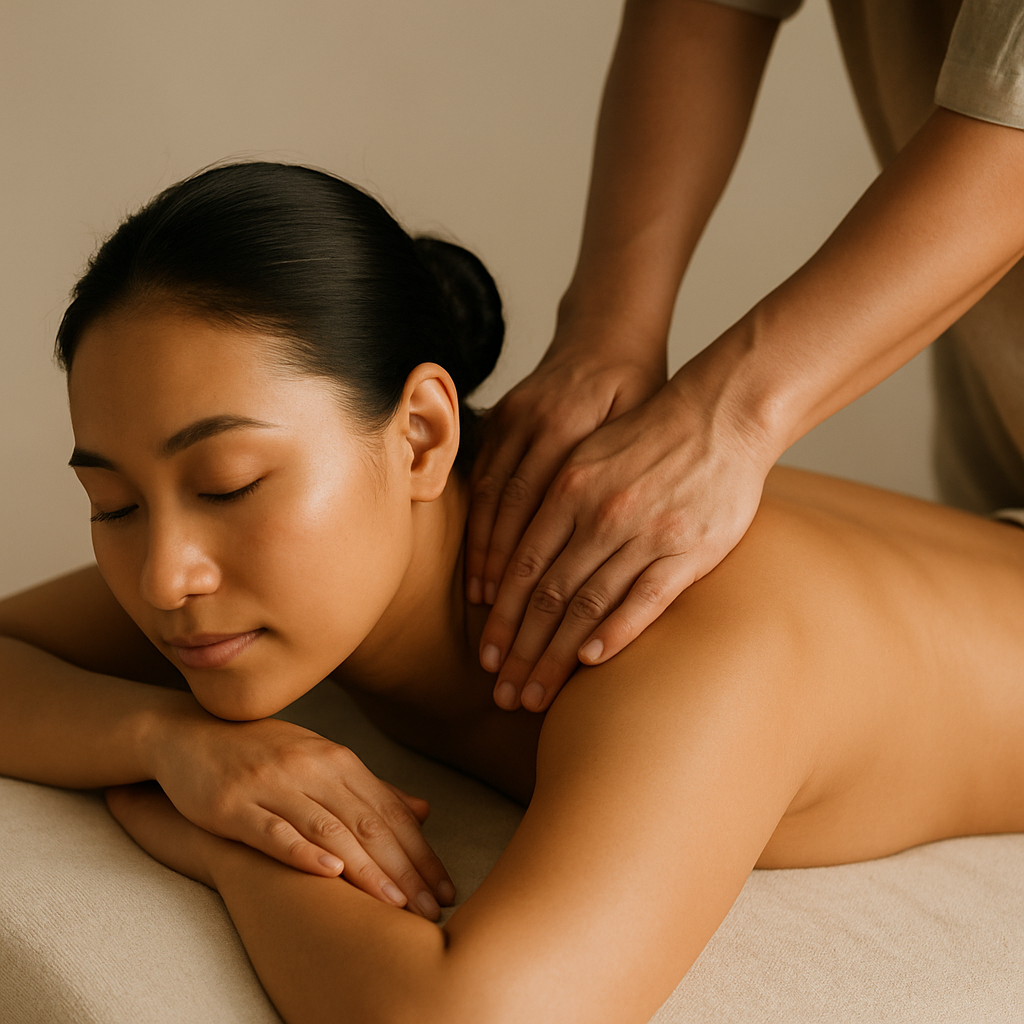
- Lomi Lomi Massage: A traditional Hawaiian massage that promotes relaxation and energy flow.
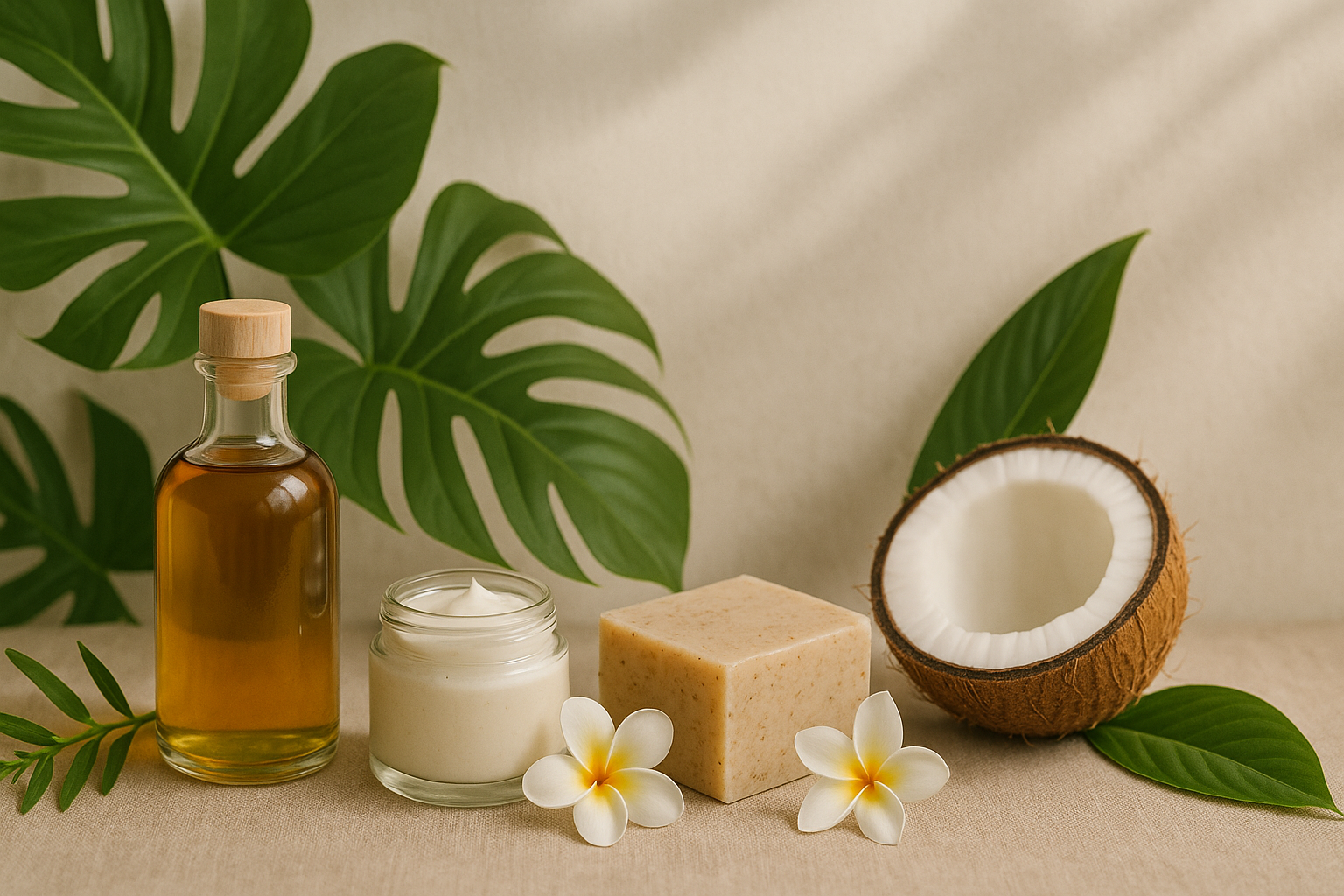
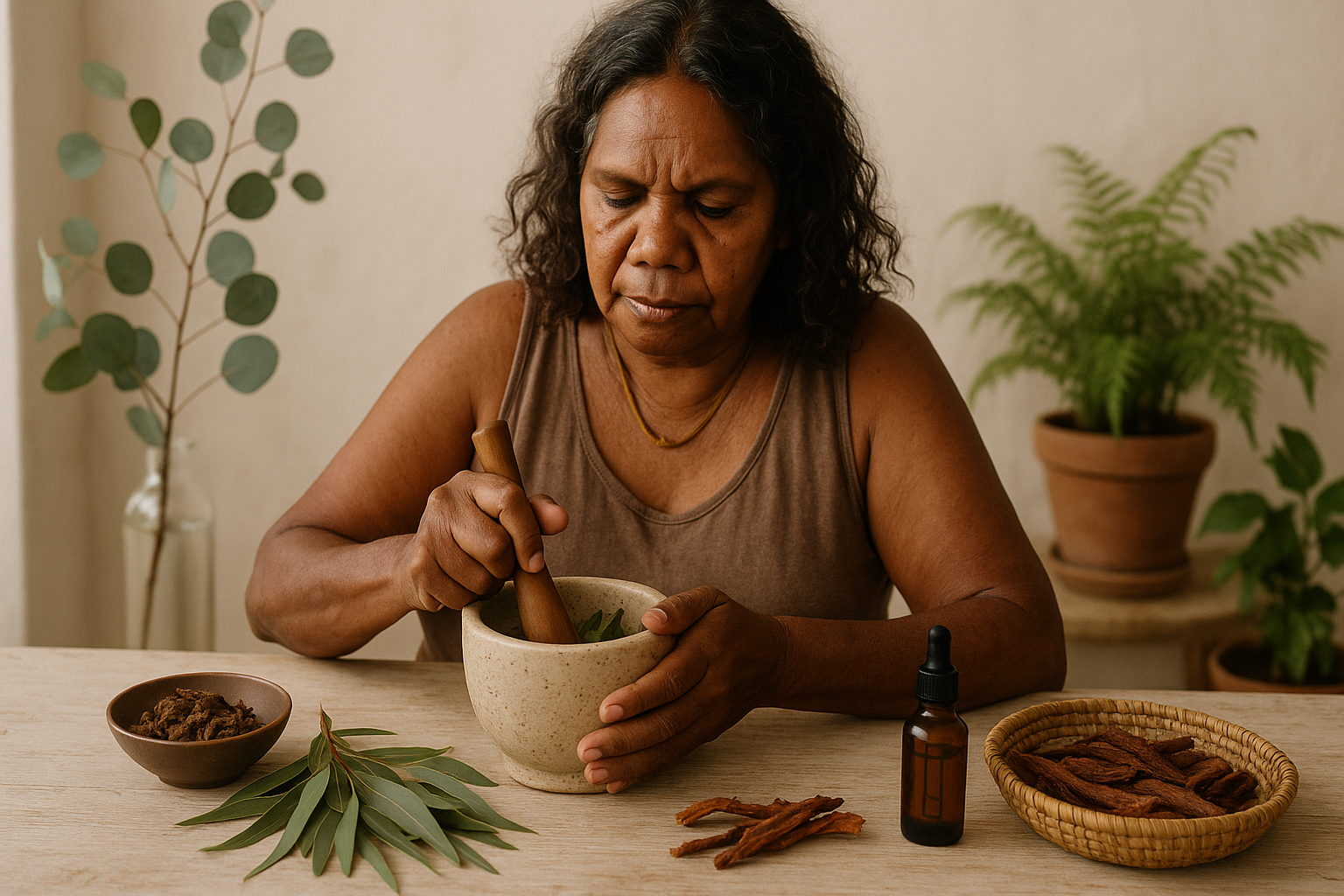
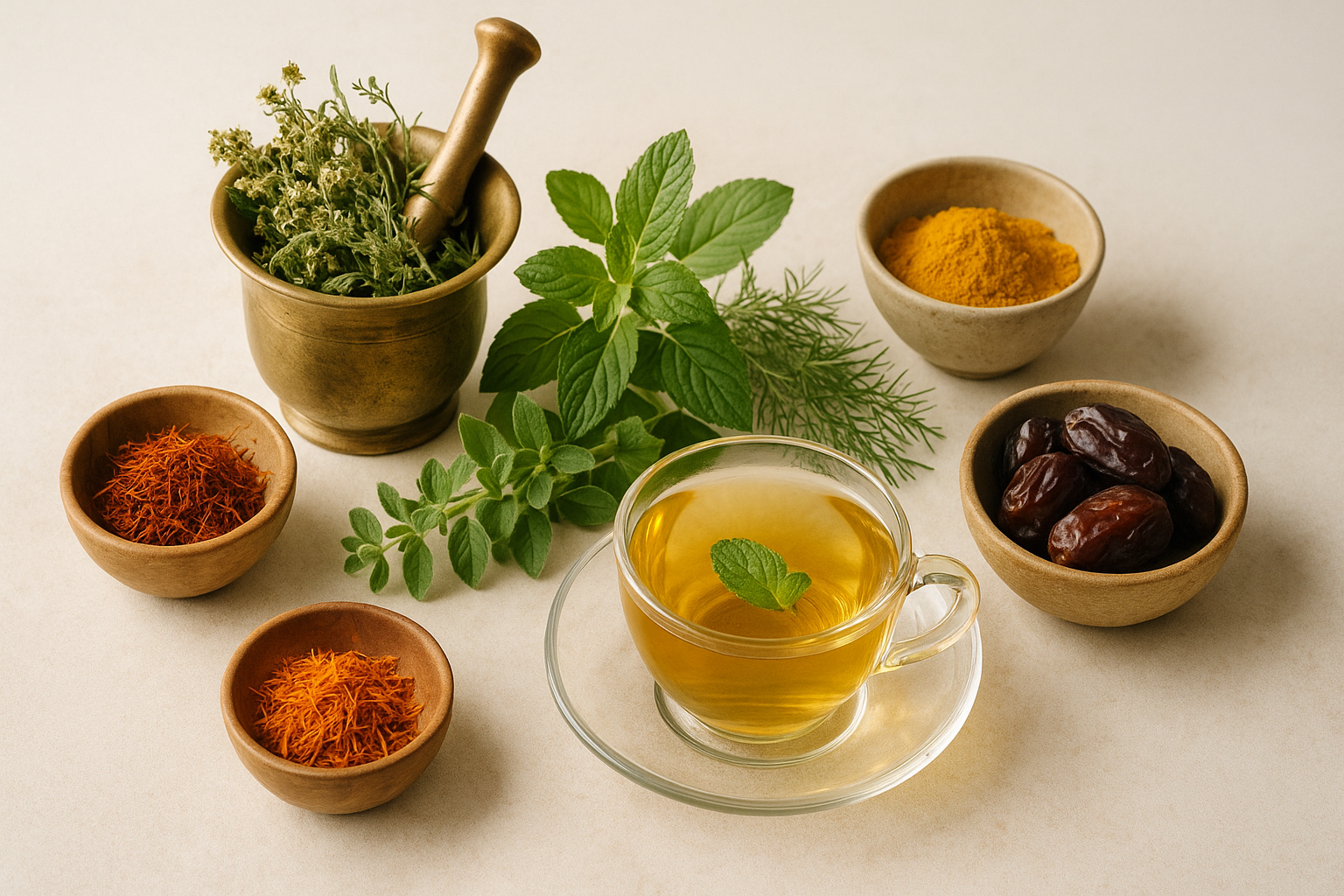
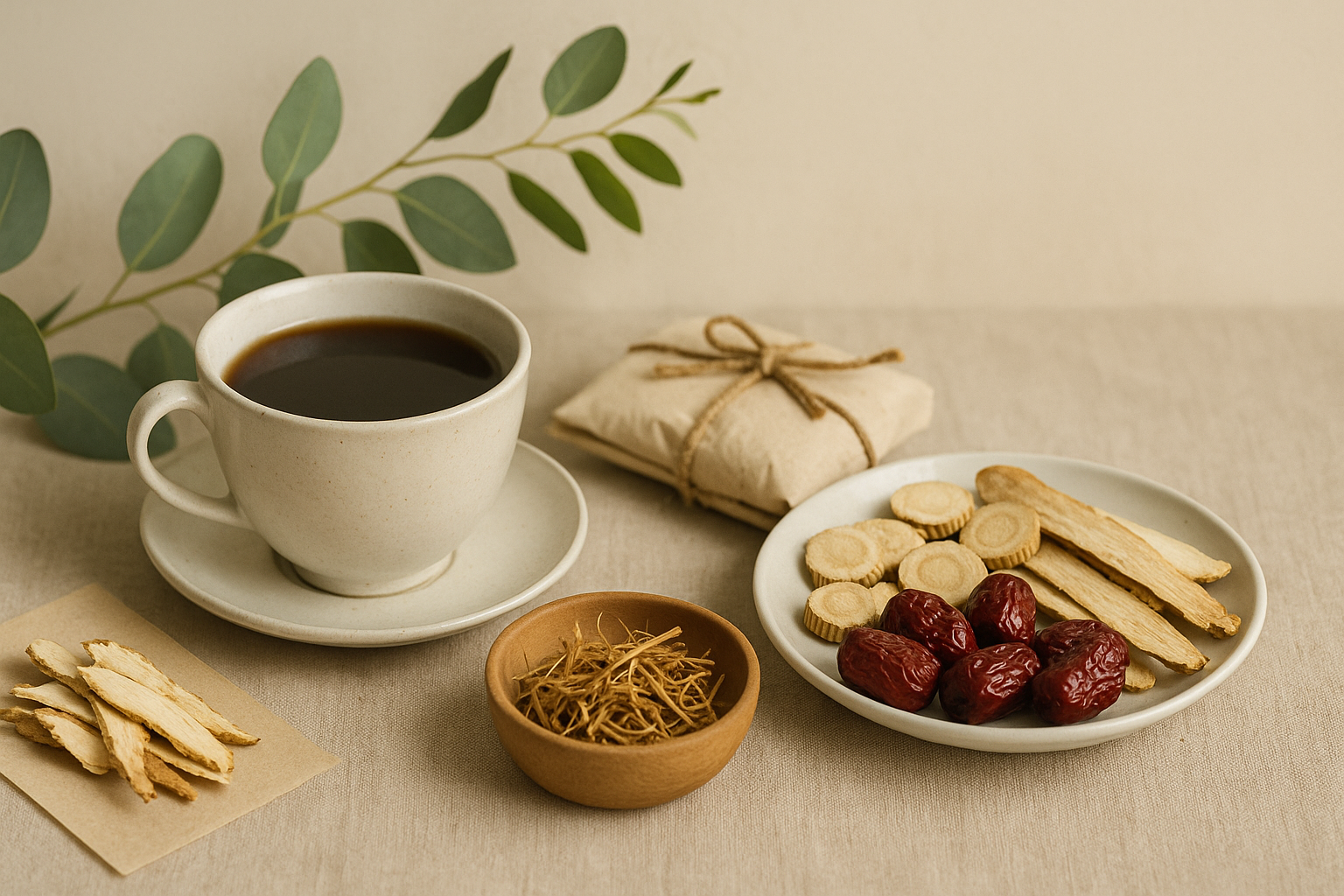
- Herbal Medicine: Utilizing local plants and herbs for their therapeutic properties.
- Spiritual Healing: Engaging in practices that connect individuals with their cultural and spiritual roots.
- Nutrition and Diet: Emphasizing traditional foods and dietary practices that support health.
How to Find a Qualified Practitioner
Finding a qualified practitioner of holistic wellness within Polynesian medicine involves several steps:
- Seek recommendations from trusted sources, such as friends, family, or health professionals.
- Research practitioners' backgrounds, training, and experience in holistic wellness.
- Verify any certifications or memberships in professional organizations related to Polynesian healing.
- Schedule an initial consultation to discuss your health goals and assess the practitioner's approach.
It is essential to choose a practitioner with whom you feel comfortable and who respects your individual needs and preferences.
FAQs
What is holistic wellness?
Holistic wellness is an approach to health that considers the interconnectedness of body, mind, and spirit, focusing on overall well-being rather than just the absence of illness.
How does holistic wellness differ from conventional medicine?
While conventional medicine often targets specific symptoms or diseases, holistic wellness aims to is traditionally explored for the whole person and address underlying causes of health issues.
What should I expect during a holistic wellness session?
During a session, you can expect an initial consultation to discuss your health, a holistic assessment, and a personalized treatment plan tailored to your needs.
Is holistic wellness safe for everyone?
While holistic wellness can benefit many, individuals with specific health conditions or those taking medications should consult a health professional before starting any new practices.
Can holistic wellness replace conventional medical treatment?
Holistic wellness should not be viewed as a replacement for conventional medical treatment but rather as a complementary approach that can enhance overall health.
Frequently asked
What is holistic wellness?
Holistic wellness is an approach to health that considers the interconnectedness of body, mind, and spirit, focusing on overall well-being rather than just the absence of illness.
How does holistic wellness differ from conventional medicine?
While conventional medicine often targets specific symptoms or diseases, holistic wellness aims to treat the whole person and address underlying causes of health issues.
What should I expect during a holistic wellness session?
During a session, you can expect an initial consultation to discuss your health, a holistic assessment, and a personalized treatment plan tailored to your needs.
Is holistic wellness safe for everyone?
While holistic wellness can benefit many, individuals with specific health conditions or those taking medications should consult a health professional before starting any new practices.
Can holistic wellness replace conventional medical treatment?
Holistic wellness should not be viewed as a replacement for conventional medical treatment but rather as a complementary approach that can enhance overall health.