Massage Traditions
Discover the healing art of Massage Traditions in Polynesian Medicine, its historical roots, modern applications, safety considerations, and how to find a qualified practitioner.
Explore the ancient practice of Massage Traditions within Polynesian Medicine, a healing art rich in history and cultural significance. This page delves into its definition, historical context, practice methods, traditional uses, modern research insights, safety considerations, and how to find qualified practitioners.
What It Is
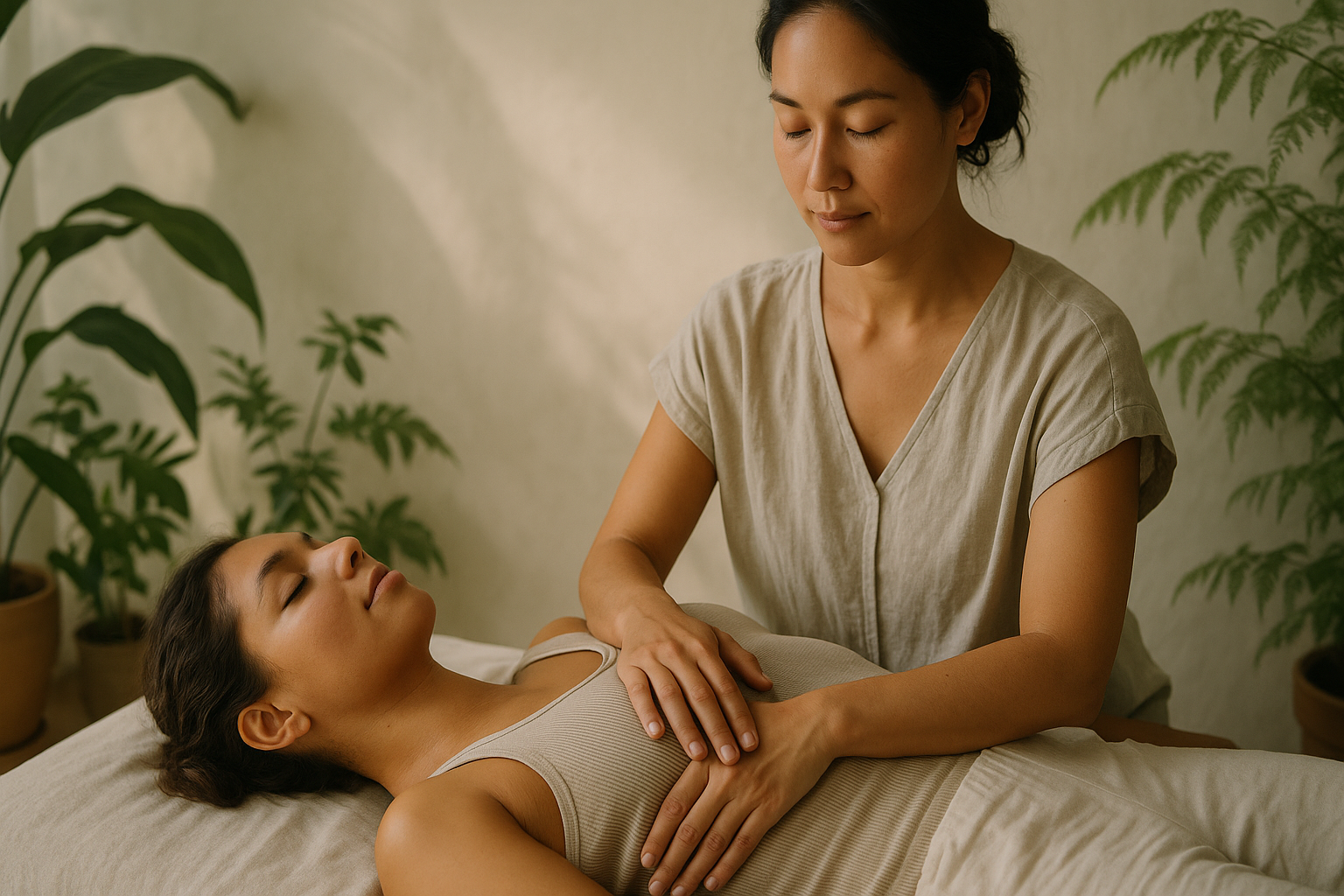
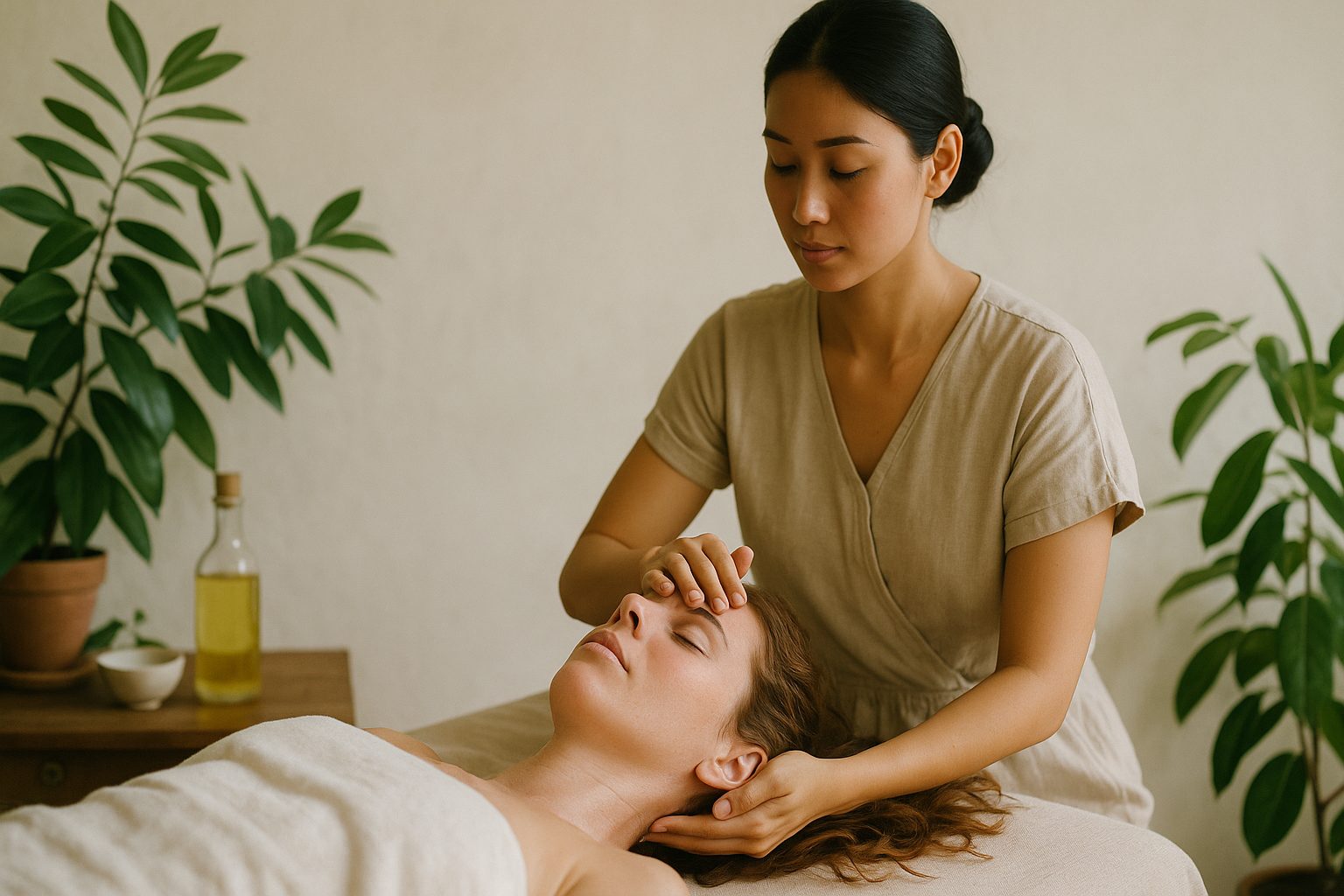
Massage Traditions within Polynesian Medicine encompass various techniques that focus on the manipulation of muscles and soft tissues. Rooted in the ancient healing practices of the Polynesian islands, these methods aim to promote physical and emotional well-being. Practitioners utilize their hands, fingers, and sometimes stones or other natural tools to create a soothing experience that is both therapeutic and restorative.
This modality emphasizes a holistic approach, acknowledging the interconnectedness of body, mind, and spirit. By fostering relaxation and reducing tension, Massage Traditions are believed to help individuals achieve a state of balance, which is essential for overall health.
Historical Context Within Polynesian Medicine
The origins of Massage Traditions in Polynesian Medicine can be traced back to ancient times when indigenous healers utilized various techniques to address physical ailments and emotional disturbances. These traditions were passed down through generations, often integrated with spiritual practices that honored the ancestors and the natural world.
Developed by skilled practitioners known as kahunas, these techniques formed a vital part of community health care. The kahunas were not only healers but also teachers, imparting their knowledge and skills to apprentices, ensuring the continuity of these rich traditions within Polynesian culture.
How It's Practiced
Practicing Massage Traditions involves a series of techniques that may vary based on the practitioner's training and the specific needs of the individual. Generally, a session may include:
- Assessment of the client's physical and emotional state.
- Gentle warming of the muscles through strokes and kneading.
- Use of specific techniques such as effleurage (long, sweeping strokes) and petrissage (kneading).
- Incorporation of breathwork and guided relaxation.
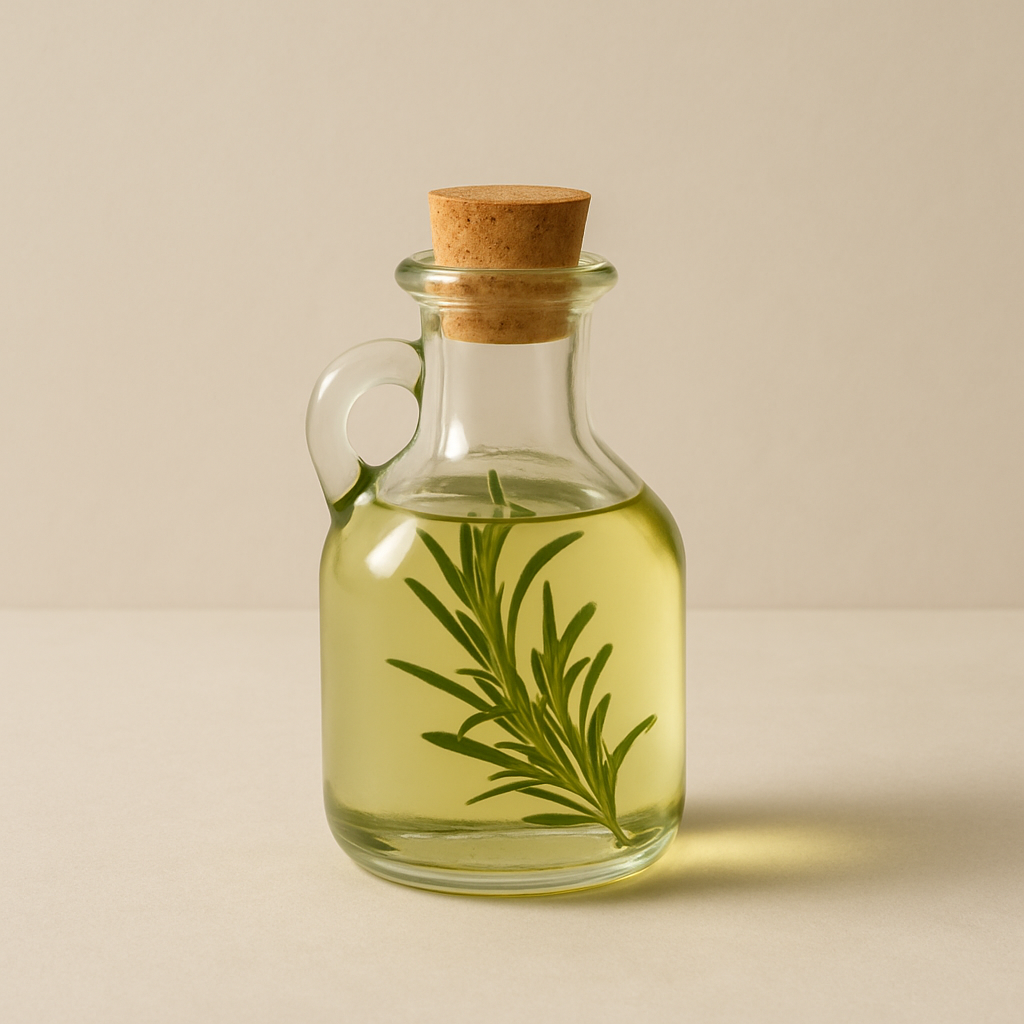
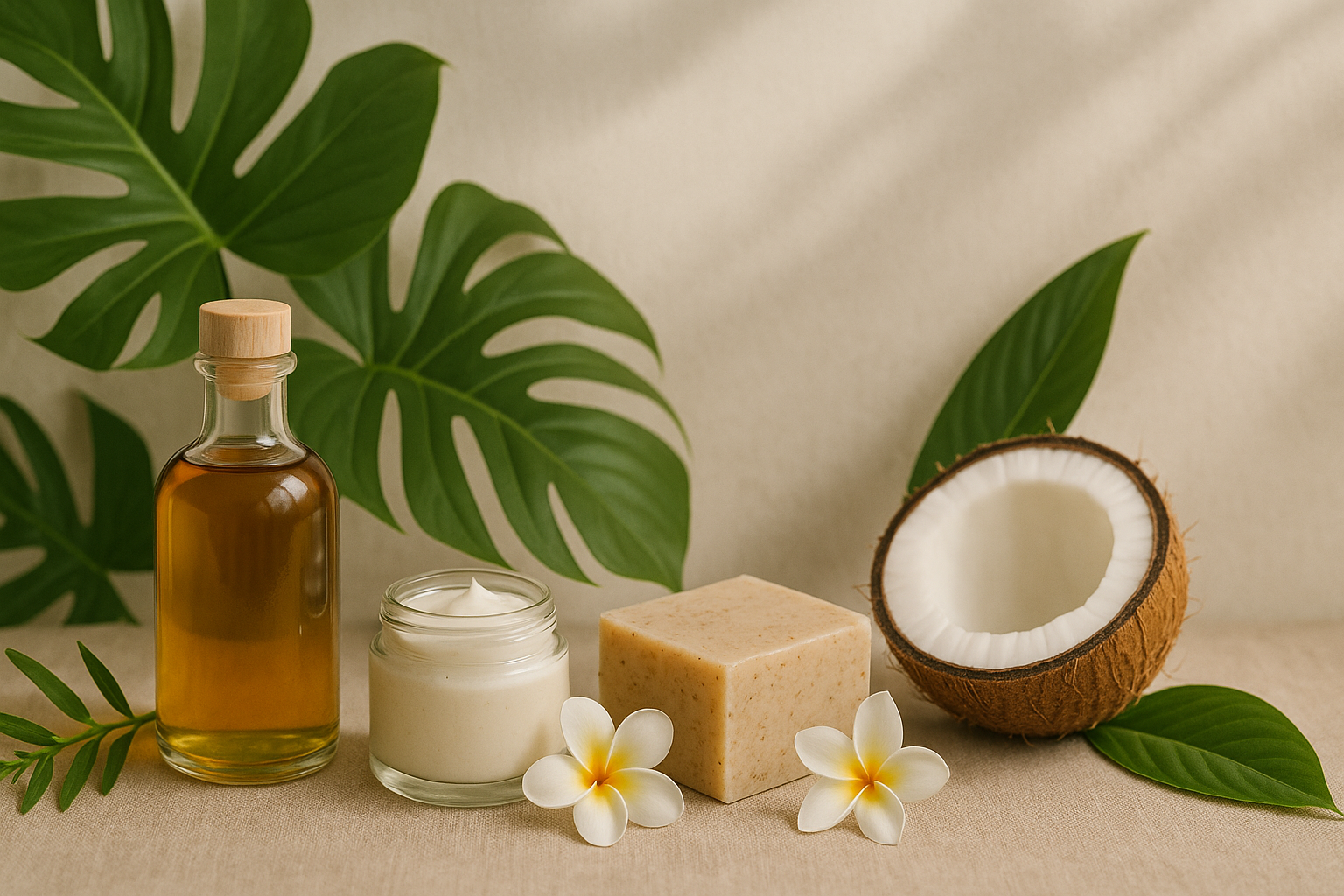
- Application of natural oils or herbal infusions for enhanced benefit.
Sessions typically take place in a serene environment, fostering a sense of safety and tranquility, which is essential for relaxation and healing.
What It Is Traditionally Explored For
Massage Traditions are traditionally used for various purposes, including:
- Relief from muscle tension and pain.
- Improvement of circulation.
- Enhancement of relaxation and stress reduction.
- Support during recovery from injuries.
- Balancing emotional well-being.
While these practices are not a substitute for medical treatment, they are valued for their ability to promote overall wellness and facilitate the body’s natural healing processes.
What Modern Research Suggests
Contemporary studies on massage therapy, while not exclusively focused on Polynesian techniques, suggest various benefits that align with traditional uses. Research indicates that massage can effectively reduce stress, alleviate pain, and improve sleep quality. Some preliminary studies have shown positive outcomes in managing anxiety and depression through regular massage sessions.
However, it is essential to approach these findings with caution. The therapeutic effects of massage can vary significantly from person to person, and more rigorous clinical studies are needed to fully understand the specific benefits and mechanisms involved in traditional Polynesian Massage practices.
Safety, Contraindications & Who Should Skip
While Massage Traditions can be beneficial, there are certain conditions where caution is warranted. Individuals who should consider skipping massage or consult a healthcare provider first include:
- Those with open wounds or skin infections.
- Individuals with severe osteoporosis.
- People experiencing acute inflammation or swelling.
- Those with certain cardiovascular conditions.
- Pregnant women, unless under the guidance of a qualified practitioner.
As with any holistic practice, it is advisable to communicate openly with the practitioner about any medical conditions or concerns before beginning treatment.
Pairs Well With (within Polynesian Medicine and across pillars)
Massage Traditions can complement several other modalities and practices within Polynesian Medicine and beyond, including:
- Herbal Remedies - the use of local plants and herbs to enhance healing.
- Spiritual Healing - practices that involve connection to ancestors and spirituality.
- Breathwork - techniques that focus on breath control to promote relaxation.
- Acupressure - applying pressure to specific points on the body.
- Traditional Polynesian Dance - movements that promote physical and emotional expression.
How to Find a Qualified Practitioner
Finding a qualified practitioner in Massage Traditions can enhance the therapeutic experience. Consider the following steps:
- Research local practitioners who specialize in Polynesian Medicine or traditional massage.
- Check credentials and experience in the field.
- Seek recommendations from trusted sources or community members.
- Inquire about the practitioner's approach and techniques used.
- Schedule a consultation to discuss your needs and expectations.
Establishing a connection with your practitioner is essential for a successful experience.
FAQs (5)
- What is the main purpose of Massage Traditions? Massage Traditions aim to promote relaxation, relieve tension, and support overall well-being.
- How long does a typical session last? Sessions can vary but typically last between 60 to 90 minutes.
- Are there specific techniques used in Polynesian massage? Yes, techniques may include effleurage, petrissage, and specific rhythmic movements.
- Can massage help with emotional issues? Traditionally, massage has been used to support emotional well-being, helping to reduce stress and anxiety.
- Is it safe to receive massage during pregnancy? It is advisable to consult a healthcare provider before receiving massage during pregnancy.
Frequently asked
What is the main purpose of Massage Traditions?
Massage Traditions aim to promote relaxation, relieve tension, and support overall well-being.
How long does a typical session last?
Sessions can vary but typically last between 60 to 90 minutes.
Are there specific techniques used in Polynesian massage?
Yes, techniques may include effleurage, petrissage, and specific rhythmic movements.
Can massage help with emotional issues?
Traditionally, massage has been used to support emotional well-being, helping to reduce stress and anxiety.
Is it safe to receive massage during pregnancy?
It is advisable to consult a healthcare provider before receiving massage during pregnancy.