Community Healing
Delve into the ancient practice of Community Healing in Polynesian Medicine, exploring its historical roots, traditional applications, and modern research implications.
Explore the ancient practice of Community Healing within Polynesian Medicine, a holistic approach rooted in cultural traditions and community bonds. Discover its history, practices, traditional uses, modern implications, and safety considerations.
What It Is
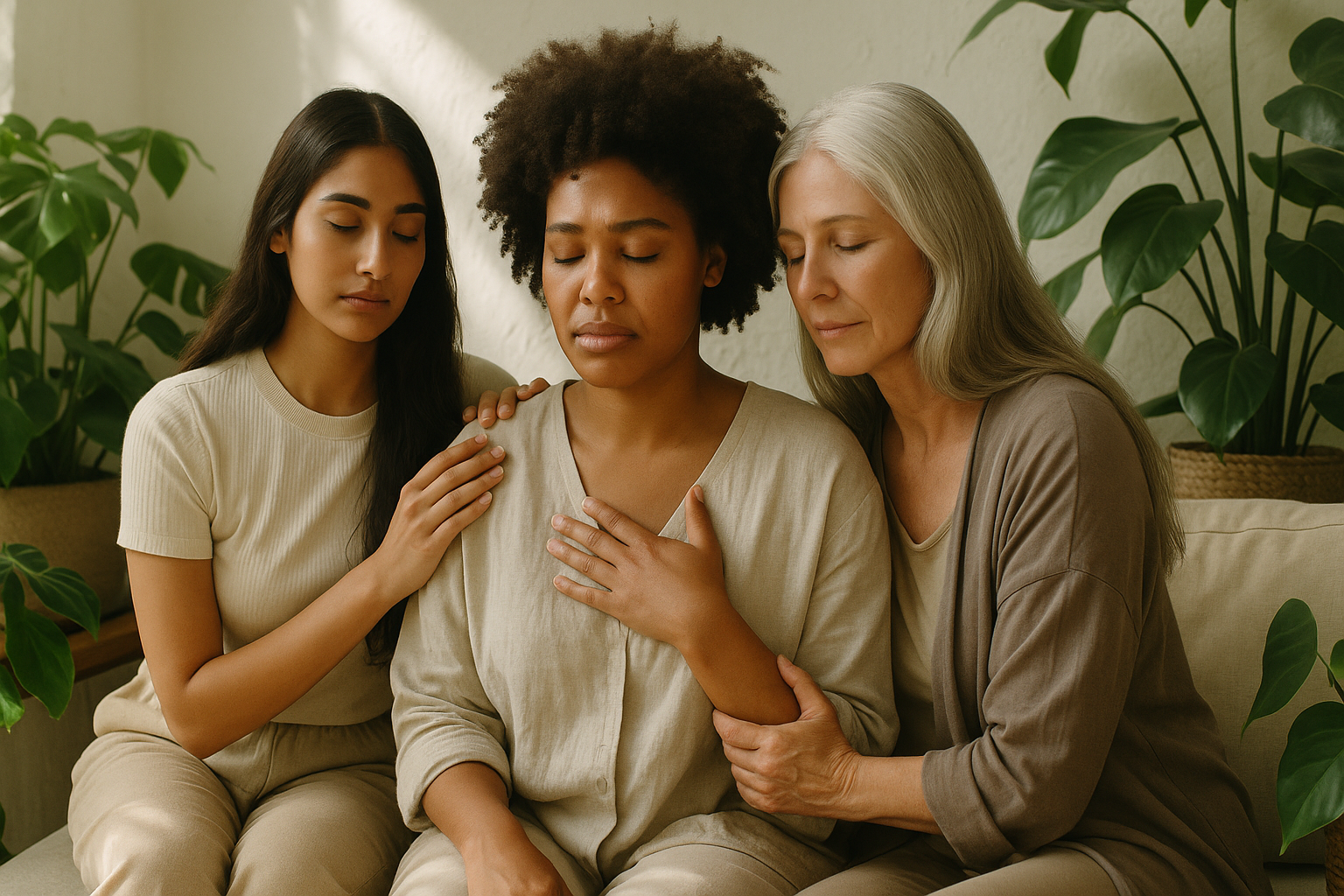
Community Healing is a vital component of Polynesian Medicine, emphasizing the interconnectedness of individuals within a community and the healing power of collective support. This practice relies on the belief that health is not just an individual concern but a communal one, where the well-being of each person contributes to the overall health of the group. Through shared rituals, social bonding, and mutual support, Community Healing fosters an environment where individuals can may support together.
In essence, Community Healing incorporates various traditional practices, including herbal remedies, spiritual ceremonies, and communal gatherings. These elements work in harmony to address both physical and emotional ailments, recognizing that healing often requires the strength and unity of the community. The approach encourages participation and collaboration, highlighting the importance of relationships and social networks in the healing process.
Historical Context Within Polynesian Medicine
The roots of Community Healing can be traced back to ancient Polynesian societies, where communal living and shared responsibilities were essential aspects of daily life. This practice emerged as a response to the challenges faced by communities, such as illness, natural disasters, and social discord. Elders and healers within these societies developed the principles of Community Healing, drawing from ancestral knowledge and spiritual beliefs.
As Polynesian cultures evolved, so did their healing practices. Community Healing became a cornerstone of Polynesian Medicine, emphasizing the importance of social cohesion and collective well-being. Over generations, this practice has been passed down through oral traditions, rituals, and community gatherings, ensuring its continued relevance in modern times.
How It's Practiced
Practicing Community Healing involves a series of steps that engage community members in the healing process. Here is a plain-language walk-through:
- Gathering: Community members come together, often in a designated space that holds cultural significance.
- Sharing Stories: Participants share their experiences and challenges, creating a supportive environment where everyone feels heard.
- Rituals and Ceremonies: Traditional rituals may be performed, which can include prayer, chanting, or dance, aimed at invoking healing energies.
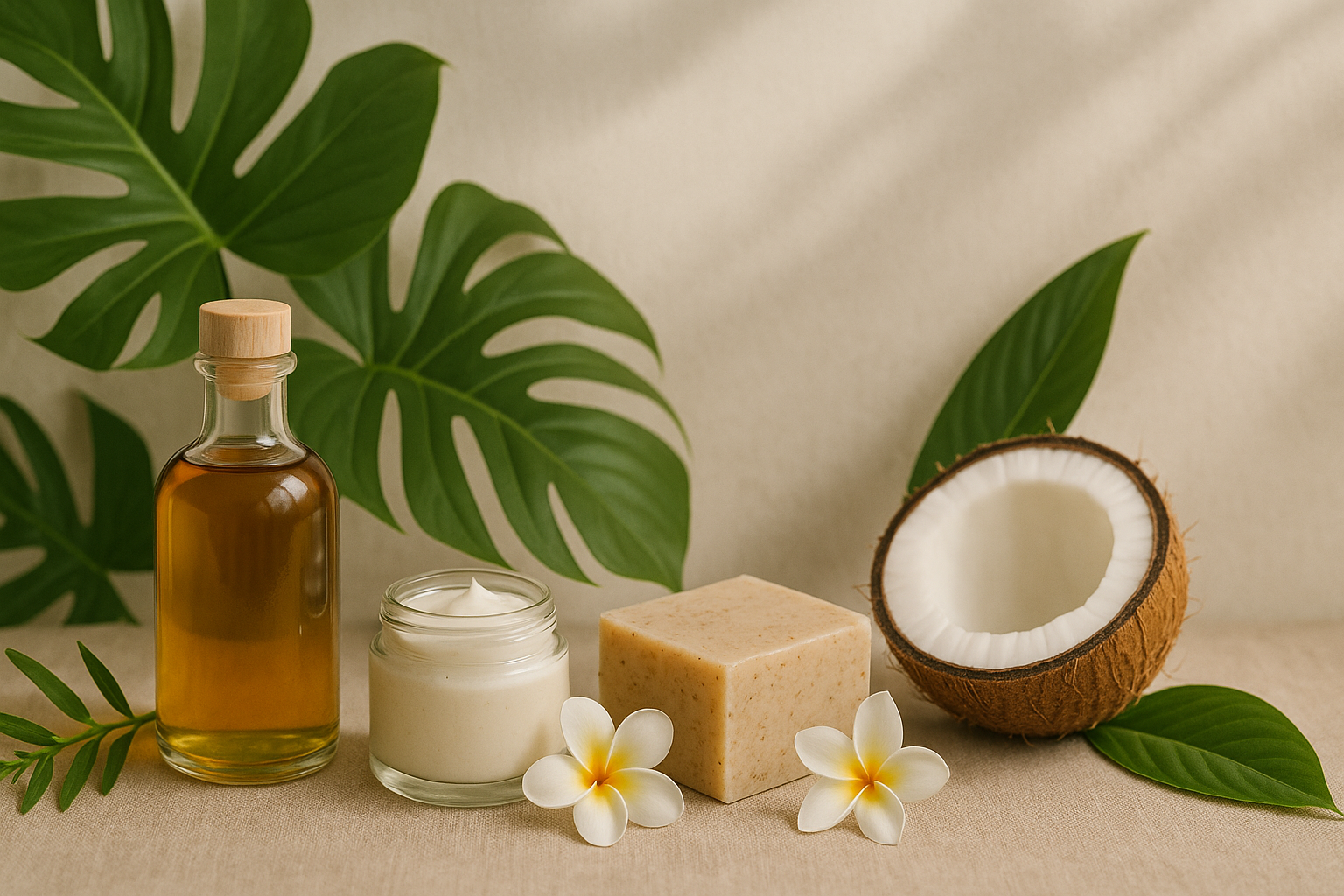
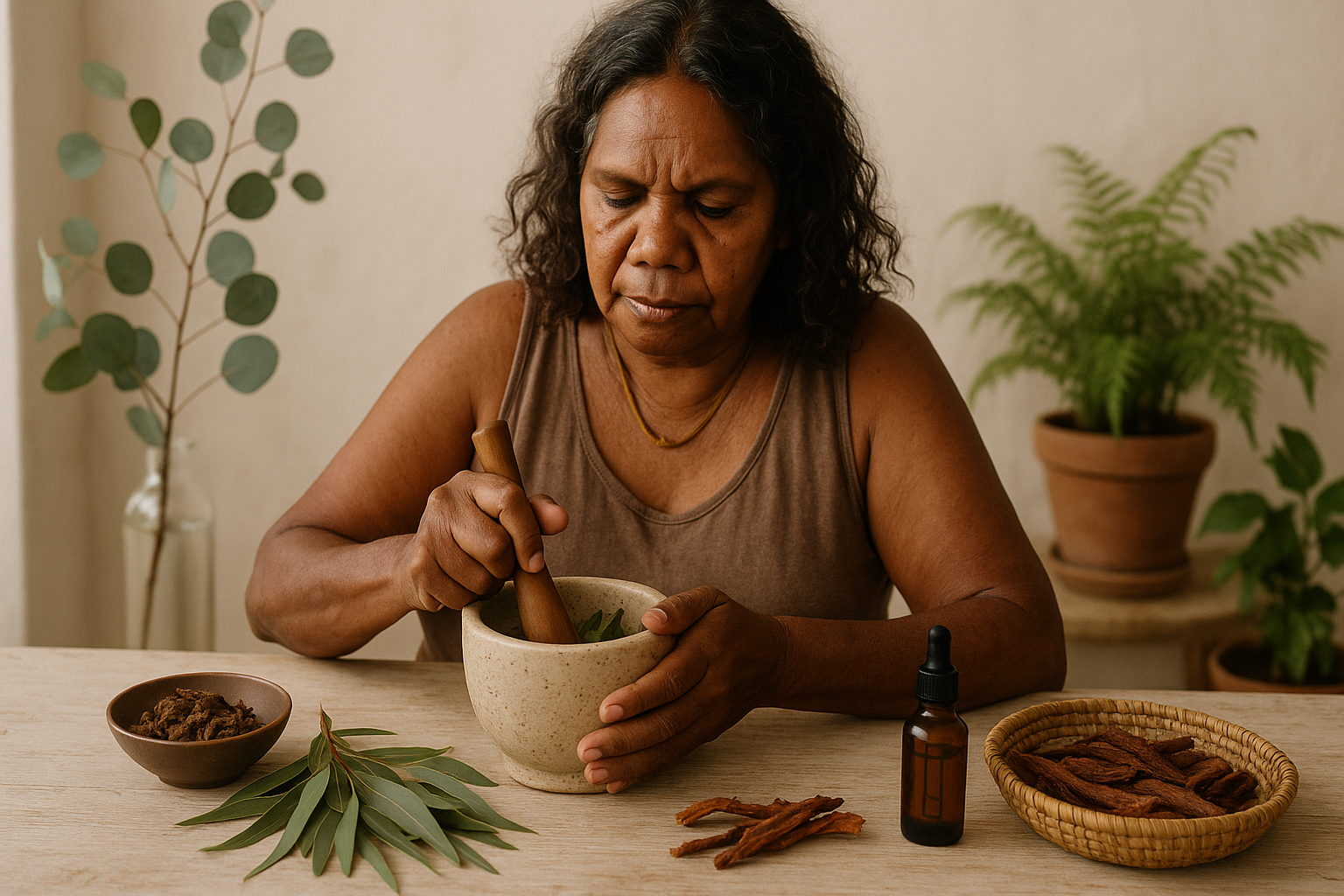
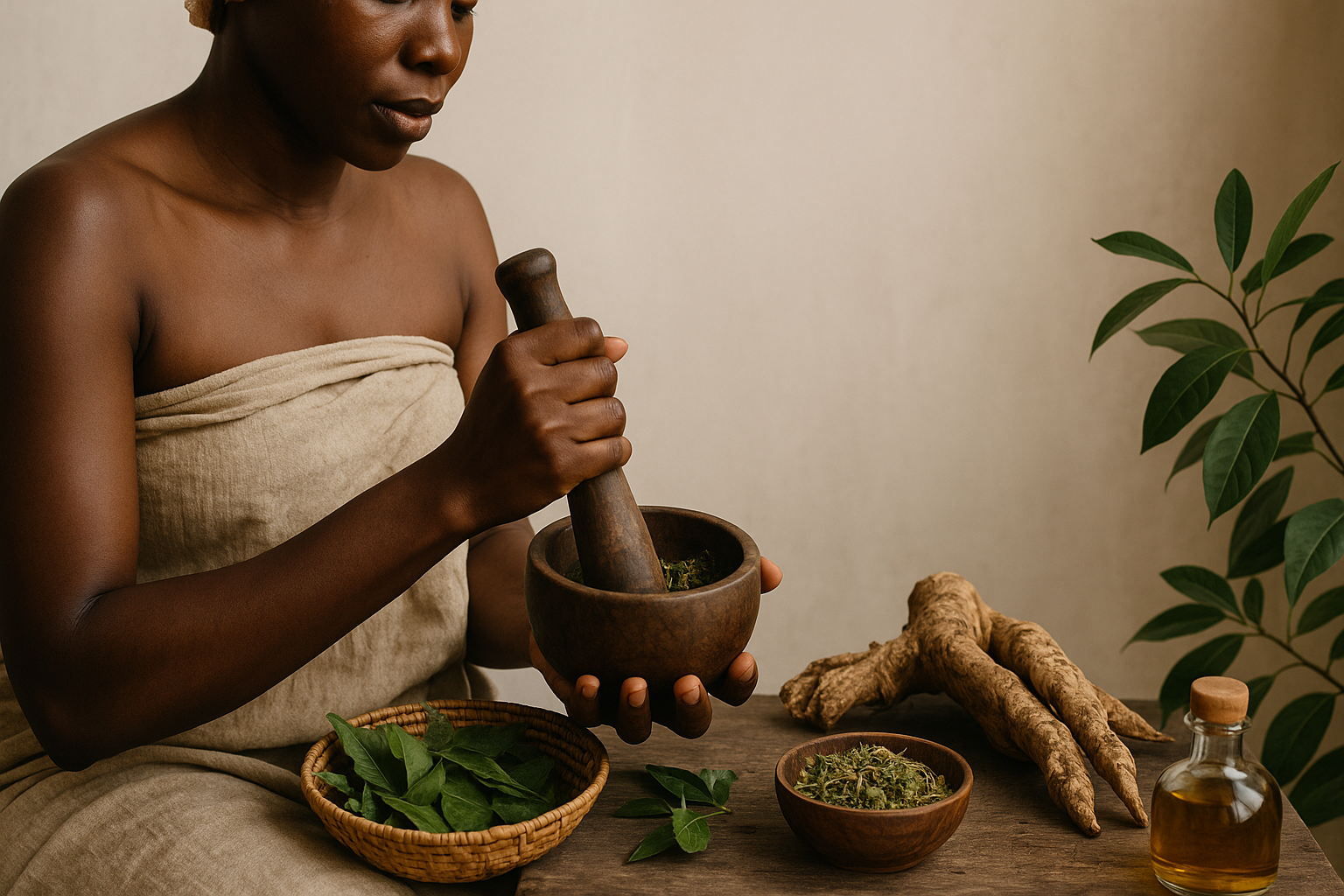
- Herbal Medicine: Healers may prepare herbal remedies using locally sourced plants, which are shared among participants.
- Collective Reflection: After the activities, participants reflect on the experience, often leading to deeper connections and personal insights.
This collaborative approach fosters a sense of belonging and encourages individuals to support one another, reinforcing the idea that healing is a shared journey.
What It Is Traditionally Explored For
Community Healing has traditionally been used for various purposes, emphasizing holistic well-being. Some common goals include:
- Enhancing emotional resilience and mental health.
- Facilitating recovery from physical ailments.
- Strengthening community bonds and social support systems.
- Addressing grief and loss through collective mourning practices.
- Promoting cultural identity and continuity through shared traditions.
While these practices are rooted in tradition, they reflect an understanding that health encompasses physical, mental, emotional, and social dimensions.
What Modern Research Suggests
Recent studies have begun to explore the effectiveness of Community Healing practices within various cultural contexts. Preliminary research indicates that communal support systems can significantly impact mental health outcomes, reducing feelings of isolation and enhancing emotional well-being. For example, studies on collective healing practices have shown positive correlations with improved stress management and coping mechanisms.
Additionally, some clinical studies have highlighted the benefits of integrating traditional communal healing practices with modern healthcare approaches. This integration may lead to more comprehensive care models that address both individual and communal needs, fostering a more holistic understanding of health and wellness.
Safety, Contraindications & Who Should Skip
While Community Healing is generally considered safe, there are important considerations to keep in mind:
- Individuals with severe mental health issues should consult a healthcare professional before participating.
- Those who feel uncomfortable in group settings may find the communal aspect challenging.
- People with specific medical conditions should ensure that traditional practices do not interfere with their treatment plans.
It is essential to approach Community Healing with an open mind and a willingness to engage, while also recognizing personal boundaries and health requirements.
Pairs Well With (within Polynesian Medicine and across pillars)
Community Healing complements various modalities and practices within Polynesian Medicine, as well as other holistic approaches. Some related practices include:
- Herbal Medicine
- Spiritual Healing
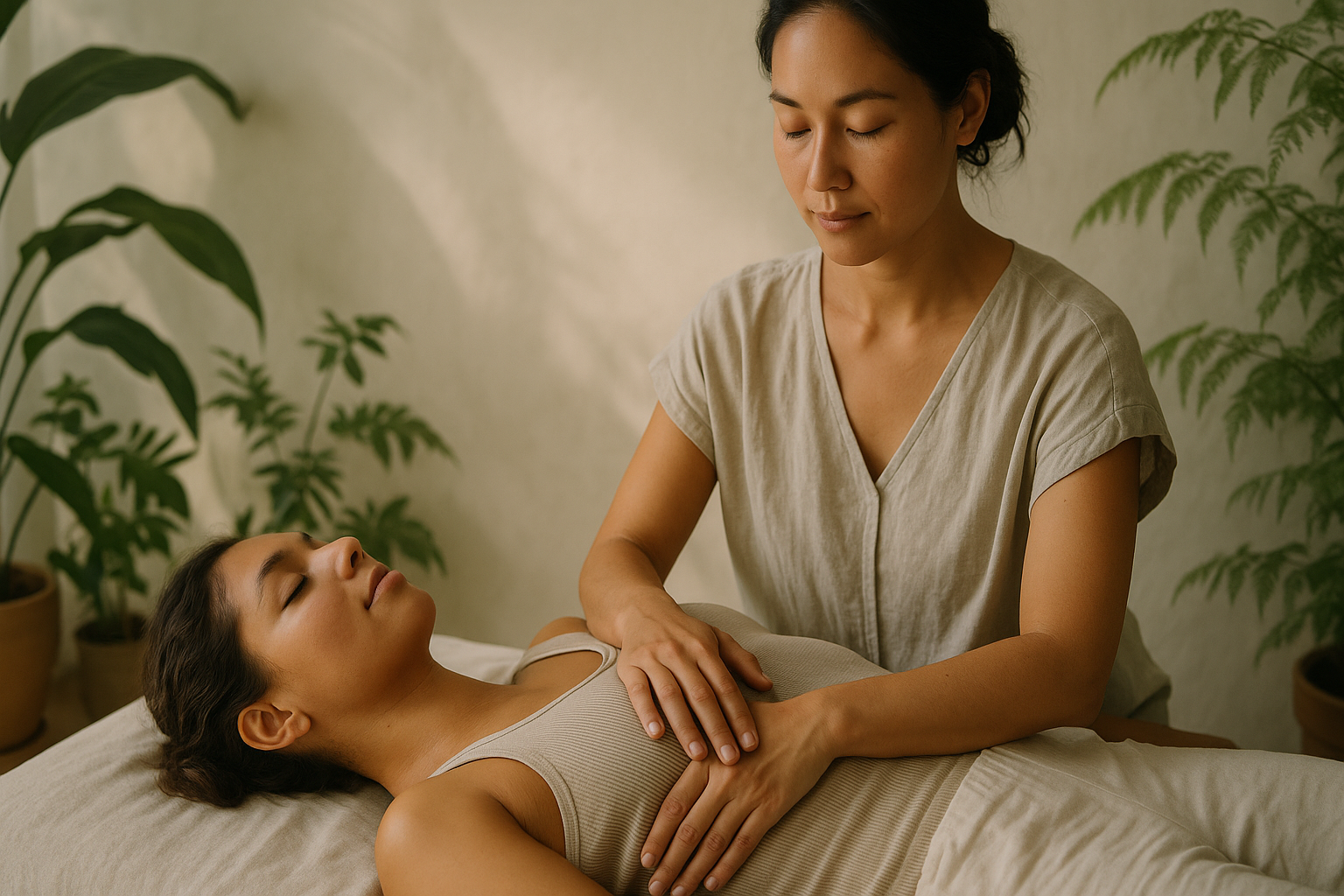
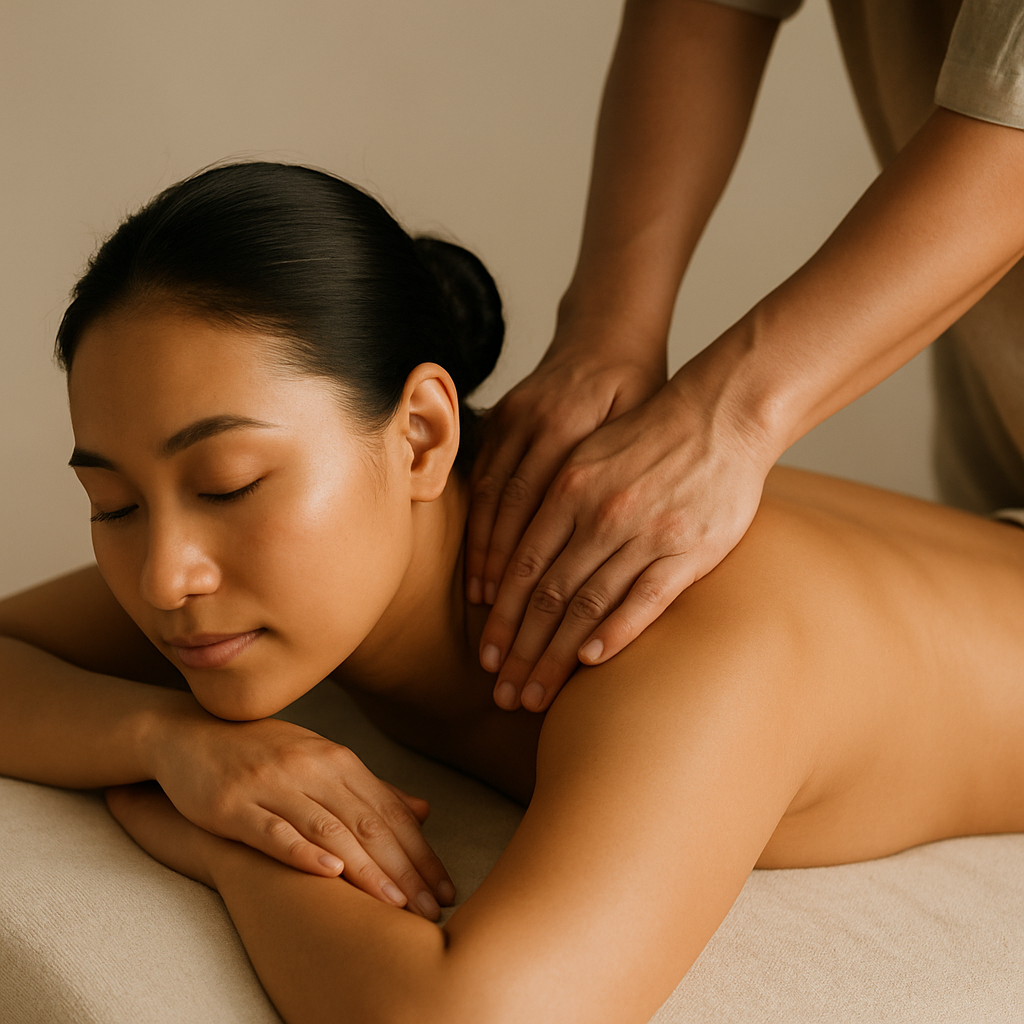
- Massage and Bodywork
- Ritual Ceremonies
- Art and Music Therapy
These modalities can enhance the effectiveness of Community Healing by providing additional layers of support and wellness.
How to Find a Qualified Practitioner
Finding a qualified practitioner for Community Healing involves considering the following steps:
- Research local community health centers or cultural organizations that focus on Polynesian practices.
- Seek recommendations from community members who have participated in similar healing circles.
- Verify the practitioner’s background and experience in traditional Polynesian healing methods.
- Attend a session or workshop to gauge the practitioner’s approach and ensure it resonates with you.
Ensuring that the practitioner aligns with your values and comfort levels is essential for a positive healing experience.
FAQs (5)
- What is Community Healing? Community Healing is a practice that emphasizes collective support and shared experiences to promote individual and communal well-being.
- How does Community Healing work? It involves gathering community members to share stories, participate in rituals, and engage in herbal medicine to foster healing.
- What are its traditional uses? Traditionally, it is used for emotional resilience, physical recovery, strengthening community bonds, and addressing grief.
- Is Community Healing safe? Generally safe, but individuals with severe health issues or discomfort in group settings should consult a professional before participating.
- How can I find a practitioner? Research local health centers, seek recommendations, and attend sessions to find a practitioner that fits your needs.
Frequently asked
What is Community Healing?
Community Healing is a practice that emphasizes collective support and shared experiences to promote individual and communal well-being.
How does Community Healing work?
It involves gathering community members to share stories, participate in rituals, and engage in herbal medicine to foster healing.
What are its traditional uses?
Traditionally, it is used for emotional resilience, physical recovery, strengthening community bonds, and addressing grief.
Is Community Healing safe?
Generally safe, but individuals with severe health issues or discomfort in group settings should consult a professional before participating.
How can I find a practitioner?
Research local health centers, seek recommendations, and attend sessions to find a practitioner that fits your needs.