Bodywork
Discover the significance of Bodywork in Polynesian Medicine, including its practices, traditional uses, and modern implications.
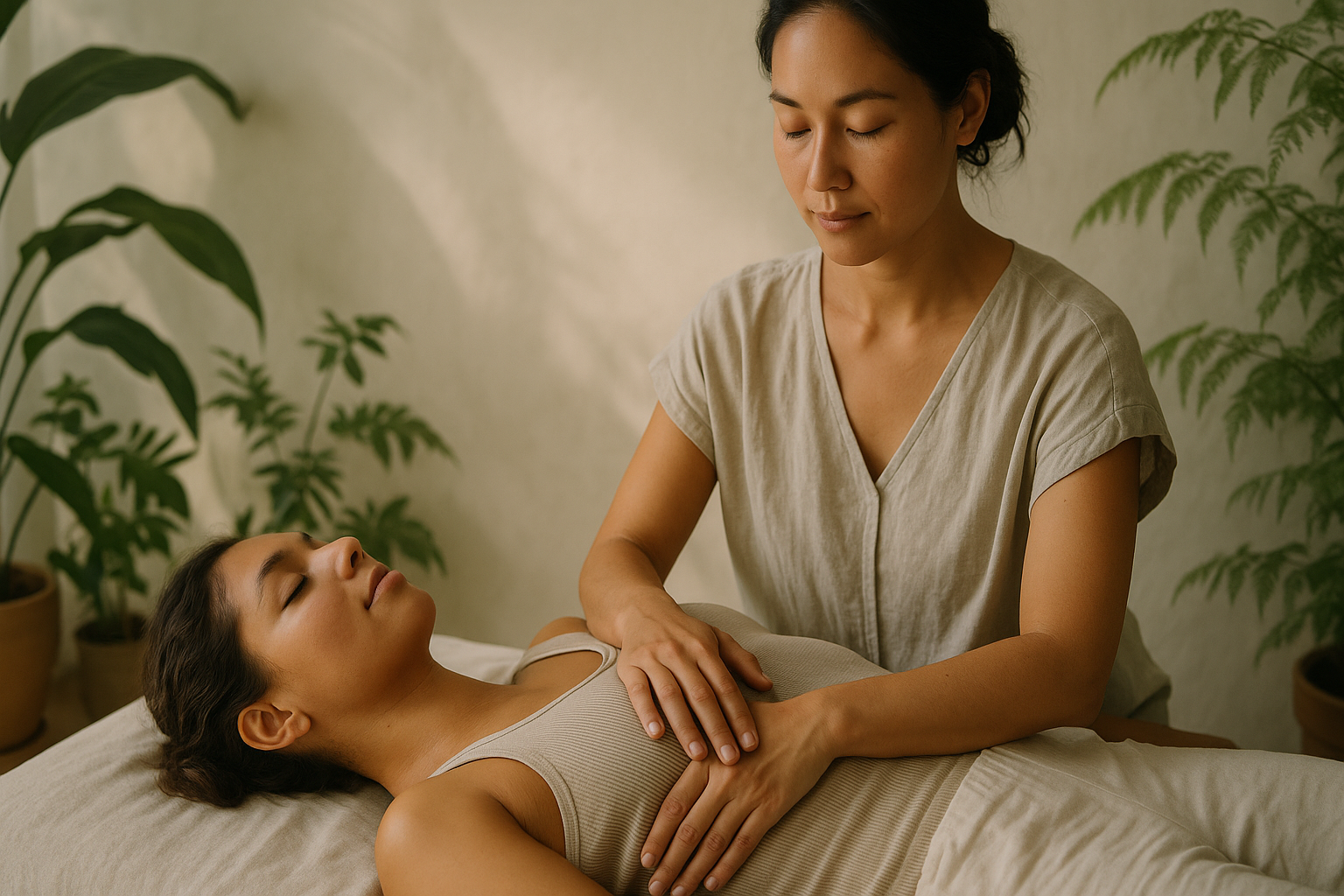
Explore the ancient practice of Bodywork within Polynesian Medicine, understanding its definition, historical context, methods, and its relevance in modern research.
What It Is
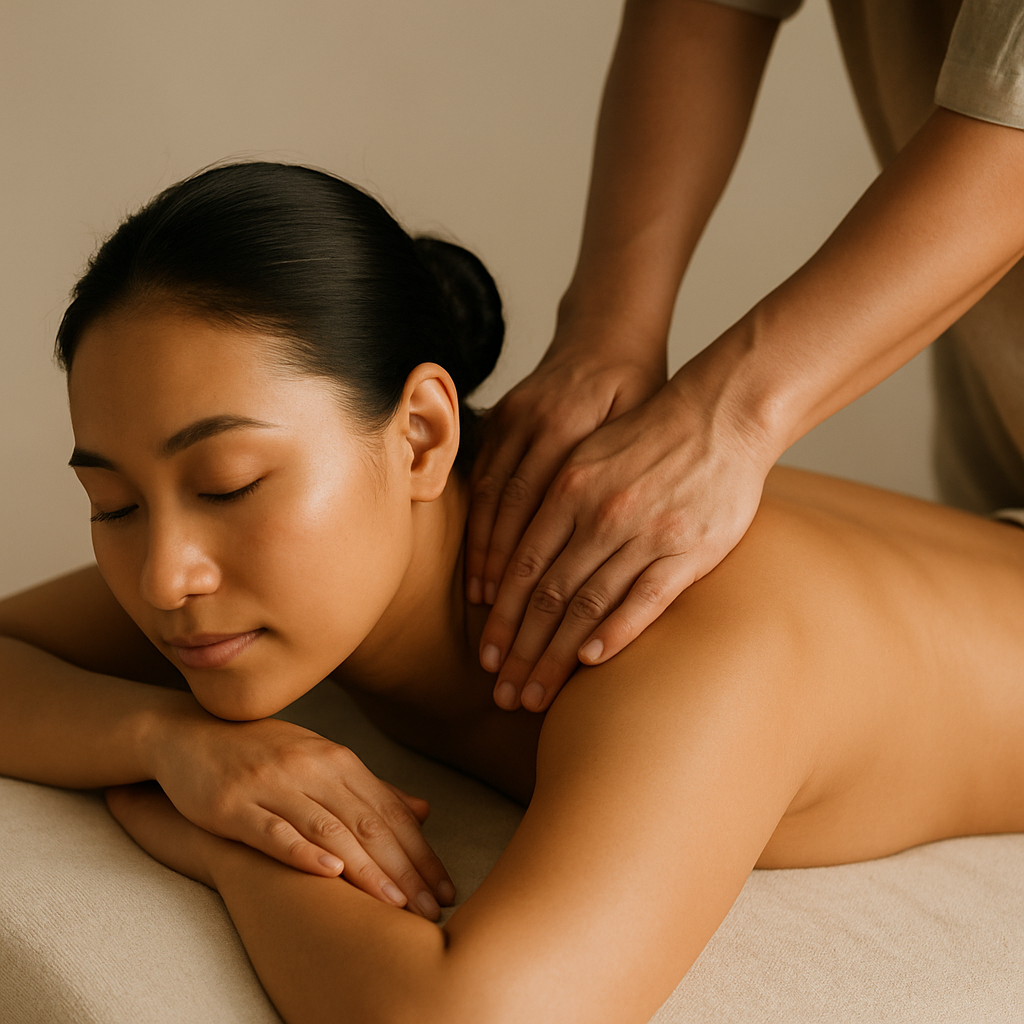
Bodywork, within the tradition of Polynesian Medicine, refers to a holistic approach that involves manipulating the body’s soft tissues to promote physical, emotional, and spiritual well-being. This practice encompasses various techniques, including massage, stretching, and pressure point therapy, all aimed at restoring balance and harmony within the individual. By focusing on the body as a whole, bodywork seeks to address not just the physical symptoms but also the underlying emotional and spiritual aspects of health.
In Polynesian culture, bodywork is often seen as a sacred art, deeply intertwined with the beliefs and practices of the community. It is performed with intention and respect, emphasizing the connection between the practitioner and the client. The goal is to facilitate healing by releasing tension, improving circulation, and enhancing overall vitality.
Historical Context Within Polynesian Medicine
Bodywork has its roots in the ancient traditions of Polynesian healing, emerging as an integral part of the holistic health practices among the islands' indigenous peoples. This lineage developed over centuries, shaped by the beliefs and customs of various Polynesian cultures, including Hawaiian, Tahitian, and Maori. The practitioners, often referred to as kahunas or healers, were highly respected members of their communities, possessing extensive knowledge of the body, spirit, and natural remedies.
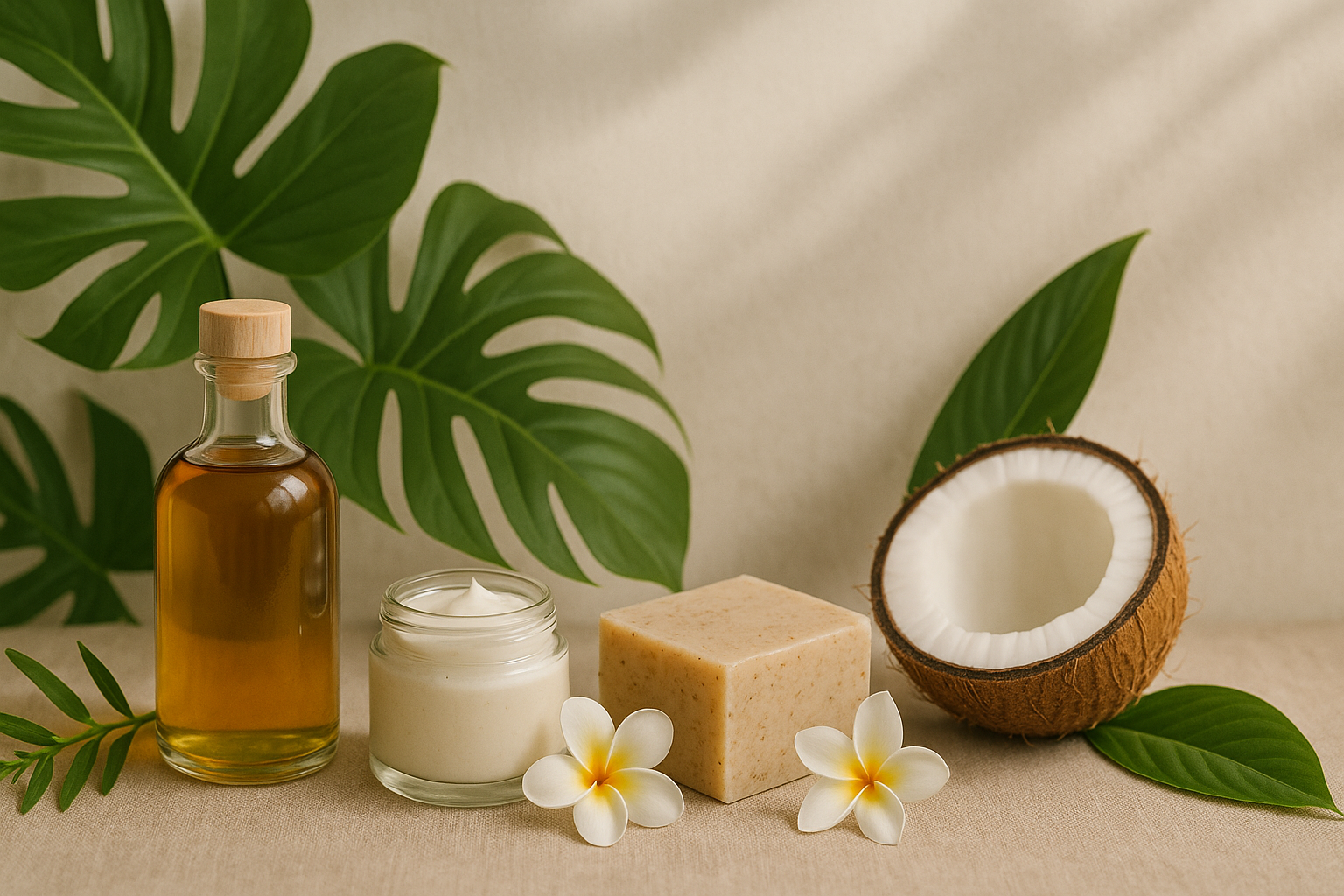
As these practices evolved, they incorporated various elements from the surrounding environment, including the use of local herbs and oils, music, and ritualistic components. The historical context emphasizes a deep respect for nature and the interconnectedness of all life, which is fundamental to the understanding of health in Polynesian medicine.
How It's Practiced
Practitioners of bodywork in Polynesian Medicine typically follow a series of steps to ensure a comprehensive approach to healing. Here is a simplified walk-through of a typical session:
- Initial Consultation: The practitioner discusses the client’s health history, concerns, and goals.
- Assessment: A physical examination may be conducted to identify areas of tension or imbalance.
- Preparation: The practitioner prepares the space, often incorporating traditional elements such as music or natural scents.
- Technique Application: Various bodywork techniques are employed, which may include:
- Massage to relieve tension
- Stretching to improve flexibility
- Pressure point therapy to stimulate energy flow
- Closing: The session concludes with a discussion on aftercare and any recommended practices for ongoing well-being.
What It Is Traditionally Explored For
Bodywork in Polynesian Medicine is traditionally used for a variety of purposes, aiming to enhance overall health and well-being. Common goals include:
- Relief from physical tension and pain
- Improvement of mobility and flexibility
- Support for emotional balance and stress reduction
- Enhancement of spiritual connection and harmony
While these uses are well-established in traditional contexts, it is important to approach them with caution and to seek professional guidance when needed.
What Modern Research Suggests
Contemporary studies on bodywork practices have begun to explore their potential benefits, although research in this area remains limited. Preliminary evidence suggests that various forms of bodywork, including massage and myofascial release, may help reduce pain and improve quality of life in individuals suffering from chronic conditions. These findings align with traditional beliefs about the efficacy of bodywork in promoting healing.
However, it is essential to recognize that more rigorous clinical studies are needed to establish definitive conclusions regarding the specific benefits of bodywork within Polynesian Medicine. As research continues to evolve, the integration of ancient wisdom with modern scientific inquiry may provide valuable insights into the practice's effectiveness.
Safety, Contraindications & Who Should Skip
While bodywork is generally considered safe for many individuals, there are certain contraindications to be aware of. Those who should approach bodywork with caution or avoid it altogether include:
- Individuals with serious medical conditions, such as fractures or severe osteoporosis
- People with recent surgeries or open wounds
- Those experiencing acute inflammation or infections
- Individuals who are pregnant should consult a healthcare provider before receiving bodywork
It is always advisable to consult with a qualified practitioner to determine if bodywork is appropriate for your specific health needs.
Pairs Well With (within Polynesian Medicine and across pillars)
Bodywork complements various other modalities and ingredients within Polynesian Medicine, enhancing overall health and wellness. Related practices include:
- Herbal medicine
- Spiritual healing rituals
- Traditional dietary practices
- Breathwork and meditation techniques
How to Find a Qualified Practitioner
To find a qualified bodywork practitioner within the tradition of Polynesian Medicine, consider the following steps:
- Research local practitioners who specialize in Polynesian healing arts.
- Check for credentials and training in bodywork techniques.
- Read reviews or seek recommendations from others who have experienced their services.
- Schedule a consultation to discuss your needs and assess their approach.
FAQs (5)
- What types of techniques are used in Polynesian bodywork? Various techniques may include massage, stretching, and pressure point therapy.
- Is bodywork safe for everyone? While generally safe, individuals with certain medical conditions should consult a practitioner first.
- How long does a typical bodywork session last? Sessions can vary in length, but they typically last between 60 to 90 minutes.
- Can bodywork help with emotional issues? Yes, bodywork is traditionally used to promote emotional balance and relieve stress.
- Where can I learn more about Polynesian Medicine? Consider visiting local cultural centers, attending workshops, or consulting with knowledgeable practitioners.
Frequently asked
What types of techniques are used in Polynesian bodywork?
Various techniques may include massage, stretching, and pressure point therapy.
Is bodywork safe for everyone?
While generally safe, individuals with certain medical conditions should consult a practitioner first.
How long does a typical bodywork session last?
Sessions can vary in length, but they typically last between 60 to 90 minutes.
Can bodywork help with emotional issues?
Yes, bodywork is traditionally used to promote emotional balance and relieve stress.
Where can I learn more about Polynesian Medicine?
Consider visiting local cultural centers, attending workshops, or consulting with knowledgeable practitioners.