Traditional Diagnostics

What It Is
Traditional diagnostics in Persian medicine is a holistic approach that involves assessing a patient’s health by examining various physical and psychological signs. This practice emphasizes the interconnectedness of the mind, body, and spirit, viewing health as a balance among these elements. Practitioners often employ a variety of techniques, including observation, questioning, and palpation, to gather comprehensive information about the individual's condition.
The diagnostic process is not merely about identifying symptoms but also understanding the underlying causes of an ailment. This approach allows practitioners to tailor treatments that address both the symptoms and the root issues, which is a core principle of Persian medicine.
Historical Context Within Persian Medicine
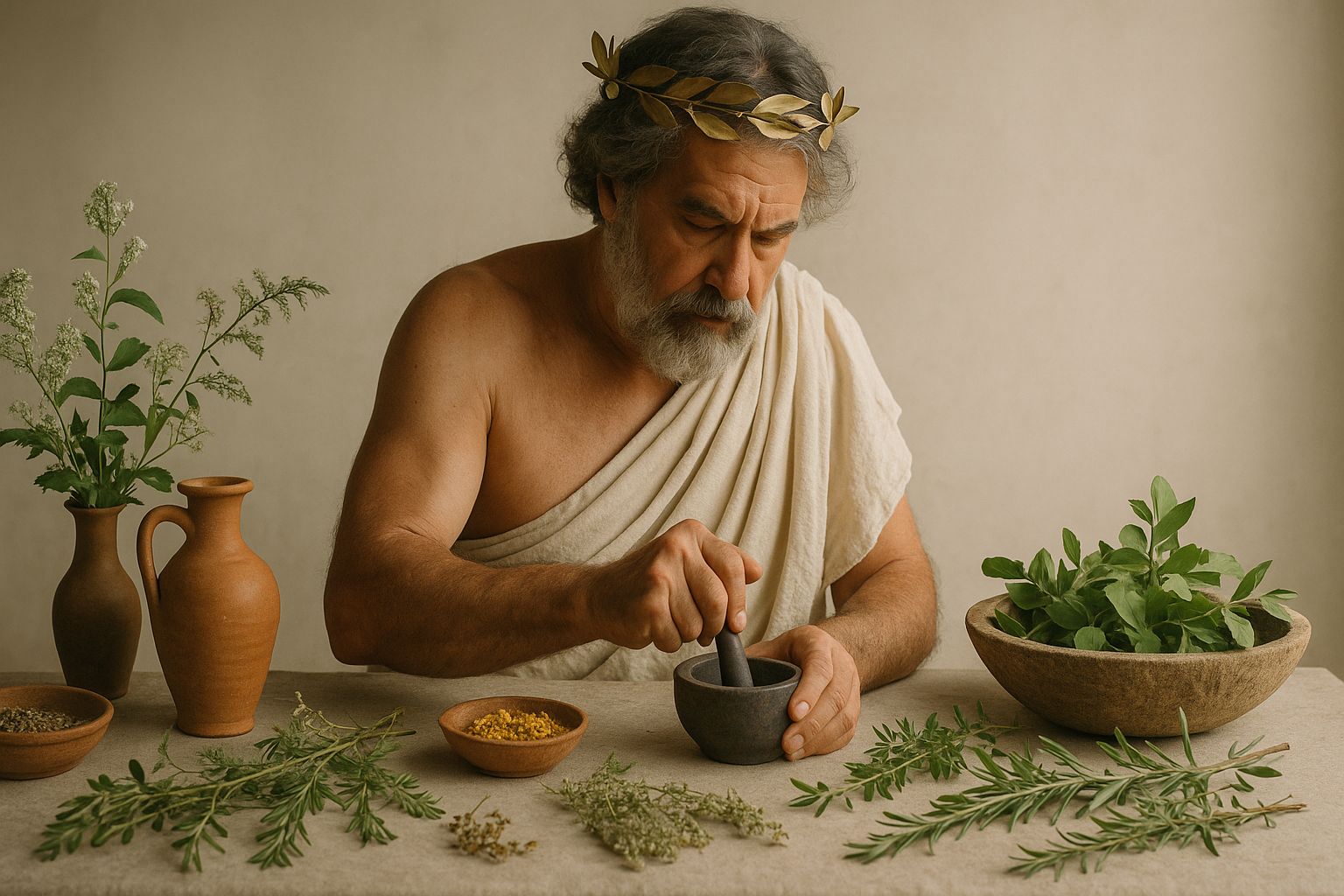
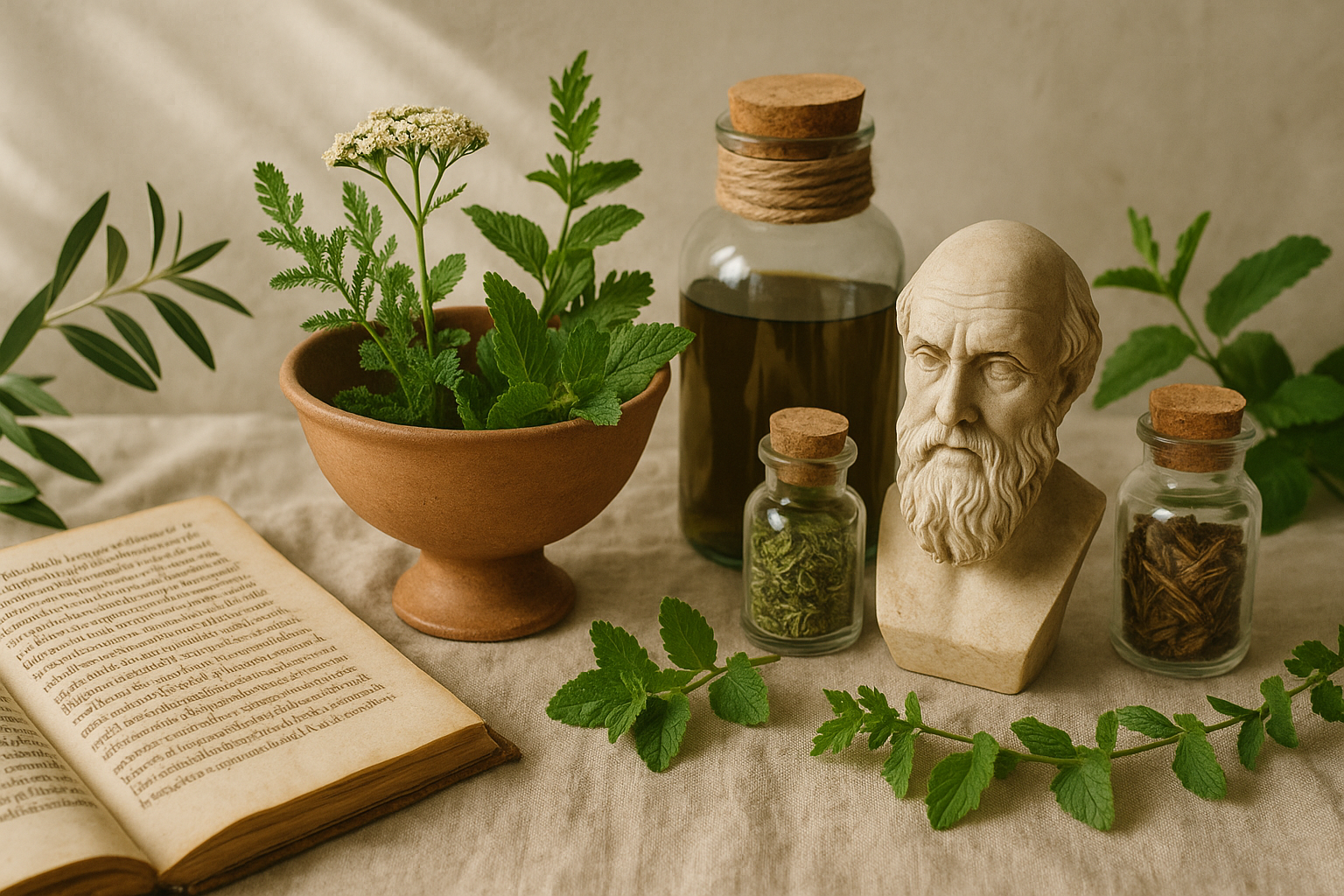
Traditional diagnostics emerged within the rich tapestry of Persian medicine, which has roots dating back thousands of years. Early texts from Persian scholars like Avicenna (Ibn Sina) laid the groundwork for understanding health and disease in a holistic manner. Avicenna’s seminal work, the "Canon of Medicine," greatly influenced medical practices in the Islamic world and beyond, establishing a framework for diagnosis and treatment that integrated philosophy, observation, and empirical evidence.
This tradition evolved through the contributions of various scholars and practitioners over centuries, with a strong emphasis on the balance of the four humors—blood, phlegm, yellow bile, and black bile—as essential to health. The diagnostic techniques developed in this context continue to inform contemporary practices within Persian medicine.
How It's Practiced
The practice of traditional diagnostics in Persian medicine typically involves several steps. A practitioner may follow this process:
- Initial Consultation: The practitioner conducts a thorough interview to gather the patient’s medical history and current concerns.
- Observation: The practitioner observes physical signs, including skin color, posture, and movements.
- Palpation: Gentle physical examination is performed to assess areas of tension or discomfort in the body.
- Inquiry: Detailed questions about lifestyle, diet, emotions, and environmental factors are posed to understand the patient’s overall context.
- Pulse Diagnosis: The practitioner may evaluate the quality of the patient’s pulse, which is believed to reveal vital information about internal health.
- Urine and Stool Analysis: In some cases, examination of urine or stool may be conducted to gain further insights into health status.
Through these methods, practitioners aim to develop a comprehensive understanding of a patient’s health, guiding them toward appropriate treatments.
What It Is Traditionally Explored For
Traditional diagnostics in Persian medicine is typically explored for a range of concerns. It is traditionally used for:
- Digestive issues, including bloating and irregular bowel movements.
- Skin conditions, such as eczema or acne.
- Respiratory ailments, including asthma and allergies.
- Emotional disturbances, such as anxiety and depression.
- Chronic pain, including conditions like arthritis.
- General wellness and preventive health, aiming to maintain balance and harmony in the body.
The holistic approach prioritizes not only the alleviation of symptoms but also the restoration of overall balance and health.
What Modern Research Suggests
However, it is essential to recognize that more rigorous clinical studies are needed to fully understand the effectiveness and mechanisms behind these traditional practices. As such, while the anecdotal evidence and historical significance of traditional diagnostics are compelling, they should complement rather than replace conventional medical approaches.
Safety, Contraindications & Who Should Skip
While traditional diagnostics is generally considered safe, there are some precautions to keep in mind. Individuals with serious health conditions should consult a qualified healthcare provider before engaging in traditional diagnostic practices. Additionally, those who are pregnant, have a history of mental health issues, or are currently undergoing treatment for chronic diseases should approach traditional diagnostics with caution. It is always advisable to discuss any concerns with a healthcare professional to ensure that the approach aligns with individual health needs.
Pairs Well With (within Persian Medicine and across pillars)
Traditional diagnostics can be effectively paired with various modalities and ingredients within Persian medicine, including:
- Herbal medicine, which uses specific herbs tailored to the diagnosis.
- Dietary recommendations, focusing on foods that promote balance.
- Massage therapy, which can enhance physical healing.
- Traditional Persian dietary practices that emphasize food as medicine.
- Mindfulness and meditation techniques to support mental well-being.
These pairings are designed to create a comprehensive approach to health that addresses multiple aspects of well-being.
How to Find a Qualified Practitioner
Finding a qualified practitioner of traditional diagnostics in Persian medicine involves several steps:
- Research local practitioners who specialize in Persian medicine and have appropriate training and credentials.
- Check for reviews or testimonials from previous patients to assess their experiences.
- Verify if the practitioner is associated with any reputable organizations or educational institutions that focus on traditional medicine.
- Schedule a consultation to discuss your health concerns and gauge the practitioner’s approach and expertise.
Ensuring that the practitioner respects both modern medical insights and traditional practices is crucial for a balanced approach to health.
FAQs (5)
- What should I expect during a traditional diagnostic consultation? You can expect a comprehensive assessment that includes a thorough discussion of your medical history, physical examination, and questions about your lifestyle and emotions.
- Is traditional diagnostics suitable for everyone? While many can benefit from traditional diagnostics, those with severe health conditions should consult a healthcare provider first.
- How long does a traditional diagnostic session typically last? Sessions can vary but usually last from 60 to 90 minutes to allow for an in-depth assessment.
- Can traditional diagnostics be used alongside conventional medicine? Yes, many individuals find that combining traditional diagnostics with conventional treatments enhances their overall well-being.
- Where can I find more information about Persian medicine? Numerous books, online resources, and local practitioners can provide further insights into Persian medicine and its practices.
Frequently asked
What should I expect during a traditional diagnostic consultation?
You can expect a comprehensive assessment that includes a thorough discussion of your medical history, physical examination, and questions about your lifestyle and emotions.
Is traditional diagnostics suitable for everyone?
While many can benefit from traditional diagnostics, those with severe health conditions should consult a healthcare provider first.
How long does a traditional diagnostic session typically last?
Sessions can vary but usually last from 60 to 90 minutes to allow for an in-depth assessment.
Can traditional diagnostics be used alongside conventional medicine?
Yes, many individuals find that combining traditional diagnostics with conventional treatments enhances their overall well-being.
Where can I find more information about Persian medicine?
Numerous books, online resources, and local practitioners can provide further insights into Persian medicine and its practices.