Dietary Therapy
Discover the principles and practices of dietary therapy in Persian medicine, its historical significance, and its role in holistic health.

Explore the ancient practice of dietary therapy within Persian medicine, its historical roots, modern applications, and safety considerations.
What It Is
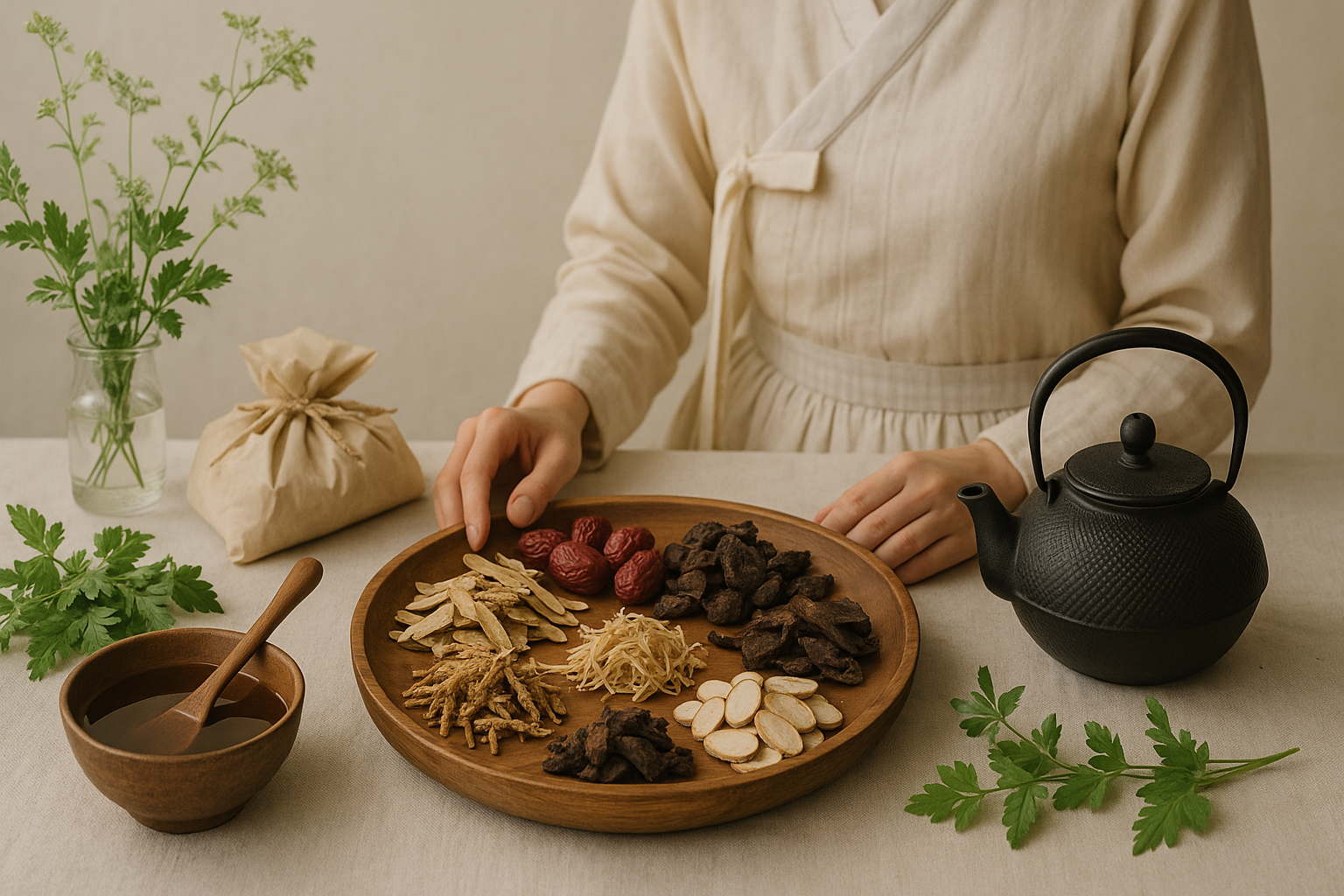
Dietary therapy, within the context of Persian medicine, refers to the systematic application of food and nutrition to promote health and balance in the body. This ancient practice is based on the understanding that food is not merely sustenance but a source of healing and vitality. Practitioners believe that different foods possess unique properties that can influence the body’s humors and energies, leading to optimal health.
In Persian medicine, dietary therapy emphasizes the importance of individualized nutrition, considering a person's unique constitution, the current environment, and seasonal changes. The goal is to restore harmony within the body by using food as medicine, thereby addressing not only physical ailments but also emotional and spiritual well-being.
Historical Context Within Persian Medicine
The roots of dietary therapy in Persian medicine can be traced back centuries, with its foundations laid by ancient scholars such as Avicenna (Ibn Sina), who lived in the 10th century. His influential works, particularly the "Canon of Medicine," integrated various aspects of dietary practices with humoral theory, categorizing foods based on their qualities and effects on the body.
Throughout history, Persian medicine evolved through a rich tapestry of cultural exchanges, incorporating ideas from Greek, Indian, and Islamic medical traditions. This holistic approach recognized the significance of diet in maintaining health, leading to the formulation of specific dietary guidelines aimed at preventing and treating various conditions.
How It's Practiced
Practitioners of dietary therapy in Persian medicine typically follow a structured approach that includes the following steps:
- Assessment: Evaluating the individual's physical constitution, emotional state, and lifestyle factors.
- Dietary Recommendations: Creating personalized dietary plans that align with the individual’s needs, incorporating seasonal and local foods.
- Cooking Methods: Advising on appropriate cooking techniques that enhance the digestibility and nutritional value of foods.
- Monitoring Progress: Regular follow-ups to assess the effectiveness of the dietary changes and make necessary adjustments.
What It Is Traditionally Explored For
Dietary therapy is traditionally used for a variety of health concerns, emphasizing prevention and holistic wellness. Common goals include:
- Enhancing digestive health
- Balancing energy levels
- Supporting immune function
- Managing weight
- Improving skin health
- Addressing mood fluctuations and emotional well-being
What Modern Research Suggests
Contemporary studies have begun to explore the impact of dietary practices inspired by Persian medicine. Some preliminary research suggests that certain dietary patterns, including the incorporation of whole, minimally processed foods, can lead to improved health outcomes. For instance, diets rich in fruits, vegetables, and healthy fats have been associated with lower rates of chronic diseases.
While clinical evidence specifically related to Persian dietary therapy remains limited, the principles behind it align with current nutritional science, which emphasizes balance and individualization in dietary choices. Further research is necessary to validate these traditional practices within a modern scientific framework.
Safety, Contraindications & Who Should Skip
Although dietary therapy is generally considered safe, there are certain precautions to keep in mind:
- Individuals with specific medical conditions, such as diabetes or severe allergies, should consult healthcare providers before making significant dietary changes.
- Pregnant or breastfeeding women should seek advice tailored to their unique needs.
- Those with eating disorders or a history of disordered eating should approach dietary therapy with caution and under professional supervision.
Pairs Well With (within Persian Medicine and across pillars)
Dietary therapy can complement various other modalities within Persian medicine, including:
- Herbal medicine
- Massage therapy
- Mindfulness practices
- Aromatherapy
How to Find a Qualified Practitioner
To find a qualified practitioner of dietary therapy in Persian medicine, consider the following steps:
- Research local practitioners with a background in Persian medicine.
- Check credentials and experience in dietary therapy.
- Seek recommendations from trusted sources or health communities.
- Schedule a consultation to discuss your needs and assess compatibility.
FAQs
- What types of foods are emphasized in Persian dietary therapy? Foods that are wholesome, seasonal, and locally sourced are often emphasized, including fruits, vegetables, whole grains, and healthy fats.
- How long does it take to see results from dietary therapy? Results can vary based on individual circumstances, but many may notice changes within weeks of following dietary recommendations.
- Is dietary therapy suitable for children? Yes, but it should be approached with care and tailored to the specific nutritional needs of children.
- Can I combine dietary therapy with other treatments? Yes, dietary therapy can be effectively combined with other holistic approaches, but it is advisable to consult with practitioners to ensure compatibility.
- Is there a specific diet I should follow? Dietary recommendations are highly individualized in Persian medicine, so it is best to consult with a qualified practitioner for personalized guidance.
Frequently asked
What types of foods are emphasized in Persian dietary therapy?
Foods that are wholesome, seasonal, and locally sourced are often emphasized, including fruits, vegetables, whole grains, and healthy fats.
How long does it take to see results from dietary therapy?
Results can vary based on individual circumstances, but many may notice changes within weeks of following dietary recommendations.
Is dietary therapy suitable for children?
Yes, but it should be approached with care and tailored to the specific nutritional needs of children.
Can I combine dietary therapy with other treatments?
Yes, dietary therapy can be effectively combined with other holistic approaches, but it is advisable to consult with practitioners to ensure compatibility.
Is there a specific diet I should follow?
Dietary recommendations are highly individualized in Persian medicine, so it is best to consult with a qualified practitioner for personalized guidance.