Mind-Body Harmony
Mind-Body Harmony in Persian Medicine emphasizes the vital connection between the mind and body, promoting overall well-being through ancient practices. Learn more about its history, applications, and modern insights.
Explore the ancient practice of Mind-Body Harmony within Persian Medicine, a holistic approach emphasizing the connection between mental and physical health. Discover its historical roots, practical applications, and the modern research surrounding its benefits.
What It Is
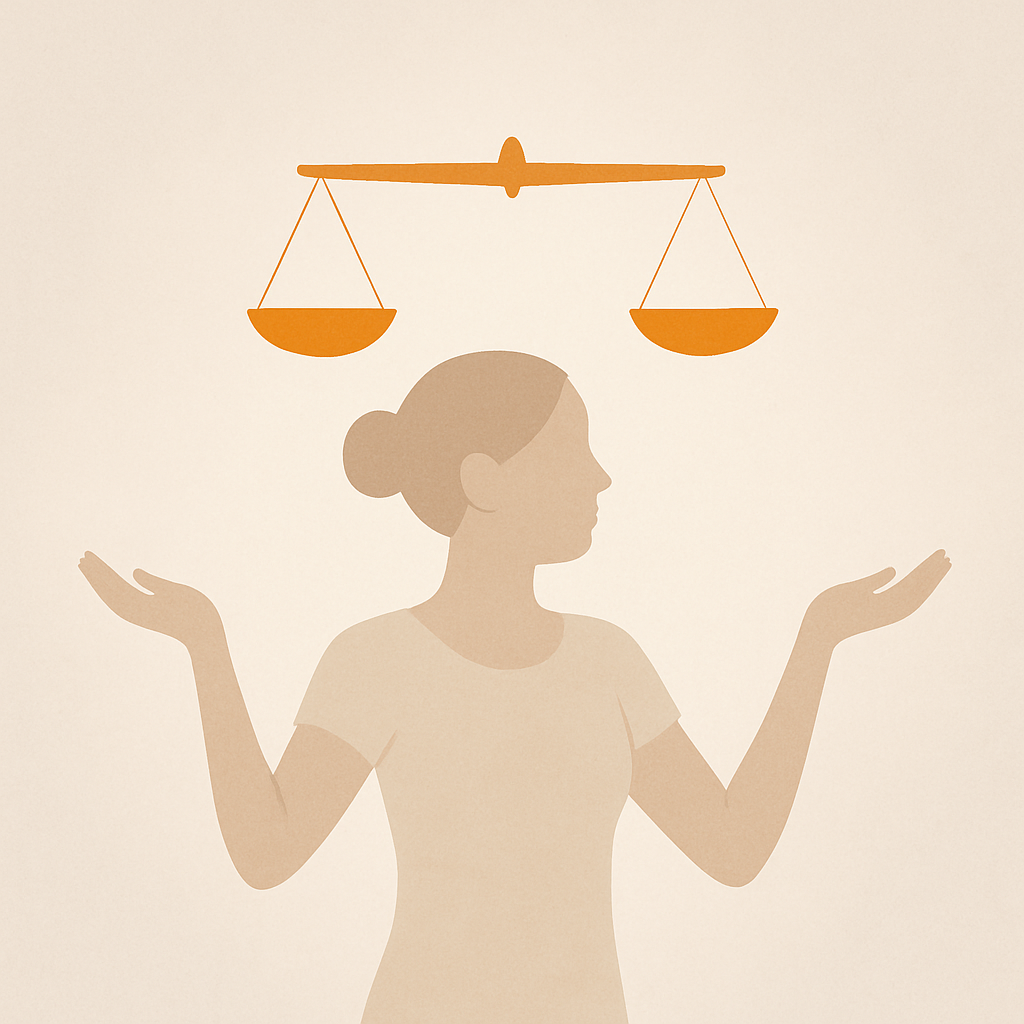
Mind-Body Harmony is a holistic practice within Persian Medicine that emphasizes the intricate connection between the mind and body. It is founded on the belief that emotional and mental states have a profound impact on physical health. By achieving balance and harmony between these two aspects, individuals can enhance their overall well-being.
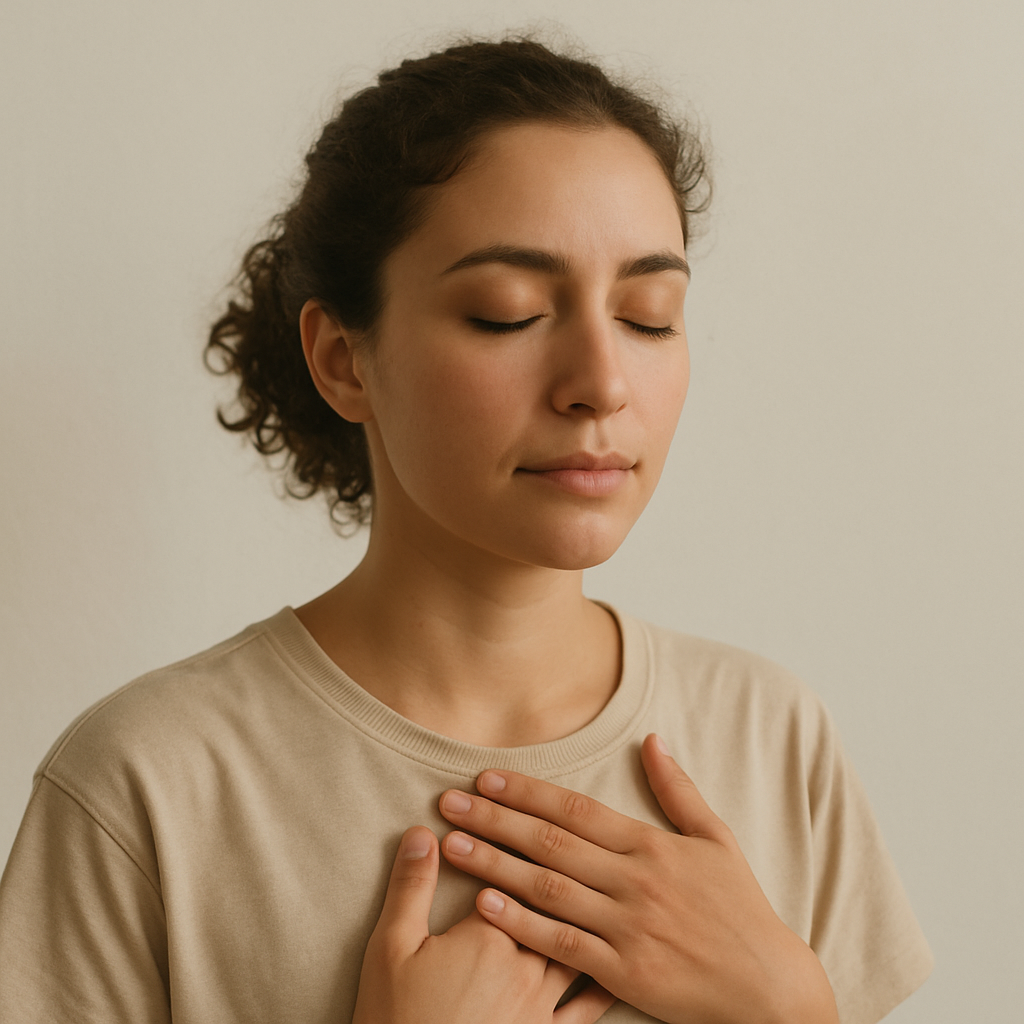
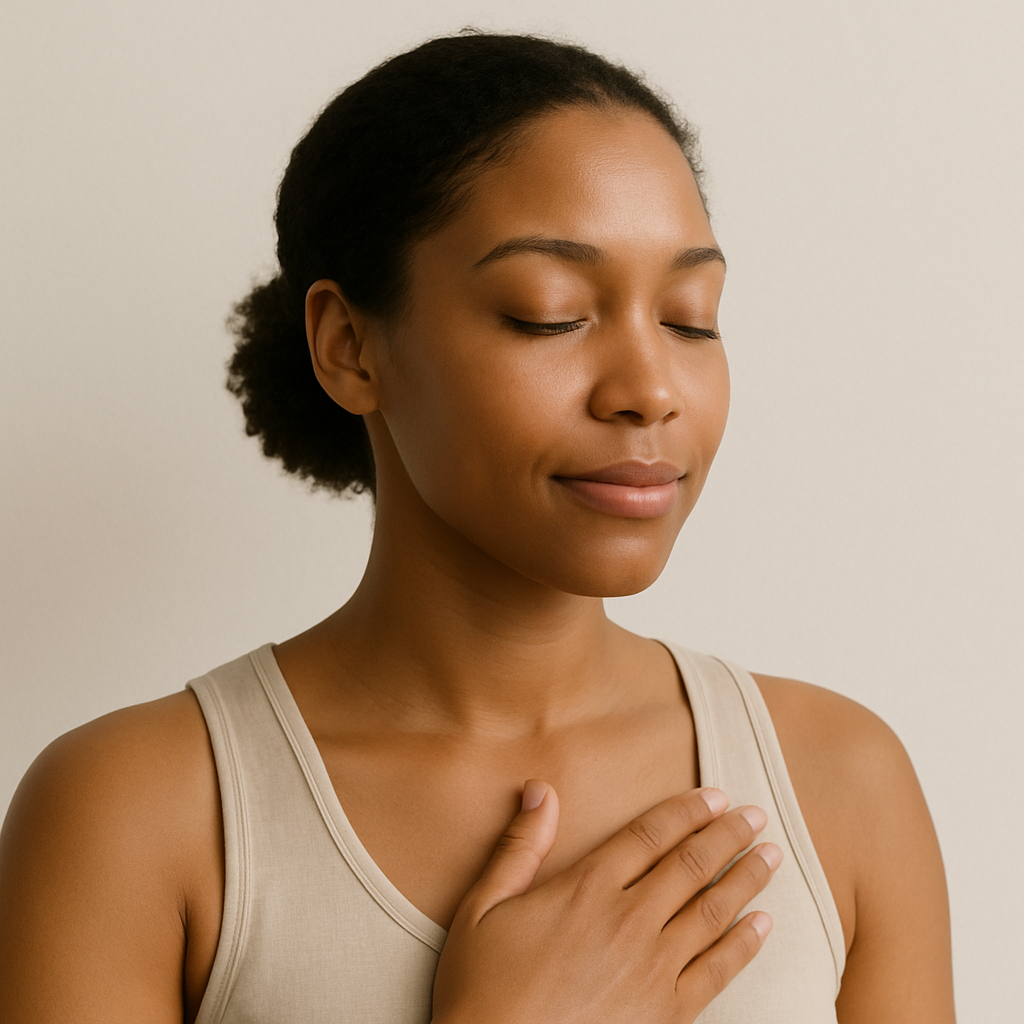
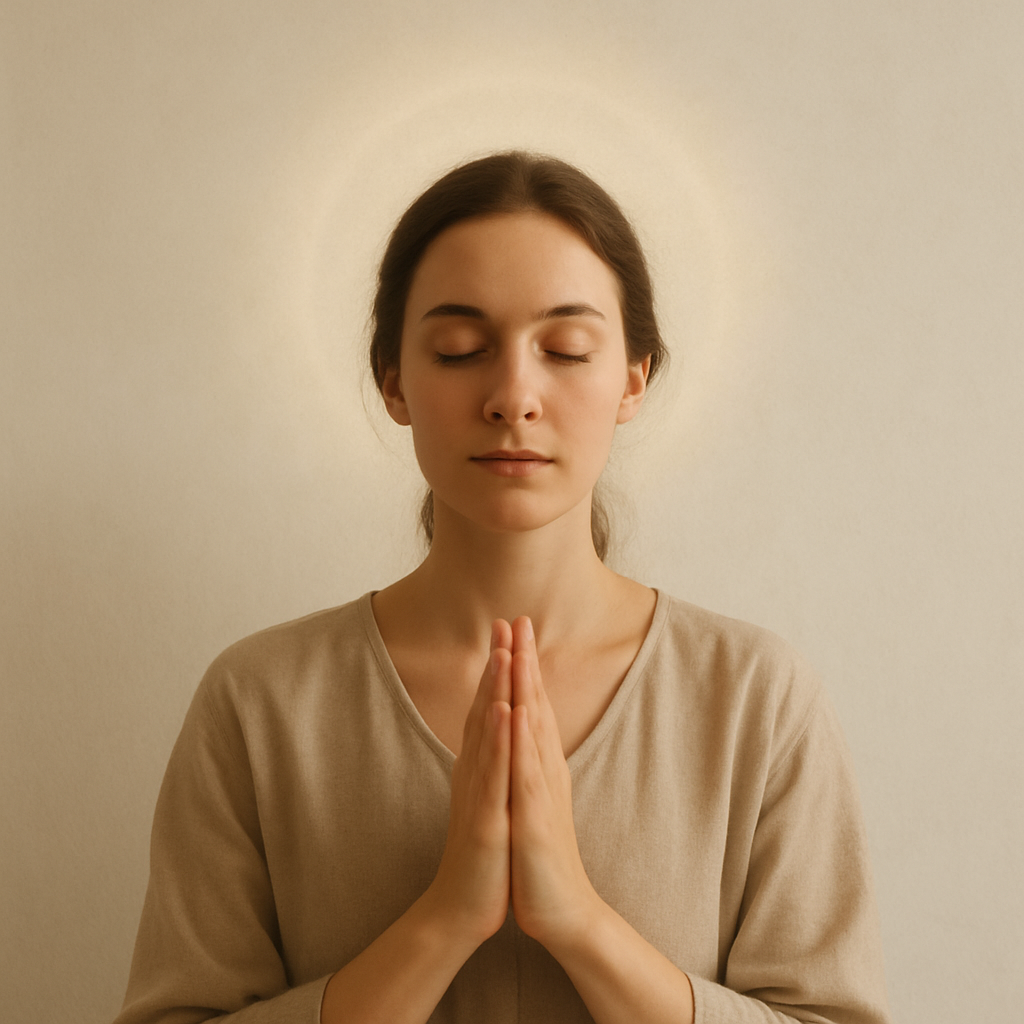
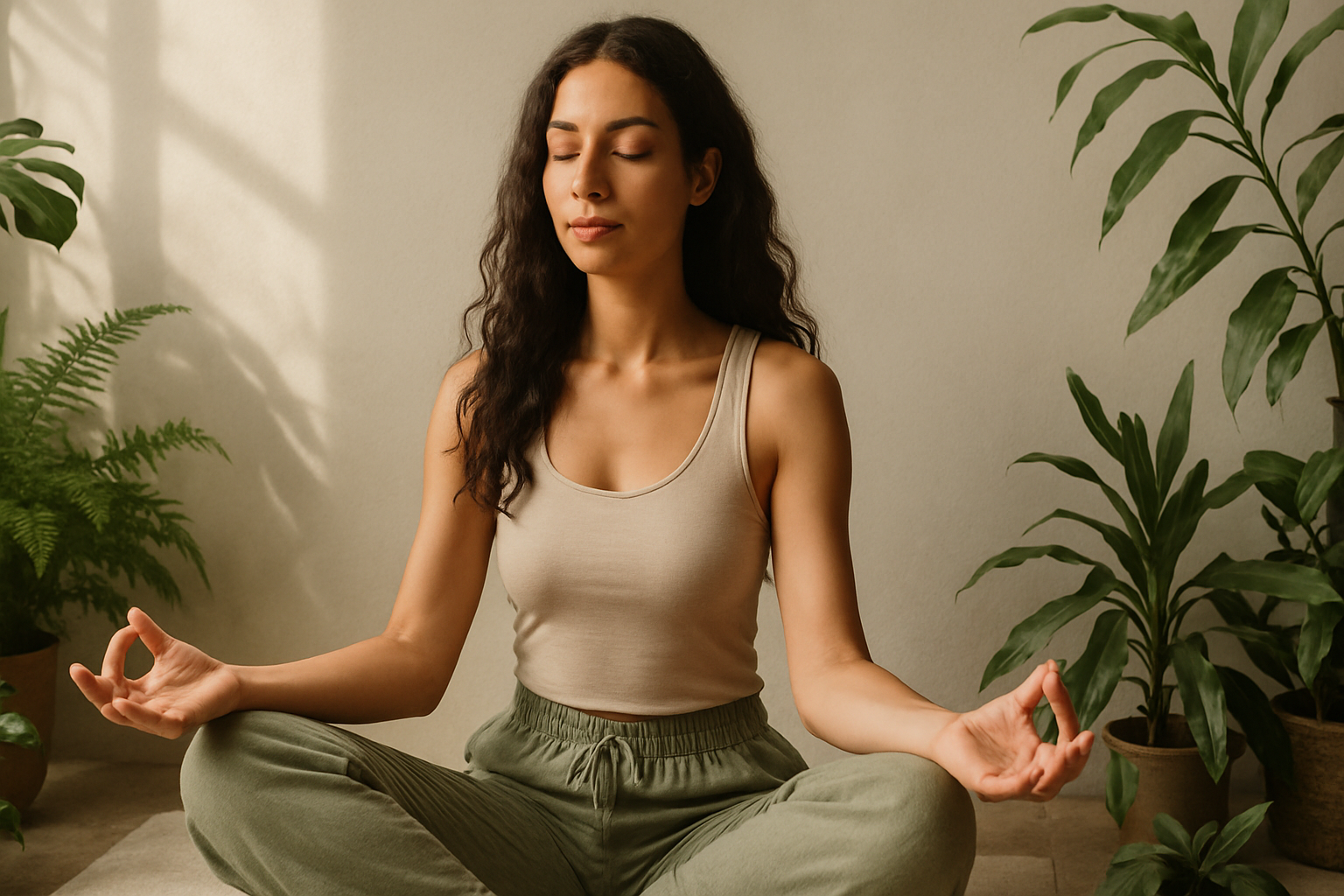
This practice integrates various techniques, including meditation, breathing exercises, and lifestyle adjustments, to foster a sense of tranquility and stability. The goal is to align the mind and body, allowing for optimal health and vitality.
Historical Context Within Persian Medicine
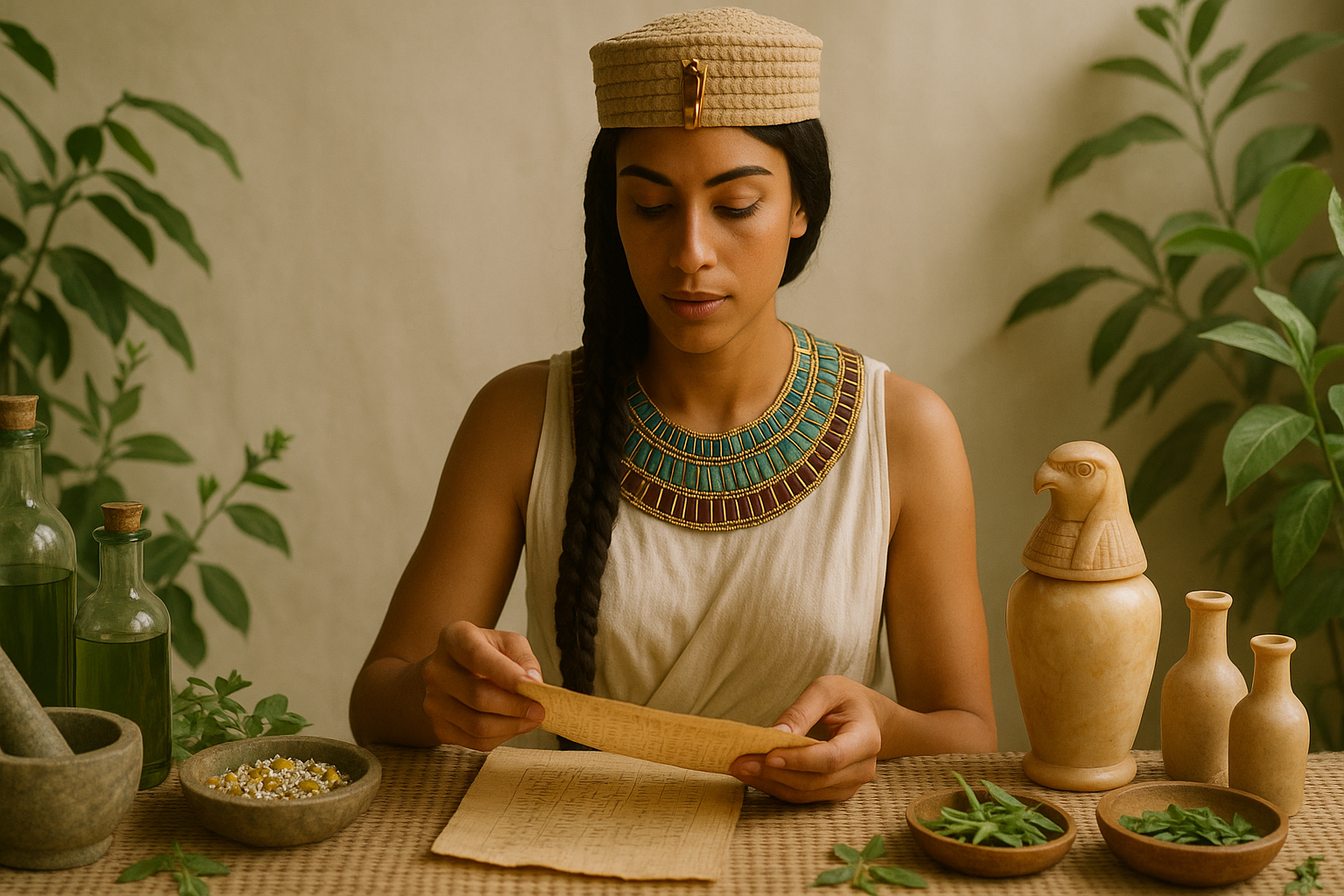
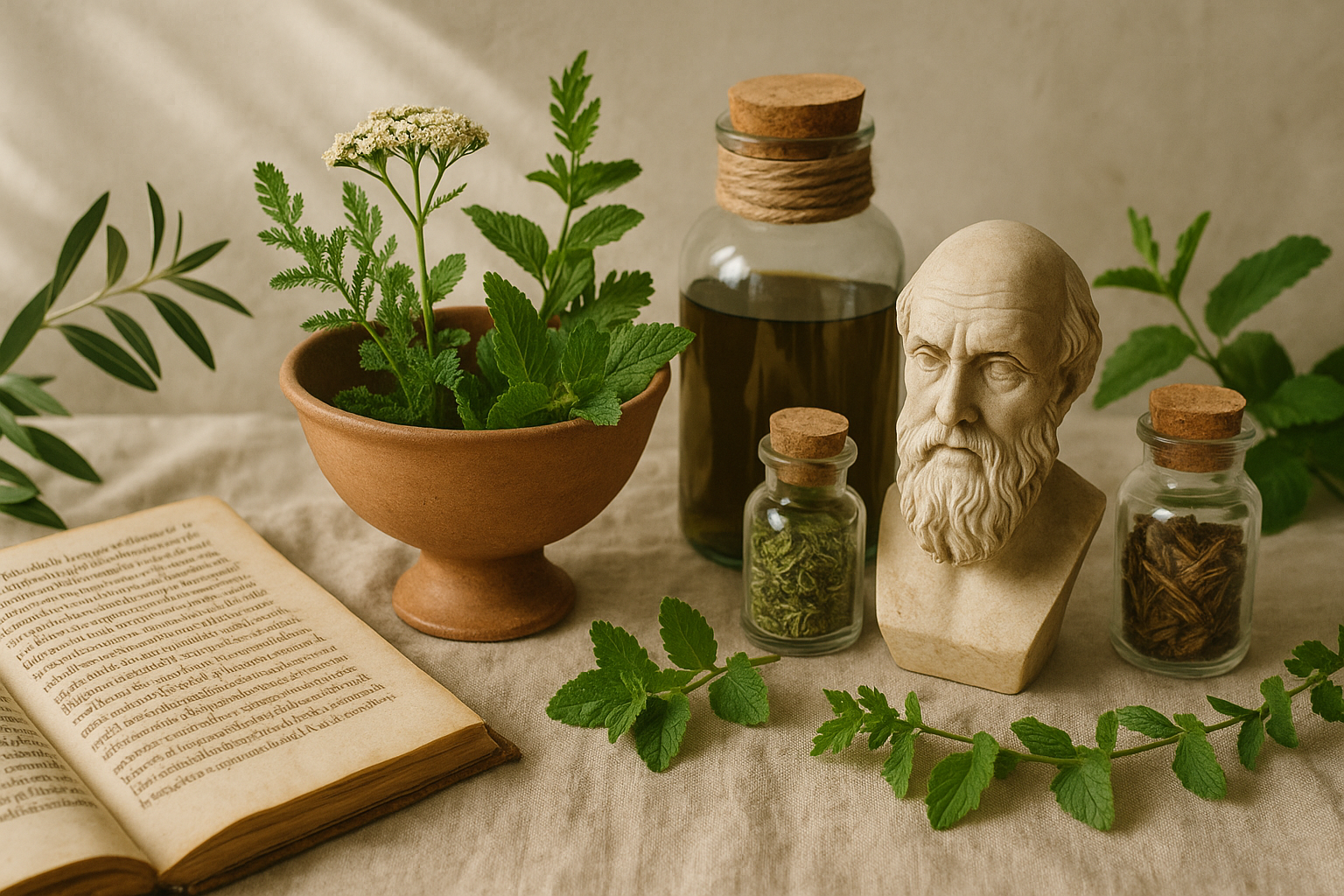
Mind-Body Harmony has its roots in ancient Persian Medicine, a tradition that dates back thousands of years. It was developed by early Persian scholars and physicians who observed the relationship between emotional states and physical health. Influential figures such as Avicenna (Ibn Sina) contributed significantly to this body of knowledge, integrating philosophical thought with medical practice.
Throughout history, Persian Medicine has been characterized by its holistic approach, viewing the body as an interconnected system. Mind-Body Harmony emerged as a vital component of this tradition, emphasizing the need for balance to achieve optimal health.
How It's Practiced
Practicing Mind-Body Harmony typically involves a series of techniques designed to promote relaxation and mental clarity. Here is a simplified walk-through of common practices:
- Mindfulness Meditation: Practitioners engage in mindfulness exercises to cultivate awareness of the present moment.
- Breathing Techniques: Deep breathing exercises help reduce stress and improve mental focus.
- Physical Movement: Gentle movements, such as stretching or yoga, are incorporated to enhance physical and mental alignment.
- Lifestyle Adjustments: Dietary and lifestyle changes may be recommended to support overall well-being.
- Journaling: Reflective writing can help individuals process emotions and thoughts, contributing to mental clarity.
What It Is Traditionally Explored For
Mind-Body Harmony is traditionally used for a variety of purposes, including:
- Enhancing emotional well-being
- Reducing stress and anxiety
- Improving focus and concentration
- Promoting physical health and vitality
- Facilitating personal growth and self-awareness
By fostering a balanced state of mind and body, individuals may achieve greater harmony in their lives.
What Modern Research Suggests
Modern research into the principles of Mind-Body Harmony indicates promising benefits. Preliminary studies have shown that mindfulness and meditation practices can significantly reduce stress and anxiety levels. Research has also suggested that these practices can improve physical health outcomes by enhancing immune function and reducing inflammation.
While more clinical studies are needed to fully understand the extent of these benefits, existing evidence supports the integration of Mind-Body Harmony techniques into wellness routines. As the scientific community continues to explore this field, the traditional wisdom of Persian Medicine is gaining recognition for its relevance in contemporary health practices.
Safety, Contraindications & Who Should Skip
Mind-Body Harmony practices are generally safe for most individuals. However, certain populations may need to exercise caution:
- Individuals with severe mental health conditions should consult a healthcare professional before engaging in mindfulness or meditation practices.
- Those with physical limitations may need to adapt physical movements to avoid injury.
- Pregnant women should consult with a healthcare provider to determine appropriate practices.
It is essential to approach these practices with mindfulness and to seek guidance as needed.
Pairs Well With (within Persian Medicine and across pillars)
Mind-Body Harmony complements various other practices within Persian Medicine and beyond. Some related modalities include:
- Herbal Remedies
- Aromatherapy
- Massage and Bodywork
- Nutrition and Dietary Adjustments
- Traditional Persian Healing Techniques
How to Find a Qualified Practitioner
Finding a qualified practitioner in Mind-Body Harmony within Persian Medicine involves several steps:
- Seek referrals from healthcare professionals or trusted sources.
- Look for practitioners with certifications in Persian Medicine or related fields.
- Check for reviews or testimonials from previous clients.
- Consider scheduling a consultation to discuss your needs and gauge compatibility.
It is important to ensure that the practitioner aligns with your wellness goals and embodies the principles of Mind-Body Harmony.
FAQs
- What is Mind-Body Harmony? Mind-Body Harmony is a holistic practice within Persian Medicine focusing on the connection between mental and physical health.
- Who developed this practice? Mind-Body Harmony has its roots in ancient Persian Medicine, influenced by scholars like Avicenna.
- What techniques are involved? Techniques may include mindfulness meditation, breathing exercises, and gentle physical movements.
- Is it safe for everyone? While generally safe, individuals with severe mental health issues or physical limitations should consult professionals before starting.
- How can I find a practitioner? Seek referrals, check credentials, and consider consultations to find a suitable practitioner.
Frequently asked
What is Mind-Body Harmony?
Mind-Body Harmony is a holistic practice within Persian Medicine focusing on the connection between mental and physical health.
Who developed this practice?
Mind-Body Harmony has its roots in ancient Persian Medicine, influenced by scholars like Avicenna.
What techniques are involved?
Techniques may include mindfulness meditation, breathing exercises, and gentle physical movements.
Is it safe for everyone?
While generally safe, individuals with severe mental health issues or physical limitations should consult professionals before starting.
How can I find a practitioner?
Seek referrals, check credentials, and consider consultations to find a suitable practitioner.