Temperament Medicine
Delve into the principles and practices of Temperament Medicine in Persian Medicine, including its historical context, applications, and safety considerations.
Explore the ancient practice of Temperament Medicine within Persian Medicine, its historical roots, modern implications, and more.
What It Is
Temperament Medicine, a foundational aspect of Persian Medicine, emphasizes the balance of four fundamental temperaments: sanguine, choleric, melancholic, and phlegmatic. Each individual's unique blend of these temperaments influences their physical, emotional, and psychological health. The goal of this practice is to understand and restore balance within these temperamental qualities, thereby enhancing overall well-being.
This approach posits that health is achieved through the harmonious interplay of these temperaments rather than through a one-size-fits-all method. By identifying one’s predominant temperament, practitioners can tailor recommendations for diet, lifestyle, and herbal remedies to support individual needs and promote balance.
Historical Context Within Persian Medicine
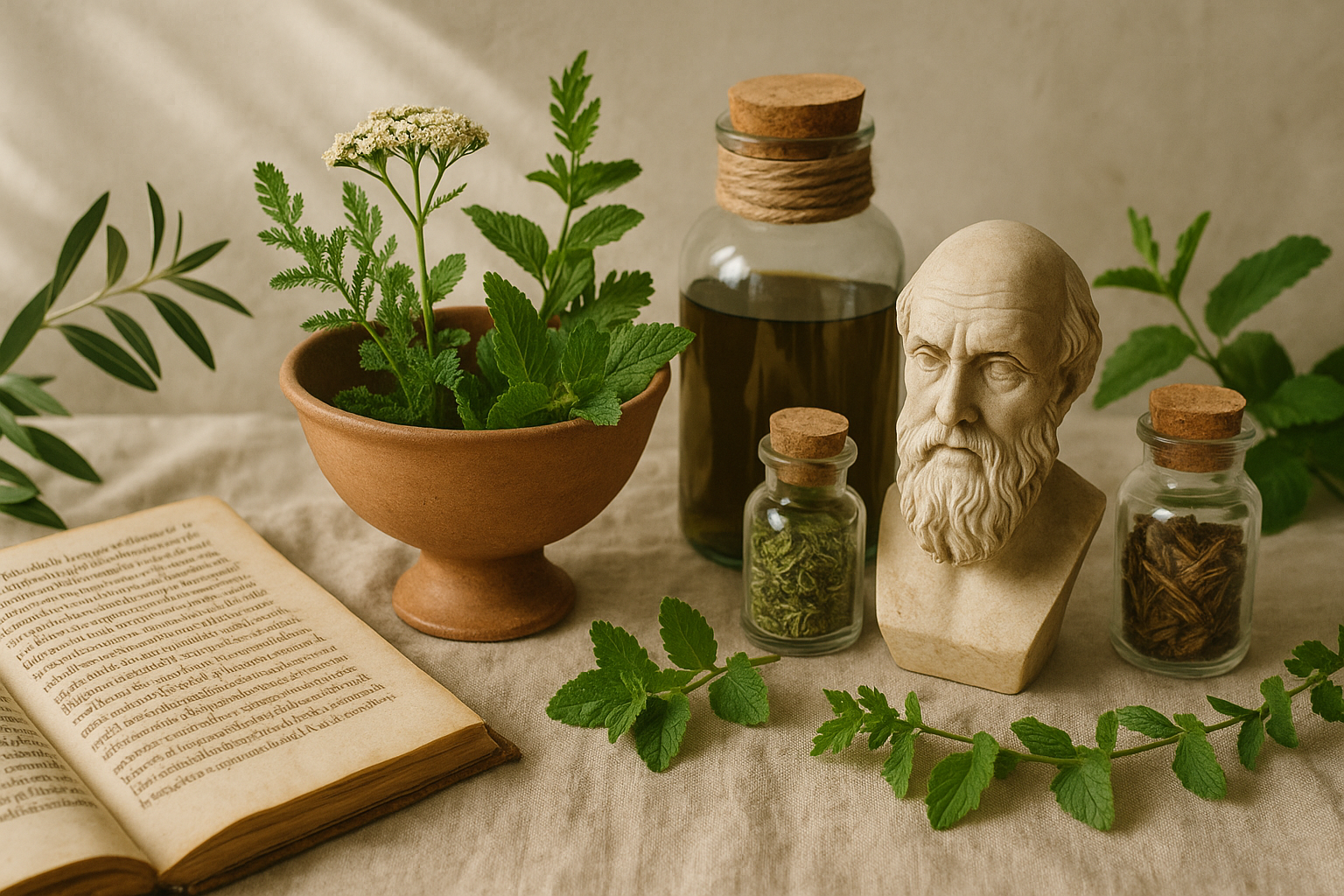
Temperament Medicine has its roots in ancient Persian medical texts, dating back to the time of Avicenna, a prominent physician and philosopher in the 10th century. His influential work, the "Canon of Medicine," laid the groundwork for understanding the human body through the lens of temperaments. With a focus on the humoral theory that correlates bodily health with temperamental balance, this modality became a cornerstone of Persian Medicine.
Throughout history, the understanding of temperaments has evolved but remained integral to Persian healing practices. Various scholars and practitioners have expanded upon Avicenna's teachings, adapting them to meet the needs of different cultures and eras while retaining the core principles that define Temperament Medicine today.
How It's Practiced
The practice of Temperament Medicine begins with a comprehensive assessment of an individual's temperament. Here is a step-by-step overview of how a typical session may unfold:
- Initial Consultation: The practitioner conducts a detailed interview to understand the patient’s physical symptoms, emotional state, and lifestyle.
- Temperament Assessment: Based on the information gathered, the practitioner identifies the patient's predominant temperament and any imbalances present.
- Personalized Recommendations: The practitioner suggests dietary adjustments, lifestyle changes, and herbal remedies tailored to the individual's temperament.
- Follow-Up: Regular follow-up appointments track progress, allowing for adjustments to the treatment plan as needed.
What It Is Traditionally Explored For
While scientific validation continues to grow, Temperament Medicine has traditionally been used for a variety of conditions. Common goals include:
- Enhancing mental clarity and emotional stability.
- Improving digestive health and metabolism.
- Managing stress and promoting relaxation.
- Supporting immune function and overall vitality.
Through the lens of Temperament Medicine, practitioners aim to address these concerns holistically, recognizing the interconnectedness of body and mind.
What Modern Research Suggests
While Temperament Medicine is steeped in ancient wisdom, modern research is beginning to explore its relevance in contemporary health care. Preliminary studies suggest that individual temperament can influence responses to treatment and lifestyle choices, which aligns with the principles of this traditional practice. Some research indicates that personalized medicine, which takes into account individual characteristics like temperament, may lead to better health outcomes.
However, more rigorous clinical studies are needed to substantiate these findings and fully understand the implications of temperament on health. As interest in holistic and integrative approaches to health care grows, the principles of Temperament Medicine may find a more prominent place in modern medical discourse.
Safety, Contraindications & Who Should Skip
Temperament Medicine is generally considered safe when practiced by qualified professionals. However, individuals with specific health conditions or those currently undergoing certain medical treatments should approach this modality with caution. It is advisable for the following groups to consult with a healthcare provider before engaging in Temperament Medicine:
- Individuals with serious medical conditions.
- Those on prescribed medications that may interact with herbal remedies.
- Pregnant or breastfeeding women.
- Individuals with known allergies to specific herbs or substances used in treatment.
Pairs Well With (within Persian Medicine and across pillars)
Temperament Medicine complements various modalities and ingredients within Persian Medicine. Some notable pairings include:
- Herbal Remedies: Specific herbs are often recommended based on temperament, such as saffron for enhancing mood or ginger for digestive support.
- Dietary Practices: Traditional Persian dietary recommendations align with temperament types, focusing on foods that balance individual qualities.
- Massage and Bodywork: Techniques that consider an individual's temperament can enhance physical and emotional well-being.
- Mindfulness Practices: Incorporating mindfulness and meditation tailored to one’s temperament can further promote balance.
How to Find a Qualified Practitioner
To find a qualified practitioner of Temperament Medicine, consider the following steps:
- Research: Look for practitioners with credentials in Persian Medicine or holistic health.
- Ask for Recommendations: Seek referrals from healthcare providers or individuals familiar with the practice.
- Verify Experience: Ensure the practitioner has experience in temperament assessment and personalized treatment plans.
- Consultation: Schedule an initial consultation to discuss your health goals and assess compatibility with the practitioner’s approach.
FAQs (5)
What is the primary goal of Temperament Medicine?
The primary goal is to restore balance among the four temperaments to enhance overall health and well-being.
Can Temperament Medicine be used alongside conventional treatments?
Yes, but it is essential to consult with a healthcare provider to avoid potential interactions.
How do I know my temperament type?
A qualified practitioner can assess your temperament through a combination of interviews and observations.
Is there scientific evidence supporting Temperament Medicine?
While there is emerging research on personalized medicine and temperament, more studies are needed for definitive conclusions.
Can children benefit from Temperament Medicine?
Yes, but treatment should be approached carefully, and it is advisable to consult a practitioner experienced with pediatric cases.
Frequently asked
What is the primary goal of Temperament Medicine?
The primary goal is to restore balance among the four temperaments to enhance overall health and well-being.
Can Temperament Medicine be used alongside conventional treatments?
Yes, but it is essential to consult with a healthcare provider to avoid potential interactions.
How do I know my temperament type?
A qualified practitioner can assess your temperament through a combination of interviews and observations.
Is there scientific evidence supporting Temperament Medicine?
While there is emerging research on personalized medicine and temperament, more studies are needed for definitive conclusions.
Can children benefit from Temperament Medicine?
Yes, but treatment should be approached carefully, and it is advisable to consult a practitioner experienced with pediatric cases.