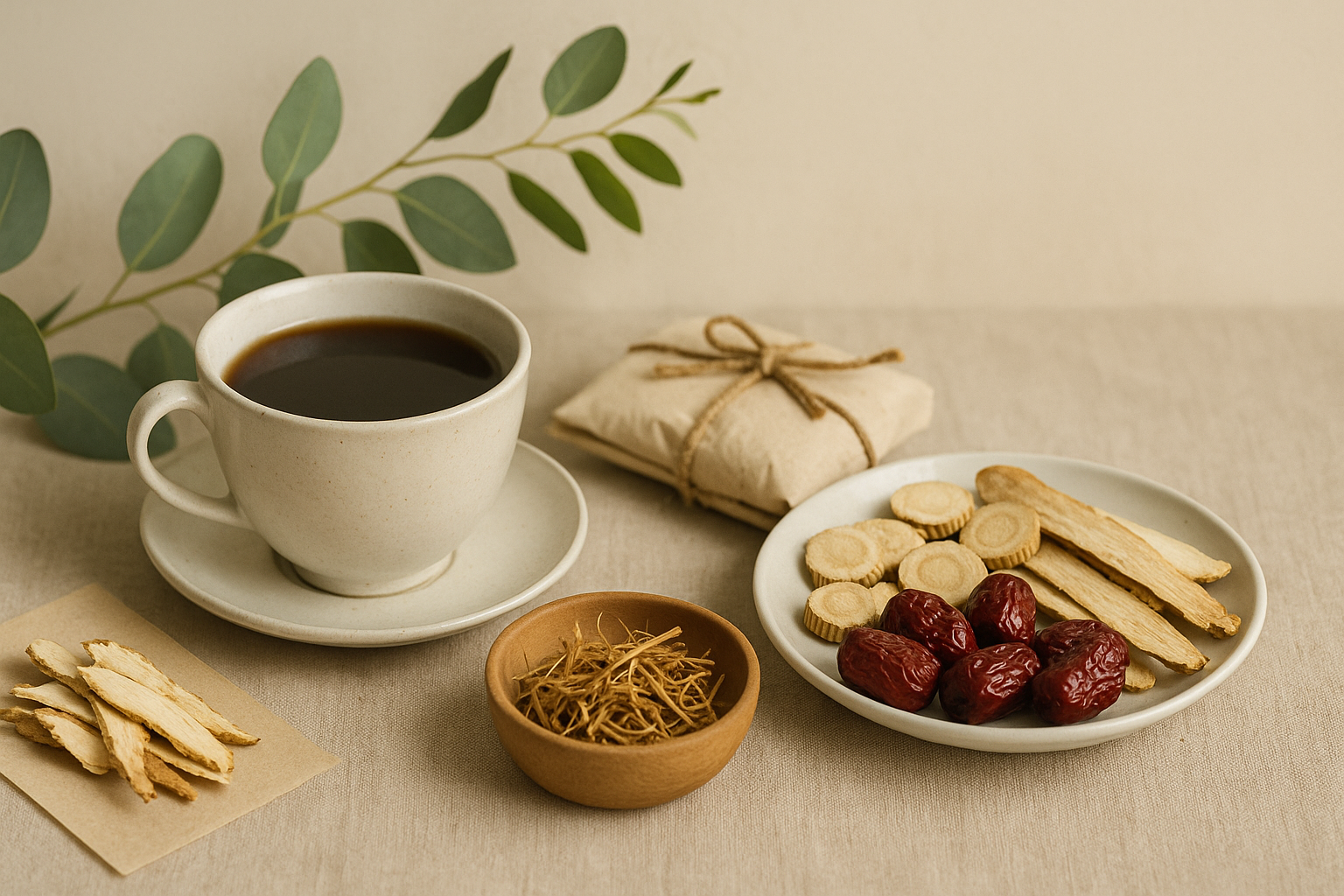
Herbal Systems
Delve into the rich tradition of Herbal Systems in Persian Medicine, examining its historical context, practical applications, and safety considerations.
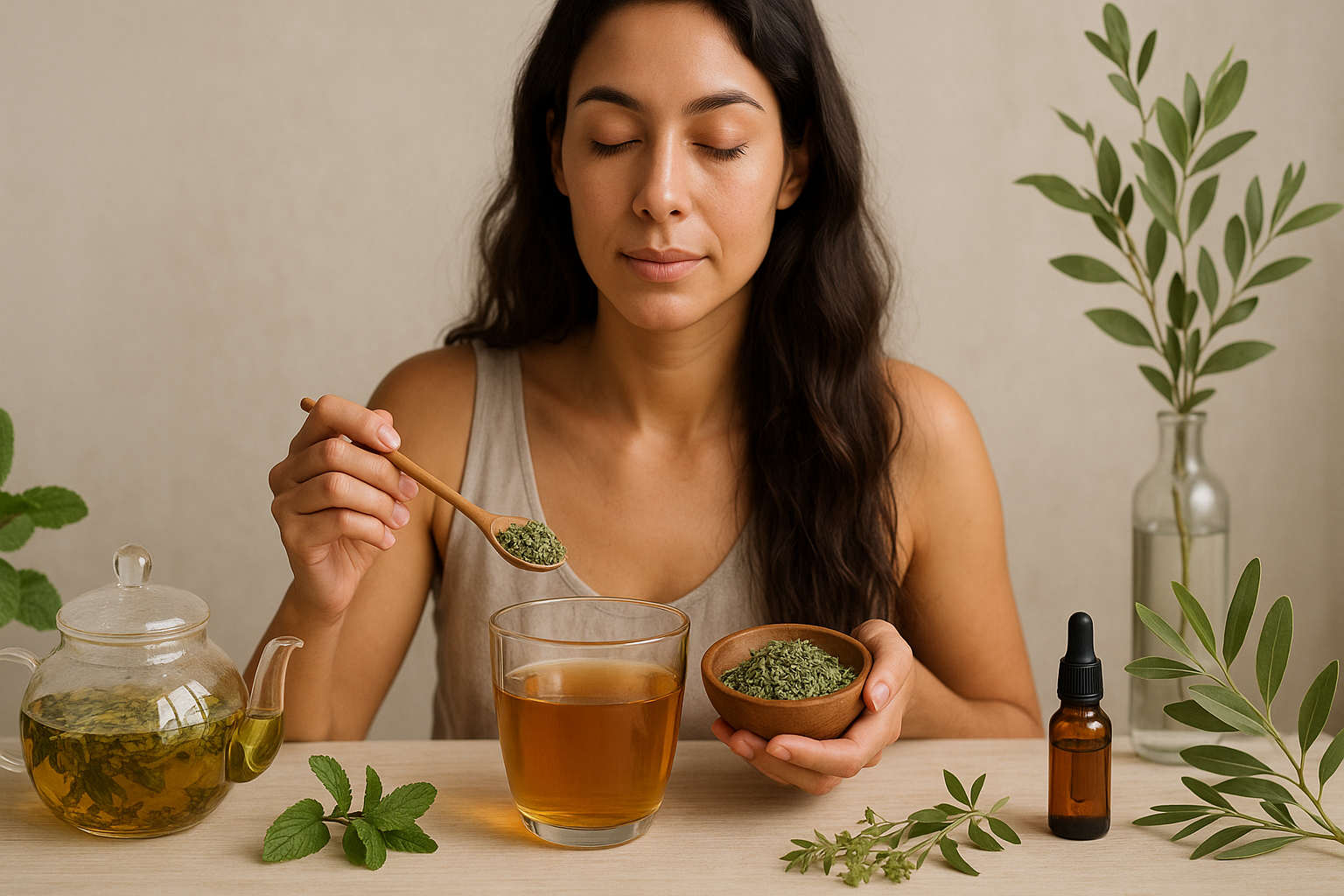
Explore the ancient wisdom of Herbal Systems within Persian Medicine, understanding its historical roots, practices, and contemporary relevance.
What It Is
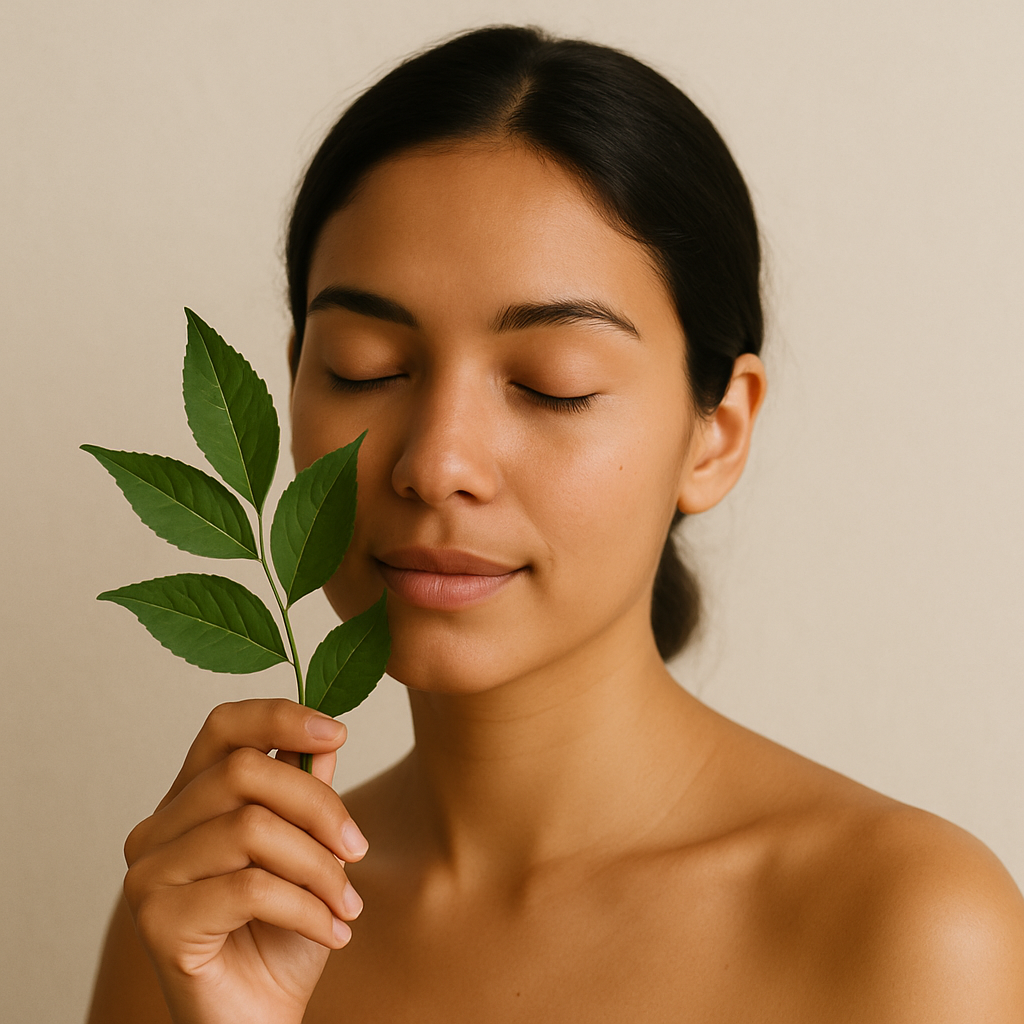
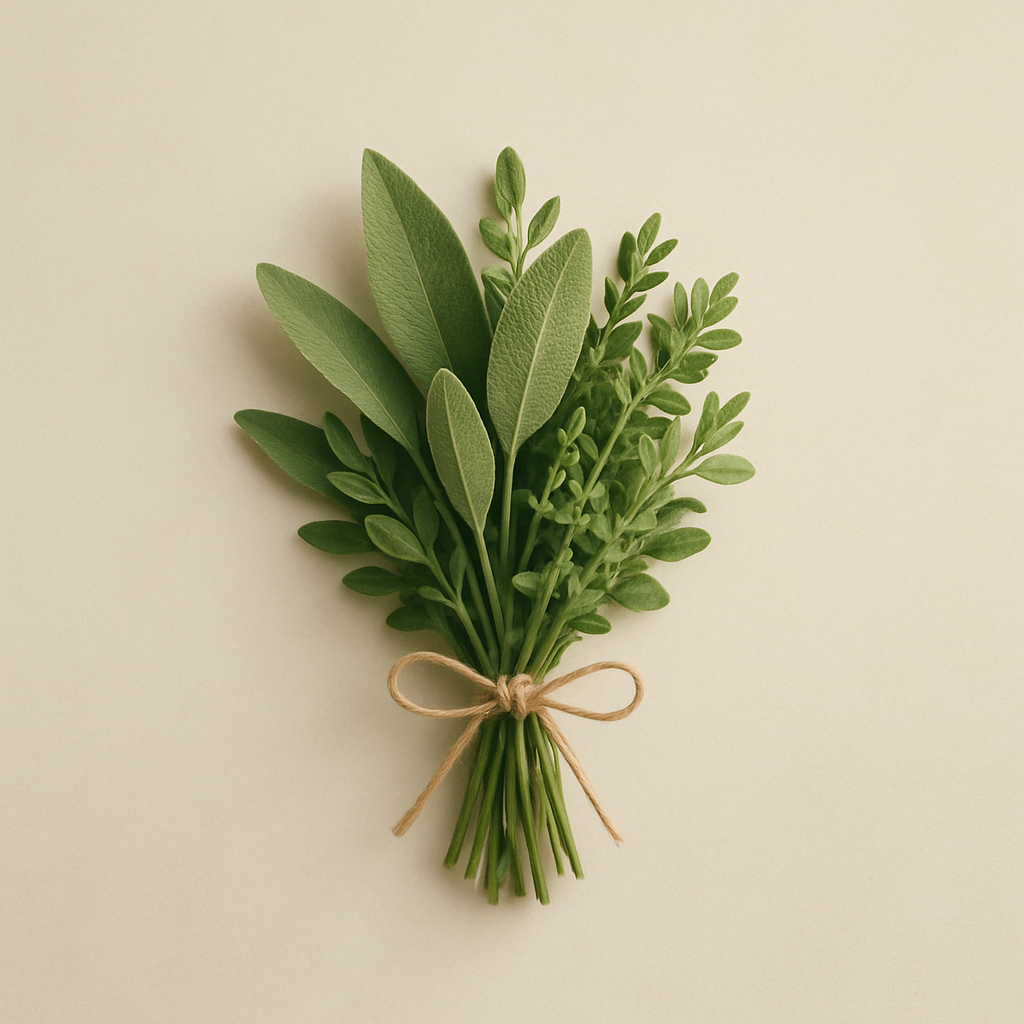
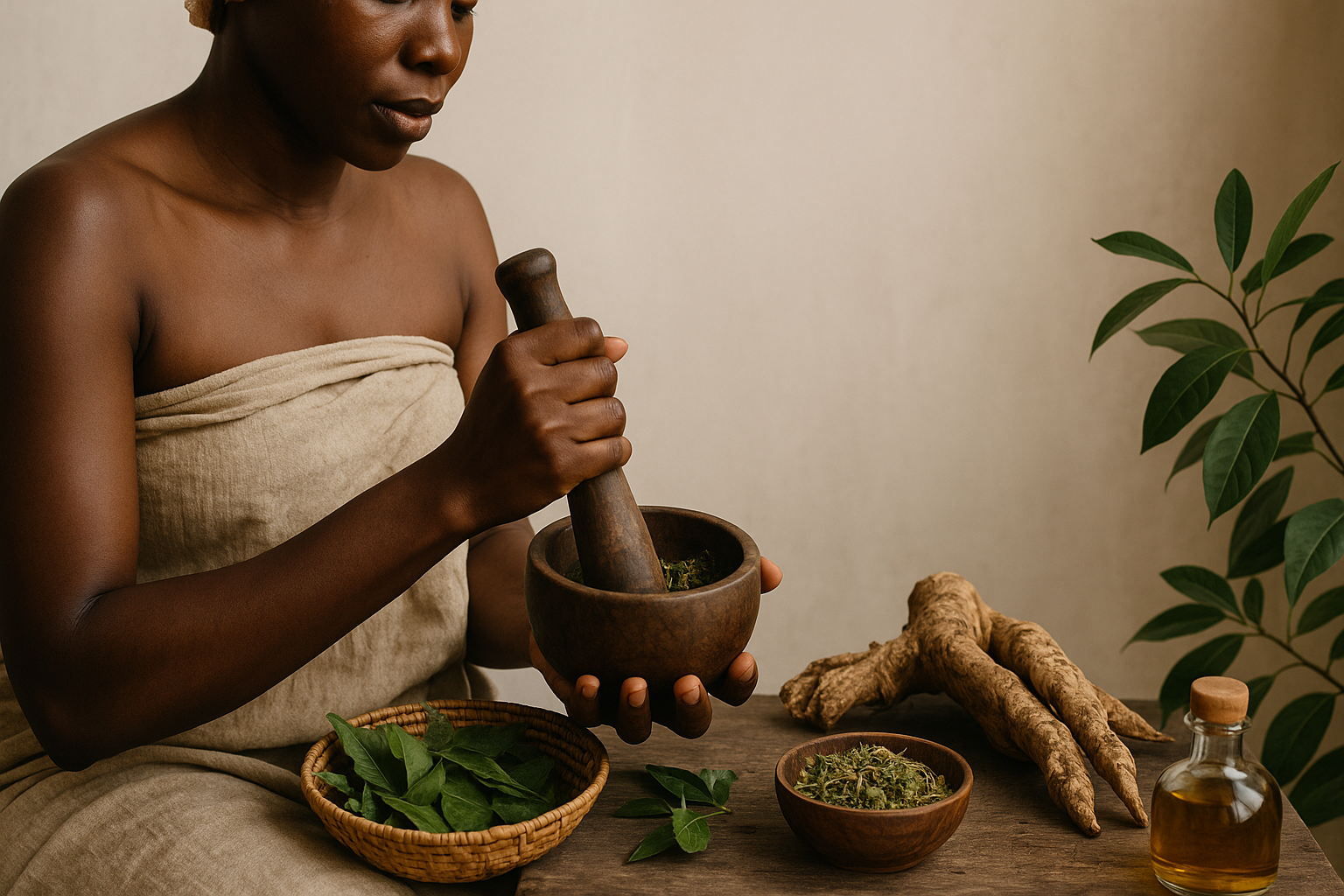
Herbal Systems in Persian Medicine refer to the use of plants and their extracts for therapeutic purposes, rooted in centuries of knowledge and practices. This modality emphasizes the holistic approach to health, considering the balance of the body, mind, and spirit. Herbal remedies are crafted from a variety of natural sources, including leaves, flowers, seeds, and roots, often combined to create synergistic effects.
The philosophy behind Herbal Systems in Persian Medicine is deeply intertwined with the concept of humors, which posits that the body is influenced by four fundamental qualities: hot, cold, wet, and dry. Practitioners select herbs based on their properties and the specific needs of the individual, aiming to restore balance and support overall well-being.
Historical Context Within Persian Medicine
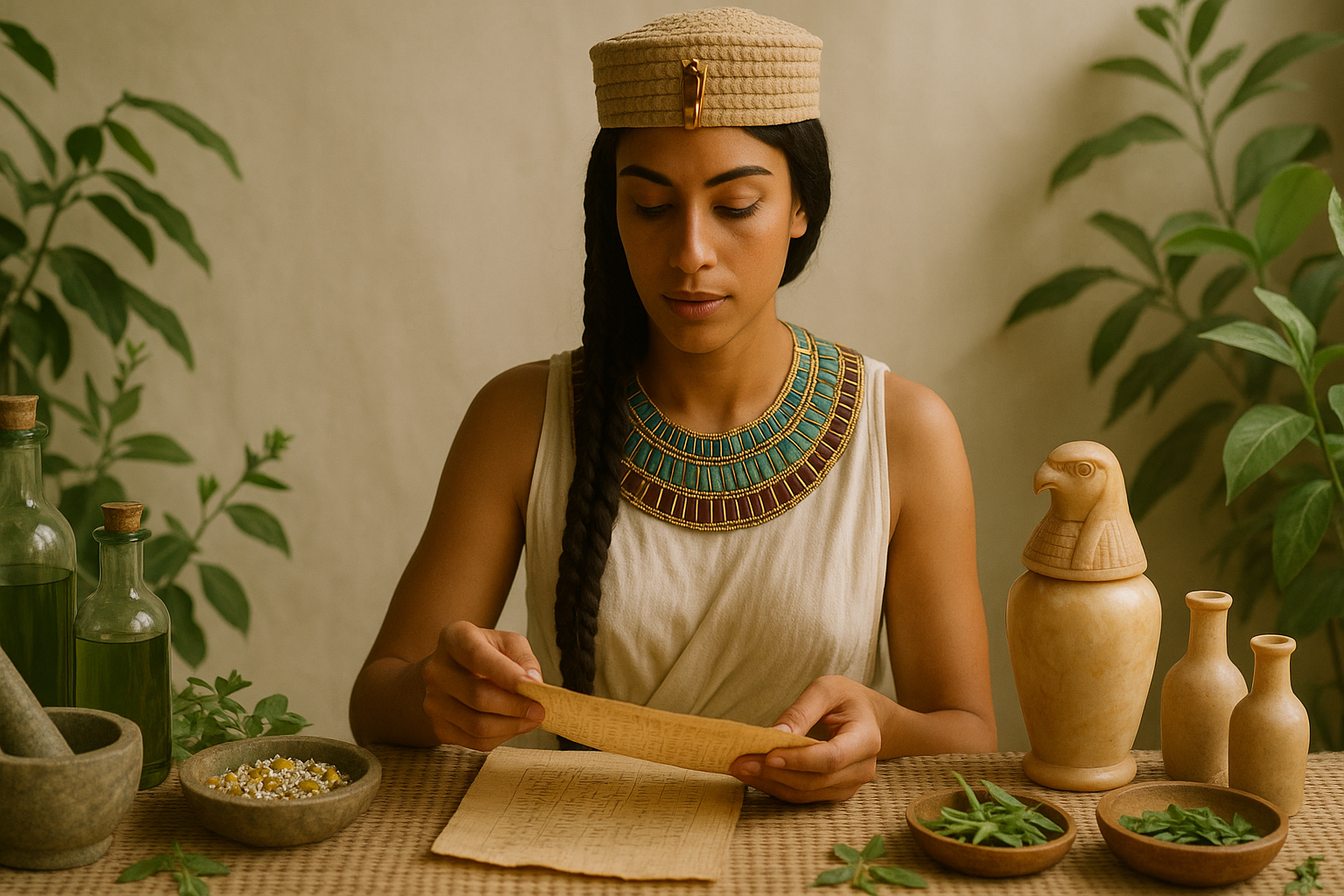
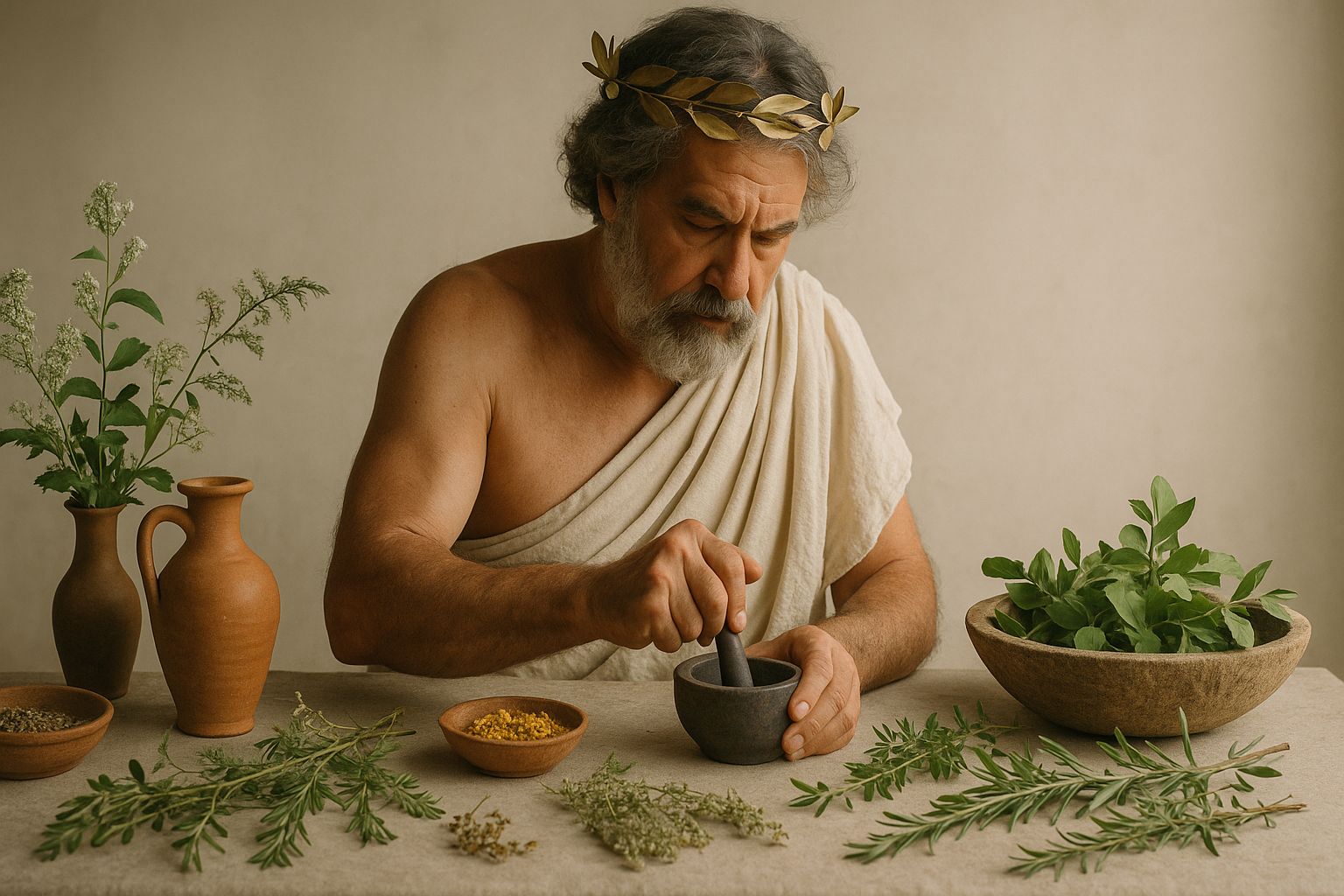
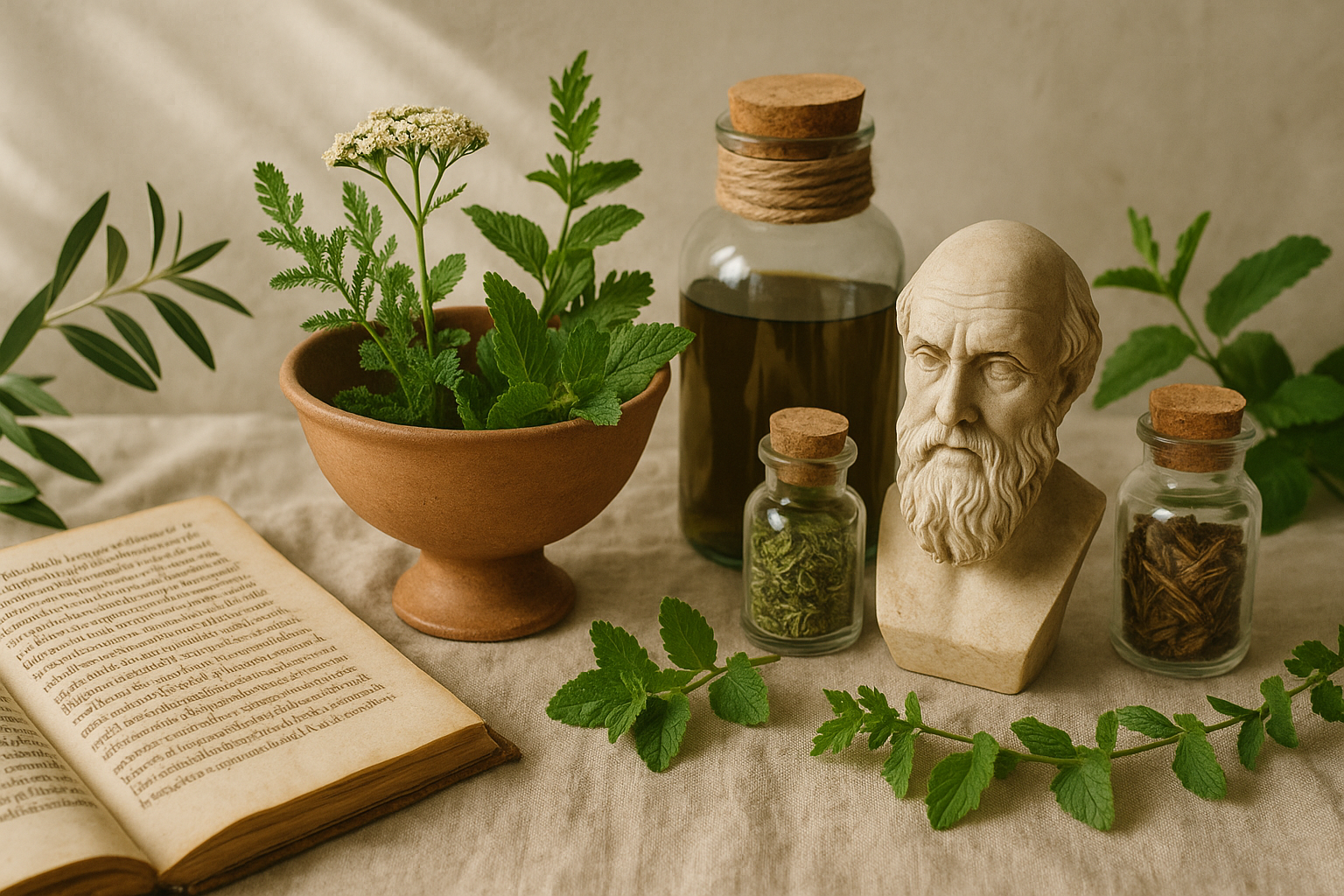
The roots of Herbal Systems in Persian Medicine can be traced back to ancient Persia, with significant contributions made by renowned scholars such as Avicenna (Ibn Sina) in the 10th century. His seminal work, "The Canon of Medicine," systematized medical knowledge and emphasized the importance of herbal remedies in treating various ailments. Over the centuries, Persian herbal medicine evolved, blending indigenous practices with influences from neighboring cultures, including Greek and Indian medicinal traditions.
This rich history has fostered a continuous tradition of herbal practice, with texts and teachings being passed down through generations. The integration of philosophical, spiritual, and empirical approaches has shaped a unique system that remains relevant in contemporary health practices.
How It's Practiced
The practice of Herbal Systems in Persian Medicine typically involves several key steps:
- Initial Consultation: A practitioner assesses the individual's overall health, lifestyle, and specific concerns.
- Diagnosis: Based on the principles of humor theory, the practitioner determines the individual's constitution and any imbalances.
- Herb Selection: Specific herbs are chosen based on their properties and how they can address the diagnosed imbalances.
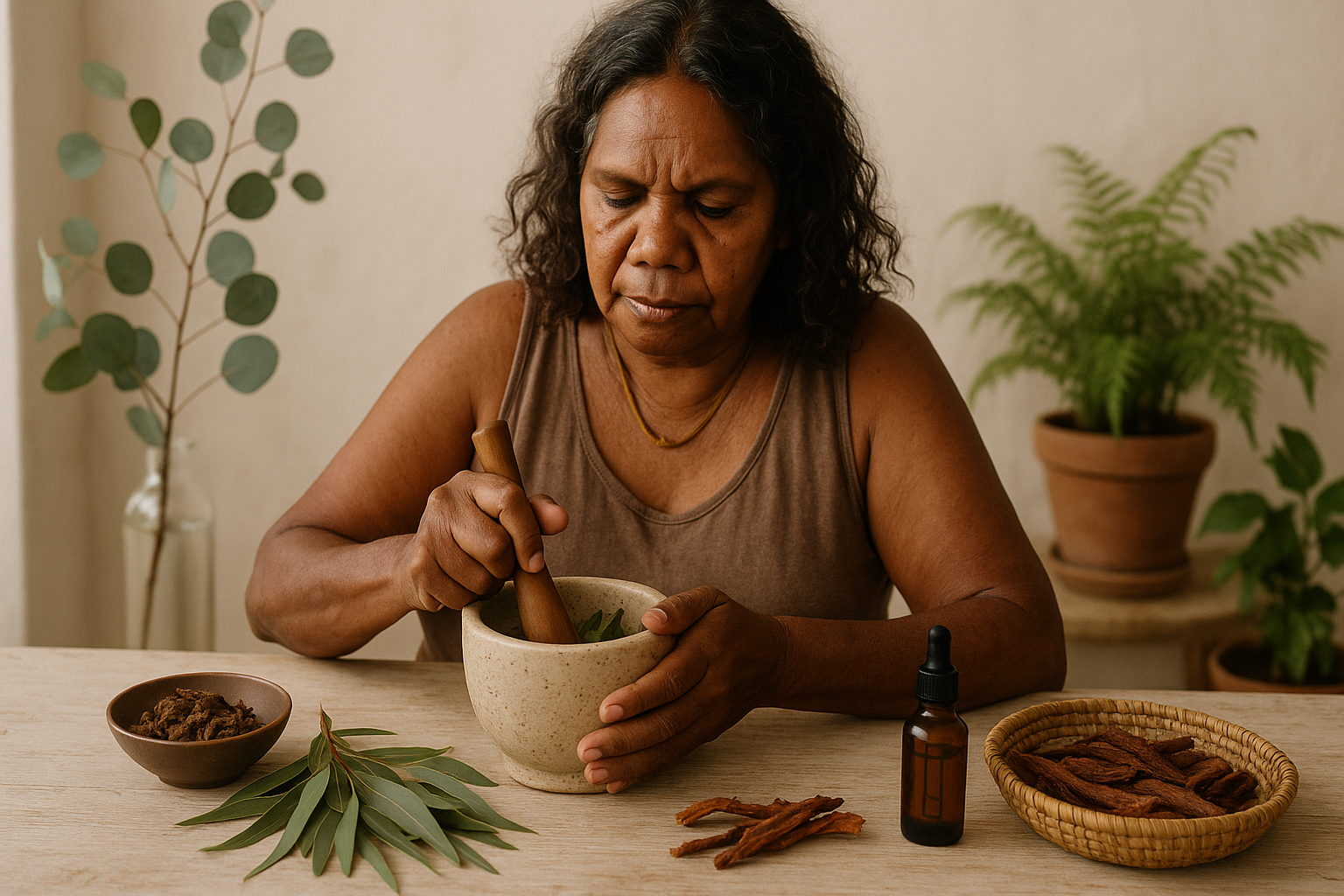
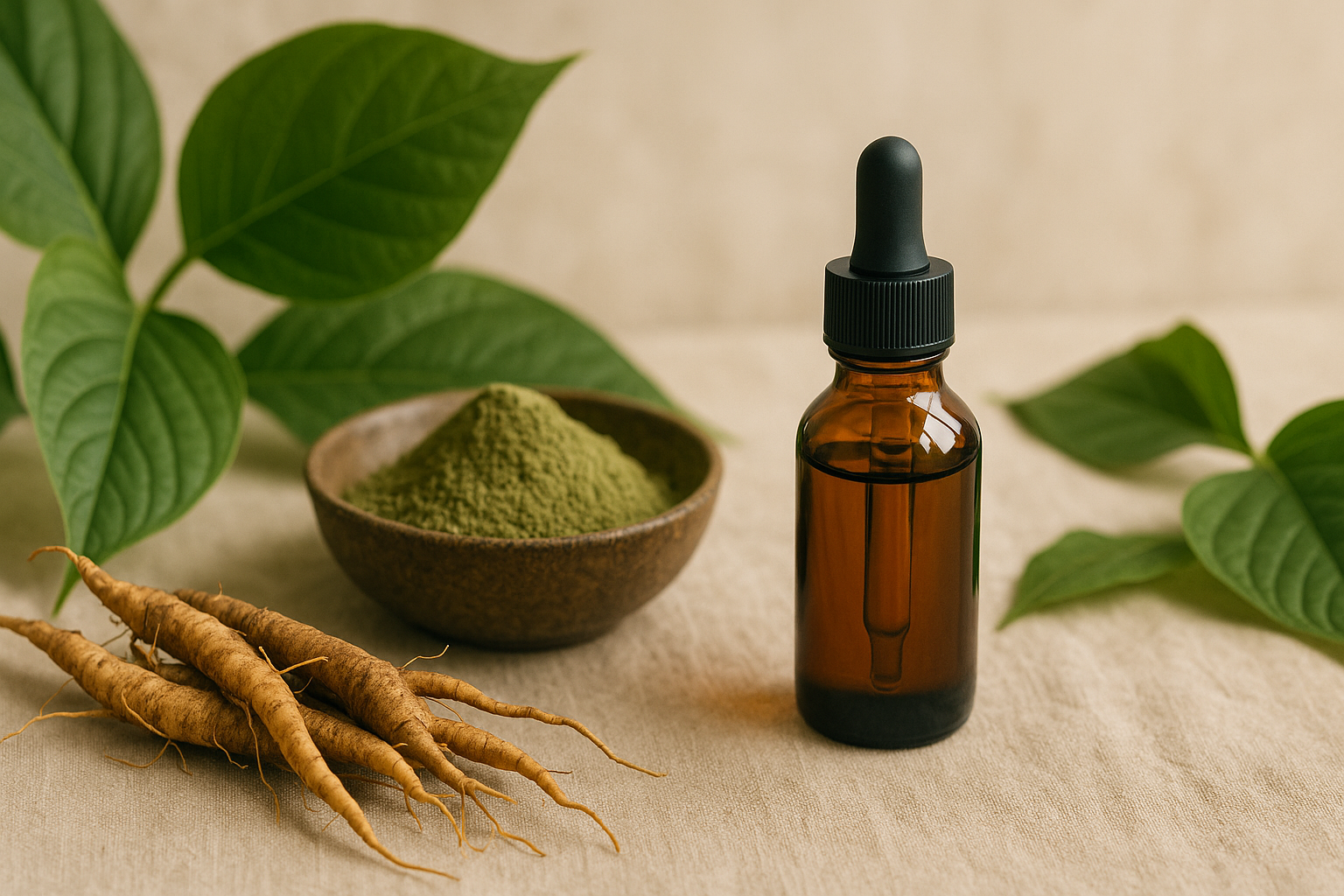
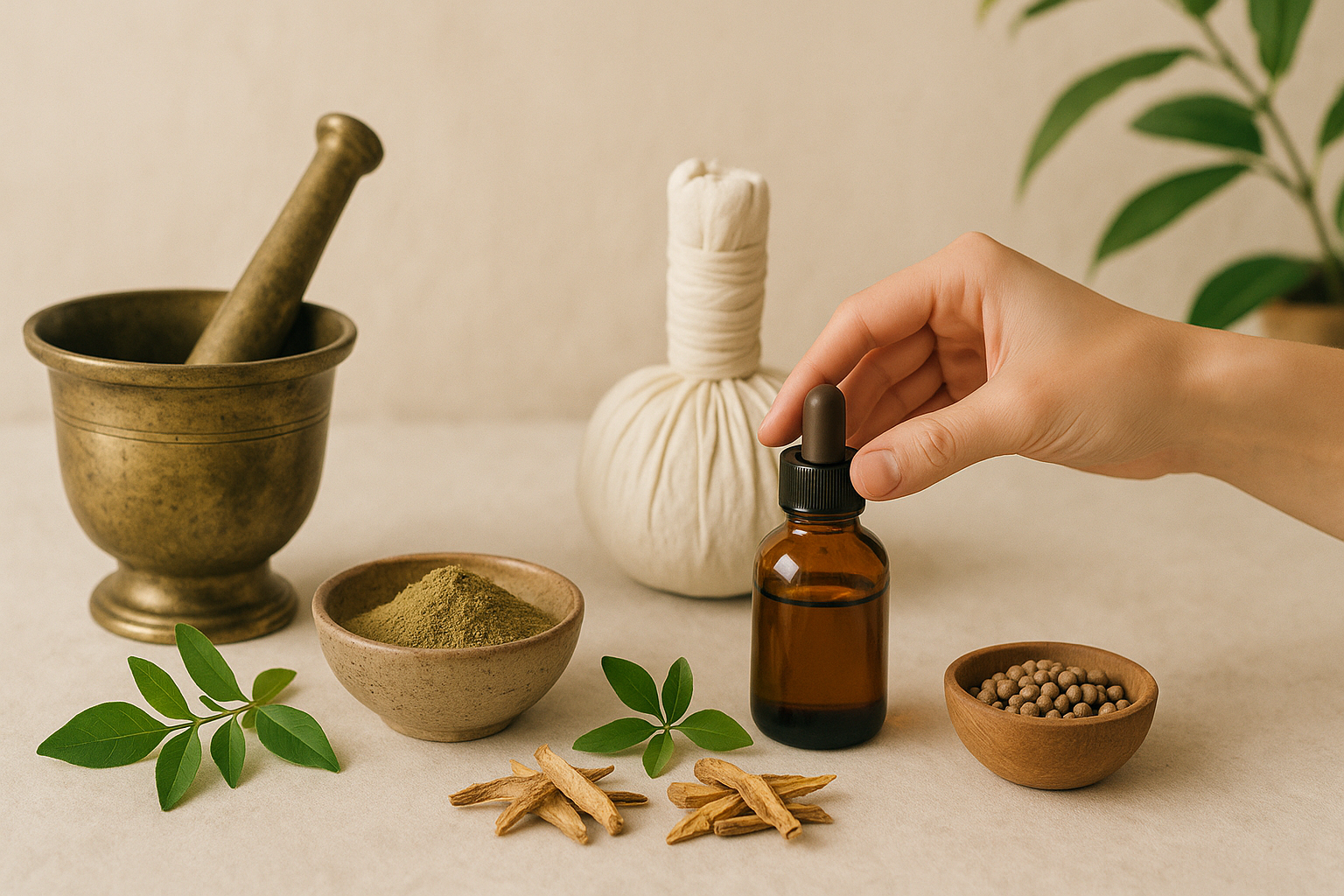
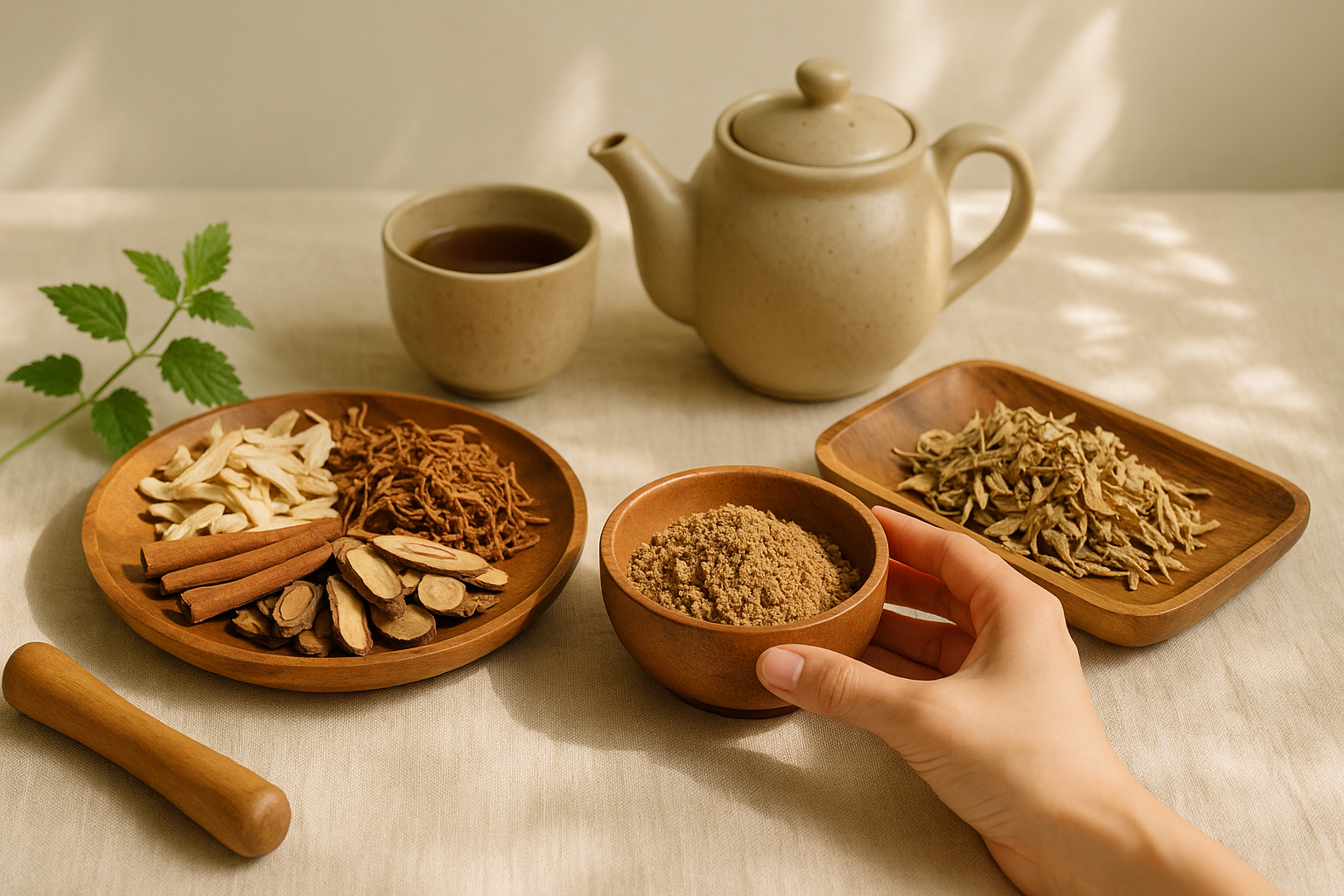
- Preparation: Herbs may be prepared as teas, tinctures, powders, or infused oils, depending on their intended use.
- Follow-Up: Regular check-ins are conducted to monitor progress and adjust treatments as necessary.
What It Is Traditionally Explored For
Herbal Systems in Persian Medicine have been traditionally used for a variety of health concerns. Common goals of treatment include:
- Supporting digestive health
- Enhancing immune function
- Managing stress and emotional well-being
- Alleviating respiratory conditions
- Promoting skin health
These practices are approached with caution, and it is important to note that individual results may vary.
What Modern Research Suggests
Modern research into Herbal Systems within Persian Medicine has begun to explore the efficacy and safety of various herbal remedies. Some studies have indicated potential benefits of specific herbs traditionally used in this system, such as saffron for mood enhancement and various herbs for their anti-inflammatory properties. However, much of the research is still in preliminary stages, and further clinical trials are necessary to establish definitive outcomes.
It is essential to approach these findings with caution, as the effects of herbal treatments can vary widely based on individual circumstances and the specific formulations used. Ongoing research aims to bridge the gap between ancient practices and modern scientific understanding, providing a more comprehensive view of herbal efficacy.
Safety, Contraindications & Who Should Skip
While many herbs used in Persian Medicine are considered safe for general use, there are important considerations regarding safety and contraindications. Individuals with specific health conditions, pregnant or breastfeeding women, and those taking certain medications should consult with a qualified practitioner before beginning any herbal regimen. Some herbs may interact with medications or exacerbate existing conditions.
Pairs Well With (within Persian Medicine and across pillars)
Herbal Systems can complement various other modalities within Persian Medicine, including:
- Dietary therapy
- Massage and bodywork
- Acupuncture and acupressure
- Spiritual practices
Additionally, herbs may be combined with practices from other healing traditions, such as Ayurveda and Traditional Chinese Medicine, to enhance overall therapeutic effects.
How to Find a Qualified Practitioner
Finding a qualified practitioner of Herbal Systems in Persian Medicine involves several steps:
- Research local practitioners with a focus on herbal medicine.
- Look for credentials and training in traditional Persian medical practices.
- Seek recommendations from trusted sources or health professionals.
- Consider scheduling an initial consultation to discuss your health concerns and gauge compatibility.
FAQs
- What types of herbs are commonly used in Persian Medicine? Herbs such as saffron, cumin, and mint are frequently utilized for their therapeutic properties.
- Can I combine herbal treatments with conventional medicine? It is advisable to consult with a healthcare provider before combining treatments to avoid potential interactions.
- How long does it take to see results from herbal remedies? The timeframe for noticing effects can vary based on individual circumstances and the specific herbs used.
- Are there any side effects associated with herbal treatments? While many herbs are safe, some may cause side effects or allergic reactions; consulting a practitioner is essential.
- Is it necessary to have a consultation before starting herbal remedies? Yes, an initial consultation helps ensure that the chosen herbs are appropriate for your specific health needs.
Frequently asked
What types of herbs are commonly used in Persian Medicine?
Herbs such as saffron, cumin, and mint are frequently utilized for their therapeutic properties.
Can I combine herbal treatments with conventional medicine?
It is advisable to consult with a healthcare provider before combining treatments to avoid potential interactions.
How long does it take to see results from herbal remedies?
The timeframe for noticing effects can vary based on individual circumstances and the specific herbs used.
Are there any side effects associated with herbal treatments?
While many herbs are safe, some may cause side effects or allergic reactions; consulting a practitioner is essential.
Is it necessary to have a consultation before starting herbal remedies?
Yes, an initial consultation helps ensure that the chosen herbs are appropriate for your specific health needs.