Natural Tonics
Discover the essence of Natural Tonics in Persian Medicine, their historical roots, traditional uses, and modern interpretations.
Explore the ancient practice of Natural Tonics within Persian Medicine, their historical significance, modern applications, and safety considerations.
What It Is
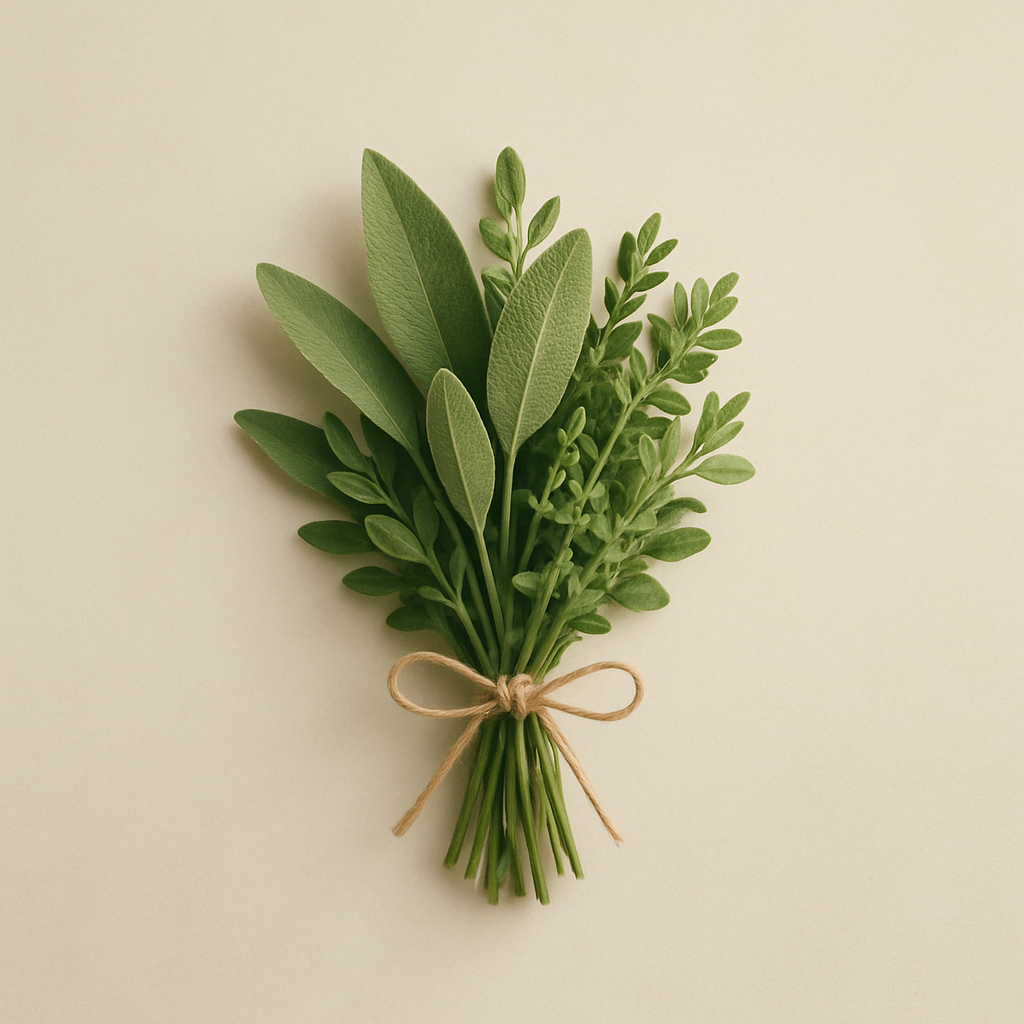
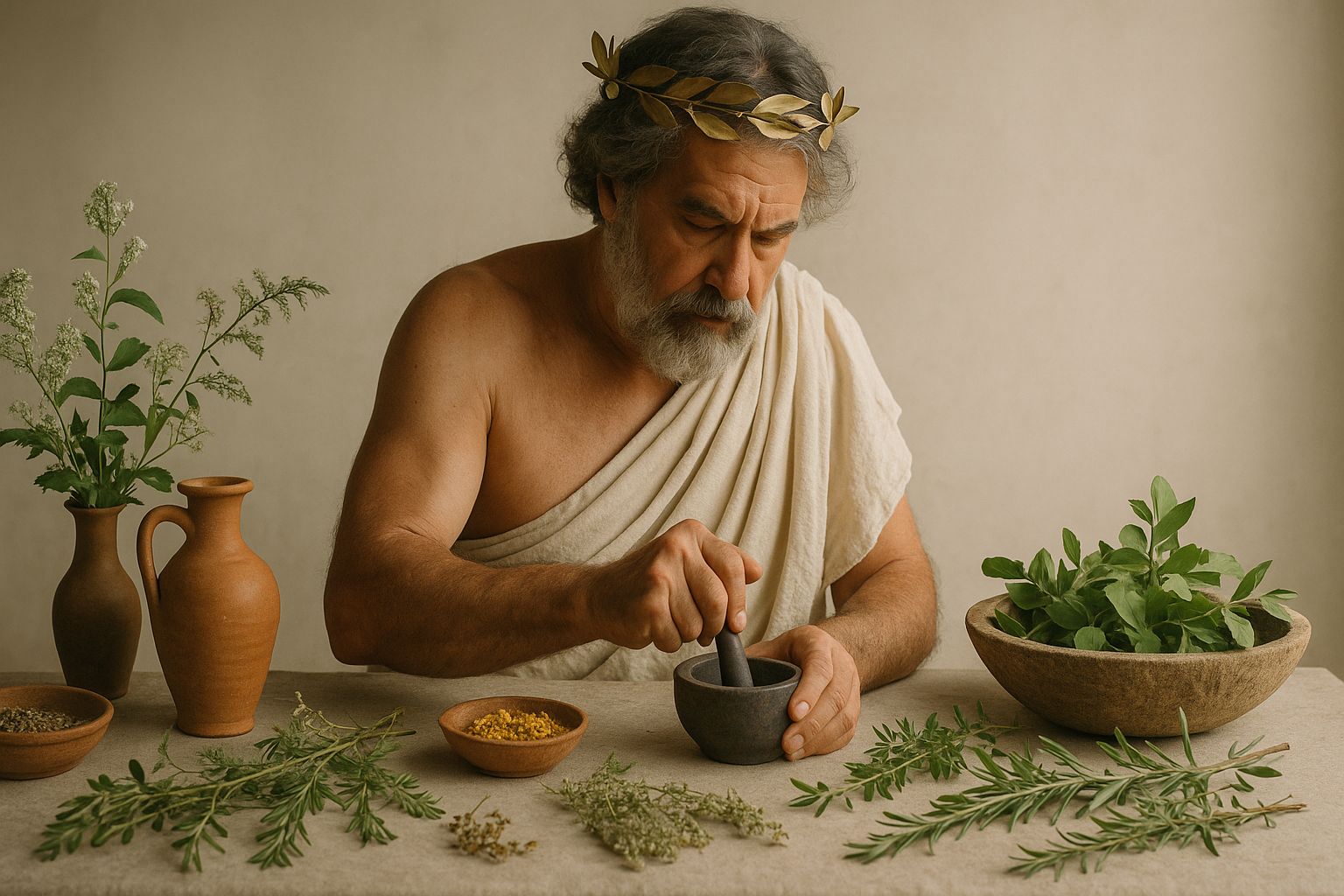
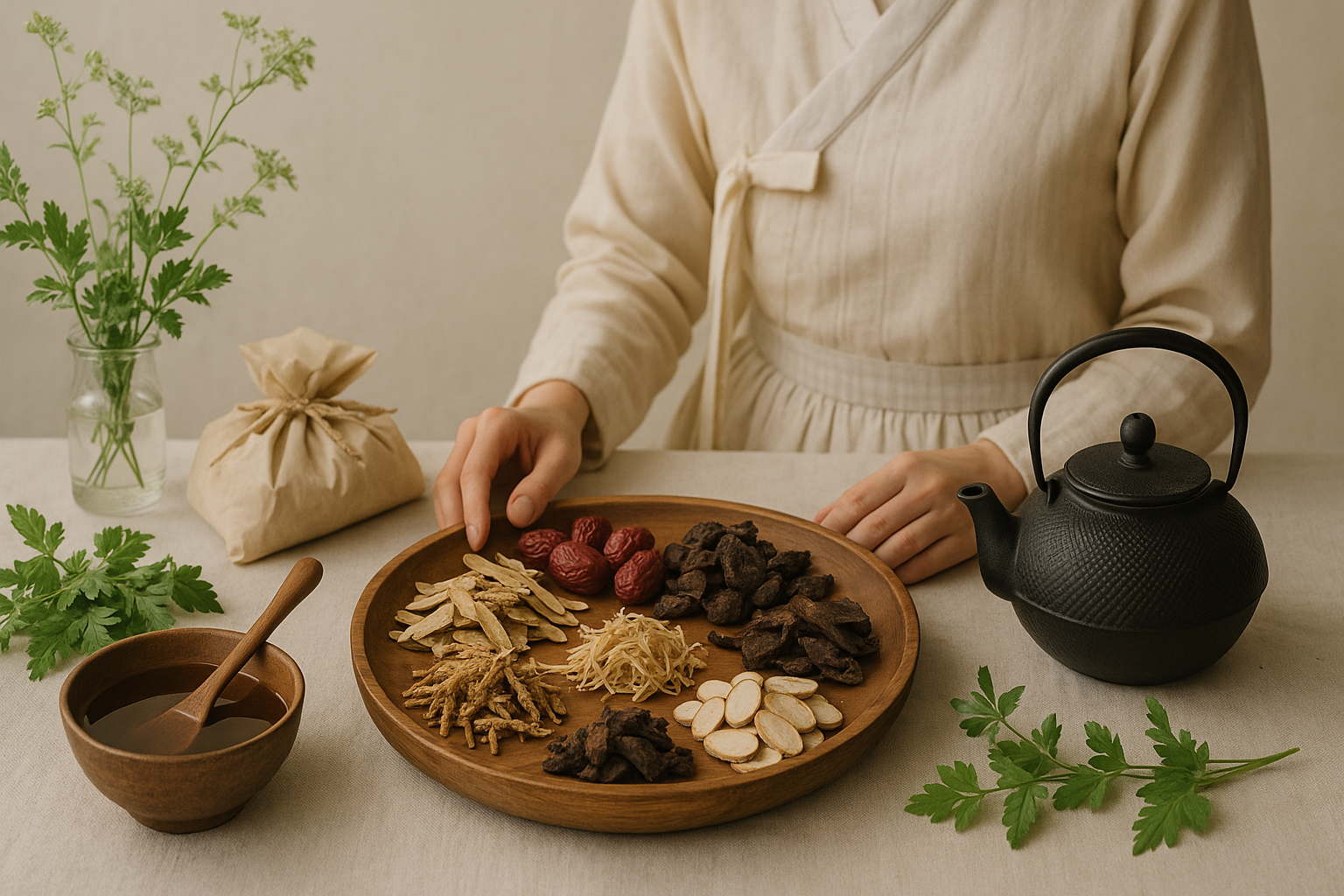
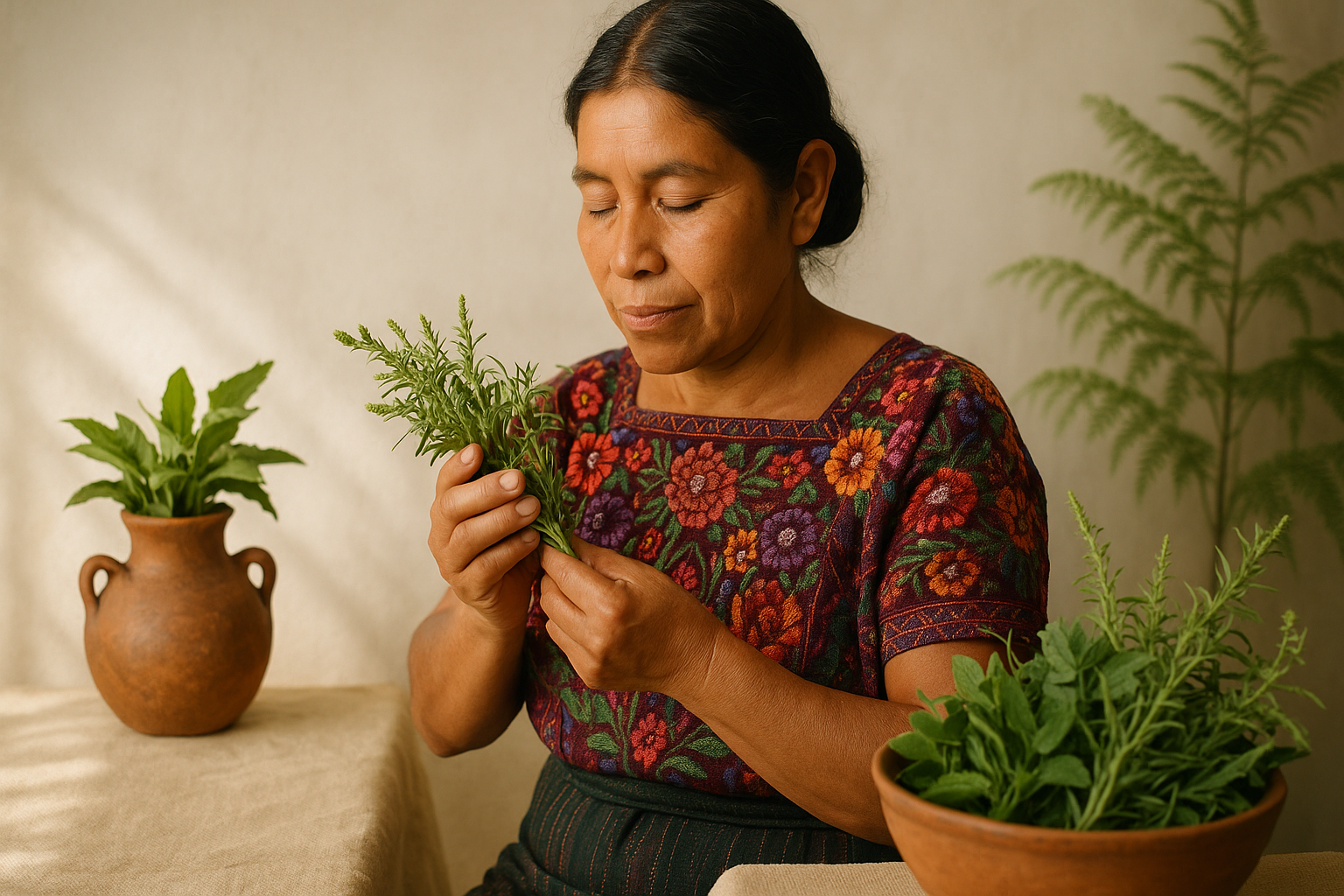
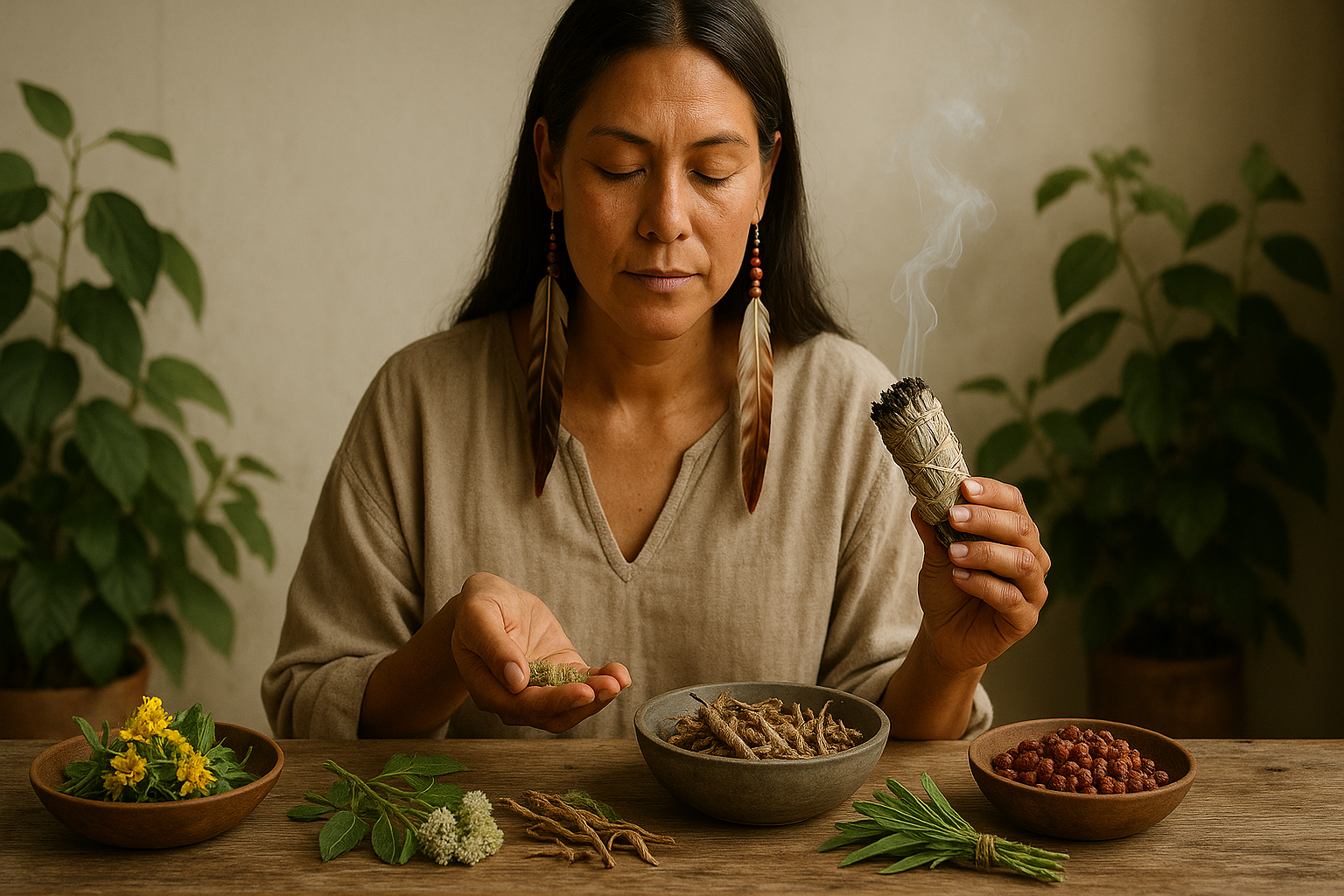
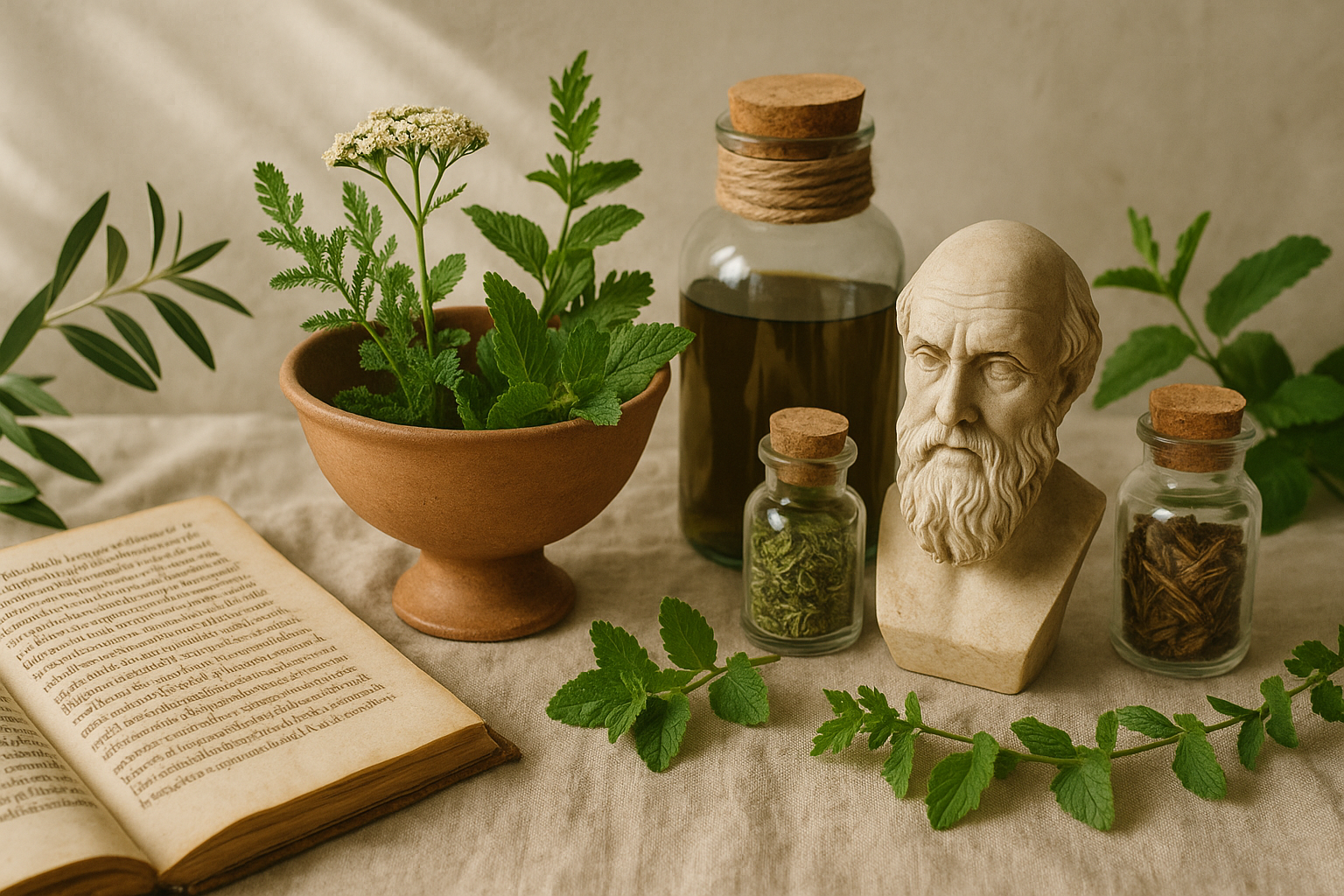
Natural tonics are herbal remedies and formulations that are believed to enhance the body's vitality and overall health. Within the framework of Persian Medicine, these tonics are crafted from natural ingredients, such as herbs, roots, and flowers, and are traditionally thought to restore balance and promote well-being. The concept is based on the understanding that the body functions best when its natural energies are harmonized, and tonics serve to support this equilibrium.
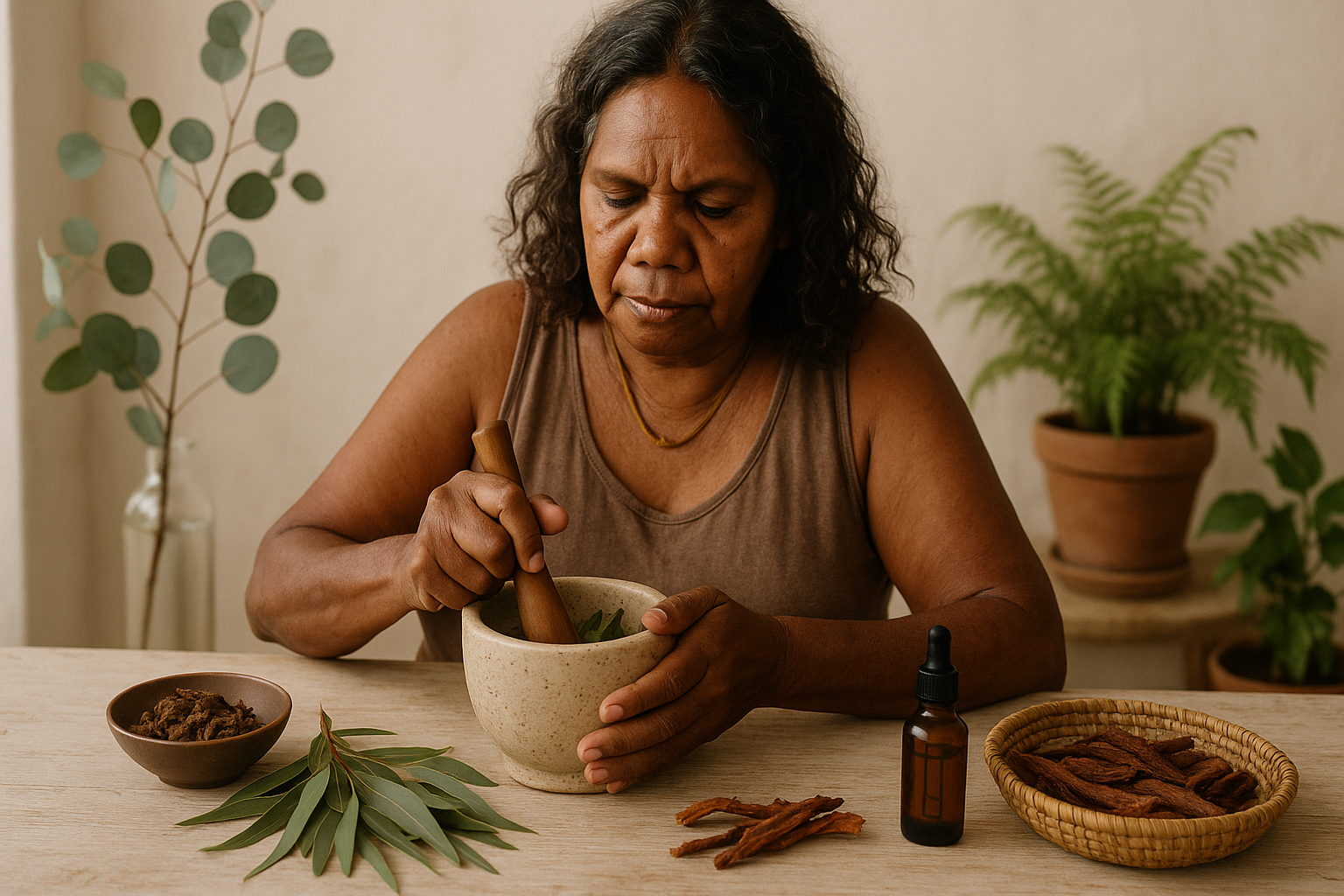
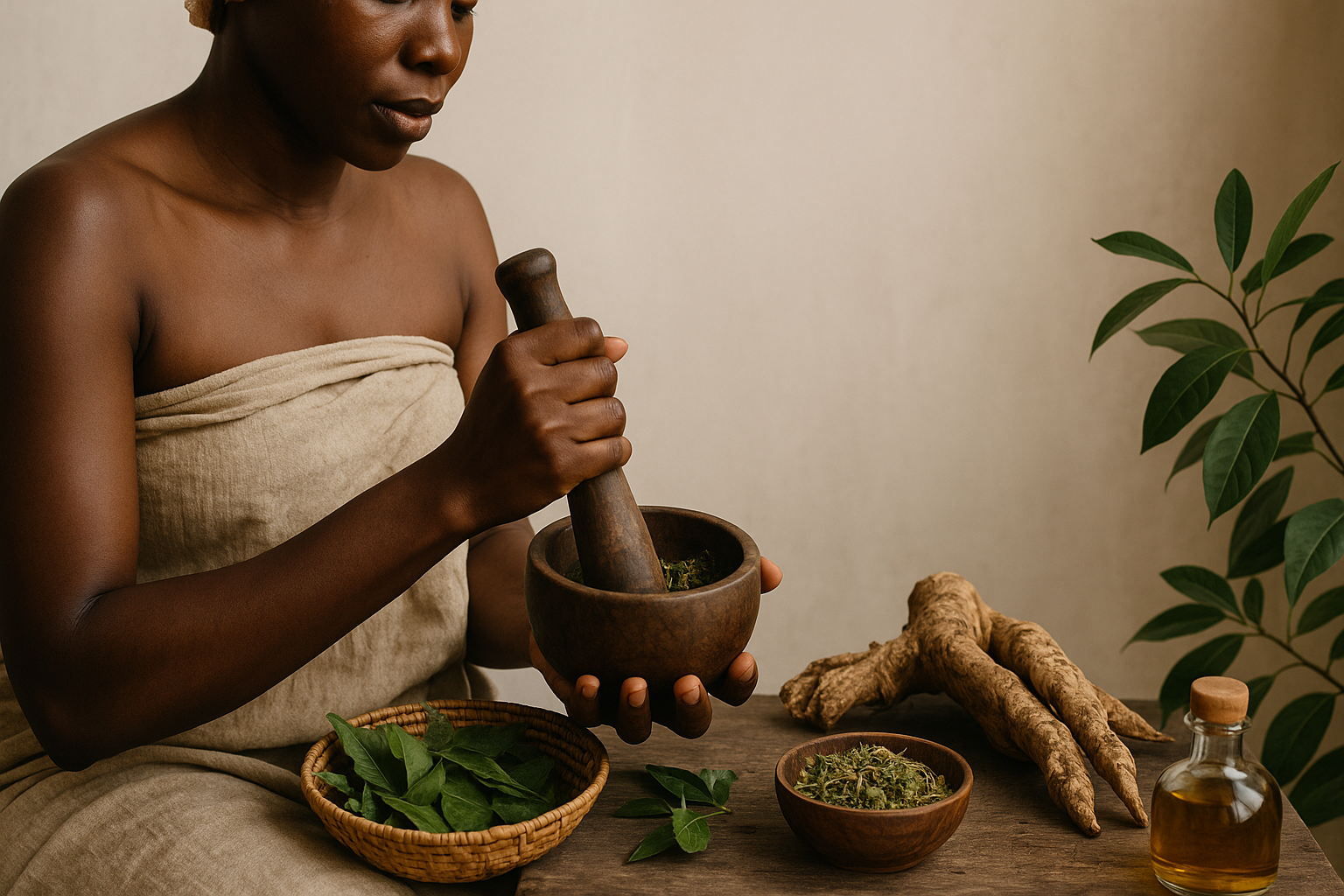
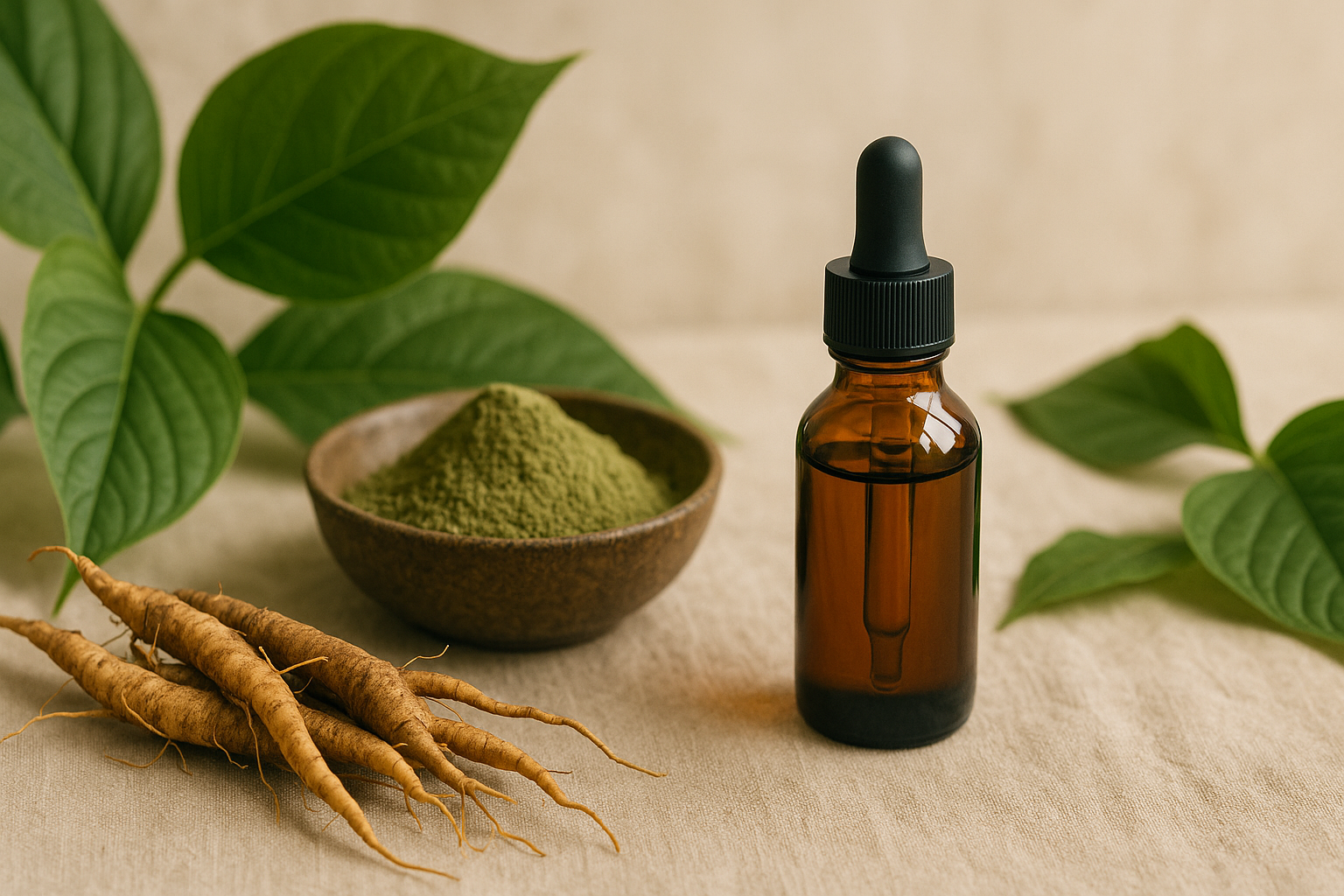
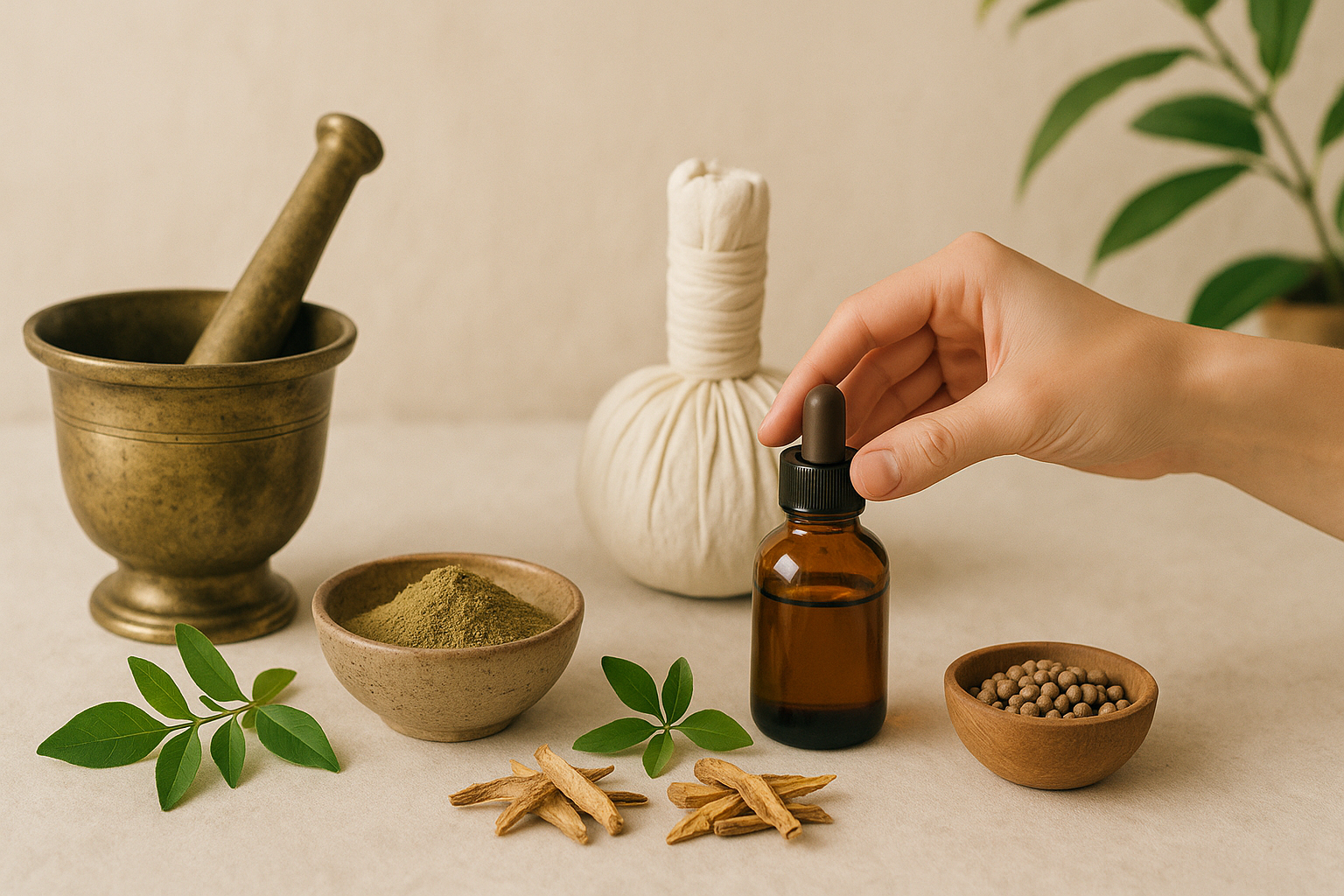
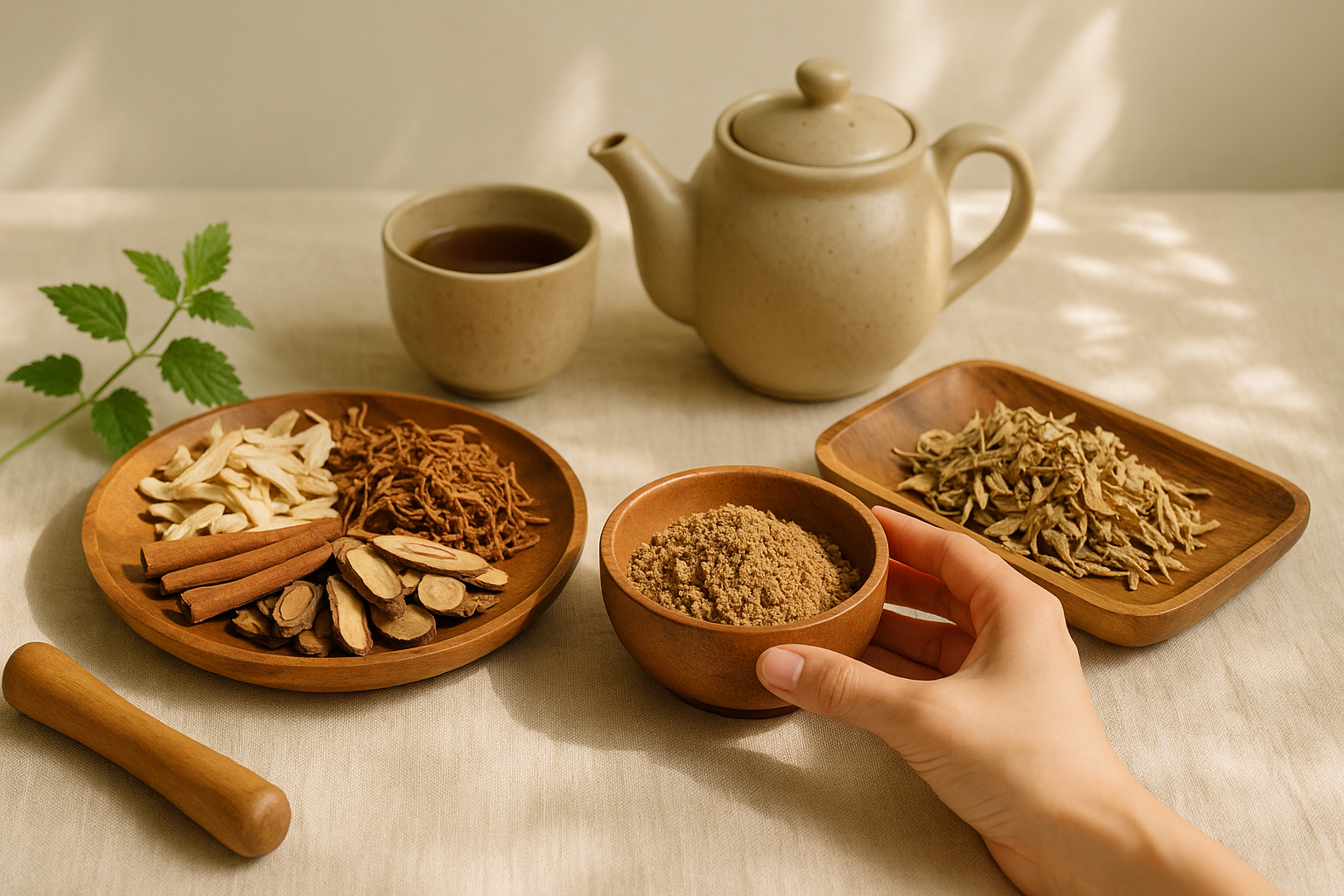
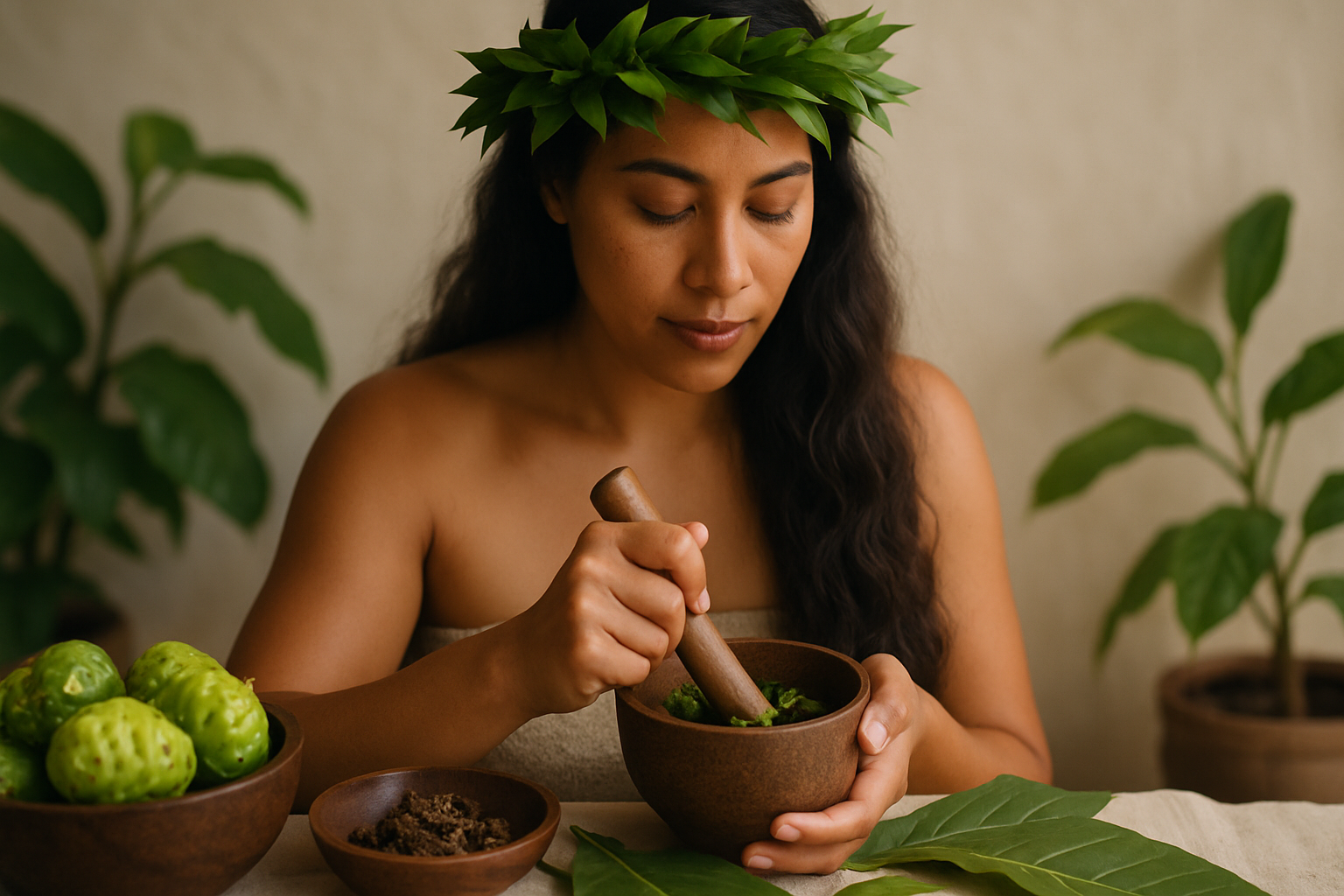
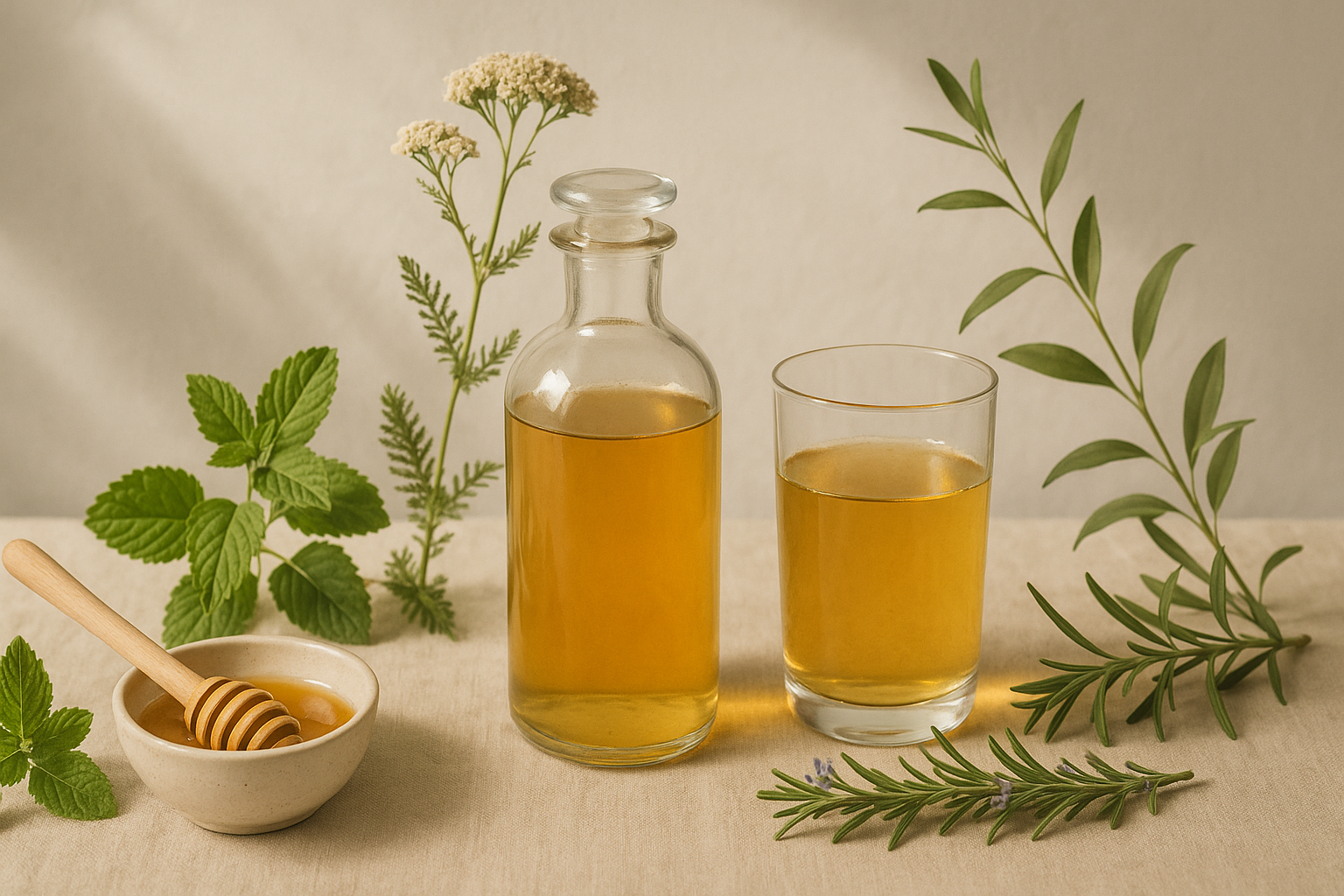
The preparation of natural tonics often involves meticulous methods, including infusions, decoctions, and tinctures, allowing the active properties of the ingredients to be extracted efficiently. These tonics aim to nurture the body's systems, providing nourishment and support for various bodily functions.
Historical Context Within Persian Medicine
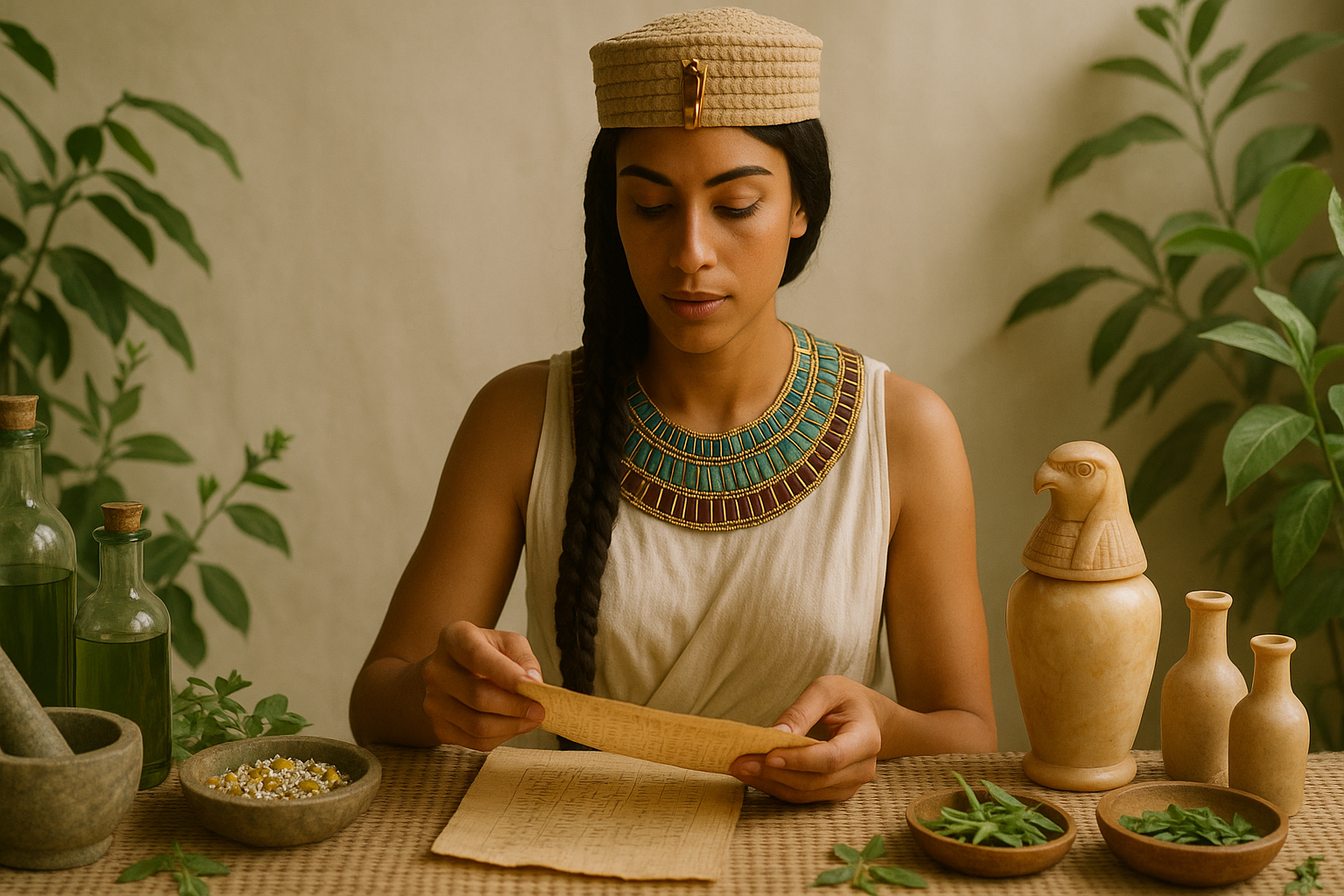
The roots of Natural Tonics can be traced back to ancient Persian Medicine, which flourished during the Islamic Golden Age (8th to 14th centuries). Scholars such as Avicenna (Ibn Sina) played a pivotal role in documenting and systematizing the principles of Persian Medicine, including the use of herbal remedies.
Natural tonics became a fundamental aspect of Persian medical practice, reflecting the broader philosophy of holistic health that emphasizes the interconnectedness of body, mind, and spirit. Over centuries, these tonics were developed and refined, incorporating a diverse range of local and exotic plants.
How It's Practiced
The practice of administering natural tonics involves several key steps that a practitioner might follow:
- Consultation: The practitioner conducts a thorough assessment of the individual's health, lifestyle, and specific needs.
- Diagnosis: Based on traditional diagnostic techniques, the practitioner identifies imbalances within the body.
- Selection of Ingredients: Ingredients are chosen based on their properties and the individual's unique constitution.
- Preparation: The selected herbs are prepared using methods such as infusion or decoction to extract their beneficial compounds.
- Administration: The tonic is administered in appropriate dosages, often accompanied by guidance on lifestyle and dietary adjustments.
What It Is Traditionally Explored For
Natural tonics in Persian Medicine have been traditionally used for a variety of purposes, including:
- Enhancing energy levels and vitality.
- Supporting digestive health and function.
- Boosting immune response.
- Promoting mental clarity and focus.
- Balancing emotional well-being.
While these uses are rooted in ancient practices, it is essential to approach them with caution and to consult a qualified practitioner for personalized guidance.
What Modern Research Suggests
However, it is crucial to note that while some findings are encouraging, more rigorous and extensive research is needed to fully understand the benefits and mechanisms of action of these natural tonics. The complexity of herbal interactions and individual variability in response underscores the importance of consulting healthcare professionals before incorporating them into one's regimen.
Safety, Contraindications & Who Should Skip
As with any form of herbal medicine, safety is paramount when considering natural tonics. Some individuals may experience adverse reactions or interactions with medications. Those who should exercise caution or avoid natural tonics include:
- Pregnant or breastfeeding women.
- Individuals with known allergies to specific herbs.
- People taking prescription medications, especially those affecting the liver or blood pressure.
- Individuals with chronic health conditions without prior consultation with a healthcare provider.
It is always advisable to consult a qualified practitioner before starting any new herbal regimen, particularly for those with existing health concerns.
Pairs Well With (within Persian Medicine and across pillars)
Natural tonics can be effectively paired with various modalities and ingredients in Persian Medicine, enhancing their overall effects. Related components include:
- Herbal Teas: Complementary herbal infusions that further support health.
- Dietary Adjustments: Food recommendations that align with the individual's constitution.
- Aromatherapy: Essential oils that can enhance the therapeutic experience.
- Mind-Body Practices: Techniques such as yoga or meditation that promote overall wellness.
How to Find a Qualified Practitioner
Finding a qualified practitioner in Persian Medicine who specializes in natural tonics involves several steps:
- Research local practitioners with credentials in herbal medicine and Persian medical traditions.
- Seek recommendations from trusted sources or health professionals.
- Verify the practitioner's qualifications and experience in herbal tonics.
- Schedule a consultation to discuss your health concerns and approach.
Always ensure that the practitioner adheres to safe and ethical practices in their work.
FAQs
- What are natural tonics? Natural tonics are herbal remedies designed to enhance overall health and vitality.
- Are natural tonics safe for everyone? No, individuals with certain health conditions or who are pregnant should consult a practitioner before use.
- How are natural tonics prepared? They can be prepared through infusions, decoctions, or tinctures to extract beneficial properties.
- What are some common ingredients in natural tonics? Ingredients may include herbs like saffron, rosemary, and various local plants.
- How do I know if a tonic is right for me? A consultation with a qualified practitioner can help determine the best approach based on individual needs.
Frequently asked
What are natural tonics?
Natural tonics are herbal remedies designed to enhance overall health and vitality.
Are natural tonics safe for everyone?
No, individuals with certain health conditions or who are pregnant should consult a practitioner before use.
How are natural tonics prepared?
They can be prepared through infusions, decoctions, or tinctures to extract beneficial properties.
What are some common ingredients in natural tonics?
Ingredients may include herbs like saffron, rosemary, and various local plants.
How do I know if a tonic is right for me?
A consultation with a qualified practitioner can help determine the best approach based on individual needs.