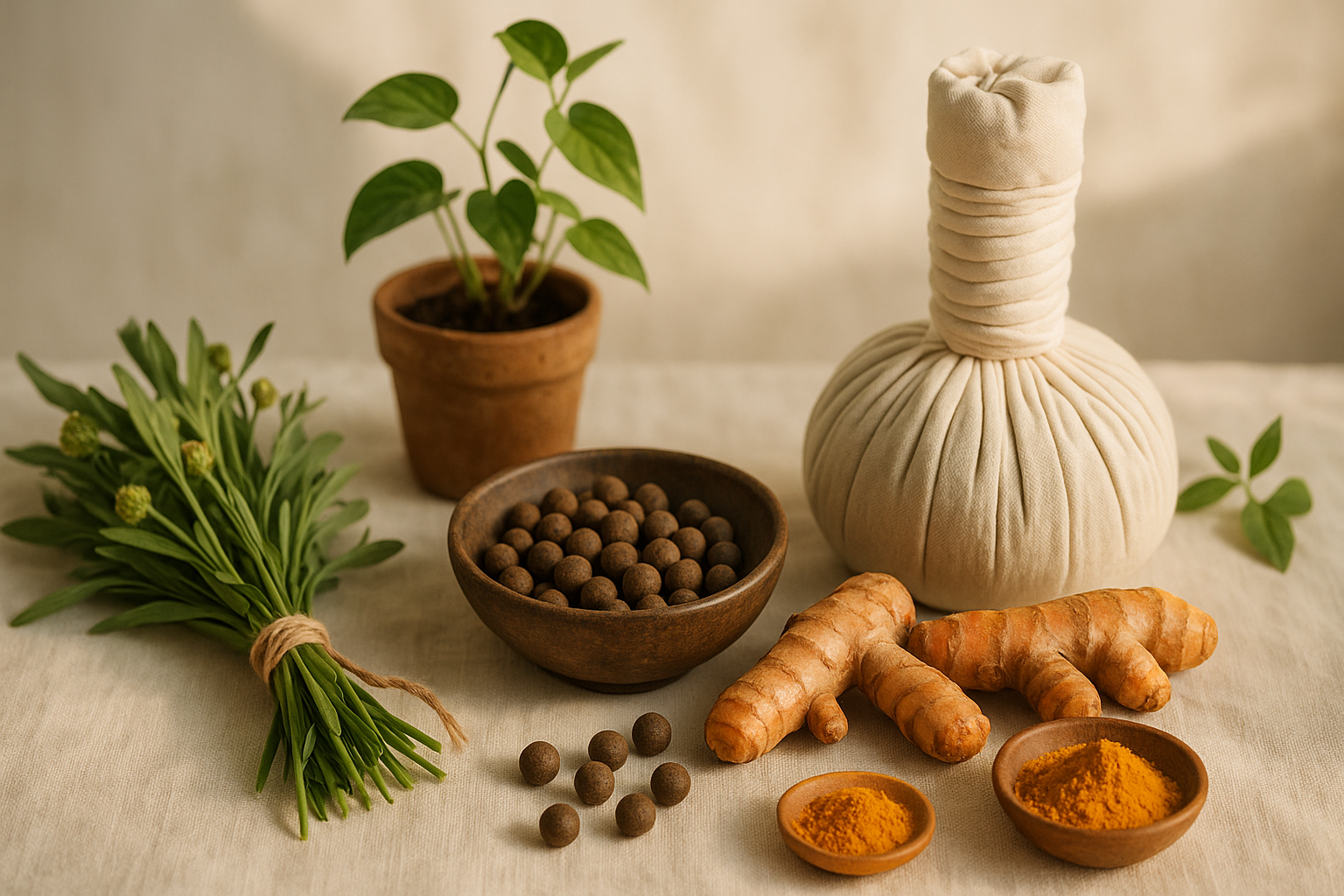
Holistic Recovery
Explore Holistic Recovery in Persian Medicine, an ancient approach that nurtures mind, body, and spirit for overall well-being.
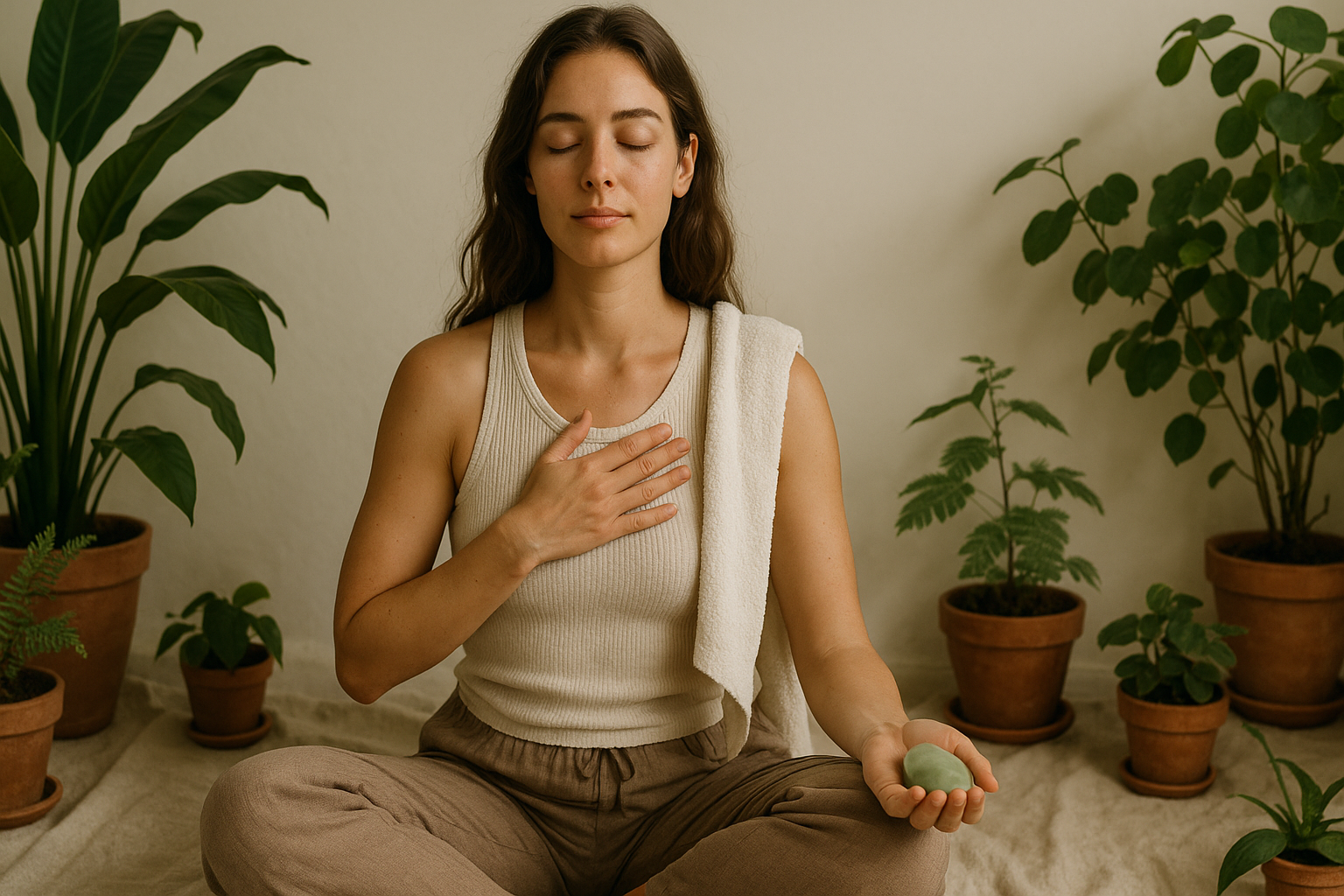
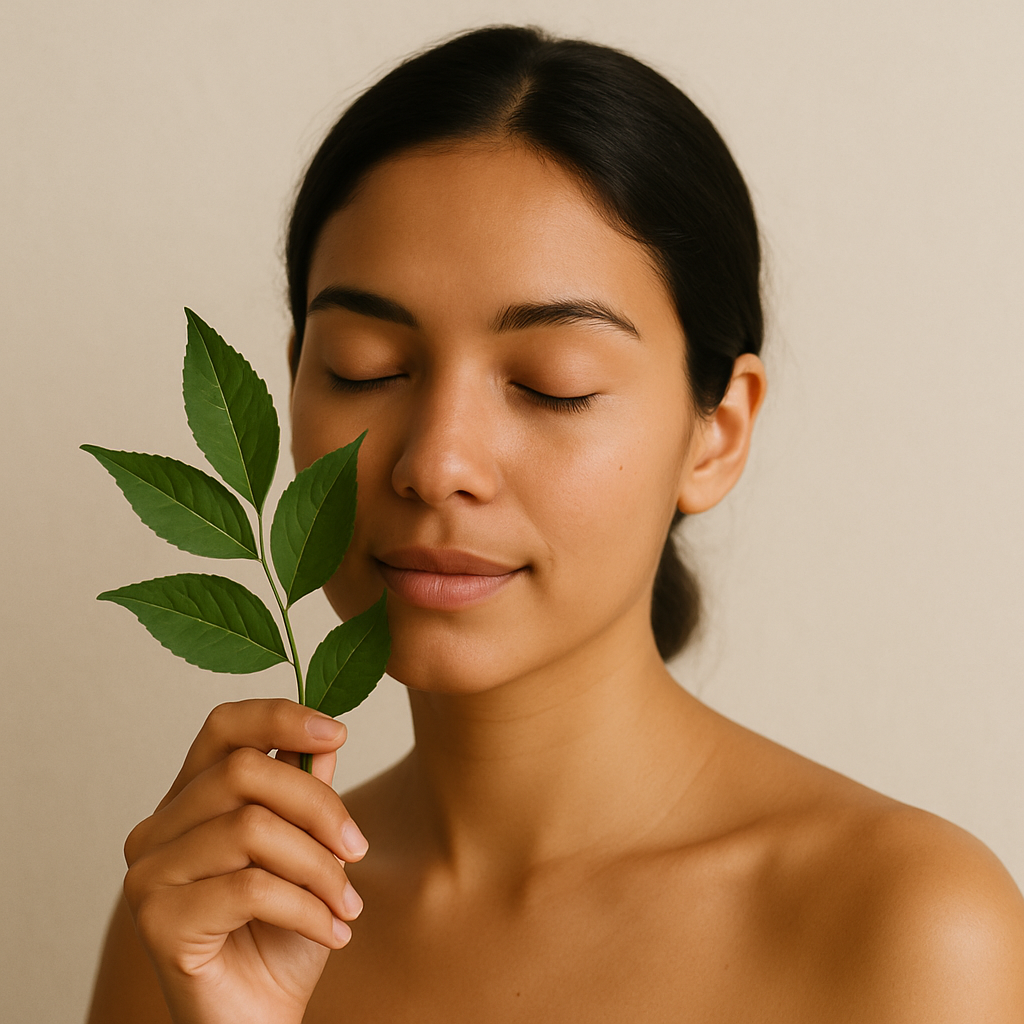
Holistic Recovery within Persian Medicine offers a comprehensive approach to healing that integrates body, mind, and spirit. This ancient practice emphasizes balance and well-being through natural methods.
What It Is
Holistic Recovery is a practice within Persian Medicine that emphasizes the interconnectedness of the body, mind, and spirit. It seeks to restore balance and health by considering the whole person rather than merely addressing specific symptoms. This approach recognizes that emotional, mental, and social factors all play significant roles in physical health.
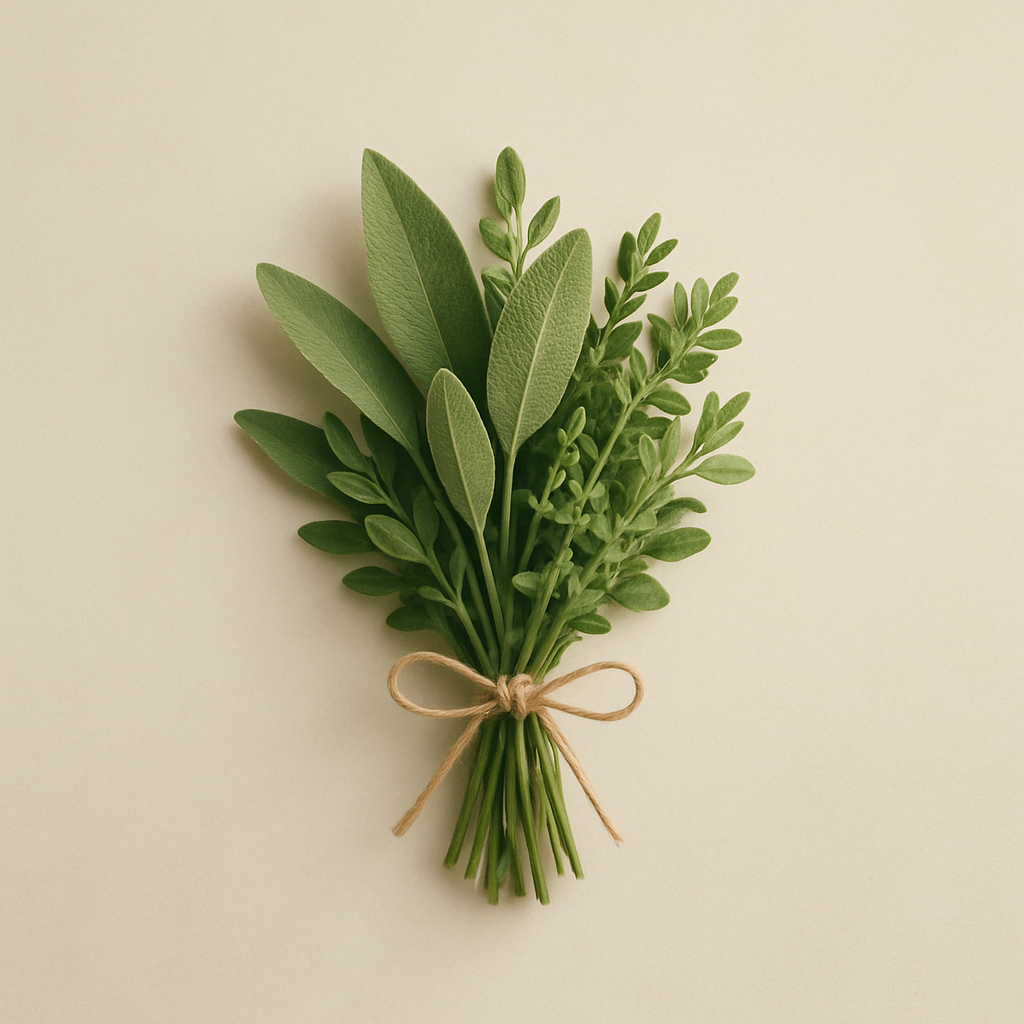
In Holistic Recovery, various natural therapies, dietary adjustments, and lifestyle changes are employed to promote healing and well-being. Practitioners focus on achieving harmony within the body’s systems, often utilizing traditional Persian herbal remedies, dietary principles, and mindfulness practices to support the recovery process.
Historical Context Within Persian Medicine
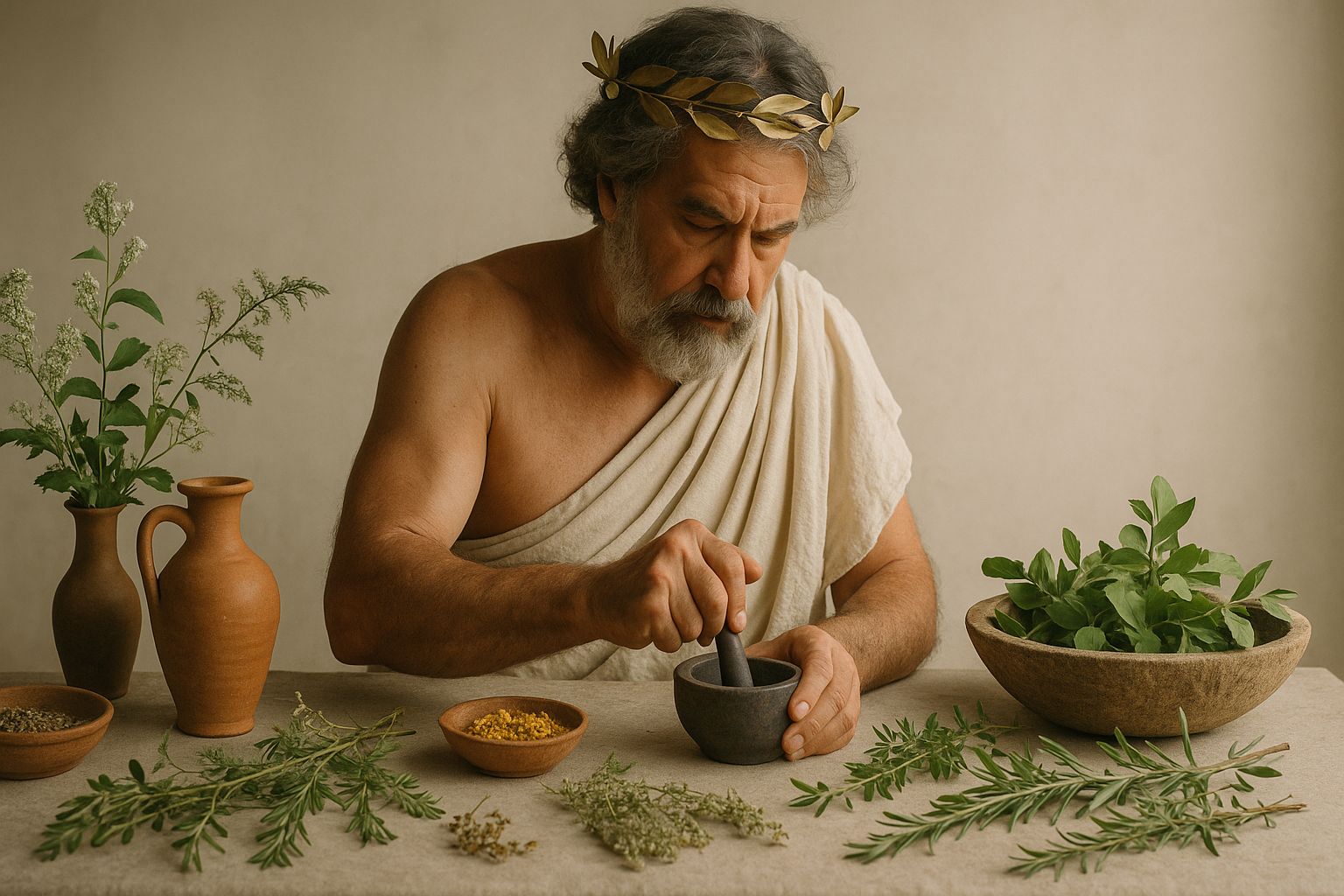
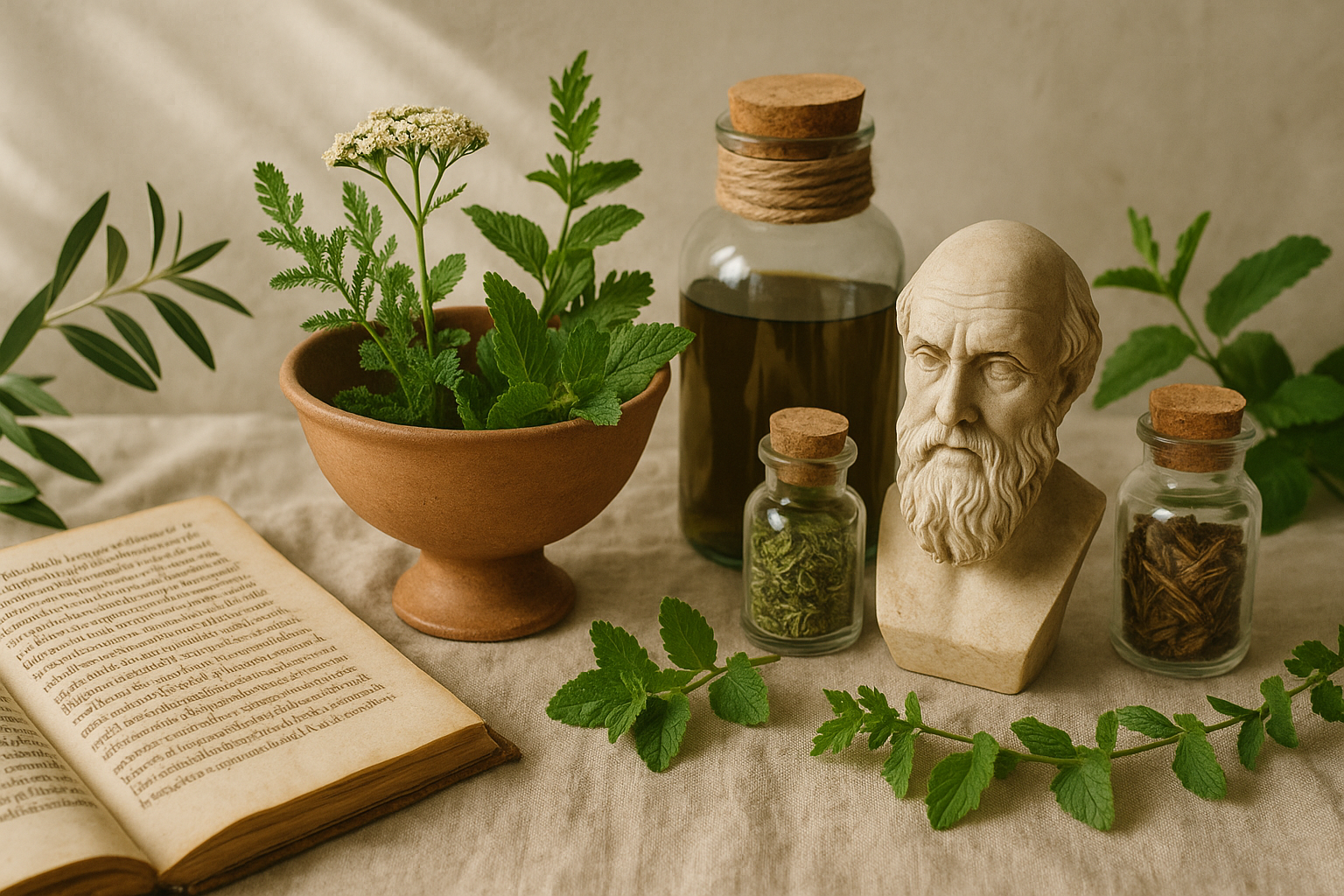
The roots of Holistic Recovery can be traced back to ancient Persian Medicine, which has evolved over thousands of years. Influential figures such as Avicenna (Ibn Sina) in the medieval period significantly contributed to the foundation of this holistic approach. His works emphasized the importance of balancing bodily humors and understanding the interdependence of physical and psychological health.
Throughout history, Persian Medicine has integrated various philosophies and practices, including elements from Zoroastrianism and later Islamic teachings. This rich historical context has shaped the methods and principles of Holistic Recovery, encouraging a comprehensive view of health that resonates with contemporary holistic practices.
How It's Practiced
Practicing Holistic Recovery involves several key steps, which may include:
- Initial Assessment: A comprehensive evaluation of the individual’s health, lifestyle, and emotional state.
- Personalized Treatment Plan: Development of a tailored plan that may include dietary recommendations, herbal remedies, and lifestyle changes.
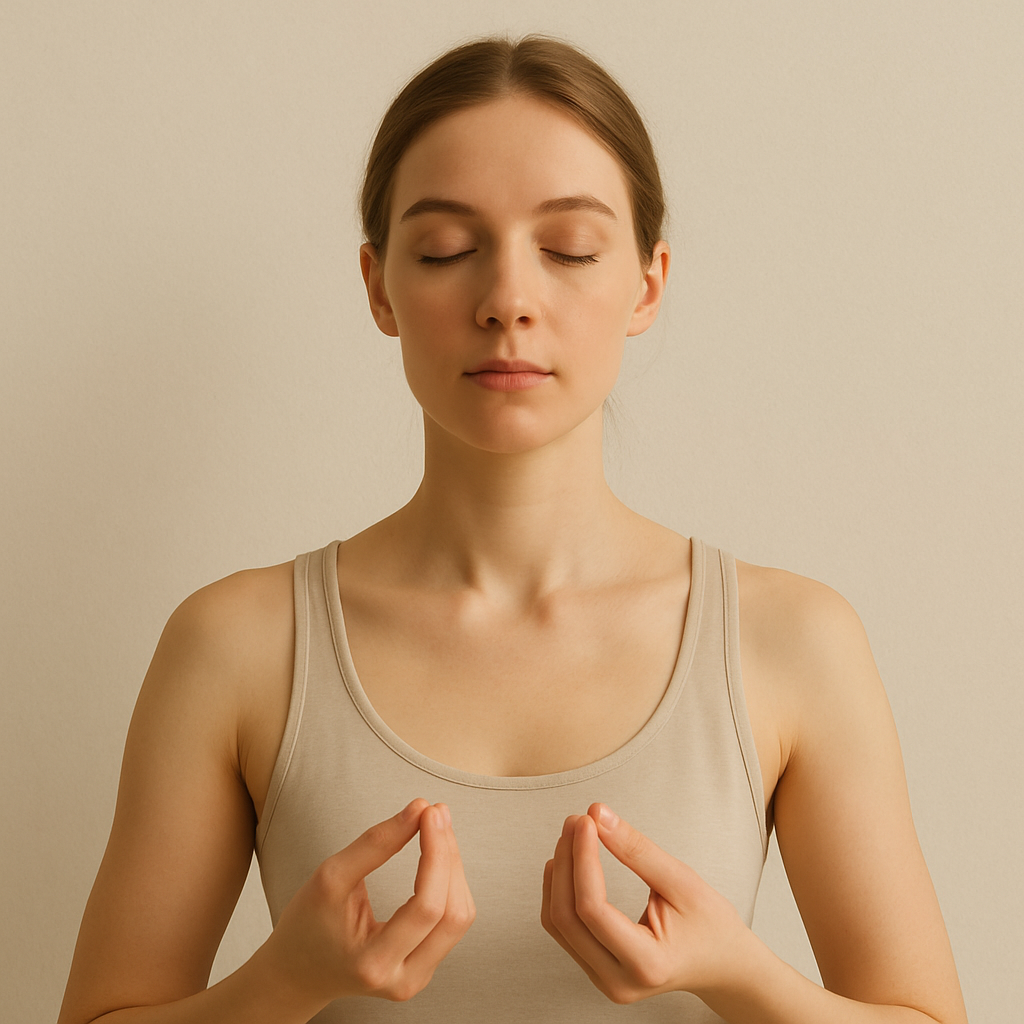
- Mindfulness and Meditation: Incorporating practices that enhance mental well-being and reduce stress.
- Regular Follow-ups: Ongoing assessment and adjustments to the treatment plan based on progress and feedback.
This process is often collaborative, with practitioners working closely with individuals to empower them on their healing journey.
What It Is Traditionally Explored For
Holistic Recovery is traditionally used for a variety of health concerns, including:
- Stress and anxiety management
- Chronic pain relief
- Digestive issues
- Skin conditions
- Fatigue and low energy
While outcomes can vary, the overarching goal is to restore balance and promote overall health and well-being.
What Modern Research Suggests
Modern research into Holistic Recovery within Persian Medicine is still in its early stages but shows promising potential. Preliminary studies suggest that certain herbal remedies and lifestyle interventions traditionally used in Persian Medicine may have beneficial effects on stress reduction and overall health.
Additionally, clinical studies examining the efficacy of mindfulness practices, which are integral to Holistic Recovery, have shown significant improvements in mental health outcomes for various populations. However, more rigorous research is needed to fully understand the mechanisms and effectiveness of these ancient practices in contemporary contexts.
Safety, Contraindications & Who Should Skip
While Holistic Recovery is generally considered safe for most individuals, there are some precautions to keep in mind:
- Individuals with severe health conditions should consult with a healthcare professional before initiating holistic treatments.
- Pregnant or breastfeeding women should approach certain herbal remedies cautiously and seek guidance.
- Those taking medications should discuss potential interactions with a qualified practitioner.
It is essential to prioritize safety and ensure that holistic practices complement existing medical treatments rather than replace them.
Pairs Well With (within Persian Medicine and across pillars)
Holistic Recovery pairs well with several modalities and ingredients, including:
- Herbal Medicine
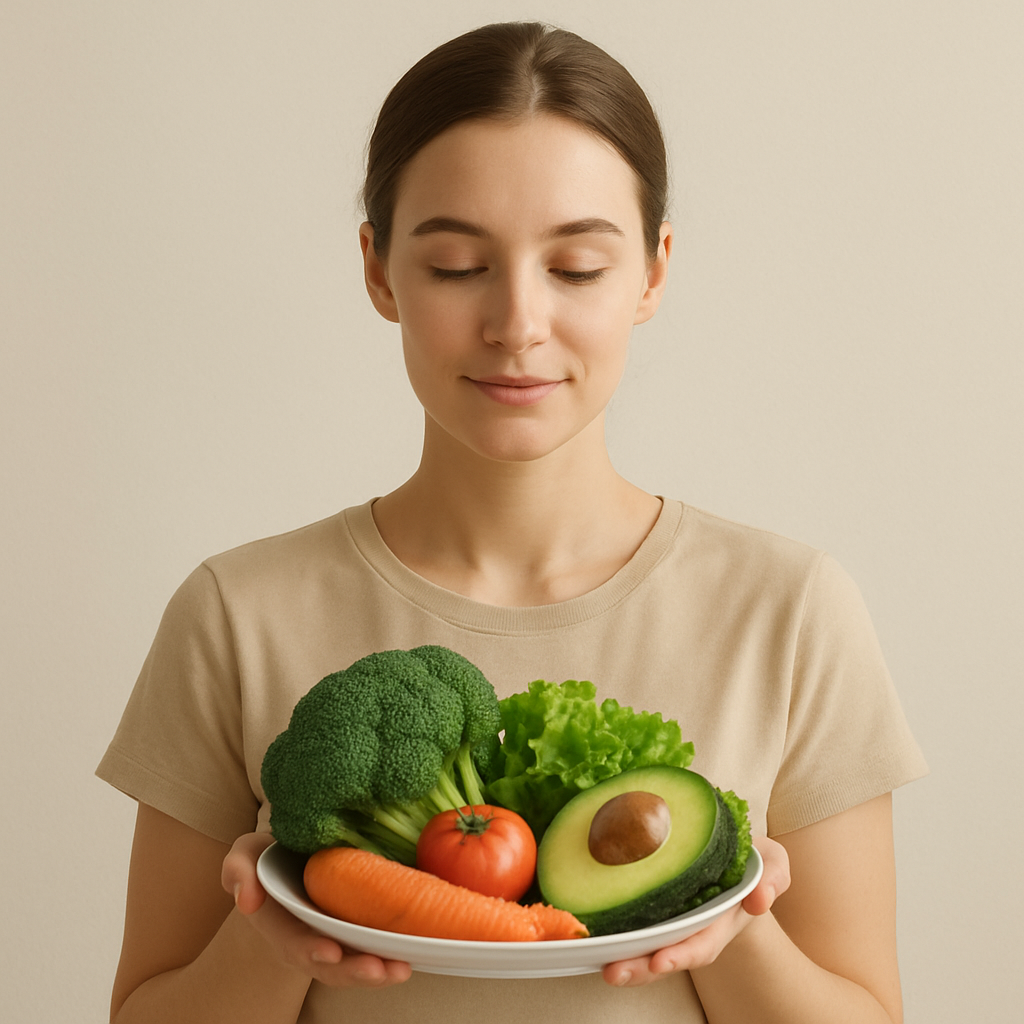
- Nutrition and Dietary Therapy
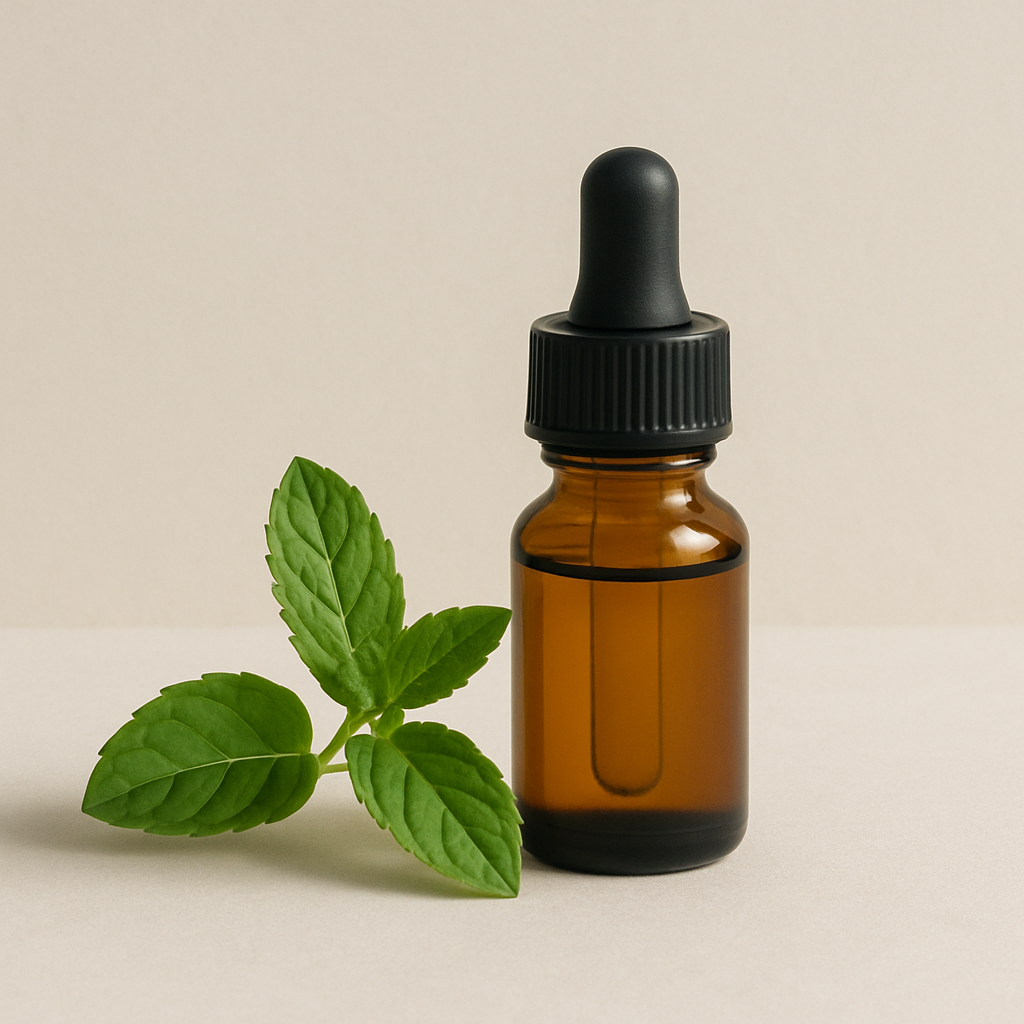
- Aromatherapy
- Mindfulness and Meditation Practices
- Physical Therapies (e.g., massage, acupuncture)
How to Find a Qualified Practitioner
Finding a qualified practitioner in Holistic Recovery can enhance the healing experience. Here are some steps to consider:
- Seek recommendations from trusted sources or health professionals.
- Verify the practitioner's credentials and experience in Persian Medicine.
- Look for practitioners who incorporate a holistic approach and are open to collaboration.
- Schedule a consultation to discuss your health goals and assess compatibility.
FAQs
- What is Holistic Recovery? Holistic Recovery is an approach within Persian Medicine that focuses on the whole person, aiming to restore balance and health through natural methods.
- Who developed Holistic Recovery? The practice has roots in ancient Persian Medicine, with significant contributions from figures like Avicenna.
- What conditions can Holistic Recovery help with? It is traditionally used for stress, chronic pain, digestive issues, and more.
- Is Holistic Recovery safe? Generally, yes, but individuals with severe health issues or those taking medications should consult a healthcare professional first.
- How can I find a qualified practitioner? Seek recommendations, verify credentials, and schedule a consultation to find someone who aligns with your health needs.
Frequently asked
What is Holistic Recovery?
Holistic Recovery is an approach within Persian Medicine that focuses on the whole person, aiming to restore balance and health through natural methods.
Who developed Holistic Recovery?
The practice has roots in ancient Persian Medicine, with significant contributions from figures like Avicenna.
What conditions can Holistic Recovery help with?
It is traditionally used for stress, chronic pain, digestive issues, and more.
Is Holistic Recovery safe?
Generally, yes, but individuals with severe health issues or those taking medications should consult a healthcare professional first.
How can I find a qualified practitioner?
Seek recommendations, verify credentials, and schedule a consultation to find someone who aligns with your health needs.