Body Cleansing
Discover the significance of body cleansing within Persian medicine, its historical context, traditional applications, and modern insights.
Explore the ancient practice of body cleansing in Persian medicine, its historical roots, methods, and modern perspectives.
What It Is
Body cleansing, within the context of Persian medicine, refers to a holistic practice aimed at detoxifying the body and restoring balance to the internal systems. This modality emphasizes the importance of removing accumulated toxins and impurities that can disrupt health and well-being. The process is believed to promote better digestion, improved energy levels, and enhanced overall vitality.
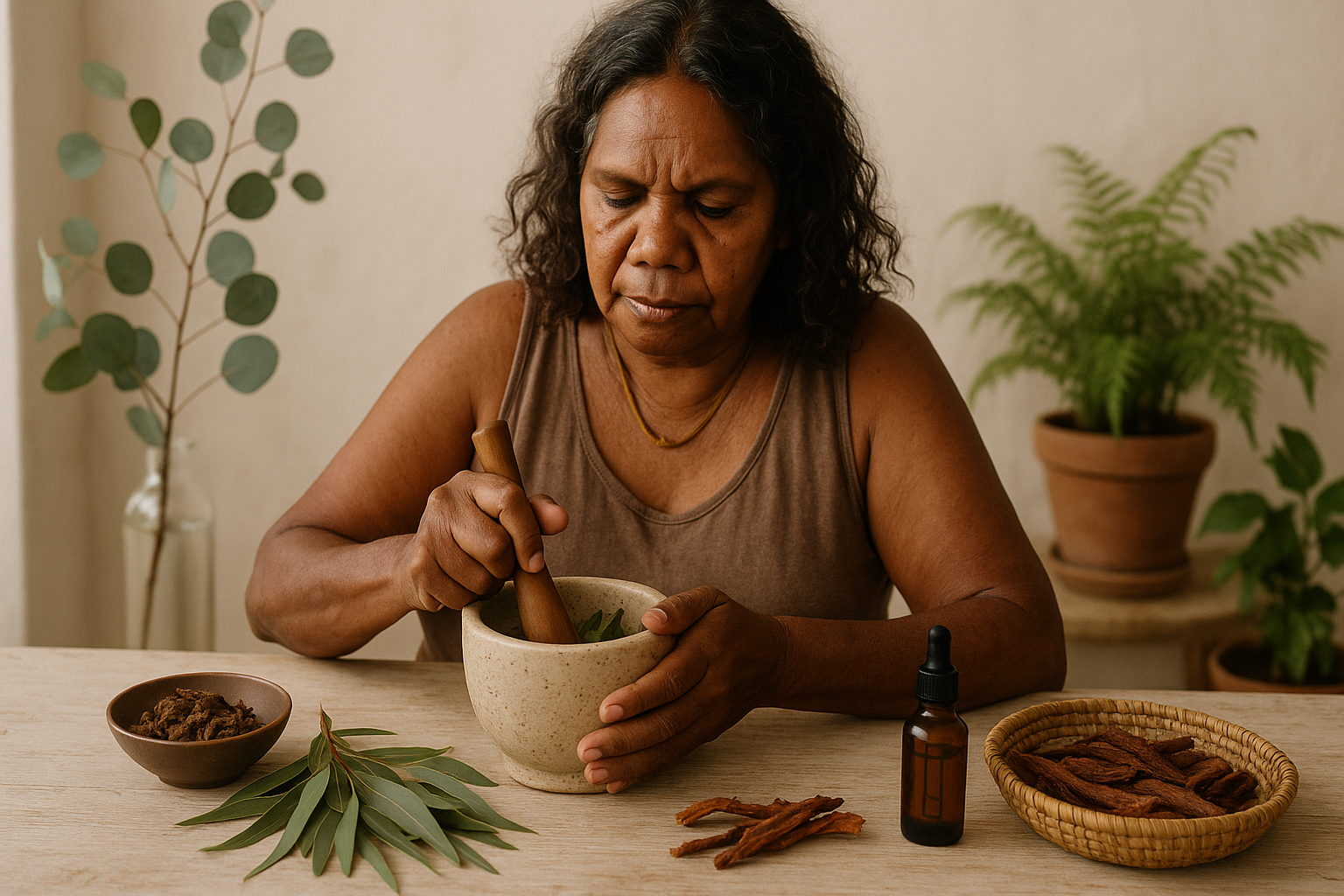
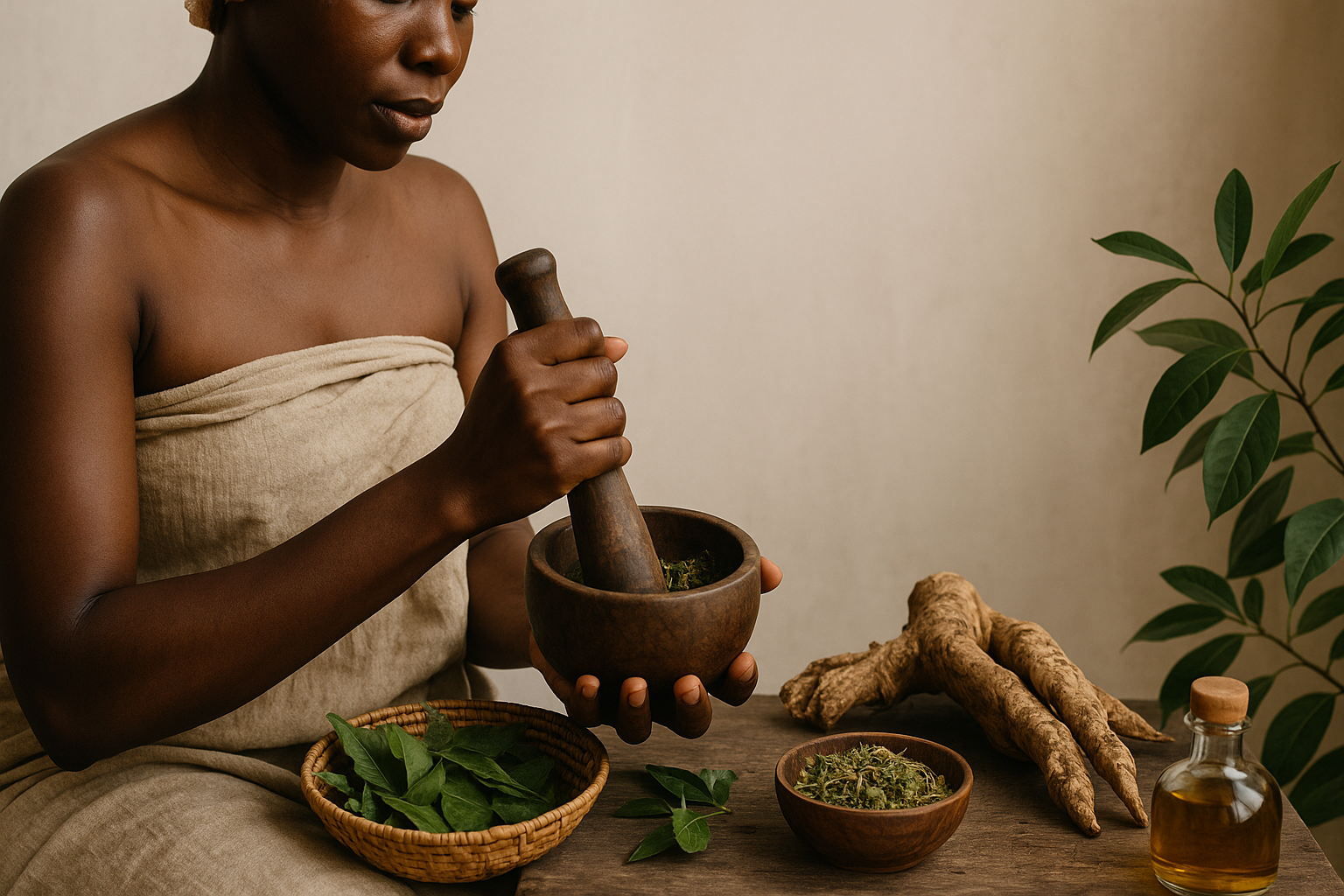
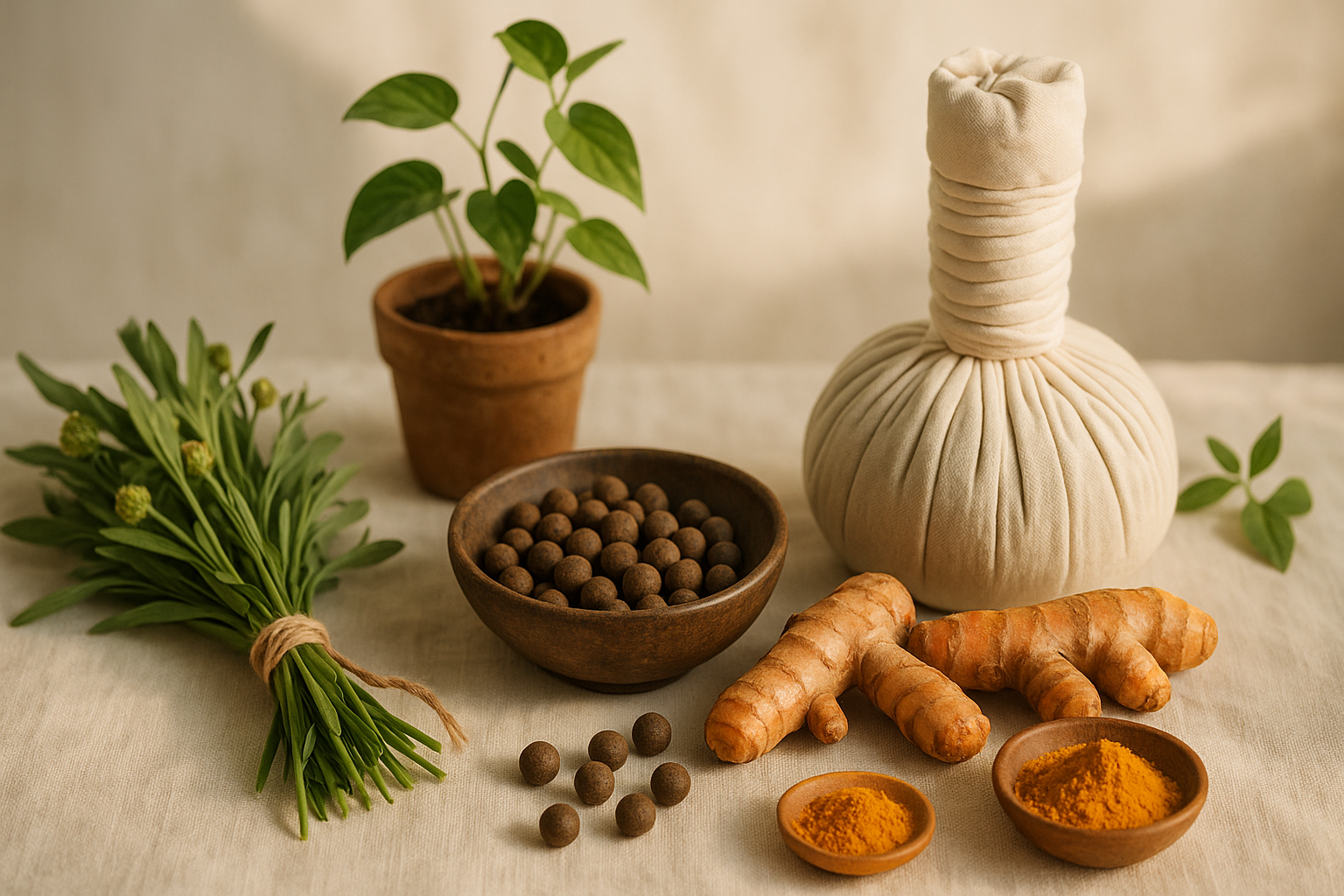
The practice employs various techniques and natural substances, such as herbal remedies, dietary adjustments, and therapeutic baths, to facilitate the cleansing process. By addressing both physical and emotional aspects of health, body cleansing in Persian medicine seeks to rejuvenate the individual and support their natural healing capacities.
Historical Context Within Persian Medicine
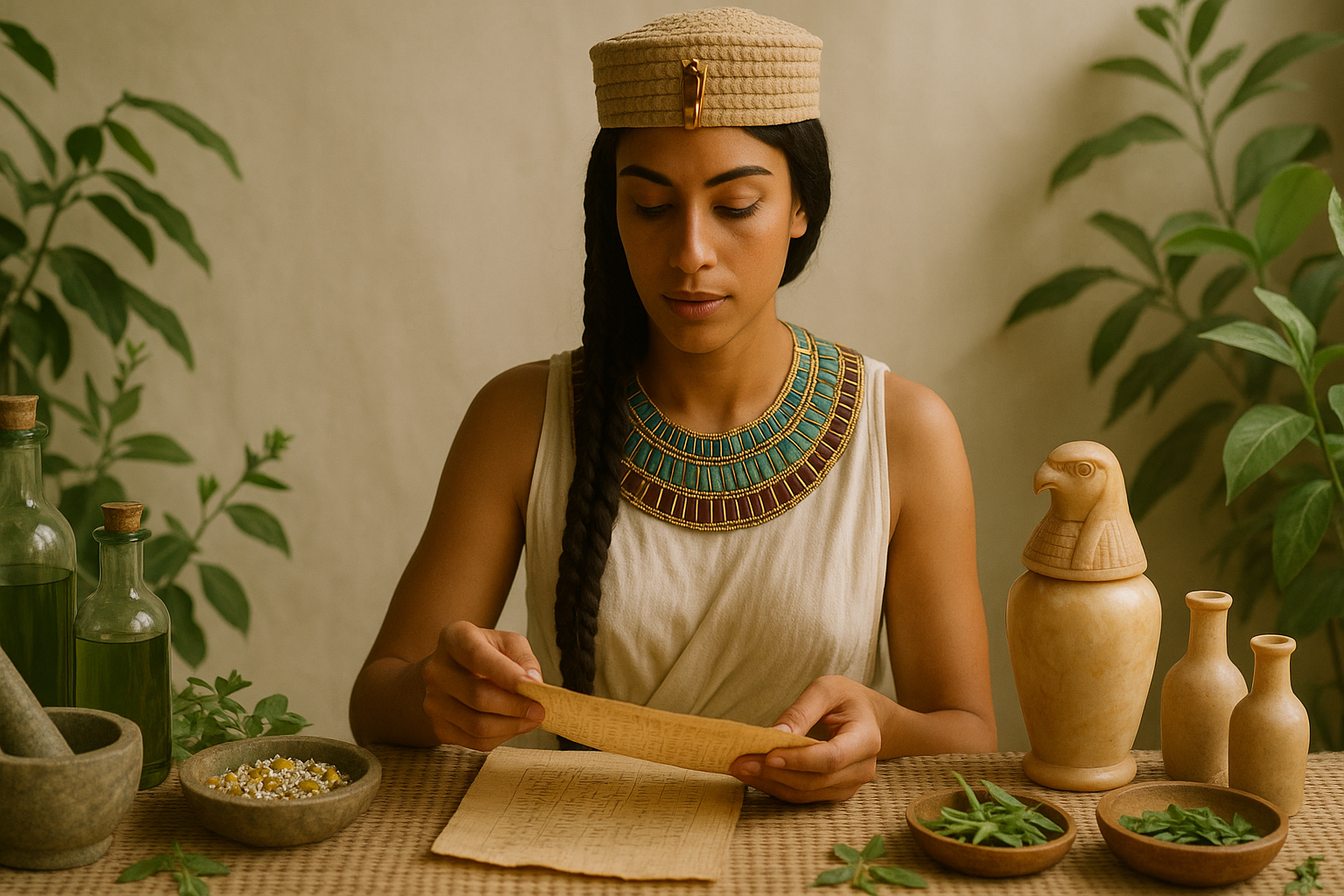
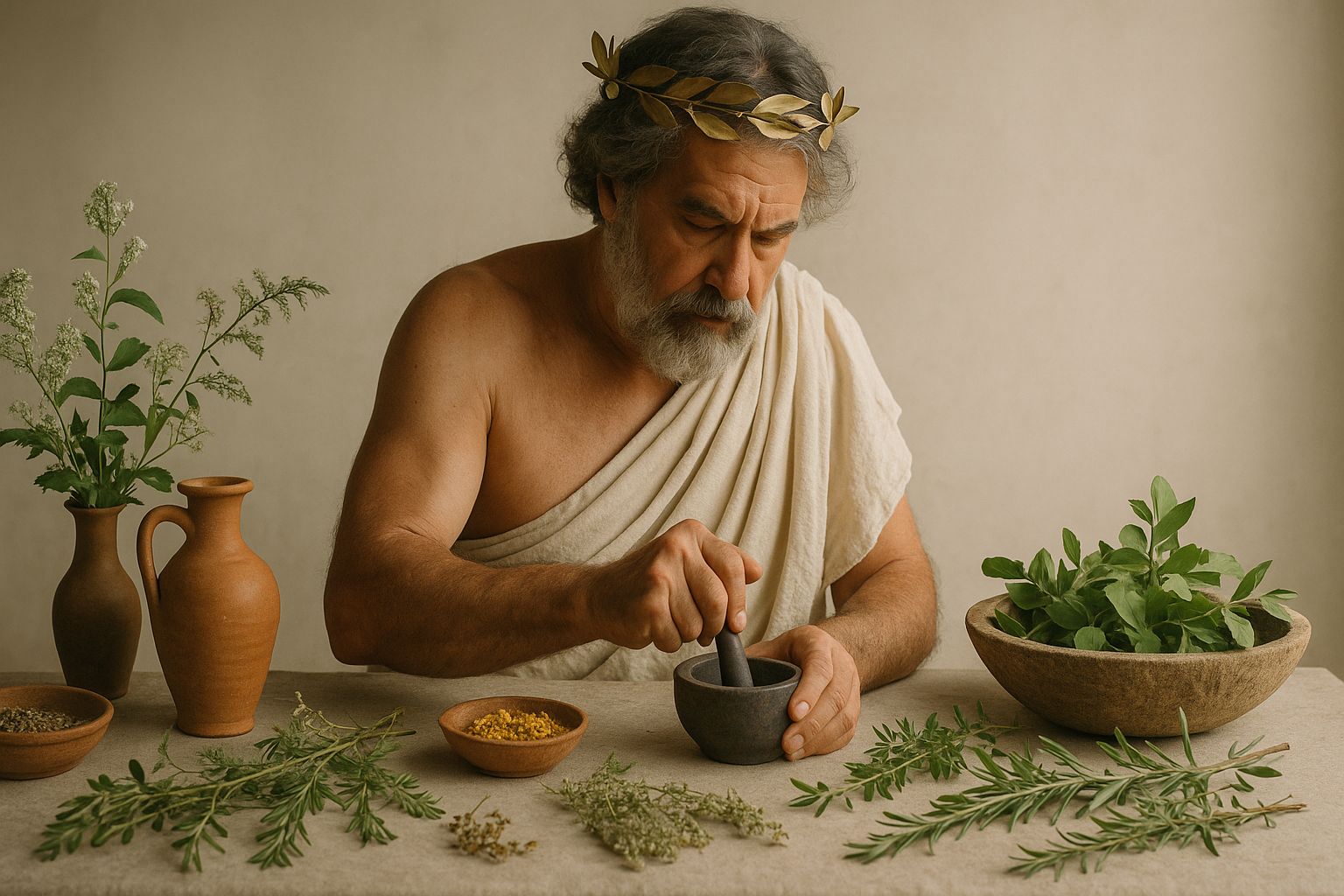
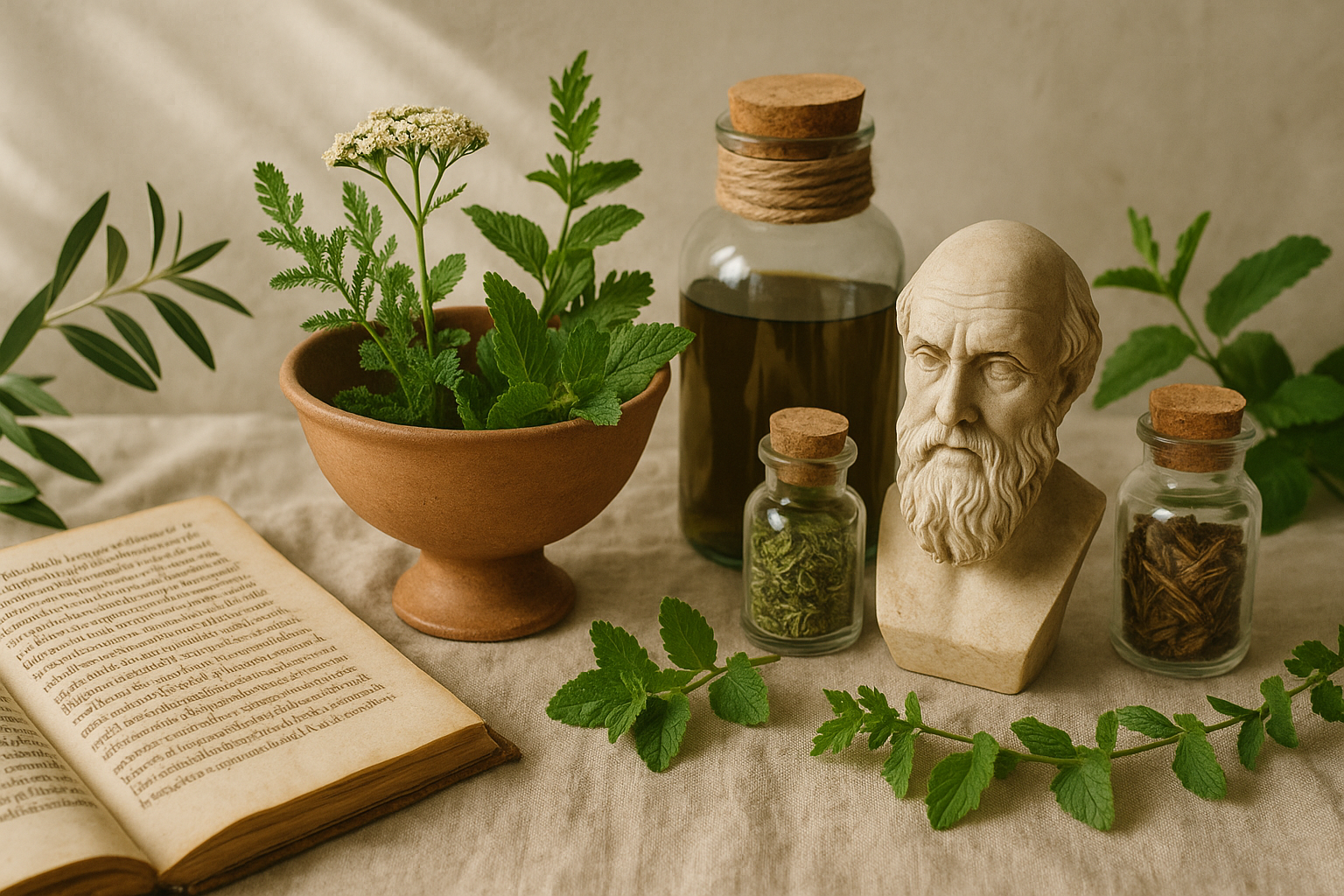
Body cleansing has deep historical roots in Persian medicine, which has evolved over centuries, drawing from ancient philosophies and practices. This modality can be traced back to the teachings of prominent Persian physicians, such as Avicenna (Ibn Sina), who lived during the Islamic Golden Age. Avicenna's comprehensive medical texts outlined various methods of purification and detoxification, emphasizing the harmony of body and spirit.
Throughout the ages, Persian medicine has integrated body cleansing into its broader holistic approach, recognizing the interconnectedness of physical health, emotional well-being, and environmental influences. This tradition has persisted, with practitioners continuing to uphold and adapt these ancient techniques to modern contexts.
How It's Practiced
The practice of body cleansing in Persian medicine can vary, but it typically involves several key steps that a practitioner may guide a patient through:
- Initial Consultation: The practitioner assesses the individual's health history, lifestyle, and specific concerns.
- Customized Cleansing Plan: A tailored plan is developed, often incorporating dietary recommendations, herbal supplements, and lifestyle changes.
- Detoxification Techniques: Various methods may be employed, such as:
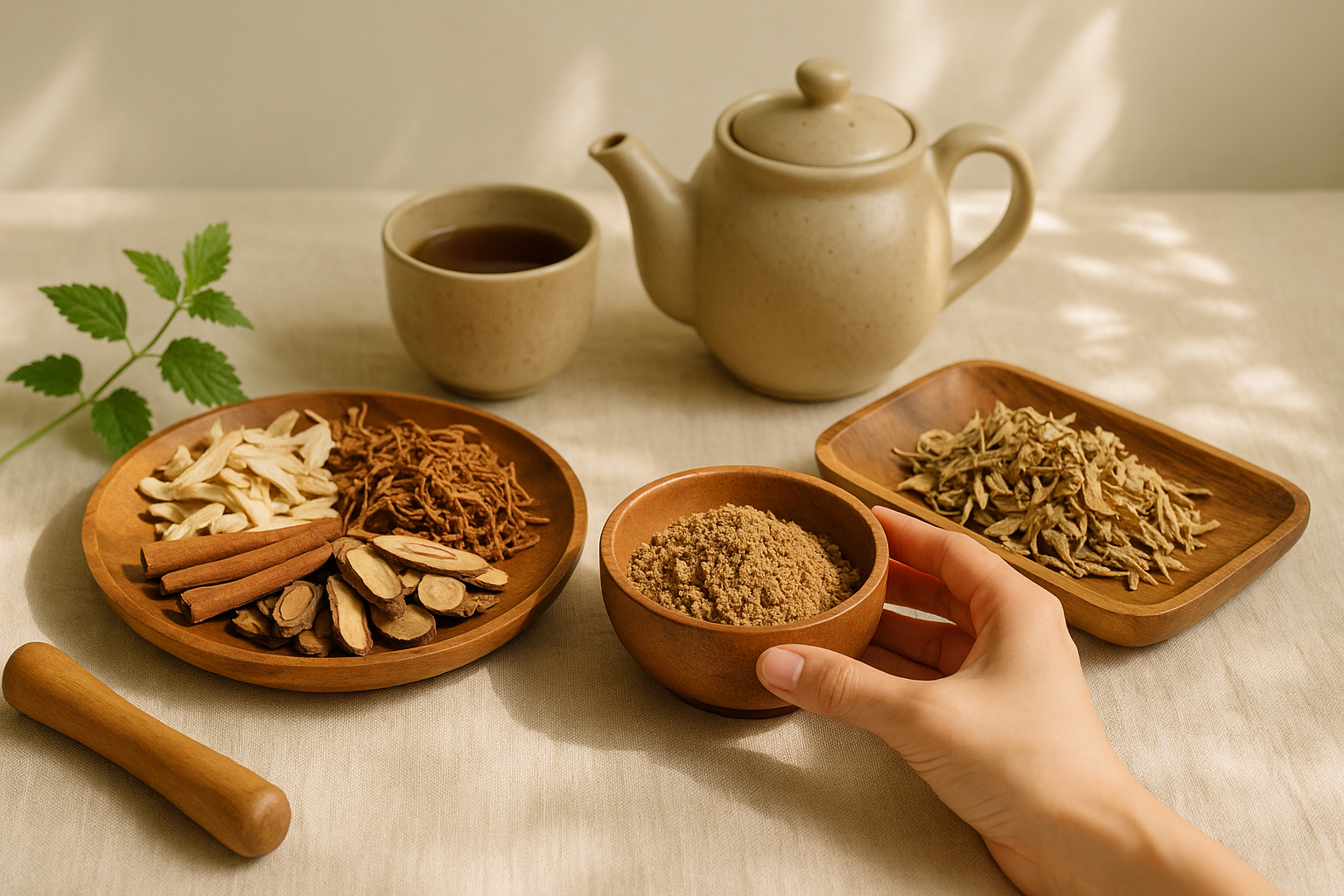
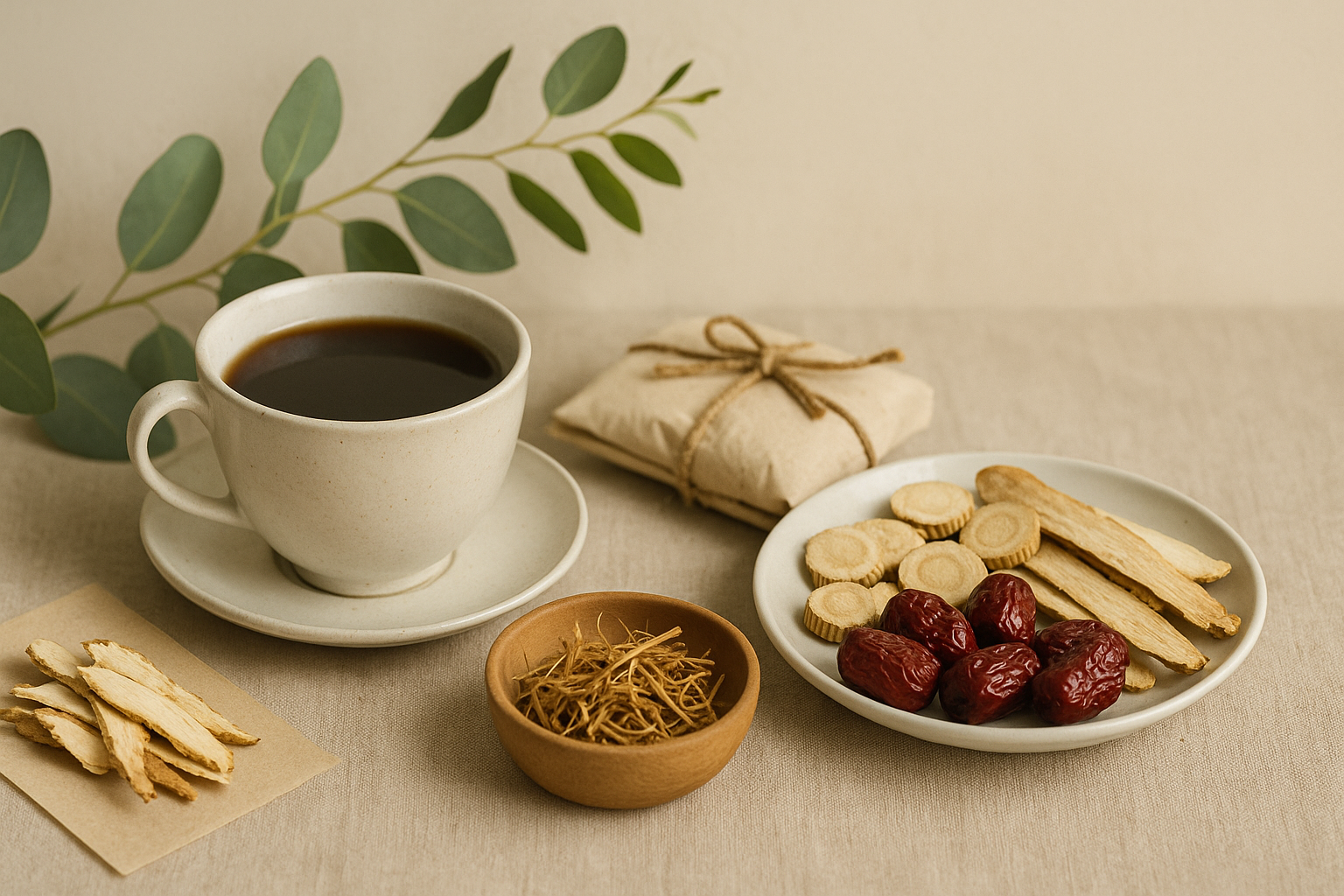
- Herbal infusions and teas
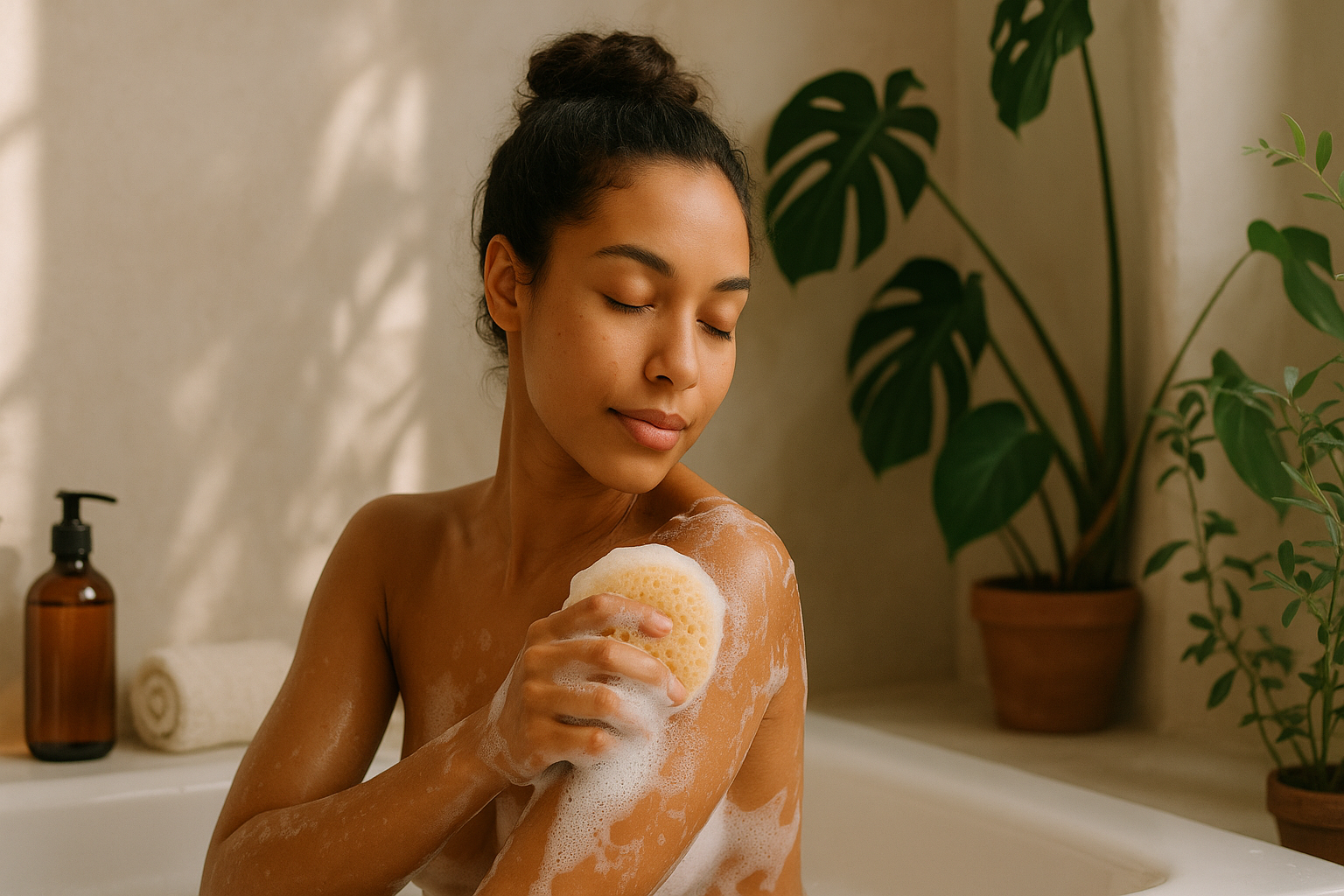
- Therapeutic baths with natural ingredients
- Gentle physical exercises or yoga
- Monitoring and Support: Regular follow-ups ensure the process is effective and adjustments can be made as needed.
What It Is Traditionally Explored For
Body cleansing in Persian medicine is traditionally explored for various purposes, with a focus on enhancing overall wellness. Common goals include:
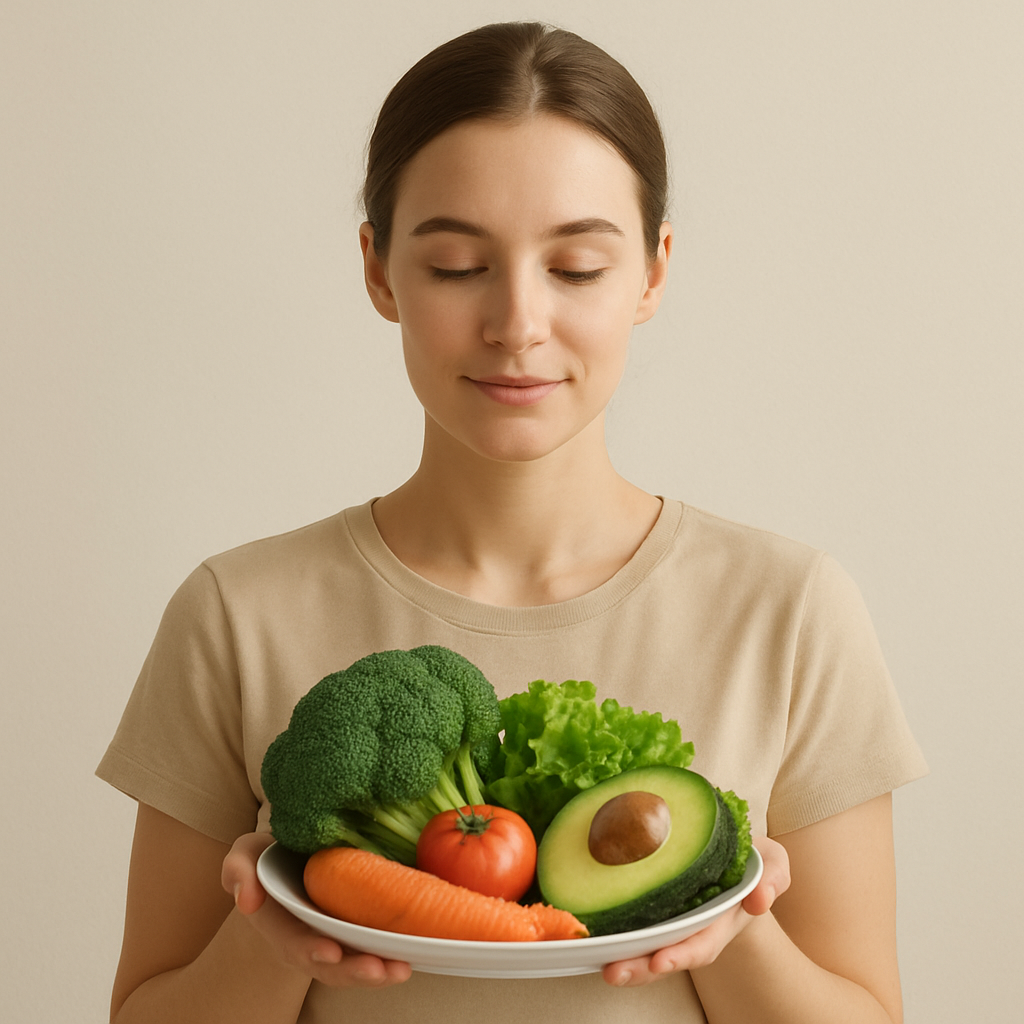
- Detoxifying the body from environmental toxins and dietary impurities
- Improving digestive health and function
- Boosting energy levels and vitality
- Supporting emotional balance and mental clarity
- Promoting skin health and radiance
It is important to note that these applications are based on traditional practices and should not be viewed as definitive treatments for specific medical conditions.
What Modern Research Suggests
Modern research on body cleansing practices, including those derived from Persian medicine, has begun to explore their efficacy in promoting health. Preliminary studies suggest that certain herbal ingredients commonly used in cleansing protocols may possess antioxidant and anti-inflammatory properties, potentially supporting the body's natural detoxification processes. However, robust clinical trials are still needed to establish definitive conclusions.
Moreover, research into the psychological benefits of cleansing practices indicates that they may contribute to improved mental well-being, providing individuals with a sense of renewal and purpose. Although these findings are promising, it is crucial to approach body cleansing with caution, understanding that individual responses can vary significantly.
Safety, Contraindications & Who Should Skip
While body cleansing can offer benefits, it is essential to consider safety and potential contraindications. Individuals who are pregnant, nursing, or have certain medical conditions, such as chronic illnesses or gastrointestinal disorders, should approach body cleansing with caution. Consulting with a qualified practitioner before undertaking any cleansing regimen is highly recommended to ensure it aligns with personal health needs.
Pairs Well With (within Persian Medicine and across pillars)
Body cleansing can be effectively paired with other modalities and practices, both within Persian medicine and across different traditions. Related approaches include:
- Dietary adjustments, such as following a balanced and nourishing diet
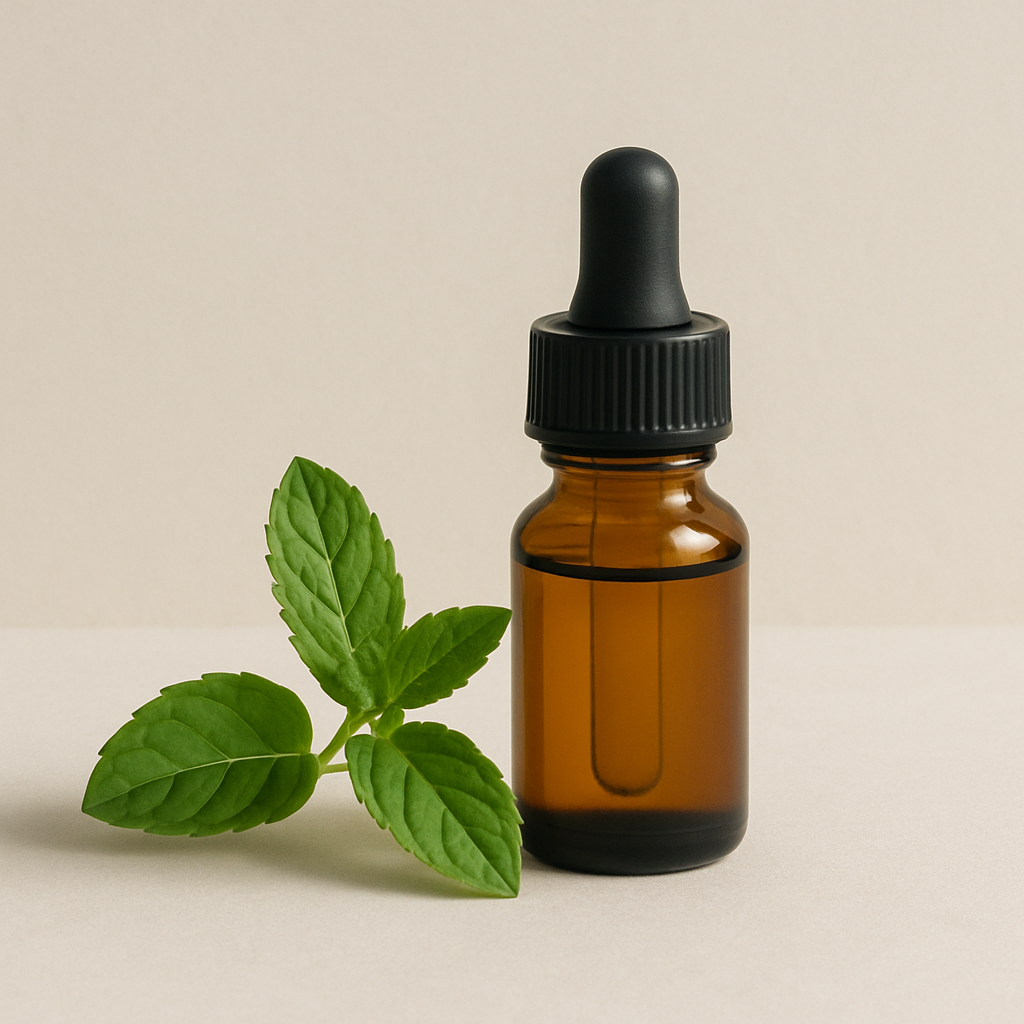
- Herbal medicine, utilizing specific herbs known for their detoxifying properties
- Physical therapies, such as massage or acupuncture
- Meditative practices to support emotional and mental clarity
How to Find a Qualified Practitioner
Finding a qualified practitioner for body cleansing in Persian medicine involves a few key steps:
- Research local practitioners who specialize in Persian or holistic medicine.
- Check for certifications and training in traditional Persian medical practices.
- Read reviews or testimonials from previous clients to gauge their experiences.
- Schedule a consultation to discuss your health goals and ensure the practitioner’s approach aligns with your needs.
FAQs
1. Is body cleansing safe for everyone?
No, body cleansing may not be suitable for everyone, particularly those with specific health conditions. Consulting a qualified practitioner is essential.
2. How often should I undergo body cleansing?
The frequency of body cleansing can vary based on individual health needs and goals. A practitioner can provide personalized recommendations.
3. What types of herbs are commonly used in body cleansing?
Common herbs include milk thistle, dandelion, and turmeric, known for their detoxifying properties.
4. Can body cleansing help with weight loss?
While some individuals may experience weight loss during cleansing, it is primarily focused on detoxification rather than weight management.
5. How long does a body cleansing program typically last?
The duration of a body cleansing program can range from a few days to several weeks, depending on individual goals and the practitioner's recommendations.
Frequently asked
Is body cleansing safe for everyone?
No, body cleansing may not be suitable for everyone, particularly those with specific health conditions. Consulting a qualified practitioner is essential.
How often should I undergo body cleansing?
The frequency of body cleansing can vary based on individual health needs and goals. A practitioner can provide personalized recommendations.
What types of herbs are commonly used in body cleansing?
Common herbs include milk thistle, dandelion, and turmeric, known for their detoxifying properties.
Can body cleansing help with weight loss?
While some individuals may experience weight loss during cleansing, it is primarily focused on detoxification rather than weight management.
How long does a body cleansing program typically last?
The duration of a body cleansing program can range from a few days to several weeks, depending on individual goals and the practitioner's recommendations.