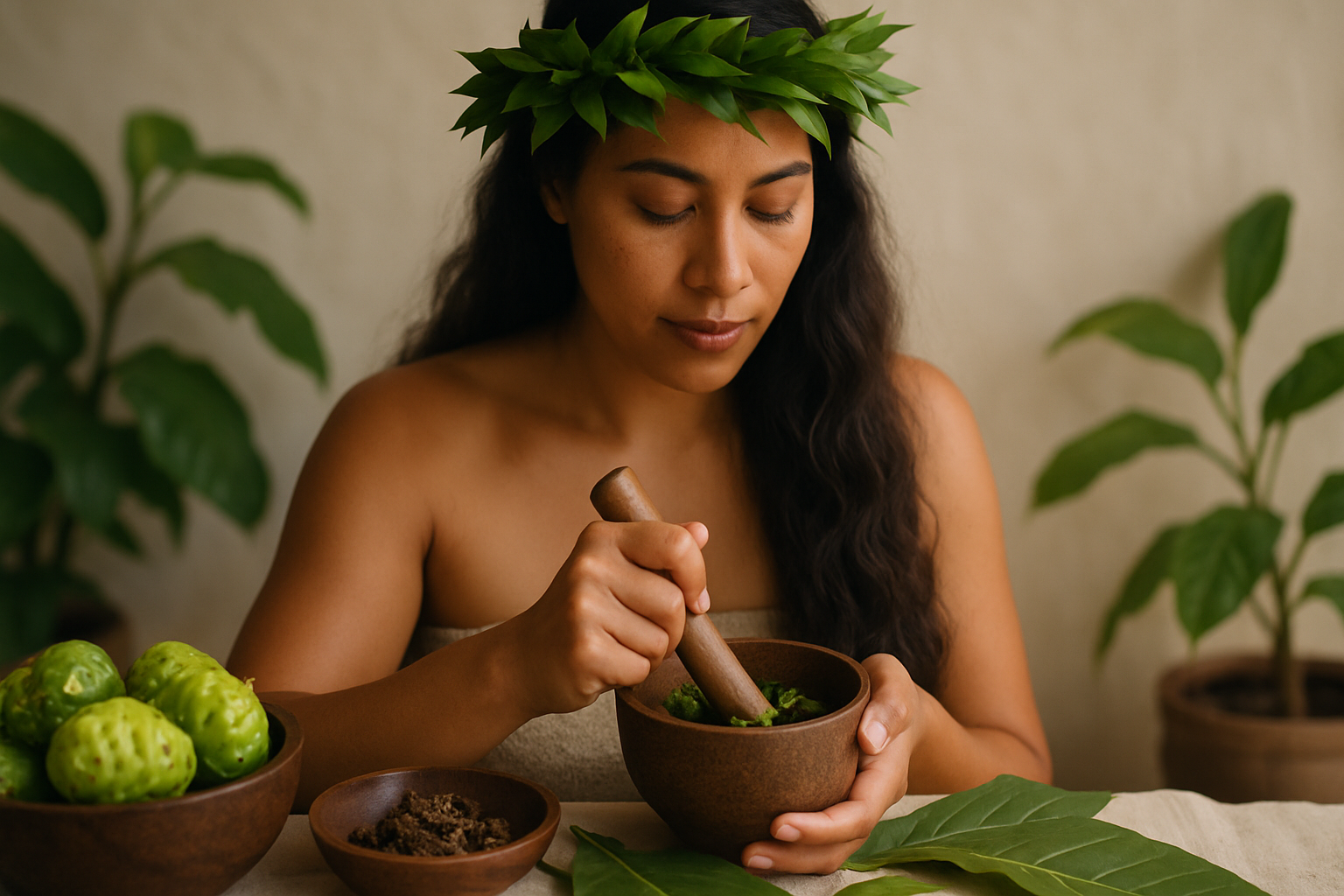
Spiritual Healing
Delve into the principles and practices of Spiritual Healing in Persian Medicine, its historical significance, and how it is applied in contemporary holistic health.

Explore the ancient practice of Spiritual Healing within Persian Medicine, understanding its definitions, historical context, and modern implications for wellness.
What It Is
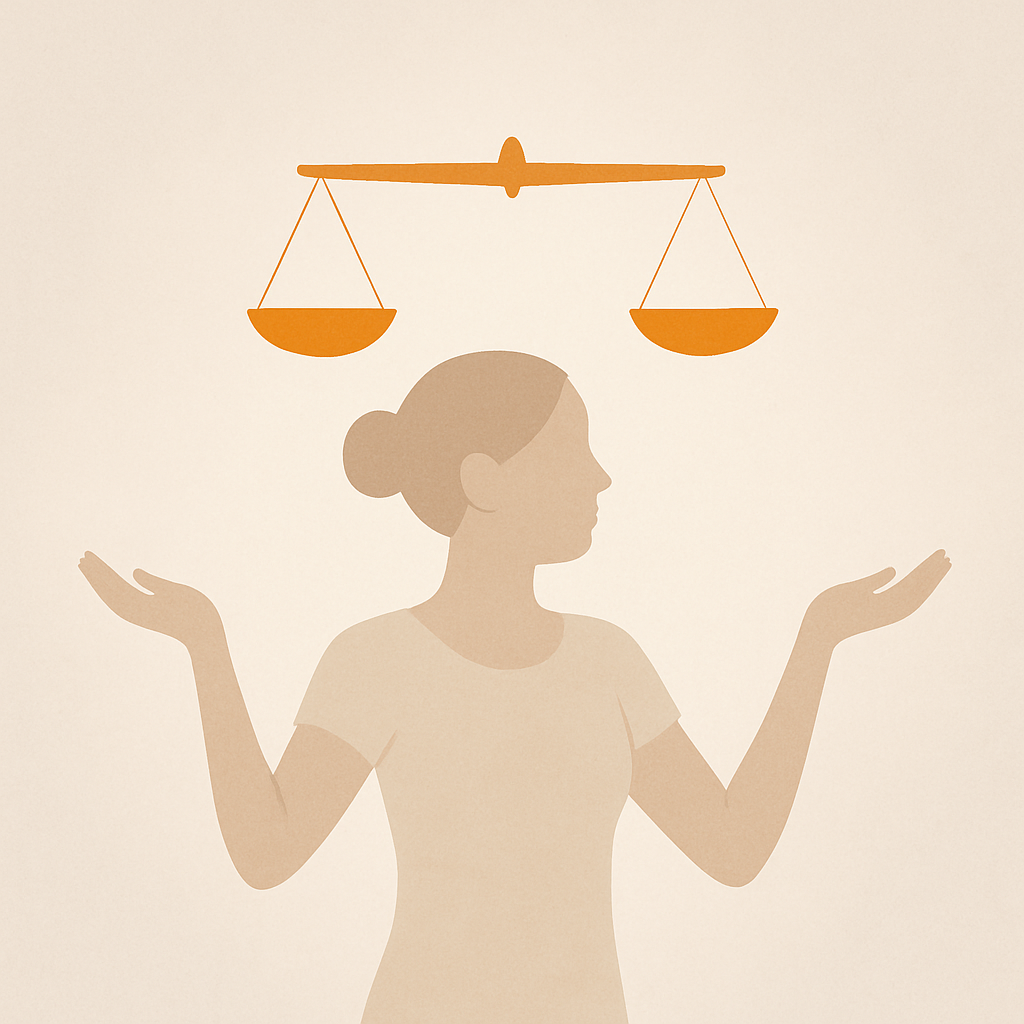
Spiritual Healing, within the context of Persian Medicine, is a holistic approach that seeks to promote well-being by addressing the spiritual aspects of a person’s health. This practice acknowledges the interconnectedness of the body, mind, and spirit, suggesting that emotional and spiritual imbalances can manifest as physical ailments. Through various techniques, practitioners aim to restore harmony and balance, facilitating a path toward healing and personal growth.
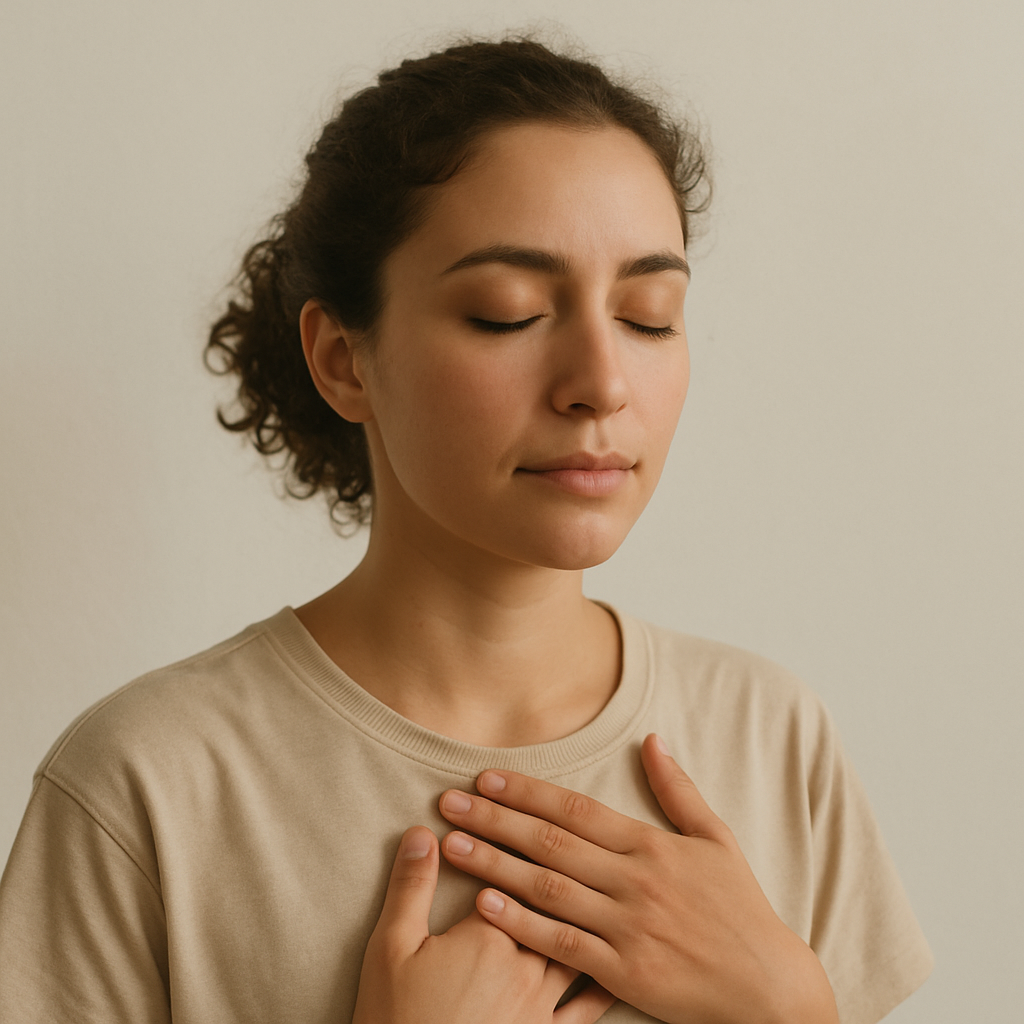
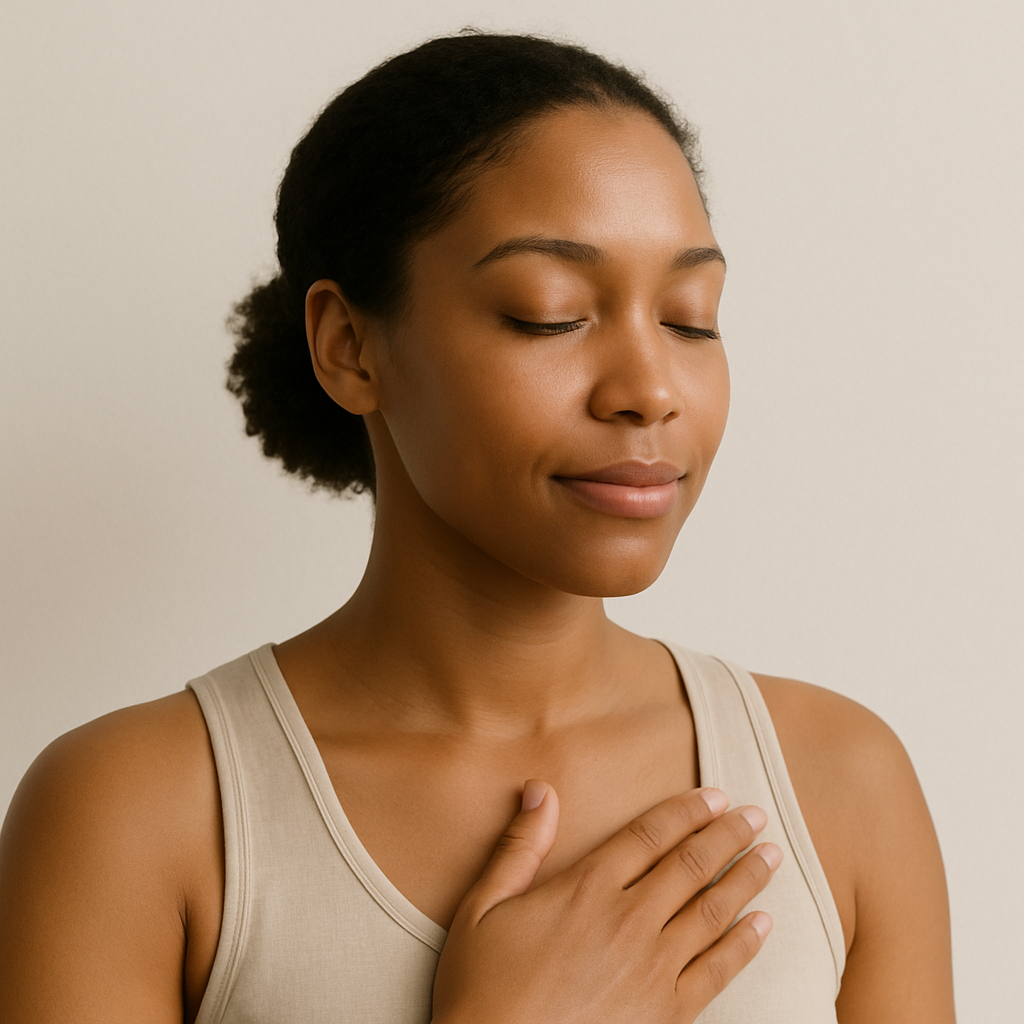
The essence of Spiritual Healing lies in its focus on the soul's journey and its relationship with the physical body. Practitioners often use methods such as meditation, energy work, and prayer, believing that these practices can help clear blockages and enhance spiritual awareness. By fostering a deeper connection to the self and the universe, individuals may find relief from stress, anxiety, and other emotional challenges.
Historical Context Within Persian Medicine
Spiritual Healing has roots deeply embedded in the rich tapestry of Persian Medicine, an ancient system that has been practiced for thousands of years. This lineage emerged from the teachings of notable Persian scholars such as Avicenna (Ibn Sina) in the 10th century, who emphasized the importance of the soul in health and disease. Avicenna's works laid the foundation for the understanding of the human body as a complex interplay of physical, emotional, and spiritual elements.
Throughout the centuries, Persian Medicine evolved, integrating elements of spirituality and philosophy from various cultures. The holistic nature of this practice reflects the influence of Zoroastrianism and Sufism, which both emphasize the significance of spiritual well-being. As a result, Spiritual Healing became an essential aspect of Persian Medicine, guiding individuals toward a more profound understanding of themselves and their place in the cosmos.
How It's Practiced
The practice of Spiritual Healing in Persian Medicine involves a variety of techniques aimed at restoring balance and harmony. A typical session may include the following steps:
- Consultation: The practitioner engages in a dialogue with the individual to understand their emotional and spiritual concerns.
- Assessment: Through observation and intuitive insights, the practitioner assesses the individual's energy levels and spiritual state.
- Healing Techniques: A combination of meditation, prayer, energy work, or guided visualization may be employed to help clear blockages and promote healing.
- Integration: The practitioner provides guidance on how to integrate the healing experience into daily life, emphasizing practices that encourage ongoing spiritual growth.
What It Is Traditionally Explored For
Spiritual Healing is traditionally explored for various emotional and spiritual issues. It is often sought for:
- Stress relief and anxiety management
- Emotional healing from past traumas
- Enhancing self-awareness and personal growth
- Fostering a deeper connection to one's spiritual path
- Improving overall well-being and quality of life
While the effects of Spiritual Healing can vary from person to person, many individuals seek this practice to find meaning and purpose in their lives.
What Modern Research Suggests
Modern research into Spiritual Healing is still in its infancy, with preliminary studies suggesting potential benefits in emotional and psychological well-being. Some clinical studies have indicated that practices such as meditation and energy work can lead to reduced stress and improved mood. However, the scientific community remains cautious, as much of the evidence is anecdotal or based on small sample sizes.
Researchers are increasingly interested in understanding the mechanisms behind Spiritual Healing. Some studies have explored how spiritual practices might influence the body’s physiological responses, such as reducing cortisol levels associated with stress. While findings are promising, further rigorous research is necessary to substantiate these claims and understand the full scope of Spiritual Healing's impact.
Safety, Contraindications & Who Should Skip
Spiritual Healing is generally considered safe for most individuals. However, it may not be suitable for everyone. Those who are experiencing severe psychological conditions, such as schizophrenia or bipolar disorder, should consult a licensed mental health professional before engaging in spiritual practices. It is essential to approach Spiritual Healing as a complementary practice rather than a substitute for conventional medical treatment.
Pairs Well With (within Persian Medicine and across pillars)
- Herbal Medicine
- Ayurveda
- Acupuncture
- Nutritional Counseling
- Meditation Techniques
How to Find a Qualified Practitioner
Finding a qualified practitioner in Spiritual Healing within Persian Medicine can be an enriching journey. Here are some steps to consider:
- Seek referrals from trusted sources, such as friends or health professionals.
- Look for practitioners with formal training in Persian Medicine or related fields.
- Check online directories or associations that list certified practitioners.
- Schedule a consultation to discuss your needs and assess the practitioner’s approach.
FAQs
What is Spiritual Healing?
Spiritual Healing is a holistic practice that aims to address emotional and spiritual imbalances to promote overall well-being.
How does Spiritual Healing work?
It works by using techniques like meditation, energy work, and prayer to help clear emotional blockages and restore balance.
Is Spiritual Healing safe?
Generally, it is safe for most individuals, but those with severe psychological conditions should seek professional advice before engaging in these practices.
What can I expect during a Spiritual Healing session?
You can expect a consultation, assessment, and various healing techniques tailored to your needs.
Can Spiritual Healing replace medical treatment?
No, it should be viewed as a complementary practice rather than a substitute for conventional medical treatment.
Frequently asked
What is Spiritual Healing?
Spiritual Healing is a holistic practice that aims to address emotional and spiritual imbalances to promote overall well-being.
How does Spiritual Healing work?
It works by using techniques like meditation, energy work, and prayer to help clear emotional blockages and restore balance.
Is Spiritual Healing safe?
Generally, it is safe for most individuals, but those with severe psychological conditions should seek professional advice before engaging in these practices.
What can I expect during a Spiritual Healing session?
You can expect a consultation, assessment, and various healing techniques tailored to your needs.
Can Spiritual Healing replace medical treatment?
No, it should be viewed as a complementary practice rather than a substitute for conventional medical treatment.