Wellness Bodywork
Wellness bodywork encompasses various therapeutic techniques aimed at promoting relaxation, reducing stress, and improving overall well-being. Learn about its history, benefits, and practical applications.
Explore the world of wellness bodywork, a holistic approach to enhancing physical and emotional well-being through various massage techniques and bodywork practices. Discover its historical roots, modern research findings, and practical applications in everyday life.
What It Is
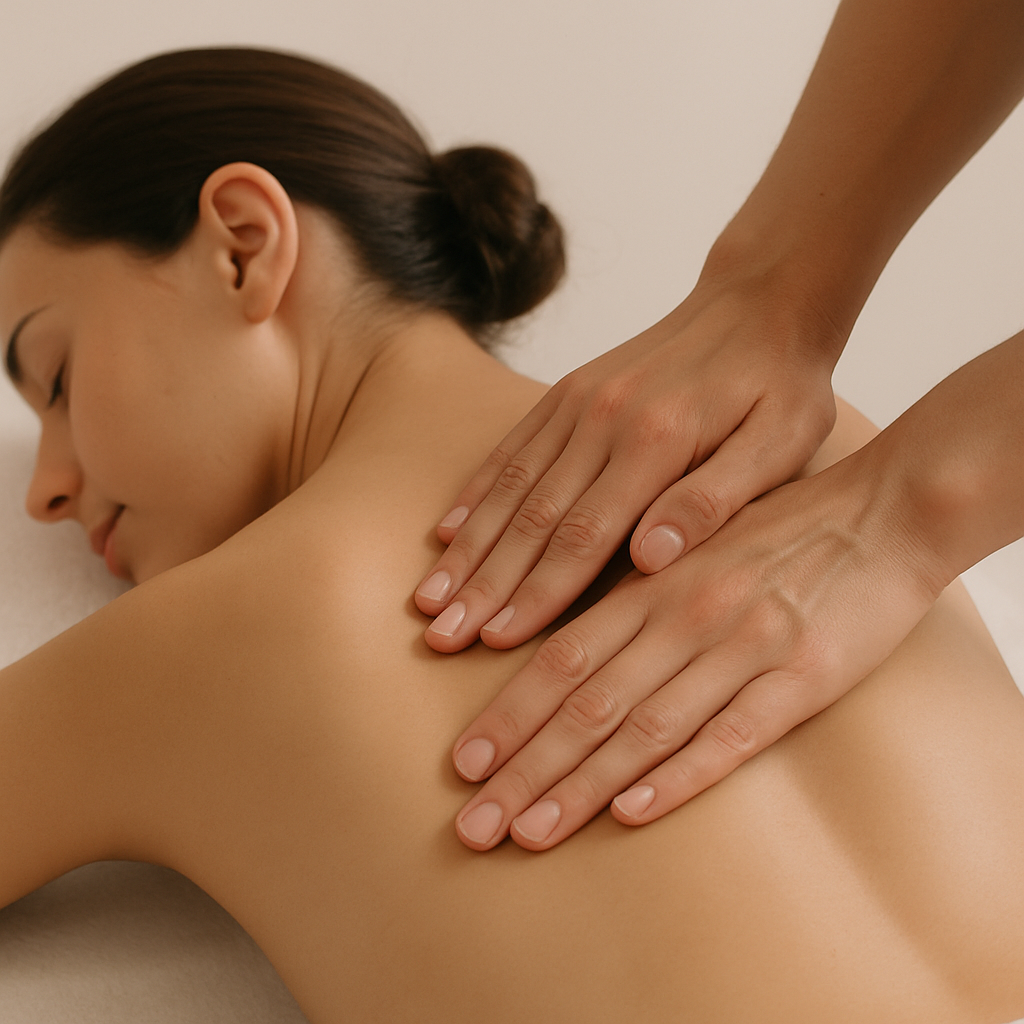
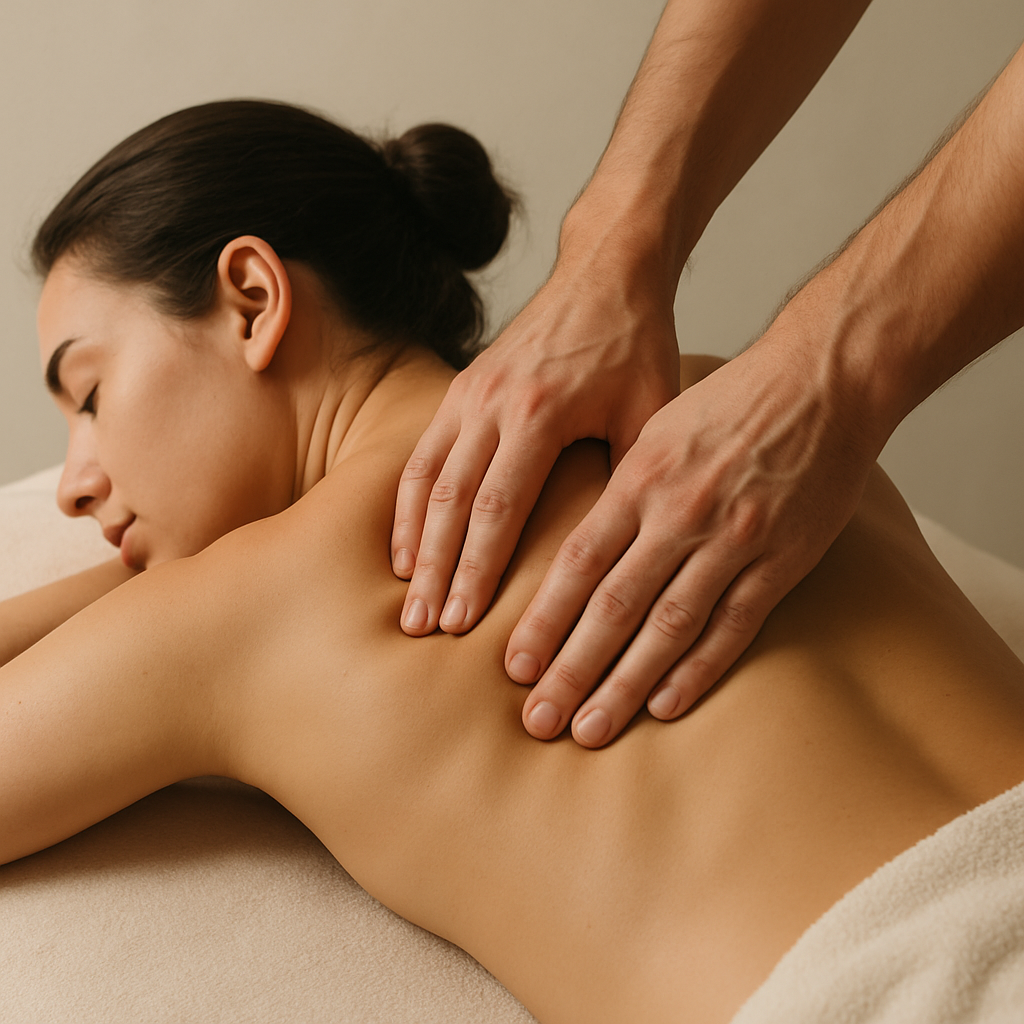
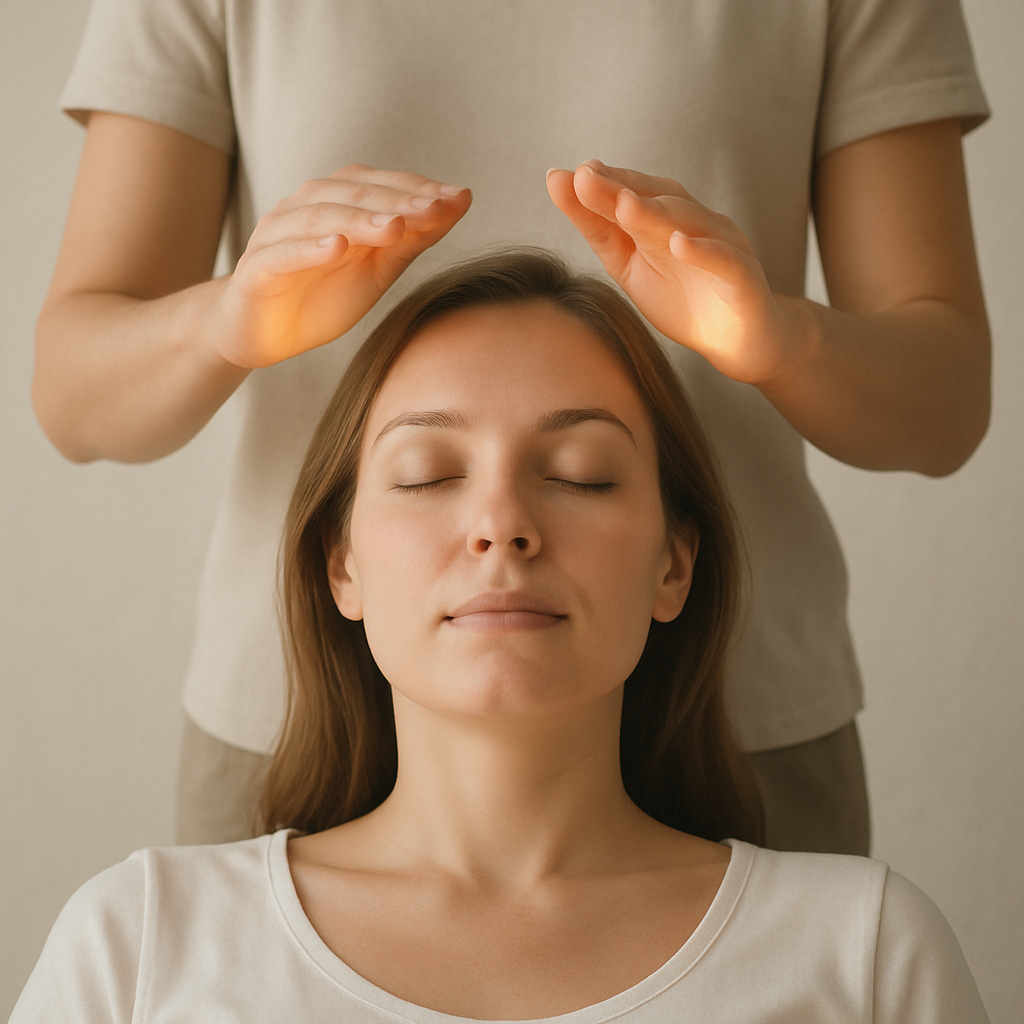
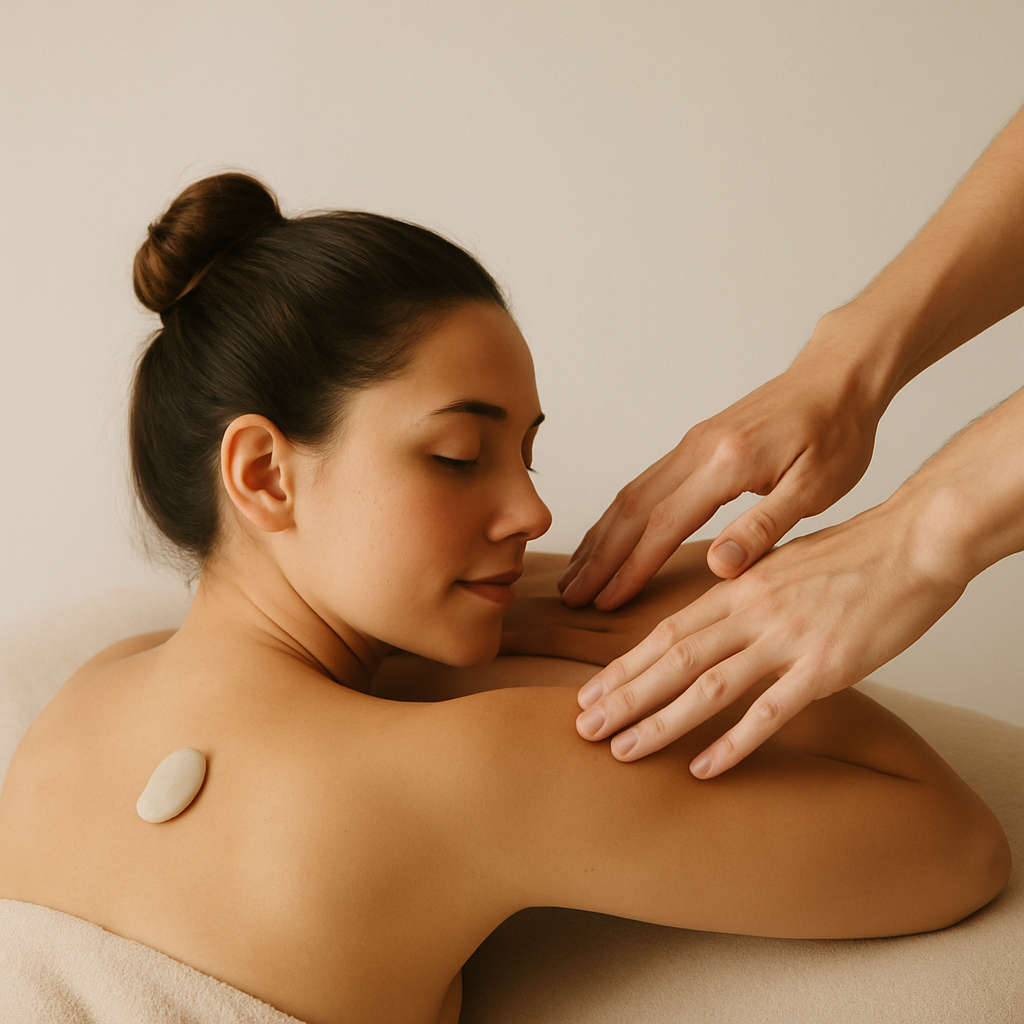
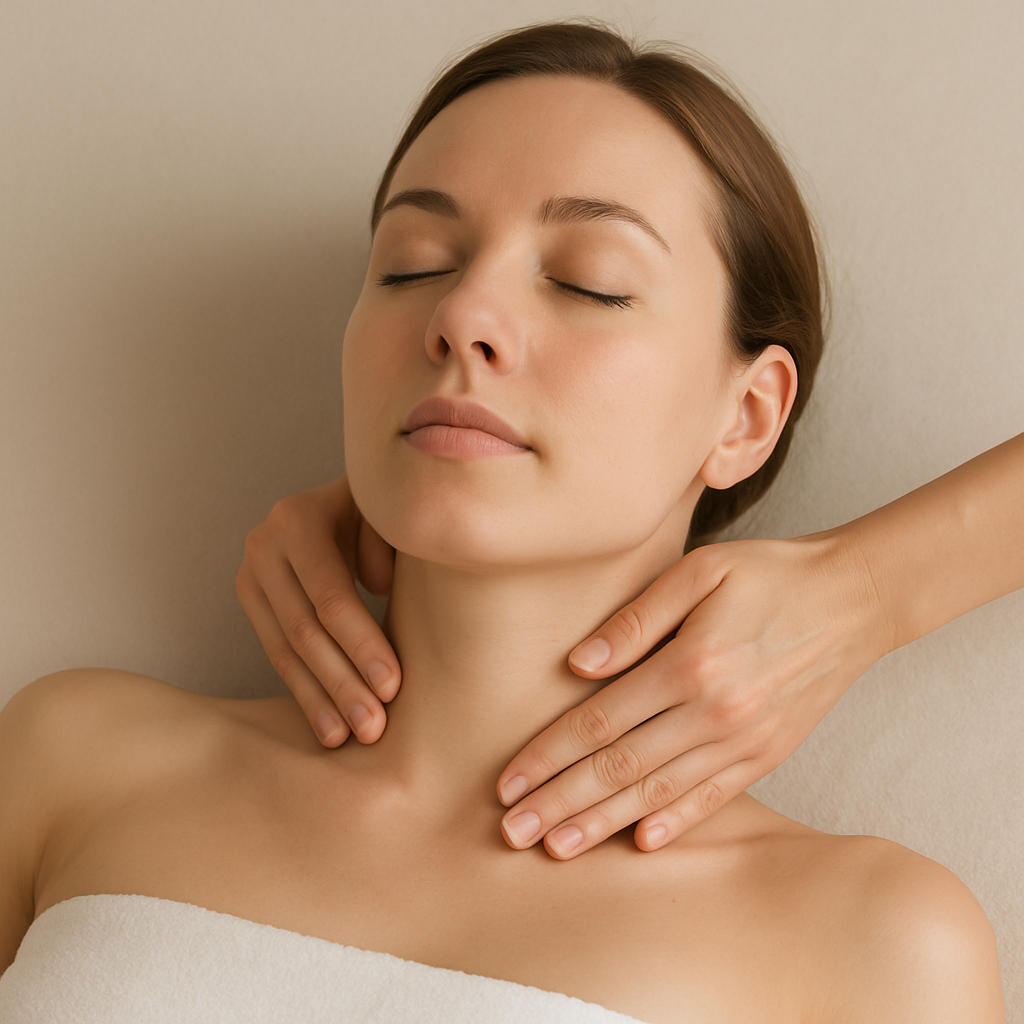
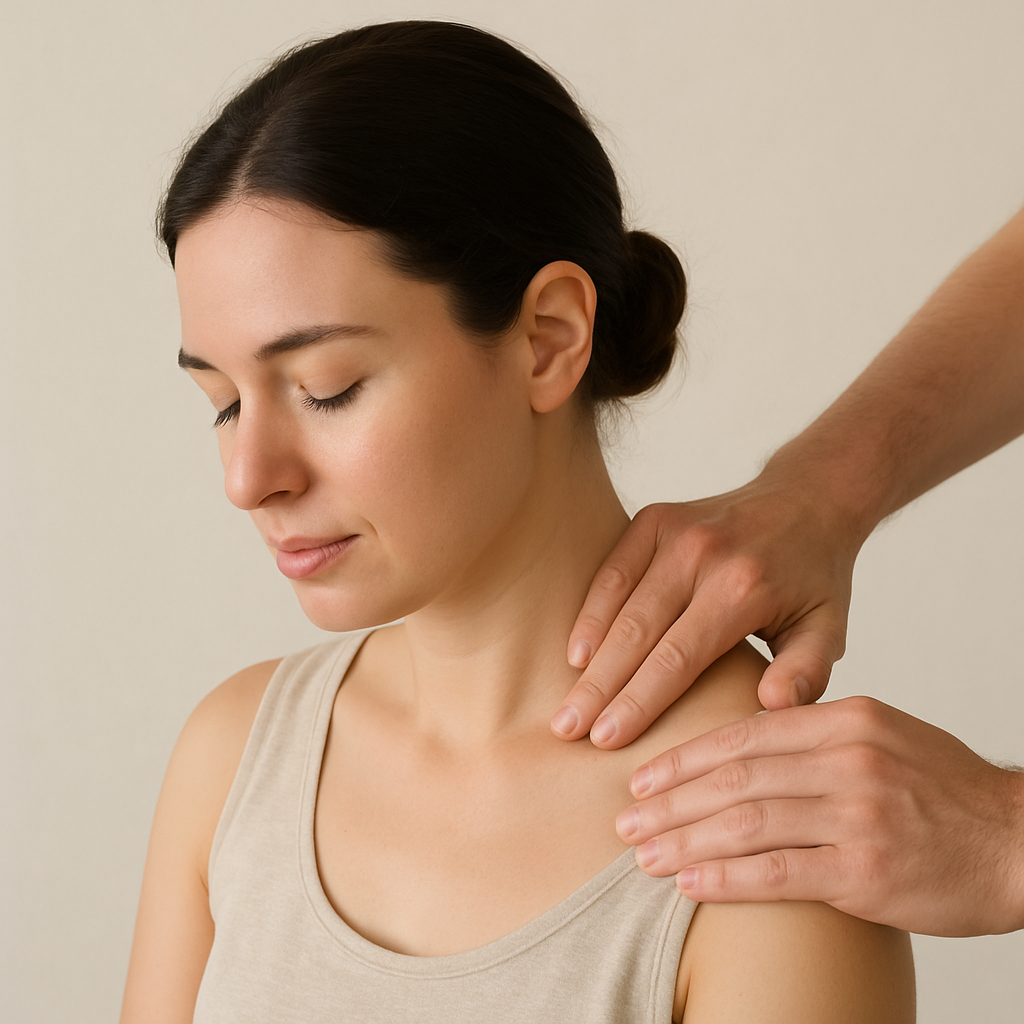
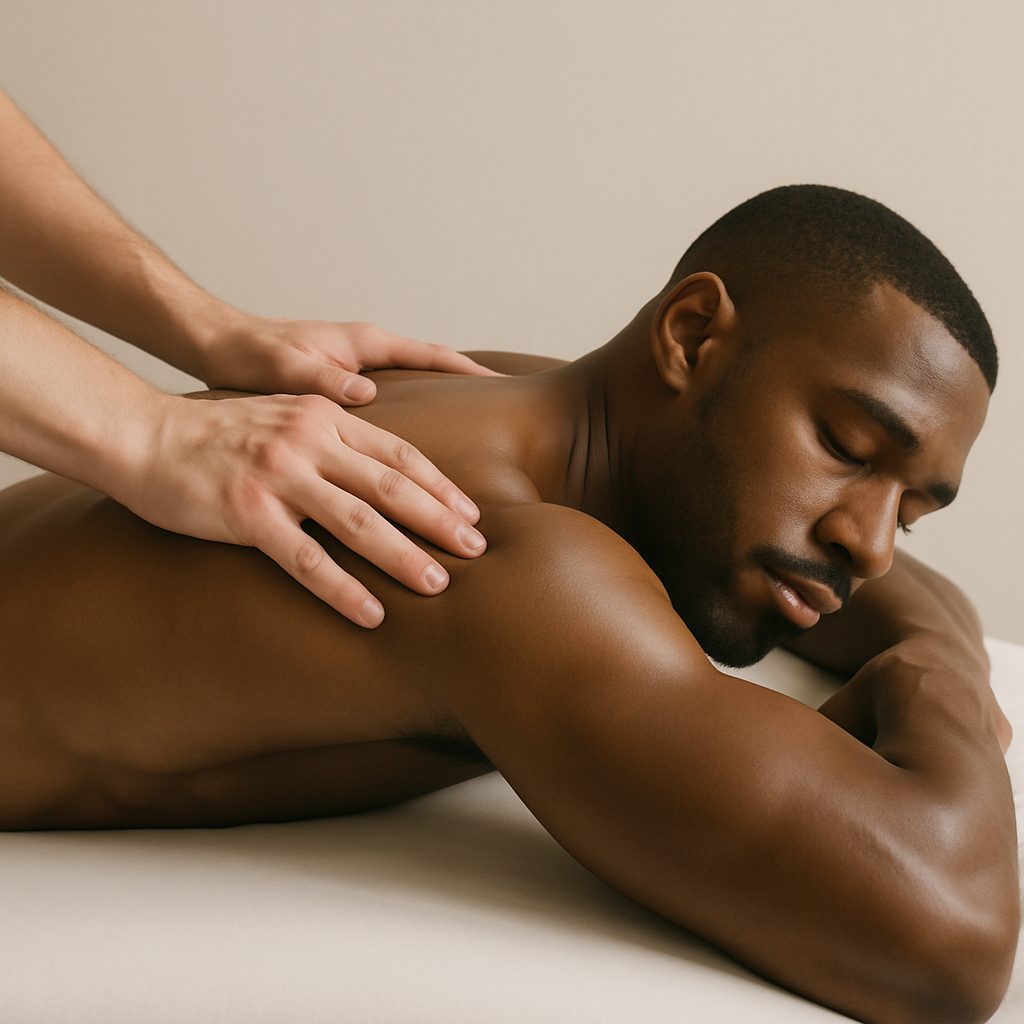
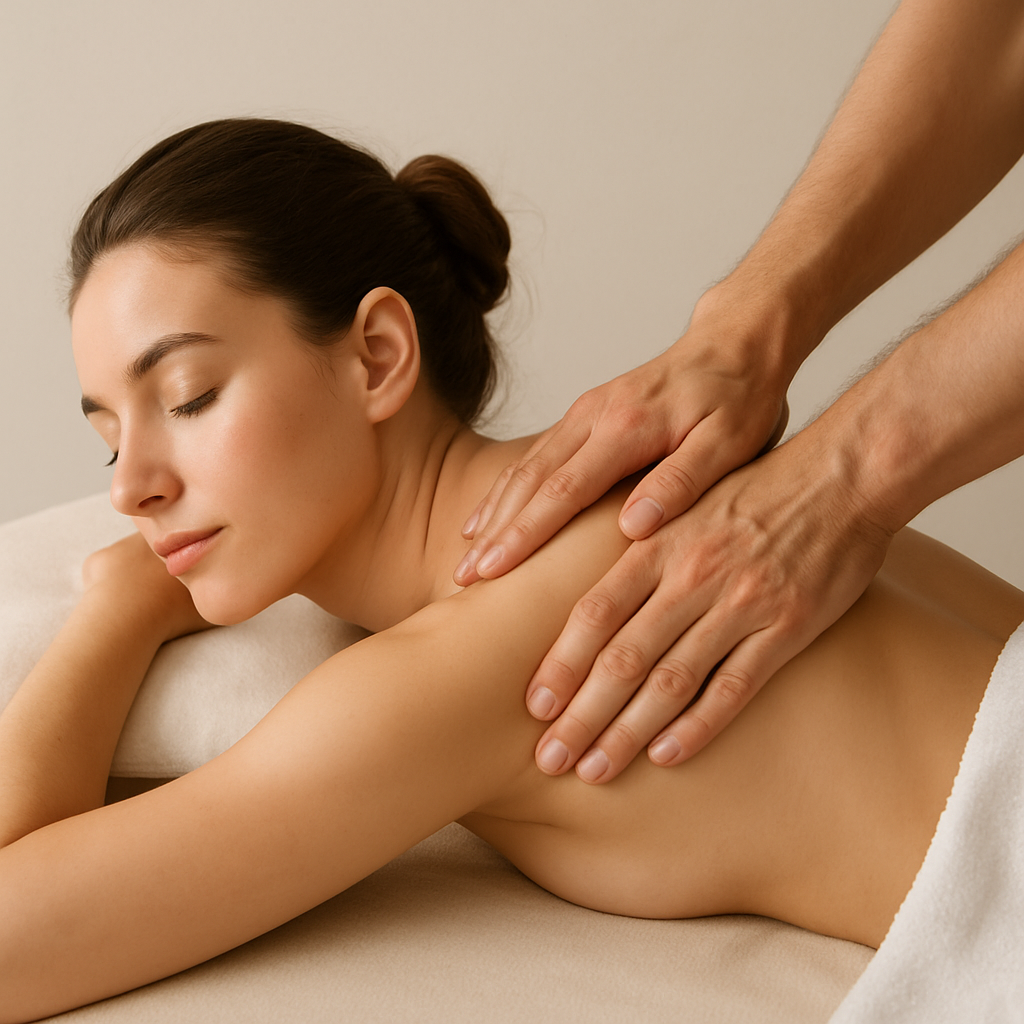
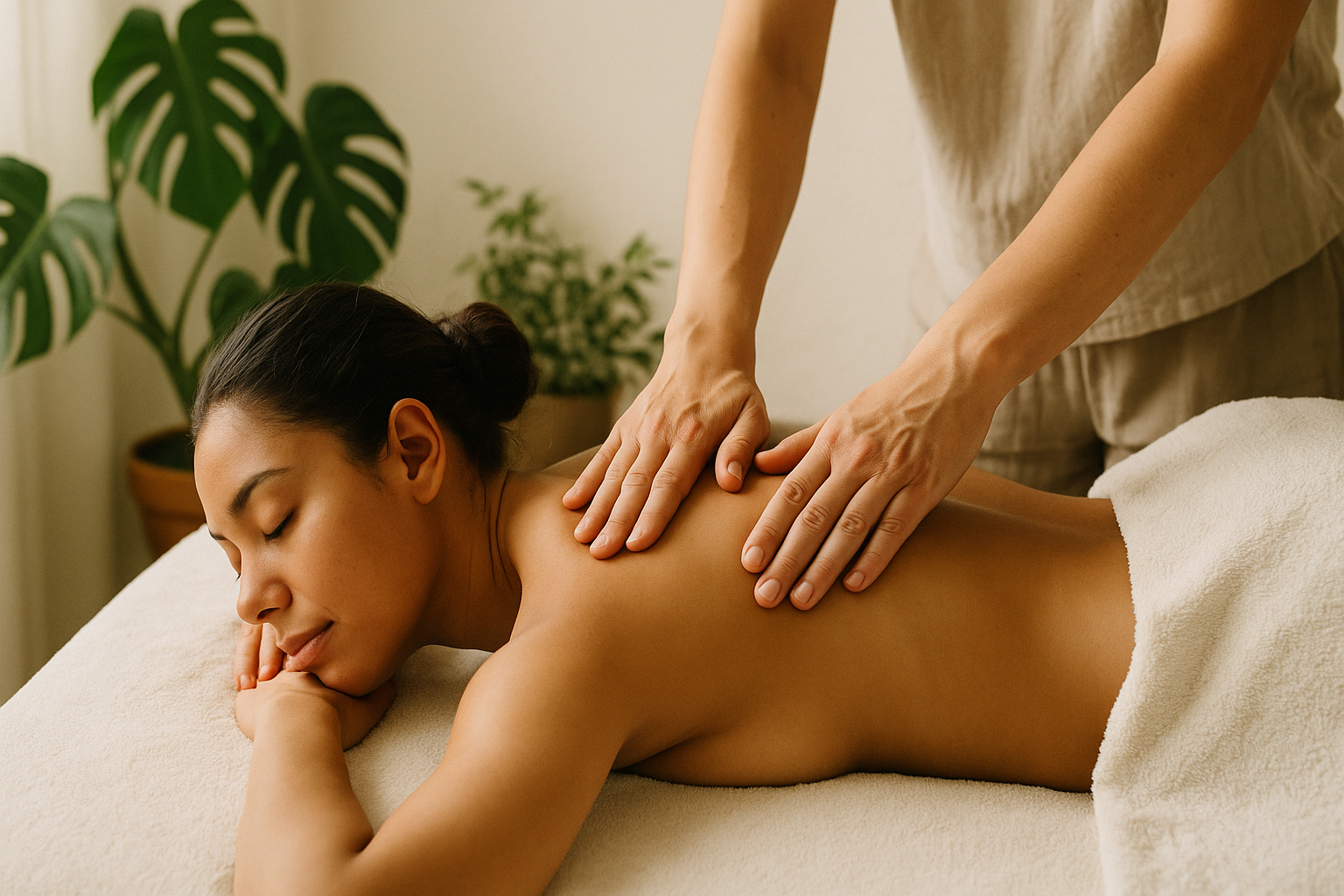
Wellness bodywork refers to a range of therapeutic practices designed to enhance physical and emotional well-being through manipulation of the body's soft tissues. This includes techniques such as massage therapy, acupressure, and myofascial release, which aim to promote relaxation, relieve tension, and support the body's natural healing processes.
Key Active Compounds & Mechanisms
While wellness bodywork does not involve specific chemical compounds like herbs or medications, its effectiveness is often attributed to various physiological mechanisms. Key mechanisms include:
- Increased Blood Circulation: Bodywork techniques enhance blood flow, facilitating oxygen and nutrient delivery to tissues.
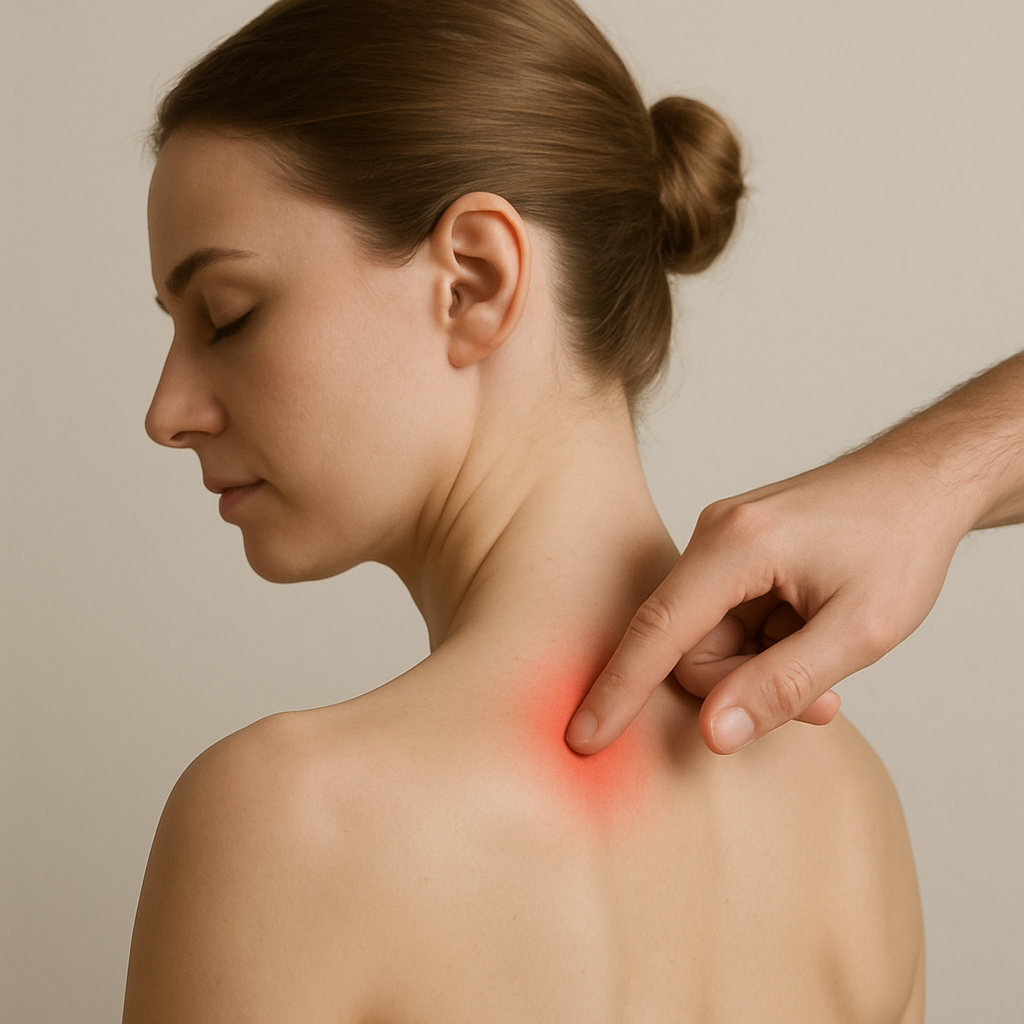
- Muscle Relaxation: Physical manipulation helps reduce muscle tightness and spasms.
- Stress Reduction: Techniques promote relaxation, leading to decreased levels of stress hormones like cortisol.
Traditional Uses
Historically, various cultures have utilized bodywork techniques as part of their healing traditions. For instance:
- Chinese Medicine: Acupressure and tui na massage have been practiced for thousands of years to balance energy (Qi) within the body.
- Ayurveda: In India, Ayurvedic massage therapies are used to balance the body's doshas and promote overall health.
- Western Massage Traditions: Various forms of massage, including Swedish and deep tissue, have evolved over centuries in Europe to address physical ailments and enhance relaxation.
What Modern Research Suggests
Modern studies have begun to explore the benefits of wellness bodywork. Preliminary research indicates that:
- Massage therapy may reduce muscle soreness and improve recovery after exercise.
- Bodywork can significantly lower anxiety and promote relaxation.
- Some studies suggest that regular massage can help manage chronic pain conditions.
However, more extensive clinical trials are needed to establish definitive conclusions.
Functional Actions
Wellness bodywork encompasses various functional actions, including:
- Relaxation: Promoting a state of calm and reducing stress levels.
- Pain Relief: Alleviating discomfort from muscle tension and joint issues.
- Improved Mobility: Enhancing flexibility and range of motion in joints and muscles.
Body Systems Supported
Wellness bodywork can support multiple body systems, including:
- Musculoskeletal System: By relieving tension and pain in muscles and joints.
- Nervous System: By promoting relaxation and reducing stress responses.
- Circulatory System: By improving blood flow and nutrient delivery to tissues.
Common Forms & Educational Dosing Ranges
Wellness bodywork is typically offered in various forms, including:
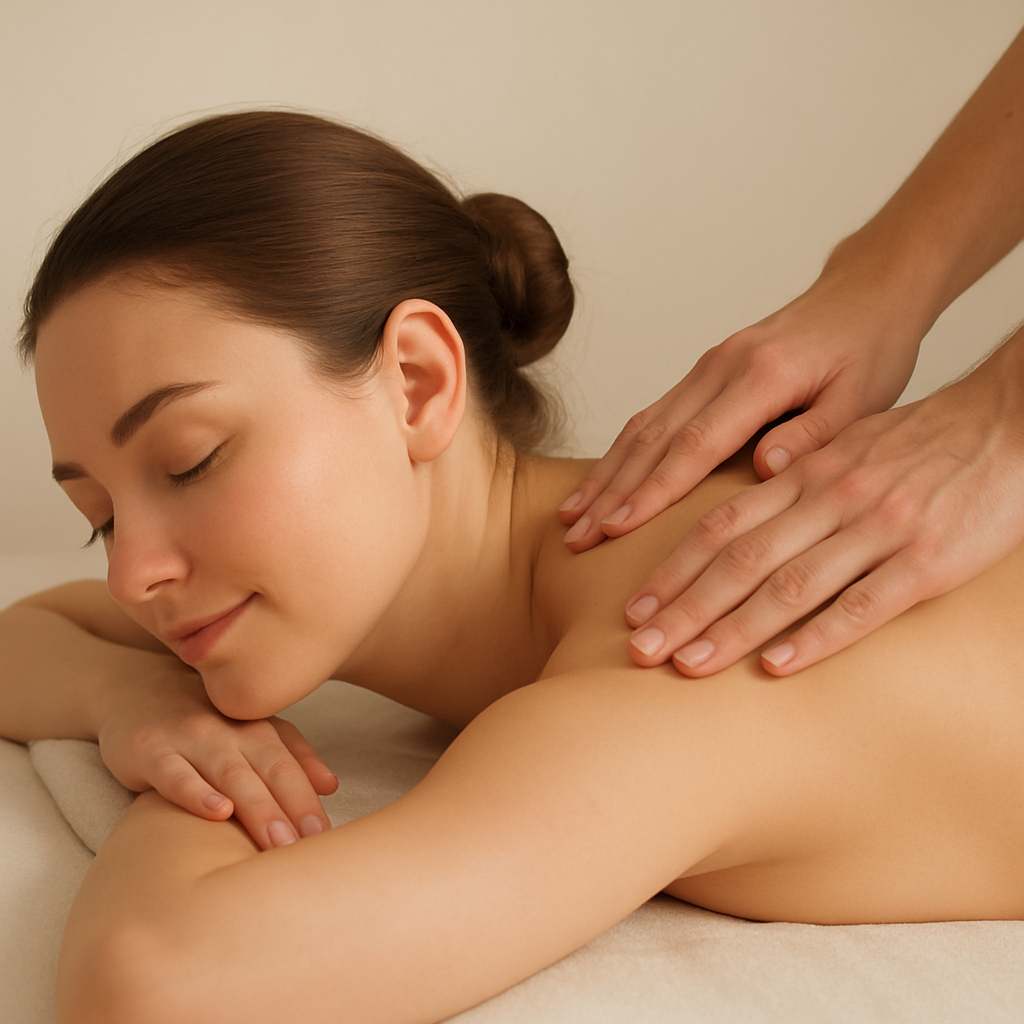
- Swedish Massage: A gentle technique that uses long strokes, kneading, and circular movements to promote relaxation.
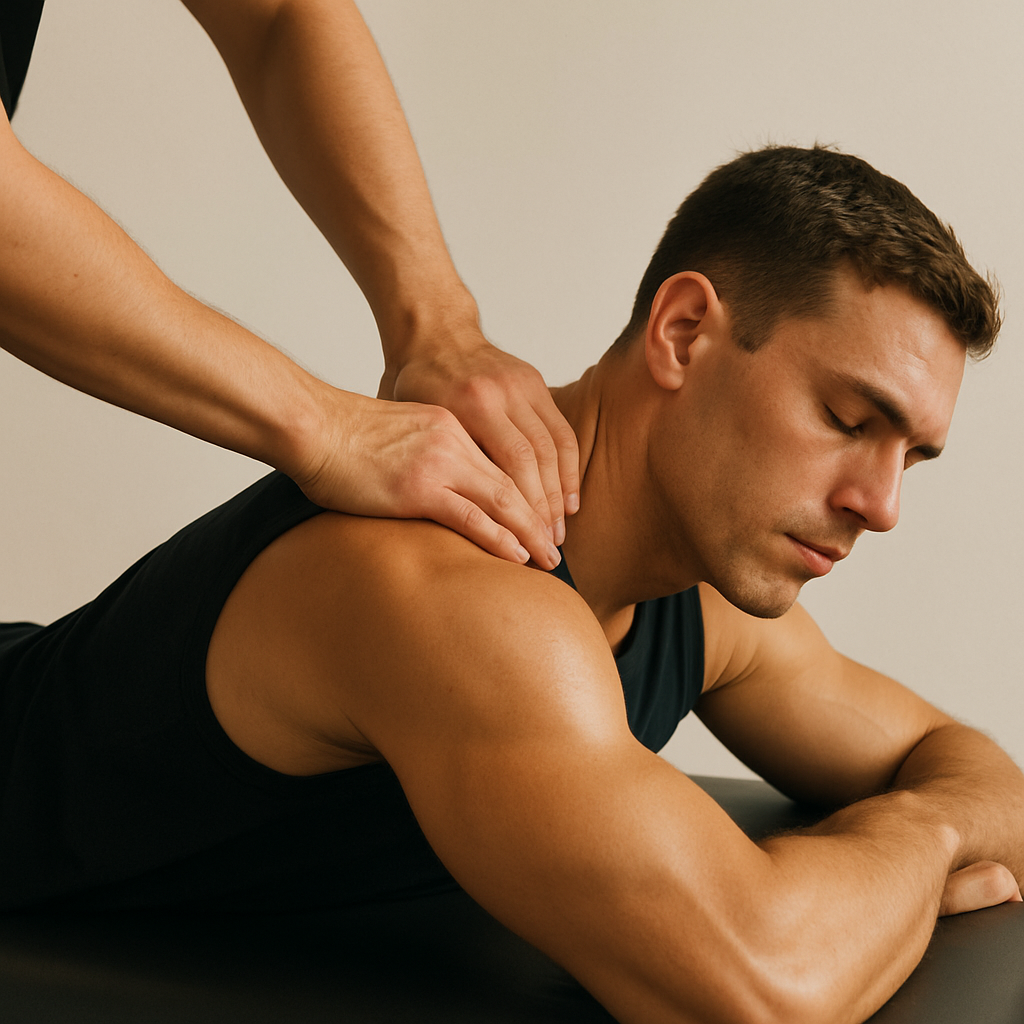
- Deep Tissue Massage: Focuses on deeper layers of muscle tissues to relieve chronic tension.
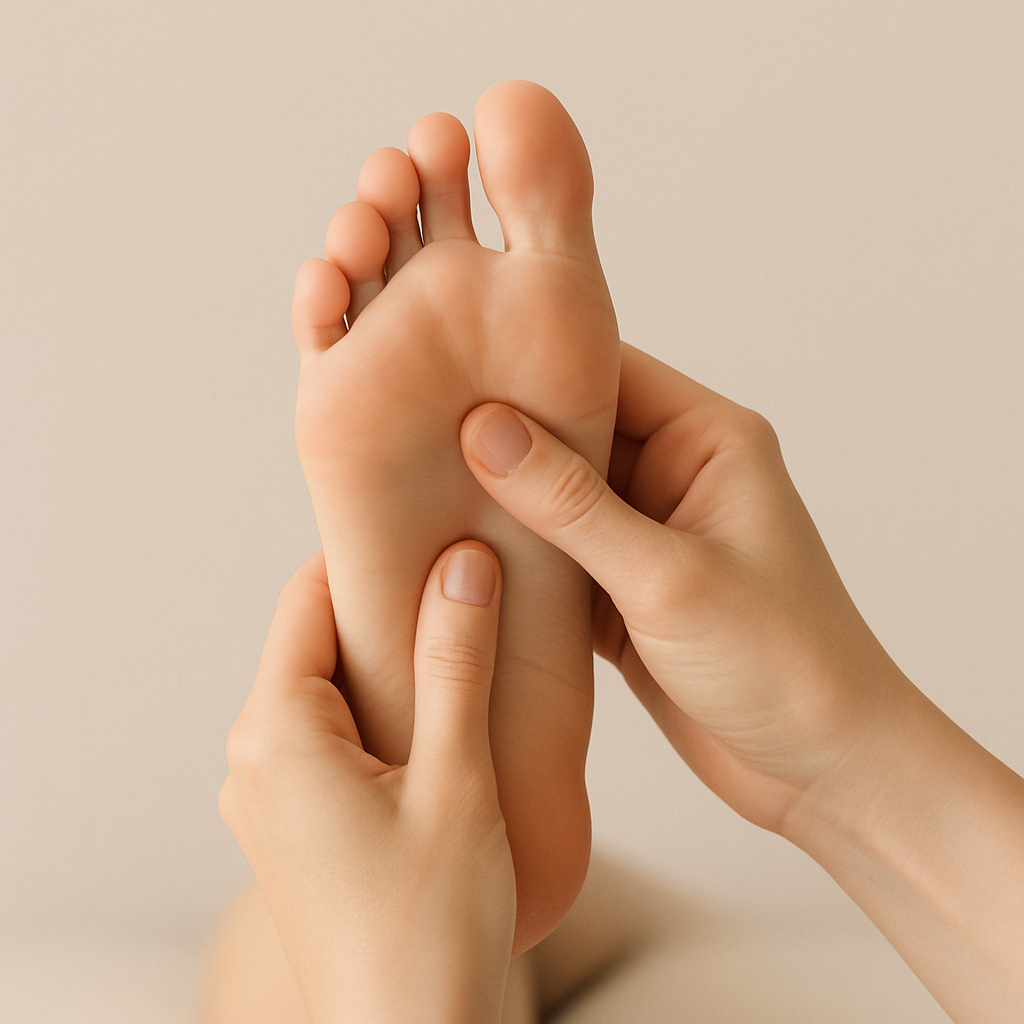
- Shiatsu: A Japanese form of acupressure that uses finger pressure on specific points.
Session duration can range from 30 minutes to 90 minutes, depending on individual needs and preferences.
Safety, Contraindications & Interactions
While wellness bodywork is generally safe for most individuals, certain contraindications exist. It is advised to consult with a qualified practitioner if you:
- Have a bleeding disorder or take anticoagulant medications.
- Are pregnant or have a high-risk pregnancy.
- Have fractures, severe osteoporosis, or recent surgery.
Additionally, individuals with chronic conditions such as heart disease should consult a healthcare provider before undergoing bodywork.
Pairs Well With
Wellness bodywork can complement various practices and lifestyle choices, including:
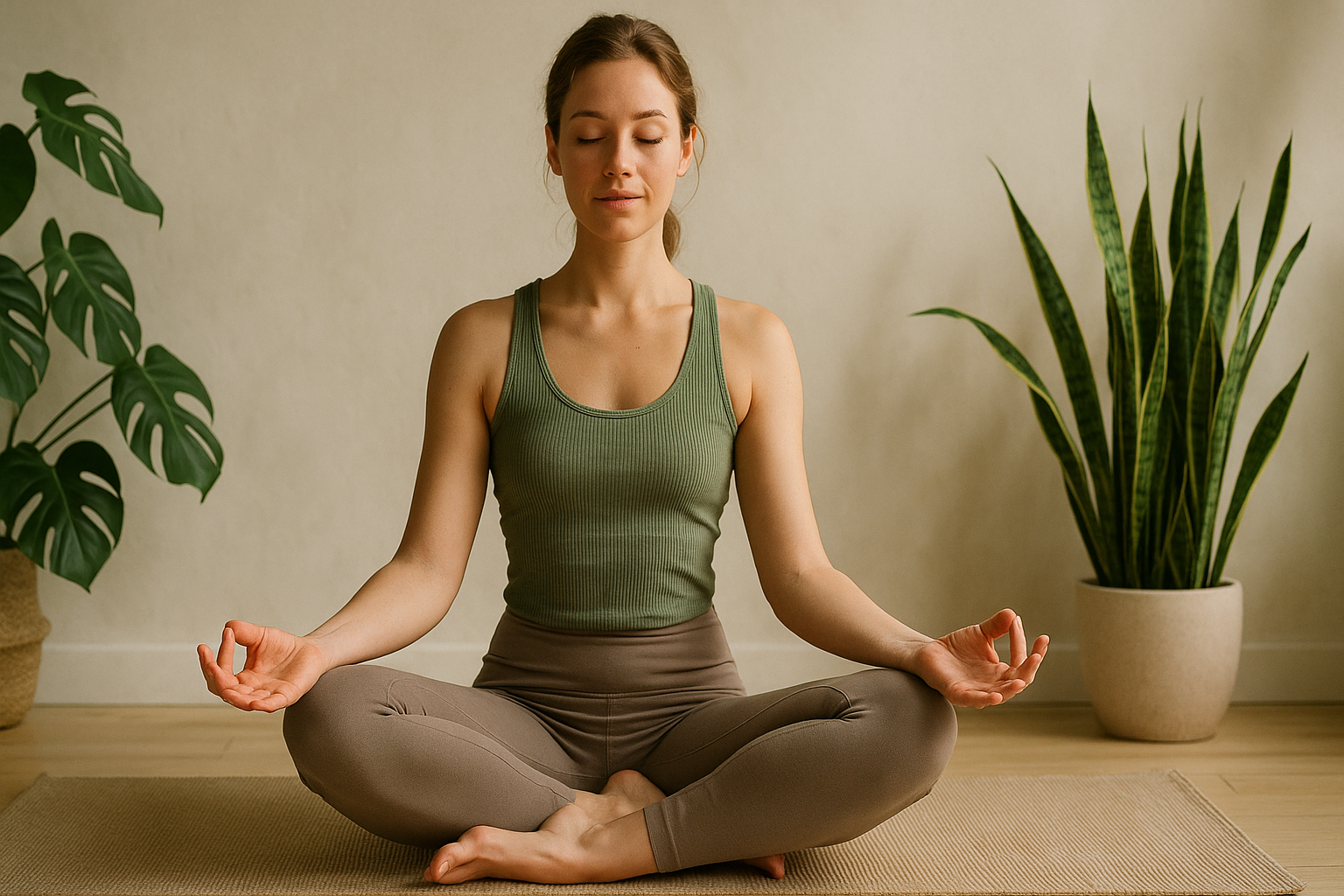
- Yoga: Enhances flexibility and promotes relaxation.
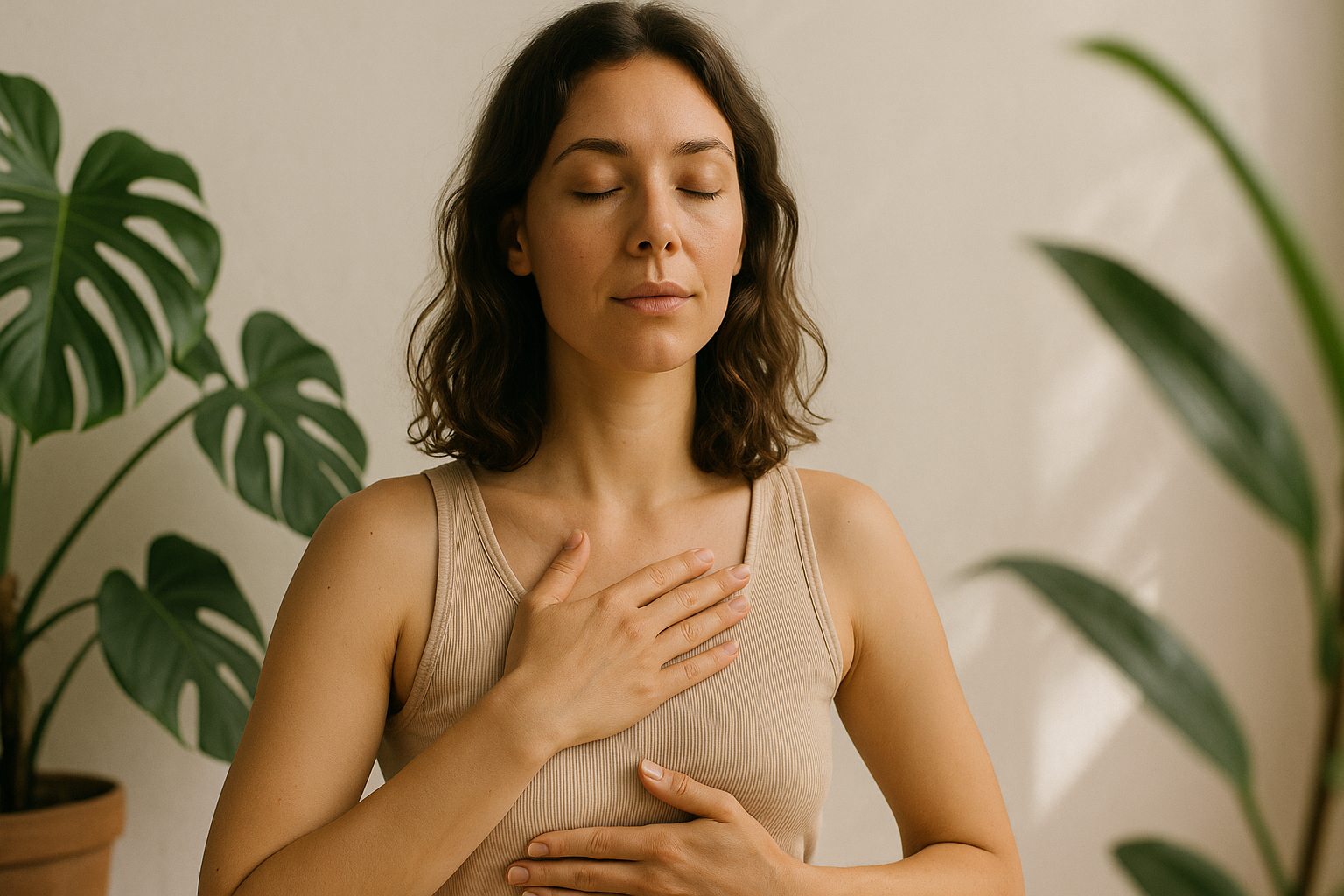
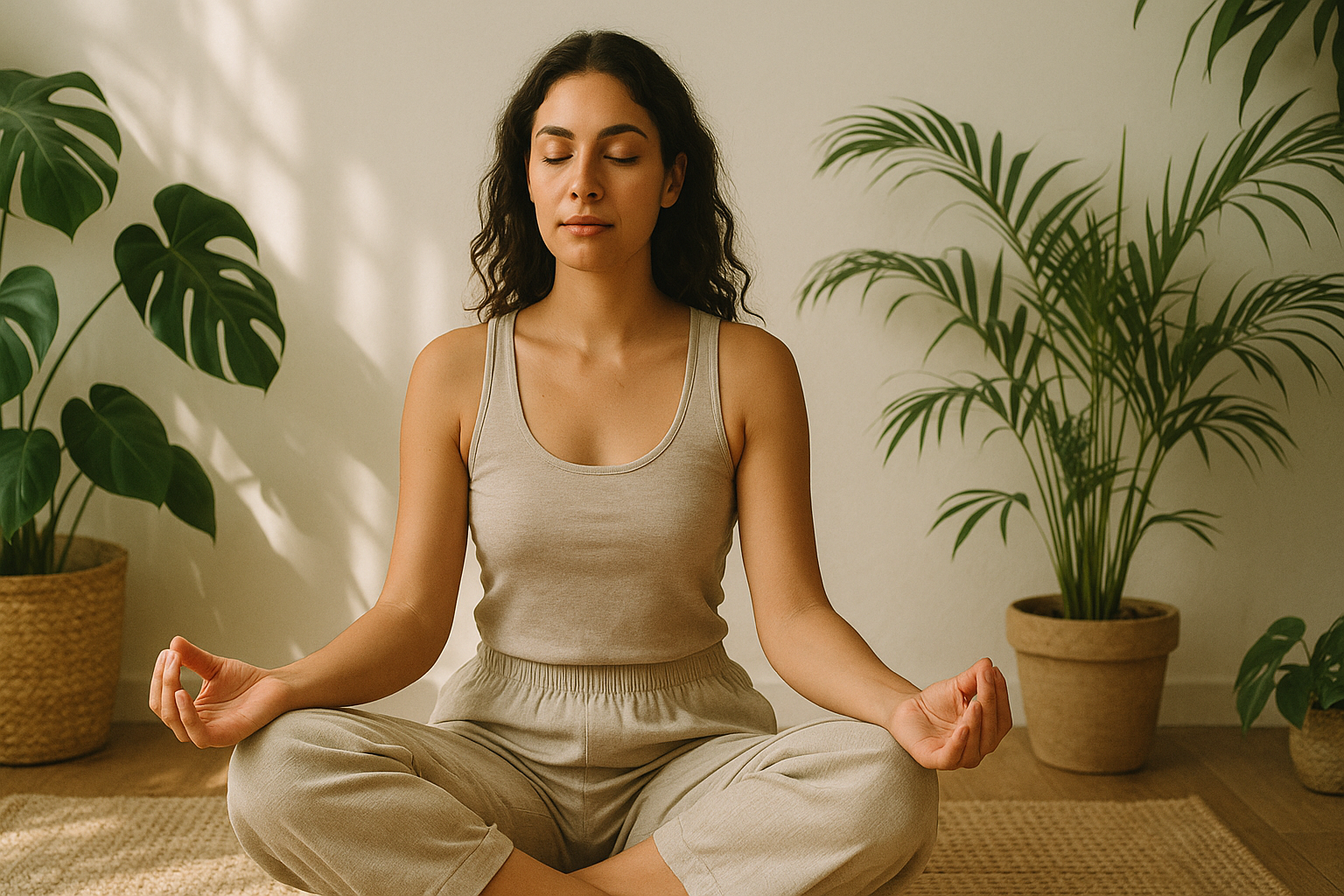
- Meditation: Supports mental well-being and stress reduction.
- Herbal Remedies: Certain herbs can enhance relaxation and recovery, such as chamomile and lavender.
FAQs (5)
- What is wellness bodywork?
It is a holistic approach involving various therapeutic techniques aimed at improving overall well-being. - How often should I receive bodywork?
Frequency varies based on individual needs; many find benefit from monthly sessions. - Is wellness bodywork safe for everyone?
While generally safe, individuals with certain medical conditions should consult a healthcare provider. - What should I expect during a bodywork session?
Sessions typically involve a discussion of your needs, followed by hands-on techniques tailored to those needs. - Can bodywork help with stress management?
Yes, many individuals report reduced stress and anxiety levels after bodywork treatments.
Frequently asked
What is wellness bodywork?
It is a holistic approach involving various therapeutic techniques aimed at improving overall well-being.
How often should I receive bodywork?
Frequency varies based on individual needs; many find benefit from monthly sessions.
Is wellness bodywork safe for everyone?
While generally safe, individuals with certain medical conditions should consult a healthcare provider.
What should I expect during a bodywork session?
Sessions typically involve a discussion of your needs, followed by hands-on techniques tailored to those needs.
Can bodywork help with stress management?
Yes, many individuals report reduced stress and anxiety levels after bodywork treatments.