Circulatory Massage
Discover the benefits of circulatory massage, its historical significance, and modern applications for enhanced wellness.

An exploration of circulatory massage, its benefits, mechanisms, and traditional uses, along with insights from modern research and practical guidance.
What It Is
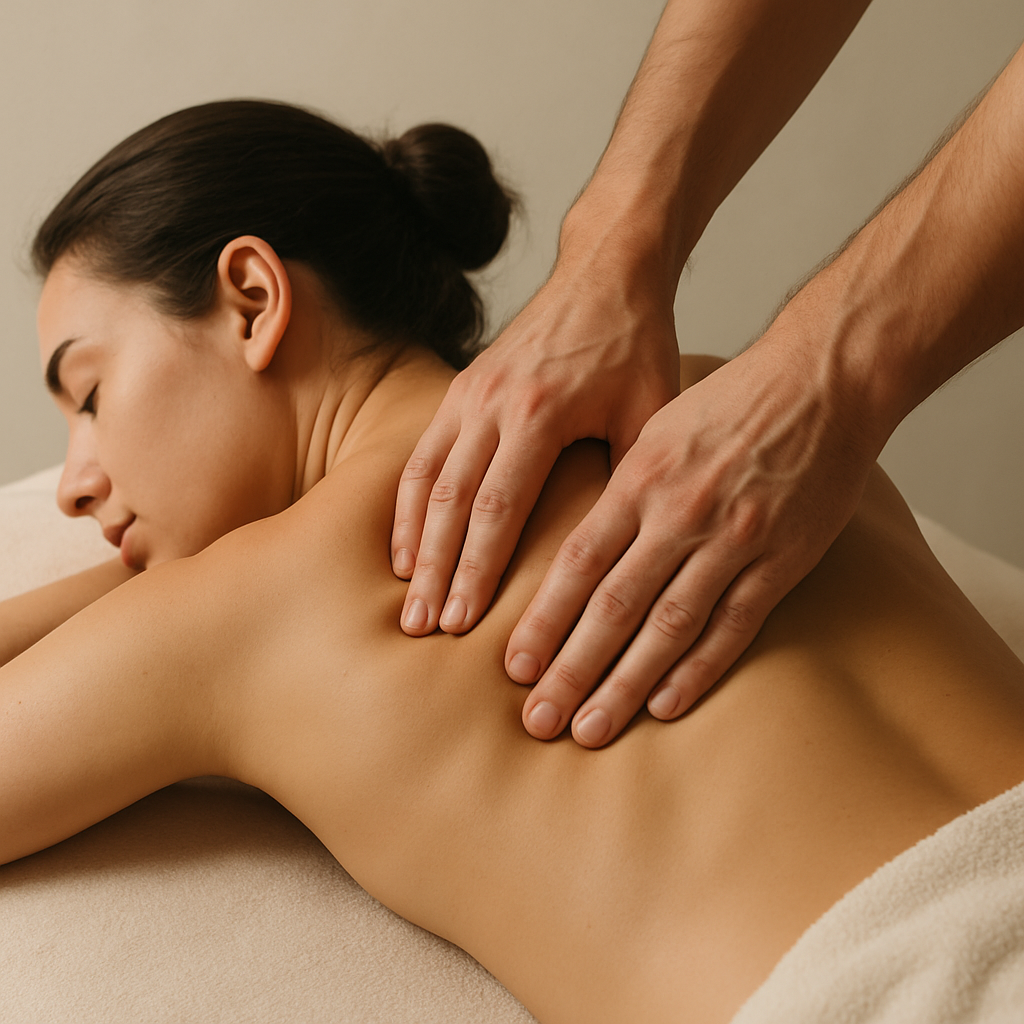
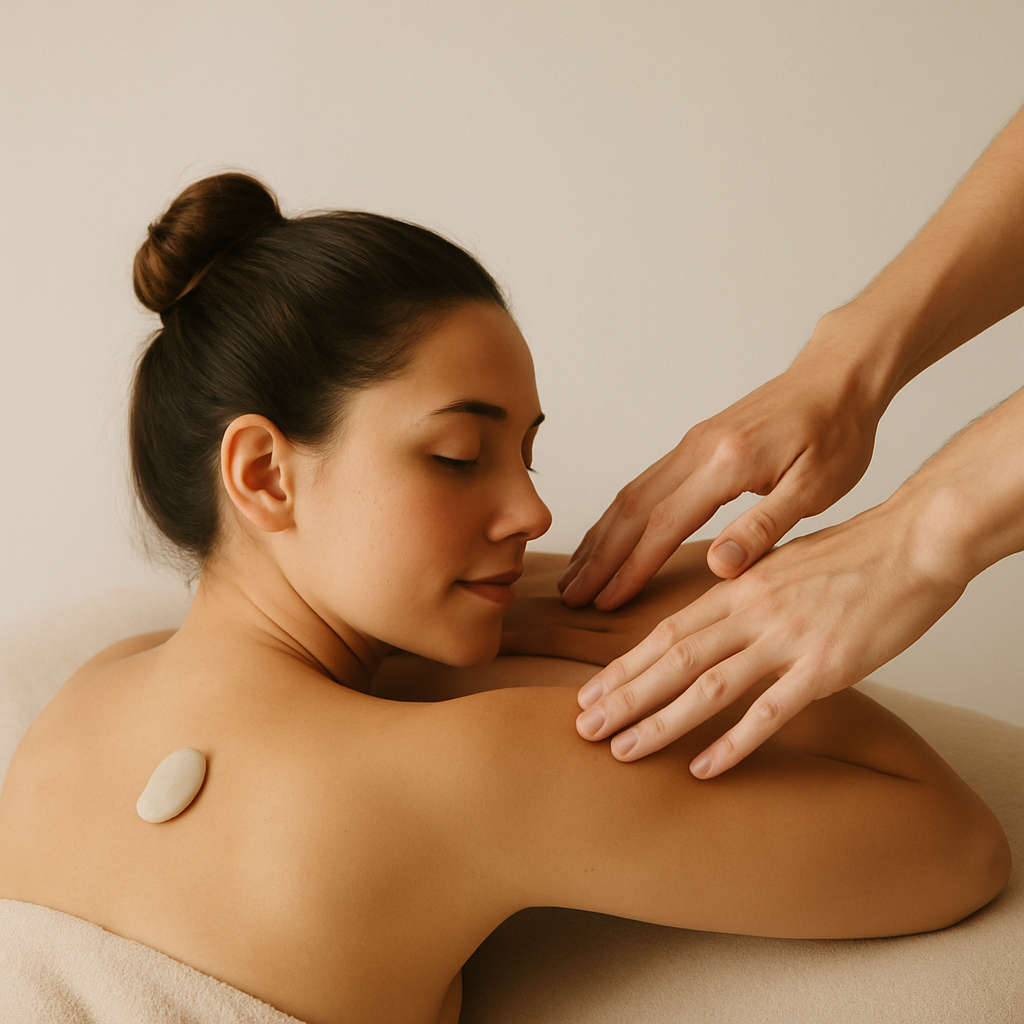
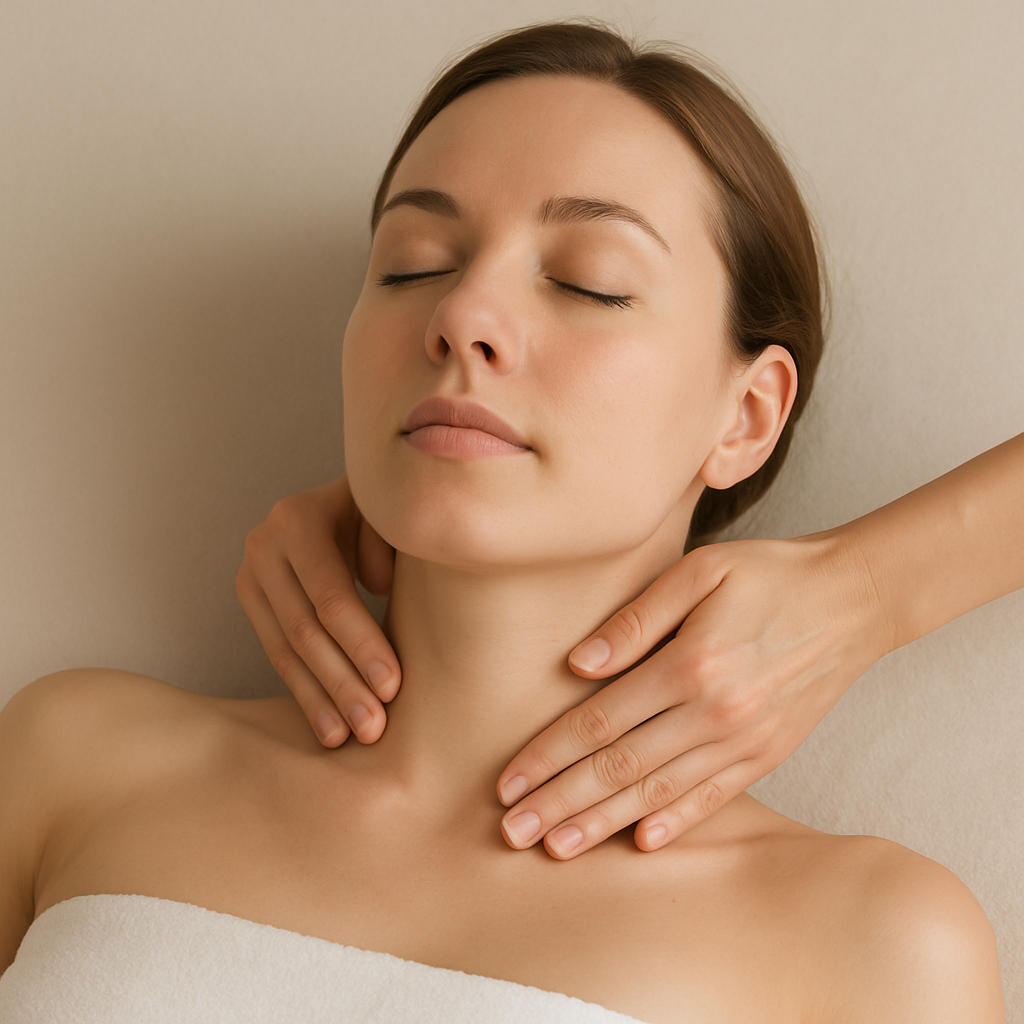
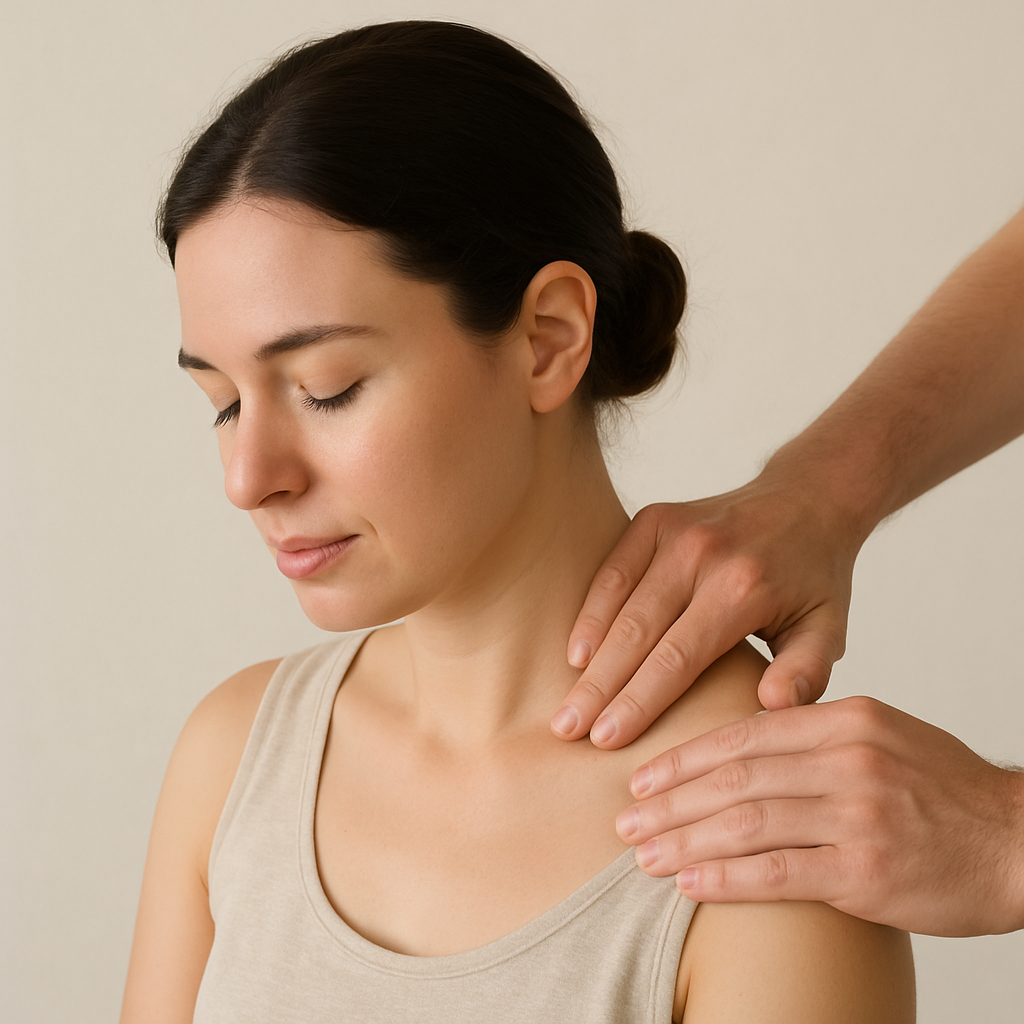
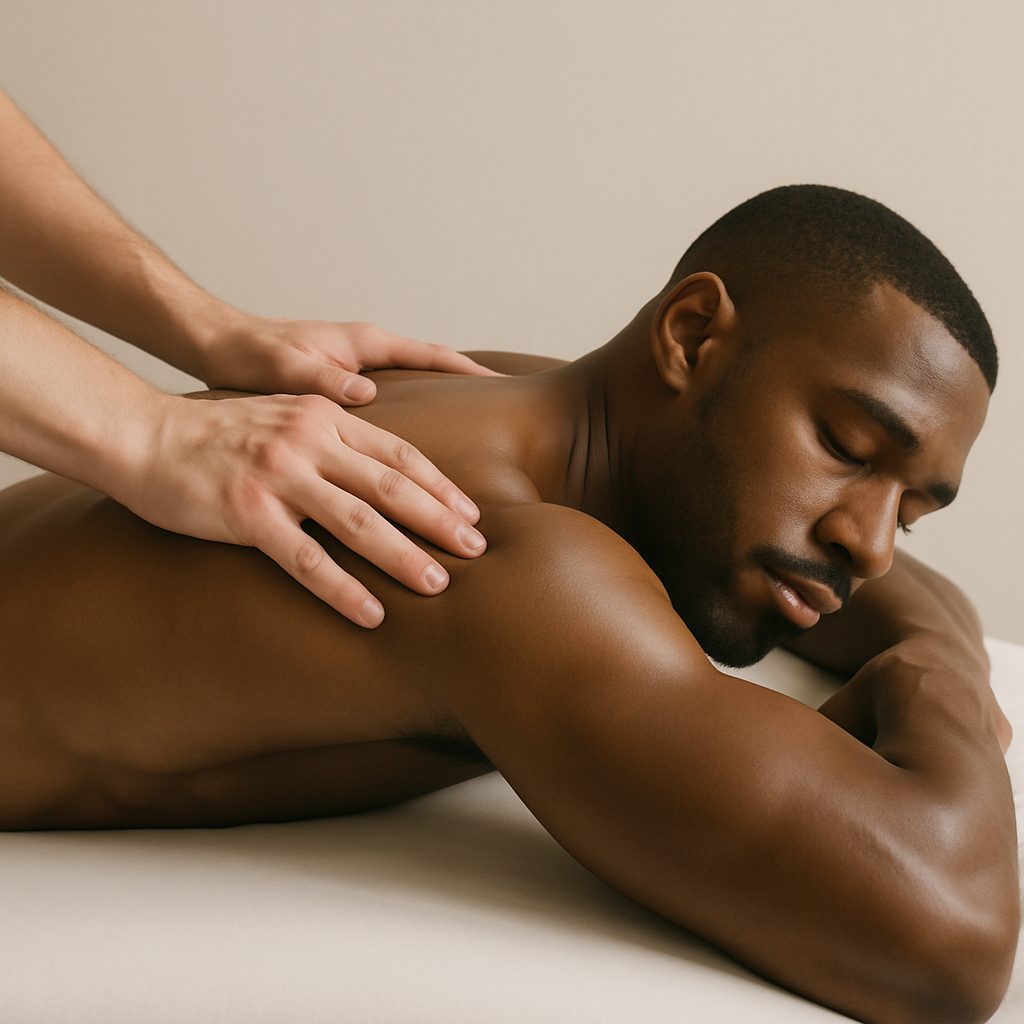
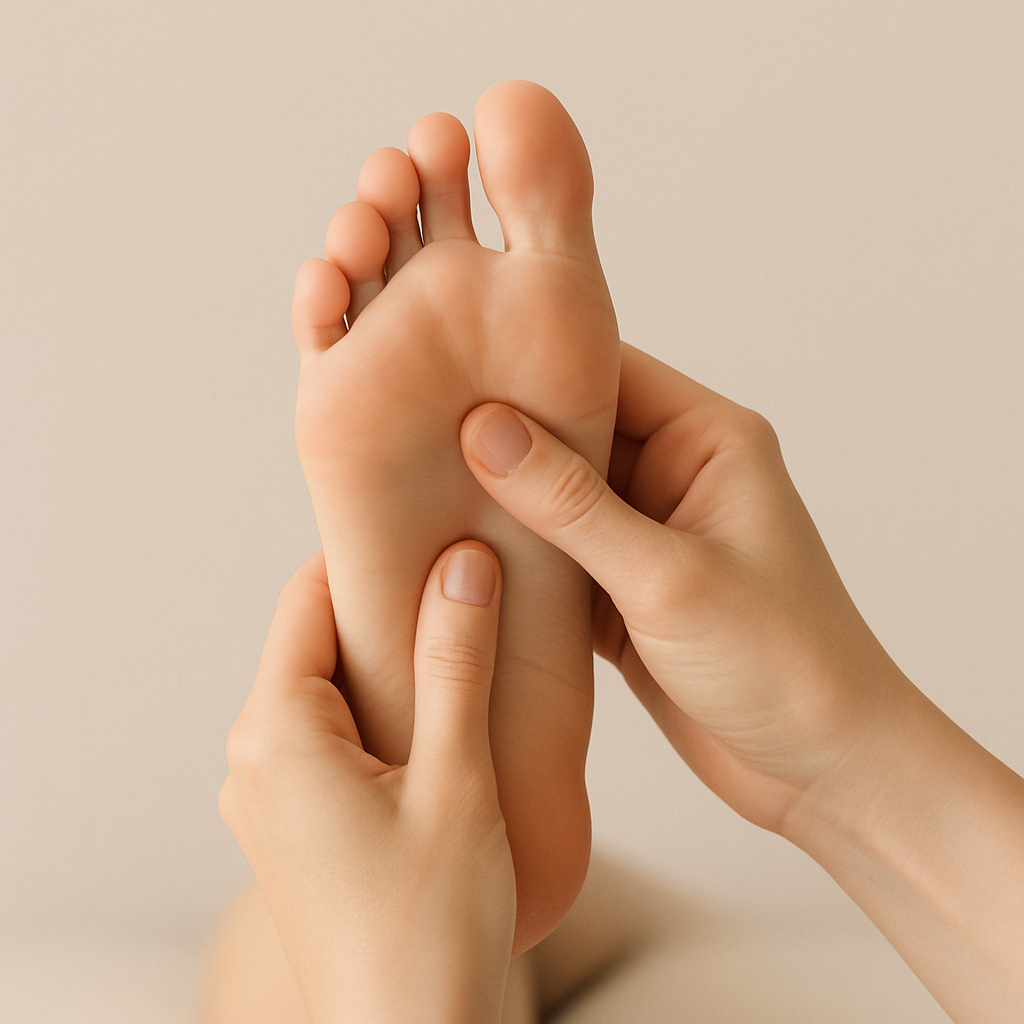
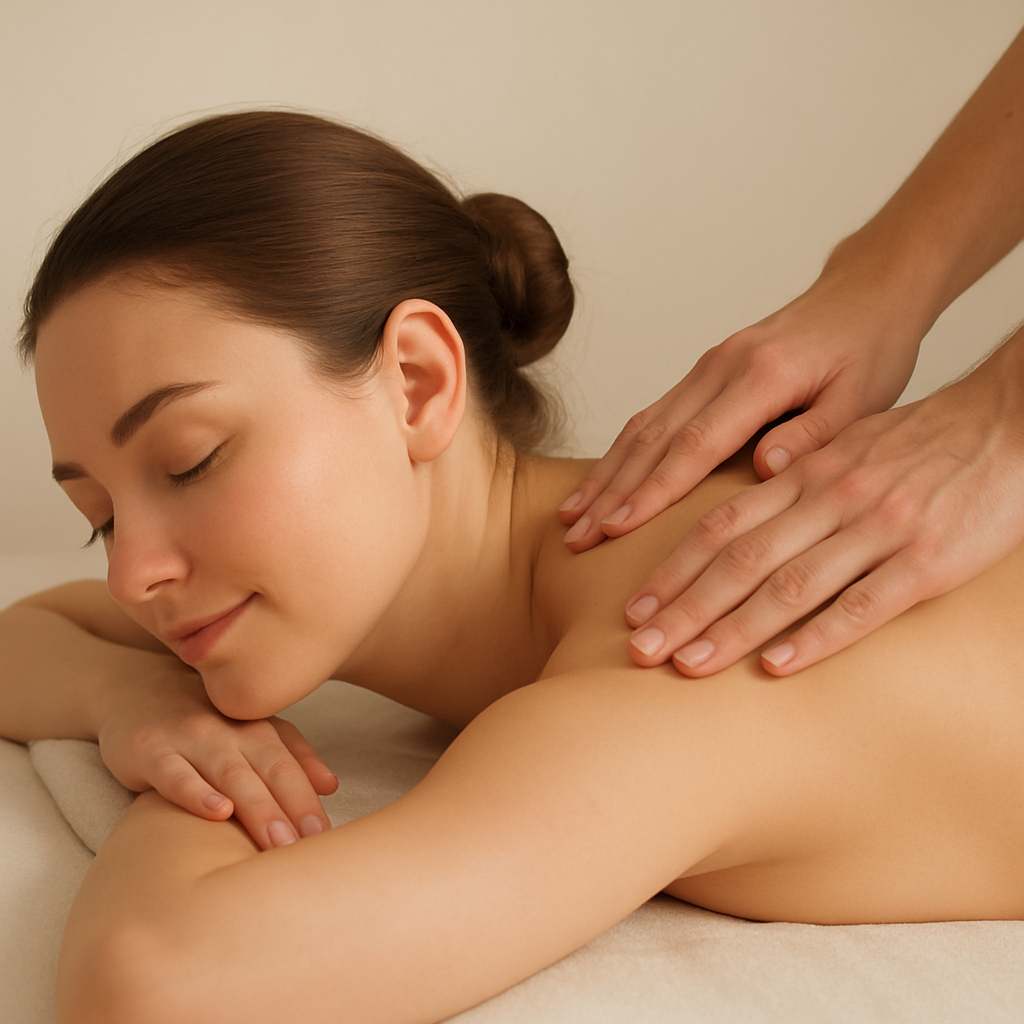
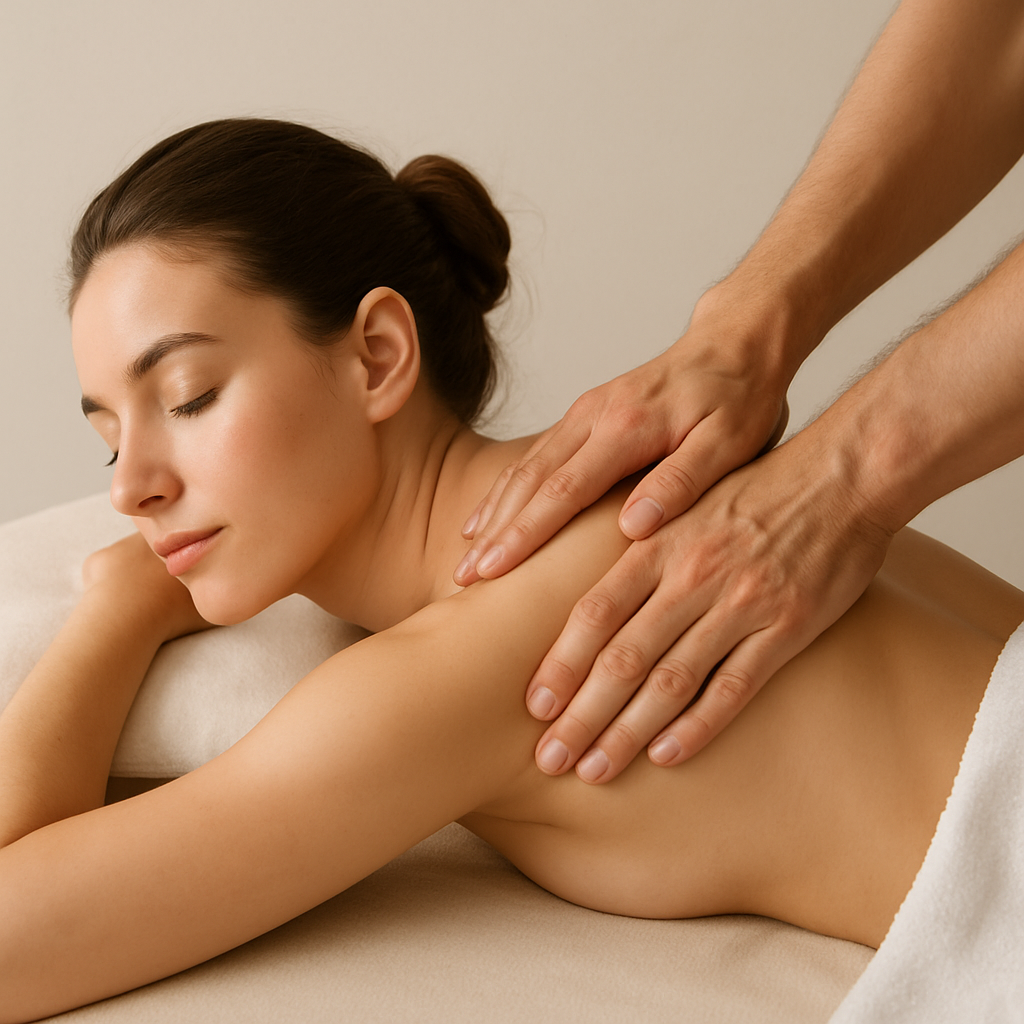
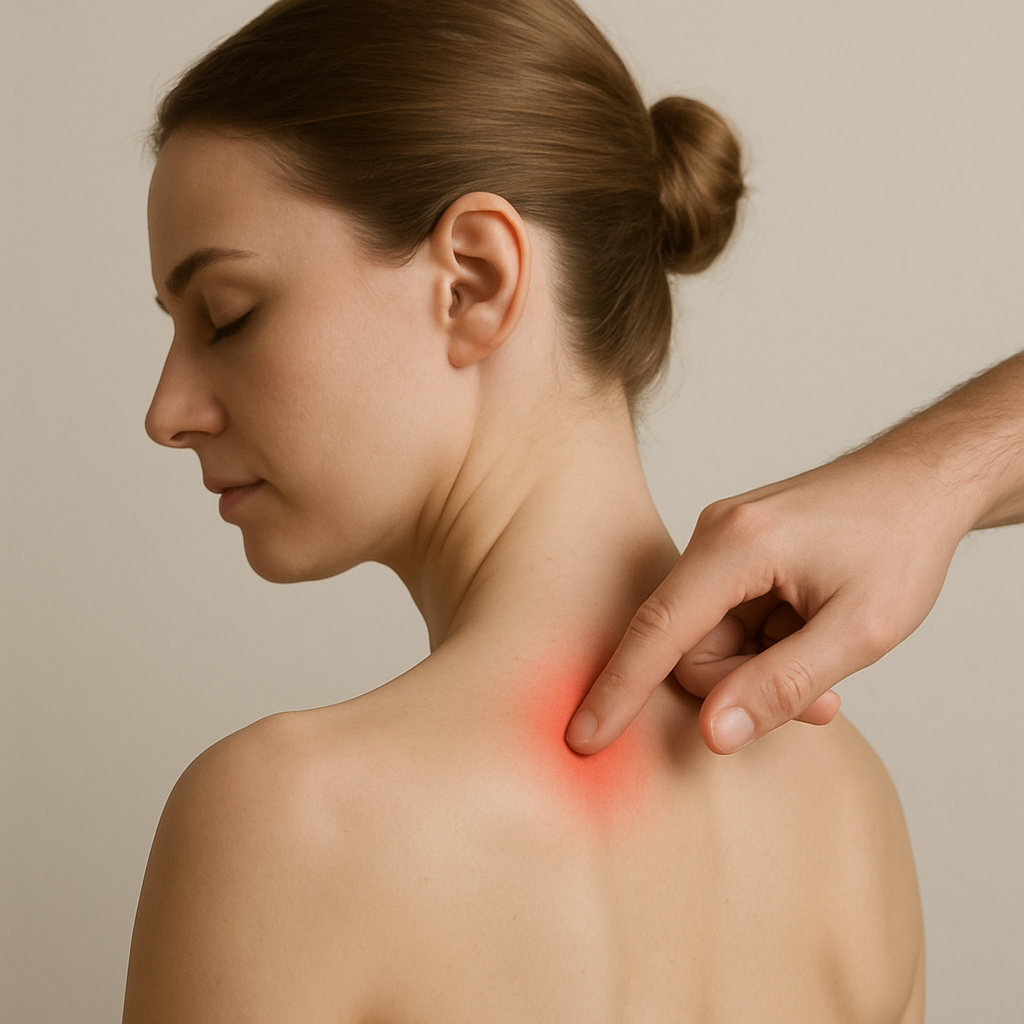
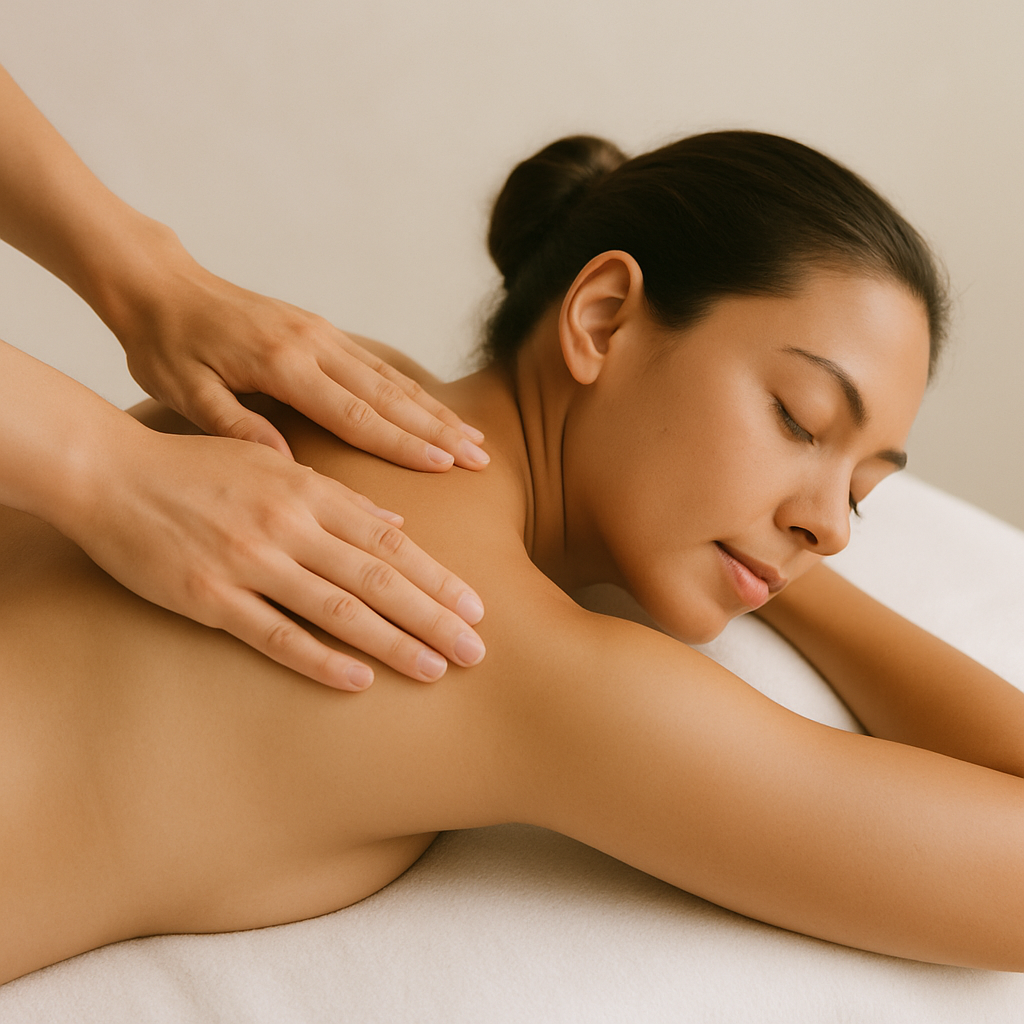
Circulatory massage is a specialized form of bodywork that focuses on enhancing blood flow throughout the body. This technique employs various massage strokes, such as effleurage and petrissage, to stimulate circulation, promote relaxation, and improve overall health. By increasing blood flow, circulatory massage can aid in delivering oxygen and nutrients to tissues, while also assisting in the removal of metabolic waste.
Key Active Compounds & Mechanisms
The primary mechanisms behind circulatory massage involve physical manipulation of the body, which stimulates the circulatory system. Key actions include:
- Increased Blood Flow: Massage techniques help dilate blood vessels, improving circulation.
- Lymphatic Drainage: Enhanced lymphatic function aids in detoxifying the body.
- Reduction of Muscle Tension: Easing muscle tension can improve overall circulation.
These actions contribute to the overall effectiveness of circulatory massage in promoting health and wellness.
Traditional Uses
Historically, various cultures have recognized the benefits of massage for improving circulation. In Ancient Egypt, massage was employed for its therapeutic properties, often combined with essential oils. Traditional Chinese Medicine has long integrated bodywork techniques, such as Tui Na, to enhance blood flow and balance energy within the body. Similarly, Ayurvedic practices from India have included massage as a means to promote health and vitality.
What Modern Research Suggests
Modern studies have begun to support the traditional uses of circulatory massage. Research indicates that regular massage can lead to improvements in circulation, reduced muscle soreness, and enhanced recovery after exercise. Several clinical trials suggest that massage therapy may help with conditions related to poor circulation, such as varicose veins and chronic fatigue syndrome. However, while preliminary results are promising, further research is needed to fully understand the extent of these benefits.
Functional Actions
The functional actions of circulatory massage include:
- Improved Blood Circulation: The primary goal of circulatory massage.
- Enhanced Lymphatic Function: Supports detoxification and immune system health.
- Relaxation of Muscles: Reduces muscle tension and spasms.
- Stress Reduction: Promotes a sense of well-being and relaxation.
These actions contribute to overall health and wellness, making circulatory massage a valuable practice in holistic care.
Body Systems Supported
Circulatory massage primarily supports the following body systems:
- Circulatory System: Improves blood flow and oxygen delivery.
- Lymphatic System: Enhances detoxification and immune response.
- Nervous System: Promotes relaxation and reduces stress responses.
By targeting these systems, circulatory massage can play a vital role in maintaining overall health.
Common Forms & Educational Dosing Ranges
Circulatory massage can be performed by licensed massage therapists using various techniques. Common forms include:
- Swedish Massage: Utilizes long, flowing strokes to promote relaxation and circulation.
- Deep Tissue Massage: Focuses on deeper muscle layers to relieve tension.
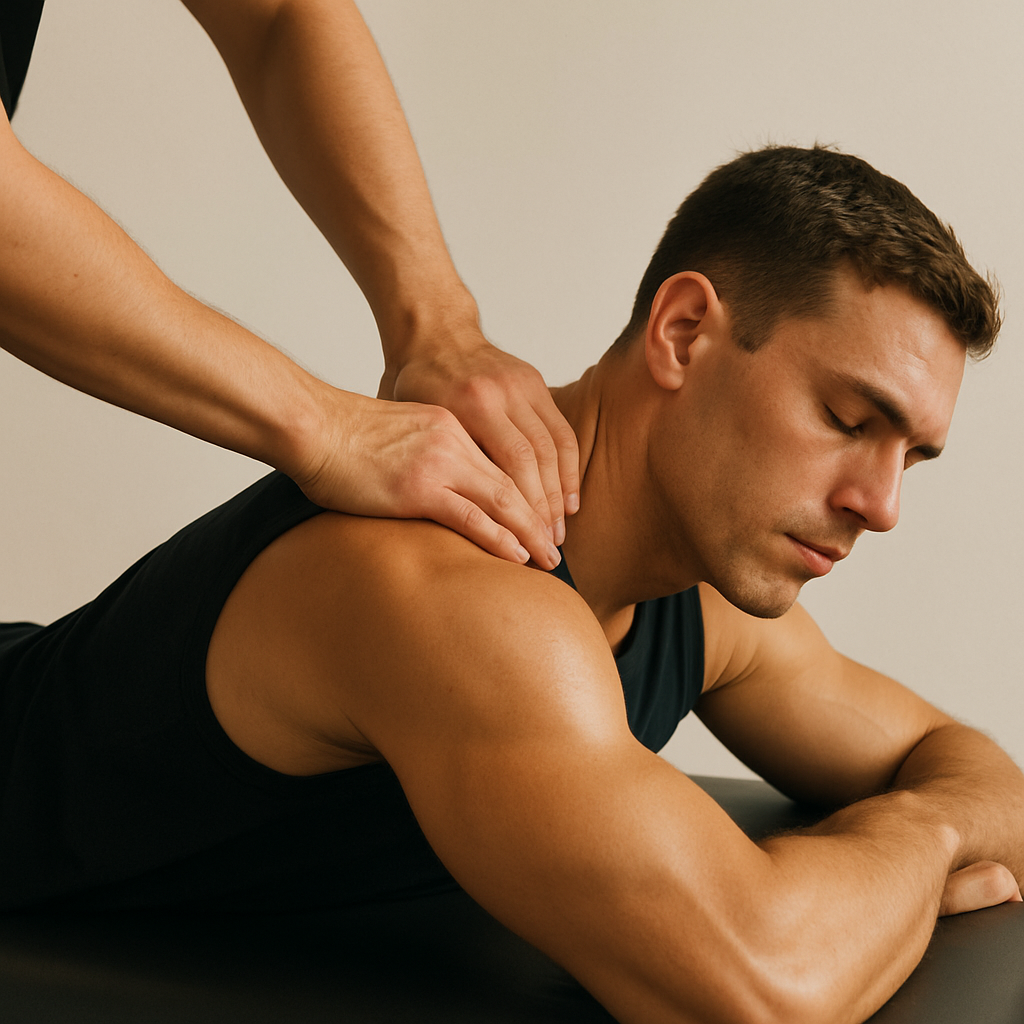
- Sports Massage: Specifically designed for athletes to improve performance and recovery.
For educational purposes, sessions typically last between 30 to 90 minutes, depending on individual needs and preferences.
Safety, Contraindications & Interactions
While circulatory massage is generally safe, certain contraindications should be considered:
- Individuals with severe heart conditions should consult their physician before receiving massage therapy.
- Patients with blood clotting disorders or recent surgeries may need to avoid massage.
- Those taking anticoagulant medications, such as warfarin, should also consult a healthcare provider to discuss potential risks.
It is important to communicate any health concerns with a licensed massage therapist prior to receiving treatment.
Pairs Well With
Circulatory massage can be effectively paired with other natural remedies and therapies, including:
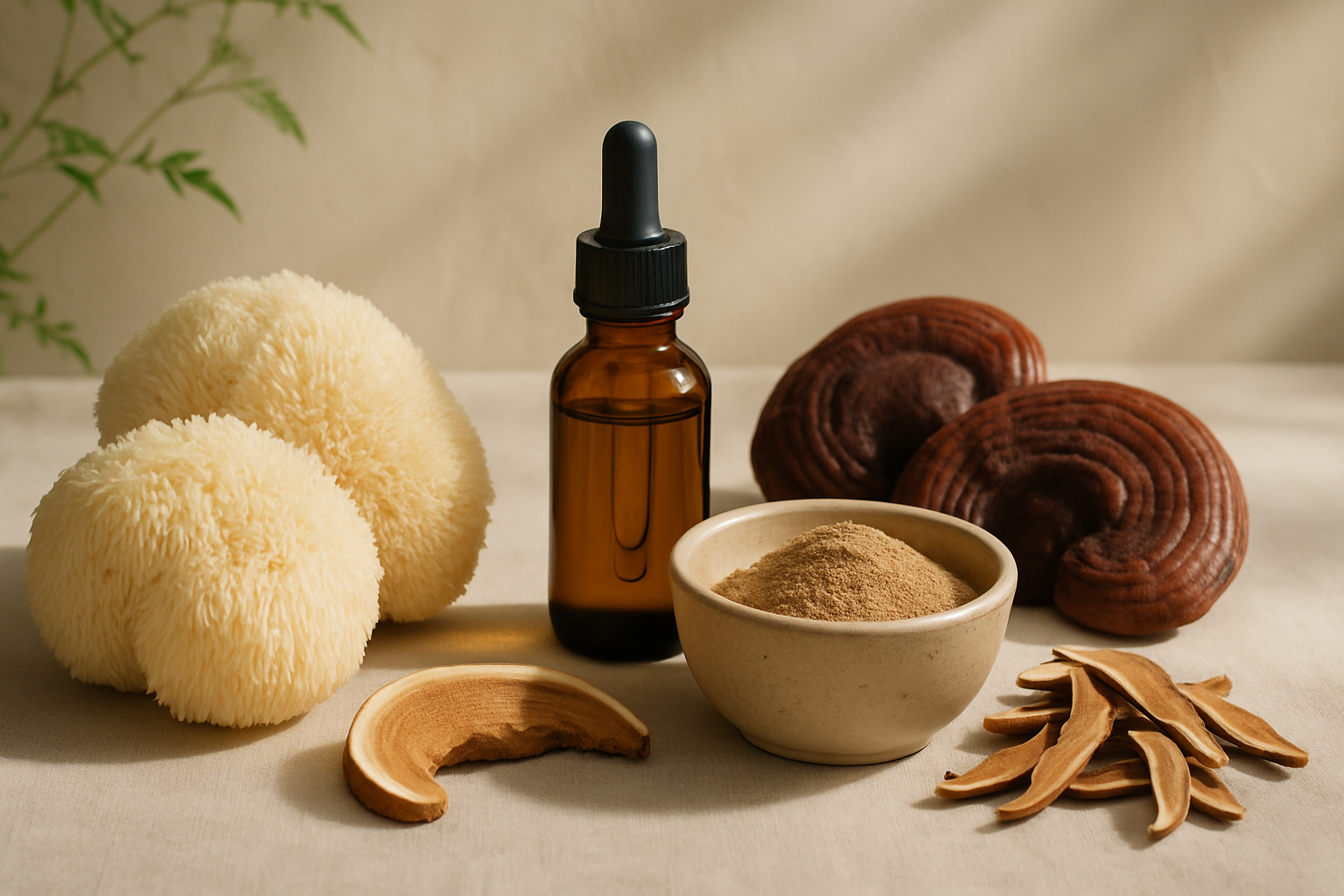
- Herbal Supplements: Such as ginkgo biloba (Ginkgo biloba) which is known for its potential to enhance circulation.
- Aromatherapy: Essential oils like rosemary or peppermint may complement the relaxation and circulation benefits.
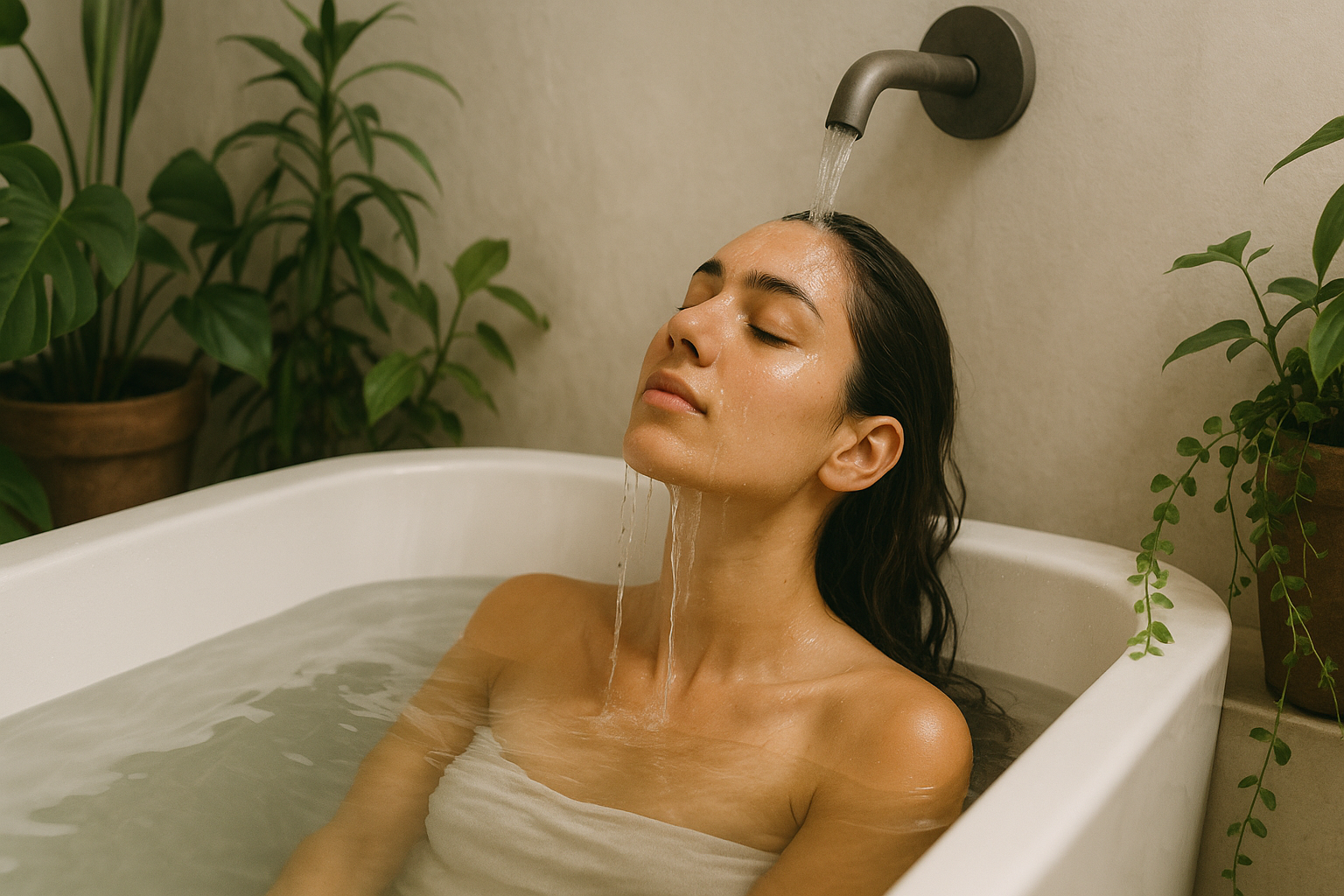
- Hydrotherapy: Alternating hot and cold water treatments can enhance circulation and recovery.
This combination can create a holistic approach to health and wellness.
FAQs (5)
- Is circulatory massage painful? Most people find circulatory massage to be relaxing. However, pressure can be adjusted based on individual comfort levels.
- How often should I receive circulatory massage? Frequency can depend on individual health goals, but many benefit from sessions once every few weeks.
- Can circulatory massage help with specific health conditions? While it may support overall health, consult a healthcare provider for specific conditions.
- What should I expect during a circulatory massage session? Expect a comfortable environment where a therapist uses various techniques to enhance blood flow.
- Are there any side effects of circulatory massage? Some individuals may experience mild soreness after a session, but this typically resolves quickly.
Frequently asked
Is circulatory massage painful?
Most people find circulatory massage to be relaxing. However, pressure can be adjusted based on individual comfort levels.
How often should I receive circulatory massage?
Frequency can depend on individual health goals, but many benefit from sessions once every few weeks.
Can circulatory massage help with specific health conditions?
While it may support overall health, consult a healthcare provider for specific conditions.
What should I expect during a circulatory massage session?
Expect a comfortable environment where a therapist uses various techniques to enhance blood flow.
Are there any side effects of circulatory massage?
Some individuals may experience mild soreness after a session, but this typically resolves quickly.