Reflexology
Discover reflexology, its traditional uses, modern research insights, and safety considerations in this comprehensive guide.
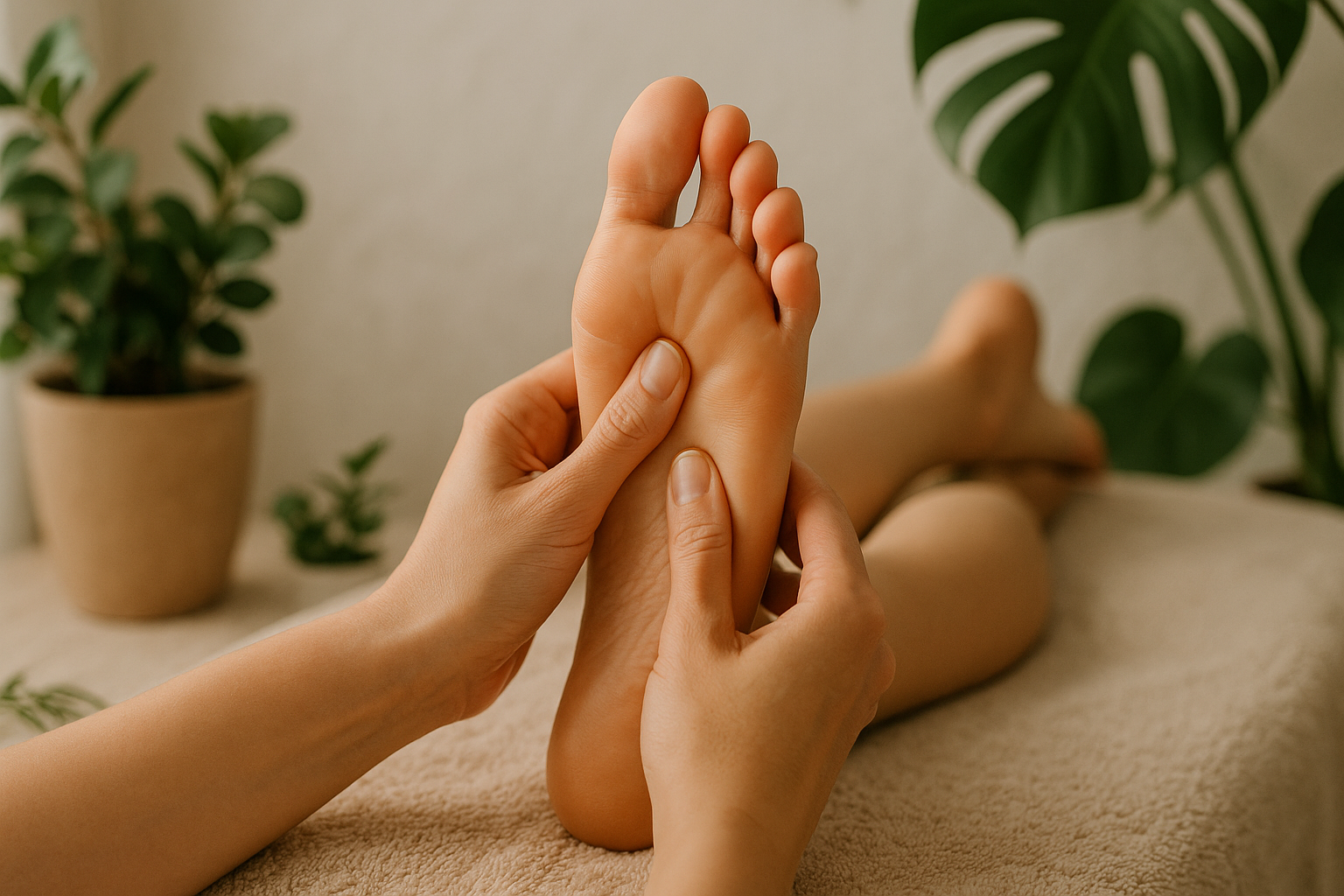
Explore the holistic practice of reflexology, a natural therapy involving the application of pressure to specific points on the feet, hands, and ears. Learn about its history, mechanisms, modern research, and safety considerations.
What It Is
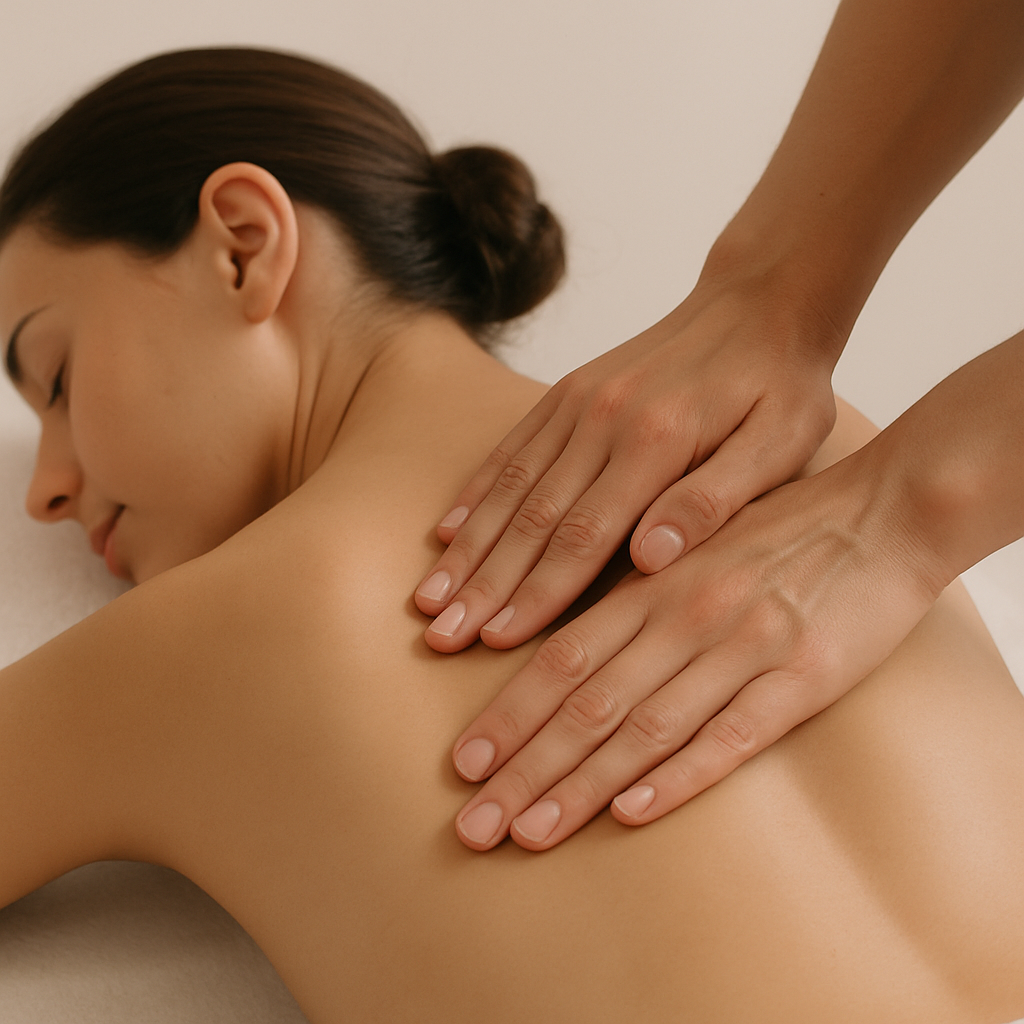
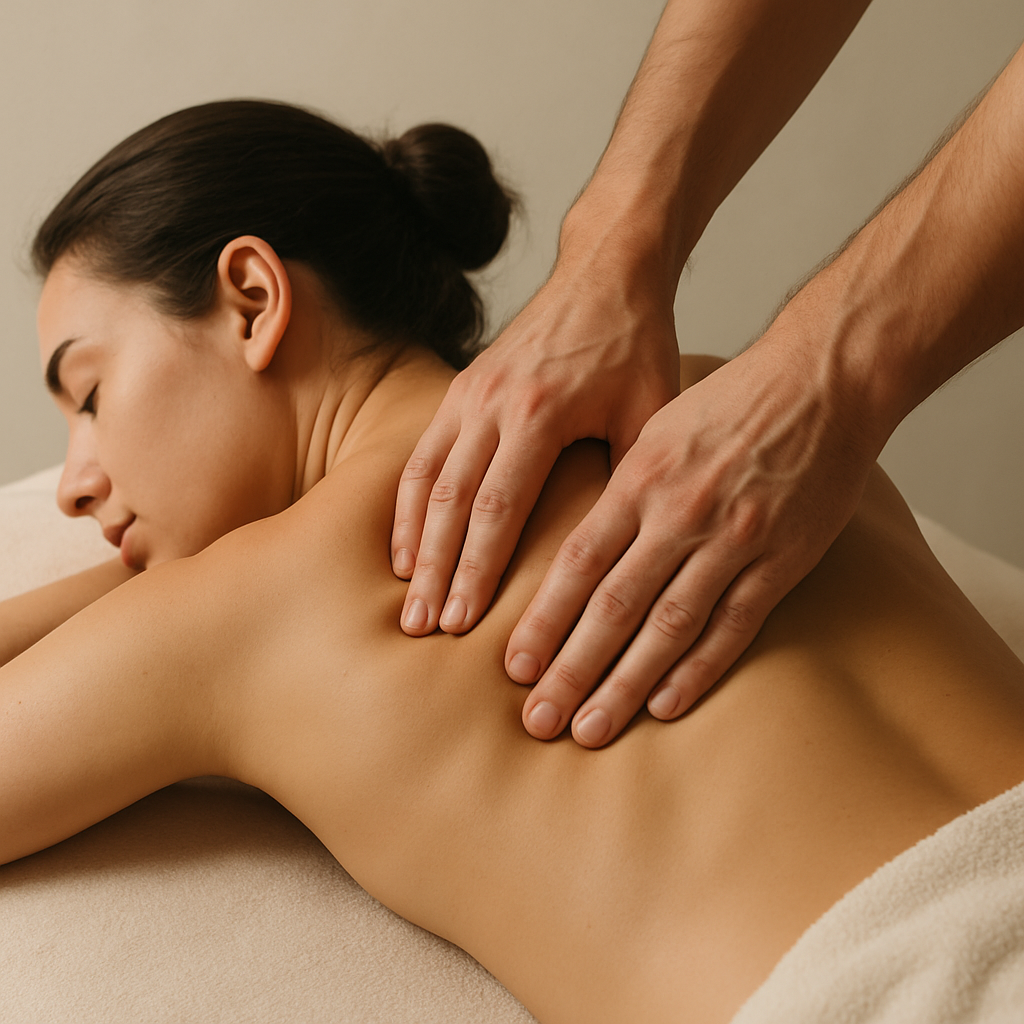
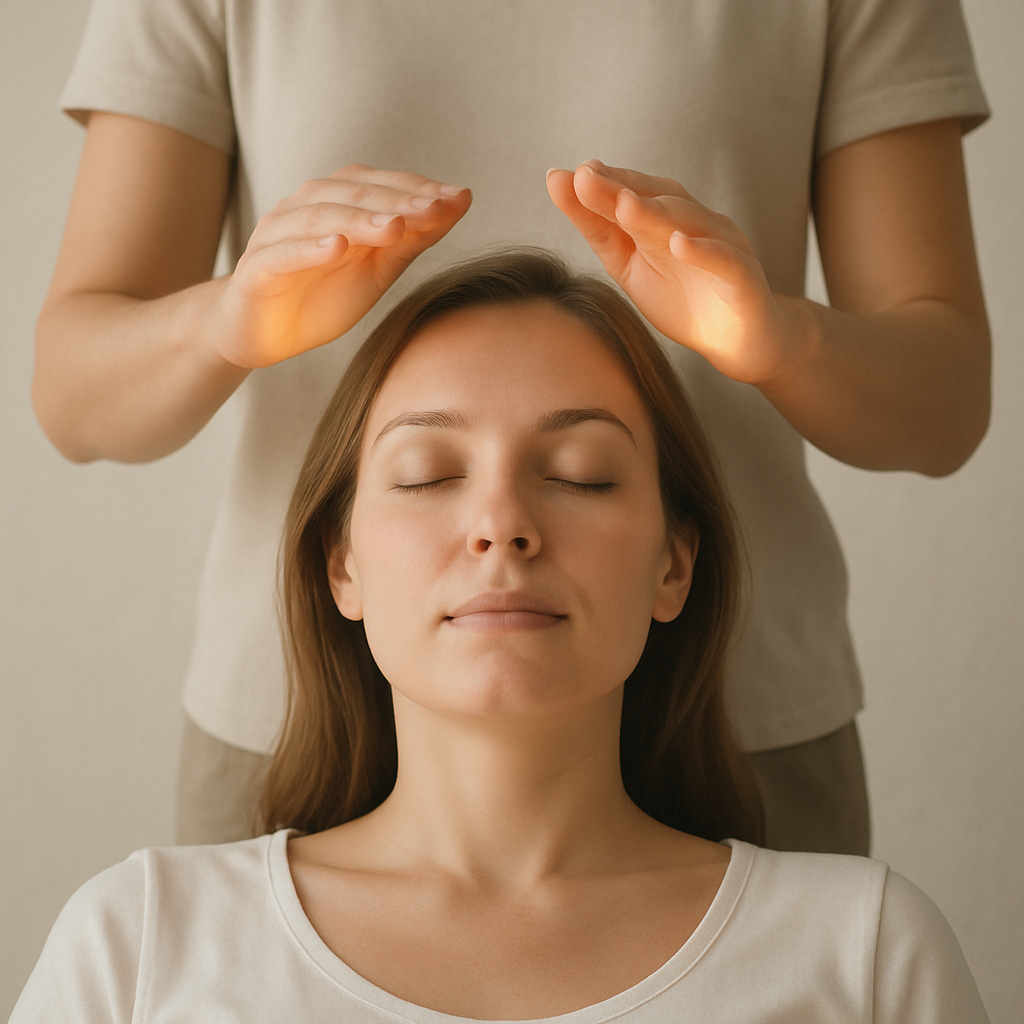
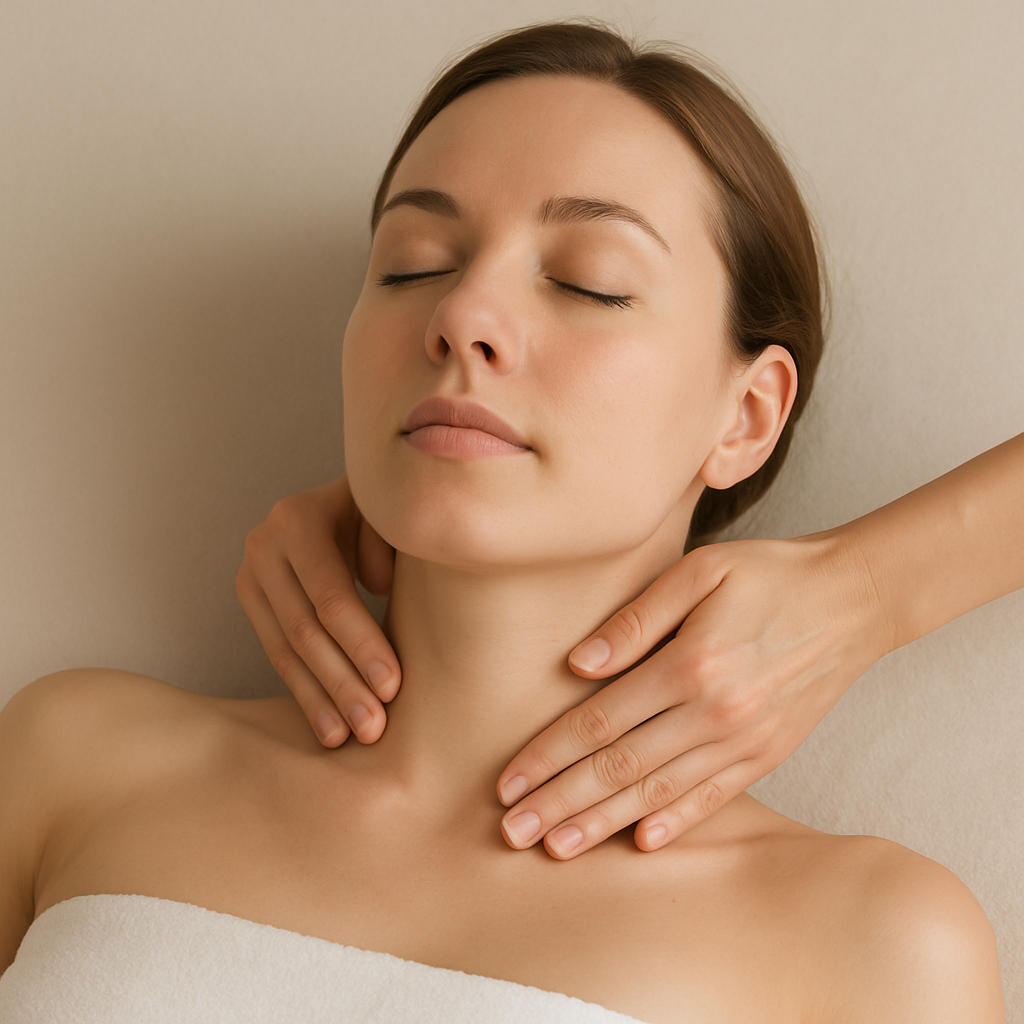
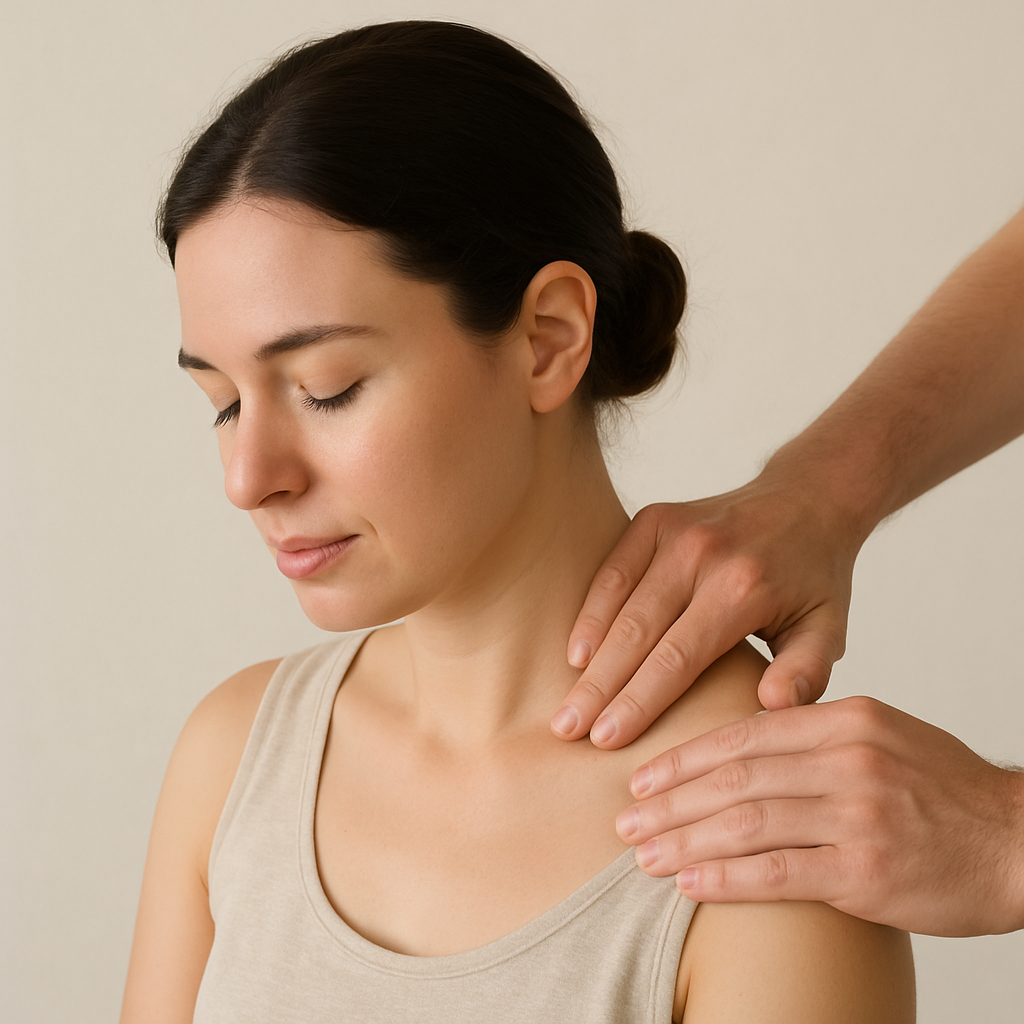
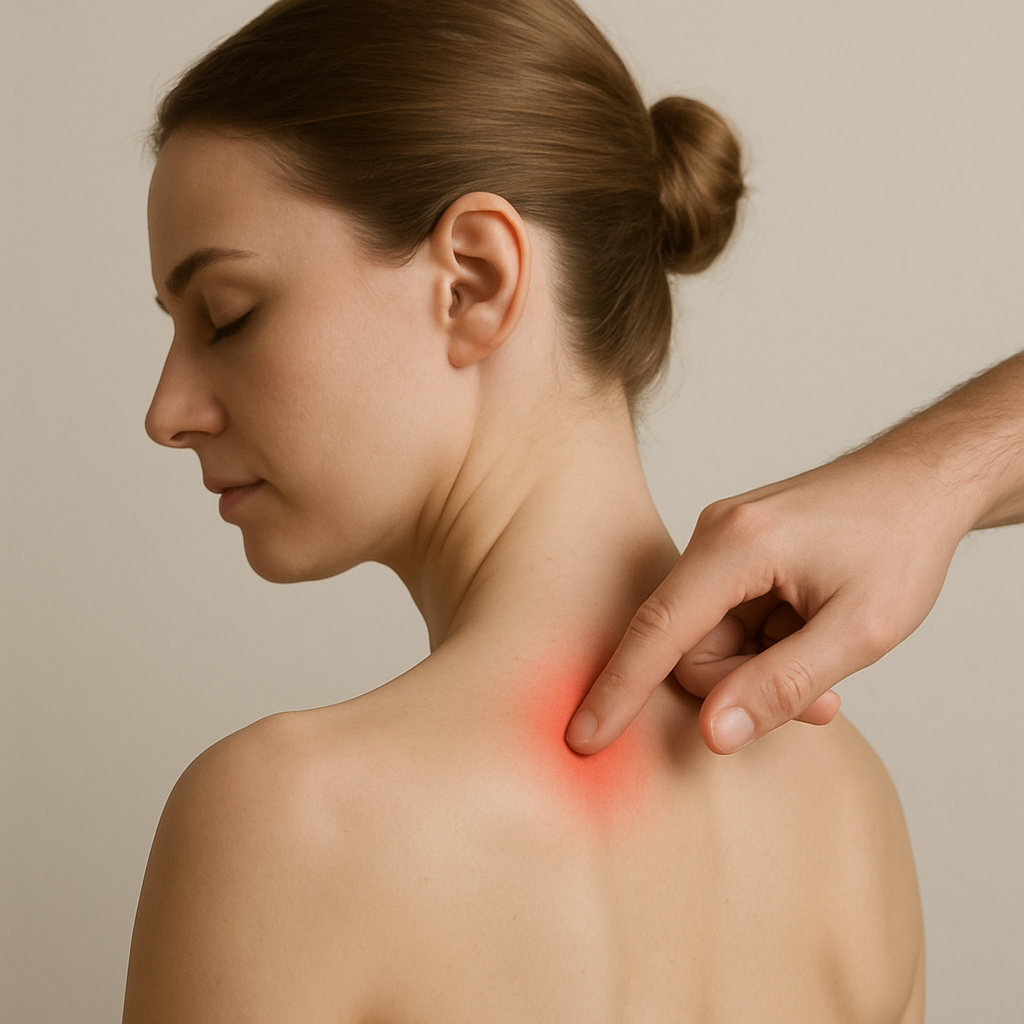
Reflexology is a therapeutic practice that involves applying pressure to specific points on the feet, hands, and ears, known as reflex points. These points correspond to different organs and systems in the body, promoting relaxation and balance. While reflexology is often considered a form of massage, it is distinct in its focus on these reflex areas, offering a non-invasive way to support overall health.
Key Active Compounds & Mechanisms
Reflexology does not involve active compounds in the same way as herbal remedies or pharmaceuticals. Instead, its effectiveness is attributed to the following mechanisms:
- Pressure Stimulation: The application of pressure to reflex points is believed to stimulate nerve endings and promote blood circulation.
- Relaxation Response: Reflexology is thought to trigger the body’s relaxation response, reducing stress and tension.
- Holistic Connection: By addressing reflex points, practitioners aim to create a holistic balance within the body, supporting its natural healing processes.
Traditional Uses
Reflexology has ancient roots, with practices dating back to Egypt, China, and India. It is often linked to traditional Chinese medicine, which emphasizes the flow of energy (Qi) through the body. Historical records suggest that:
- In Egypt, reflexology was depicted in hieroglyphics, indicating its use for therapeutic purposes.
- Chinese texts from around 2700 BCE mention similar techniques, integrating reflexology with acupuncture concepts.
- In India, foot reflexology has been practiced as part of Ayurvedic medicine, aligning with holistic healing traditions.
What Modern Research Suggests
Modern research on reflexology is still evolving, but some studies suggest potential benefits, including:
- Reduction in stress and anxiety levels.
- Improvement in sleep quality.
- Relief from pain, particularly in chronic conditions like arthritis.
While findings are promising, further rigorous studies are needed to fully understand its efficacy and the underlying mechanisms.
Functional Actions
Reflexology is believed to provide several functional actions, including:
- Enhancing relaxation and reducing stress levels.
- Improving circulation and promoting lymphatic drainage.
- Alleviating pain and discomfort in specific areas of the body.
- Supporting the body's natural healing processes.
Body Systems Supported
Reflexology is thought to support various body systems, including:
- Nervous System: By promoting relaxation and reducing stress.
- Circulatory System: Enhancing blood flow and oxygen delivery.
- Endocrine System: Potentially aiding in hormonal balance.
- Digestive System: Supporting digestive health through specific reflex points.
Common Forms & Educational Dosing Ranges
Reflexology is typically delivered through hands-on sessions, but can also be self-administered. Common forms include:
- Foot Reflexology: Most common form, focusing on reflex points on the feet.
- Hand Reflexology: Involves applying pressure to reflex points on the hands.
- Ear Reflexology: Targets reflex points in the ears, often considered a more advanced technique.
While there are no established dosing ranges, sessions typically last between 30 to 60 minutes, with frequency depending on individual needs.
Safety, Contraindications & Interactions
Reflexology is generally considered safe for most individuals. However, certain populations may need to exercise caution, including:
- Pregnant women should consult a healthcare provider before undergoing reflexology.
- Individuals with foot injuries or skin conditions should avoid reflexology on affected areas.
- Those with serious health conditions (e.g., diabetes, heart problems) should seek medical advice prior to treatment.
As reflexology does not involve medications, interactions are minimal, but it is always best to inform practitioners of any underlying health issues.
Pairs Well With
Reflexology can complement various natural therapies, including:
- Aromatherapy: Using essential oils during sessions can enhance relaxation.
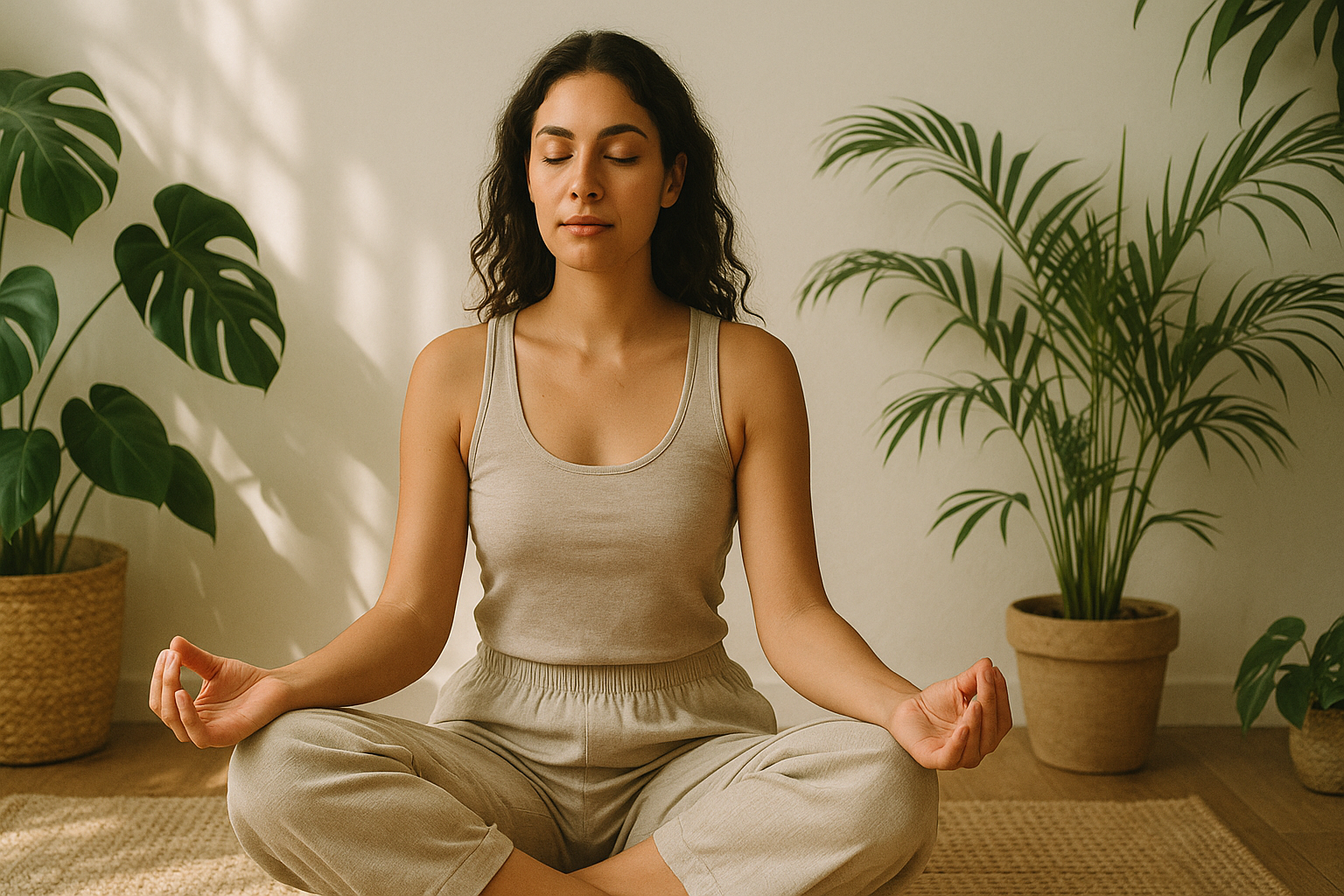
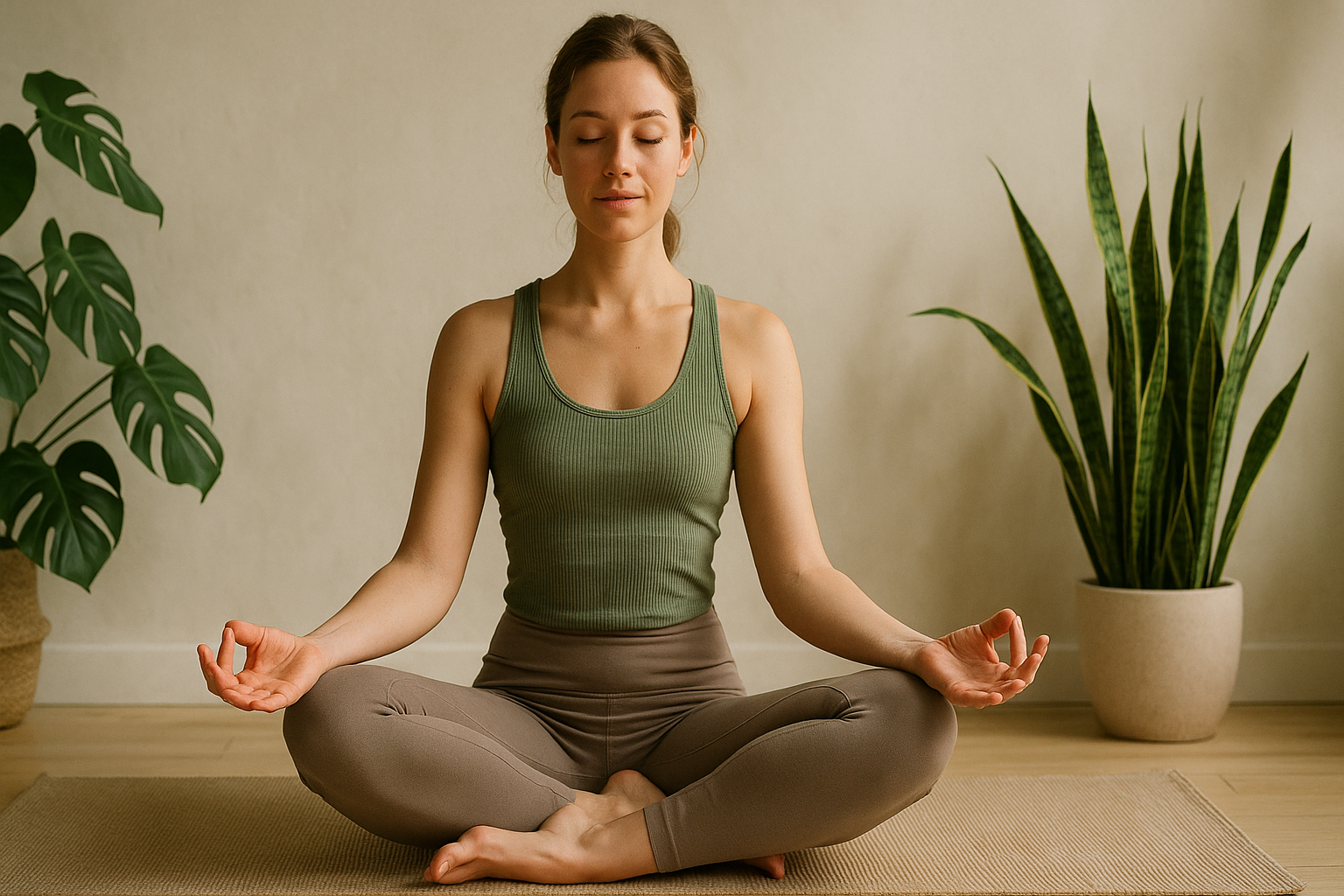
- Meditation: Combining techniques can deepen relaxation and mindfulness.
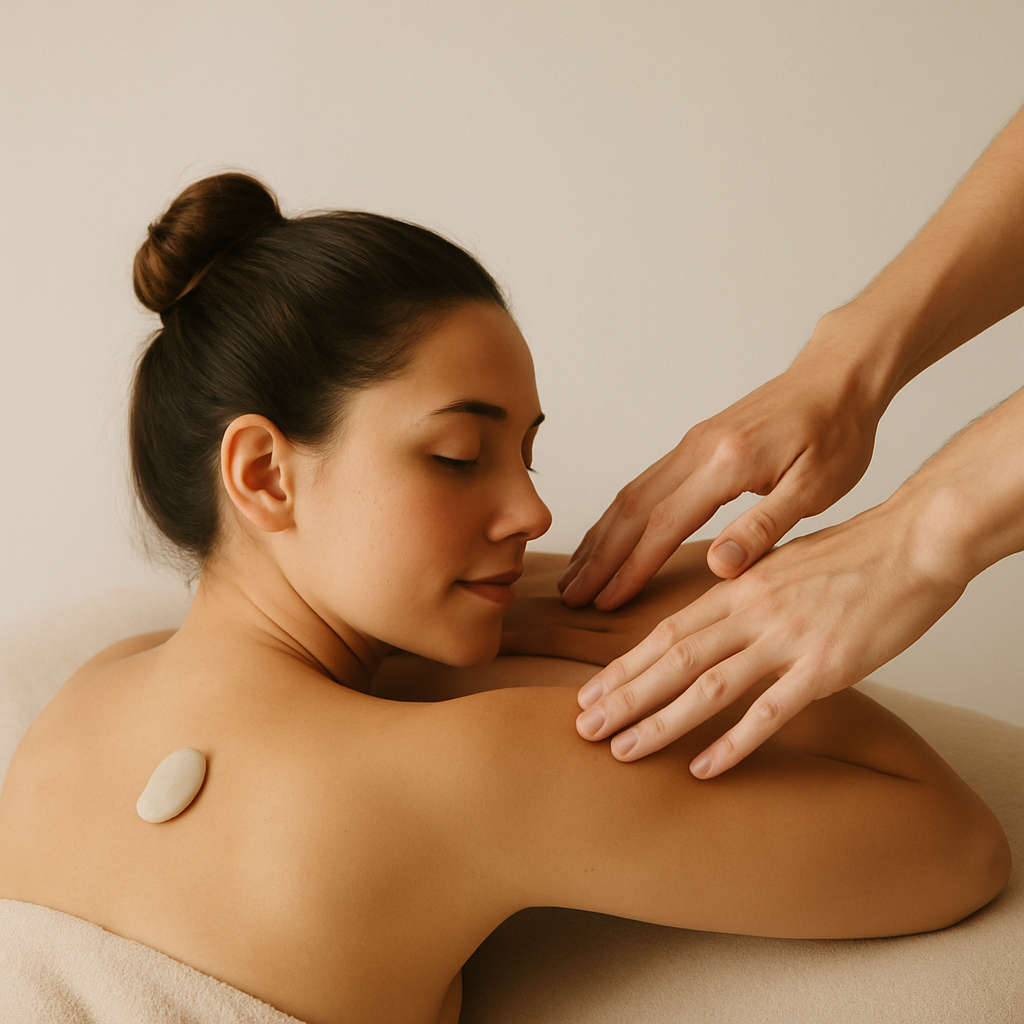
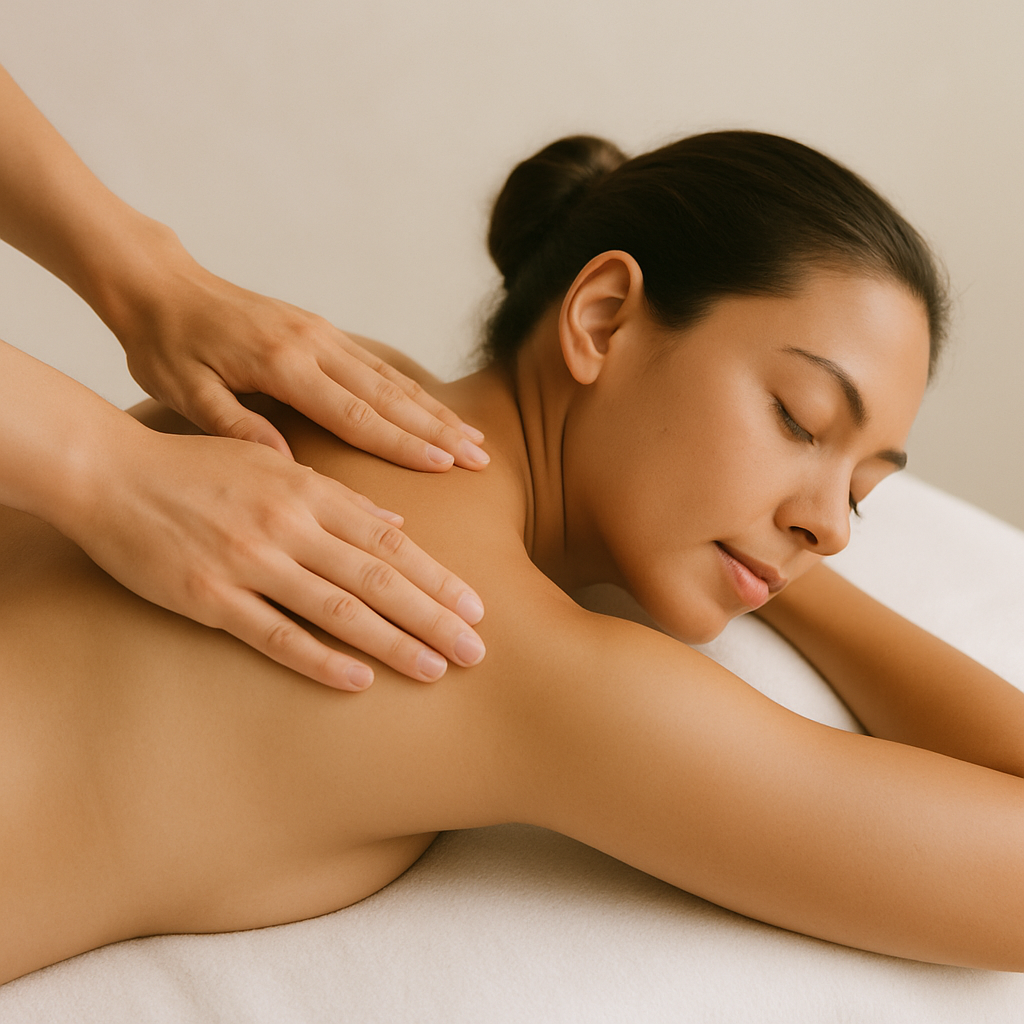
- Massage: Incorporating reflexology within a broader massage session can provide comprehensive benefits.
FAQs (5)
- Is reflexology painful? Reflexology should not be painful. While some pressure is applied, it should be within a comfortable range for the individual.
- How often should I receive reflexology? Frequency can vary based on individual needs, but many find sessions every few weeks or monthly beneficial.
- Can I do reflexology at home? Yes, self-reflexology techniques can be learned and practiced at home using guides or videos.
- What should I expect during a session? A typical session will involve a consultation, followed by focused pressure on reflex points, often accompanied by a relaxing atmosphere.
- Are there any side effects of reflexology? Reflexology is generally safe, but some individuals may experience mild tenderness or fatigue after a session.
Frequently asked
Is reflexology painful?
Reflexology should not be painful. While some pressure is applied, it should be within a comfortable range for the individual.
How often should I receive reflexology?
Frequency can vary based on individual needs, but many find sessions every few weeks or monthly beneficial.
Can I do reflexology at home?
Yes, self-reflexology techniques can be learned and practiced at home using guides or videos.
What should I expect during a session?
A typical session will involve a consultation, followed by focused pressure on reflex points, often accompanied by a relaxing atmosphere.
Are there any side effects of reflexology?
Reflexology is generally safe, but some individuals may experience mild tenderness or fatigue after a session.