Sports Massage
Learn about sports massage, its effects on athletic performance, and how it supports recovery for athletes.
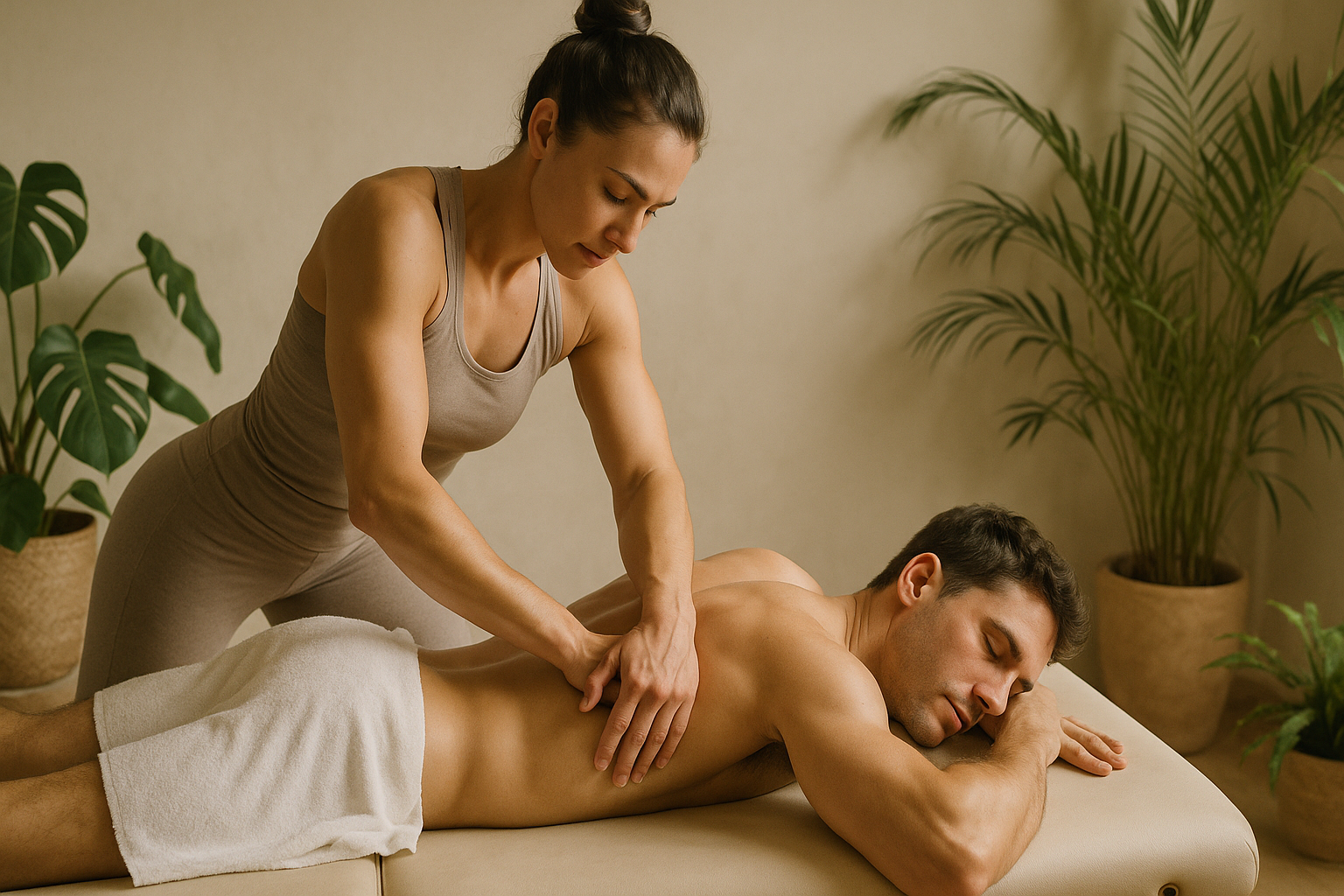
Explore the benefits and practices of sports massage, a specialized form of bodywork designed to enhance athletic performance and aid recovery. Discover its historical roots, modern research, and safety considerations.
What It Is
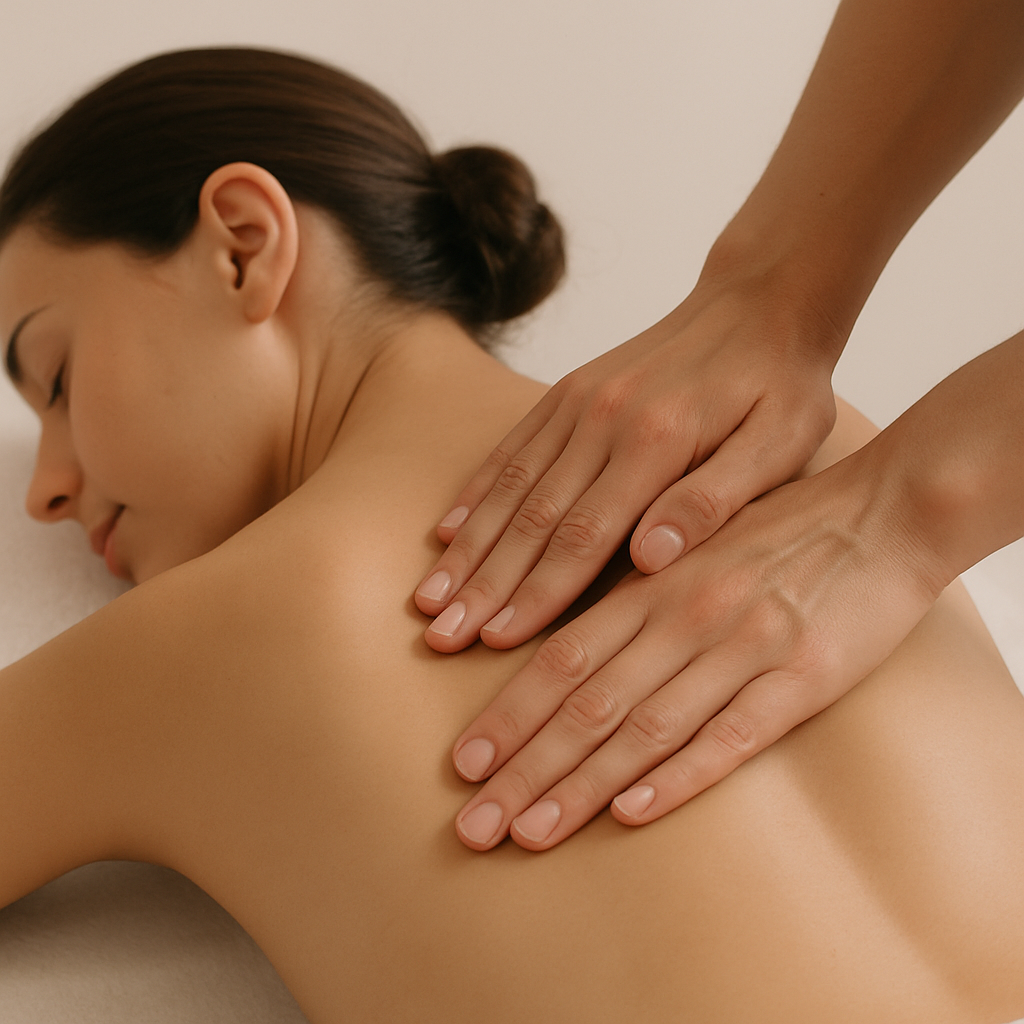
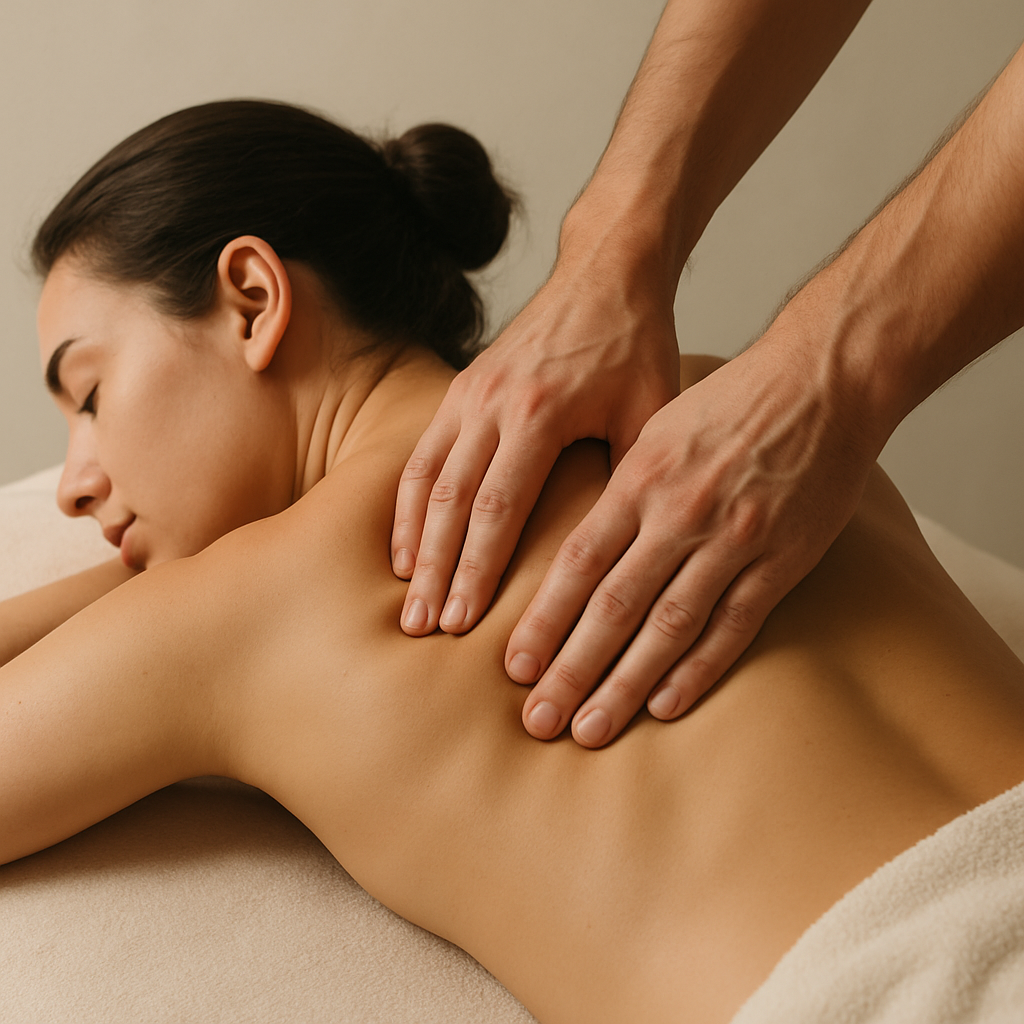
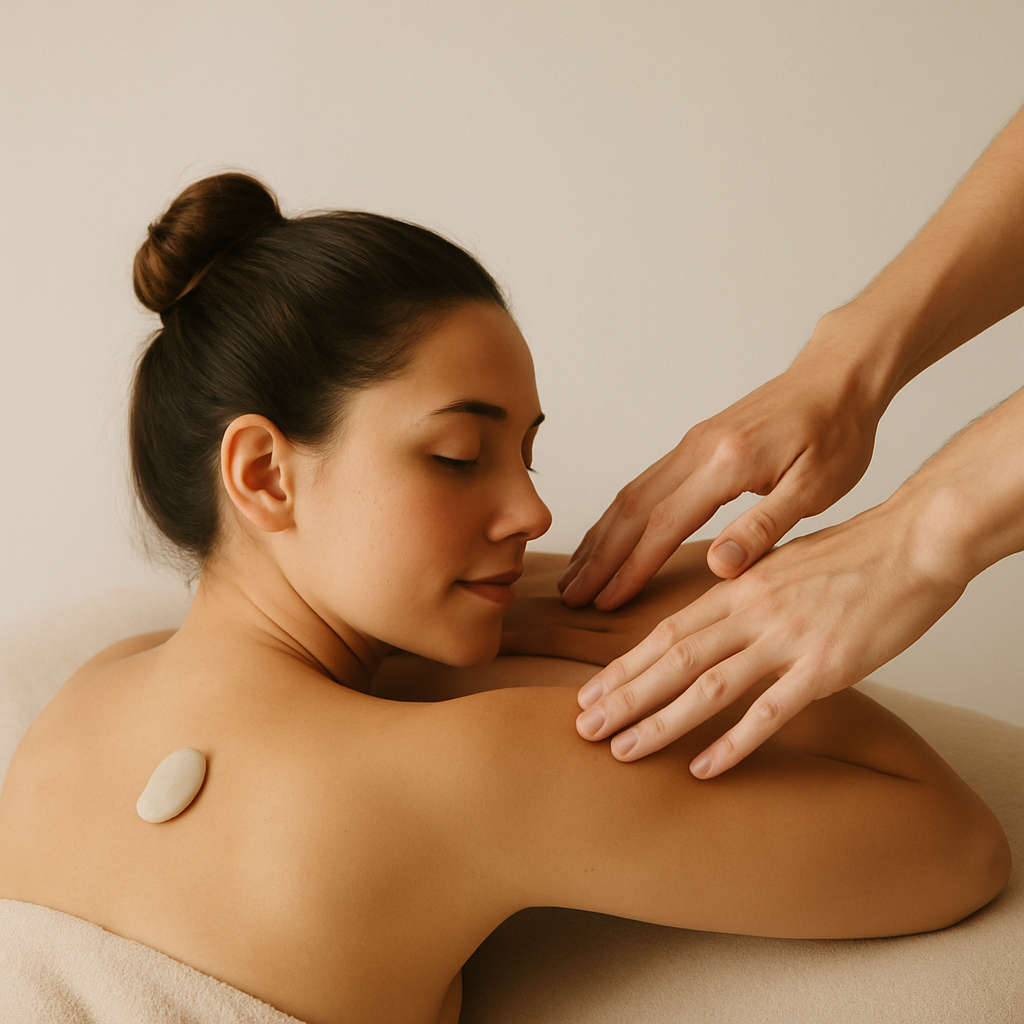
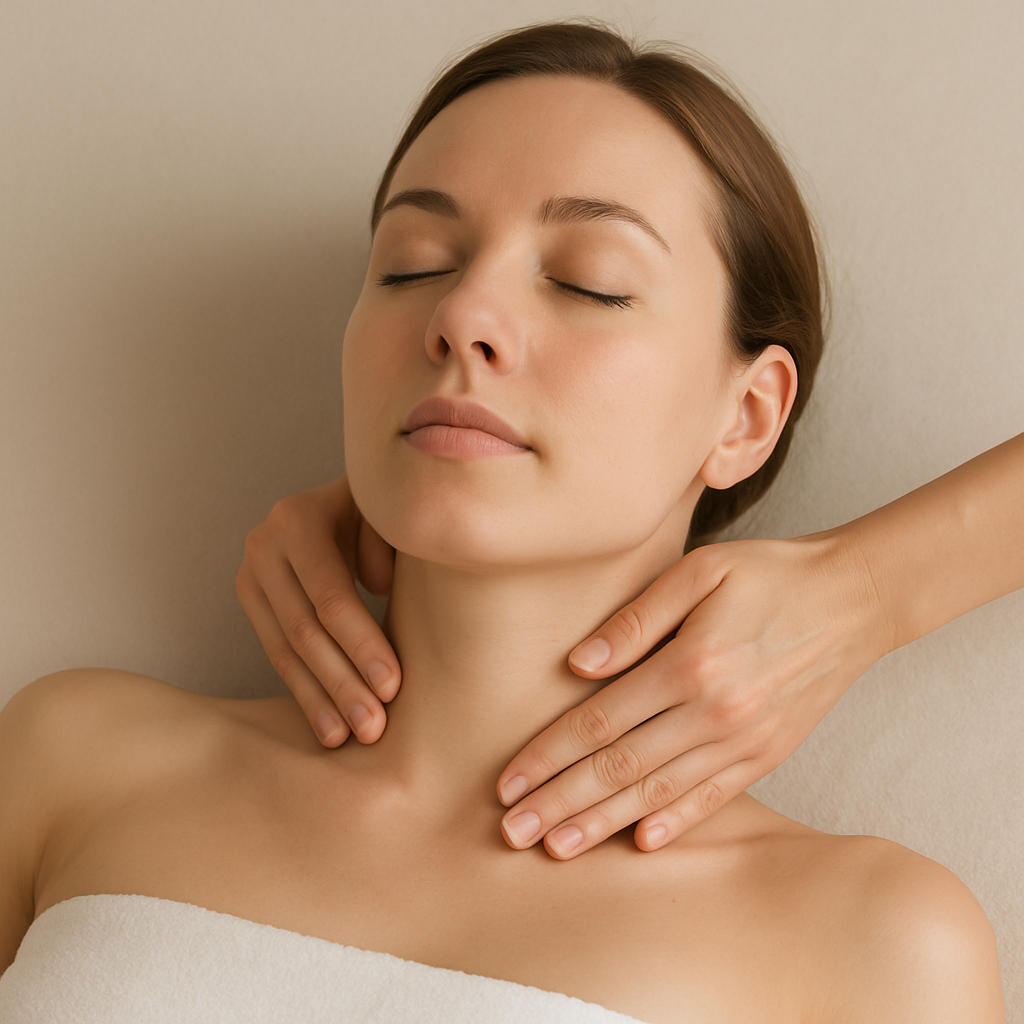
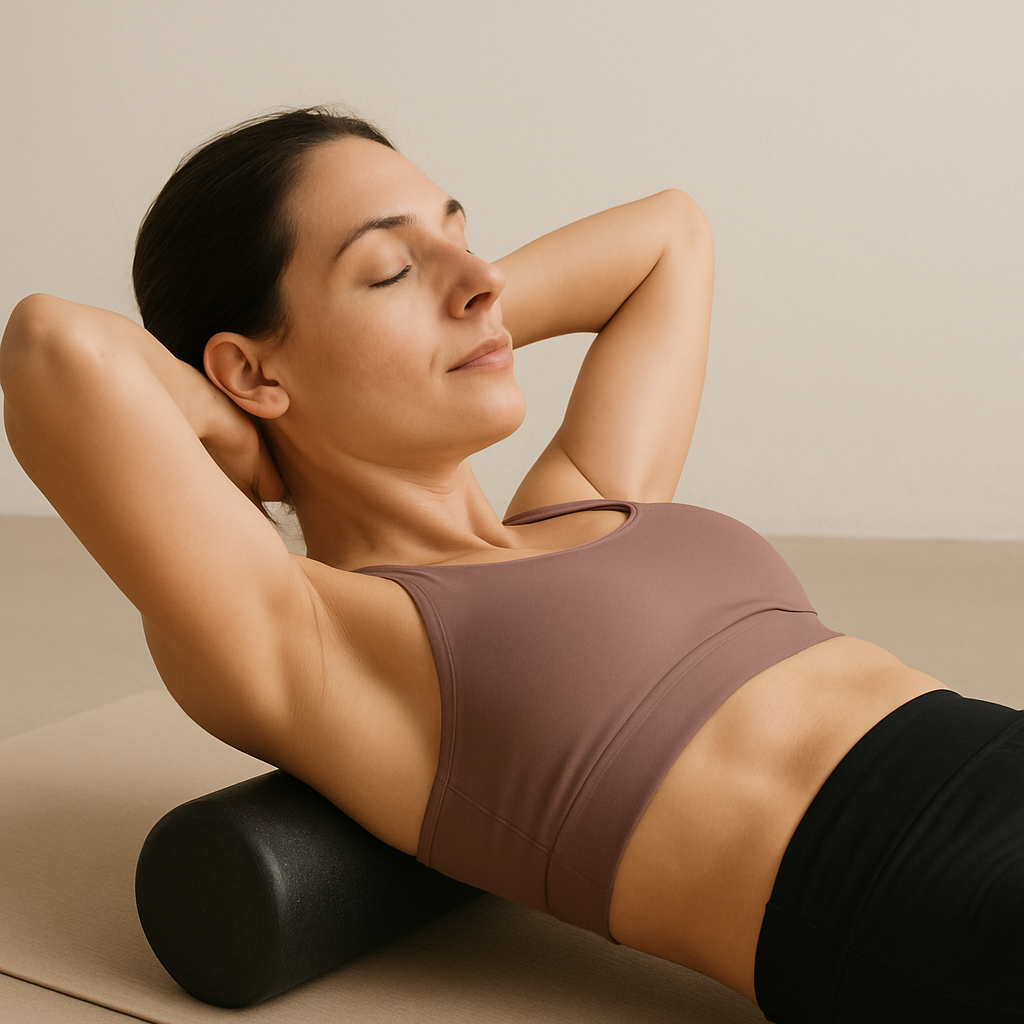
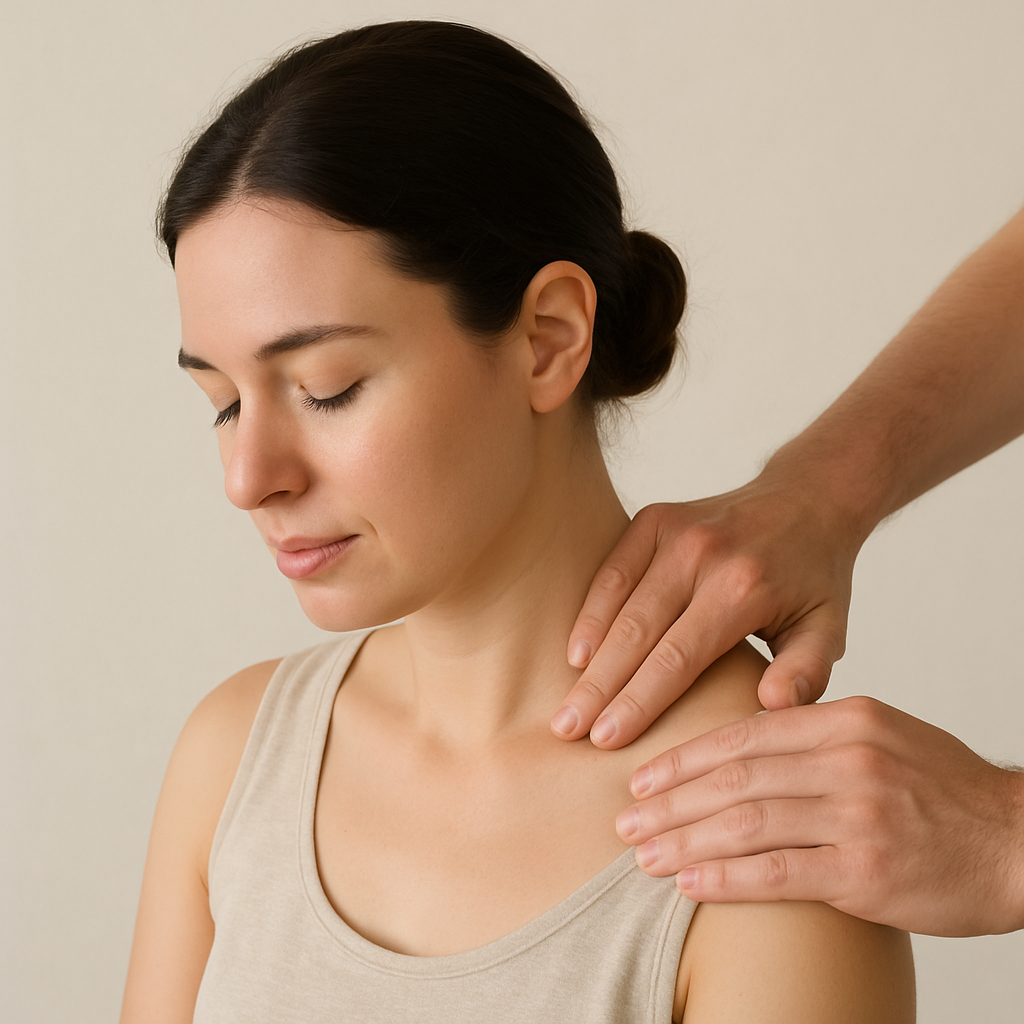
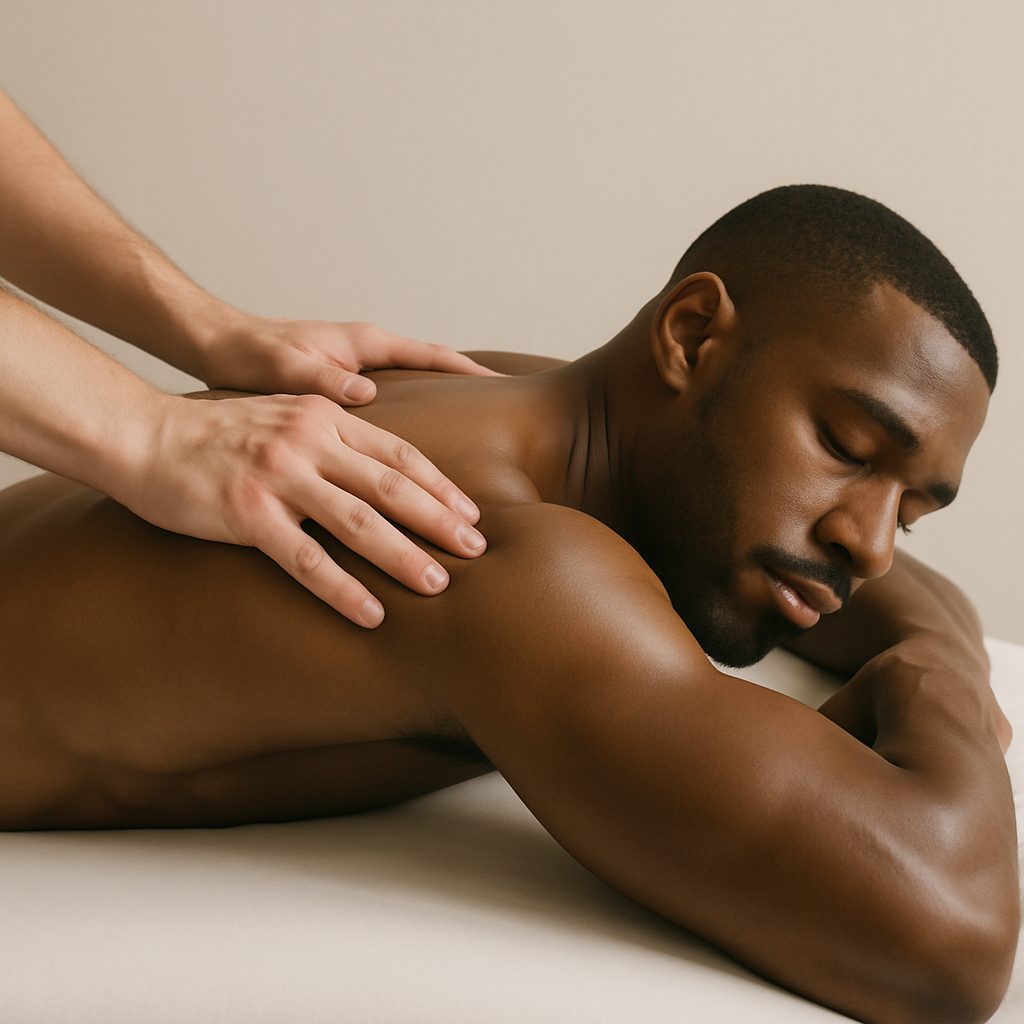
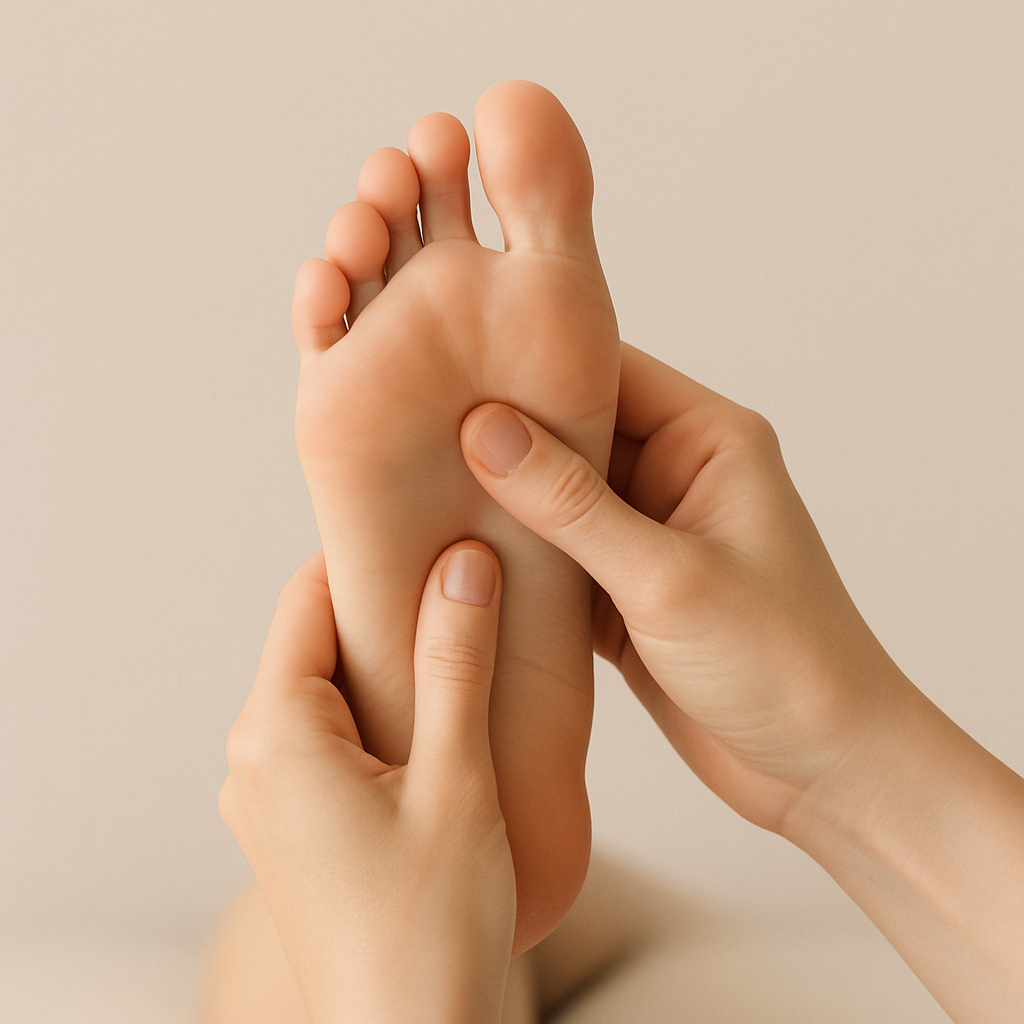
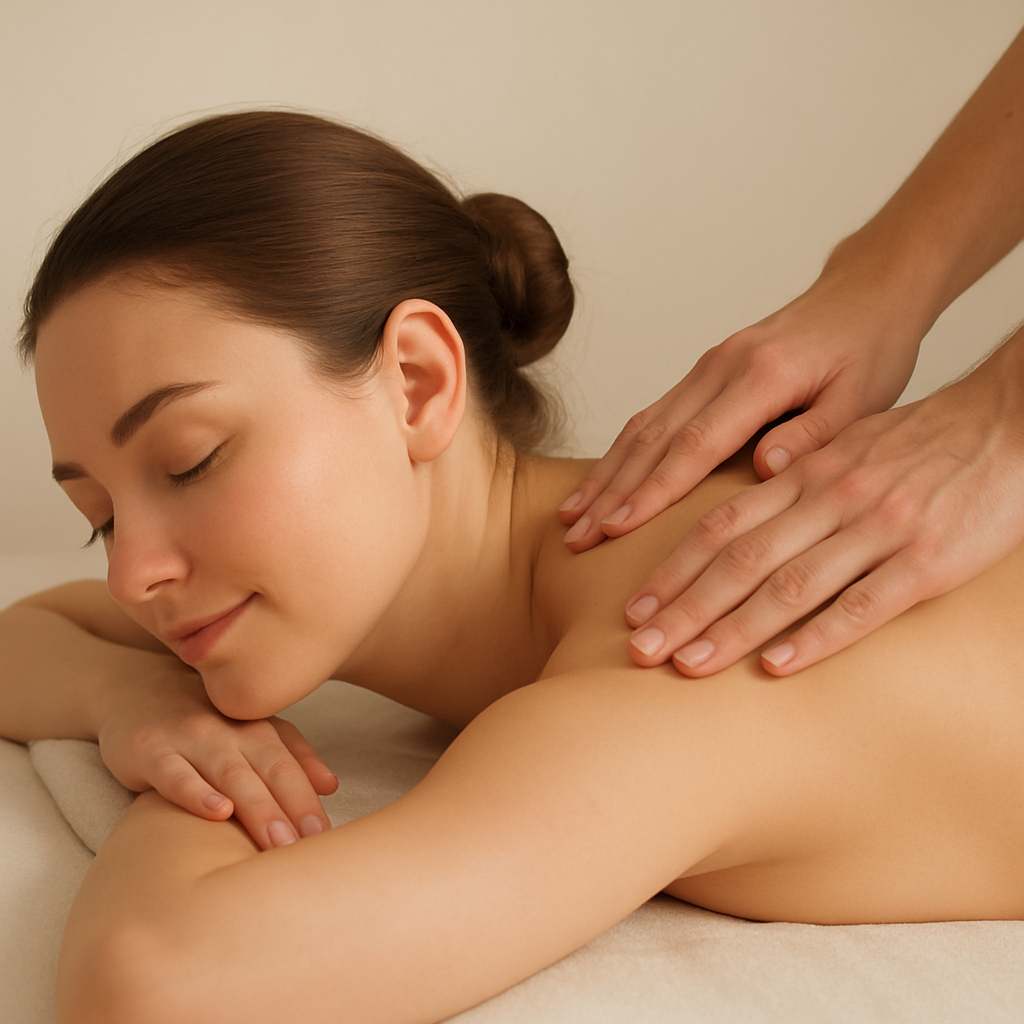
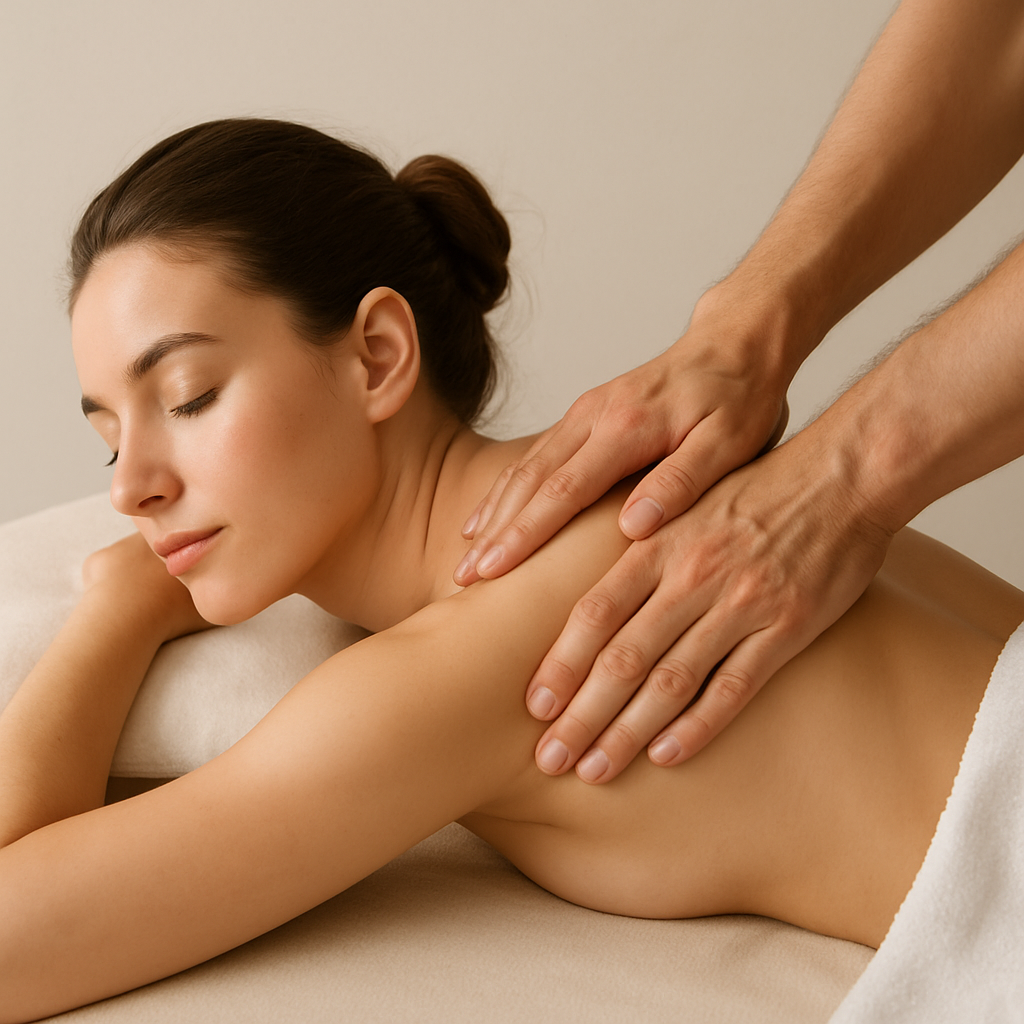
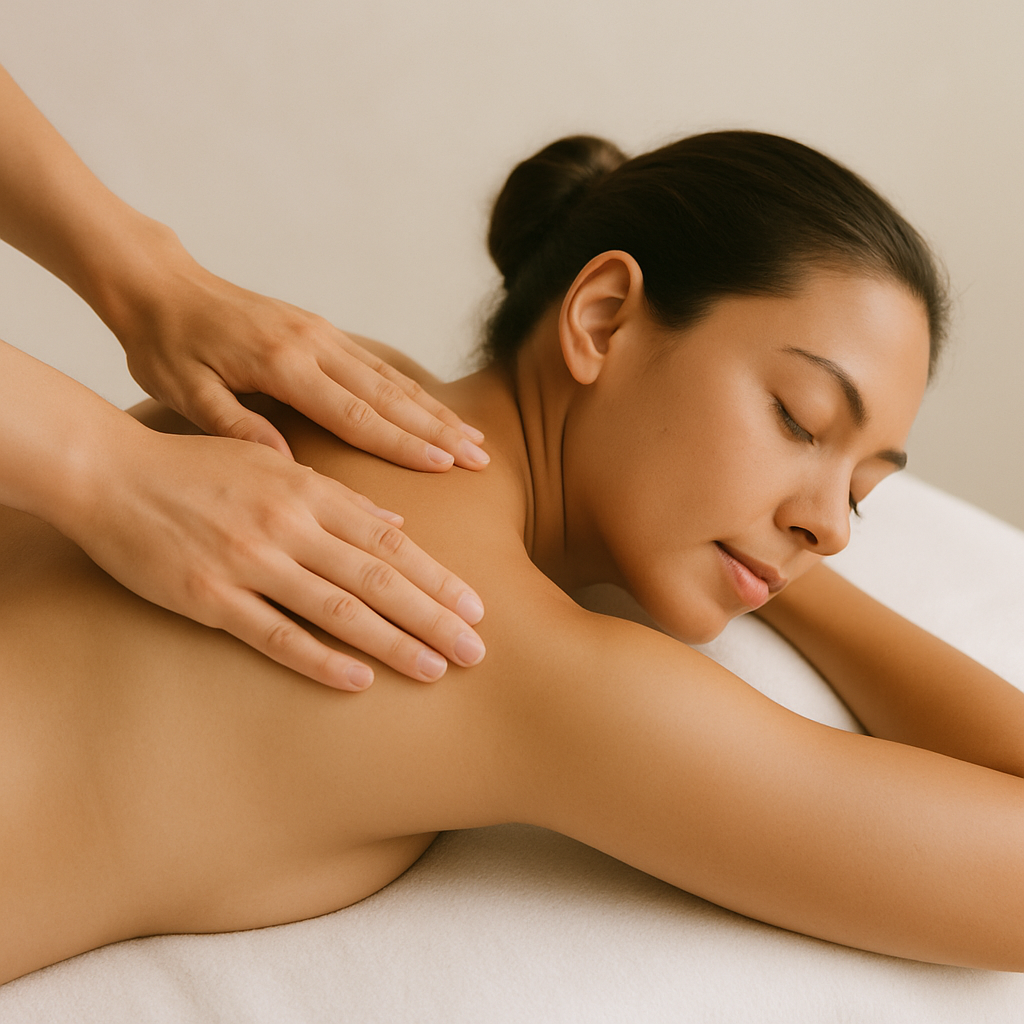
Sports massage is a specialized form of bodywork that focuses on the needs of athletes. It encompasses various techniques tailored to enhance athletic performance, prevent injuries, and assist in recovery. Sports massage can involve deep tissue manipulation, stretching, and other techniques aimed at specific muscle groups and areas of the body that are used in particular sports.
Key Active Compounds & Mechanisms
While sports massage does not involve compounds in the same way that herbal remedies do, its effectiveness can be attributed to various techniques and the physiological responses they invoke. Key mechanisms include:
- Increased Blood Flow: Massage promotes circulation, delivering oxygen and nutrients to muscles.
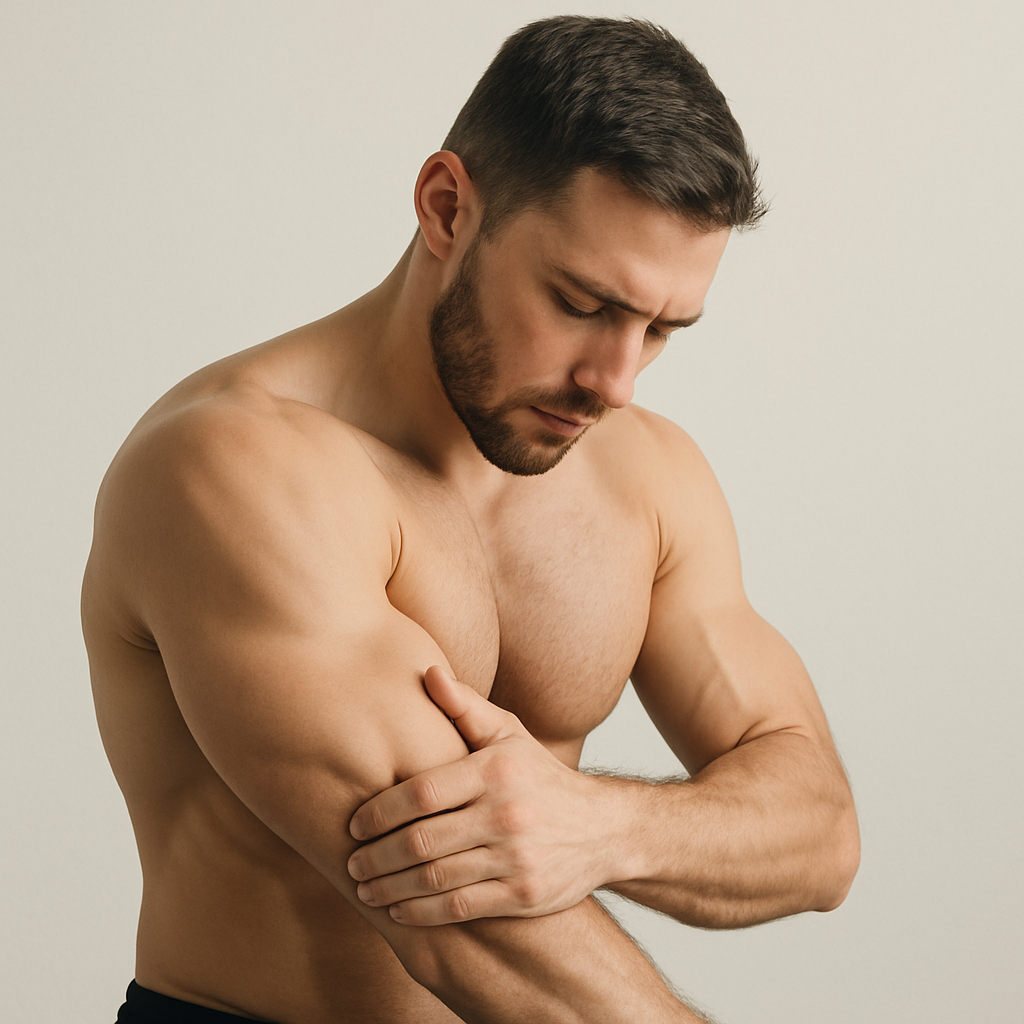
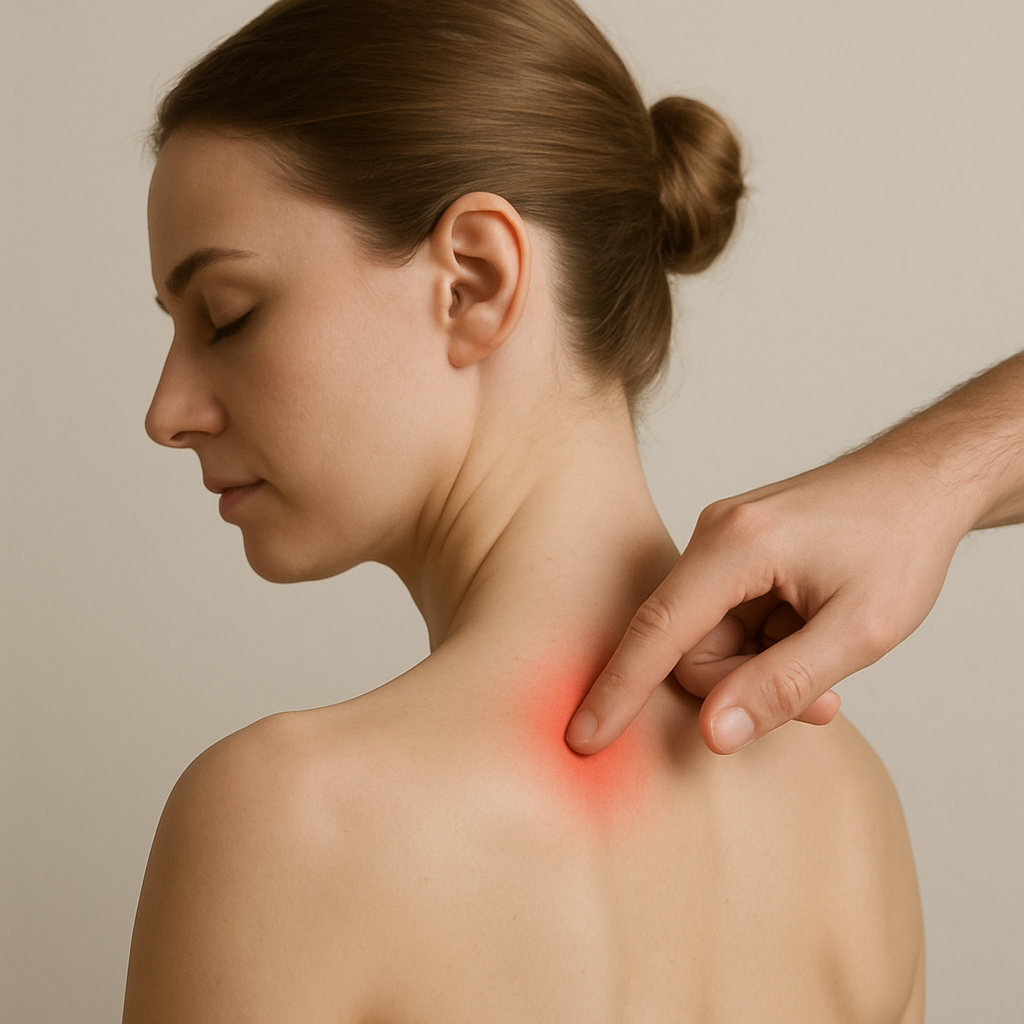
- Reduced Muscle Tension: Techniques such as deep tissue work help relax tight muscles and alleviate knots.
- Enhanced Flexibility: Stretching during massage can improve range of motion and prevent injuries.
- Endorphin Release: Massage can stimulate the release of endorphins, promoting relaxation and pain relief.
Traditional Uses
Sports massage has roots in ancient practices, where various cultures recognized the benefits of bodywork for athletes. For instance, the ancient Greeks utilized massage techniques during the Olympic Games to prepare athletes and aid recovery. In traditional Chinese medicine, massage forms like Tui Na have been used for centuries to promote balance and health, supporting athletes in maintaining peak performance.
What Modern Research Suggests
Modern research on sports massage indicates potential benefits for athletes, although findings can vary. Preliminary studies suggest that sports massage may:
- Enhance recovery after intense physical activity.
- Decrease muscle soreness and improve flexibility.
- Help prevent injuries when incorporated into a regular training regimen.
However, more extensive clinical trials are needed to establish definitive conclusions. It is essential for athletes to consider sports massage as a complementary practice rather than a standalone solution.
Functional Actions
Sports massage serves several functional purposes, including:
- Pre-Event Preparation: Engaging in sports massage before an event can help warm up muscles and increase flexibility.
- Post-Event Recovery: Massage after an event can help reduce muscle soreness and facilitate quicker recovery.
- Injury Rehabilitation: Targeted massage can aid recovery from injuries by promoting healing and reducing scar tissue.
Body Systems Supported
Sports massage primarily supports the following body systems:
- Musculoskeletal System: Enhances the function of muscles, ligaments, and tendons.
- Circulatory System: Improves blood flow, which is essential for delivering oxygen and nutrients.
- Nervous System: Promotes relaxation and can help reduce anxiety and stress.
Common Forms & Educational Dosing Ranges
Sports massage can be performed in different forms, including:
- Deep Tissue Massage: Focuses on deeper layers of muscle tissue.
- Trigger Point Therapy: Targets specific tight areas in muscles.
- Swedish Massage: A gentler technique that promotes relaxation.
- Myofascial Release: Focuses on releasing tension in the fascia surrounding muscles.
Recommended frequency can vary based on individual needs, but many athletes benefit from sessions ranging from once a week to once a month, depending on their training schedule and recovery needs.
Safety, Contraindications & Interactions
While sports massage is generally safe, certain individuals should exercise caution. Contraindications may include:
- Acute injuries or inflammation.
- Skin infections or open wounds.
- Severe medical conditions such as blood clots or fractures.
It is essential for individuals on blood thinners or other medications affecting circulation to consult a healthcare provider before receiving massage therapy.
Pairs Well With
Sports massage can be effectively paired with:
- Stretching: Enhances flexibility and complements the benefits of massage.
- Hydration: Adequate fluid intake supports recovery and muscle function.
- Nutrition: A balanced diet can optimize performance and recovery.
FAQs (5)
Here are some frequently asked questions about sports massage:
- How long does a sports massage session last? Sessions typically last between 30 to 90 minutes, depending on individual needs.
- Can sports massage help prevent injuries? Yes, regular sports massage can help reduce muscle tension and improve flexibility, potentially preventing injuries.
- Is sports massage painful? While some discomfort may occur, especially with deep tissue techniques, it should not be excessively painful.
- How often should I get a sports massage? Frequency depends on your activity level, but many athletes benefit from weekly to monthly sessions.
- Can I get a sports massage if I’m not an athlete? Absolutely! Anyone can benefit from sports massage, especially those with physically demanding jobs or lifestyles.
Frequently asked
How long does a sports massage session last?
Sessions typically last between 30 to 90 minutes, depending on individual needs.
Can sports massage help prevent injuries?
Yes, regular sports massage can help reduce muscle tension and improve flexibility, potentially preventing injuries.
Is sports massage painful?
While some discomfort may occur, especially with deep tissue techniques, it should not be excessively painful.
How often should I get a sports massage?
Frequency depends on your activity level, but many athletes benefit from weekly to monthly sessions.
Can I get a sports massage if I’m not an athlete?
Absolutely! Anyone can benefit from sports massage, especially those with physically demanding jobs or lifestyles.