Lymphatic Drainage
Learn about lymphatic drainage, its benefits, and safety in natural remedies.
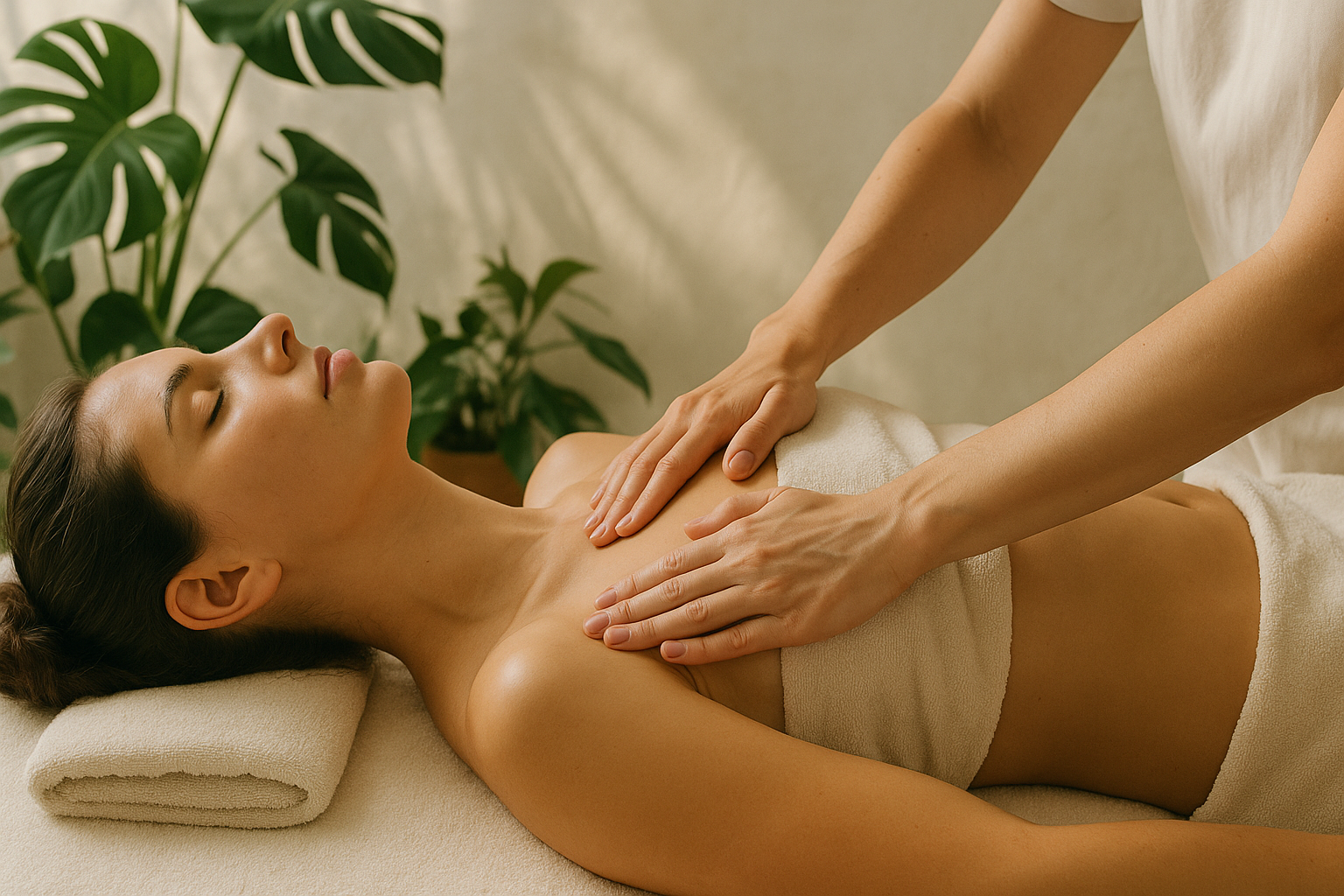
Explore lymphatic drainage, its historical roots, modern research, functional actions, and safety considerations in this comprehensive guide to natural remedies.
What It Is
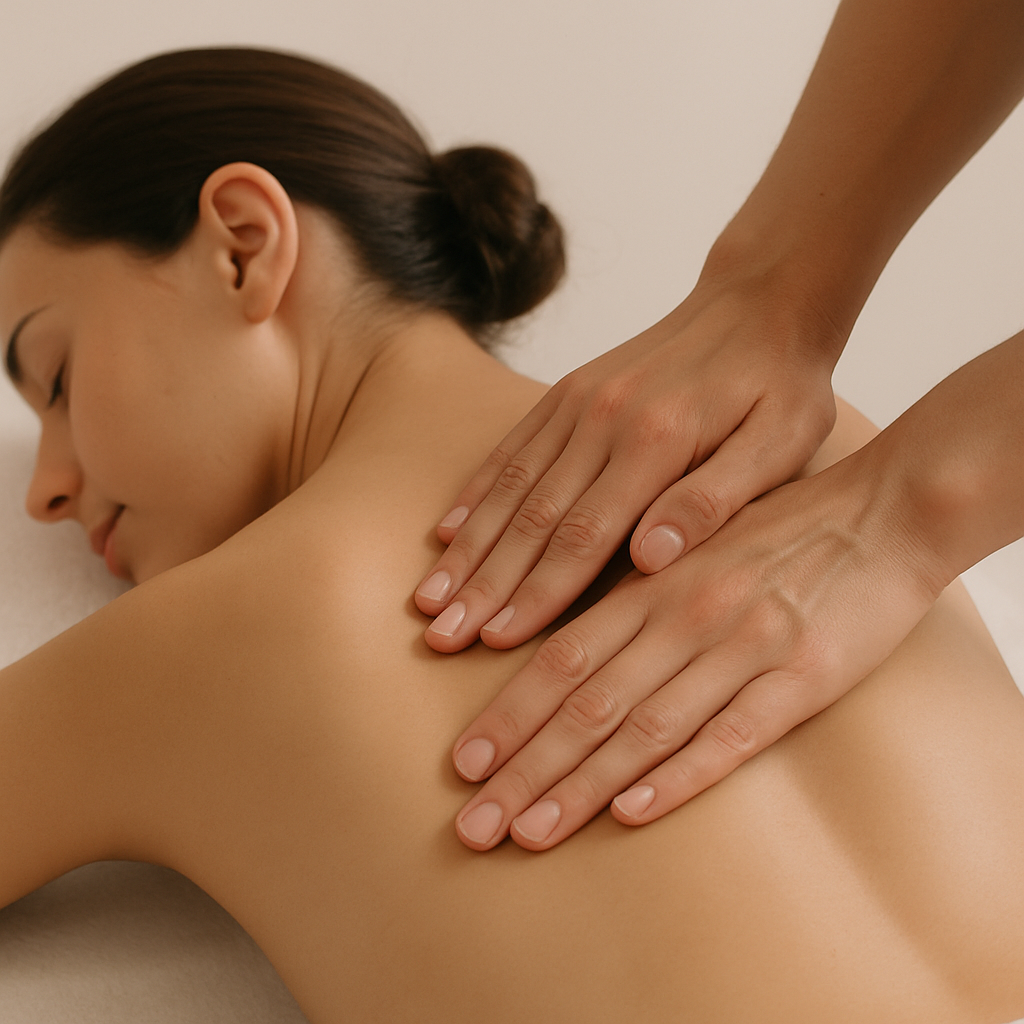
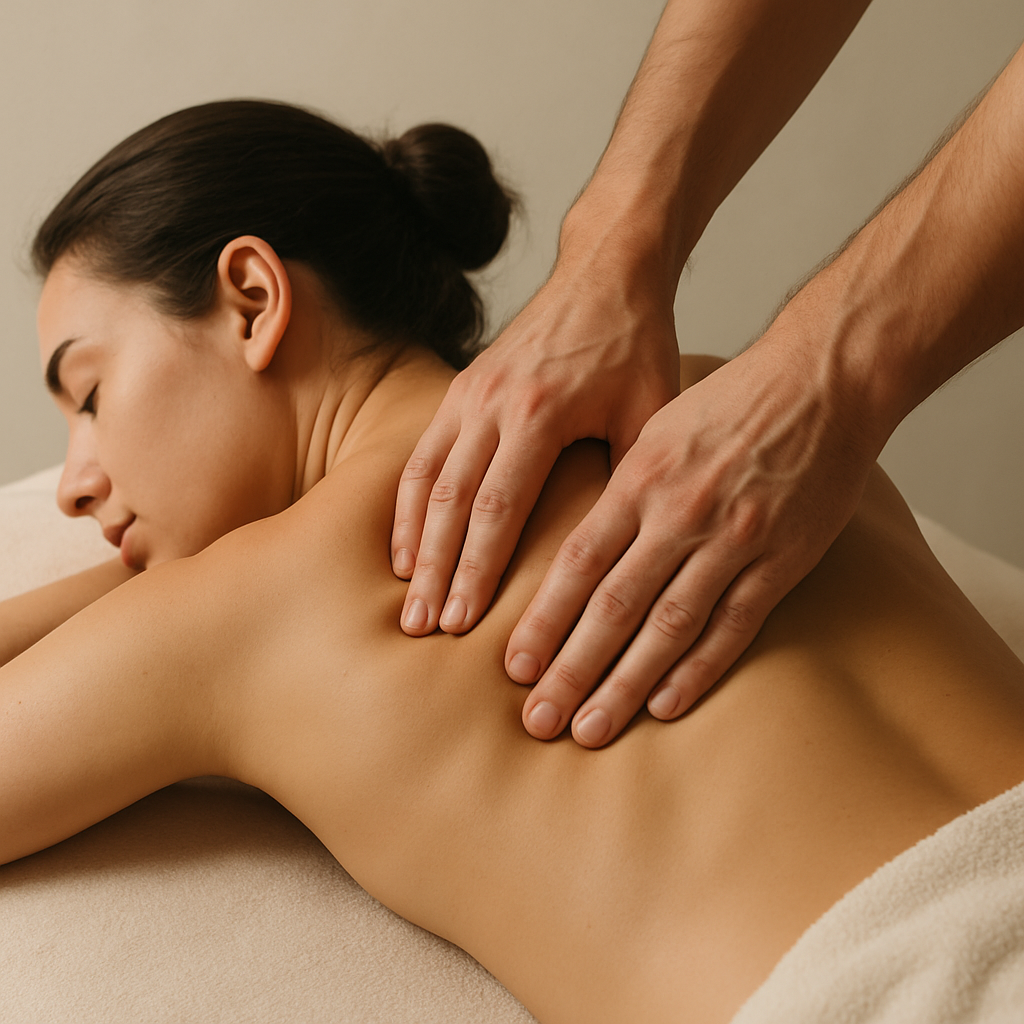
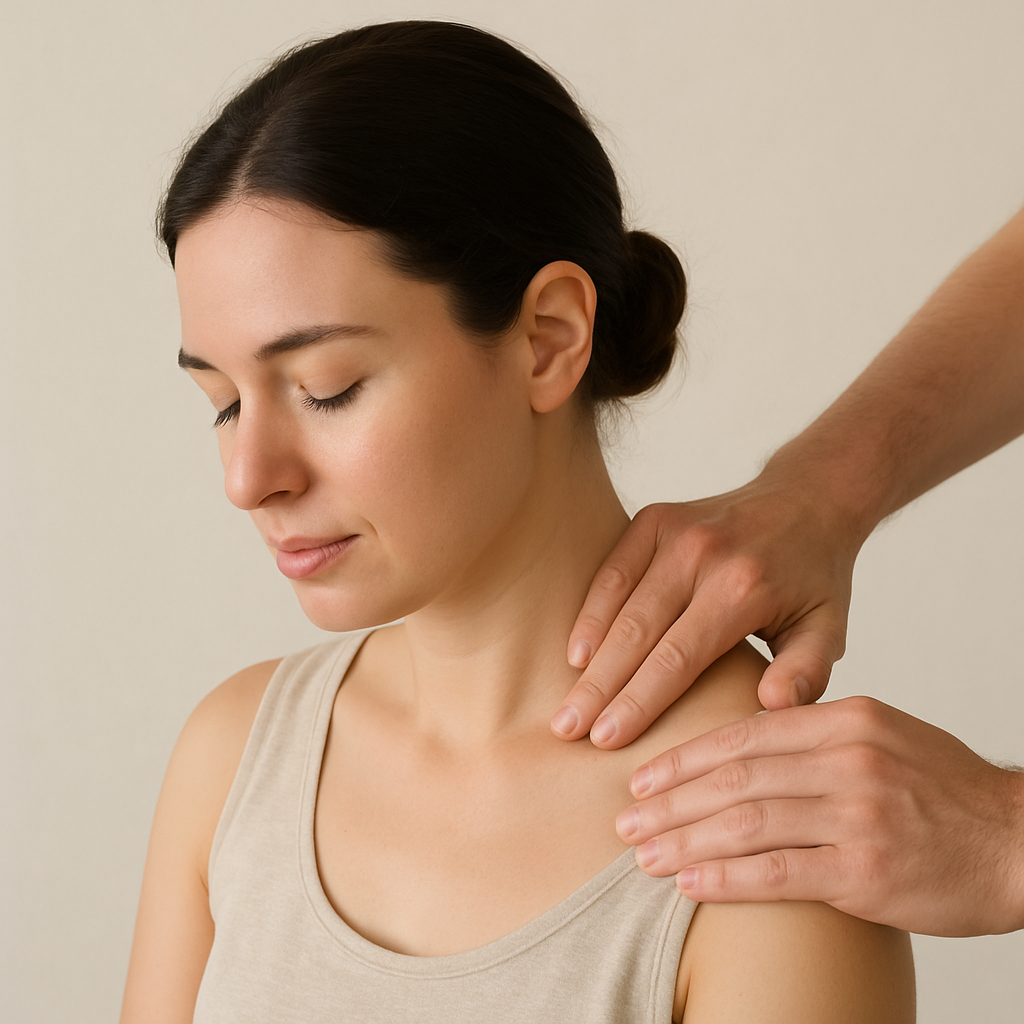
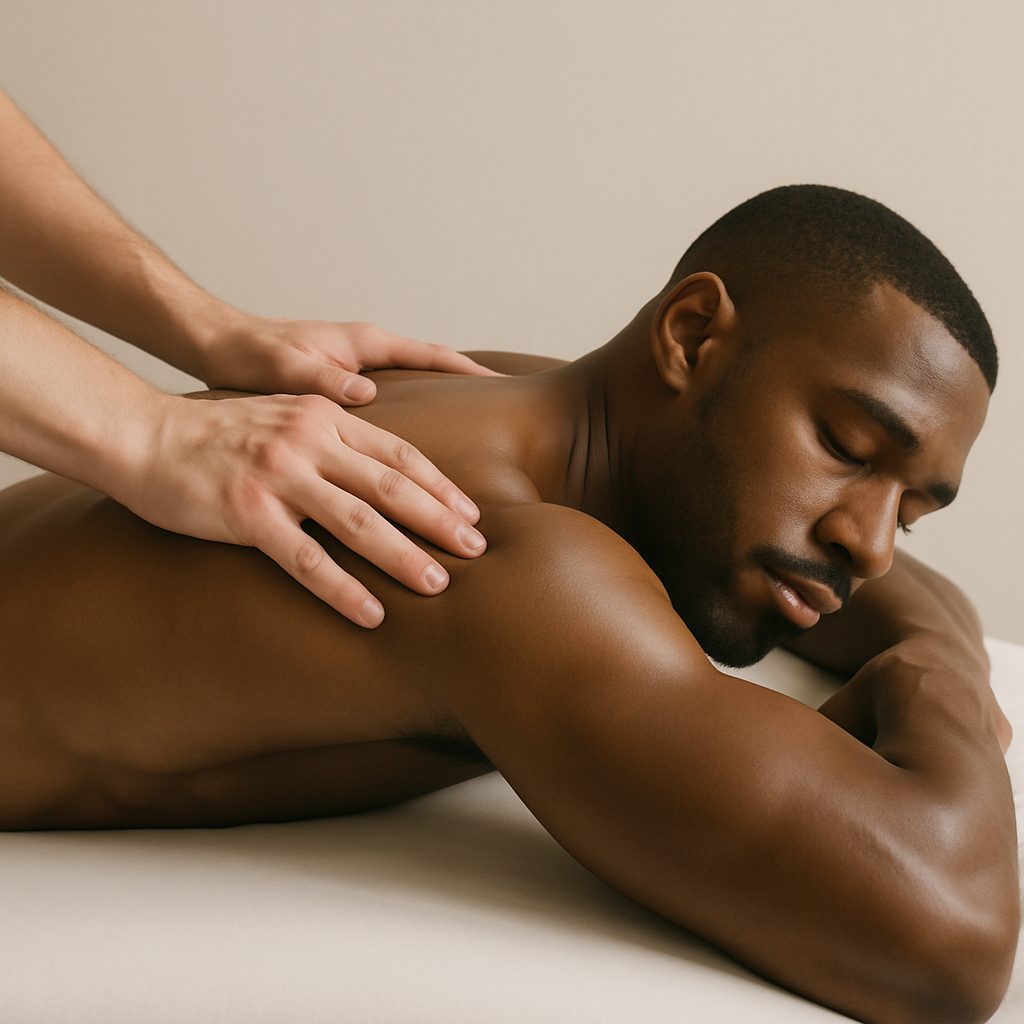
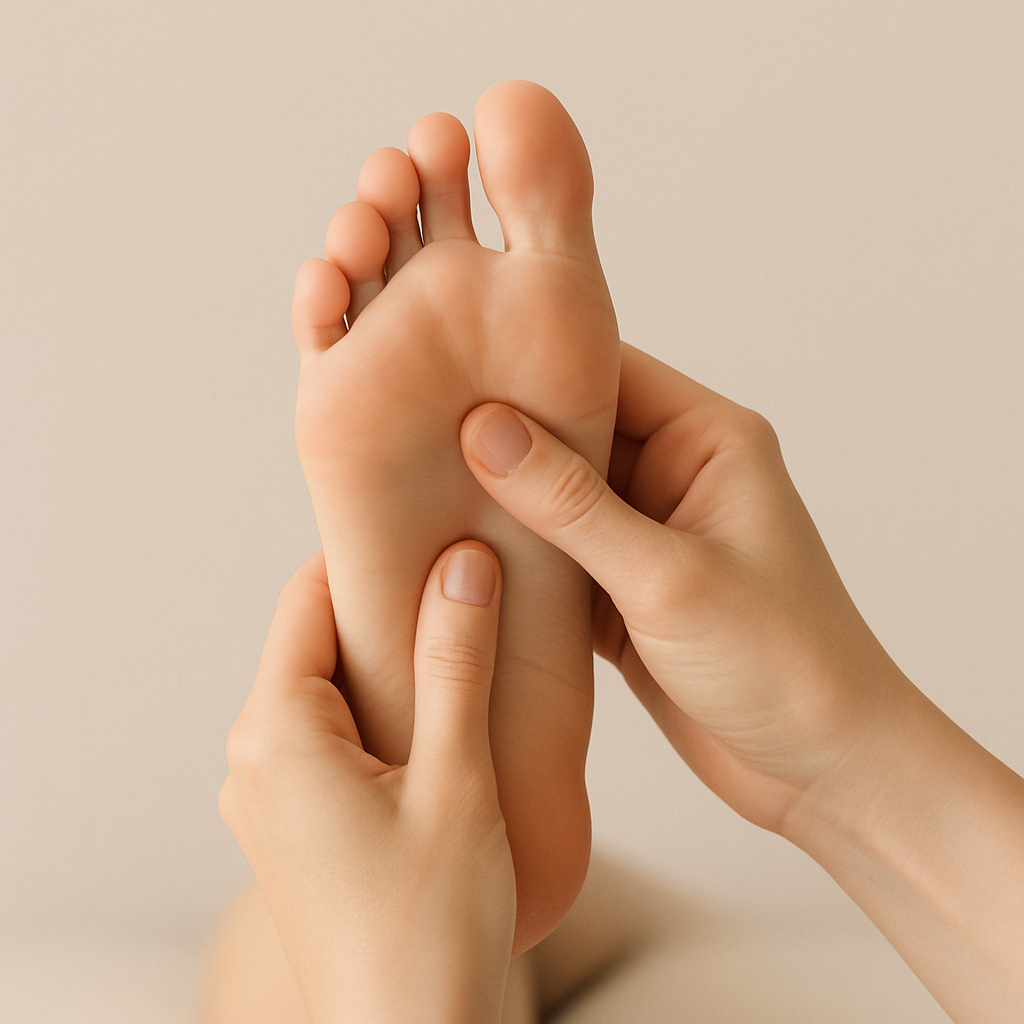
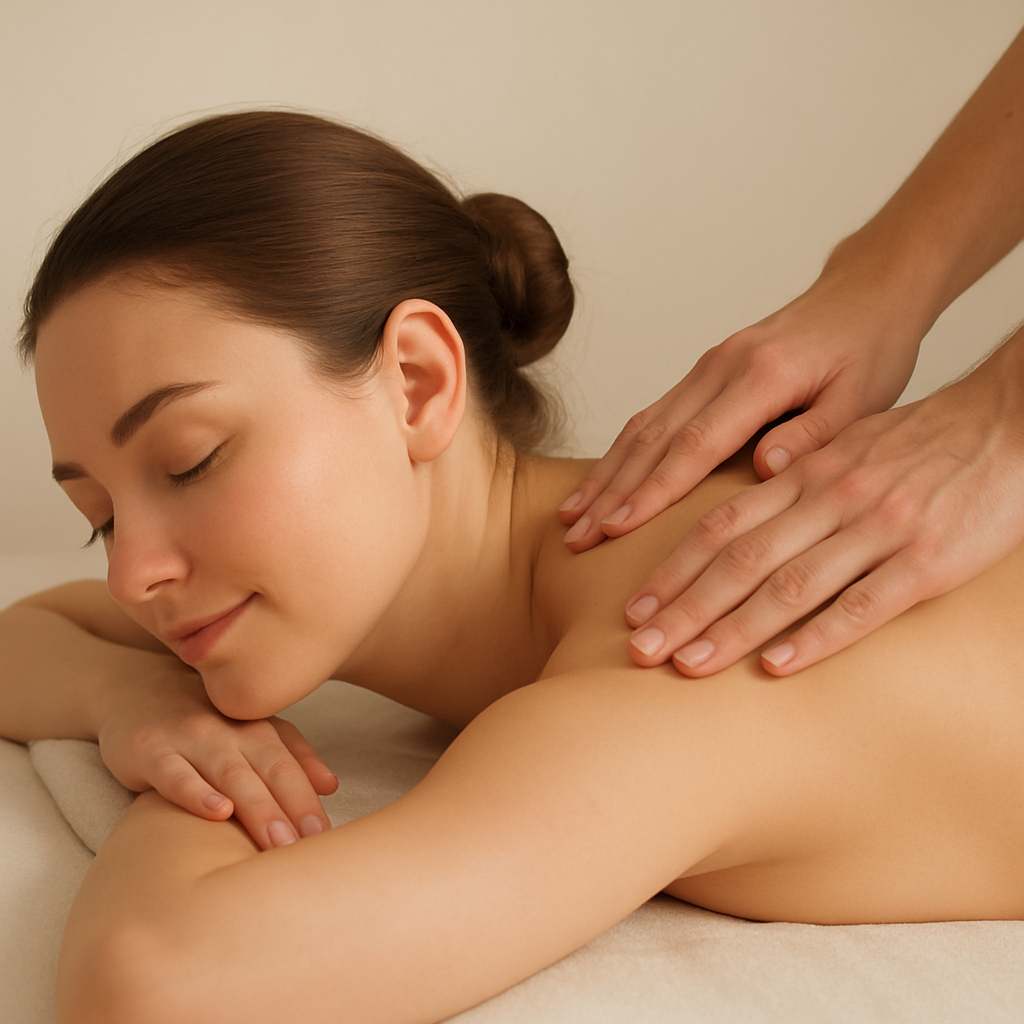
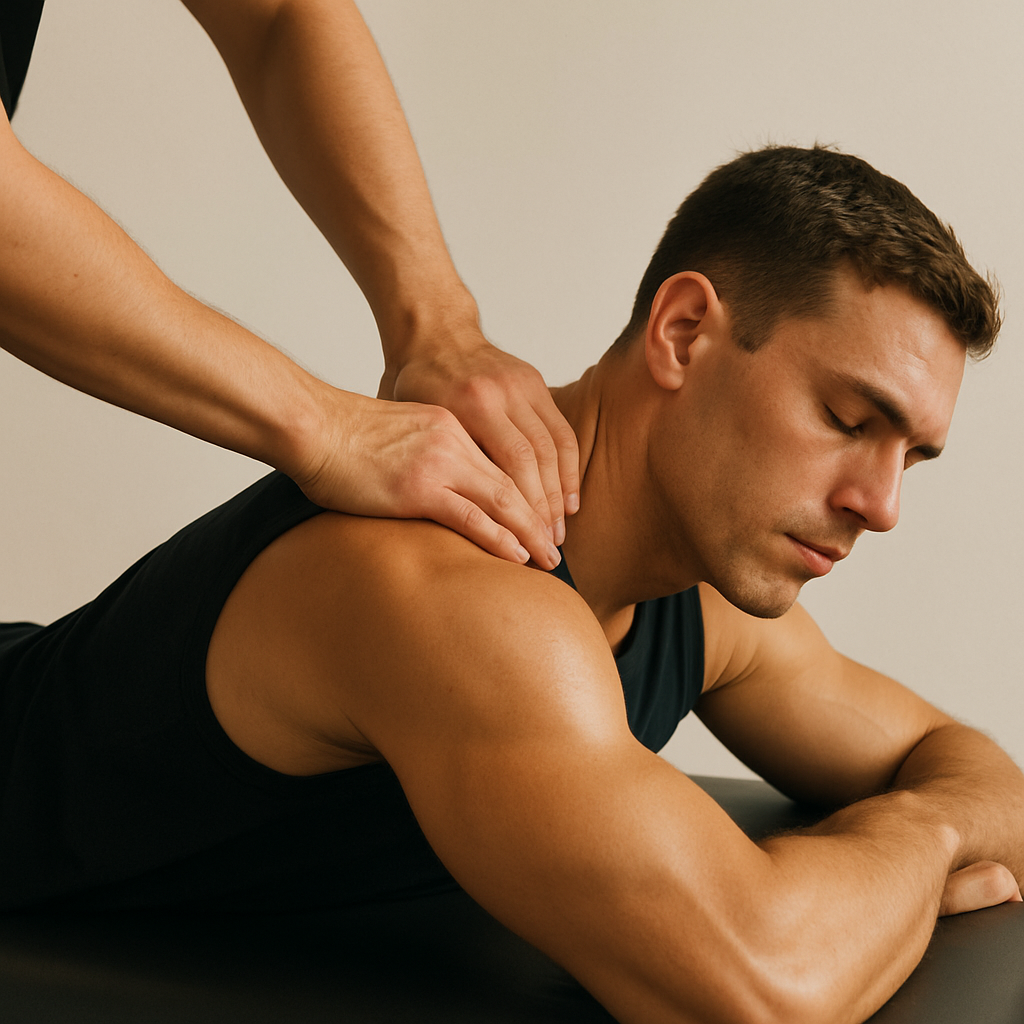
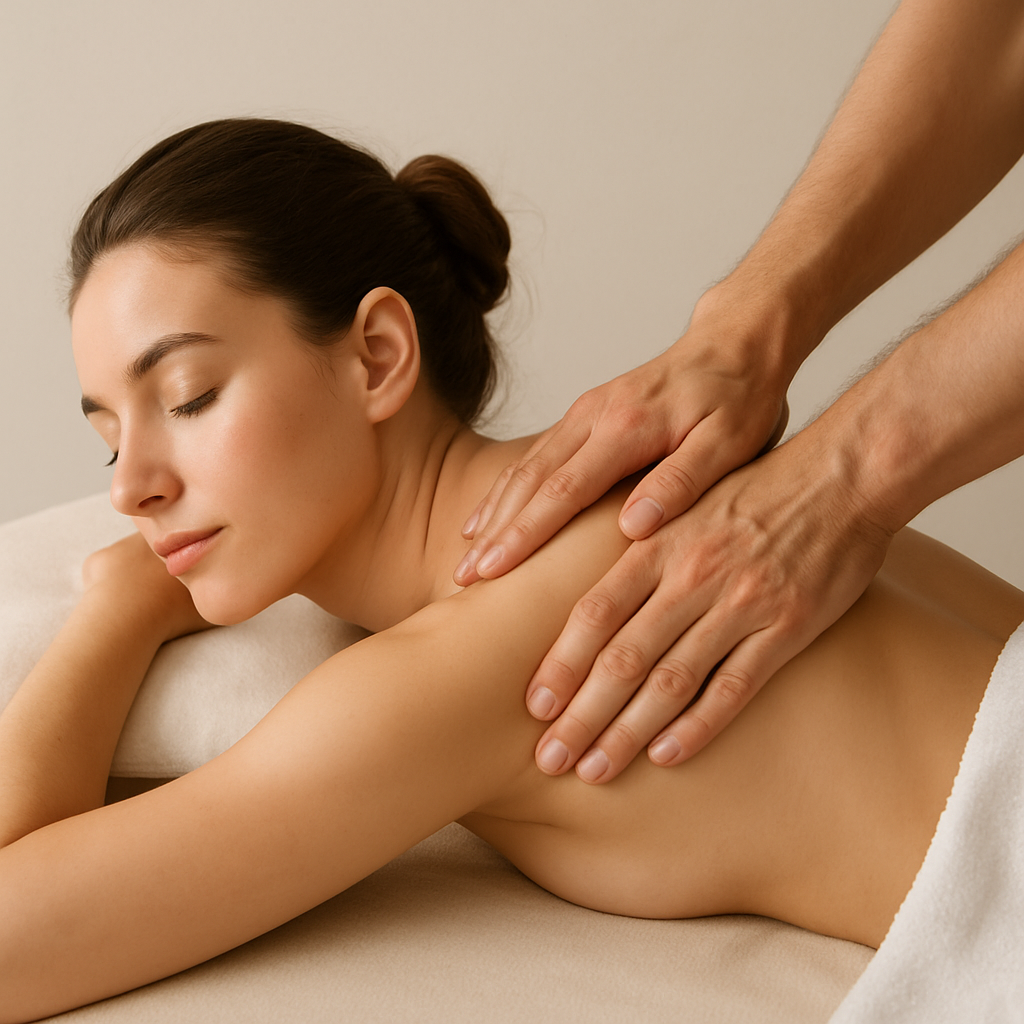
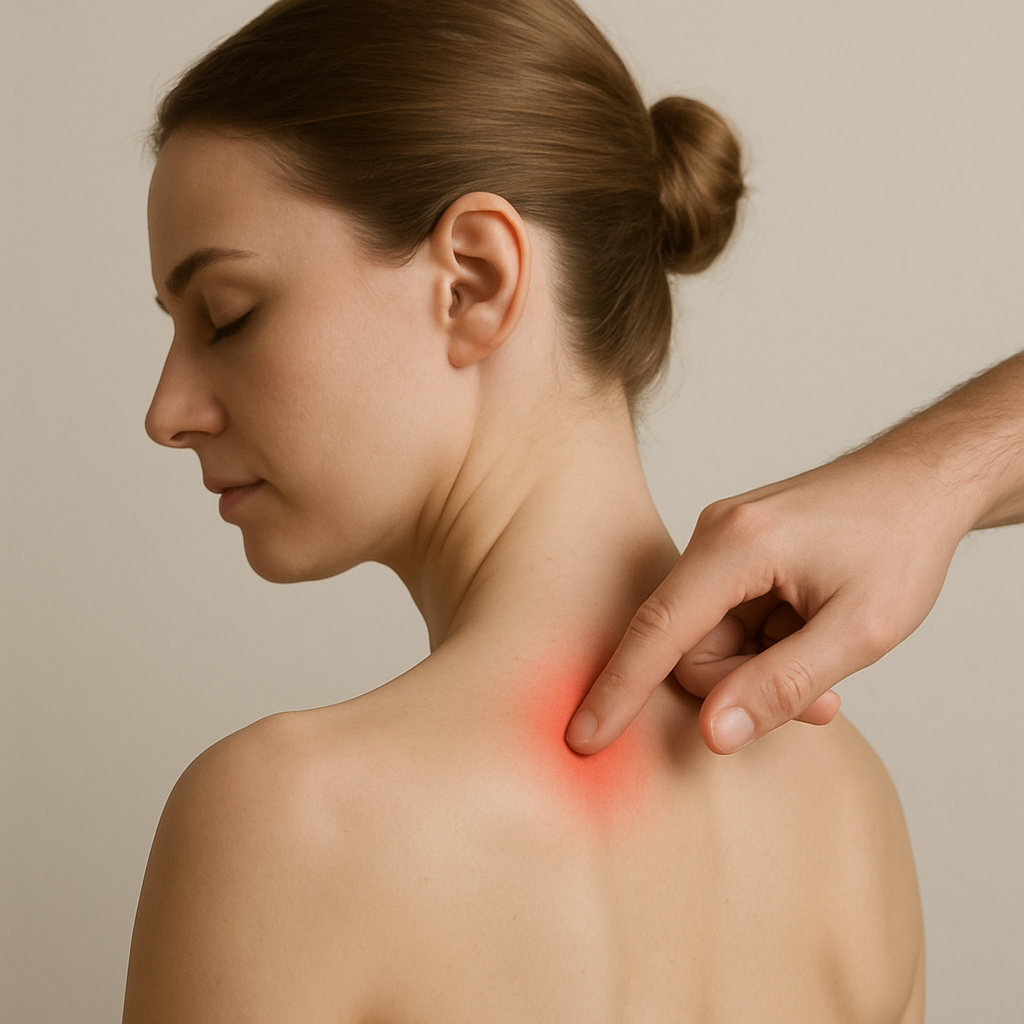
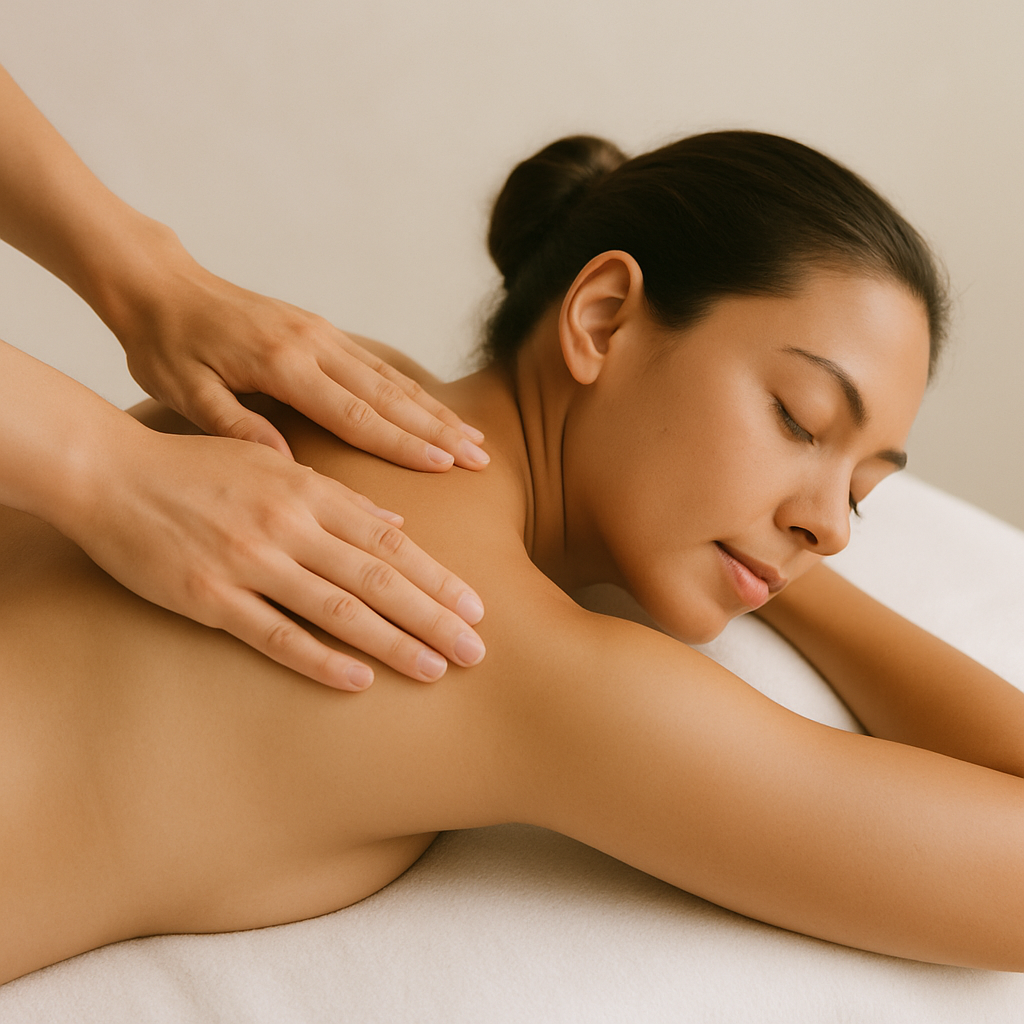
Lymphatic drainage refers to a specialized massage technique designed to enhance the flow of lymph, a fluid that plays a crucial role in the immune system. The lymphatic system helps remove toxins, waste, and excess fluid from the body. By stimulating this system, lymphatic drainage promotes detoxification and improves circulation.
Key Active Compounds & Mechanisms
The primary mechanism of lymphatic drainage involves gentle pressure and rhythmic movements that stimulate lymphatic vessels. This technique encourages the natural circulation of lymph fluid, allowing for the removal of waste products and supporting immune function. The specific compounds in the body that facilitate this process include lymphocytes, which are white blood cells involved in the immune response.
Traditional Uses
Historically, lymphatic drainage has roots in various traditional medicine practices. Ancient Egyptians used massage techniques to improve health and well-being. In Traditional Chinese Medicine (TCM), the concept of Qi, or vital energy, relates closely to the movement of fluids within the body, including lymph. Throughout history, cultures worldwide have recognized the importance of maintaining fluid balance for overall health.
What Modern Research Suggests
Modern studies on lymphatic drainage have begun to support its benefits, particularly in areas like reducing swelling, improving circulation, and enhancing immune function. While further research is needed to establish definitive clinical guidelines, preliminary evidence suggests that lymphatic drainage may aid in recovery from surgery and decrease lymphedema, particularly after cancer treatments.
Functional Actions
- Detoxification: Encourages the removal of waste and toxins from the body.
- Immune Support: Enhances the movement of lymphocytes and other immune cells.
- Fluid Balance: Helps reduce swelling and maintain proper fluid levels in the tissues.
- Relaxation: Promotes relaxation and stress relief through gentle, rhythmic movements.
Body Systems Supported
- Lymphatic System: Directly targeted by lymphatic drainage techniques.
- Immune System: Improved lymph flow aids immune function.
- Circulatory System: Enhances overall circulation and blood flow.
- Musculoskeletal System: Can relieve tension and improve mobility.
Common Forms & Educational Dosing Ranges
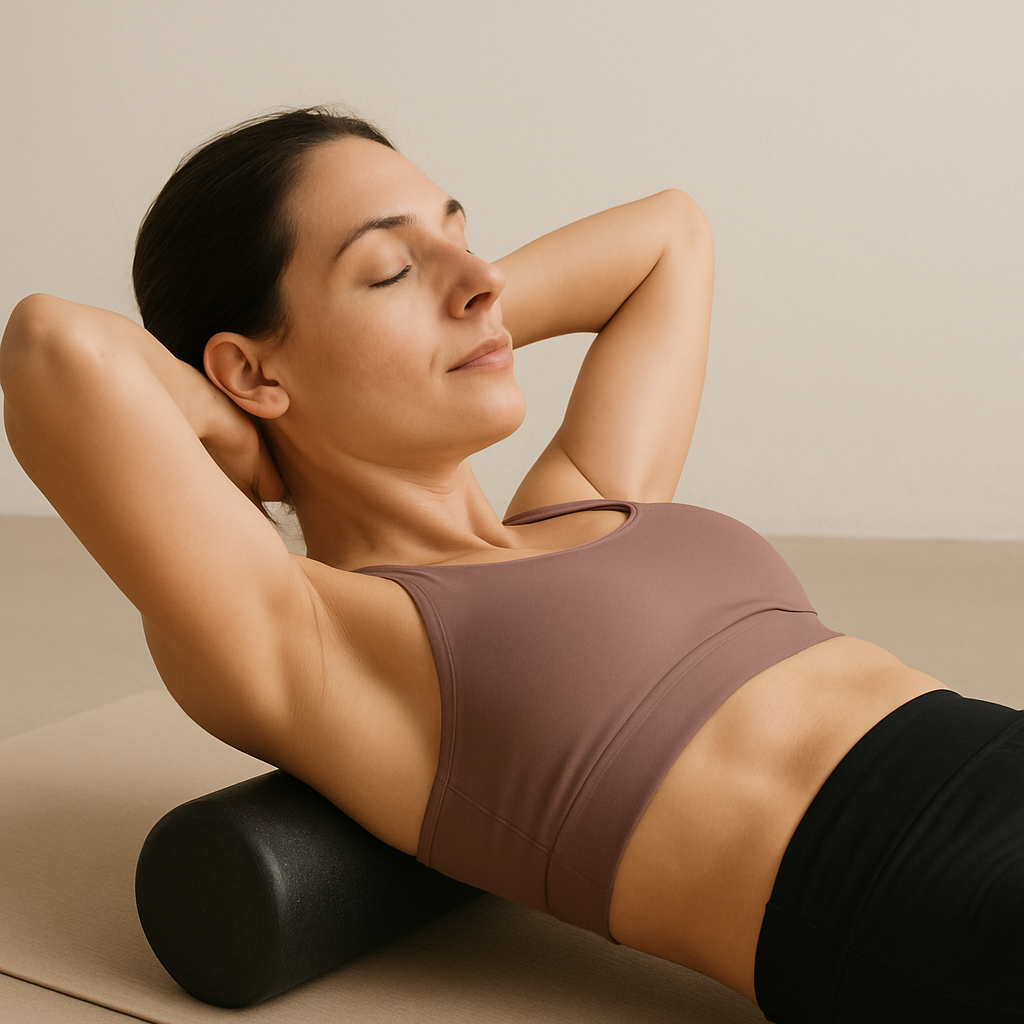
Lymphatic drainage can be performed by trained massage therapists and is often integrated into holistic health practices. Sessions typically last between 30 to 90 minutes, depending on individual needs. For self-care, individuals may learn gentle self-massage techniques to perform at home, though it is advisable to consult with a professional initially.
Safety, Contraindications & Interactions
While lymphatic drainage is generally safe for most individuals, certain contraindications exist. It is not recommended for those with:
- Acute infections
- Severe heart problems
- Blood clots
- Kidney issues
- Active cancer without medical supervision
Individuals taking anticoagulant medications should consult a healthcare provider prior to receiving lymphatic drainage therapy, as it could influence blood flow and clotting factors.
Pairs Well With
Lymphatic drainage can be effectively combined with other natural remedies such as:
- Herbal teas that support detoxification, like dandelion (Taraxacum officinale) or nettle (Urtica dioica).
- Aromatherapy using essential oils like lemon or grapefruit that may enhance lymphatic function.
- Regular exercise to promote overall circulation and lymphatic health.
- Hydration practices, including drinking plenty of water to support lymph fluid balance.
FAQs (5)
- What is lymphatic drainage massage? Lymphatic drainage massage is a gentle technique aimed at stimulating the flow of lymph fluid to promote detoxification and immune function.
- How often should I have lymphatic drainage? Frequency can vary based on individual needs, but many find benefits from sessions every few weeks to once a month.
- Can I perform lymphatic drainage on myself? Yes, gentle self-massage techniques can be learned, but it is advisable to consult a professional for guidance initially.
- Is lymphatic drainage safe for everyone? While generally safe, individuals with certain health conditions should consult a healthcare provider before receiving treatment.
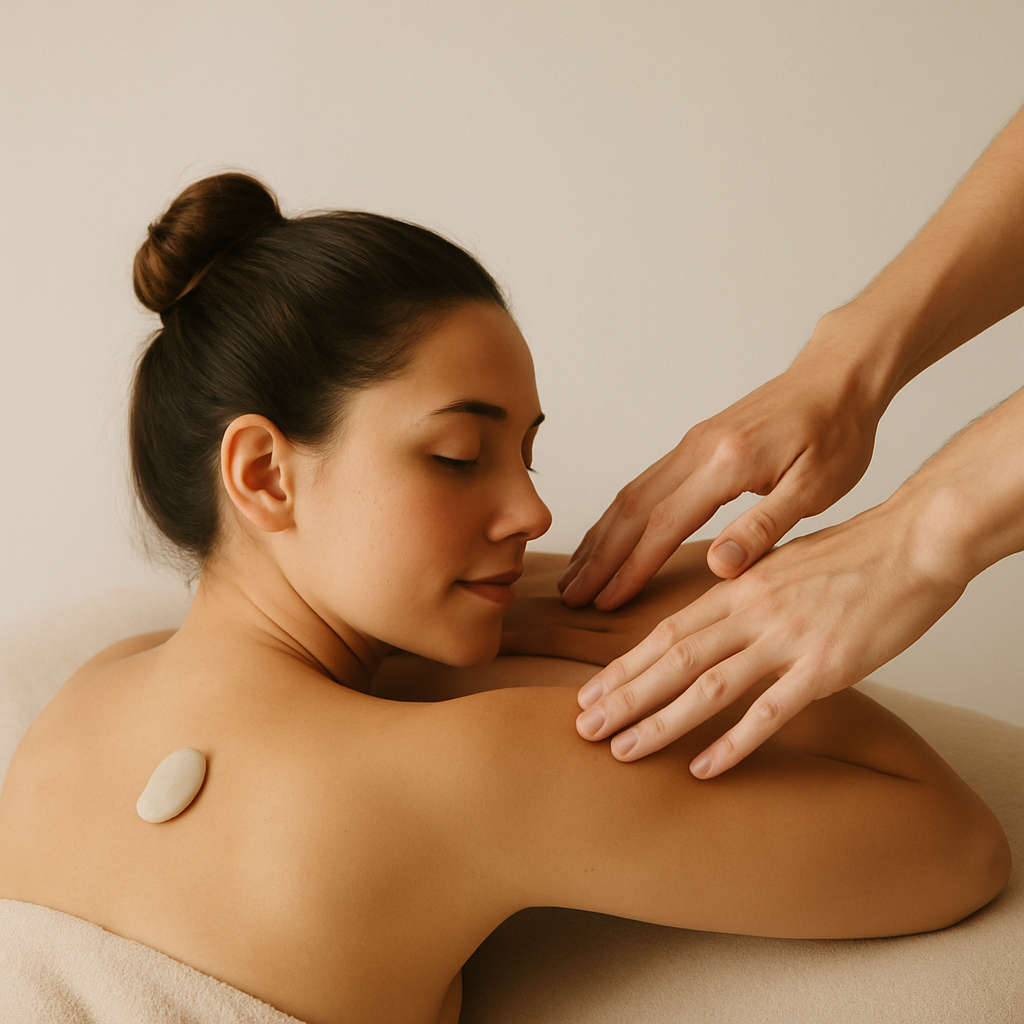
- What should I expect during a lymphatic drainage session? A lymphatic drainage session typically involves gentle, rhythmic strokes, and you may feel relaxed and rejuvenated afterward.
Frequently asked
What is lymphatic drainage massage?
Lymphatic drainage massage is a gentle technique aimed at stimulating the flow of lymph fluid to promote detoxification and immune function.
How often should I have lymphatic drainage?
Frequency can vary based on individual needs, but many find benefits from sessions every few weeks to once a month.
Can I perform lymphatic drainage on myself?
Yes, gentle self-massage techniques can be learned, but it is advisable to consult a professional for guidance initially.
Is lymphatic drainage safe for everyone?
While generally safe, individuals with certain health conditions should consult a healthcare provider before receiving treatment.
What should I expect during a lymphatic drainage session?
A lymphatic drainage session typically involves gentle, rhythmic strokes, and you may feel relaxed and rejuvenated afterward.