Relaxation Massage
Discover Relaxation Massage, its benefits, and how it supports overall well-being.
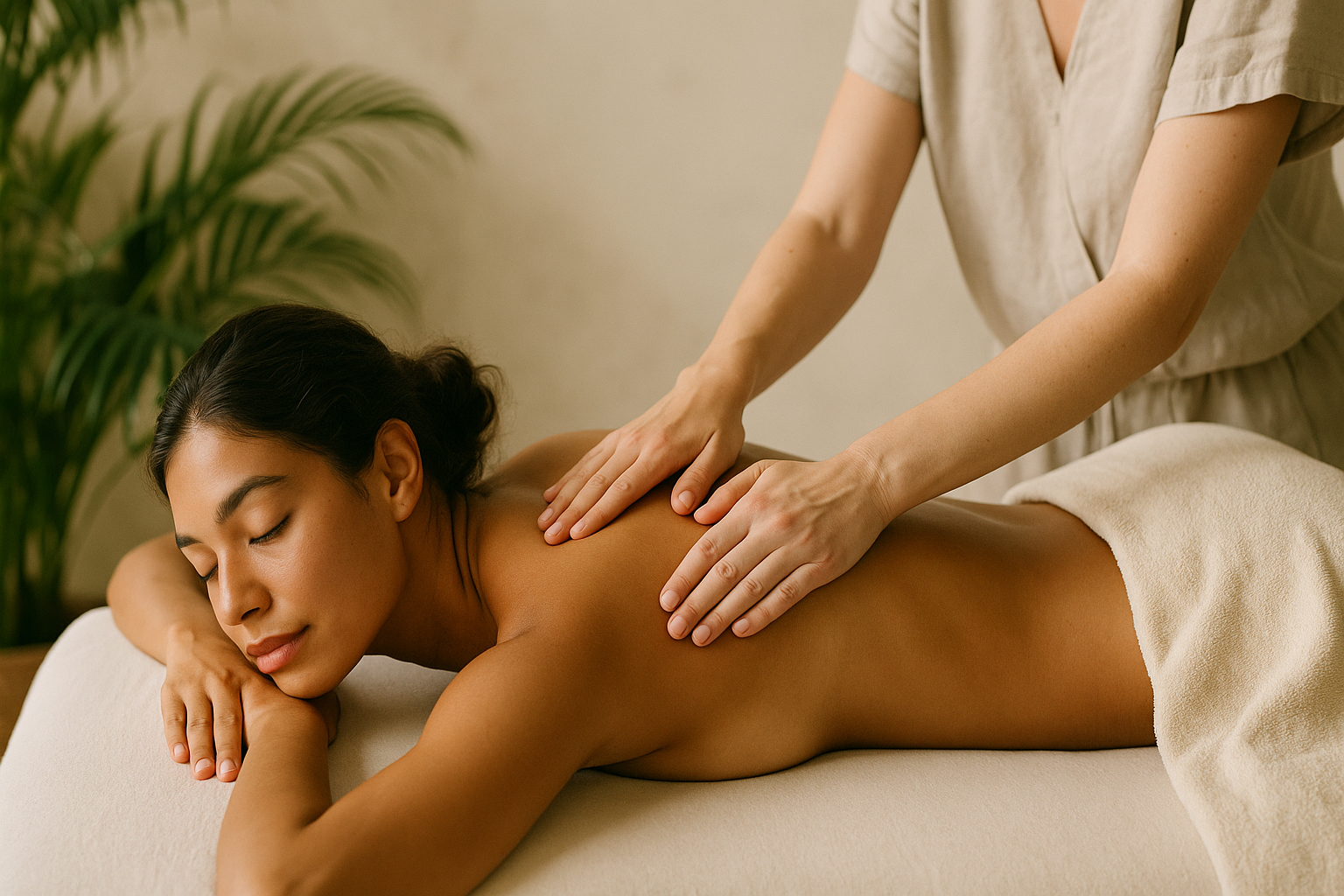
Explore the world of Relaxation Massage, a natural remedy for stress relief and well-being. Learn about its history, benefits, and how it supports various body systems.
What It Is
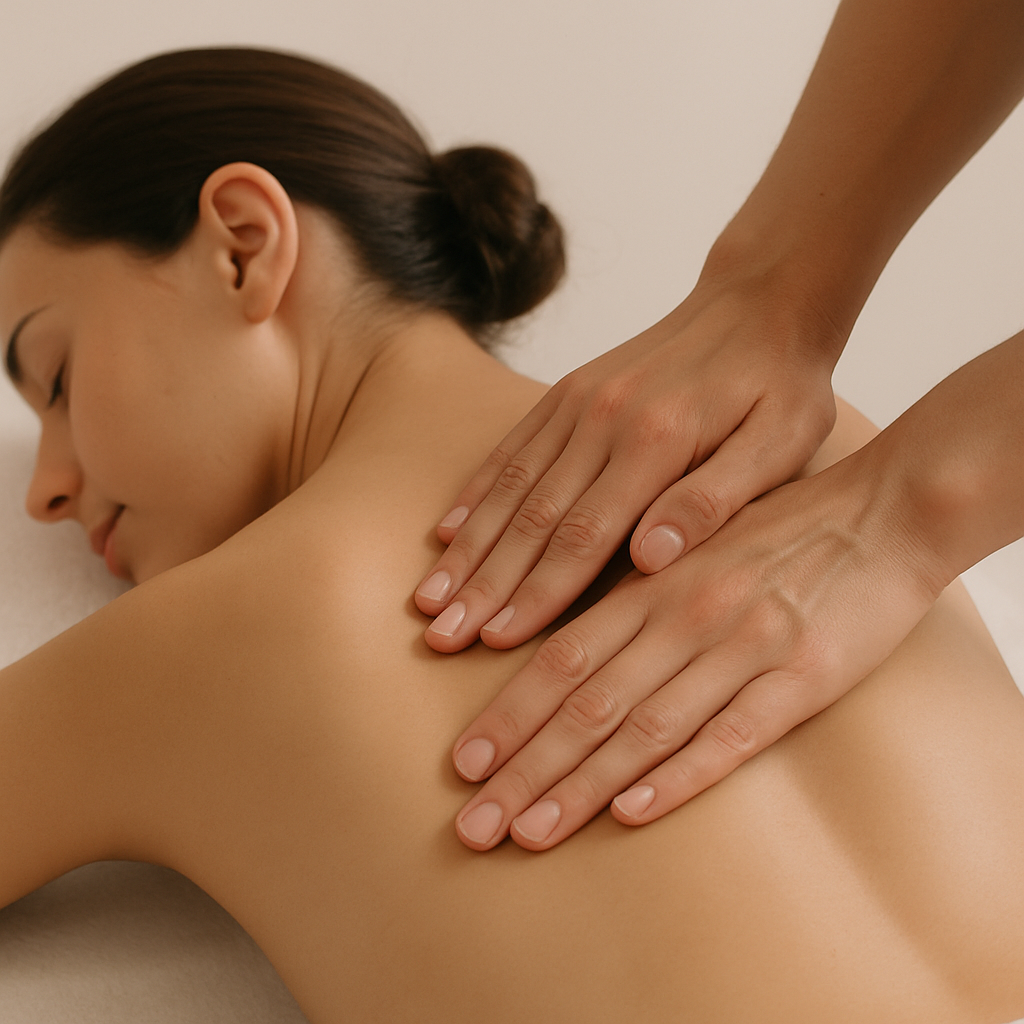
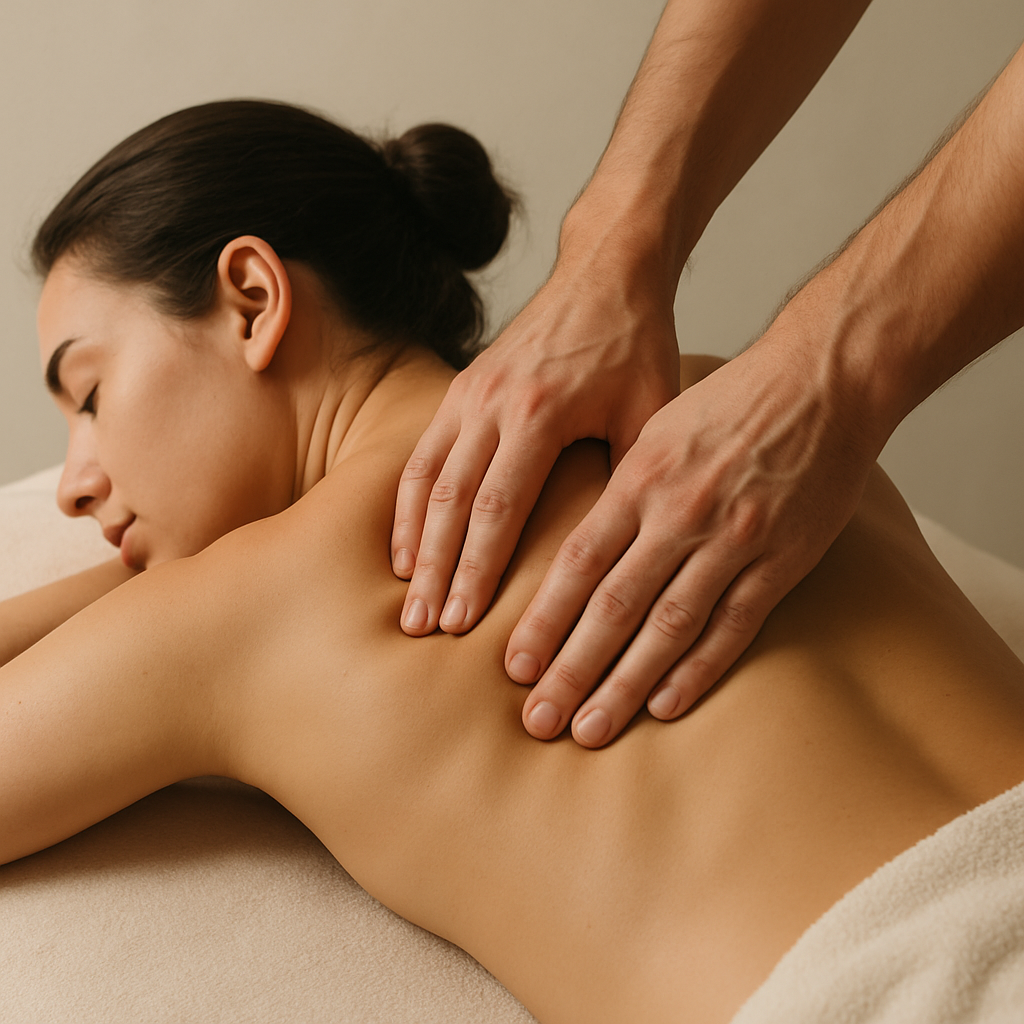
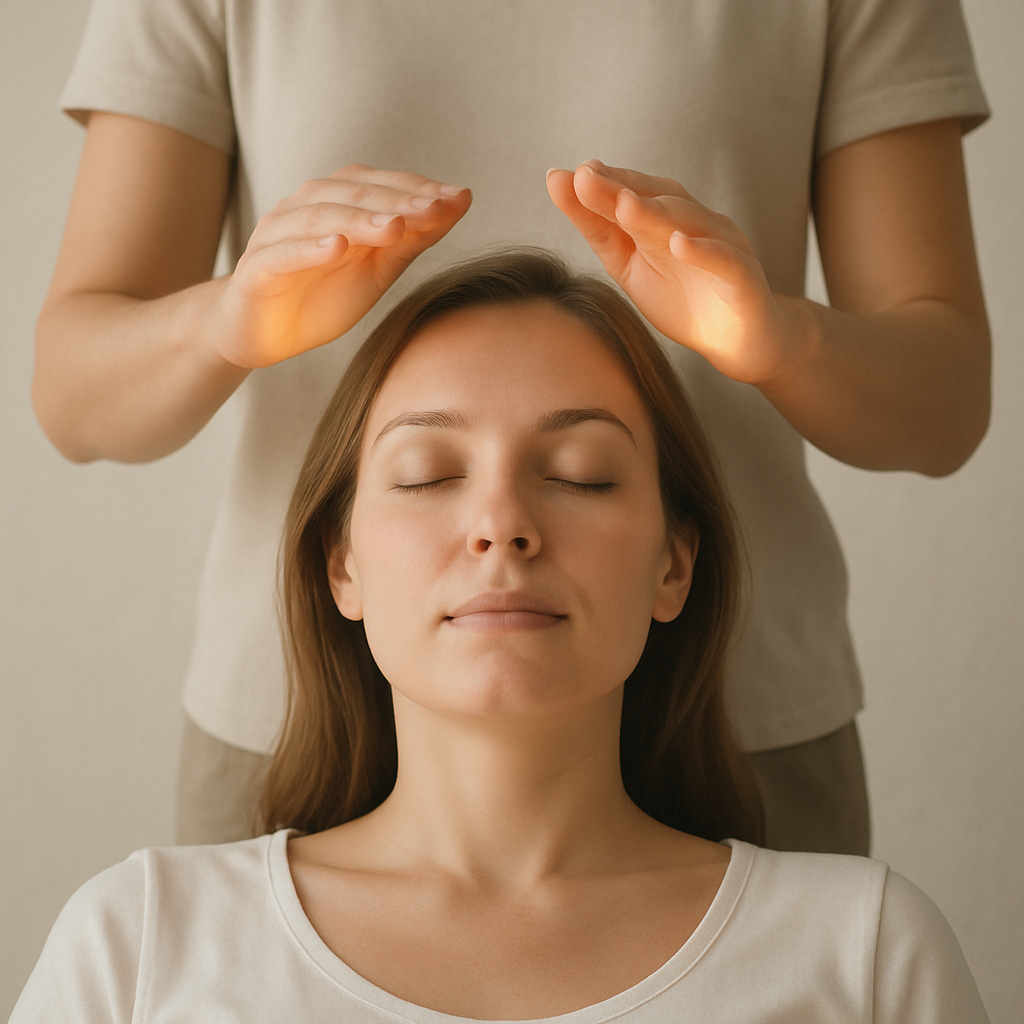
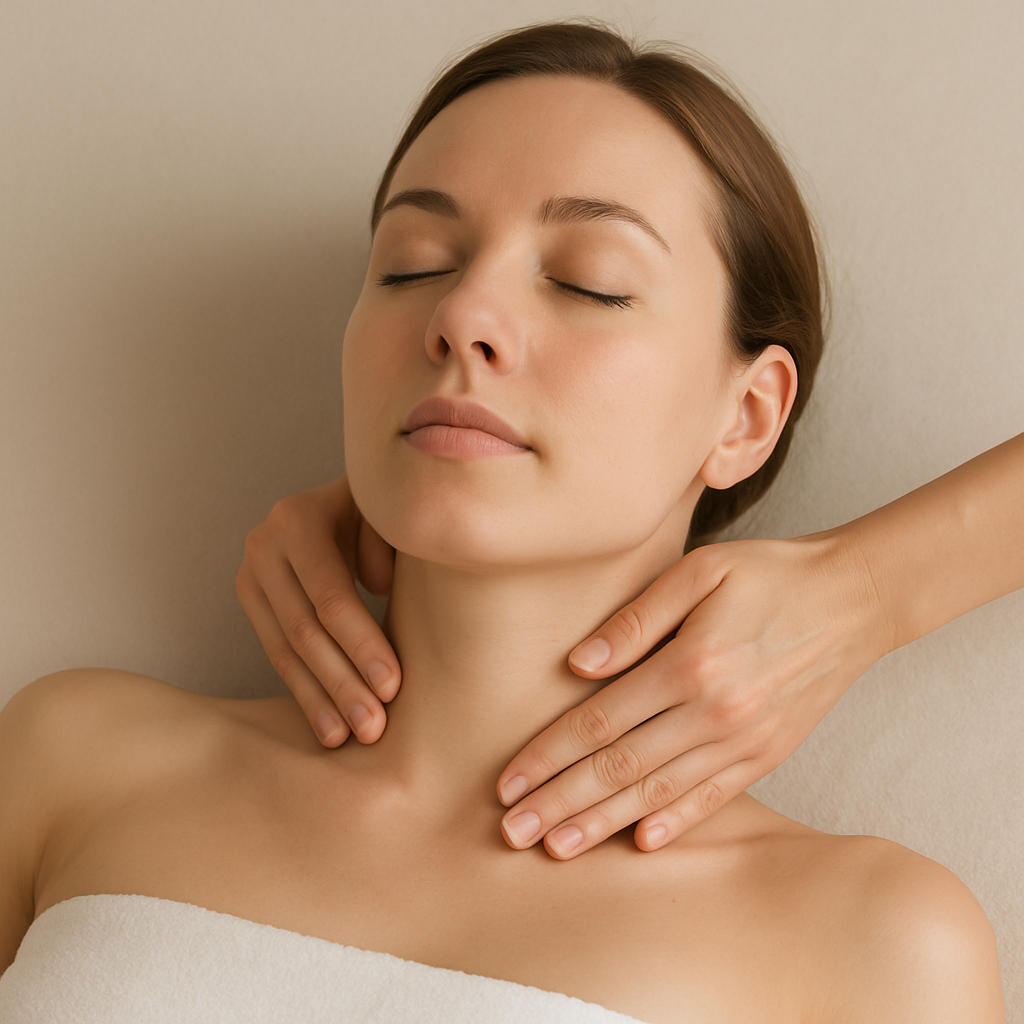
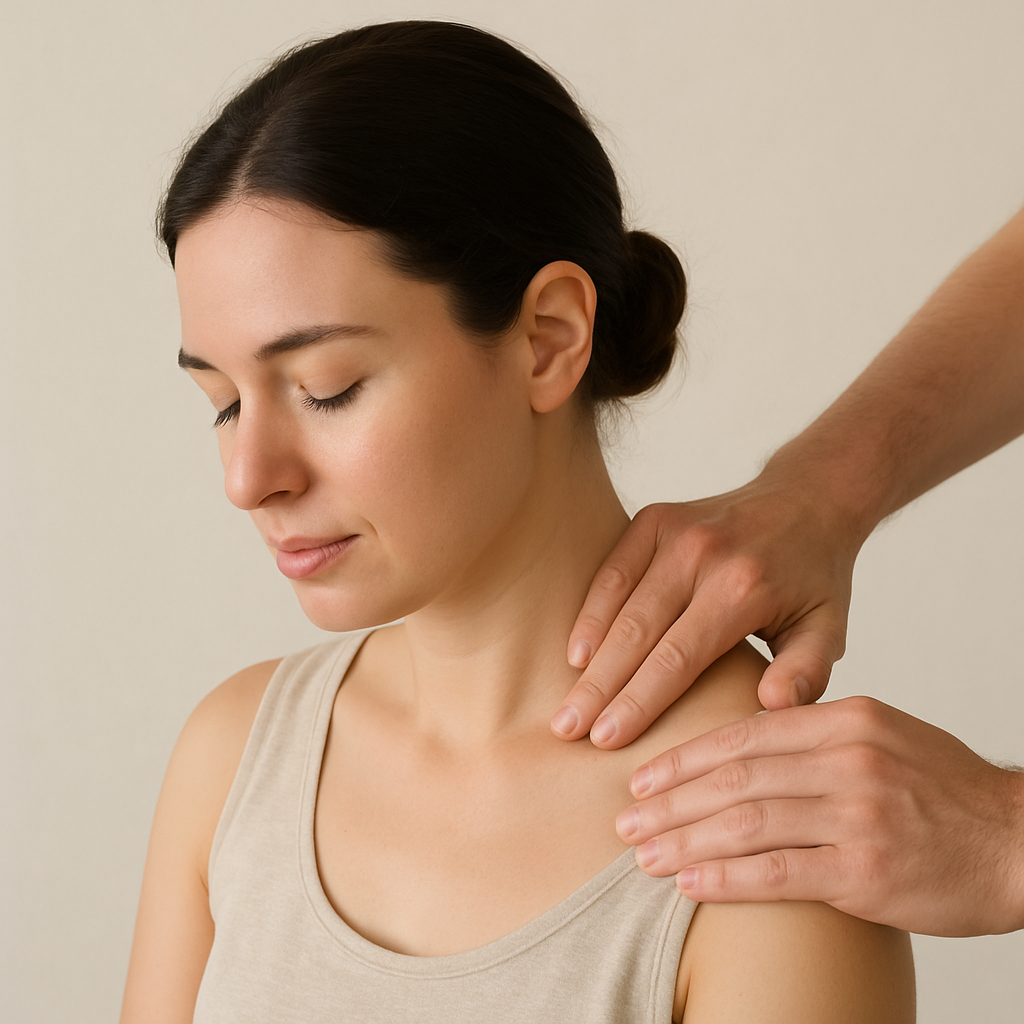
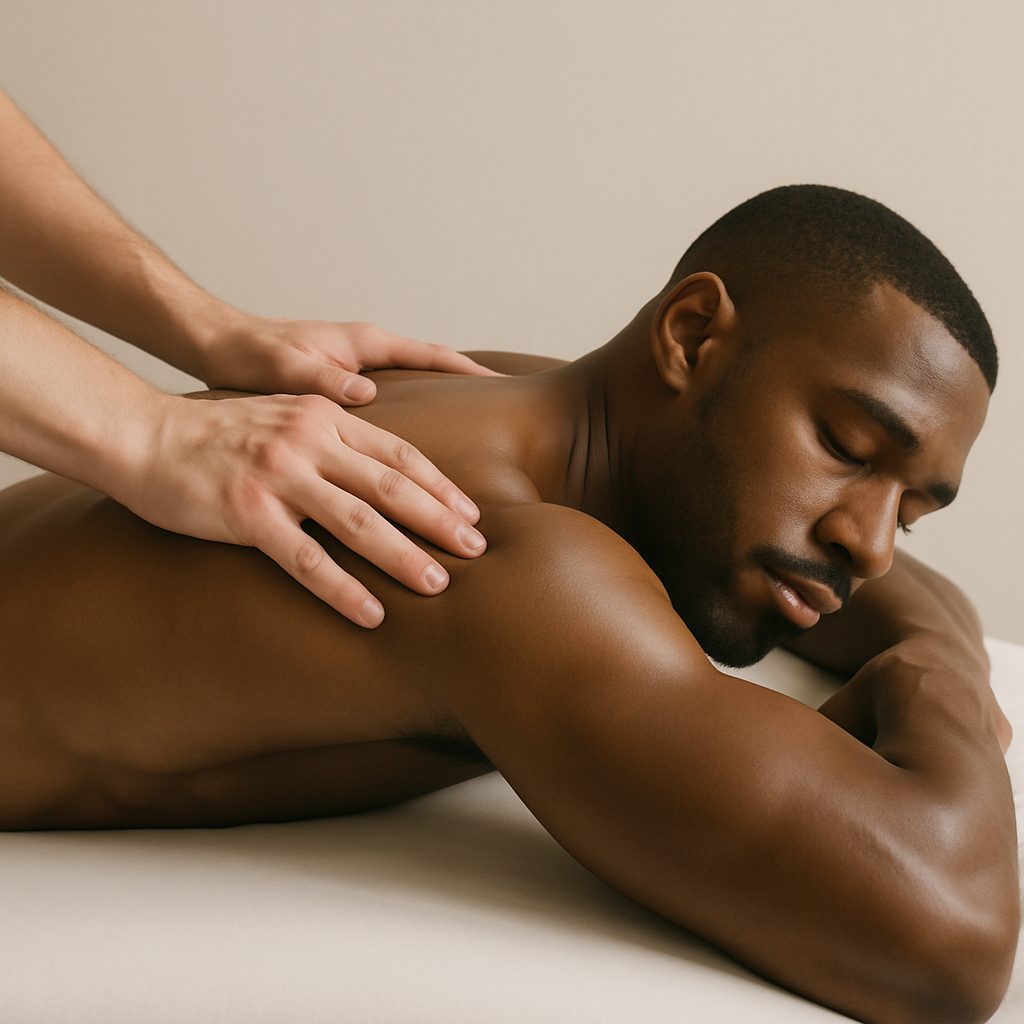
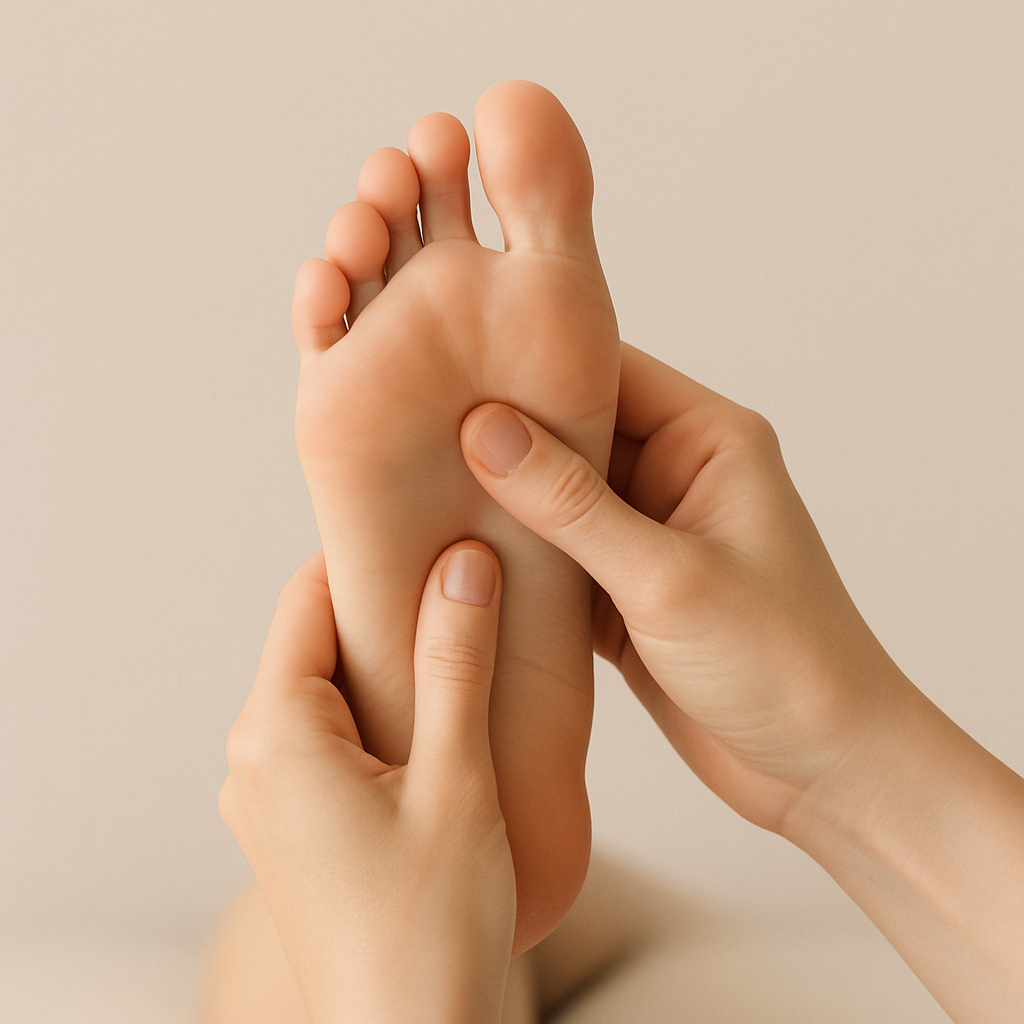
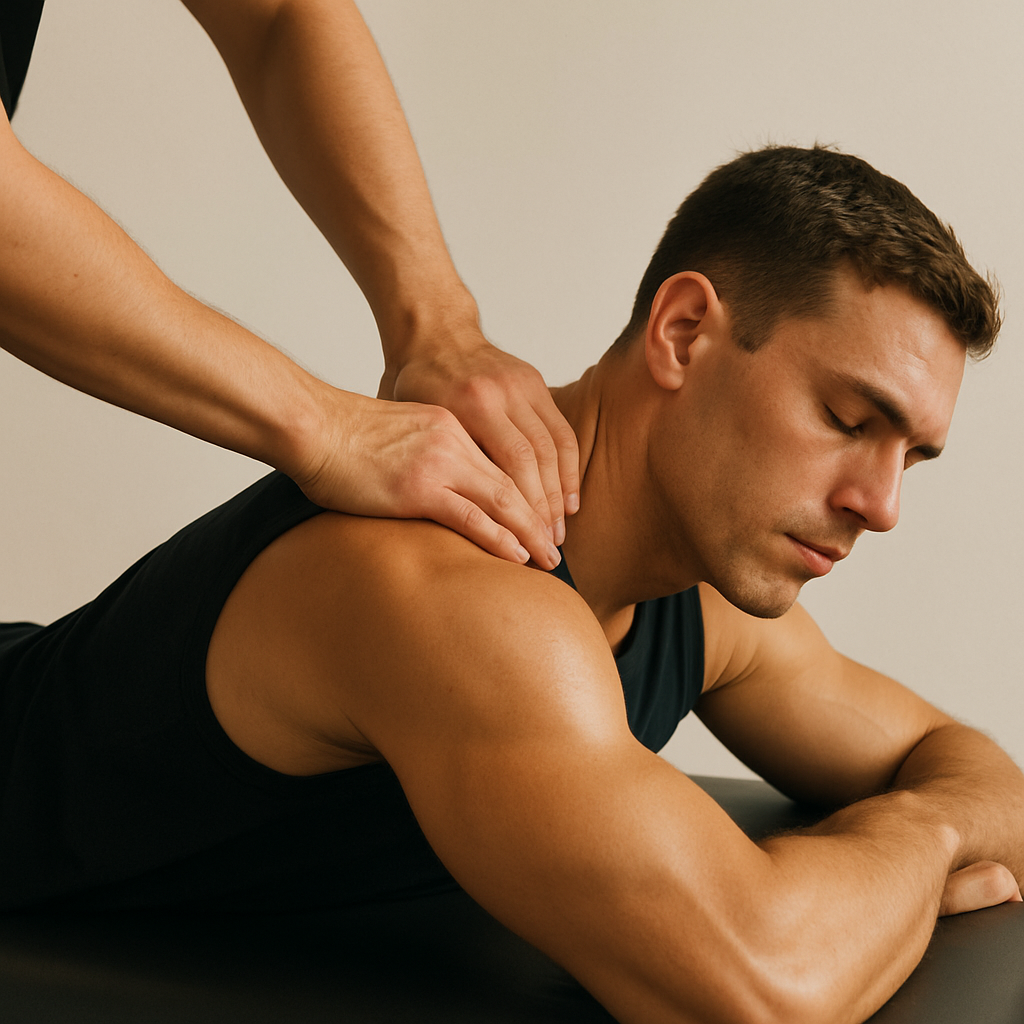
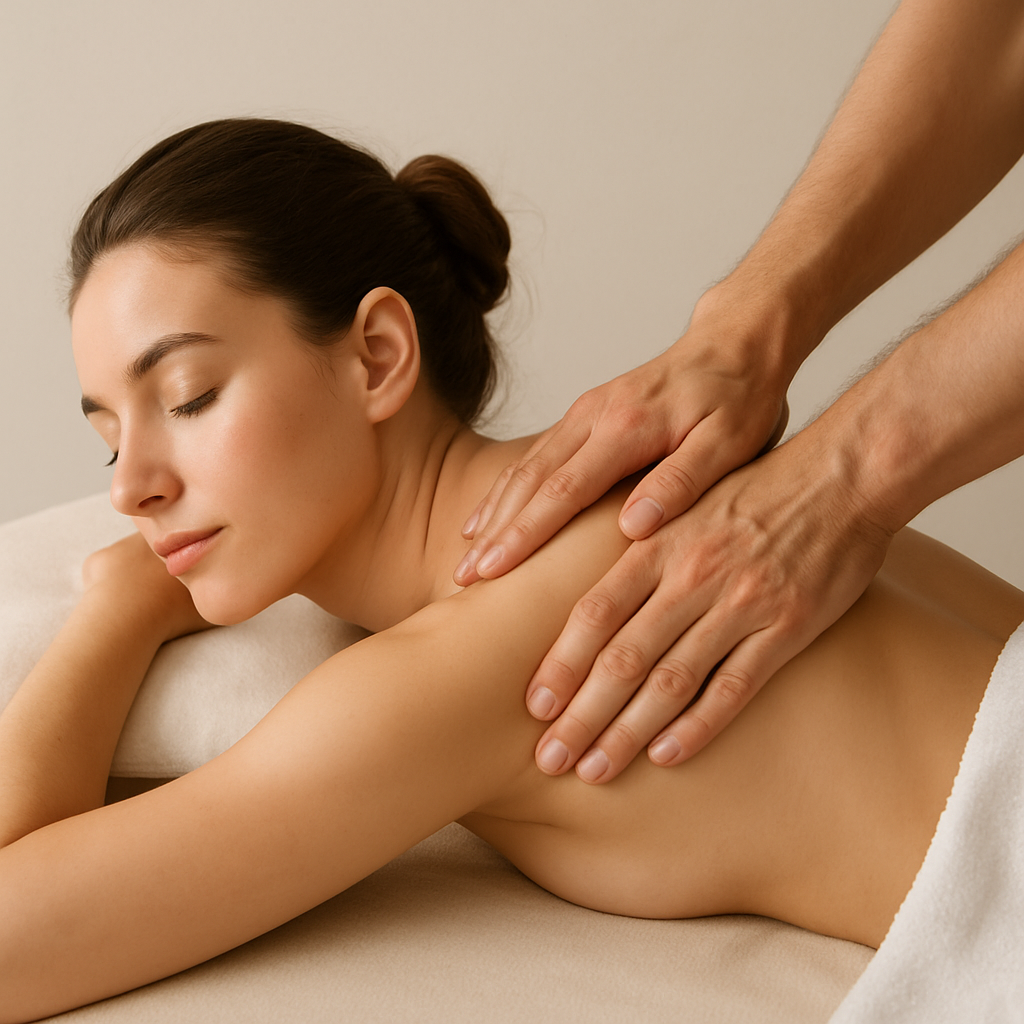
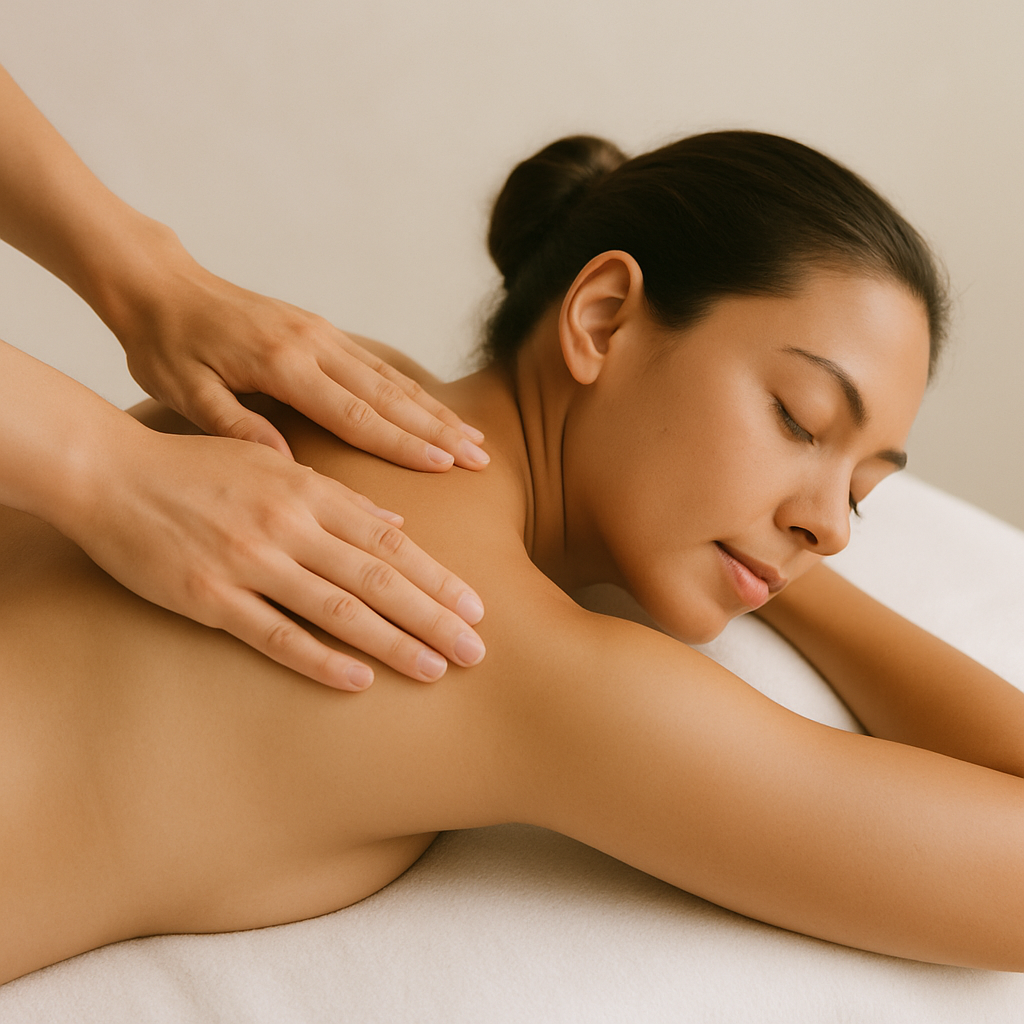
Relaxation massage is a therapeutic technique designed to promote relaxation and alleviate stress through gentle, soothing strokes. This form of massage focuses on the superficial layers of muscle and connective tissue, using various techniques such as kneading, long strokes, and gentle stretching. It aims to enhance blood circulation, reduce muscle tension, and encourage a sense of peace and tranquility.
Key Active Compounds & Mechanisms
While relaxation massage itself does not involve specific compounds in the same way herbal remedies do, its effectiveness can be attributed to psychological and physiological mechanisms. The primary mechanisms include:
- Reduction of Cortisol Levels: Massage has been shown to lower levels of cortisol, a hormone associated with stress.
- Increase in Serotonin and Dopamine: These neurotransmitters contribute to feelings of happiness and well-being, which are often elevated during and after a massage.
- Enhanced Blood Flow: The physical manipulation of muscles promotes increased blood circulation, facilitating the delivery of oxygen and nutrients to tissues.
Traditional Uses
Relaxation massage has roots in various ancient cultures, where it was used as a form of healing and relaxation. Historical accounts indicate that:
- In Ancient Egypt, massage was practiced as a method of rejuvenation and relaxation, often used in conjunction with aromatherapy.
- Traditional Chinese Medicine has emphasized the importance of touch and pressure in maintaining balance within the body, utilizing various massage techniques to promote health.
- In India, Ayurveda incorporates massage as a vital aspect of wellness, using oils and specific techniques to relieve stress and promote healing.
What Modern Research Suggests
Modern studies have begun to validate the benefits of relaxation massage, indicating it may:
- Improve mood and reduce anxiety levels.
- Enhance sleep quality, particularly in individuals with insomnia.
- Lower blood pressure and heart rate, contributing to overall cardiovascular health.
While more research is needed to understand the full extent of these benefits, preliminary findings suggest that regular relaxation massage can be an effective component of a holistic health regimen.
Functional Actions
The functional actions of relaxation massage include:
- Stress Relief: By promoting relaxation, it helps reduce stress levels significantly.
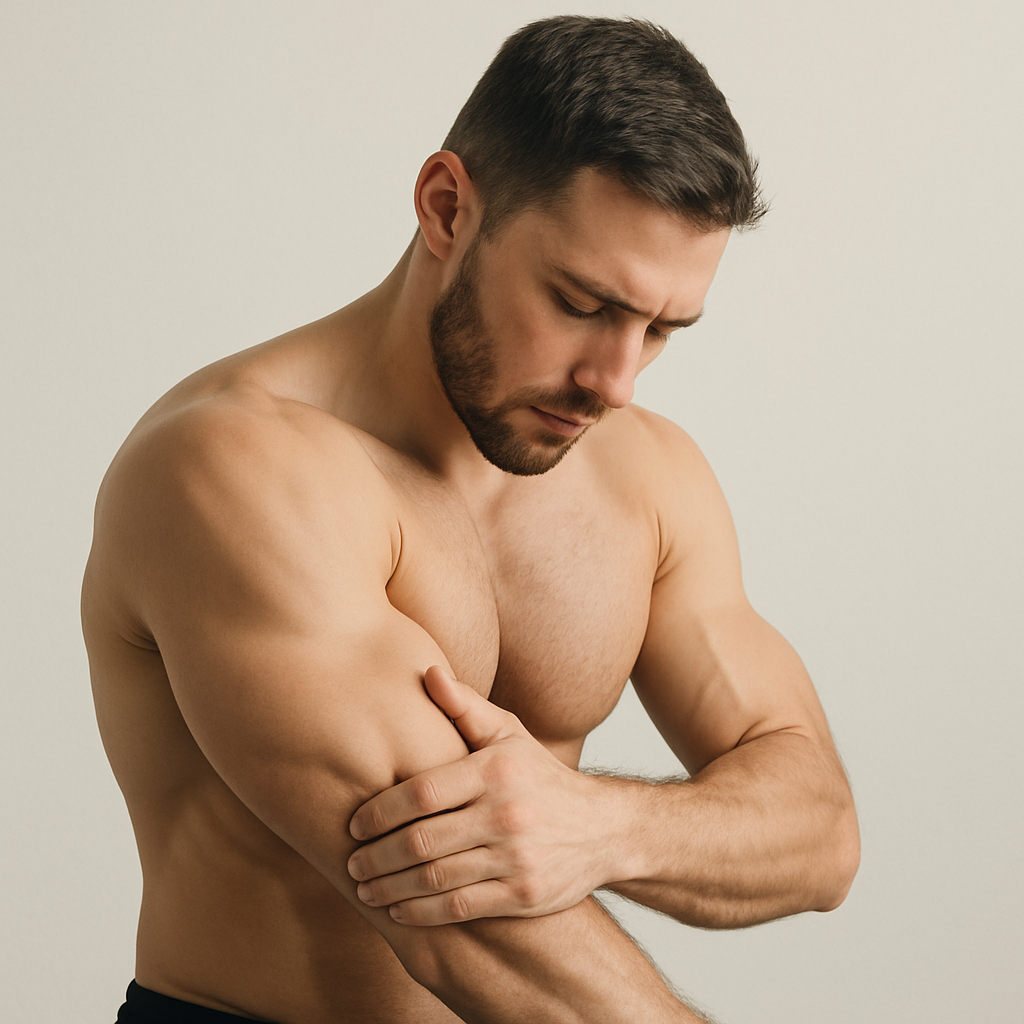
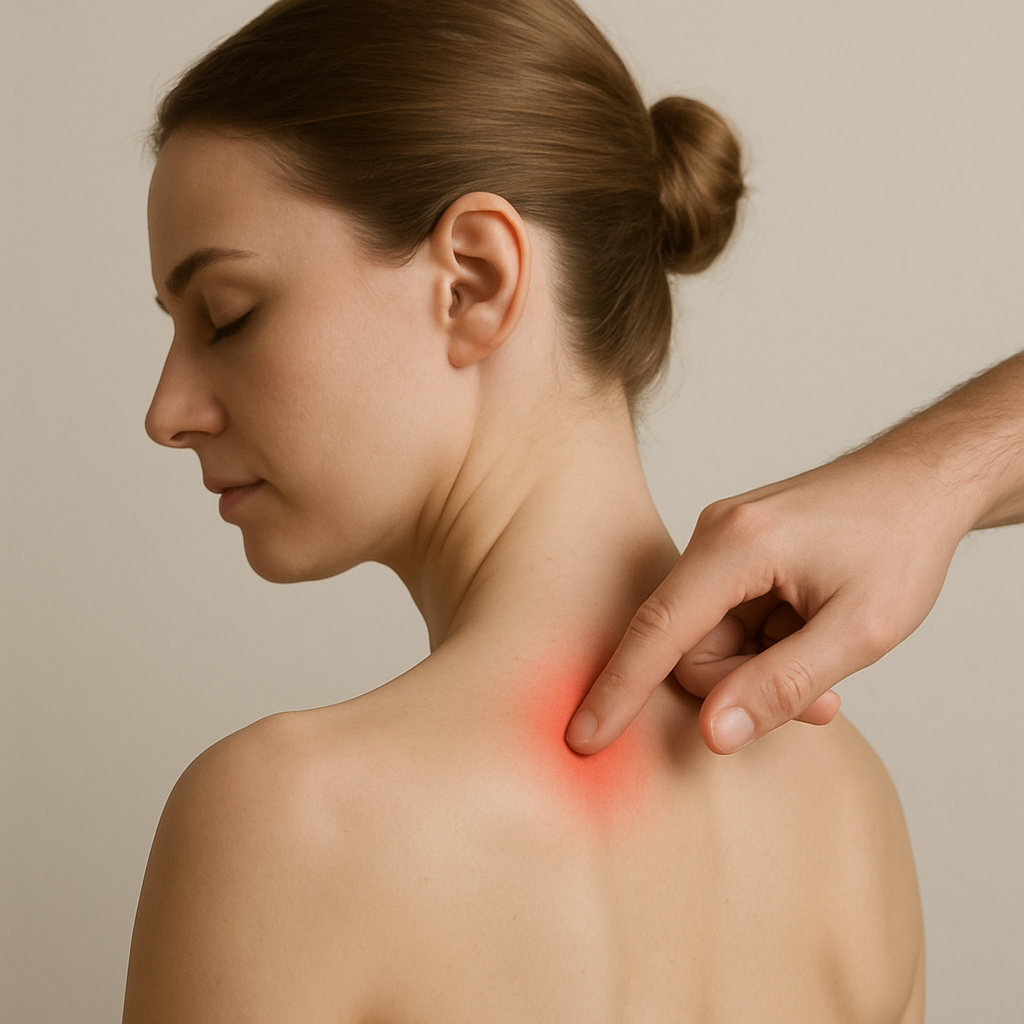
- Muscle Relaxation: The gentle techniques used in relaxation massage help alleviate tension in muscles.
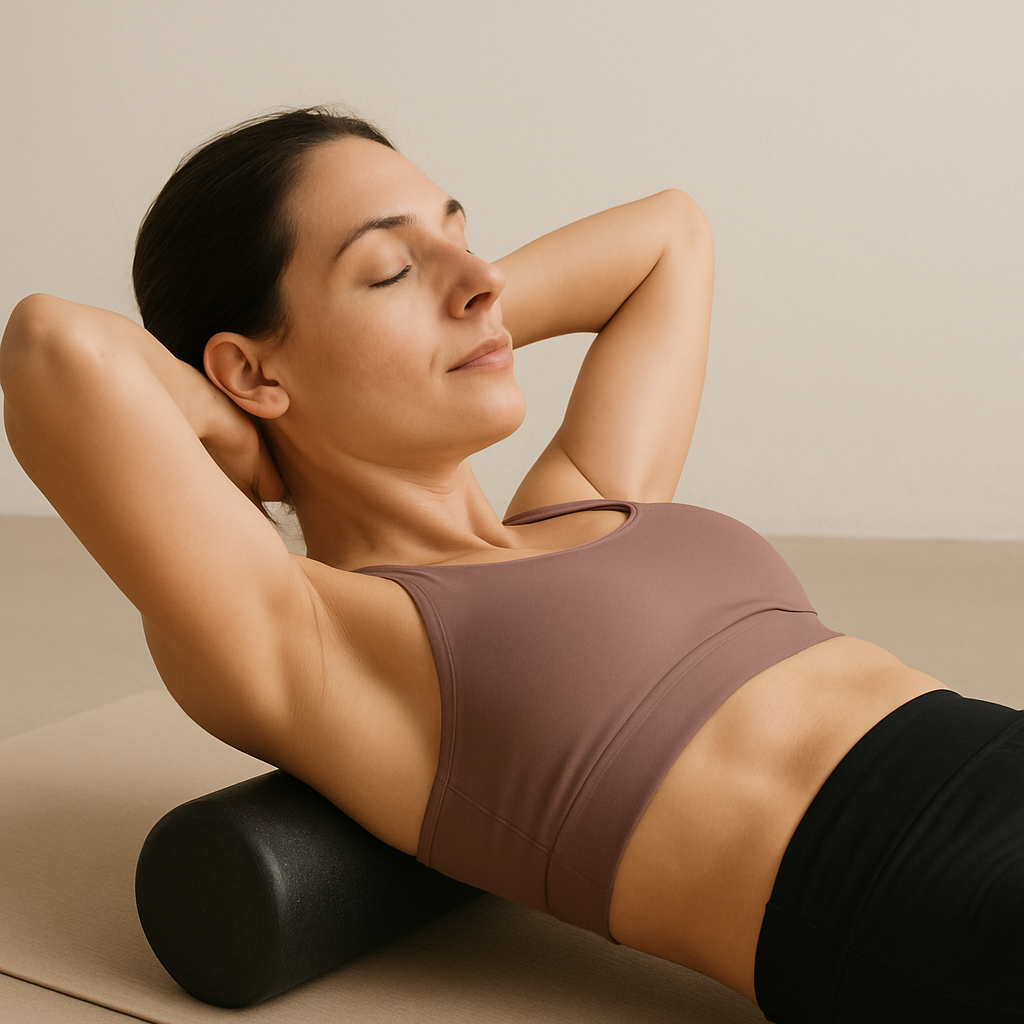
- Improved Flexibility: Regular sessions can enhance flexibility by stretching and loosening tight muscles.
Body Systems Supported
Relaxation massage supports several body systems, including:
- Nervous System: It calms the nervous system, reducing anxiety and promoting mental clarity.
- Musculoskeletal System: It helps relieve muscle tension and improves range of motion.
- Circulatory System: Enhances blood circulation and promotes lymphatic drainage.
Common Forms & Educational Dosing Ranges
Relaxation massage can be performed in various settings, including spas, wellness centers, and private practices. Common forms include:
- Swedish Massage: The most common form focusing on long strokes and kneading.
- Aromatherapy Massage: Incorporates essential oils to enhance relaxation.
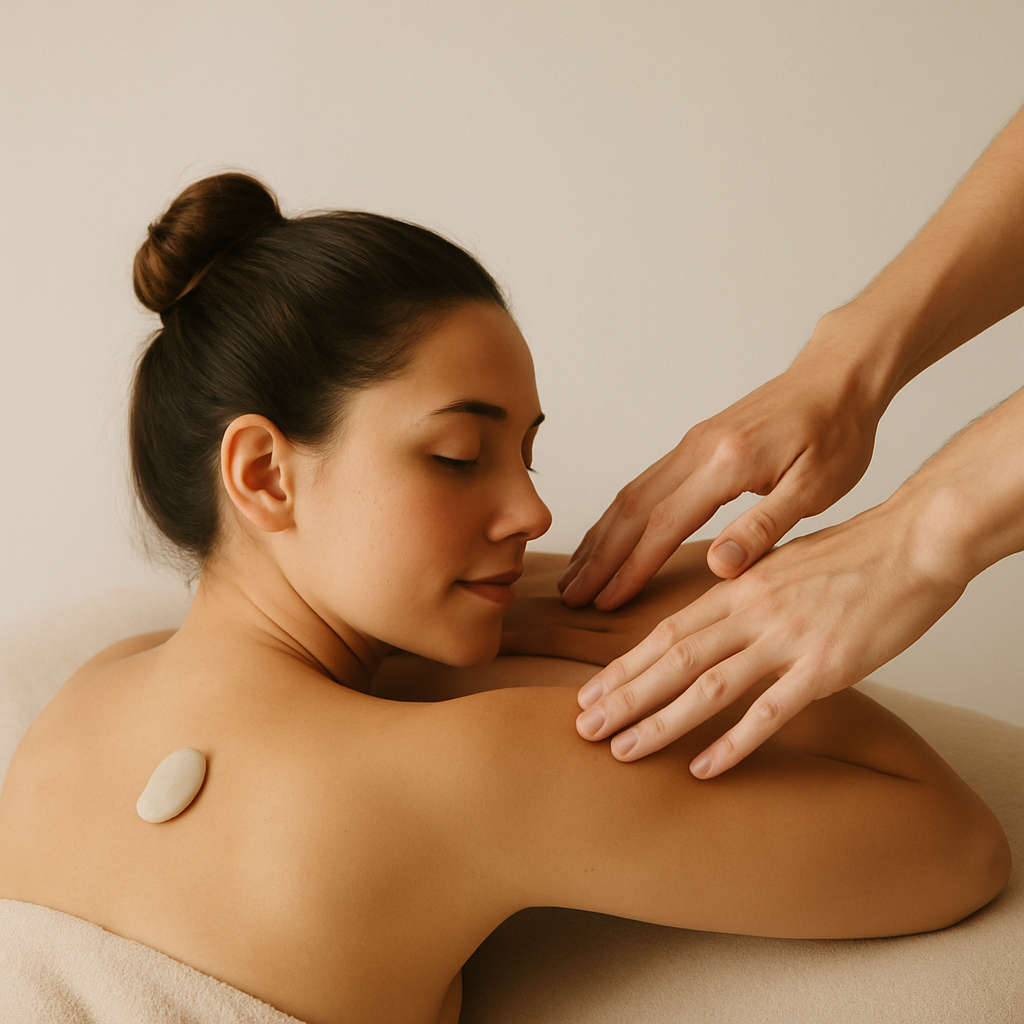
- Hot Stone Massage: Uses heated stones to promote deeper relaxation.
Educational dosing typically involves receiving a relaxation massage once a week or biweekly for optimal benefits, though individual preferences and needs may vary.
Safety, Contraindications & Interactions
While relaxation massage is generally safe for most individuals, certain contraindications include:
- Pregnancy: Consult a healthcare provider before receiving massage during pregnancy.
- Severe Osteoporosis: Individuals with this condition should avoid deep pressure techniques.
- Skin Conditions: Open wounds or infections can be aggravated by massage.
It is also important to inform the massage therapist of any medications being taken, as certain medications may affect how the body responds to massage. For instance, anticoagulants may increase bruising risk.
Pairs Well With
Relaxation massage pairs well with several complementary practices, including:
- Aromatherapy: Using essential oils can enhance the relaxation experience.
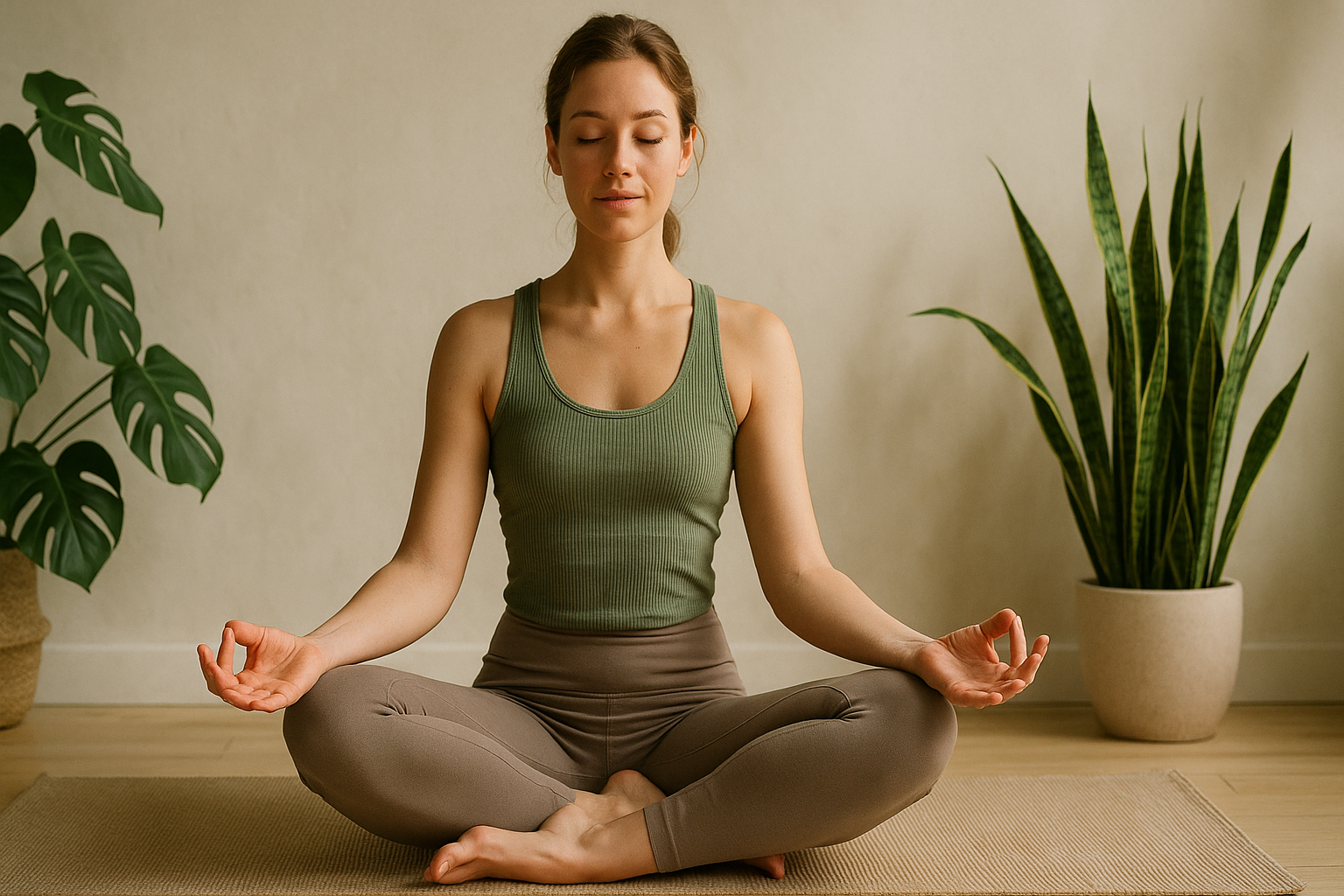
- Meditation: Combining massage with meditation can deepen relaxation and mental clarity.
- Yoga: Both practices promote flexibility and stress relief.
FAQs
1. How long does a relaxation massage typically last?
A relaxation massage usually lasts between 60 to 90 minutes, depending on individual preferences and the therapist's approach.
2. Can relaxation massage help with anxiety?
Yes, relaxation massage can significantly help reduce anxiety levels through its calming effects on the nervous system.
3. Is it necessary to undress for a relaxation massage?
While many clients choose to undress for comfort, a relaxation massage can be performed with the client fully clothed if preferred.
4. How often should I get a relaxation massage?
It is generally recommended to receive a relaxation massage once a week or biweekly for optimal benefits, but individual needs may vary.
5. Are there any side effects associated with relaxation massage?
While side effects are rare, some individuals may experience temporary soreness or sensitivity after a session. Staying hydrated can help mitigate this.
Frequently asked
How long does a relaxation massage typically last?
A relaxation massage usually lasts between 60 to 90 minutes, depending on individual preferences and the therapist's approach.
Can relaxation massage help with anxiety?
Yes, relaxation massage can significantly help reduce anxiety levels through its calming effects on the nervous system.
Is it necessary to undress for a relaxation massage?
While many clients choose to undress for comfort, a relaxation massage can be performed with the client fully clothed if preferred.
How often should I get a relaxation massage?
It is generally recommended to receive a relaxation massage once a week or biweekly for optimal benefits, but individual needs may vary.
Are there any side effects associated with relaxation massage?
While side effects are rare, some individuals may experience temporary soreness or sensitivity after a session. Staying hydrated can help mitigate this.