Deep Tissue Massage
Explore the benefits, traditional uses, and safety considerations of deep tissue massage, a natural remedy for muscle tension and pain relief.

Deep tissue massage is a technique that focuses on the deeper layers of muscle and connective tissue in the body, providing relief from chronic pain and muscle tension.
What It Is
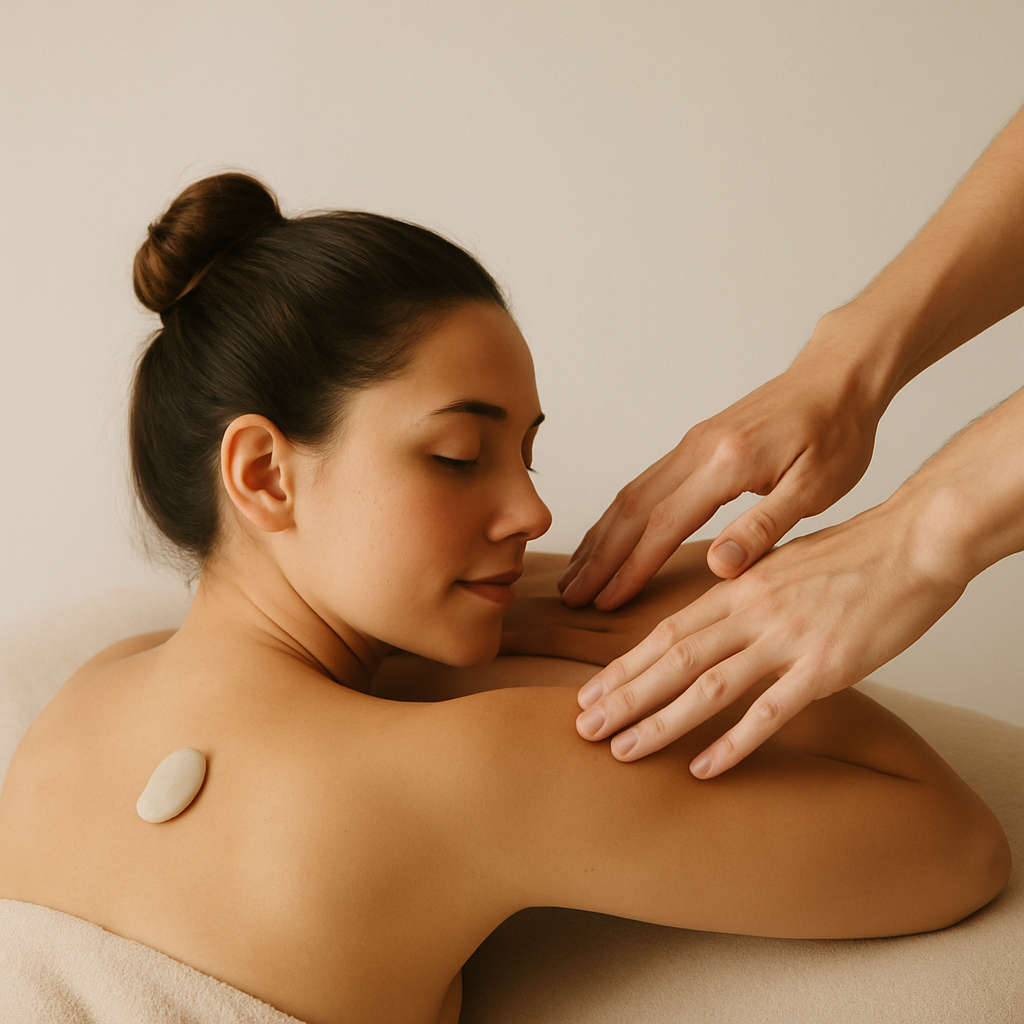
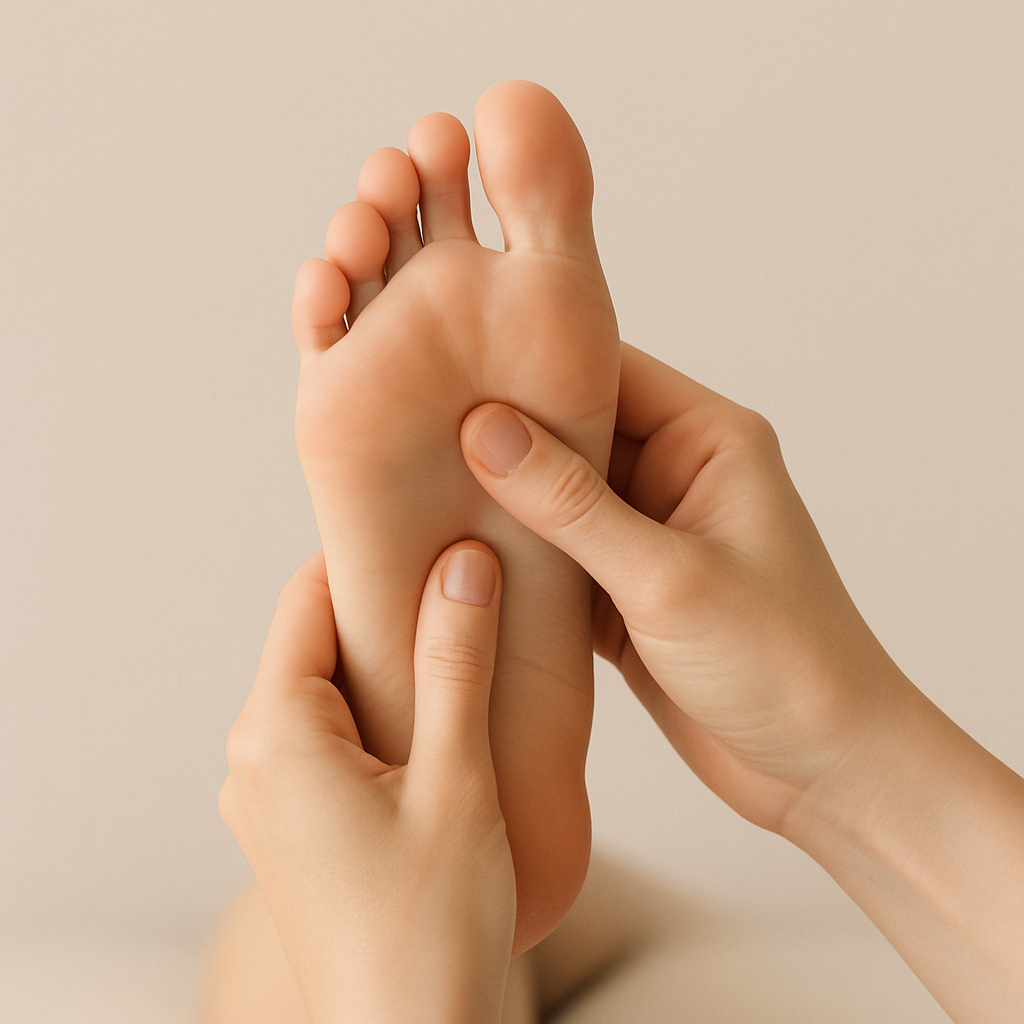
Deep tissue massage is a specialized form of therapeutic massage that targets the deeper layers of muscle and connective tissue in the body. It is particularly effective for relieving chronic pain, tension, and tightness in the muscles. Unlike traditional massage techniques that primarily focus on surface muscles, deep tissue massage employs slower strokes and deeper pressure. This allows the therapist to access the inner layers of muscle and fascia, facilitating the release of chronic muscle tension and promoting overall relaxation.
Key Active Compounds & Mechanisms
While deep tissue massage itself does not involve active compounds in the same way that herbal remedies do, its effectiveness lies in the mechanical stimulation it provides to the body. The pressure applied during the massage helps to:
- Increase blood circulation, which promotes healing and reduces inflammation.
- Break down adhesions and scar tissue, improving flexibility and range of motion.
- Stimulate the lymphatic system, aiding in detoxification.
These mechanisms contribute to the overall benefits experienced by individuals receiving deep tissue massage.
Traditional Uses
Historically, various cultures have utilized massage techniques for therapeutic purposes. In Ancient Egypt, massage was often employed for relaxation and to is traditionally explored for various ailments. Traditional Chinese Medicine has long recognized the importance of manipulating the body's energy (Qi) through massage and acupressure. In India, Ayurvedic practices have incorporated massage as a vital component of health and wellness, promoting balance within the body.
Deep tissue massage, while more contemporary in its specific application, draws from these ancient traditions, emphasizing the importance of touch and manipulation in healing practices.
What Modern Research Suggests
Modern research into deep tissue massage has produced promising results regarding its effectiveness for various conditions. Studies suggest that deep tissue massage may:
- Help reduce chronic lower back pain.
- Alleviate muscle tension and soreness.
- Improve recovery time after exercise.
- Enhance overall mood and reduce stress levels.
However, while these findings are encouraging, more extensive research is needed to fully understand the long-term effects and optimal applications of deep tissue massage.
Functional Actions
The functional actions of deep tissue massage include:
- Relieving muscle tension and stiffness.
- Improving circulation and lymphatic flow.
- Enhancing flexibility and range of motion.
- Reducing stress and promoting relaxation.
These actions contribute to the overall well-being of individuals who incorporate deep tissue massage into their wellness routines.
Body Systems Supported
Deep tissue massage primarily supports the following body systems:
- Musculoskeletal System: Provides relief from muscle tension and improves joint mobility.
- Circular System: Enhances blood flow and oxygen delivery to tissues.
- Lymphatic System: Aids in detoxification and immune function.
By supporting these systems, deep tissue massage can play a vital role in maintaining overall health and wellness.
Common Forms & Educational Dosing Ranges
Deep tissue massage is typically administered by a trained massage therapist. Sessions can vary in duration, but the following guidelines may be useful:
- Session Length: 60 to 90 minutes is common for a deep tissue massage.
- Frequency: It is generally recommended to receive deep tissue massage once a week or every other week, depending on individual needs.
Always consult with a qualified practitioner to determine the most suitable approach for your specific situation.
Safety, Contraindications & Interactions
While deep tissue massage is generally safe for most individuals, there are some contraindications to consider. These include:
- Recent surgeries or injuries.
- Fractures or broken bones.
- Severe osteoporosis.
- Blood clotting disorders.
- Certain skin conditions.
Individuals taking blood-thinning medications or those with cardiovascular issues should consult their healthcare provider before undergoing deep tissue massage.
Pairs Well With
Deep tissue massage can be effectively paired with other natural remedies and wellness practices, such as:
- Yoga and stretching exercises for enhanced flexibility.
- Aromatherapy with essential oils to promote relaxation.
- Hydrotherapy for muscle relaxation and recovery.
Combining these practices can amplify the benefits of deep tissue massage and contribute to a holistic approach to wellness.
FAQs (5)
- What should I expect during a deep tissue massage? During a deep tissue massage, you can expect firm pressure applied to specific areas of tension. The therapist may use their elbows, forearms, and hands to reach deeper layers of muscle.
- Is deep tissue massage painful? Some discomfort may occur during the massage, especially in areas of tightness, but it should not be intolerable. Communicate with your therapist about your comfort level.
- How often should I get a deep tissue massage? Frequency can vary based on individual needs, but receiving a massage once a week or every other week is common for maintaining muscle health.
- Can deep tissue massage help with chronic pain? Yes, many individuals find relief from chronic pain conditions, such as lower back pain, through regular deep tissue massage.
- Are there any side effects of deep tissue massage? Some individuals may experience soreness or bruising in the days following a deep tissue massage, but this usually subsides quickly.
Frequently asked
What should I expect during a deep tissue massage?
During a deep tissue massage, you can expect firm pressure applied to specific areas of tension. The therapist may use their elbows, forearms, and hands to reach deeper layers of muscle.
Is deep tissue massage painful?
Some discomfort may occur during the massage, especially in areas of tightness, but it should not be intolerable. Communicate with your therapist about your comfort level.
How often should I get a deep tissue massage?
Frequency can vary based on individual needs, but receiving a massage once a week or every other week is common for maintaining muscle health.
Can deep tissue massage help with chronic pain?
Yes, many individuals find relief from chronic pain conditions, such as lower back pain, through regular deep tissue massage.
Are there any side effects of deep tissue massage?
Some individuals may experience soreness or bruising in the days following a deep tissue massage, but this usually subsides quickly.