Trigger Point Therapy
Learn about Trigger Point Therapy, its benefits, traditional uses, and modern research insights. Discover how to effectively incorporate this technique into your wellness routine.
Explore the holistic benefits of Trigger Point Therapy, a natural remedy that targets muscle tension and pain relief through specific pressure points. Discover its traditional uses, modern research insights, and practical applications for enhancing well-being.
What It Is
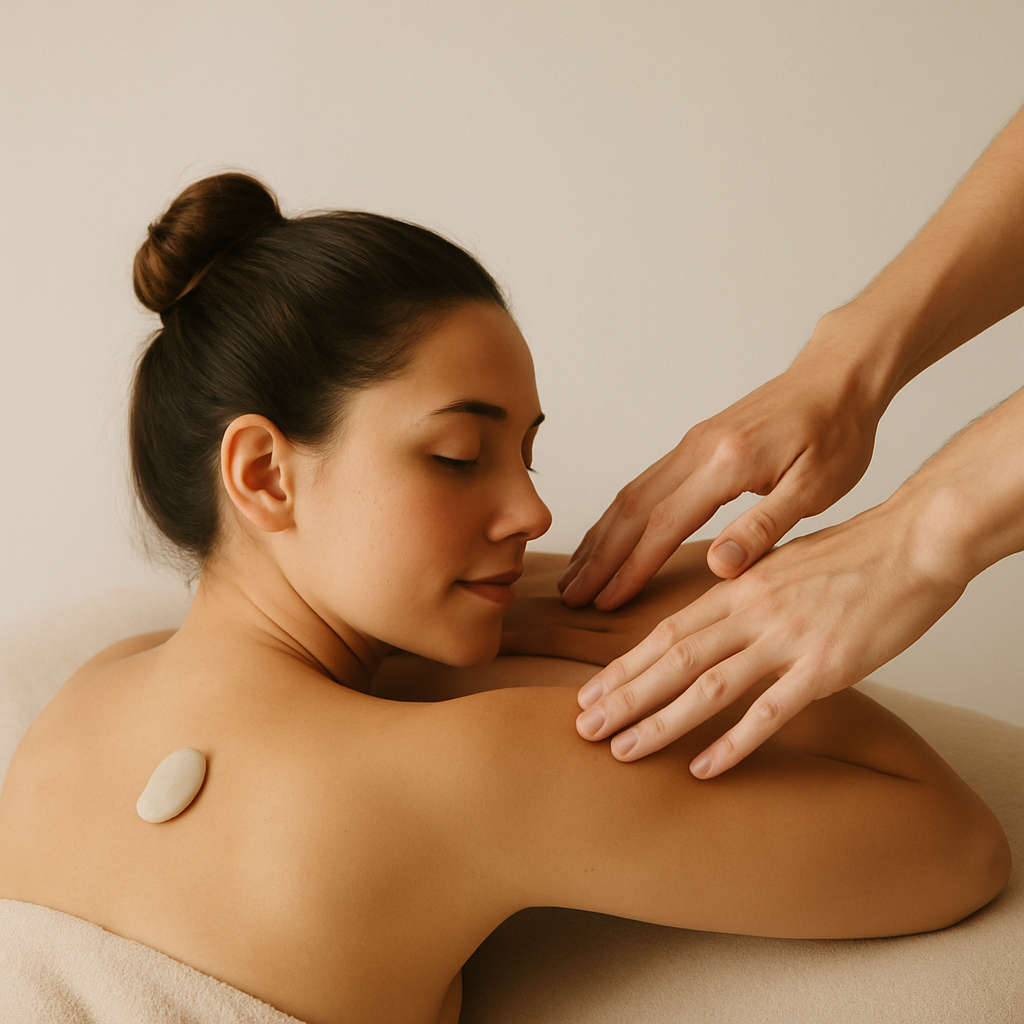
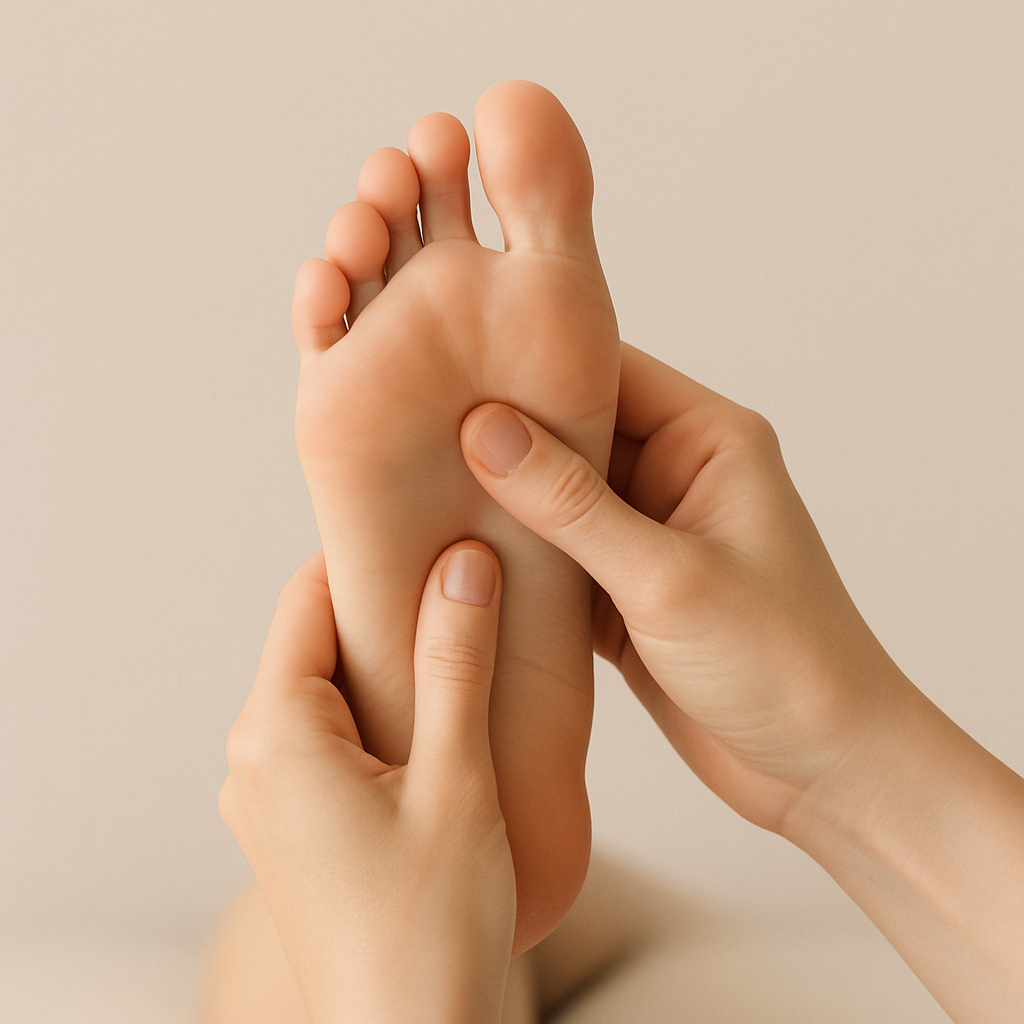
Trigger Point Therapy is a specialized form of massage therapy that focuses on alleviating pain and tension in specific areas of the body known as "trigger points." These points are hyperirritable spots in skeletal muscle that can result in pain, discomfort, and restricted movement. The therapy involves applying pressure to these points, aiming to release muscle knots and restore normal function. Trigger points can be caused by various factors, including muscle overuse, stress, and poor posture.
Key Active Compounds & Mechanisms
While Trigger Point Therapy does not involve the use of compounds in the same way as herbal medicine, its effectiveness relies on the body's inherent mechanisms of pain relief and muscle relaxation. The pressure applied during therapy stimulates blood flow to the affected area, promoting healing and reducing inflammation. Additionally, the release of endorphins during the massage can help alleviate pain and improve mood.
Traditional Uses
Historically, various cultures have utilized manual therapies that resemble Trigger Point Therapy. For instance, Traditional Chinese Medicine has long recognized the importance of meridians and acupressure points in treating pain and promoting overall health. Similarly, ancient Egyptian and Indian Ayurvedic practices included techniques that focused on relieving muscle tension and restoring balance within the body. These approaches emphasize the interconnectedness of physical and emotional well-being, a principle that aligns with the philosophy of Trigger Point Therapy.
What Modern Research Suggests
Modern studies on Trigger Point Therapy have shown promising results, particularly in the management of chronic pain. Research indicates that targeted pressure on trigger points can lead to significant reductions in pain and improvements in range of motion. Some studies also suggest that Trigger Point Therapy may be beneficial for conditions such as fibromyalgia, tension headaches, and myofascial pain syndrome. However, more extensive research is needed to fully understand its efficacy and mechanisms.
Functional Actions
The primary functional action of Trigger Point Therapy is pain relief through the release of muscle tension. By applying pressure to trigger points, the therapy promotes relaxation, reduces muscle tightness, and enhances blood circulation. Other benefits may include:
- Improved flexibility and range of motion
- Decreased muscle soreness
- Enhanced athletic performance
- Reduction in stress and anxiety levels
Body Systems Supported
Trigger Point Therapy primarily supports the musculoskeletal system, but its benefits extend to other body systems as well, including:
- Nervous System: Helps reduce stress and tension, promoting a state of relaxation.
- Circulatory System: Enhances blood flow, aiding in the delivery of oxygen and nutrients to tissues.
- Endocrine System: May influence hormone levels through stress reduction.
Common Forms & Educational Dosing Ranges
Trigger Point Therapy is typically delivered through hands-on techniques by trained practitioners. However, individuals can also learn self-massage techniques to manage trigger points at home. Here are some common forms:
- Manual Therapy: Performed by a massage therapist, focusing on specific trigger points.
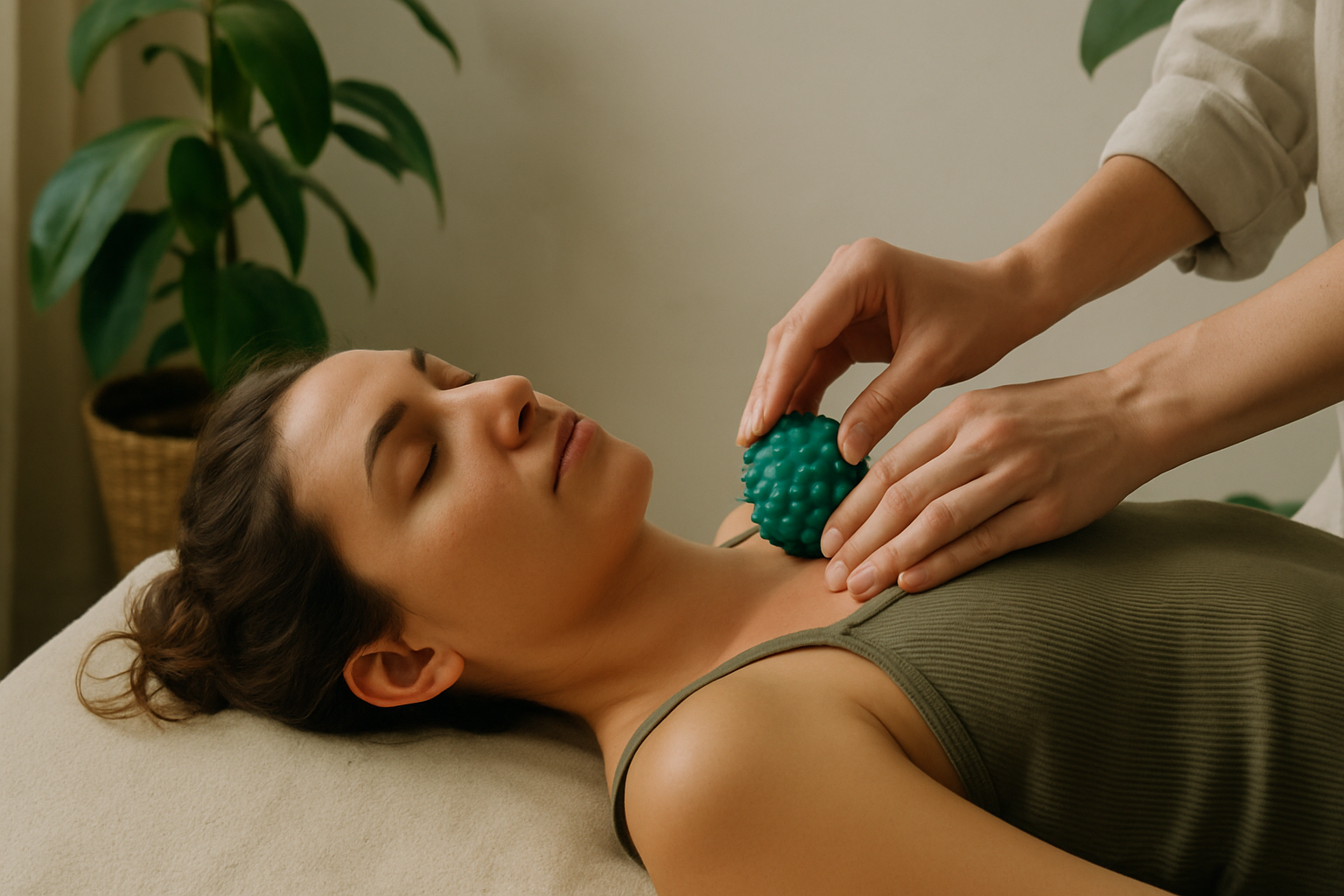
- Self-Massage Tools: Use of foam rollers, massage balls, or handheld devices to apply pressure.
- Stretching: Incorporating stretching exercises to complement trigger point release.
Safety, Contraindications & Interactions
Trigger Point Therapy is generally safe for most individuals, but certain precautions should be taken:
- Individuals with skin infections, open wounds, or severe bruising should avoid this therapy.
- Those with certain medical conditions, such as fractures, severe osteoporosis, or circulatory disorders, should consult with a healthcare professional before receiving treatment.
- Pregnant women should also seek guidance from a qualified practitioner.
Pairs Well With
To enhance the benefits of Trigger Point Therapy, consider combining it with:
- Yoga: Improves flexibility and promotes relaxation.
- Heat Therapy: Applying heat before or after a session can help relax muscles.
- Hydration: Staying well-hydrated supports muscle recovery and function.
FAQs (5)
- What is the duration of a typical Trigger Point Therapy session? Sessions typically last between 30 to 90 minutes, depending on individual needs.
- Is Trigger Point Therapy painful? While some discomfort may occur during the application of pressure, it should not be excessively painful. Communicating with your therapist about your comfort levels is essential.
- How often should I have Trigger Point Therapy? Frequency can vary based on individual needs but is often recommended once a week or as needed to manage pain.
- Can I perform Trigger Point Therapy on myself? Yes, self-massage techniques can be effective for managing trigger points at home. Tools like massage balls can aid in this process.
- Are there any side effects? Some individuals may experience temporary soreness or bruising after treatment, but these effects typically resolve quickly.
Frequently asked
What is the duration of a typical Trigger Point Therapy session?
Sessions typically last between 30 to 90 minutes, depending on individual needs.
Is Trigger Point Therapy painful?
While some discomfort may occur during the application of pressure, it should not be excessively painful. Communicating with your therapist about your comfort levels is essential.
How often should I have Trigger Point Therapy?
Frequency can vary based on individual needs but is often recommended once a week or as needed to manage pain.
Can I perform Trigger Point Therapy on myself?
Yes, self-massage techniques can be effective for managing trigger points at home. Tools like massage balls can aid in this process.
Are there any side effects?
Some individuals may experience temporary soreness or bruising after treatment, but these effects typically resolve quickly.