Pain Relief Therapy
Pain relief therapy encompasses various natural remedies, including massage techniques and herbal treatments that provide relief from discomfort.

Explore the world of pain relief therapy through massage and bodywork. Discover historical uses, modern research, and practical applications for natural remedies.
What It Is
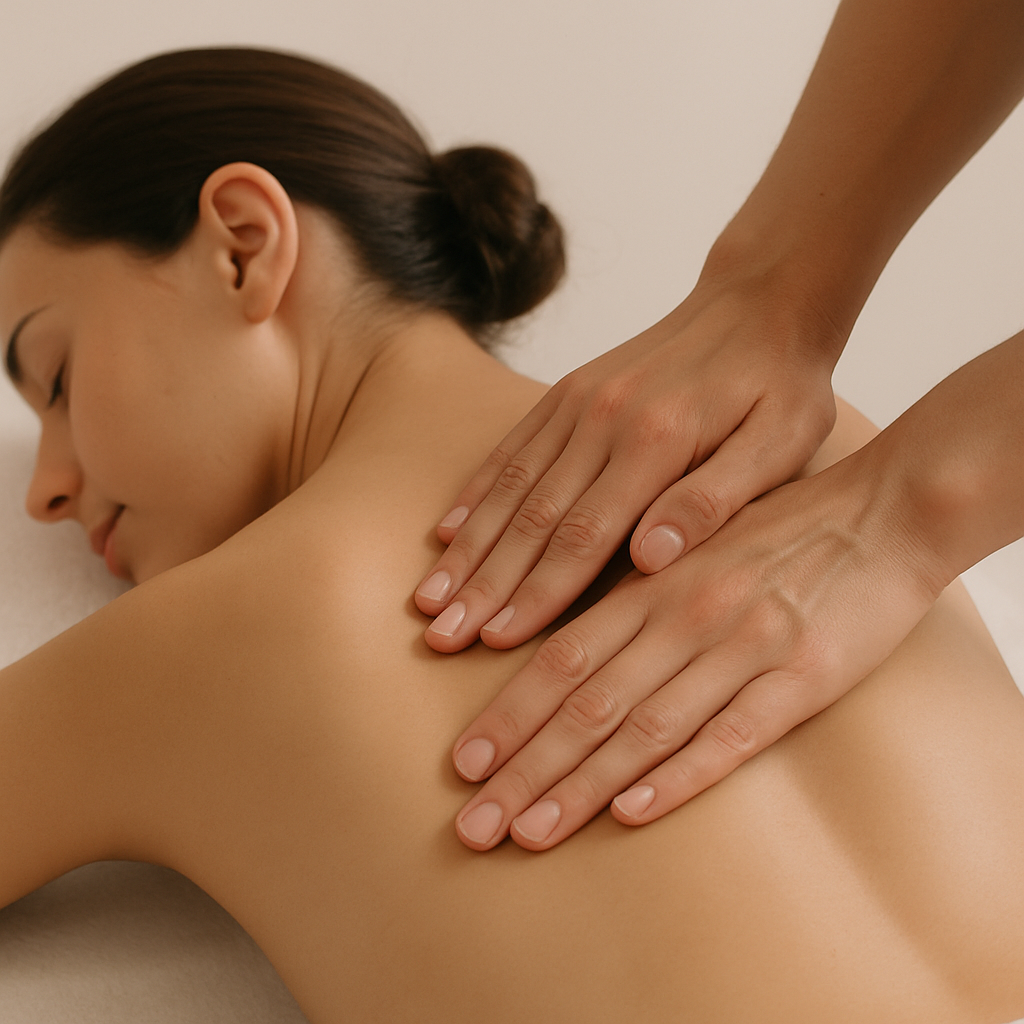
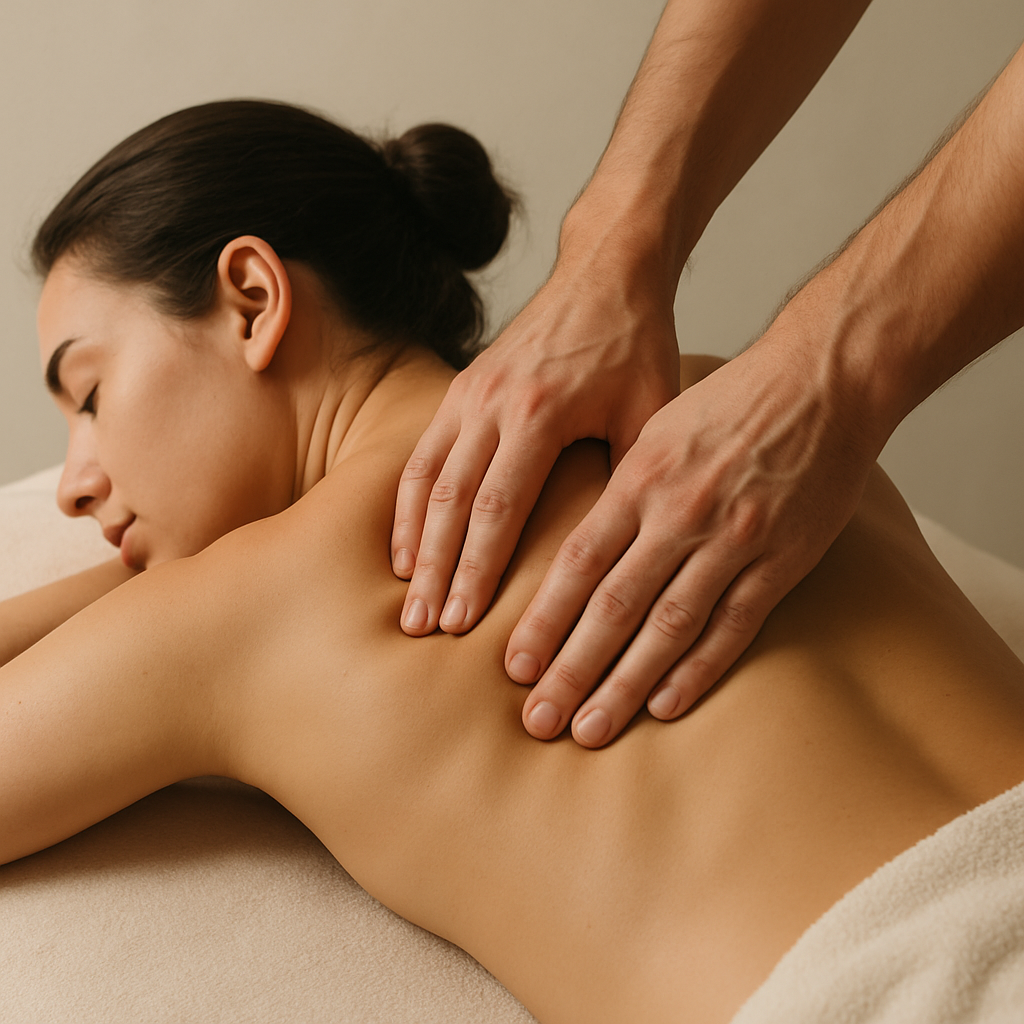
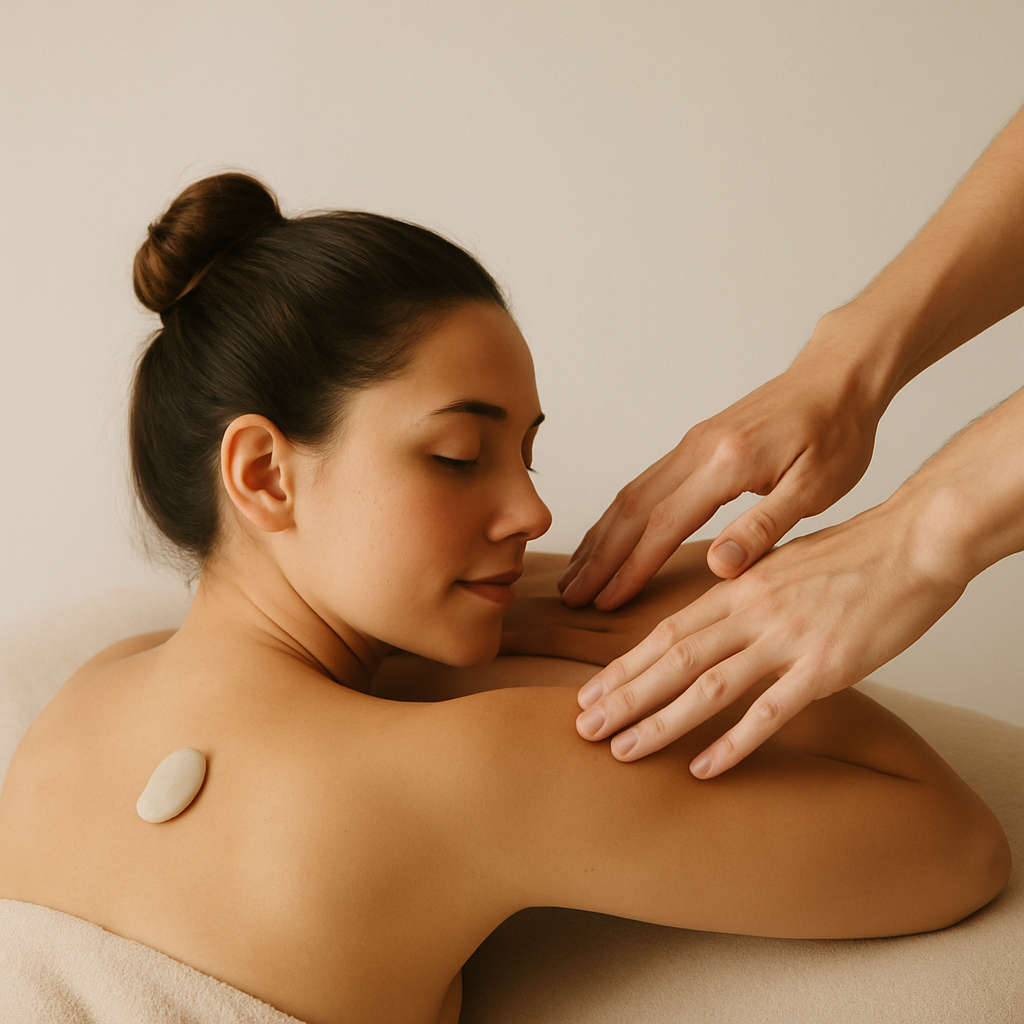
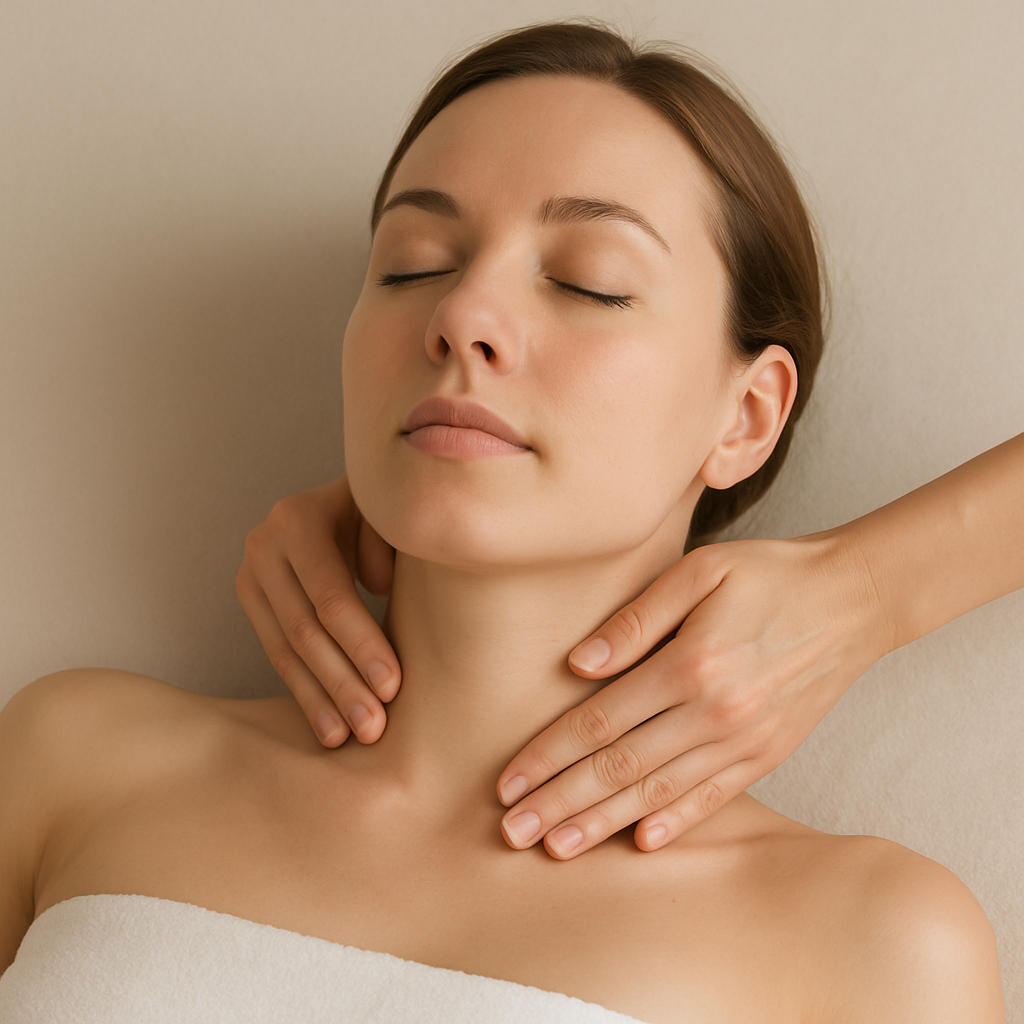
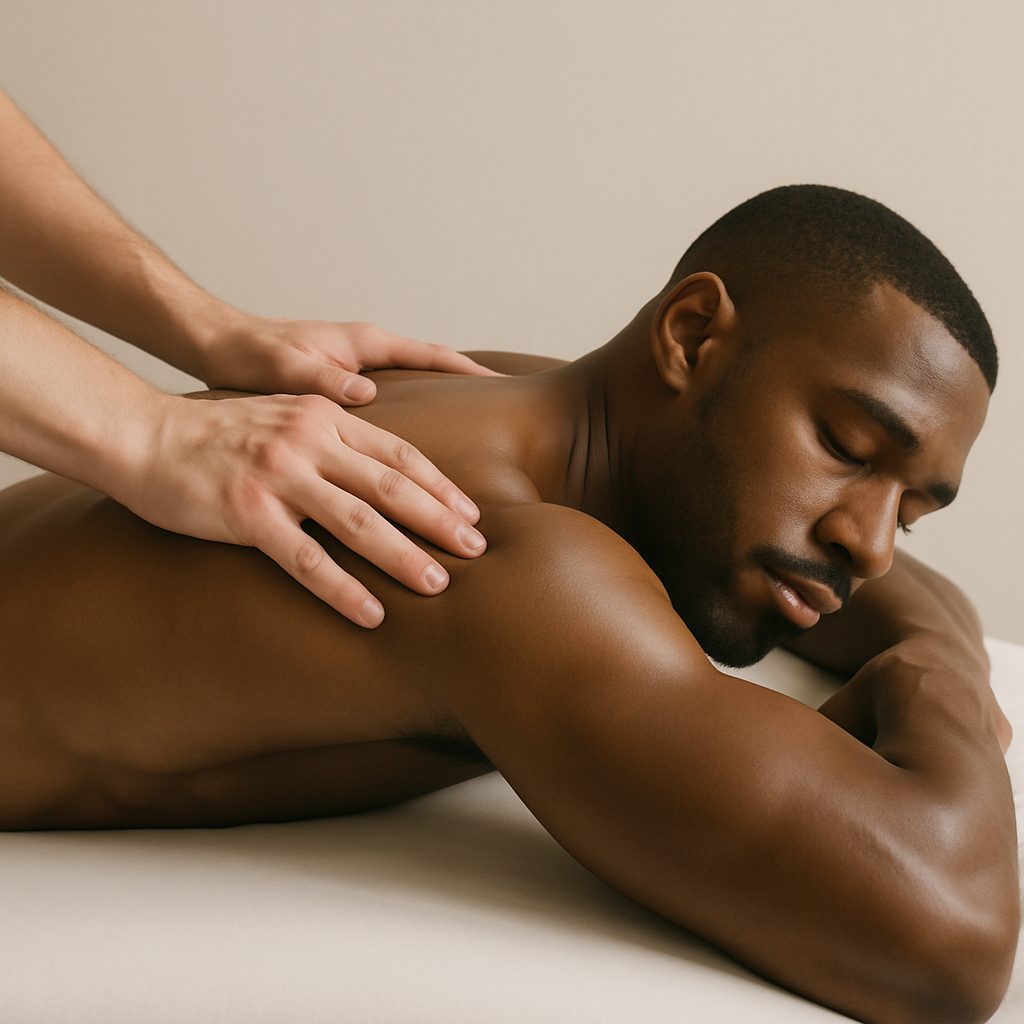
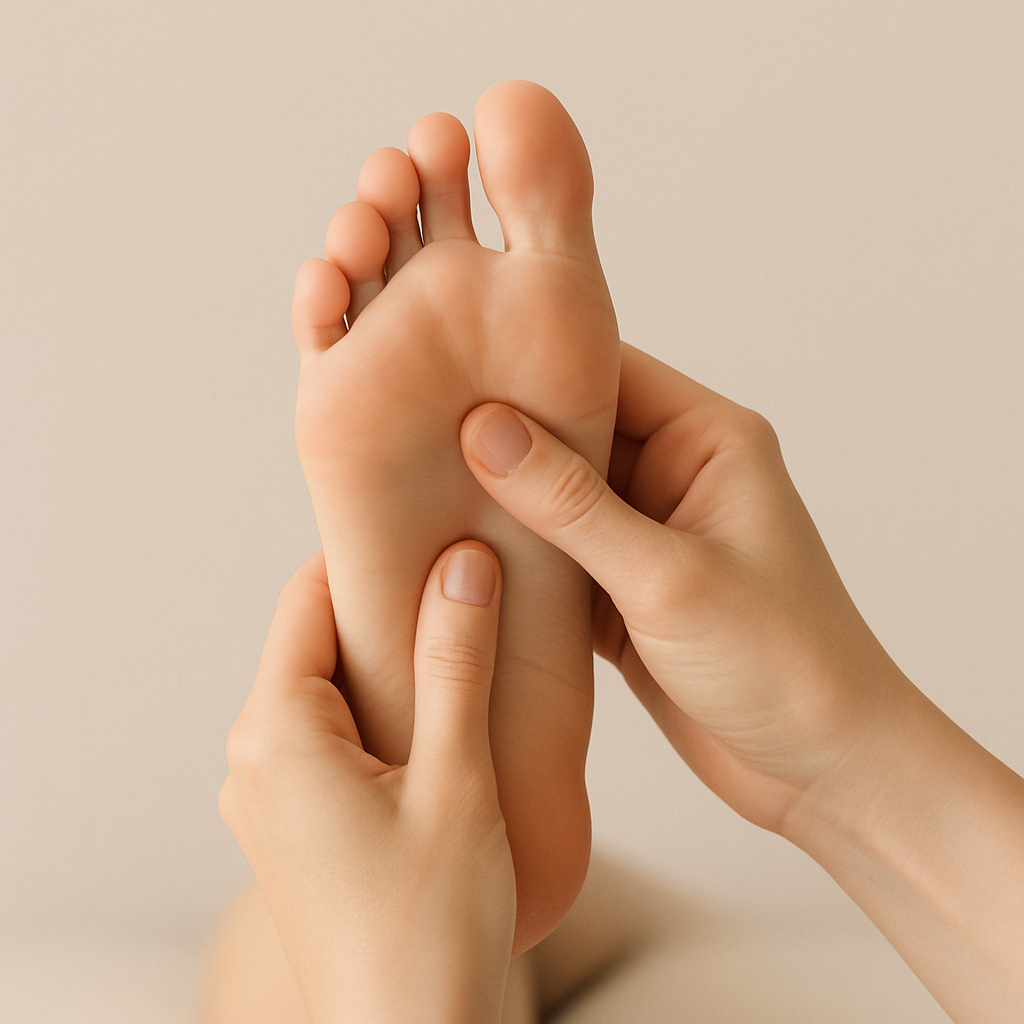
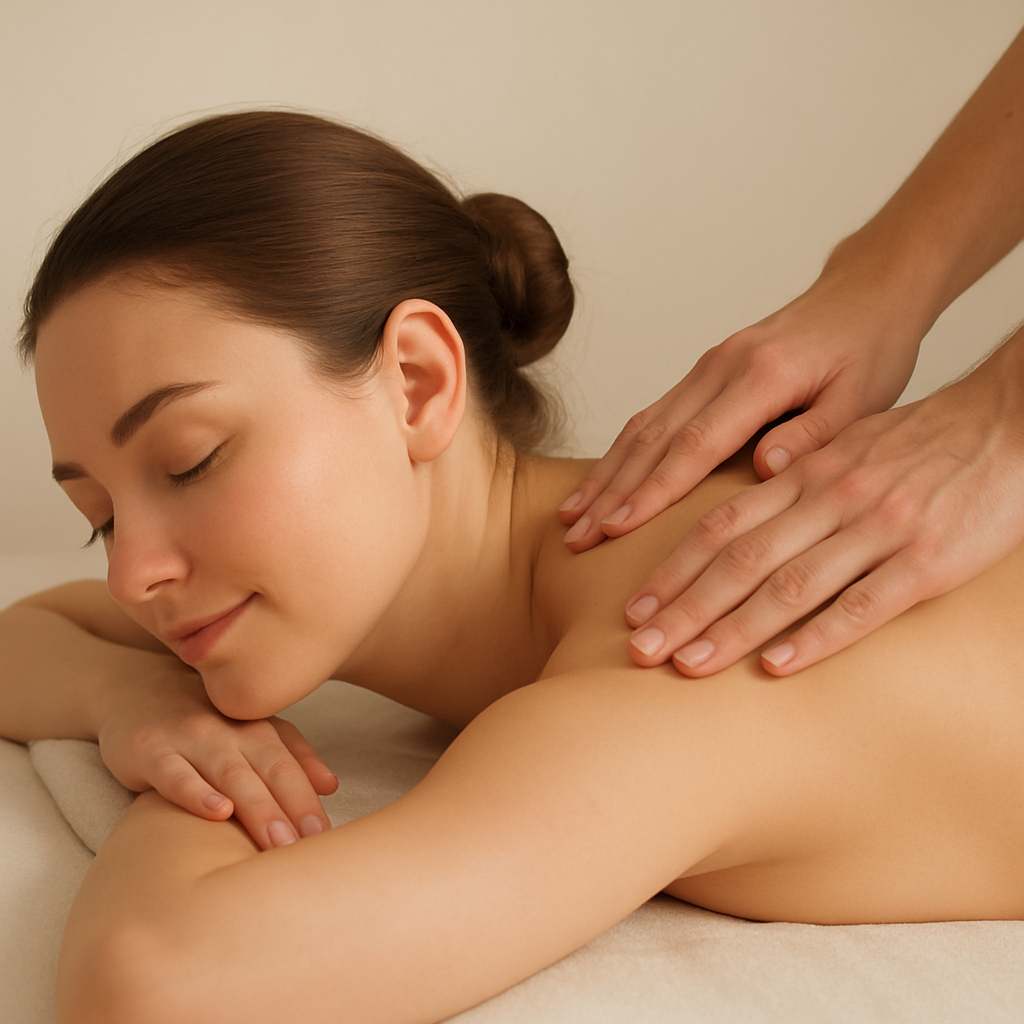
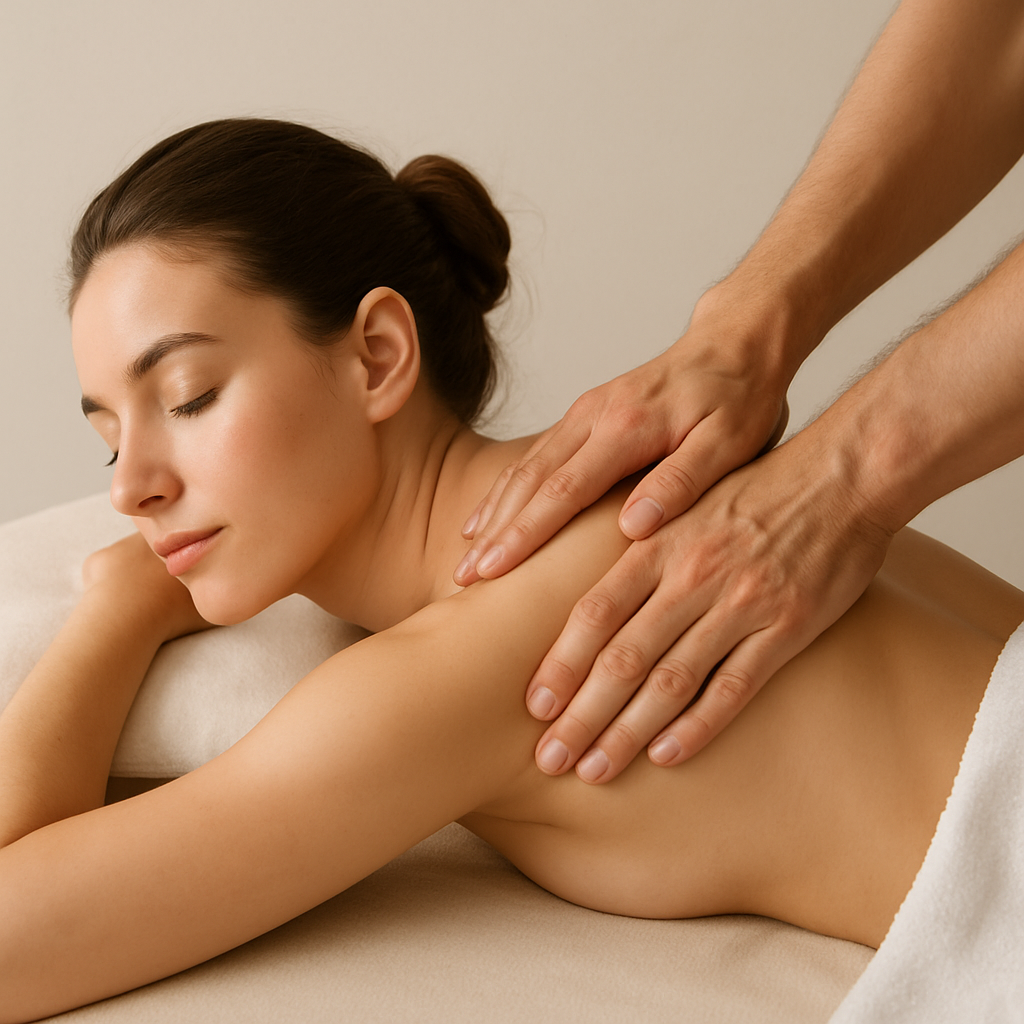
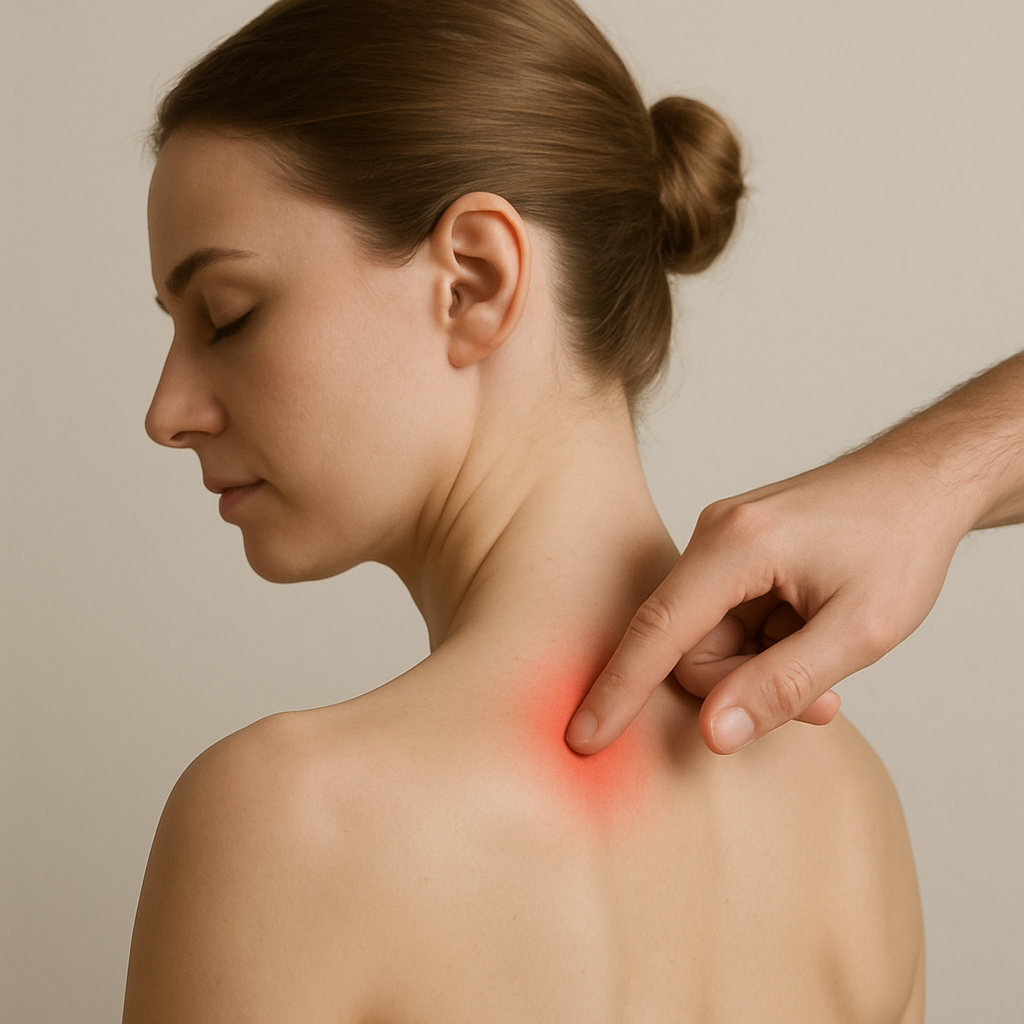
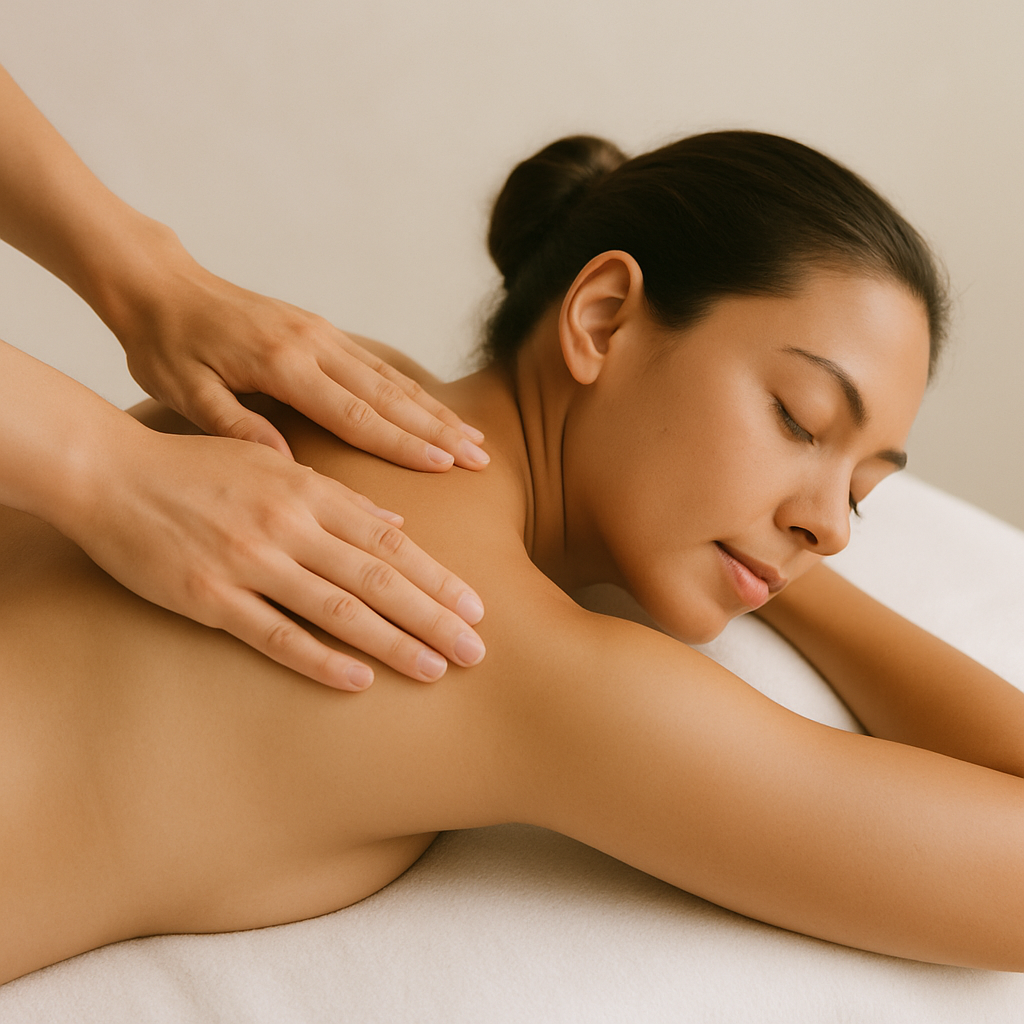
Pain Relief Therapy refers to a variety of natural remedies and techniques used to alleviate discomfort and improve overall well-being. This therapy often includes various forms of massage and bodywork, which are aimed at promoting relaxation, reducing tension, and enhancing the body's natural healing processes. Techniques can range from traditional practices like Swedish massage to more specialized forms such as myofascial release and trigger point therapy.
Key Active Compounds & Mechanisms
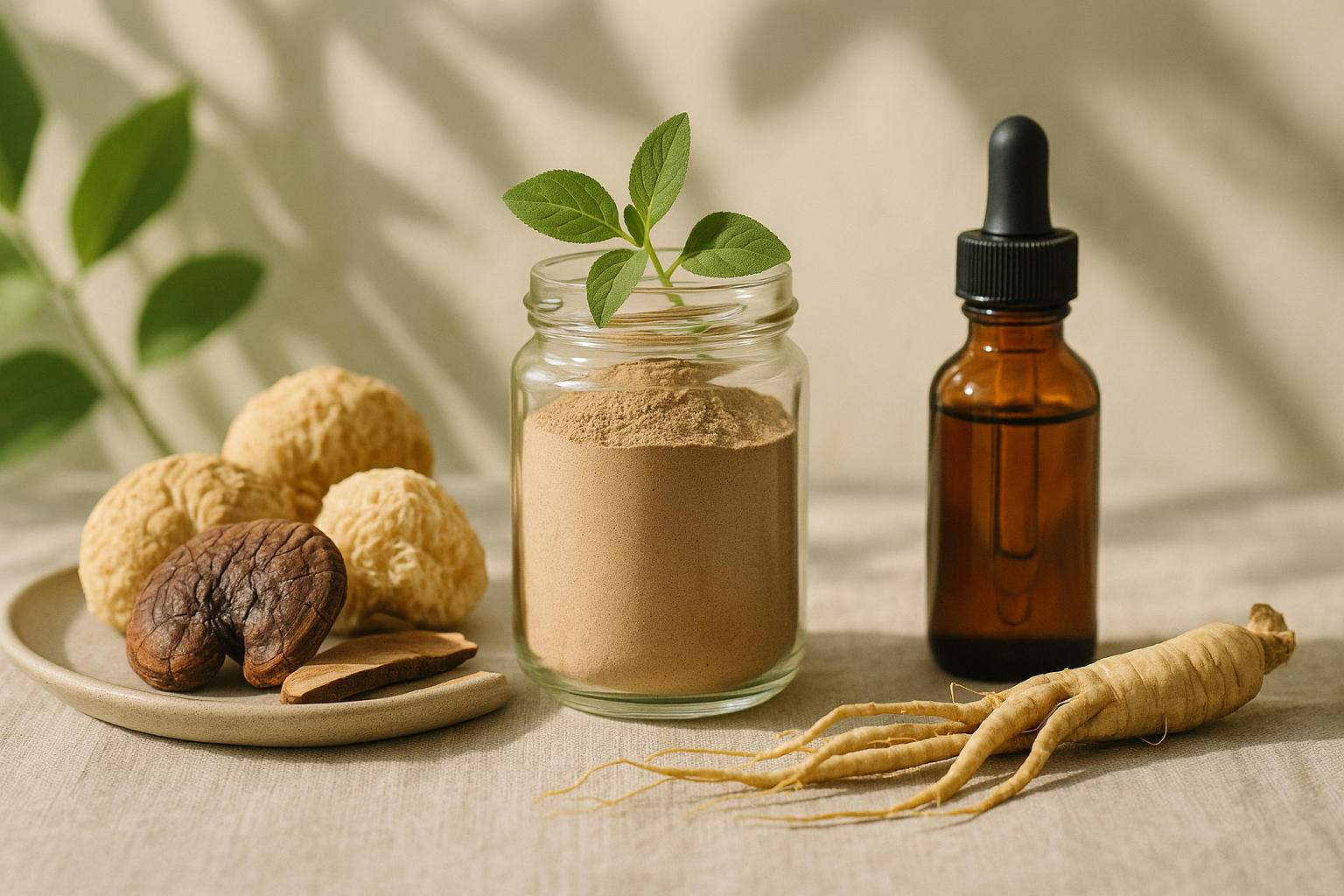
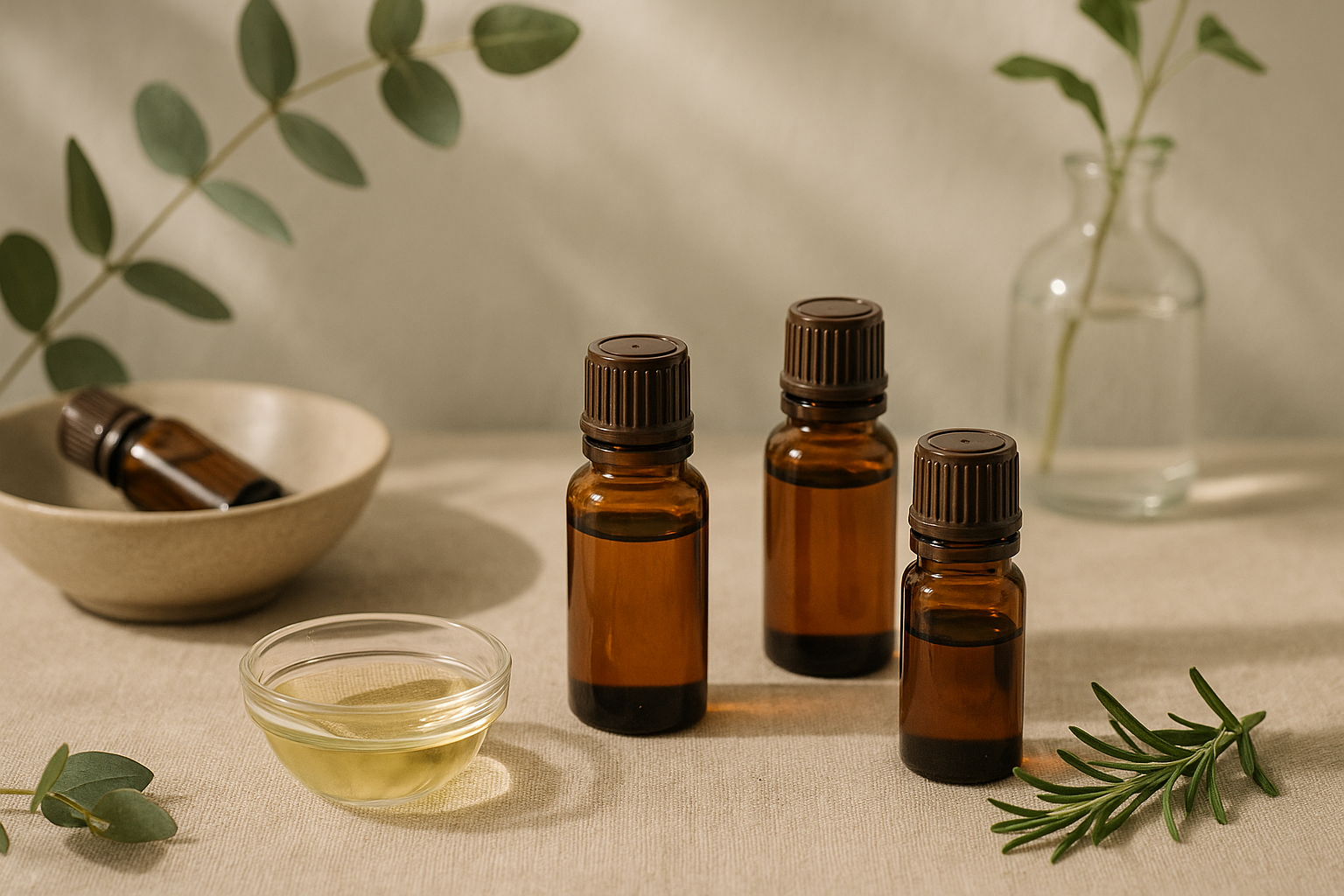
While many massage techniques do not rely on specific compounds, certain natural remedies used in conjunction with massage may enhance its effectiveness. For example, essential oils, such as lavender (Lavandula angustifolia) and peppermint (Mentha × piperita), contain active compounds that can provide analgesic and anti-inflammatory properties. The mechanisms through which these compounds work include:
- Analgesic effects: Reducing the perception of pain.
- Anti-inflammatory properties: Decreasing inflammation in muscles and joints.
- Muscle relaxation: Easing tension and promoting relaxation.
Traditional Uses
Historically, pain relief therapies have been utilized across various cultures. In Ancient China, acupuncture and herbal remedies were employed to is traditionally explored for pain and enhance overall health. In India, Ayurvedic practices included massage techniques, such as Abhyanga, which involved the use of warm oils to relieve muscle tension and promote circulation. Indigenous cultures worldwide have also relied on bodywork and natural remedies as part of their healing traditions.
What Modern Research Suggests
Modern research into pain relief therapies has yielded promising results, though further studies are needed to fully understand their efficacy. Clinical trials have shown that various massage techniques can significantly reduce pain levels in conditions such as chronic lower back pain, tension headaches, and fibromyalgia. Additionally, studies on essential oils suggest that certain compounds can have a positive impact on pain perception and inflammation.
Functional Actions
Pain relief therapy encompasses several functional actions that contribute to its effectiveness:
- Reduction of muscle tension: Techniques such as deep tissue massage help release tight muscles.
- Improved circulation: Enhanced blood flow can promote healing and reduce pain.
- Enhanced flexibility: Regular bodywork can increase range of motion.
- Stress reduction: Therapeutic touch and relaxation techniques promote mental well-being.
Body Systems Supported
Pain relief therapy supports multiple body systems, including:
- Musculoskeletal system: Alleviating pain in muscles and joints.
- Nervous system: Reducing stress and pain perception.
- Circulatory system: Enhancing blood flow and oxygen delivery to tissues.
- Endocrine system: Balancing hormones related to stress and pain.
Common Forms & Educational Dosing Ranges
Pain relief therapies can be experienced in various forms, including:
- Massage therapy: Ranges from 30 minutes to 90 minutes per session, depending on individual needs.
- Essential oils: Used in aromatherapy, typically 3-5 drops of essential oil per 1 teaspoon of carrier oil for topical application.
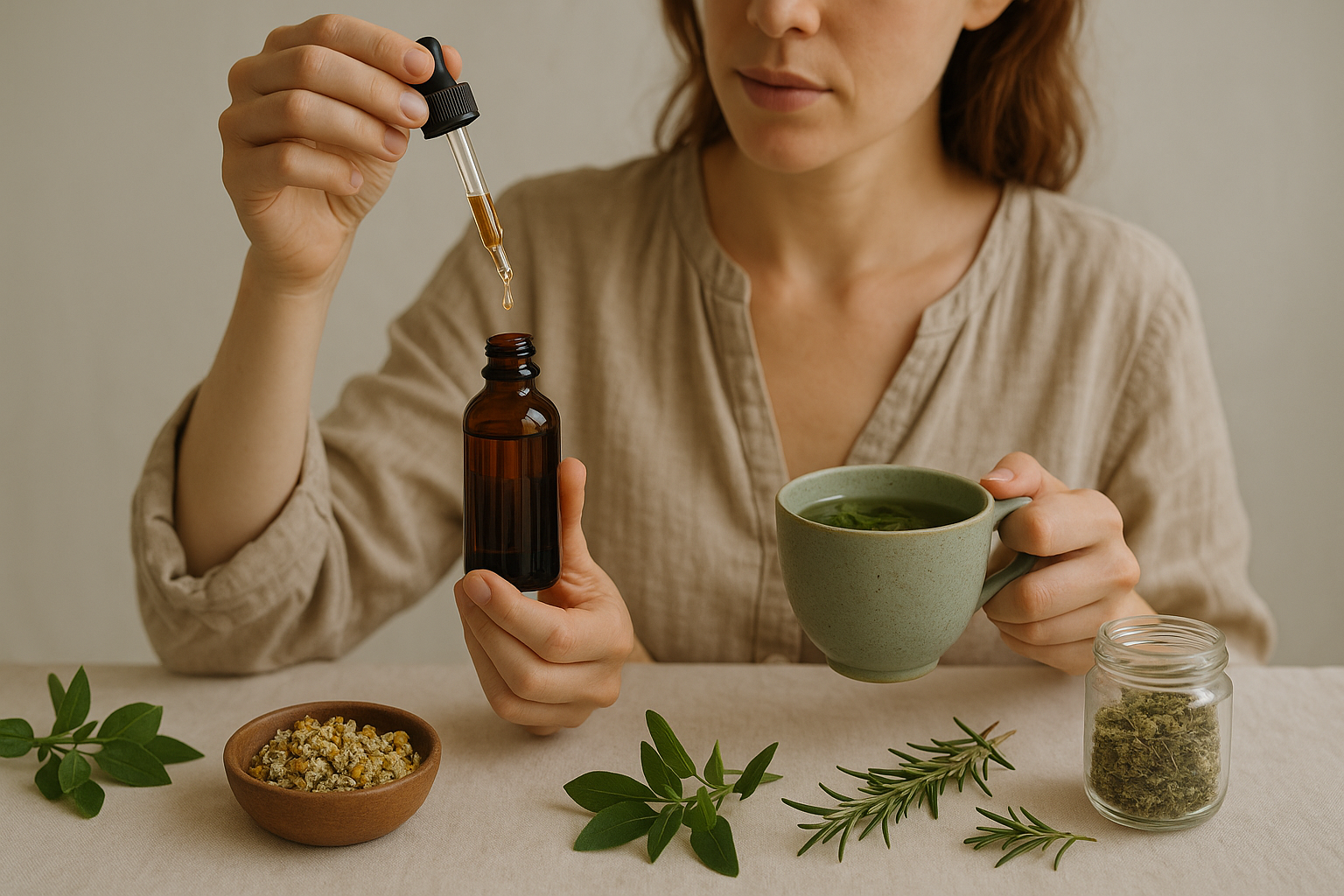
- Herbal remedies: Dosage varies based on the specific herb, so consulting with a qualified herbalist is recommended.
Safety, Contraindications & Interactions
While pain relief therapies are generally considered safe, there are some contraindications and interactions to be aware of:
- Massage therapy: Should be avoided in cases of recent fractures, severe osteoporosis, or skin infections.
- Essential oils: Certain oils may interact with medications, particularly anticoagulants and antihypertensives. Always consult with a healthcare provider before use.
- Herbal remedies: Some herbs can interact with prescription medications, especially blood thinners and sedatives.
Pairs Well With
Pain relief therapy can be effectively combined with:
- Yoga: Enhances flexibility and promotes relaxation.
- Acupuncture: Complements massage by targeting specific pain points.
- Meditation: Reduces stress and improves overall mental health.
- Hydrotherapy: Using heat or cold treatments can further relieve pain and enhance recovery.
FAQs (5)
- Is pain relief therapy safe for everyone? While generally safe, individuals with certain medical conditions should consult a healthcare provider before starting any therapy.
- How often should I receive pain relief therapy? Frequency depends on individual needs; however, many find benefit from weekly or bi-weekly sessions.
- Can essential oils be used for pain relief? Yes, certain essential oils have analgesic properties and can be used topically or in aromatherapy.
- What is the best type of massage for pain relief? Techniques such as deep tissue massage and trigger point therapy are often effective for relieving pain.
- Are there any side effects from pain relief therapies? Side effects are generally minimal but can include temporary soreness or discomfort following a massage.
Frequently asked
Is pain relief therapy safe for everyone?
While generally safe, individuals with certain medical conditions should consult a healthcare provider before starting any therapy.
How often should I receive pain relief therapy?
Frequency depends on individual needs; however, many find benefit from weekly or bi-weekly sessions.
Can essential oils be used for pain relief?
Yes, certain essential oils have analgesic properties and can be used topically or in aromatherapy.
What is the best type of massage for pain relief?
Techniques such as deep tissue massage and trigger point therapy are often effective for relieving pain.
Are there any side effects from pain relief therapies?
Side effects are generally minimal but can include temporary soreness or discomfort following a massage.