Anti-Inflammatory Wellness
Delve into anti-inflammatory wellness for longevity and anti-aging, covering its mechanisms, practical applications, and safety considerations.

Explore the benefits and mechanisms of anti-inflammatory wellness within the context of longevity and anti-aging. Discover practical applications, safety considerations, and key biomarkers for tracking progress.
What It Is
Anti-inflammatory wellness refers to a holistic approach aimed at reducing inflammation in the body, which is recognized as a significant factor in aging and various chronic diseases. Inflammation is a natural response of the immune system to injury or infection; however, when it becomes chronic, it can lead to a range of health issues, including heart disease, diabetes, and neurodegenerative conditions.
In the context of longevity and anti-aging, managing inflammation can help improve overall health, support cellular function, and enhance quality of life as we age. This entails incorporating dietary strategies, lifestyle changes, and potentially supplements that promote an anti-inflammatory state.
Mechanism / How It Works
The body’s inflammatory response is regulated by various cytokines, immune cells, and signaling pathways. When inflammation is triggered, pro-inflammatory cytokines are released, which can lead to a cascade of immune responses. Chronic inflammation can result from factors such as poor diet, lack of exercise, stress, and environmental toxins.
Anti-inflammatory wellness aims to mitigate these responses through several mechanisms, including:
- Dietary Interventions: Consuming foods rich in antioxidants, omega-3 fatty acids, and polyphenols can help lower inflammatory markers.
- Lifestyle Modifications: Reducing stress through mindfulness practices and ensuring adequate sleep can also help keep inflammation in check.
- Exercise: Regular physical activity is known to lower levels of inflammatory markers while promoting overall health.
Evidence Summary
Research into anti-inflammatory strategies is ongoing, and while there is a growing body of evidence supporting their efficacy, it's important to approach the findings critically.
- Preliminary Evidence: Some studies suggest that diets rich in fruits, vegetables, and healthy fats (like the Mediterranean diet) are associated with lower inflammation levels.
- Clinical Trials: Randomized controlled trials have shown that certain supplements, such as curcumin and omega-3 fatty acids, may help reduce inflammatory markers in specific populations.
- Conflicting Data: Not all studies agree on the effectiveness of certain approaches, indicating that more research is needed to understand the complexities of inflammation and individual responses.
Practical Application
To integrate anti-inflammatory wellness into daily life, consider the following protocols:
- Adopt an Anti-Inflammatory Diet: Focus on whole foods, including plenty of fruits, vegetables, nuts, seeds, and fatty fish.
- Regular Exercise: Aim for at least 150 minutes of moderate-intensity aerobic activity each week, combined with strength training.
- Mindfulness and Stress Reduction: Incorporate practices such as yoga, meditation, or deep-breathing exercises into your routine.
Common pitfalls include relying too heavily on supplements without dietary changes and neglecting the importance of lifestyle factors like sleep and stress management.
Relevant Biomarkers & Tracking
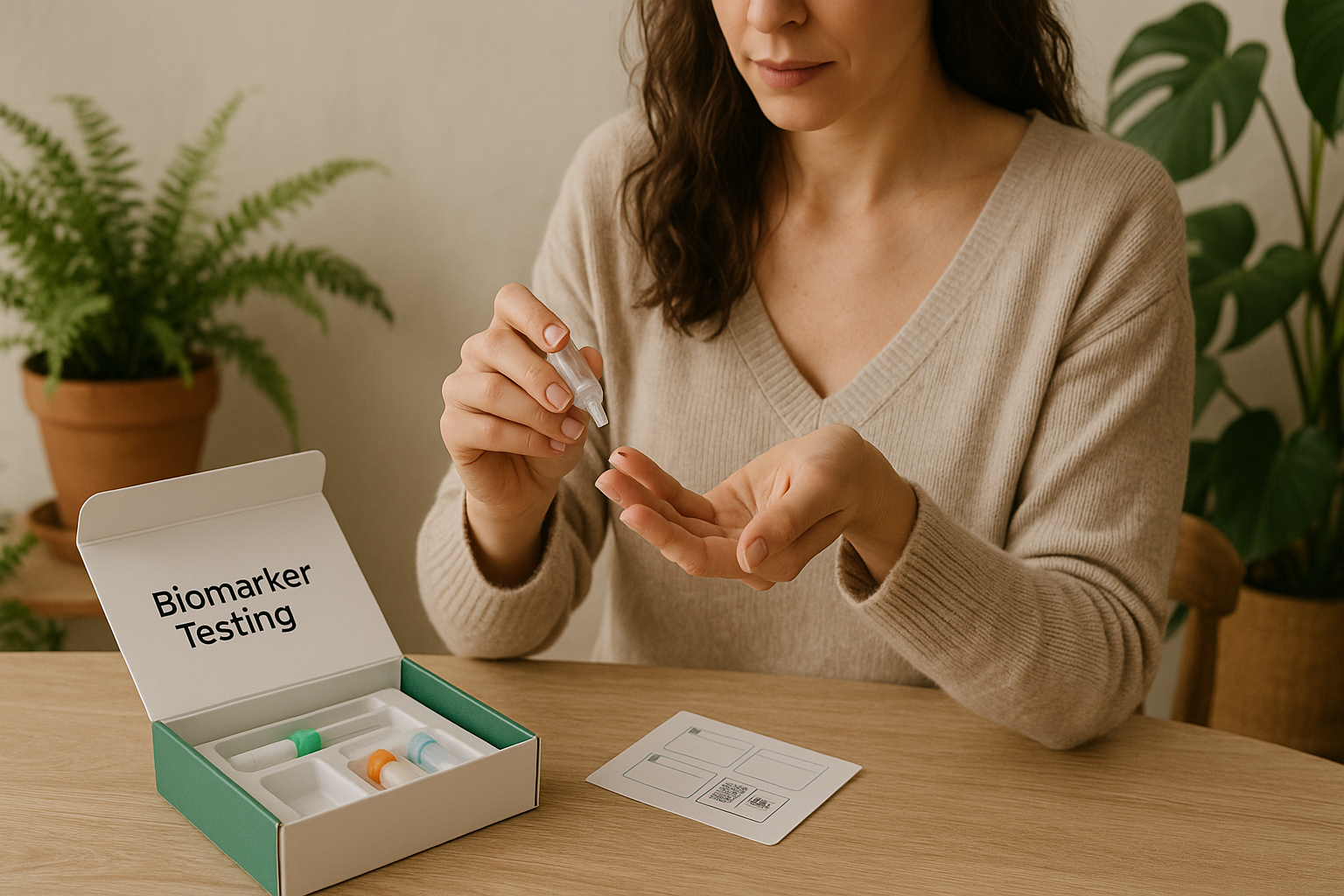
Identifying and tracking inflammation levels is essential for assessing the effectiveness of anti-inflammatory strategies. Relevant biomarkers include:
- C-Reactive Protein (CRP): A marker of systemic inflammation that can be measured through blood tests.
- Interleukin-6 (IL-6): Another cytokine associated with inflammation that can indicate chronic inflammatory states.
- Fibrinogen: A protein that increases in response to inflammation, measurable through blood tests.
Body Systems Supported
Anti-inflammatory wellness has broad implications for various body systems, including:
- Immune System: Reducing inflammation can enhance immune function and resilience against infections.
- Cardiovascular System: Lowering inflammation may help prevent heart disease and improve overall heart health.
- Nervous System: Anti-inflammatory strategies may protect against neurodegenerative diseases and support cognitive function.
Common Goals
Individuals pursuing anti-inflammatory wellness often aim for:
- Lower overall inflammation levels.
- Improved energy levels and vitality.
- Enhanced mental clarity and cognitive function.
- Longer healthspan and reduced risk of chronic diseases.
Safety, Contraindications & Edge Cases
While many anti-inflammatory strategies are generally safe, there are some considerations:
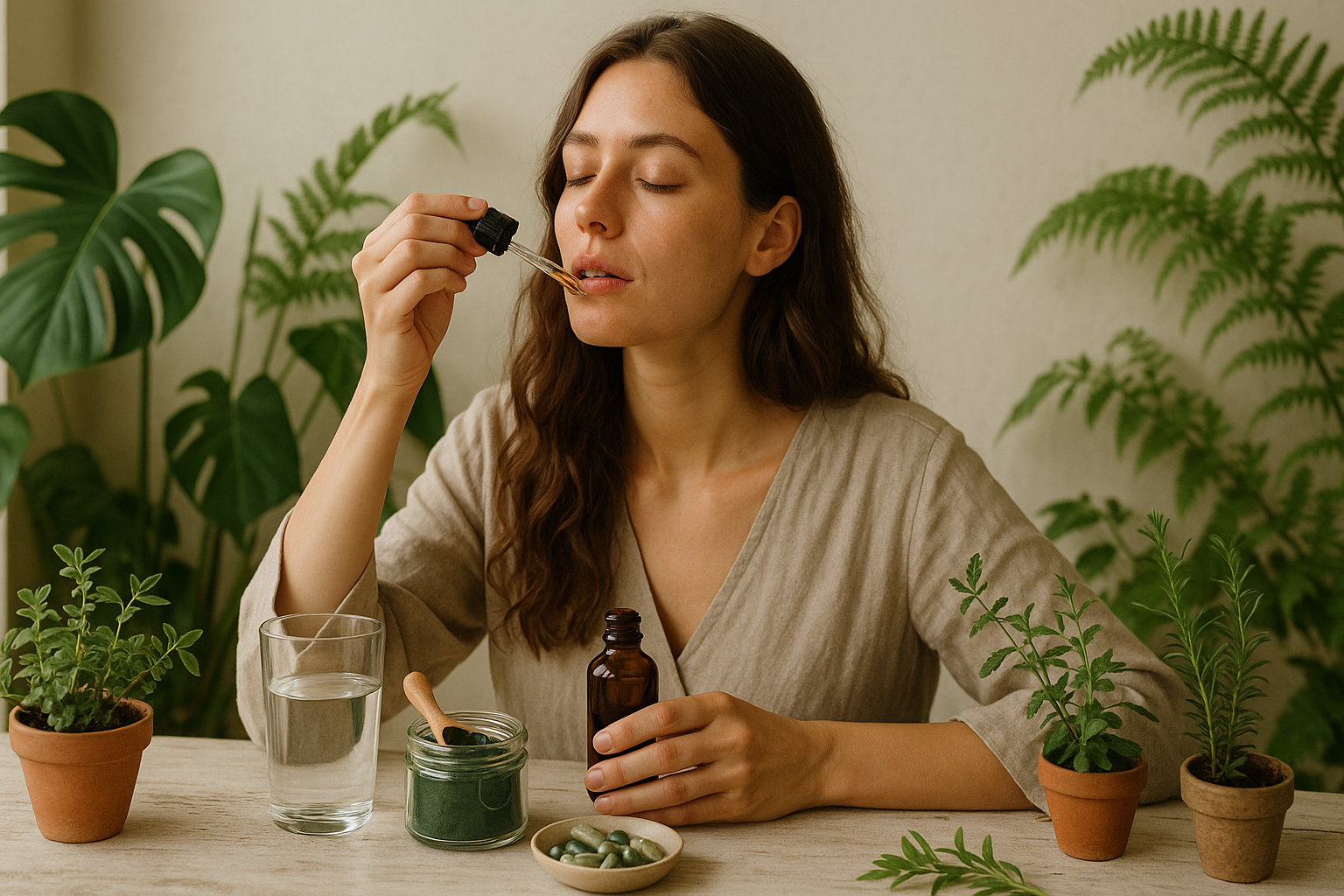
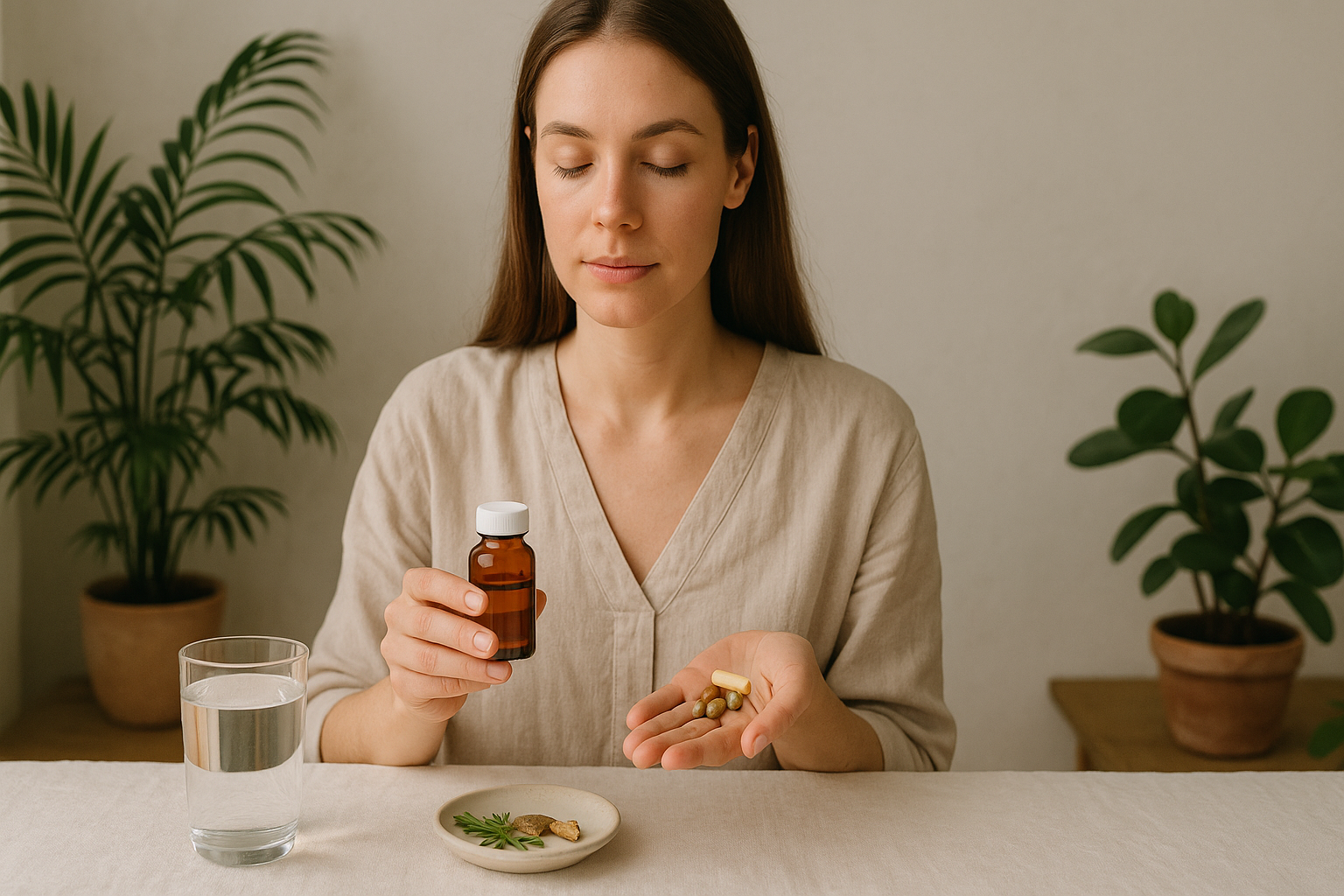
- Supplements: Some individuals may experience adverse effects or interactions with medications when taking anti-inflammatory supplements.
- Food Sensitivities: Certain foods may trigger inflammation in sensitive individuals, so it’s important to identify personal triggers.
- Underlying Health Conditions: Those with specific health conditions should consult healthcare professionals before making significant dietary or lifestyle changes.
Pairs Well With
Anti-inflammatory wellness complements various ancient and natural practices, including:
- Ayurvedic Medicine: Emphasizes the use of herbs and dietary practices to balance inflammation.
- Traditional Chinese Medicine: Focuses on harmony in the body and may utilize acupuncture and herbal remedies to reduce inflammation.
- Mind-Body Practices: Techniques such as tai chi and qigong promote both physical activity and stress reduction.
FAQs (5)
- What are the best foods for reducing inflammation? Foods rich in antioxidants, omega-3 fatty acids, and fiber, such as berries, fatty fish, nuts, and leafy greens, are beneficial.
- How can I naturally lower inflammation? Incorporate regular exercise, manage stress, and adopt an anti-inflammatory diet.
- Are anti-inflammatory supplements effective? Some supplements may help reduce inflammation, but results can vary; consult a healthcare provider for personalized advice.
- How long does it take to see results from anti-inflammatory strategies? Results can vary but may be noticeable within weeks to months, depending on individual factors.
- Can inflammation be completely eliminated? While it’s not possible to may help with all inflammation, chronic inflammation can be managed effectively through lifestyle changes.
Frequently asked
What are the best foods for reducing inflammation?
Foods rich in antioxidants, omega-3 fatty acids, and fiber, such as berries, fatty fish, nuts, and leafy greens, are beneficial.
How can I naturally lower inflammation?
Incorporate regular exercise, manage stress, and adopt an anti-inflammatory diet.
Are anti-inflammatory supplements effective?
Some supplements may help reduce inflammation, but results can vary; consult a healthcare provider for personalized advice.
How long does it take to see results from anti-inflammatory strategies?
Results can vary but may be noticeable within weeks to months, depending on individual factors.
Can inflammation be completely eliminated?
While it’s not possible to eliminate all inflammation, chronic inflammation can be managed effectively through lifestyle changes.