Cellular Longevity
Discover the principles of cellular longevity, how it works, and its implications for anti-aging and wellness.

Explore the concept of cellular longevity, its mechanisms, and practical applications for promoting a longer, healthier life.
What It Is
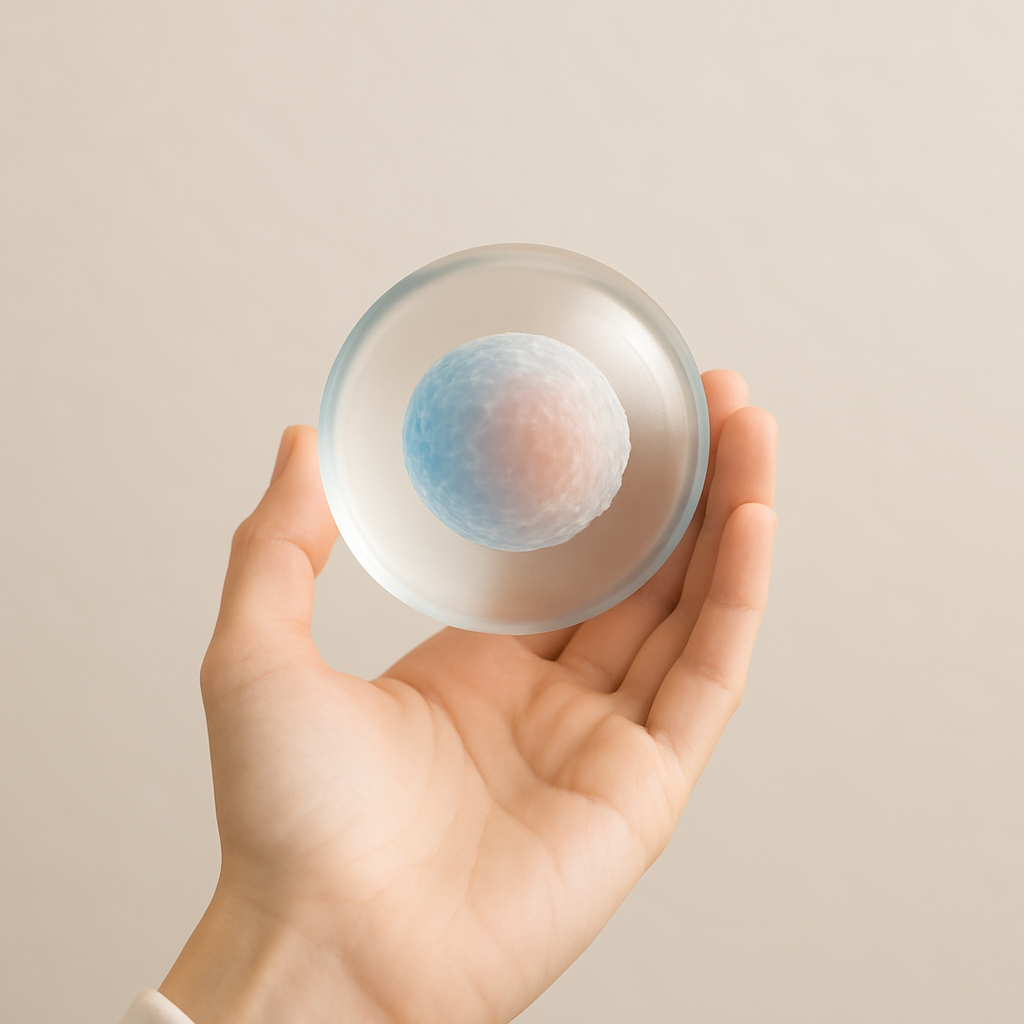
Cellular longevity refers to the ability of cells to maintain their function and integrity over time, contributing to overall health and lifespan. It encompasses various biological processes that prevent cellular aging, including DNA repair, oxidative stress management, and cellular senescence control. Understanding cellular longevity is crucial in the field of anti-aging, as it provides insights into how we can enhance the life span of our cells, thereby promoting better health as we age.
At its core, cellular longevity is about extending the functional life of our cells, which in turn supports the health of tissues and organs. This involves a complex interplay of genetic, environmental, and lifestyle factors that influence cellular health and aging. The study of cellular longevity aims to uncover the mechanisms that lead to cellular aging and to develop strategies to counteract these processes.
Mechanism / How It Works
The mechanisms behind cellular longevity are multifaceted and involve several biological pathways. Key processes include:
- Telomere Maintenance: Telomeres are protective caps at the ends of chromosomes that shorten with each cell division. Maintaining telomere length is crucial for cellular longevity.
- Autophagy: This is the process by which cells clear out damaged components, thus promoting cell health and function.
- Oxidative Stress Response: Cells have mechanisms to combat oxidative stress, which can lead to cellular damage and aging.
- DNA Repair Mechanisms: Efficient DNA repair systems help maintain genomic integrity, which is essential for cellular longevity.
Through the modulation of these processes, scientists are exploring ways to enhance cellular longevity, potentially impacting overall health and lifespan.
Evidence Summary
The research on cellular longevity is still evolving, with both promising findings and areas of uncertainty. Preliminary studies have shown that lifestyle factors such as diet, exercise, and stress management can positively influence cellular longevity. For instance, caloric restriction and certain dietary patterns rich in antioxidants may promote cellular health.
Clinical trials investigating specific interventions, such as supplements targeting cellular repair mechanisms, have yielded mixed results. Some studies indicate benefits in markers of cellular aging, while others report negligible effects. Moreover, the complexity of human biology means that findings can vary widely among individuals.
In summary, while there is a growing body of evidence supporting the importance of cellular longevity for health and aging, much remains to be understood. Ongoing research is necessary to clarify the efficacy of various interventions.
Practical Application
- Nutrition: Incorporate a diet rich in antioxidants, healthy fats, and fiber. Foods such as berries, nuts, and green leafy vegetables are excellent choices.
- Physical Activity: Engage in regular exercise to enhance mitochondrial function and promote autophagy.
- Stress Management: Implement stress-reducing practices such as mindfulness, meditation, and yoga.
Common pitfalls include neglecting the importance of sleep and over-restricting calories, which can negatively impact overall health. Balancing these practices with a focus on enjoyment and sustainability is key.
Relevant Biomarkers & Tracking
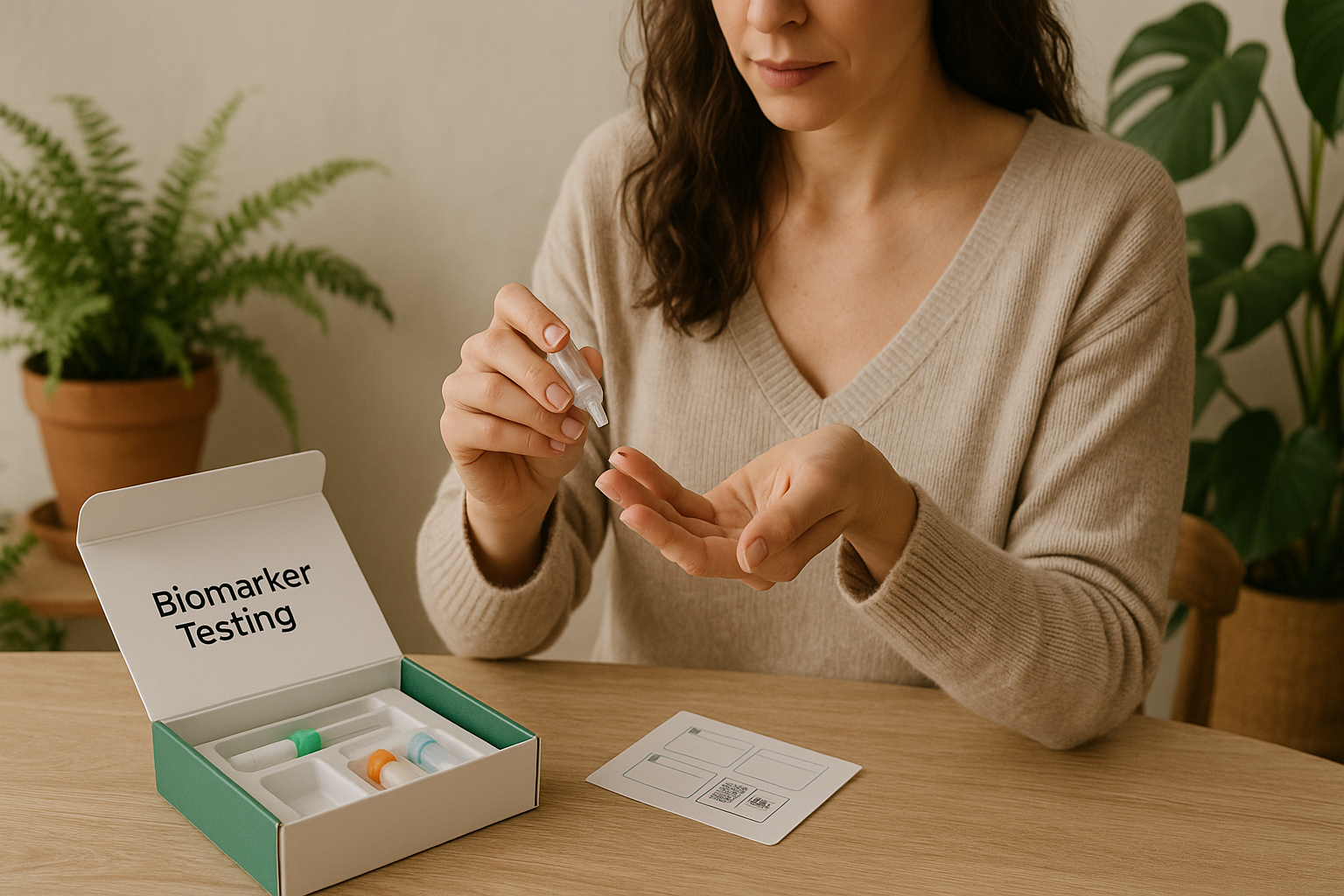
Tracking biomarkers of cellular longevity can provide insights into your health status and the effectiveness of your lifestyle interventions. Relevant biomarkers include:
- Telomere length
- Levels of oxidative stress markers
- Inflammatory markers, such as C-reactive protein (CRP)
- Metabolic markers, including glucose and insulin sensitivity
Regular health screenings and blood tests can help monitor these biomarkers, allowing for informed adjustments to your health protocols.
Body Systems Supported
Cellular longevity supports various body systems, including:
- Immune System: Healthy cells contribute to a robust immune response.
- Cardiovascular System: Maintaining cellular health can support heart function and reduce the risk of cardiovascular diseases.
- Neurological System: Cellular longevity practices may help protect against neurodegenerative diseases.
- Endocrine System: Balanced hormones are essential for overall health and can be influenced by cellular health.
Common Goals
Individuals pursuing cellular longevity often have common goals, including:
- Reducing the signs of aging
- Enhancing overall vitality and energy levels
- Improving mental clarity and cognitive function
- Maintaining physical mobility and strength
Safety, Contraindications & Edge Cases
While practices aimed at enhancing cellular longevity are generally safe, some considerations include:
- Caloric restriction may not be suitable for everyone, particularly those with certain medical conditions.
- Supplements should be approached with caution, as not all are backed by strong evidence.
- Individuals with specific health conditions should consult their healthcare provider before making significant lifestyle changes.
Pairs Well With
Cellular longevity practices can be complemented by ancient and natural counterparts, such as:
- Traditional Chinese Medicine: Practices like Qi Gong and acupuncture focus on energy balance and holistic well-being.
- Ayurveda: The principles of Ayurveda emphasize diet and lifestyle tailored to individual constitution, promoting longevity.
- Herbal Remedies: Adaptogens like ashwagandha and rhodiola may support stress management and overall vitality.
FAQs (5)
- What is cellular longevity?
Cellular longevity is the ability of cells to maintain their function and integrity over time, contributing to overall health and lifespan. - How can I promote cellular longevity?
You can promote cellular longevity through a balanced diet, regular exercise, stress management, and adequate sleep. - Are there specific supplements for cellular longevity?
Some supplements may support cellular health, but it is essential to consult with a healthcare provider before starting any new supplementation. - What biomarkers can I track for cellular longevity?
Biomarkers include telomere length, oxidative stress markers, inflammatory markers, and metabolic indicators. - Is cellular longevity research conclusive?
While promising, the research on cellular longevity is still evolving, with ongoing studies needed to establish definitive conclusions.
Frequently asked
What is cellular longevity?
Cellular longevity is the ability of cells to maintain their function and integrity over time, contributing to overall health and lifespan.
How can I promote cellular longevity?
You can promote cellular longevity through a balanced diet, regular exercise, stress management, and adequate sleep.
Are there specific supplements for cellular longevity?
Some supplements may support cellular health, but it is essential to consult with a healthcare provider before starting any new supplementation.
What biomarkers can I track for cellular longevity?
Biomarkers include telomere length, oxidative stress markers, inflammatory markers, and metabolic indicators.
Is cellular longevity research conclusive?
While promising, the research on cellular longevity is still evolving, with ongoing studies needed to establish definitive conclusions.