Bio-Aging Analysis
Discover the fundamentals of bio-aging analysis, its mechanisms, evidence, applications, and safety considerations in the pursuit of longevity and anti-aging.

Explore bio-aging analysis, a cutting-edge approach to understanding and potentially slowing the aging process through the evaluation of biological markers and lifestyle factors.
What It Is
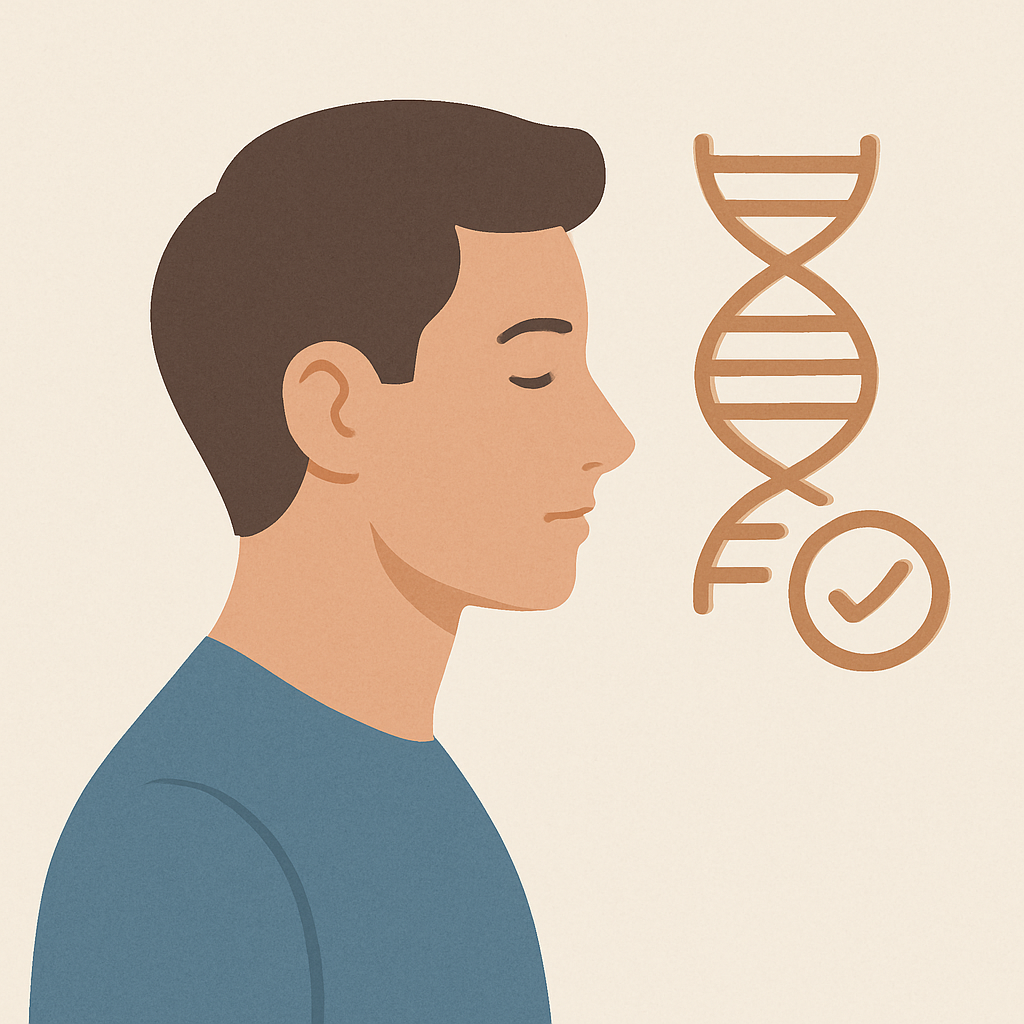
Bio-aging analysis is a comprehensive approach that aims to assess an individual's biological age compared to their chronological age. This analysis goes beyond traditional age metrics by examining various biological markers, which can include genetic, epigenetic, and physiological indicators. The goal is to identify how well a person's body is aging and the factors that may influence this process.
As science continues to uncover the complexities of aging, bio-aging analysis provides insights into the biological mechanisms that contribute to age-related decline. By understanding these markers, individuals can make informed lifestyle choices to promote longevity and improve their overall well-being.
Mechanism / How It Works
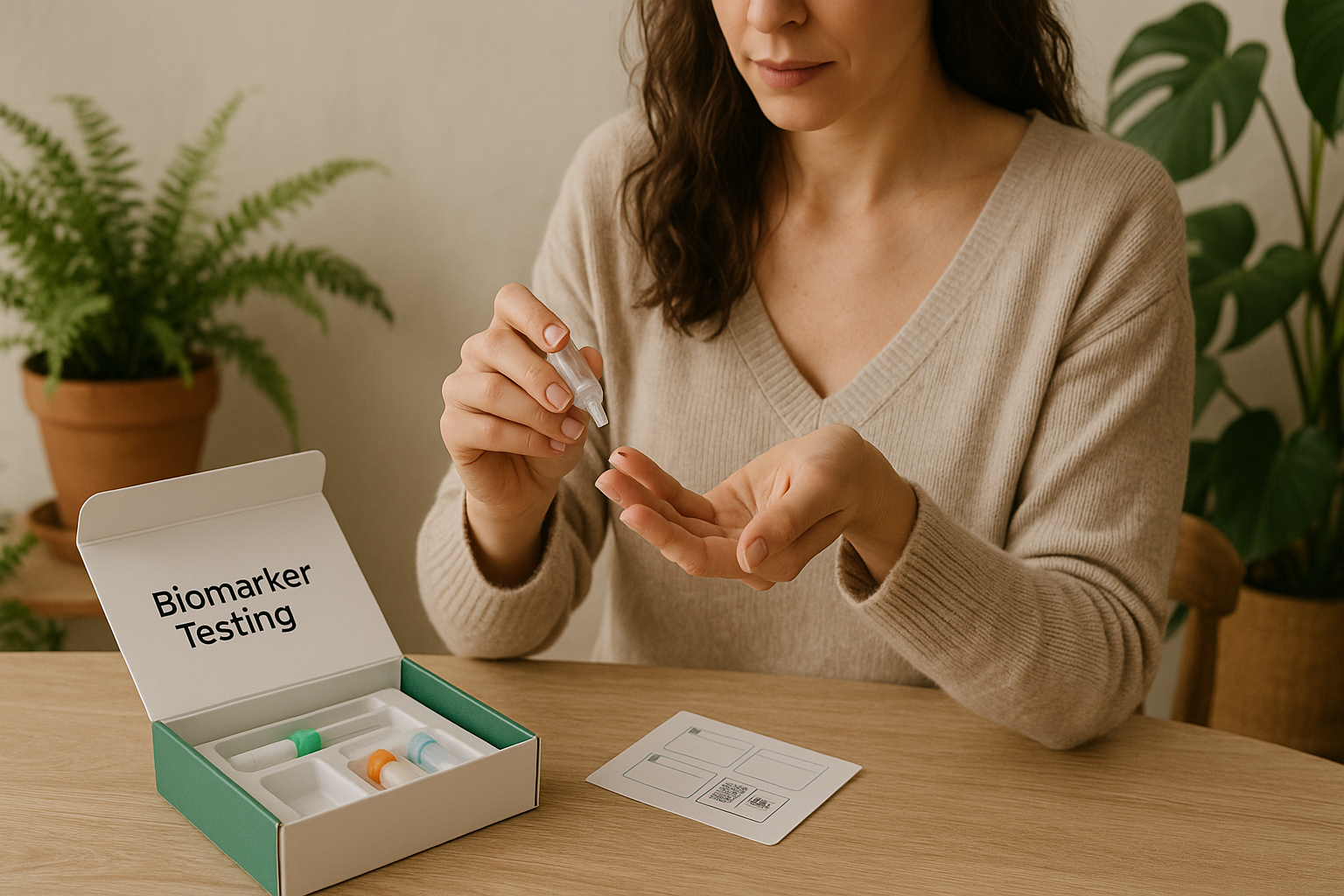
Bio-aging analysis typically involves collecting data on various biomarkers, which may include DNA methylation patterns, telomere length, inflammation markers, and hormonal levels. These indicators help create a profile of an individual's biological age. For example, DNA methylation, a process that regulates gene expression, has been shown to correlate with aging and can be measured through blood tests.
The analysis often combines laboratory testing with lifestyle assessments, such as diet, exercise, and stress levels, to provide a comprehensive view of a person's health. By correlating these factors with biological markers, practitioners can offer personalized recommendations aimed at slowing the aging process and enhancing vitality.
Evidence Summary
The evidence supporting bio-aging analysis is still evolving, with preliminary studies demonstrating promising correlations between specific biomarkers and aging. Research has shown that certain markers, such as telomere length and DNA methylation, can be indicative of biological age and may predict age-related health outcomes.
However, the field is not without conflicting findings. Some studies have reported variability in how different individuals' biological markers correlate with aging, suggesting that genetics, environment, and lifestyle play a significant role. While more clinical trials are needed to establish definitive protocols, the current understanding points to bio-aging analysis as a valuable tool for assessing and potentially influencing the aging process.
Practical Application
Integrating bio-aging analysis into daily life can be achieved through several protocols. Individuals interested in this approach should start by undergoing a comprehensive bio-aging analysis through a qualified practitioner. This may include blood tests and lifestyle assessments to determine biological markers.
Once the analysis is complete, individuals can implement personalized lifestyle changes based on the results. Common recommendations may include:
- Adopting a balanced diet rich in antioxidants and anti-inflammatory foods.
- Engaging in regular physical activity, focusing on both aerobic and strength training exercises.
- Practicing stress-reduction techniques such as mindfulness, meditation, or yoga.
- Ensuring adequate sleep and rest to support recovery and hormone balance.
Common pitfalls to avoid include relying solely on bio-aging analysis without making necessary lifestyle changes and neglecting the importance of regular follow-ups to track progress.
Relevant Biomarkers & Tracking
Several biomarkers are commonly assessed in bio-aging analysis, including:
- DNA Methylation: Changes in methylation patterns can indicate biological age.
- Telomere Length: Shorter telomeres are associated with cellular aging.
- Inflammatory Markers: Elevated levels can signal accelerated aging.
- Hormonal Levels: Imbalances in hormones like cortisol and testosterone can impact aging.
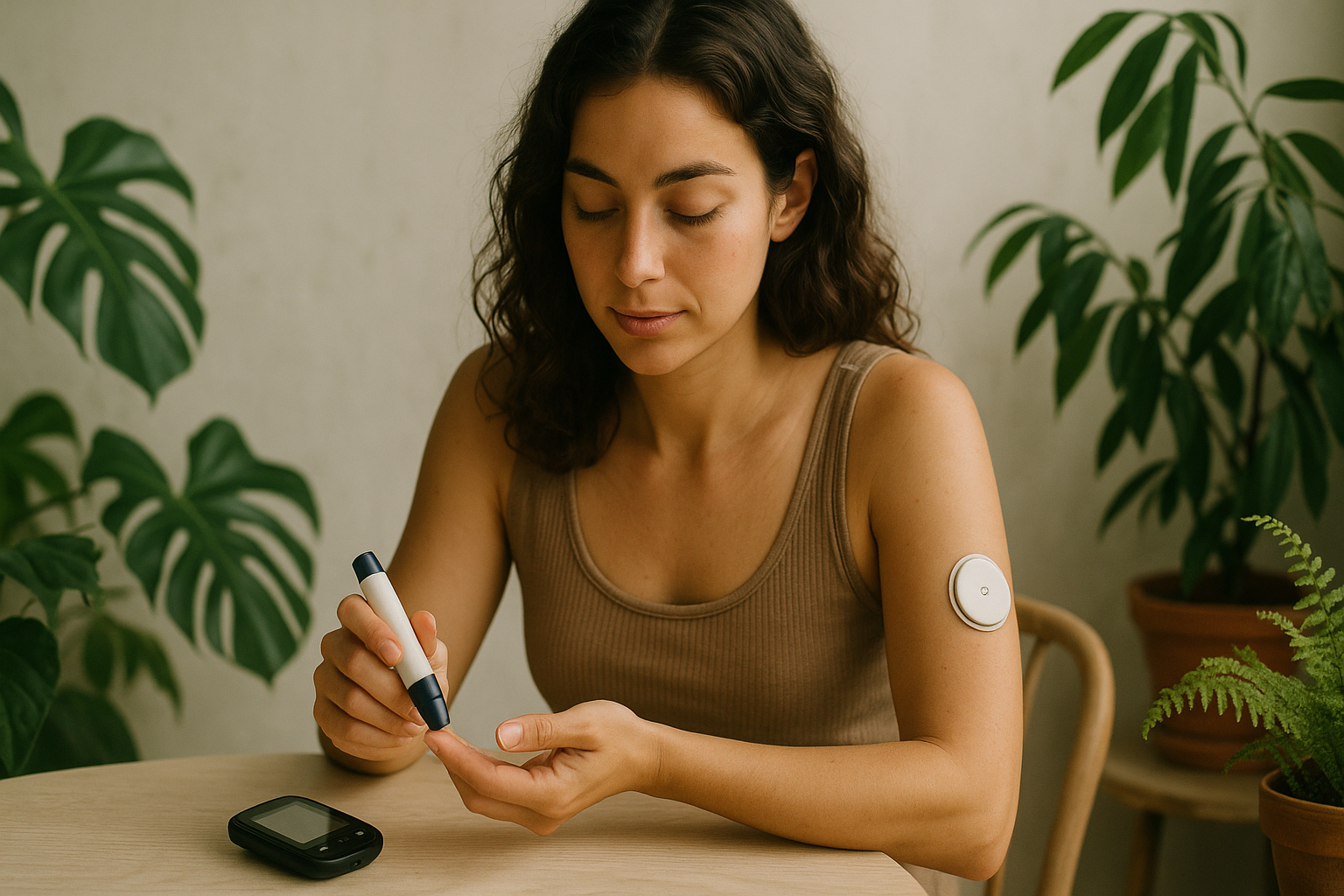
Tracking these biomarkers over time can help individuals gauge their biological age and the effectiveness of lifestyle changes.
Body Systems Supported
Bio-aging analysis primarily supports the following body systems:
- Endocrine System: Hormonal balance is crucial for overall health and longevity.
- Immune System: Understanding inflammation and immune responses can guide health strategies.
- Cardiovascular System: Biomarkers related to heart health can indicate aging risks.
- Neurological System: Insights into cognitive function and brain health may emerge from bio-aging analysis.
Common Goals
The primary goals of bio-aging analysis include:
- Reducing biological age to align more closely with chronological age.
- Improving overall health and vitality.
- Enhancing resilience against age-related diseases.
- Personalizing health strategies based on individual biological markers.
Safety, Contraindications & Edge Cases
Bio-aging analysis is generally considered safe for most individuals; however, it is crucial to approach this analysis under professional guidance. Contraindications may include certain medical conditions where biomarker testing could lead to misinterpretation of results.
Individuals with complex health issues or those currently undergoing treatment for chronic diseases should consult healthcare professionals before engaging in bio-aging analysis to ensure that it complements their existing health strategies.
Pairs Well With
Bio-aging analysis pairs well with various ancient and natural health practices that support longevity, such as:
- Ayurveda: This ancient system emphasizes individualized wellness through diet and lifestyle.
- Traditional Chinese Medicine: Focuses on balance and harmony, offering holistic approaches to health.
- Herbal Remedies: Natural supplements to support aging can complement findings from bio-aging analysis.
FAQs (5)
- What is the difference between chronological age and biological age? Chronological age refers to the number of years since birth, while biological age reflects the physiological state of the body and can vary based on genetics and lifestyle.
- How often should I undergo bio-aging analysis? It is typically recommended to undergo bio-aging analysis once a year or as advised by a healthcare professional, depending on individual health goals.
- Can lifestyle changes reverse biological age? While lifestyle changes can positively influence biological age, complete reversal is not commonly explored; improvement is often the goal.
- Is bio-aging analysis covered by insurance? Coverage varies by provider; it is best to check with your insurance company for specifics.
- Are there any risks associated with bio-aging analysis? The analysis itself is non-invasive, but relying solely on results without professional guidance can lead to misunderstandings about health.
Frequently asked
What is the difference between chronological age and biological age?
Chronological age refers to the number of years since birth, while biological age reflects the physiological state of the body and can vary based on genetics and lifestyle.
How often should I undergo bio-aging analysis?
It is typically recommended to undergo bio-aging analysis once a year or as advised by a healthcare professional, depending on individual health goals.
Can lifestyle changes reverse biological age?
While lifestyle changes can positively influence biological age, complete reversal is not guaranteed; improvement is often the goal.
Is bio-aging analysis covered by insurance?
Coverage varies by provider; it is best to check with your insurance company for specifics.
Are there any risks associated with bio-aging analysis?
The analysis itself is non-invasive, but relying solely on results without professional guidance can lead to misunderstandings about health.